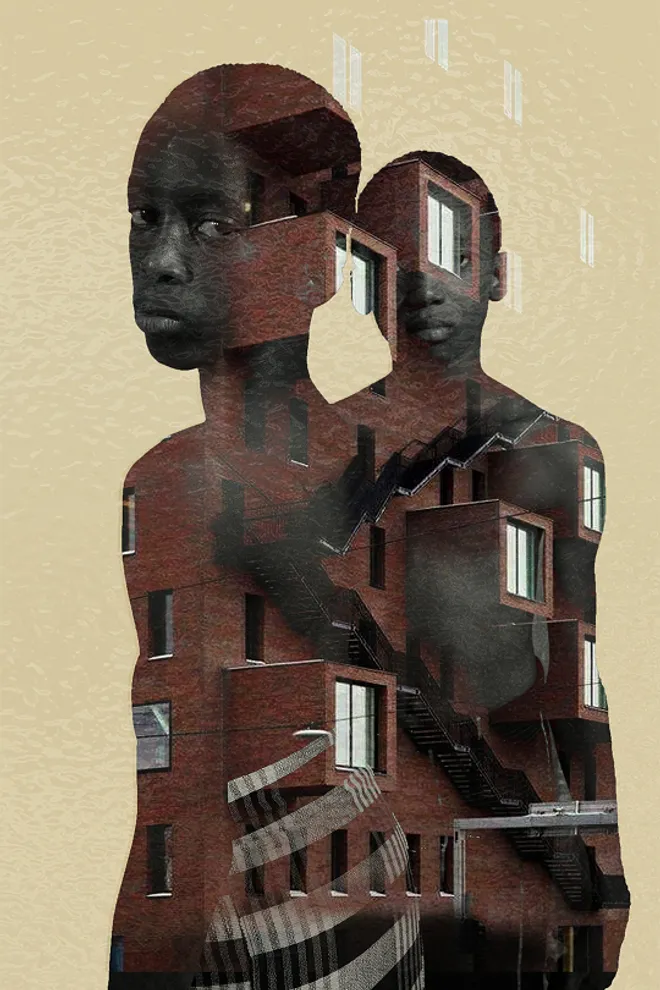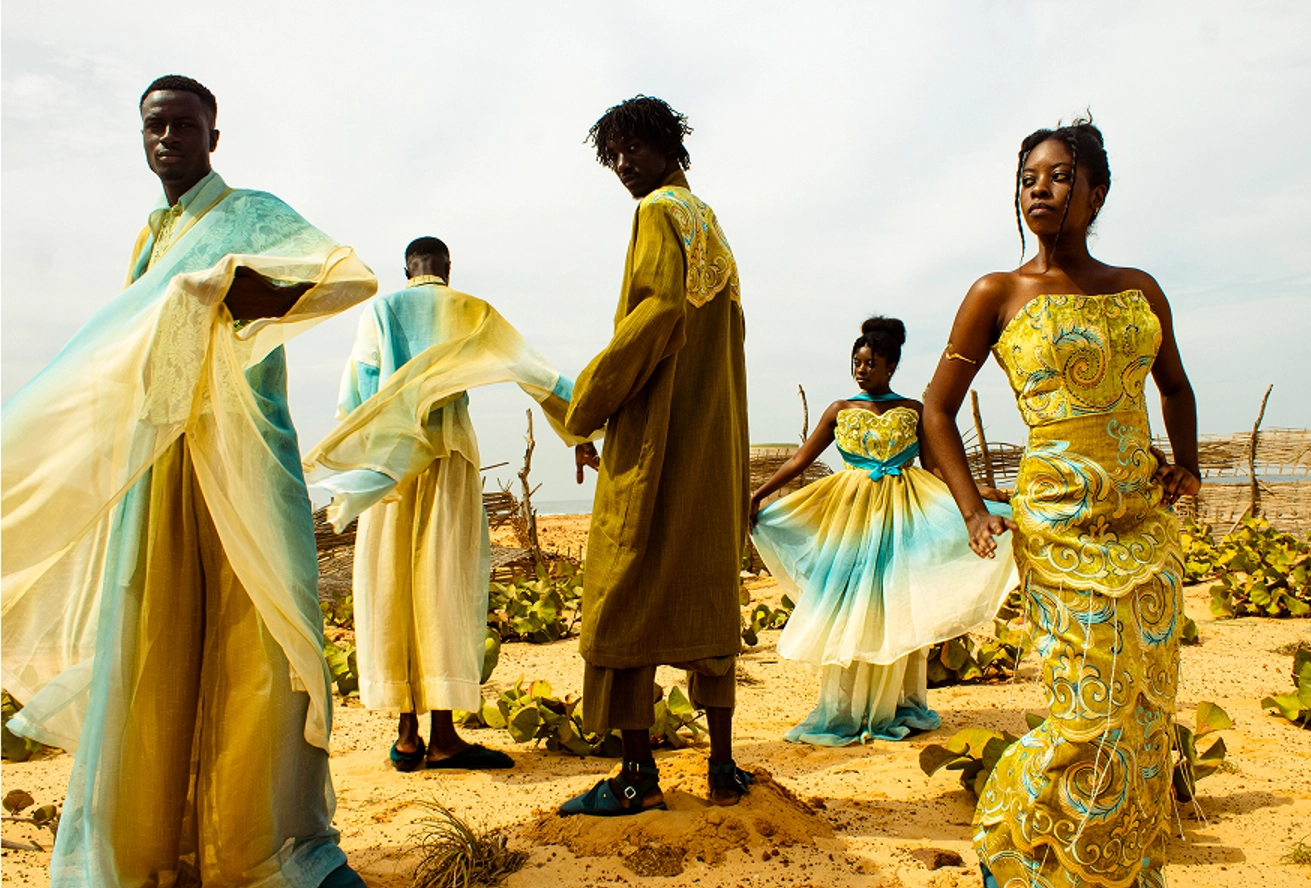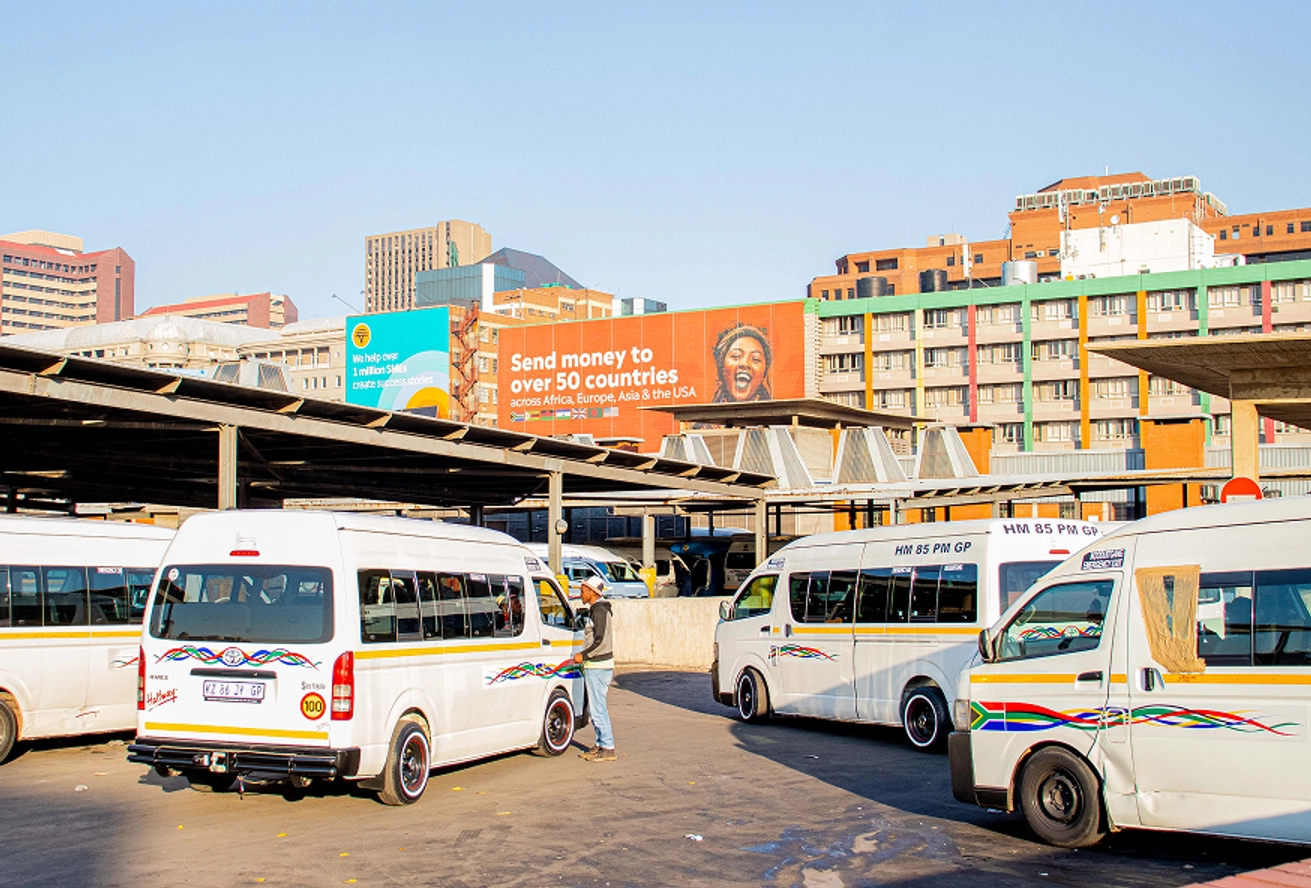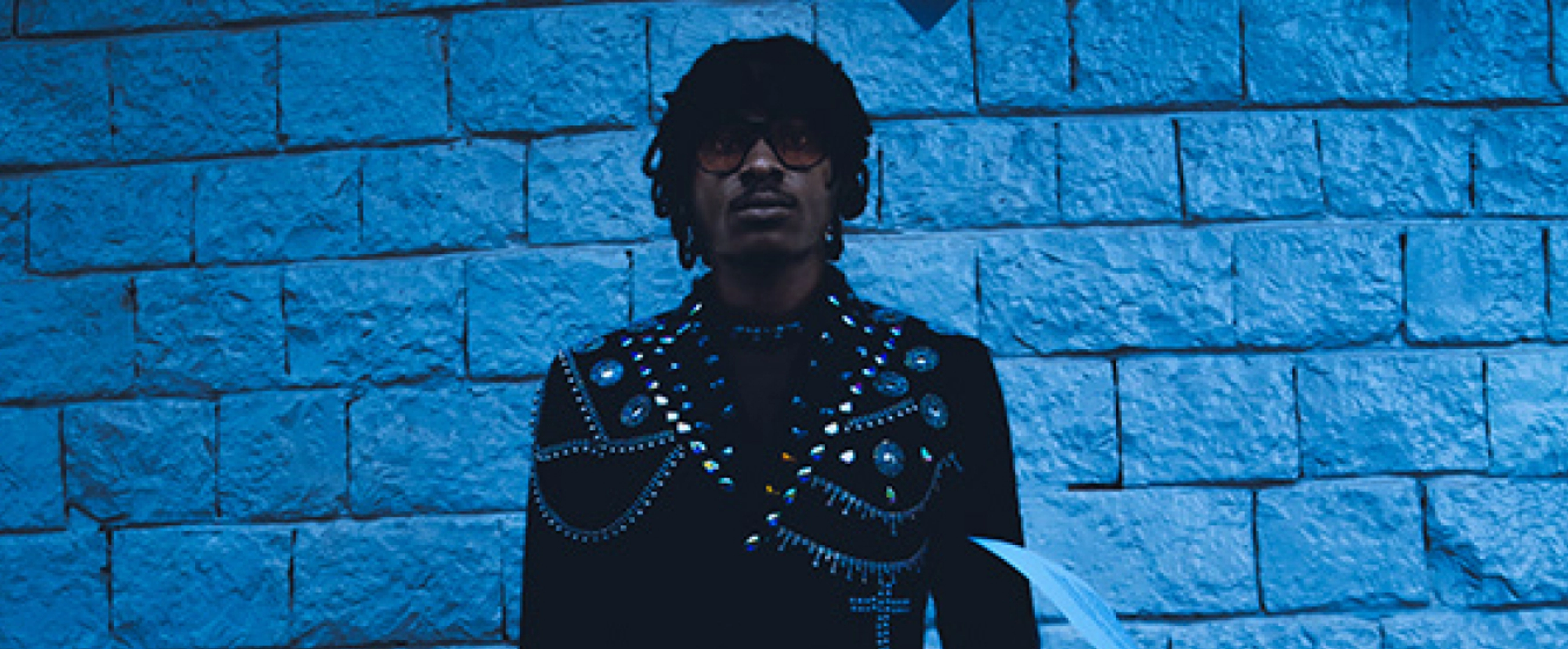
Aton Tsiba: Congolese fashion photographer exploring identity, memory and culture

9 mins read
Published19 Mar, 2026

"Loving nostalgia is not about remaining trapped in past moments; it is about discovering new ways to appreciate the present through what we once lived."

Born in the Republic of Congo, Aton Tsiba was raised in Pointe-Noire, the country’s economic capital. From an early age, his world was shaped by football, music, and fashion, three powerful influences that would later define his artistic identity.

A multidisciplinary creative, Aton Tsiba is a fashion designer, photographer, filmmaker, and poet. At 18, he moved with his family to Morocco, leaving the Republic of the Congo because his father’s opposition to the government made the country’s climate unsafe for them.

The transition marked a profound shift in his life. Accustomed to being surrounded by friends, he suddenly found himself navigating a new environment where financial constraints limited his social circle and educational opportunities.

In this solitude, Tsiba discovered new passions. Fashion became a language of expression; reading opened new perspectives; writing and photography emerged as intimate tools to transform loneliness into creativity.

In 2020, he relocated to Dakar to pursue his studies. By 2022, he had fully committed to his path, officially launching his career as a fashion designer and visual artist, building a body of work rooted in identity, movement, and self-expression.
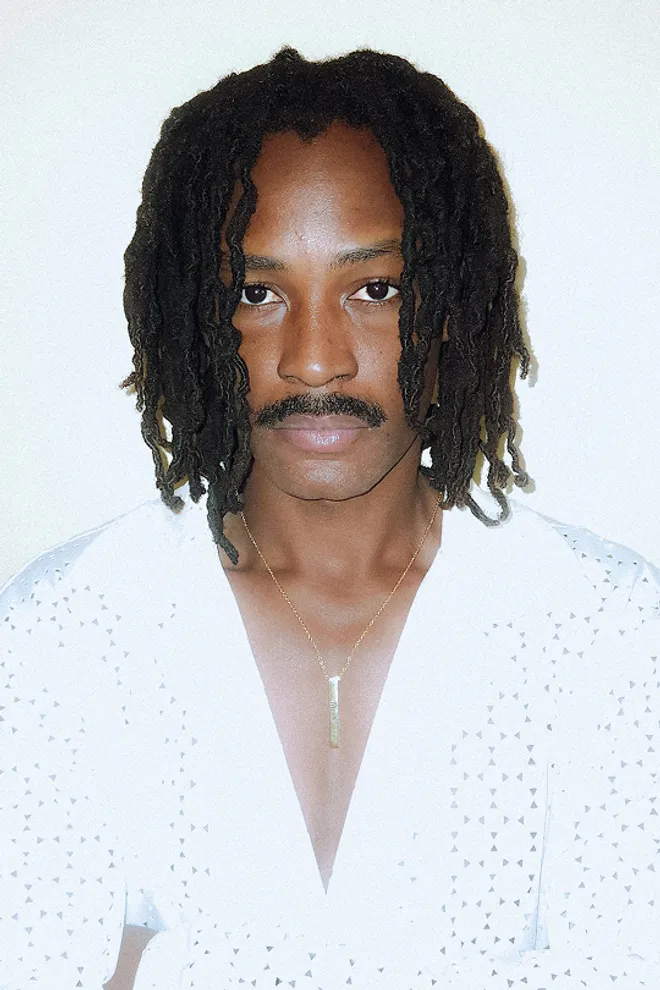
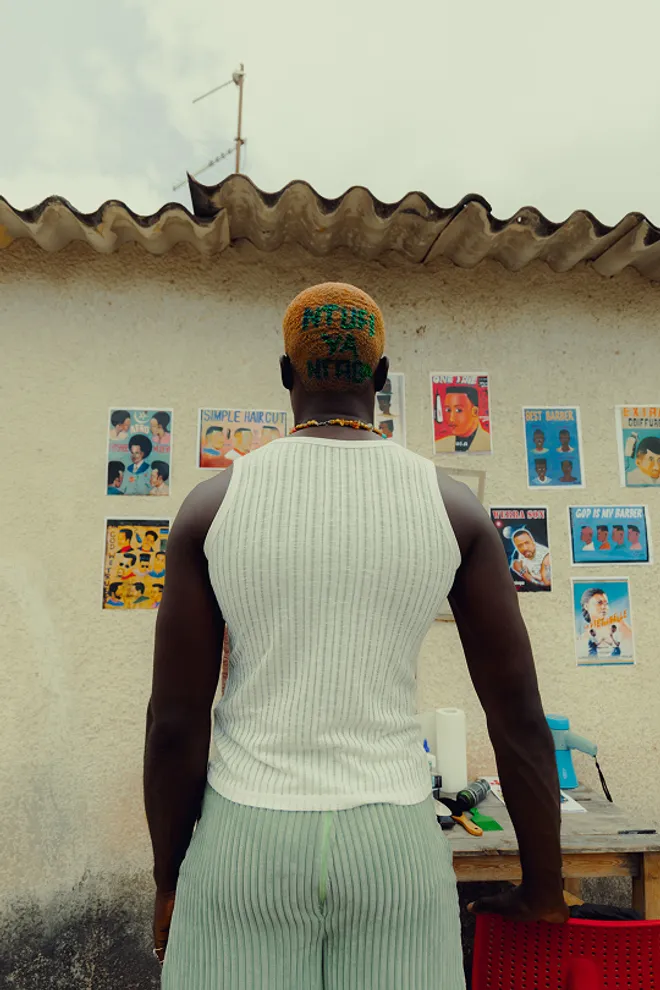
Aton Tsiba - Congolese fashion photographer

How would you describe yourself?

I like to think of myself as a soul of nostalgia. Nostalgia deeply drives me, both as a person and as a creative. 

Almost everything I create is connected to myself in some way, either through experiences I have lived or through my personal reflections on the realities of others.

As I grow older, I find myself becoming even more attached to nostalgia, especially through music. In fact, music has become one of the central elements of my creative process.

The songs of my childhood now play an important role in the way I create and think. For example, I recently began to truly understand the lyrics of rumba songs I used to find annoying as a child.

Realising their meaning today makes me understand how unfinished nostalgia can be, how memories and emotions can continue to evolve as we grow.

But seeing myself as a soul of nostalgia does not mean that I live in the past. For me, nostalgia is something deeper than that.

Loving nostalgia is not about remaining trapped in past moments; it is about discovering new ways to appreciate the present through what we once lived.

How did you get started in photography?

I got into photography at the age of 19. I remember that my father once brought back a Canon G12 camera from a trip. Shortly after, when my family and I relocated to Morocco, I was unable to attend school for a period of time. 

During those long, sometimes boring days at home, I began taking portraits of everyone in the house with that camera. I also started capturing landscapes of the city around me.

What began as a simple way to pass the time slowly turned into something much more meaningful.

Over time, I realised that I had developed a real passion for photography. Even then, I was already deeply interested in fashion and cinema, and those worlds naturally became the main inspirations for the images I wanted to create.

"Practising other art forms is essential for me; it allows me to breathe, take a step back, and sometimes gain a clearer perspective on my overall vision."

What type of photography do you specialise in?

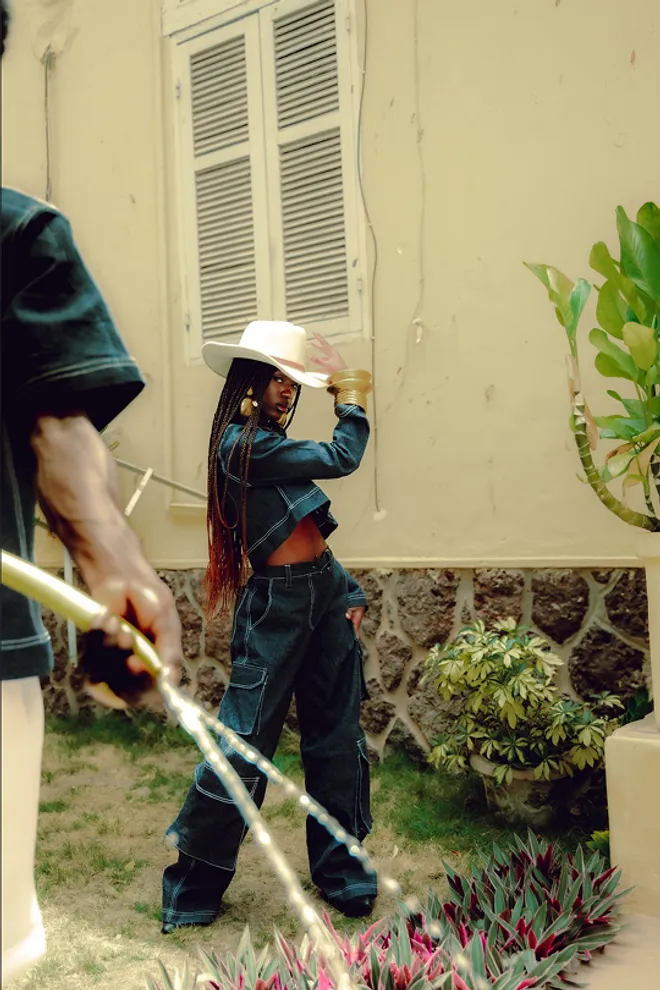
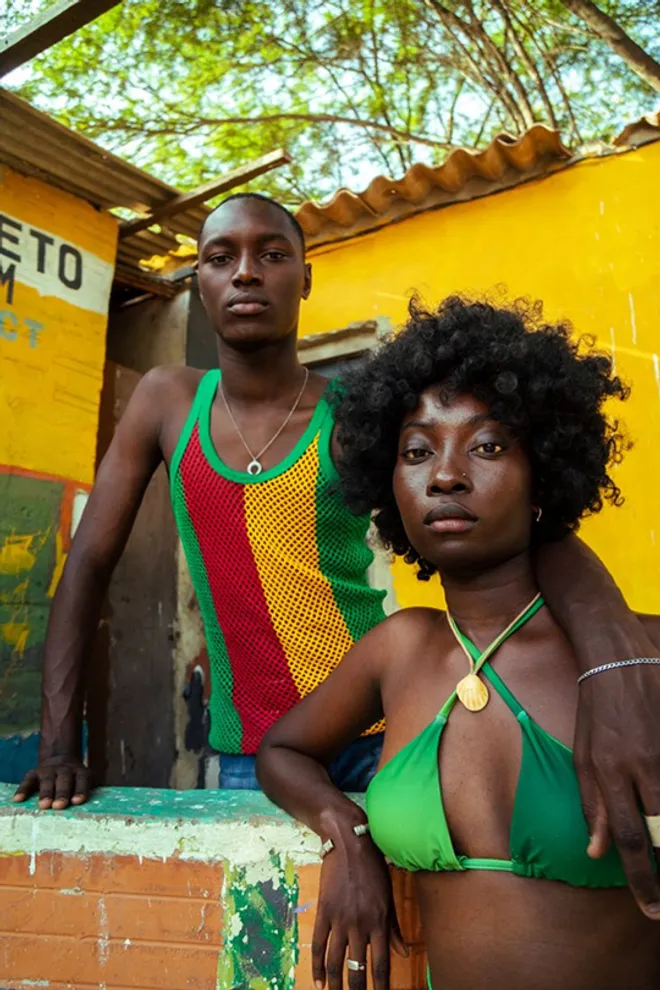
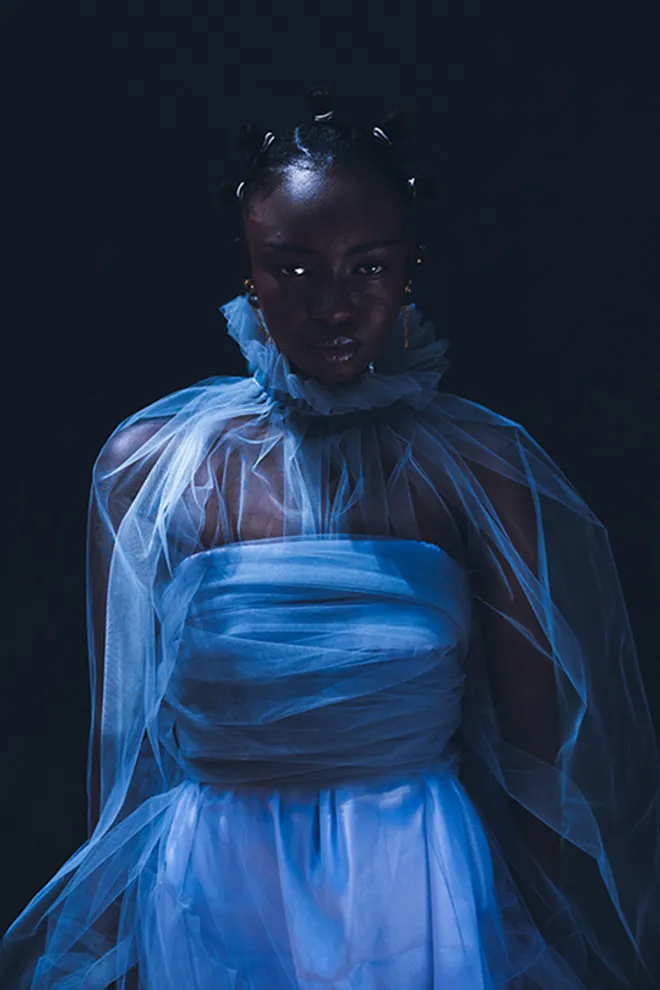
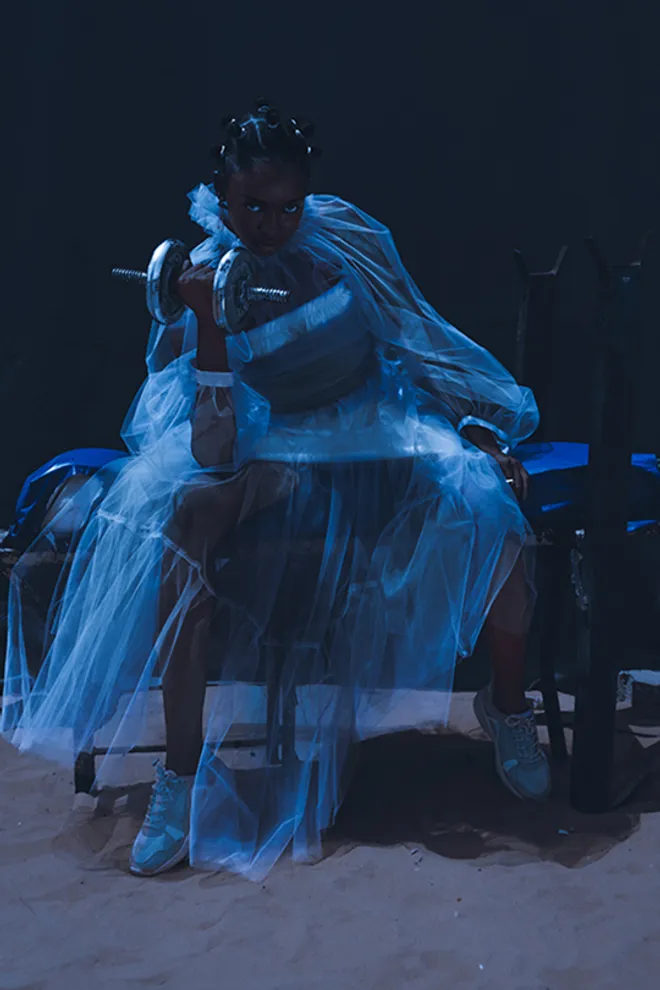
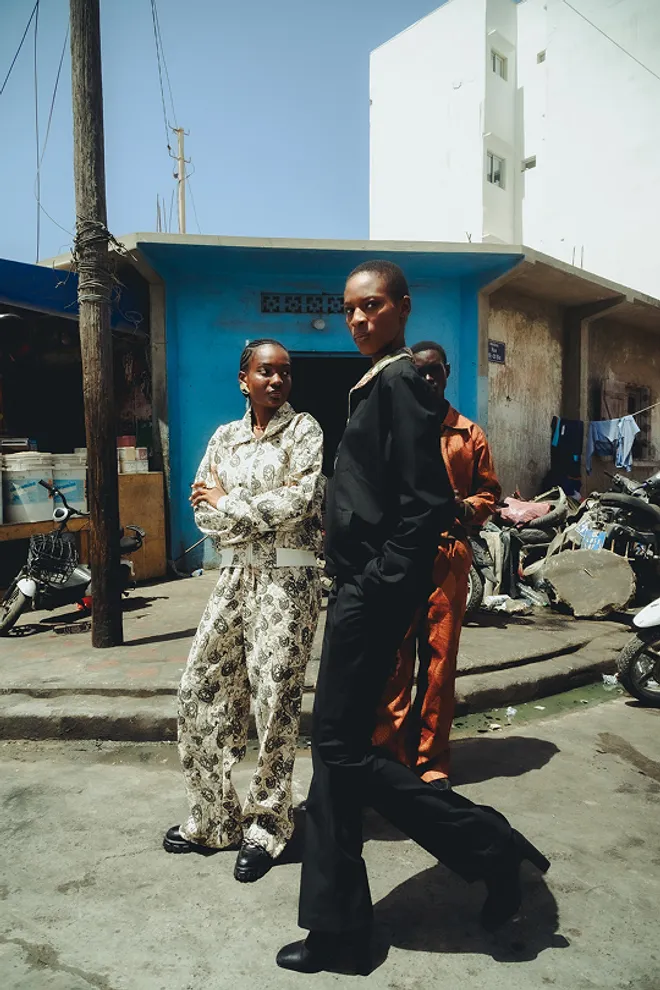
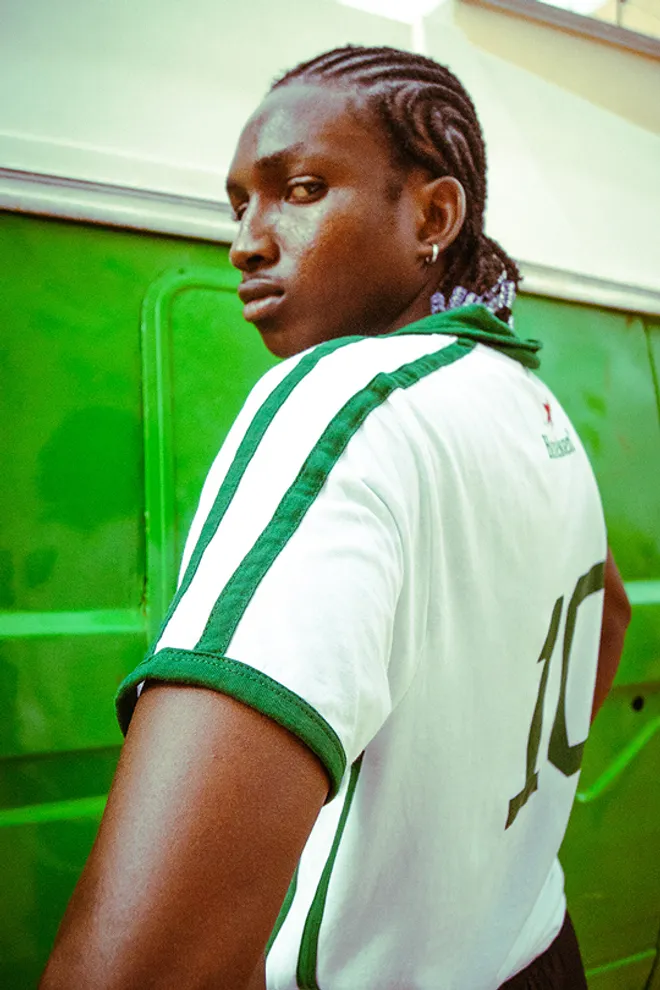
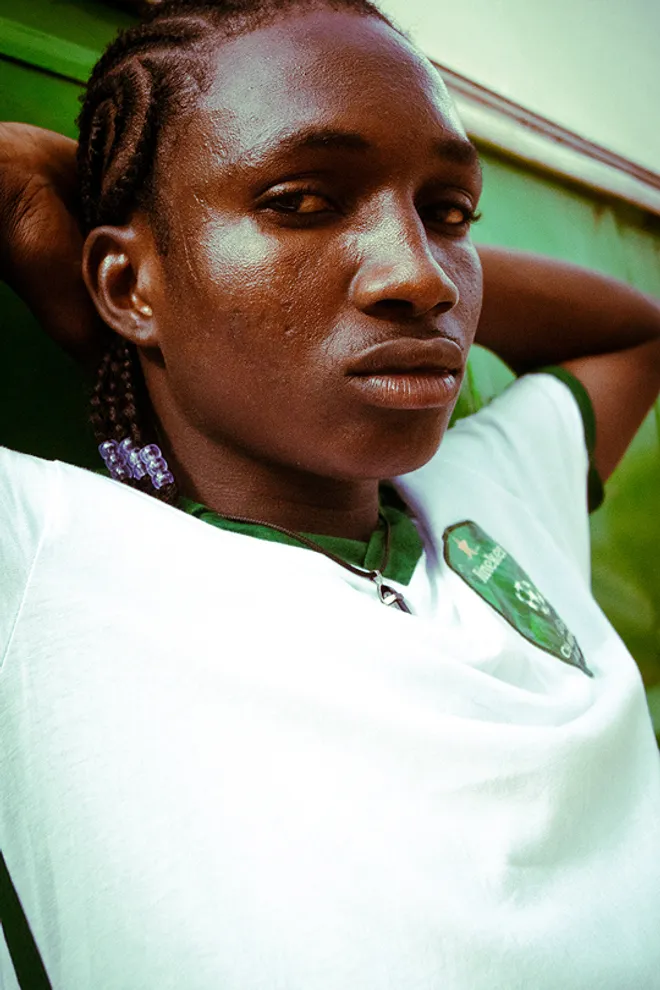
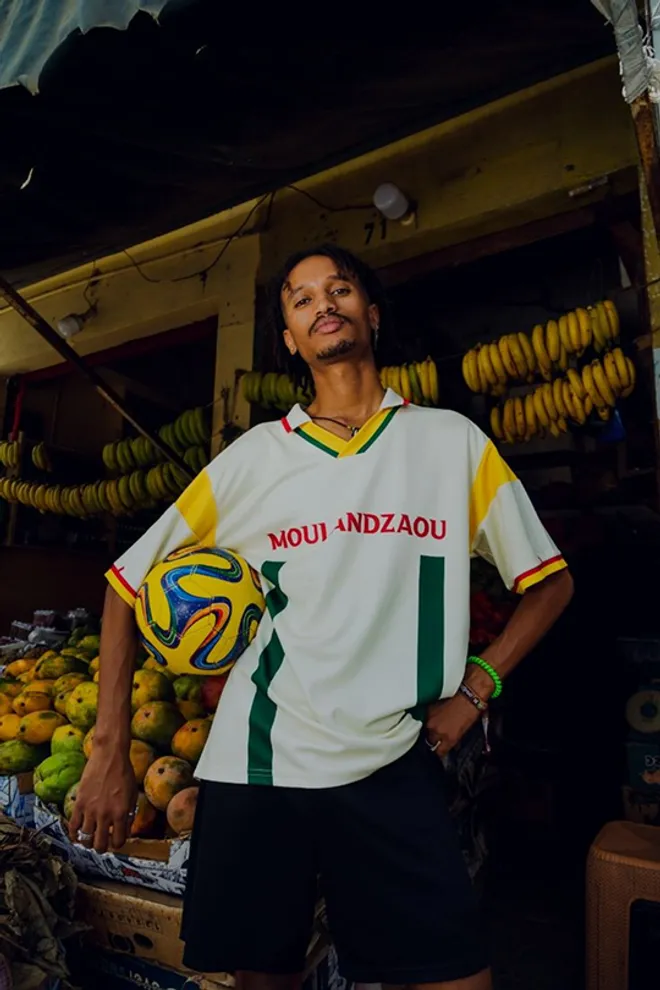
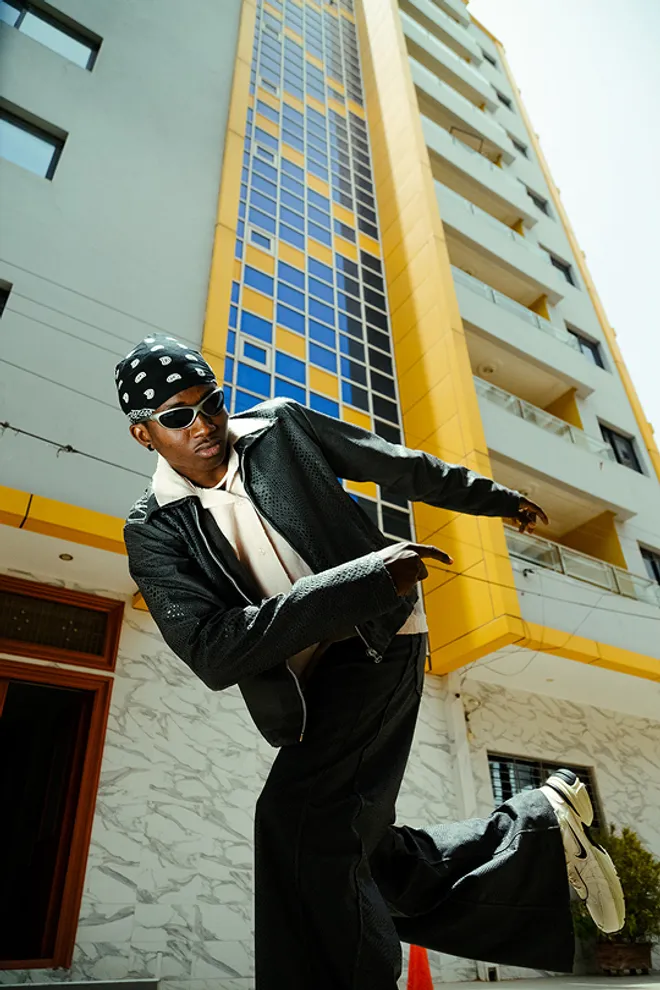
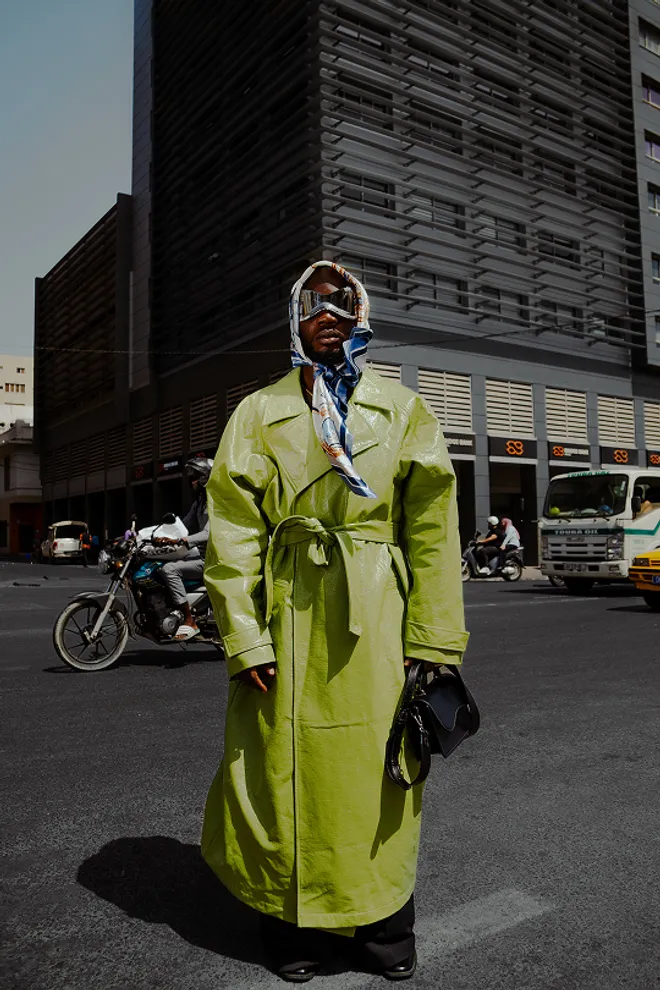
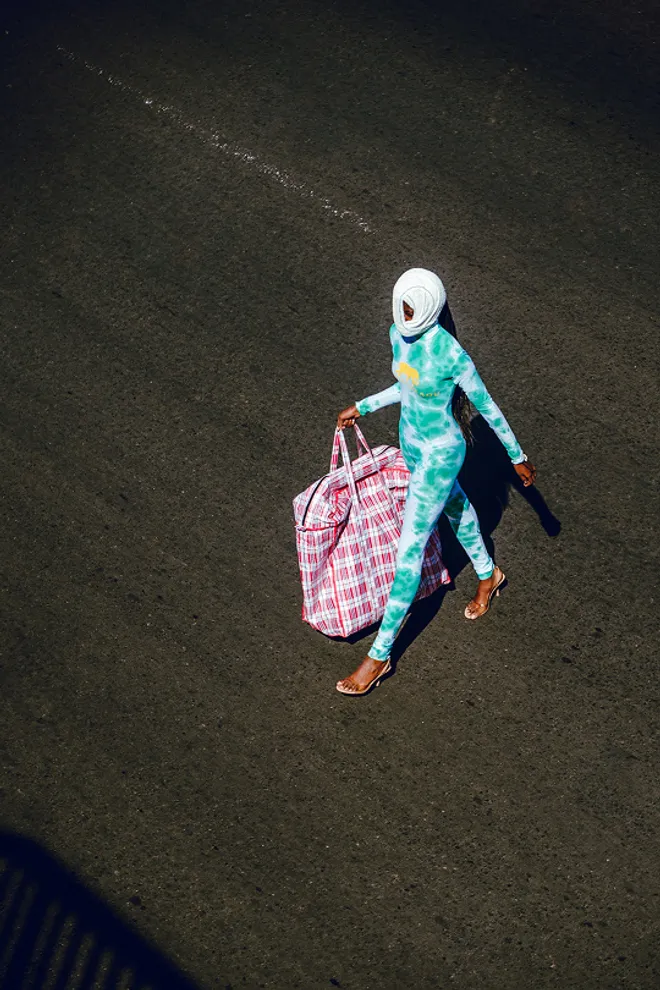
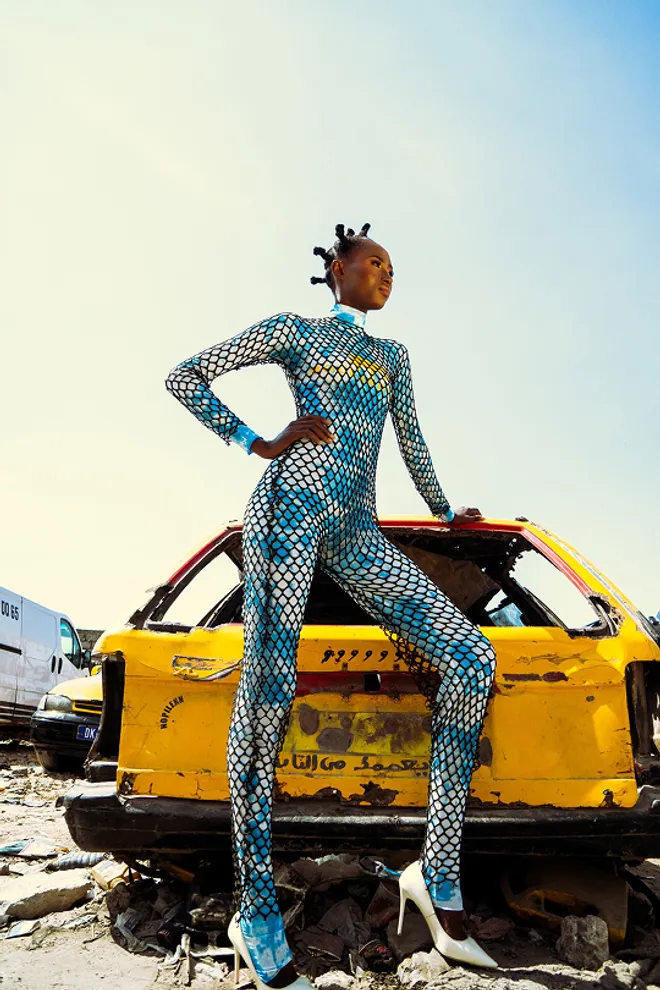
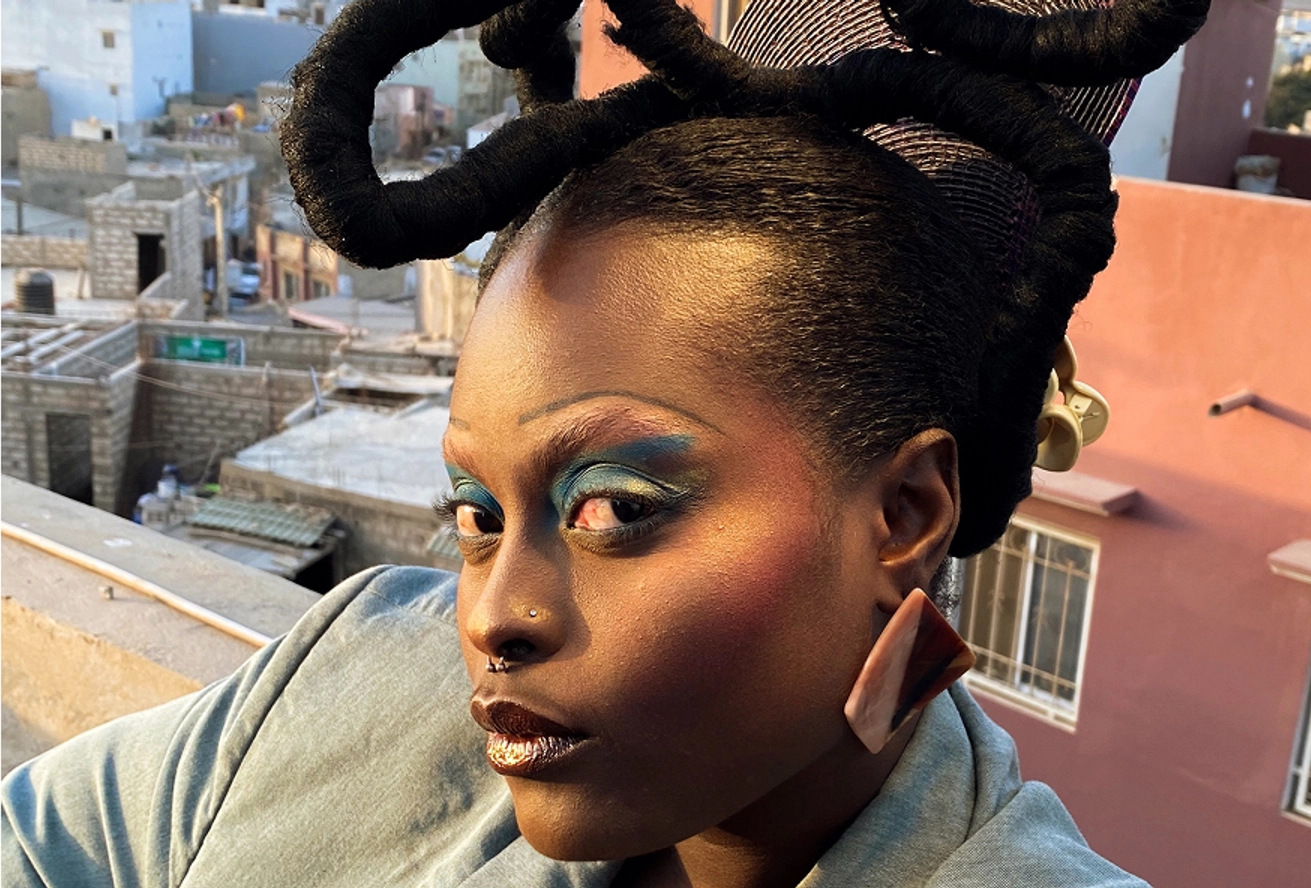
My main field is fashion photography, but I also like editorial work, and it has been quite some time since I was very interested in fine art photography.

What are the main themes that inspire your photography?

I am open to exploring all kinds of themes, but for now, I like those related to memory, culture, identity, and social realities.  My work as a photographer, filmmaker, and fashion designer is currently strongly attached to these themes.

What moment in your career are you most proud of?

There are a couple of moments I am really proud of, whether as a photographer, filmmaker, or as a designer. First was the screening of my first short film this year, my exhibition in Paris during the last Olympic Games, and being one of the finalists of the “Triathlon de la Mode Durable” competition for international designers. 

I also exhibited in New York alongside other designers from the continent, organised by Guzangs and Marist Fashion College, and was ranked among the 54 African designers to follow by Teen Vogue. However, I still do not have a moment that I am most proud of. I think that moment is yet to come.

"Adidas represents not just fashion, but a part of my childhood memories; collaborating with them would be a meaningful way to honour a lifelong passion."

What's the biggest challenge you've faced as a photographer?

As a photographer, one of the biggest challenges I face is limited access to materials or equipment needed for specific personal projects. This can sometimes be frustrating. However, over time, I have learned to adapt to these limitations and make the most of the situation.

Another challenge is that I often take a long time to fully develop the concepts behind my personal projects. While this process is important to me, it can also become mentally demanding.

That is why practising other art forms is essential for me. It allows me to breathe, take a step back, and sometimes gain a clearer perspective on my overall vision.

If you could collaborate with anyone, who would it be and why?

I have always dreamed of collaborating with Adidas, and this dream is deeply personal. My first tracksuit, gifted by my grandmother, was a black Adidas with the iconic three stripes. Since then, I have felt a strong emotional connection to the brand.

Adidas represents not just fashion, but a part of my childhood memories and my creative inspiration. Collaborating with them would be more than a professional opportunity; it would be a meaningful way to honour a lifelong passion.

What do you think of the 54Ruum?

I truly appreciate the professionalism and respect that 54Ruum shows towards creatives' work. I believe it plays a key role in the industry, providing a space for artistic expression while also serving as a valuable networking opportunity within the art community.

How's the photography and art space in Senegal?

I would say the art scene is still in its early stages of development, except for music. 

The creative and cultural industries are not as active as they could be, mainly because of a lack of interest among some young people, limited infrastructure and insufficient government support.

However, this situation is slowly beginning to change for the better. More young people are engaging with artistic practices, and the internet is playing an important role in this transformation.

Through online platforms, people are now exposed to artistic movements and creative work from around the world, which positively influences the way art is perceived locally.

As a result, the narrative around art is gradually shifting. Parents are increasingly aware of how far a career in the arts can take someone, and they are becoming more open to allowing their children to pursue their creative passions.

"I began to truly understand the lyrics of rumba songs I used to find annoying as a child... it makes me understand how memories and emotions can continue to evolve as we grow."

Advice someone considering a career in photography

Never feel illegitimate about showing your art. Art is, in many ways, a science of the soul. Creativity already exists within you; you simply have to nurture it.

Never stop learning by doing. Practice is the only path that can truly take you closer to the place you dream of reaching.


And whatever creative approach you choose to associate with your photography, embrace it fully. Own it and love it. If your art can resonate with even one person, it means it has the potential to resonate with a million others.

Credits

Photography

Aton Tsiba

Text

Esther Ayoola

Photo curation

guvnor

SHARE THIS STORY

Discover photographers in Africa

Mulenga Mukonda: Zambian abstract and architectural photographer expressing the extraordinary within everyday life
Tinashe Sithole: Zimbabwean abstract mobile photographer exploring imperfection, colour and emotional depth
Surafel Dejene: Ethiopian street and portrait photographer capturing authentic human emotions
Erica Aryee: Ghanaian fashion, documentary and lifestyle photographer capturing everyday Ghanaian life and emotional storytelling
Dawit Geremew: Ethiopian fashion and documentary photographer capturing authentic Ethiopian stories
Sandile Hlela: South African street and fashion photographer capturing Kasi culture and youth identity