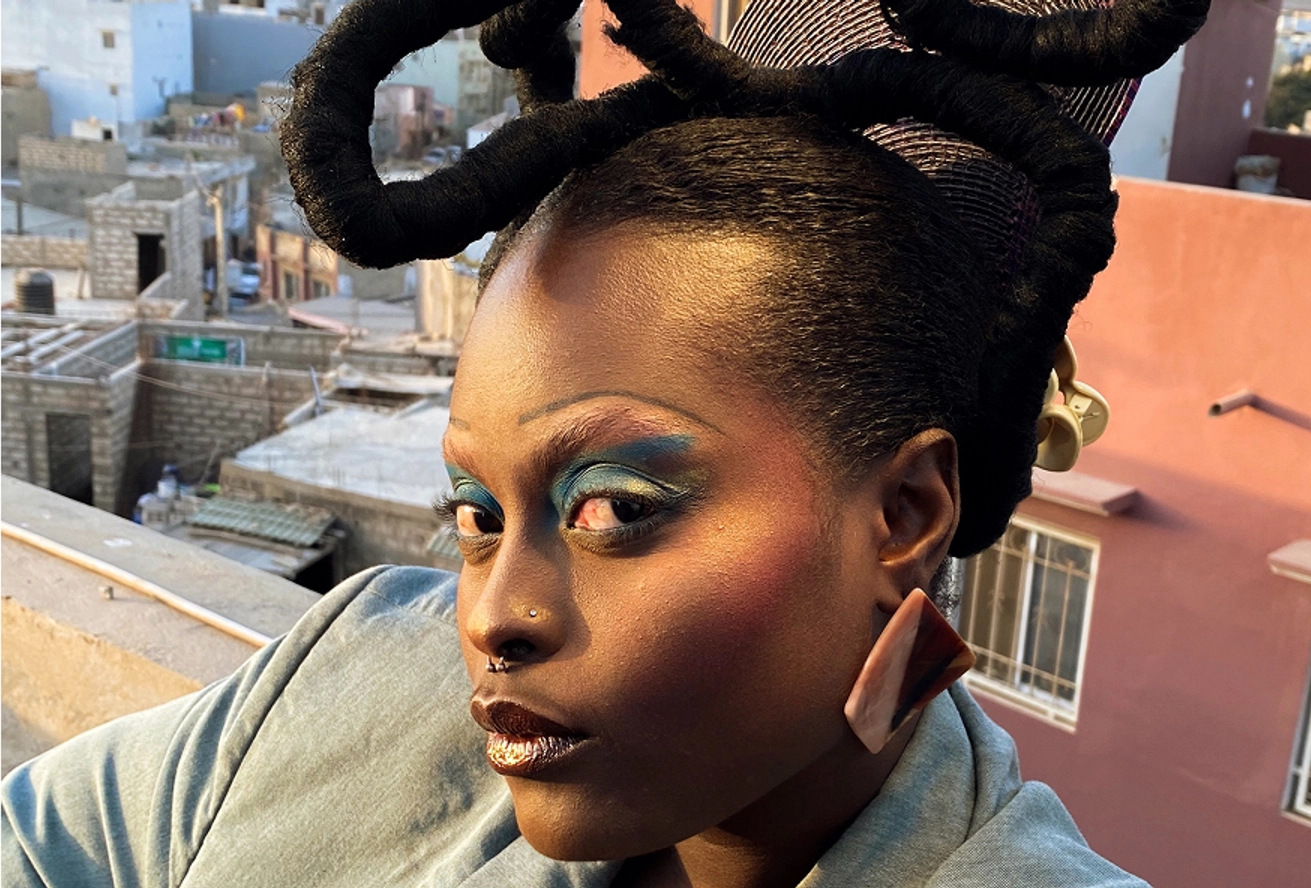
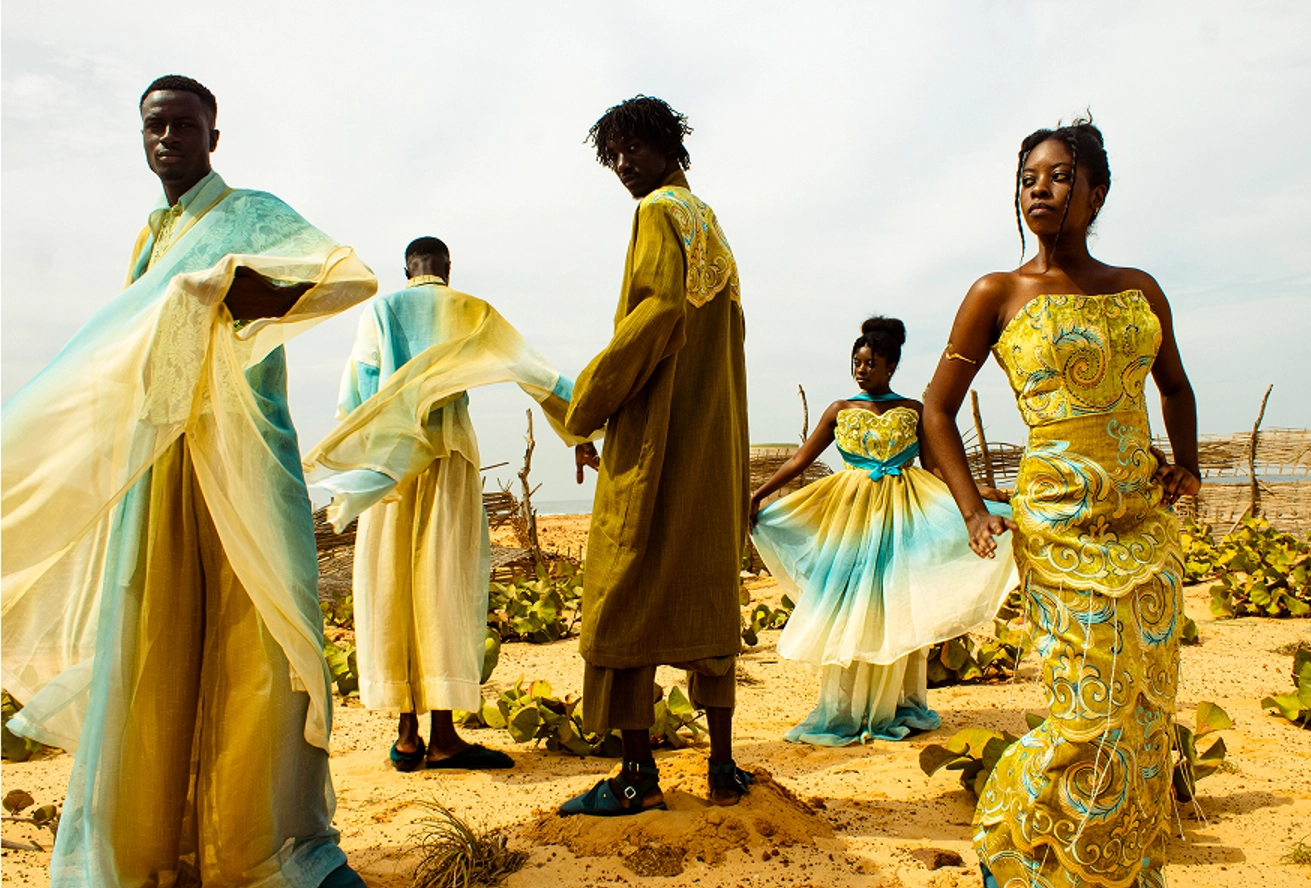
Benson Apah, fine art and editorial photographer based in Warri, Nigeria

4 mins read
Published22 Oct, 2025

"For me, photography is less about documentation and more about conversation; my portraits reflect people back to themselves with honesty and dignity,"

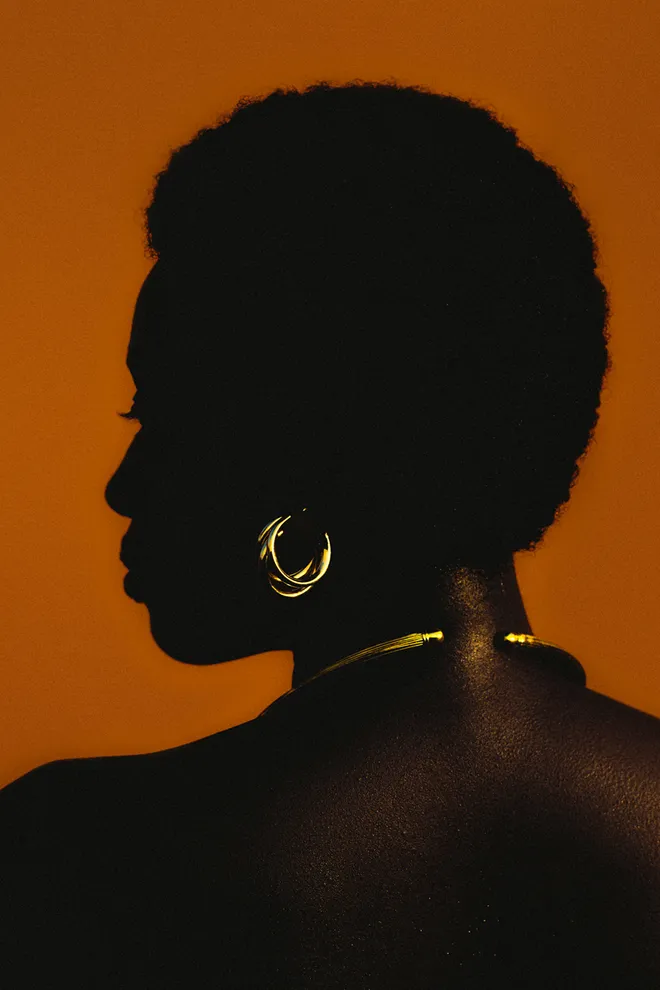
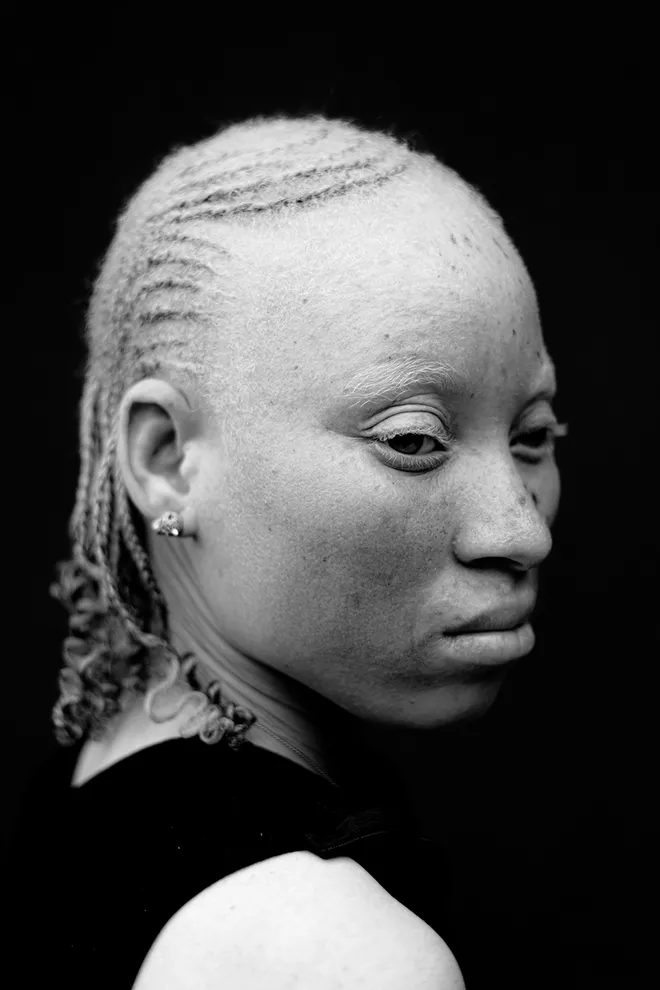
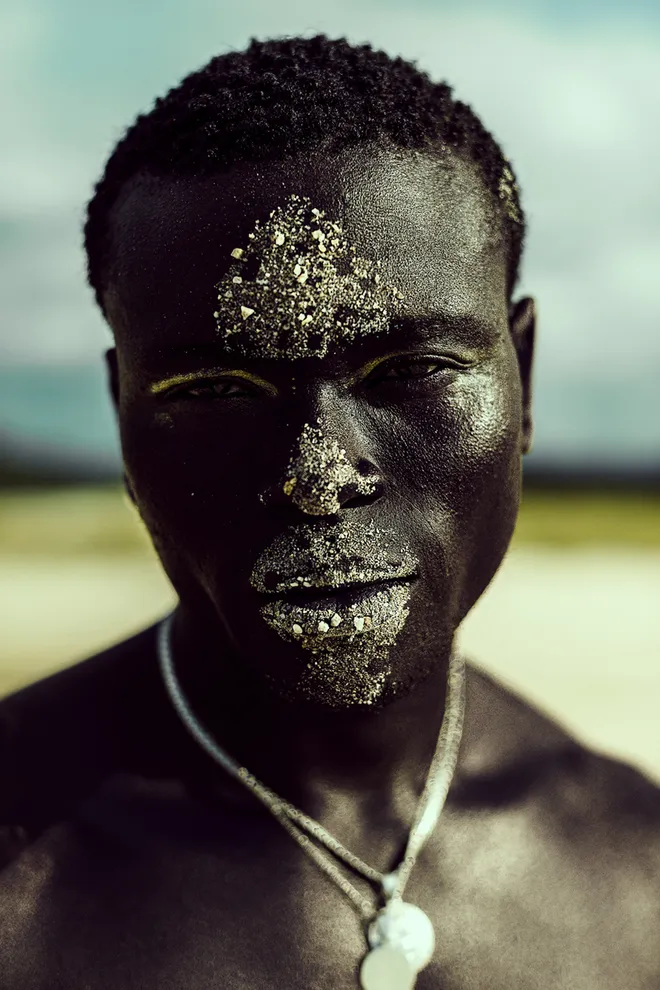
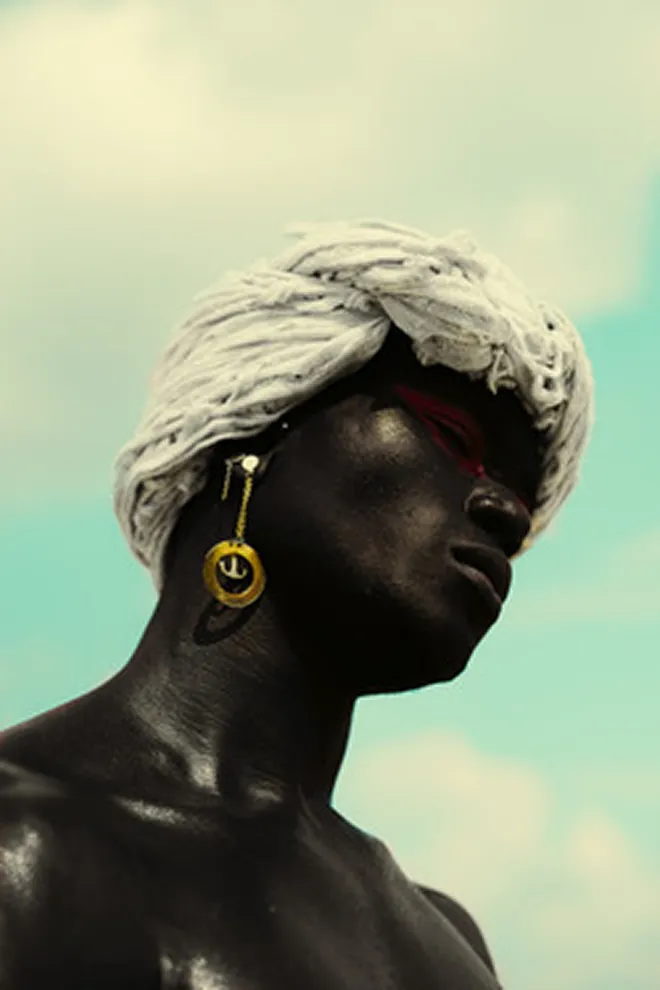
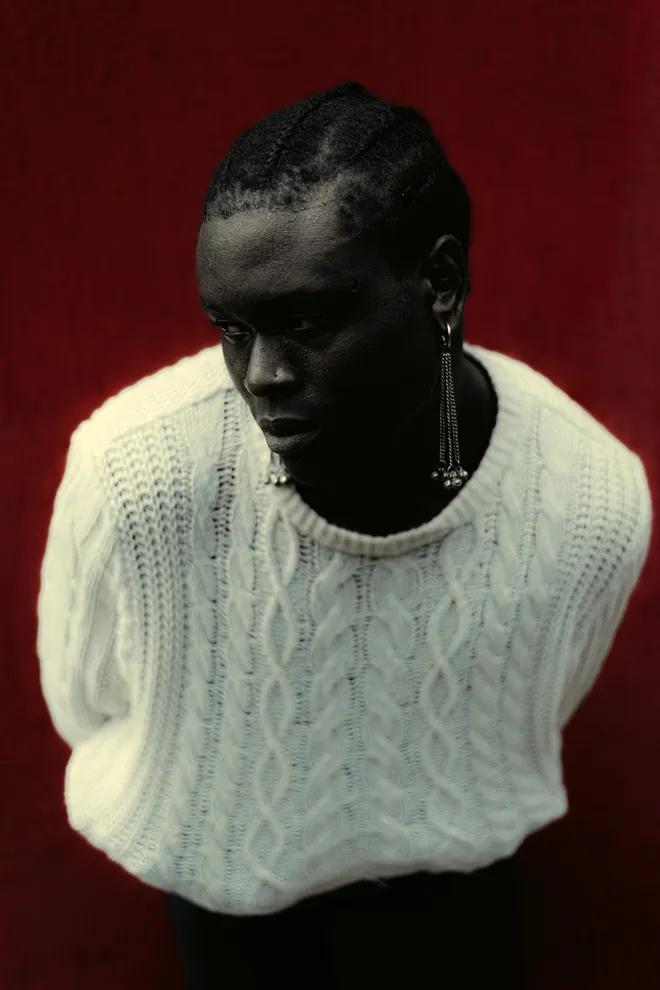
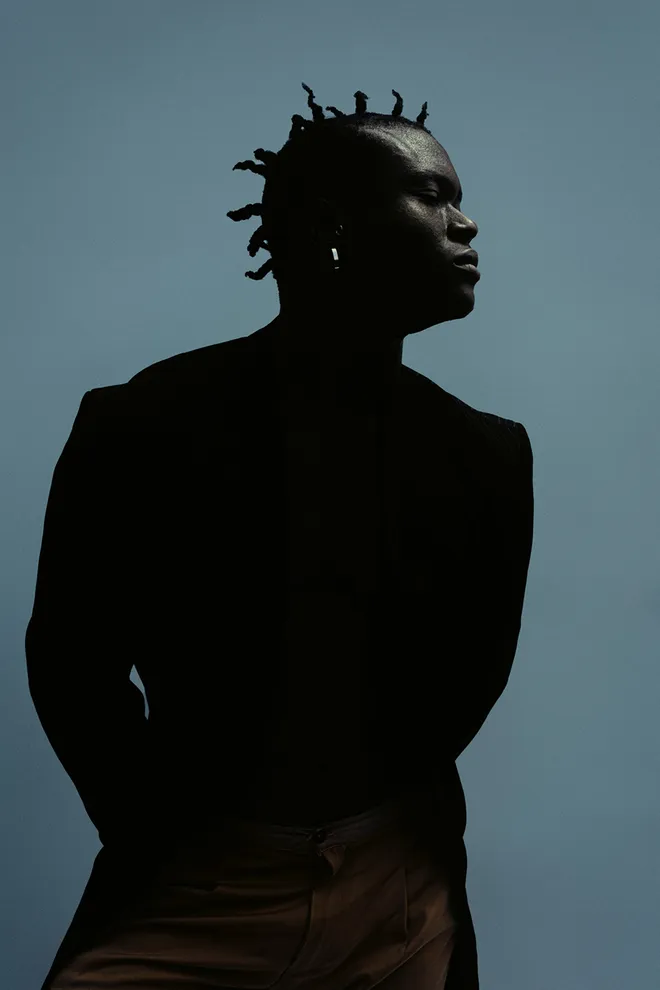
Benson Apah is a photographer from Warri, Delta State, Nigeria. He is a self-taught visual artist whose practice spans photography, poetry, collage, installation and more recently. He creates work that explores the identity of people and their relationship with their immediate environments—whether physical, political, social, or spiritual. His photography moves fluidly across fine art, documentary, fashion, and editorial genres, with portraiture as the core of his visual language.

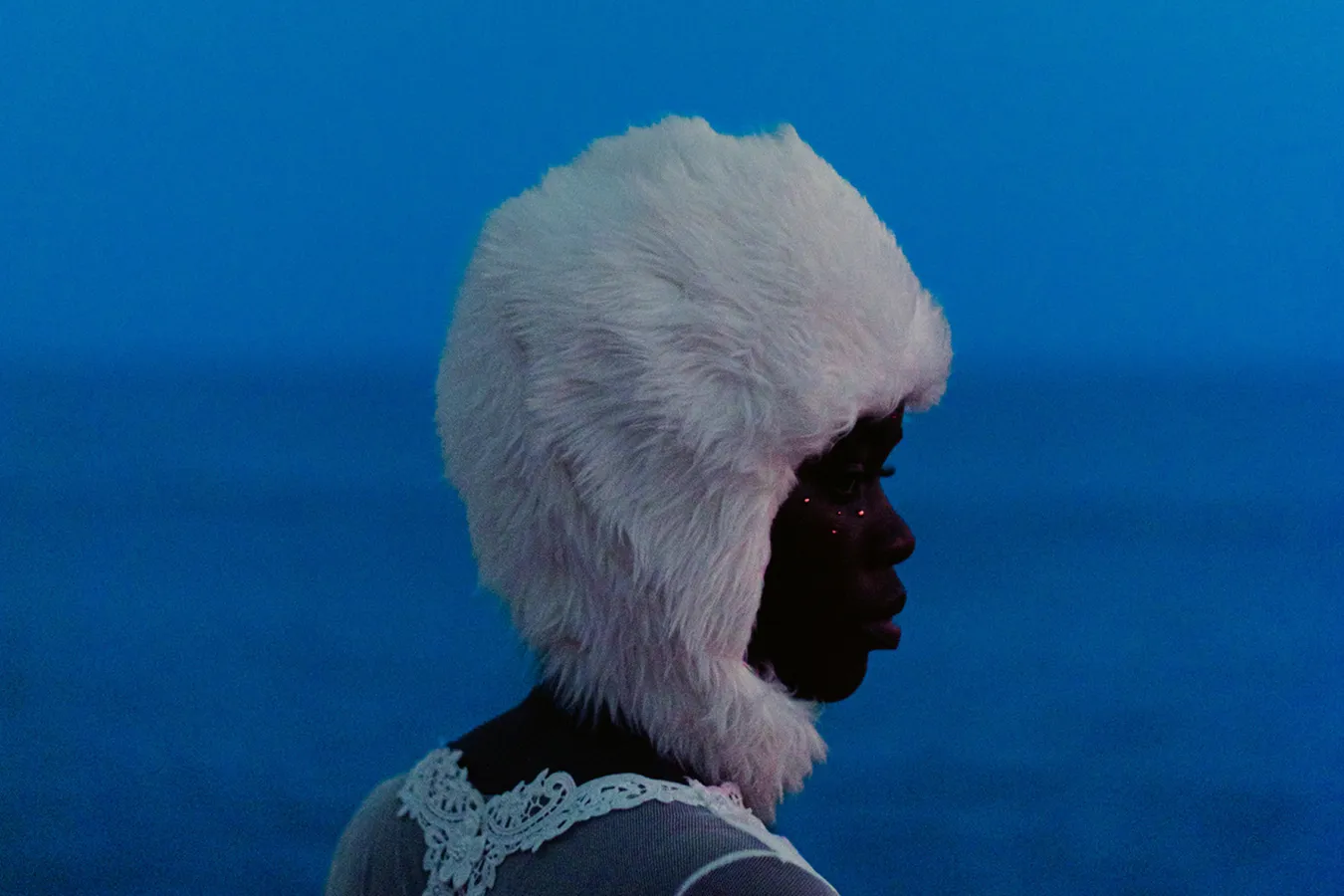
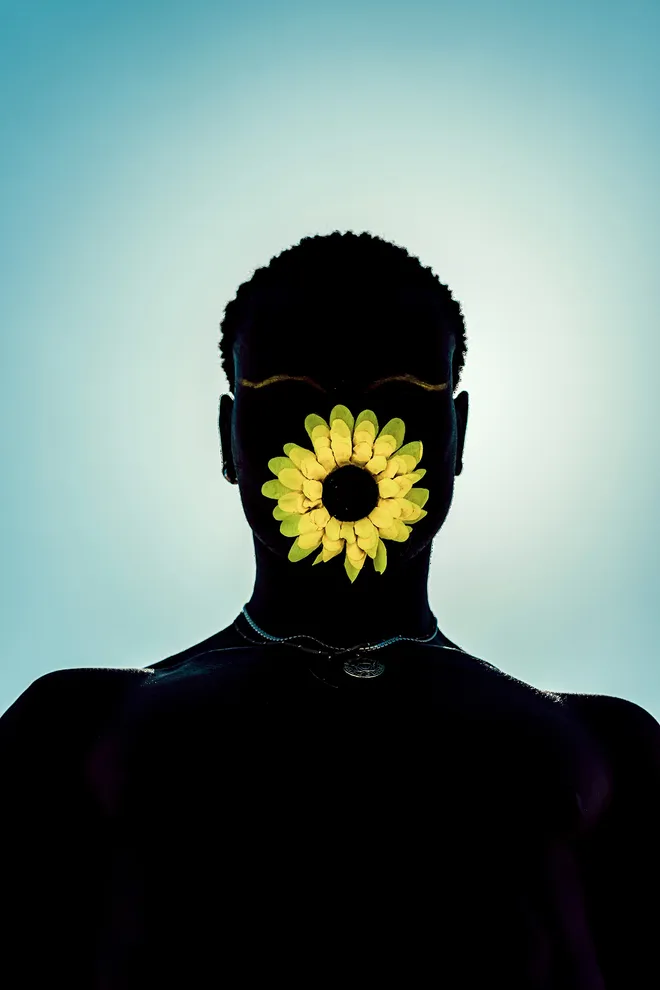
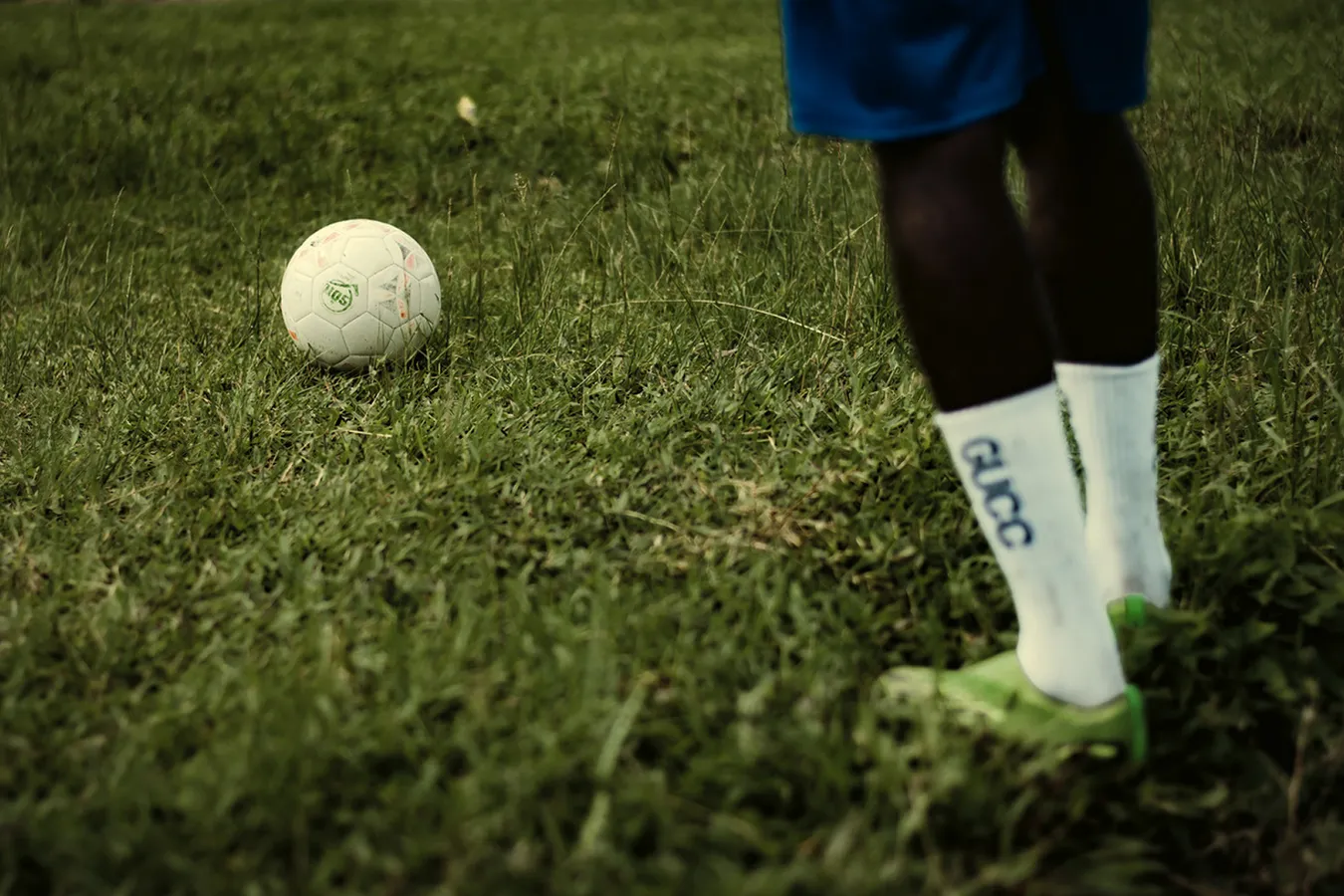
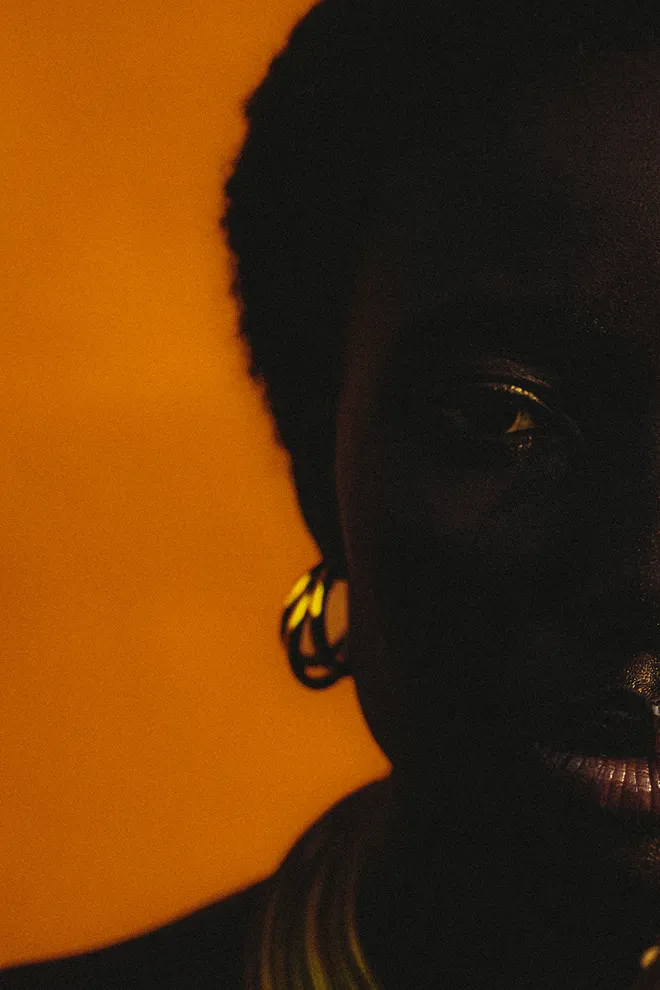
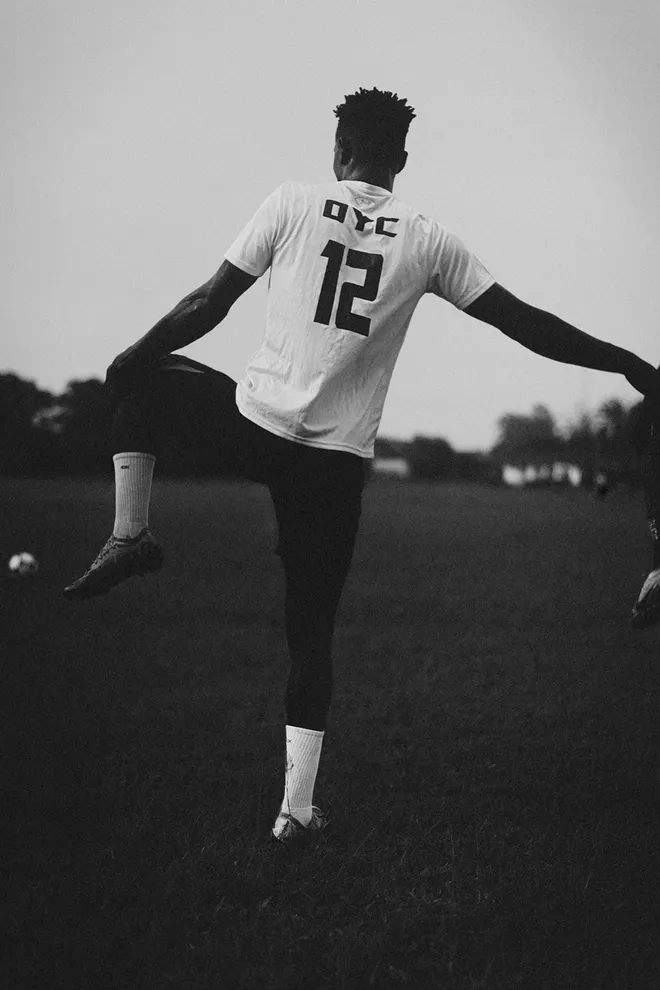
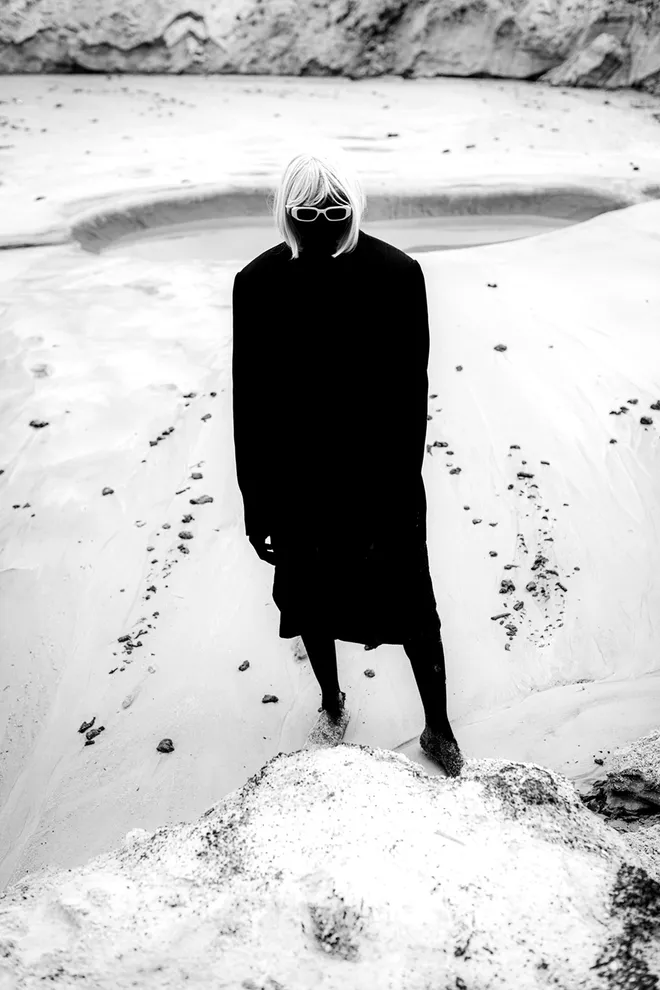
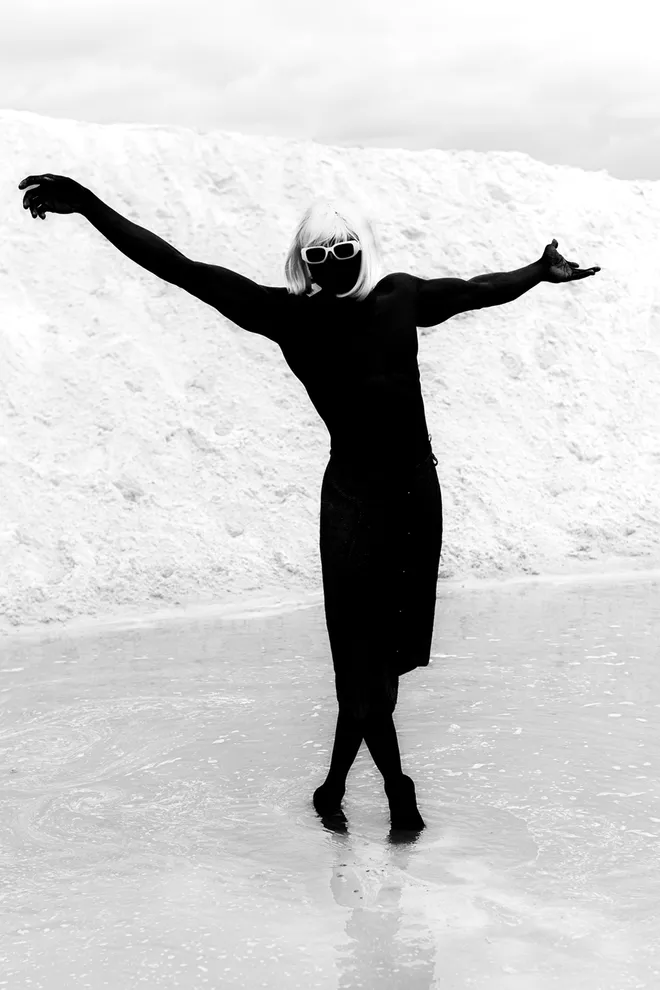
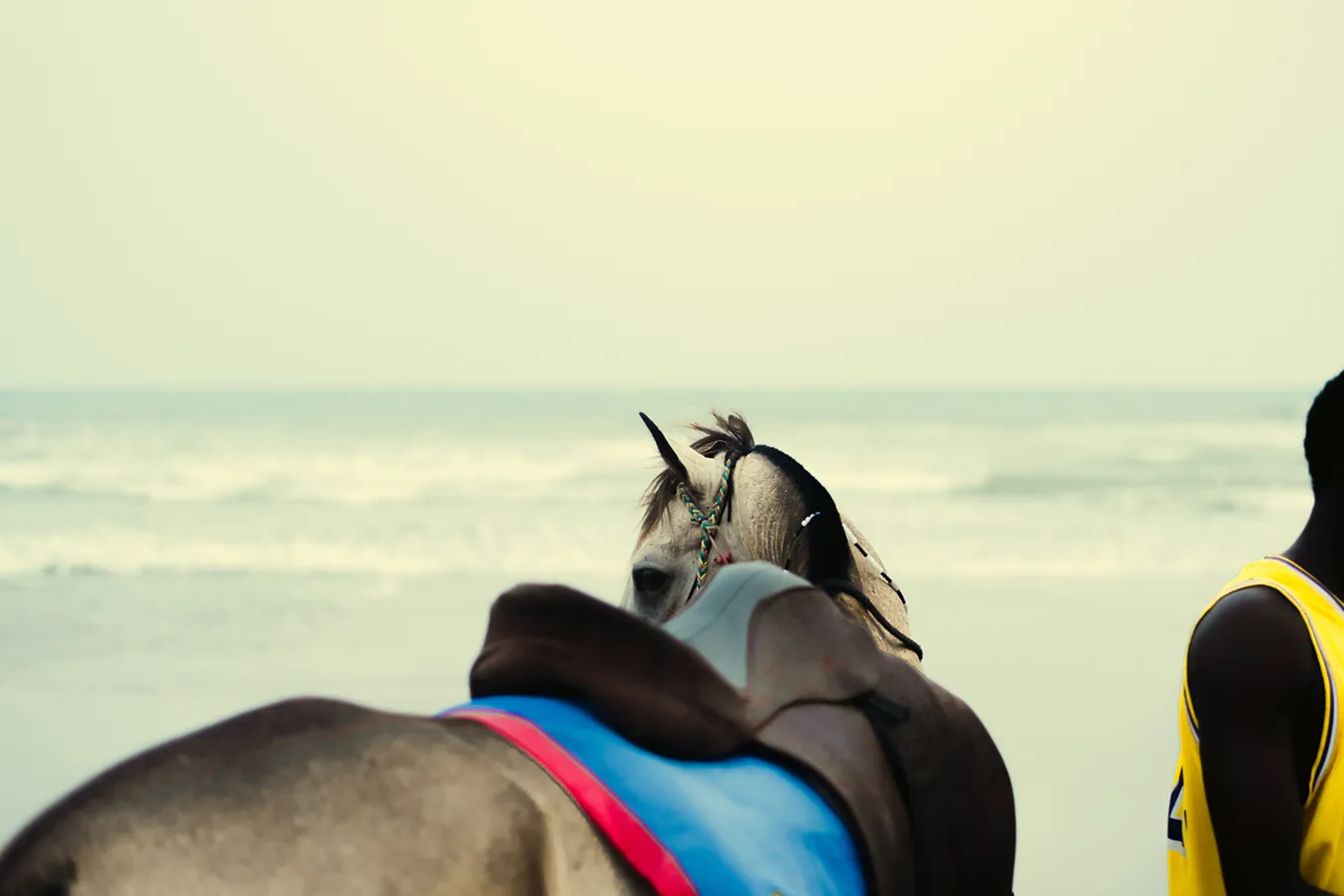
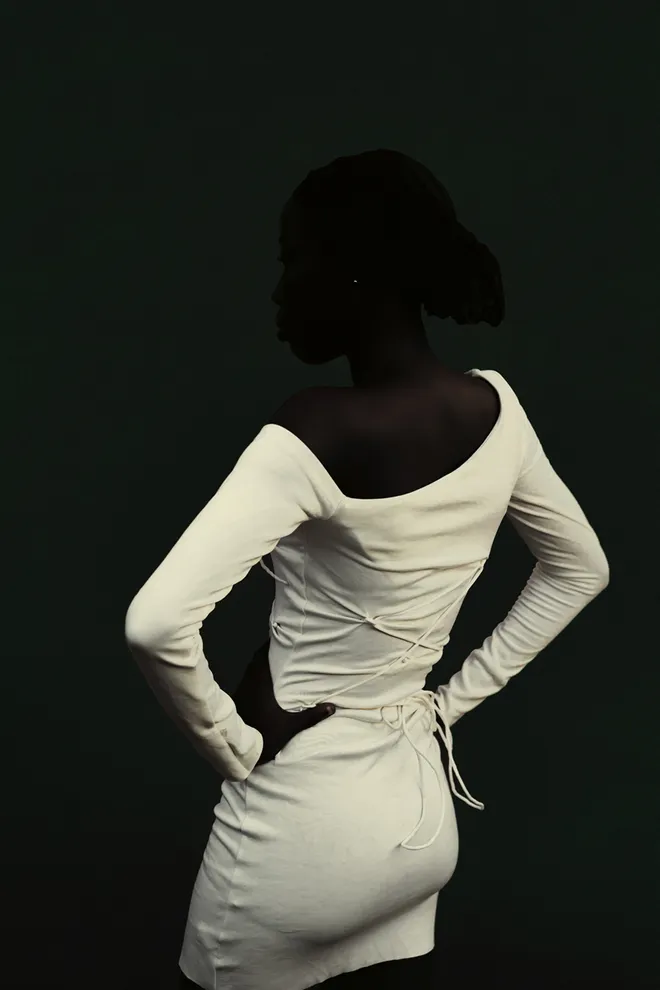
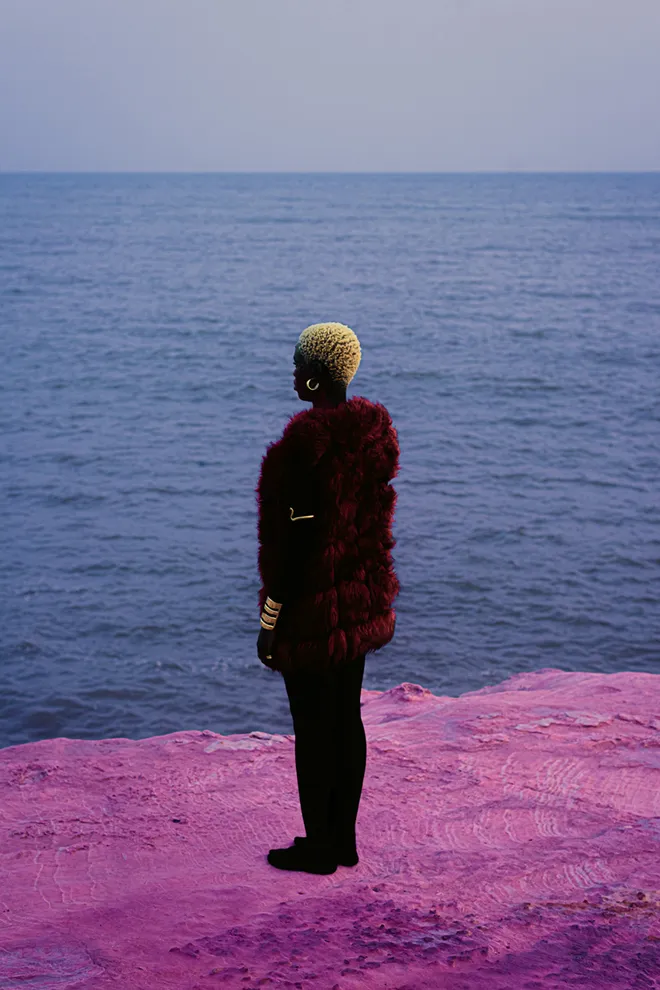
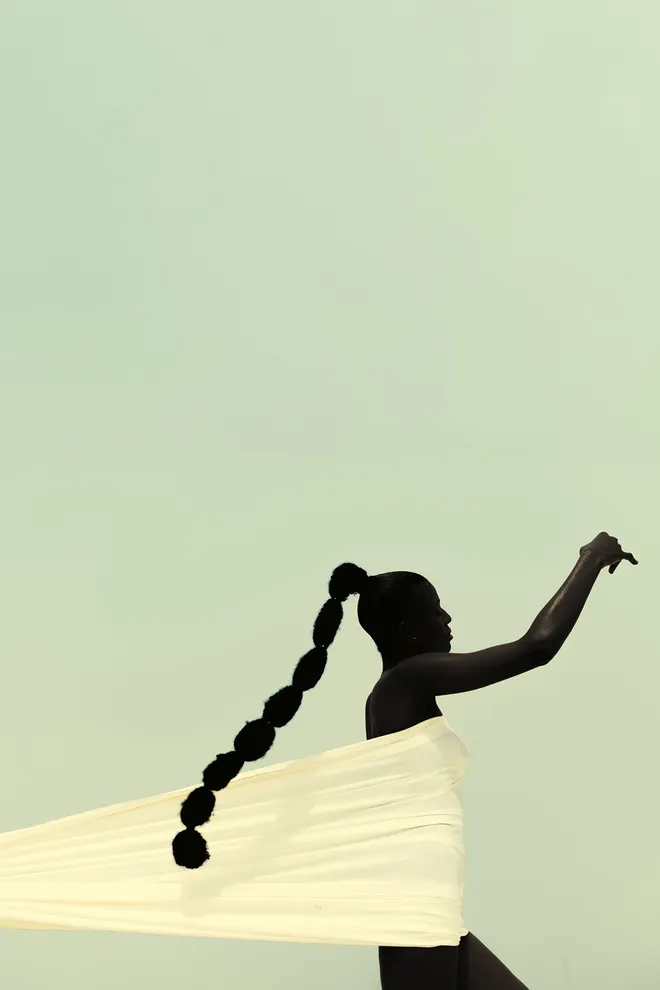
Benson’s recent projects include a documentary series on the Okpara community in Delta State– where he examined the human impact of oil spills on local life and water bodies. Another project focused on the socio-economic role of sports in the lives of young people in Warri and Accra. His work often highlights dark skin tones, contrast, symbolism, and abstraction—producing images that move between realism and metaphor.

His art has been exhibited internationally at Art Basel Miami, Paris Photo (with Kahmann Gallery), Haute Photographie Amsterdam, and The African Foto Fair by Aida Muluneh. He has won the Sienna Creative Photo Awards in the People Category. He has been shortlisted for the Kuenyehia Prize for Contemporary Art, was a semi-finalist for the Tilga Art Prize, and was recently nominated for the Siena Creative Photo Awards.
Benson has participated in professional development programs such as the Imọ̀ra Art Intensive with the Guest Artist Space (G.A.S) Foundation, and the Exploring Practice and Process workshop led by Temitayo Ogunbiyi at the Centre for Contemporary Art (CCA), Lagos.

In addition to his studio practice, Benson is active in curatorial work and digital art ecosystems. He curated The Inception, Africa’s first Solana-based digital art exhibition, and founded a Web3 DAO that has since evolved into an art foundation supporting emerging and underrepresented African artists—through funding, exhibitions, and community-driven initiatives. He is currently developing new work that explores the lasting influence of colonialism on African spiritual practices.

How would you describe yourself in a few sentences?

I am a self-taught photographer, poet, and visual artist from Warri, Nigeria. My work explores people; their identities, memories, and environments, and how these relationships shape and reflect each other. A fun fact about me is that before I ever picked up a camera, I wrote poetry obsessively, and I still use fragments of my poems to inspire or layer into my photographic practice. I was also a professional dancer, and a playful actor before all that.

How did you first get into photography?

My entry point into intentional thought creativity was poetry, but photography followed naturally as a way to turn words and emotions into lasting visual form. The spark to do something more was already there and luckily for me I had a friend who was a photographer then. They taught me the basics and everything else happened after.

What type(s) of photography do you specialise in, and why did you choose this niche?

I work across fine art, documentary, and fashion photography, but portraiture remains at the center of my practice. I chose portraiture because it allows me to build dialogues with people in relation to their environment, stories, culture and happenings.

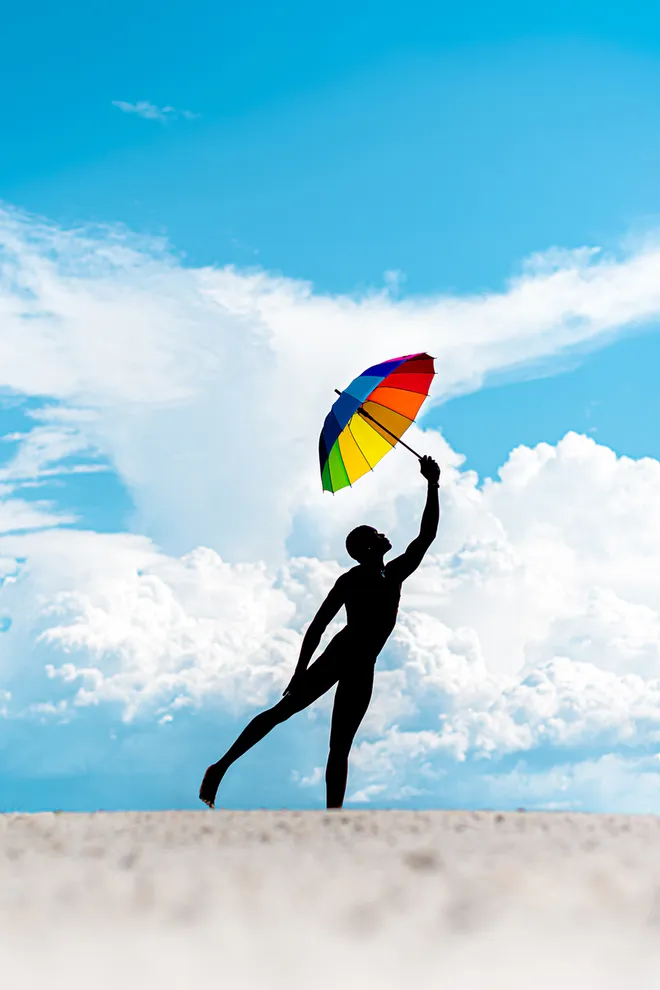
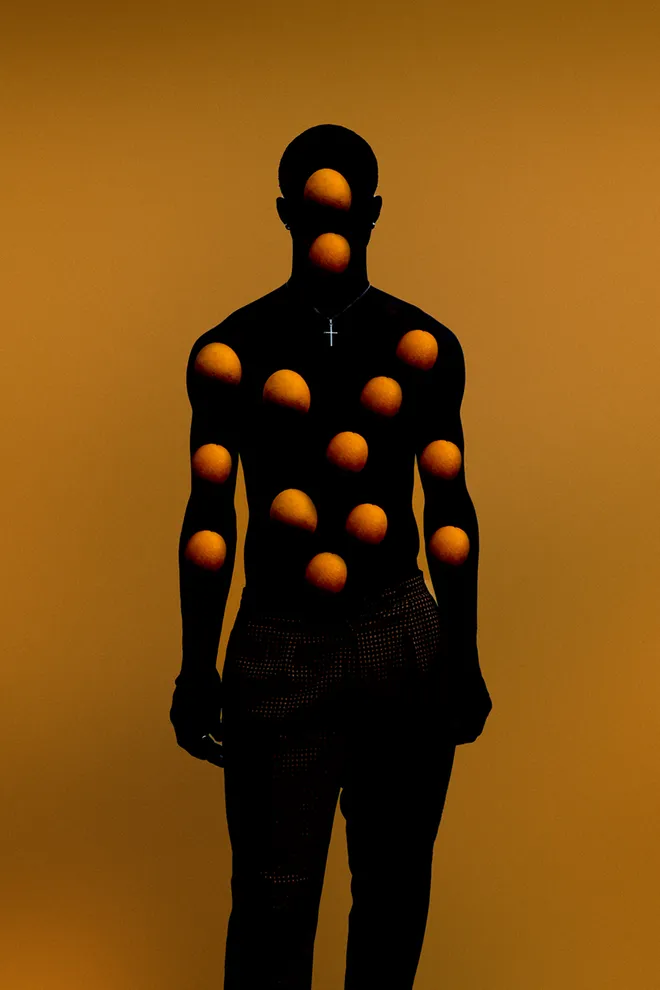
Over time, my style has evolved from straightforward documentation into something more layered, combining abstraction, symbolism, and even experimentation with collage and installation to expand how identity and environment can be represented.

Can you share the underlying themes or ideas that drive your photography?

My work is driven by questions of identity, memory, and the relationship between people and their environments—whether physical, spiritual, or political. I often highlight dark skin tones and use contrast and symbolism to build images that balance realism and metaphor. For me, photography is less about documentation and more about conversation; my portraits reflect people back to themselves with honesty and dignity, while inviting others to look at them with curiosity and respect.

“My work explores people; their identities, memories, and environments, and how these relationships shape and reflect each other.”

What's the one achievement or moment in your photography career that you're most proud of?

There have been a few really heartwarming moments for me in my career. One of those is recently winning the Sienna Creative Photo Award for the People Category. Another moment I cherish is having my work exhibited at Art Basel Miami and Paris Photo with Kahmann Gallery. For a self-taught artist from Warri, these moments and others were affirmations that my images could resonate globally.

What's the biggest challenge you've faced as a photographer, and how did you overcome it?

The biggest challenge has been starting out without formal training or access to resources. I often had to teach myself, borrow equipment, and experiment relentlessly. What helped me overcome this was curiosity and persistence—constantly learning, applying for programs, and seeking mentorship wherever I could find it. I learnt that limitations can sharpen creativity, and that resourcefulness is one of the most valuable tools an artist can have.

If you could collaborate with anyone, who would it be and why?

I would love to collaborate with Kodak for the tasteful film colour they offer in their cameras.

What are your thoughts on the 54Ruum platform?

My initial thoughts were that it is a platform quickly positioning itself as an archive for African photographers. What they are doing is something that I have always loved, and will always love, to see and support.

How's the photography and art space in your country: how has it evolved in recent years?


In Nigeria, the photography and art space has grown tremendously over the past decade, from small festivals and collectives to international representation at major fairs. There is a new energy and global recognition of Nigerian artists, with digital platforms and art institutions giving artists opportunities ranging from exhibition spaces to grants and residencies.

Though photography suffers from the global issue of appreciation here—as it does in the rest of the world compared to other art forms like painting, sculpture, and installation — there is also a poignant lack of appreciation for it here fully compared to some other countries.

If you could give one piece of advice to someone just starting their photography journey, what would it be?

"Start with what you have and shoot everything."

Don't discriminate what qualifies to be your subject starting out. Another thing I'll say is curiosity, intention, and consistency matter far more than tools. Lastly, photography is a dialogue; so listen to your subjects, listen to your environment, and trust your perspective.

SHARE THIS STORY

Join Our Community

More Stories

Racha Saidani : photographe algérienne contemporaine et d'art explorant la vie urbaine, les transformations humaines et l'incarnation du silence
Ayorinde Ogundele: Nigerian documentary photographer capturing the unseen rhythms and impermanence of daily life
Rachid Ayadi: Algerian documentary photographer exploring labour, belonging and urban marginalisation
Endinalo Moni: South African documentary photographer documenting culture, community and self-made identity
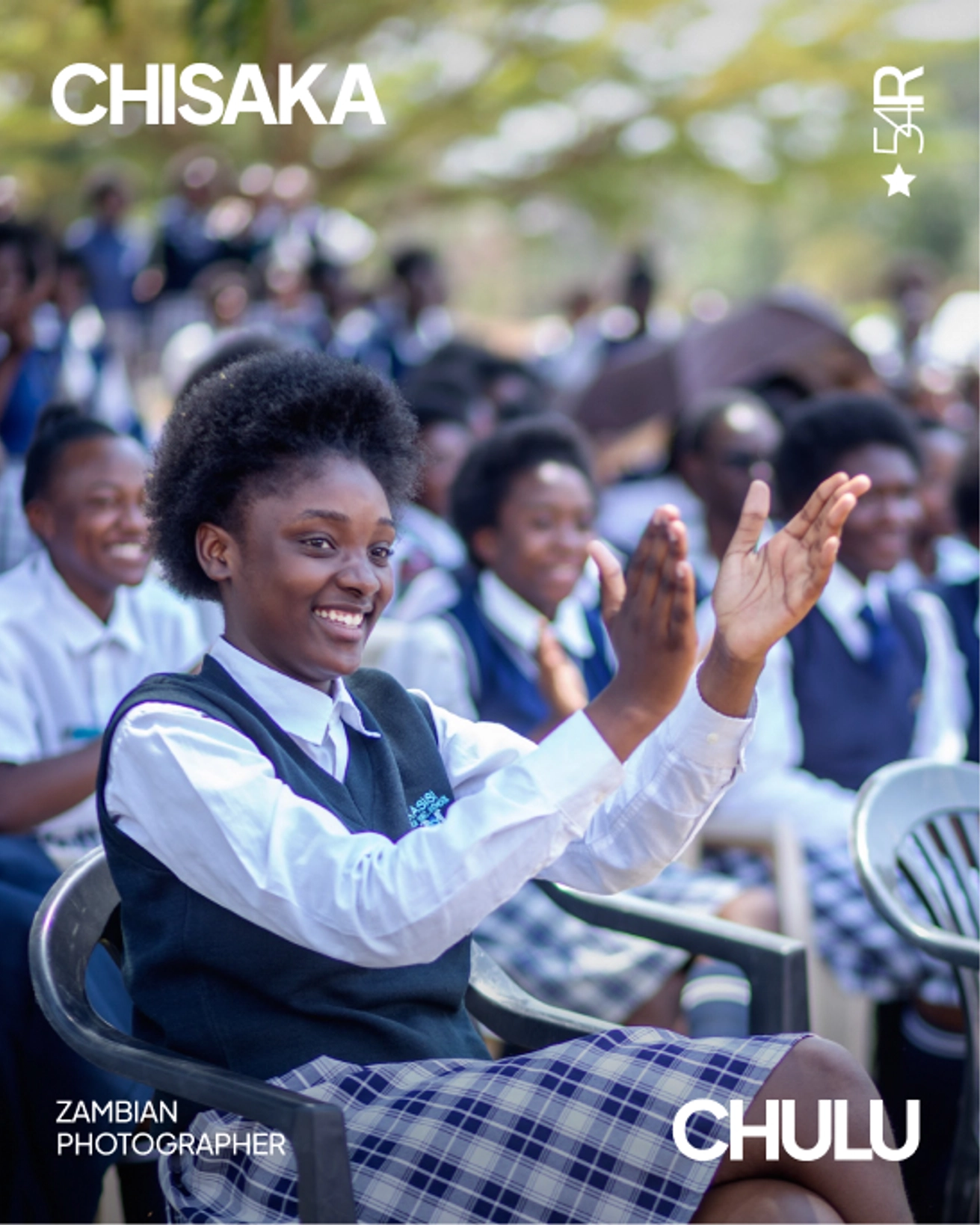
Chisaka Isaac Chulu: Zambian documentary photographer documenting people, culture, and everyday life
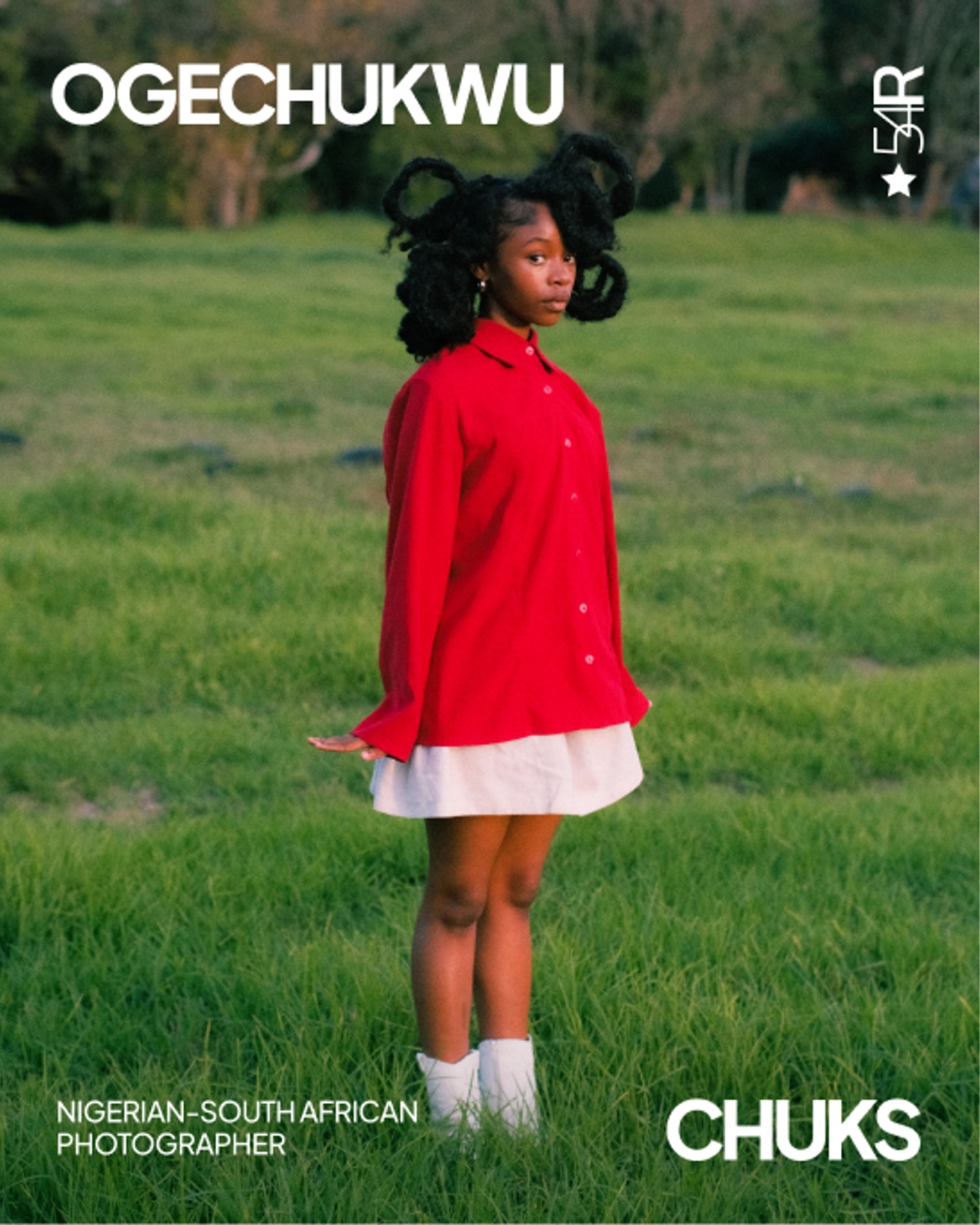
Ogechukwu Chuks: Nigerian-South African fashion and documentary photographer exploring identity, culture and analogue storytelling
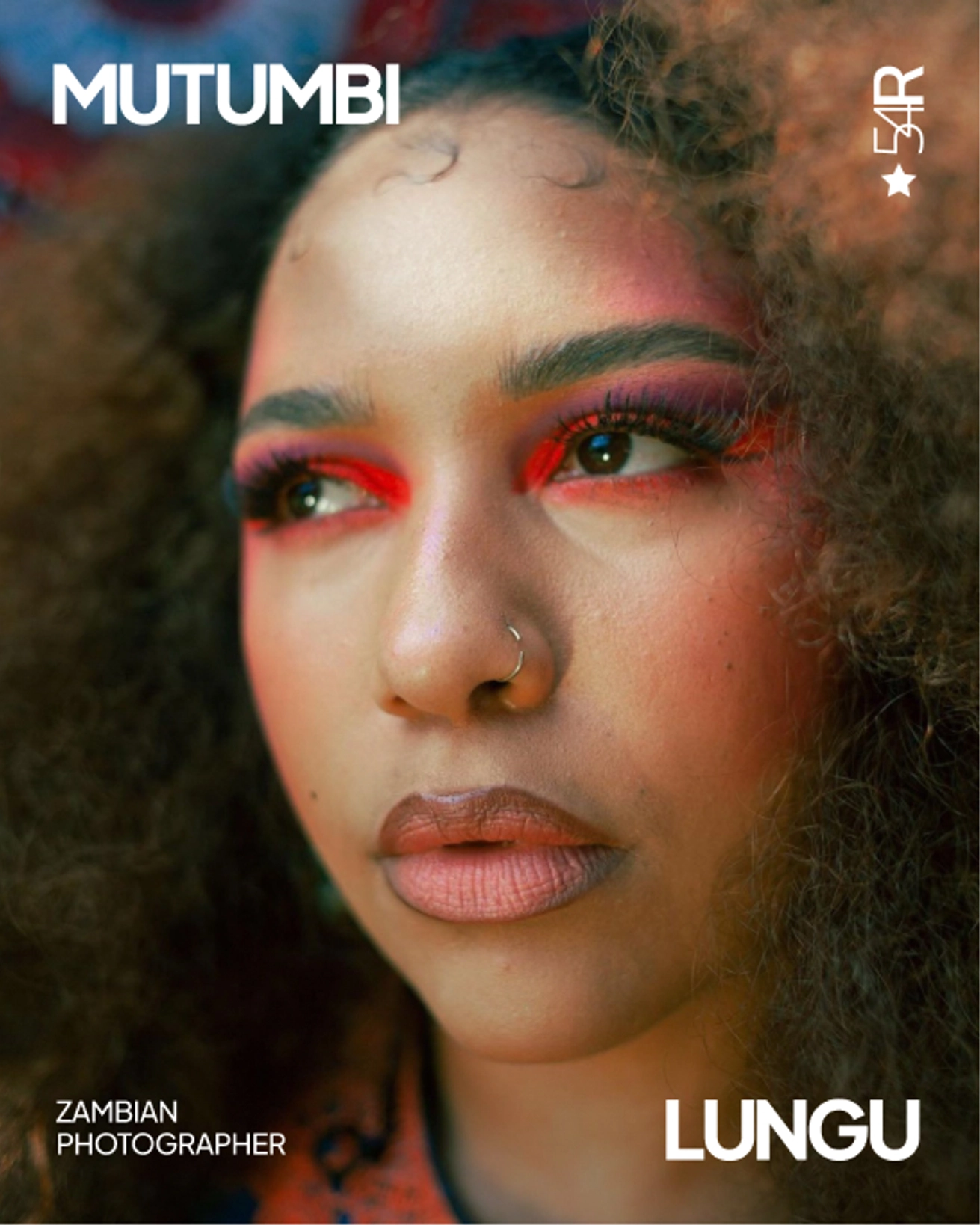
Mutumbi Lungu: Zambian fashion, commercial and documentary photographer expressing culture, texture and colour in overlooked spaces
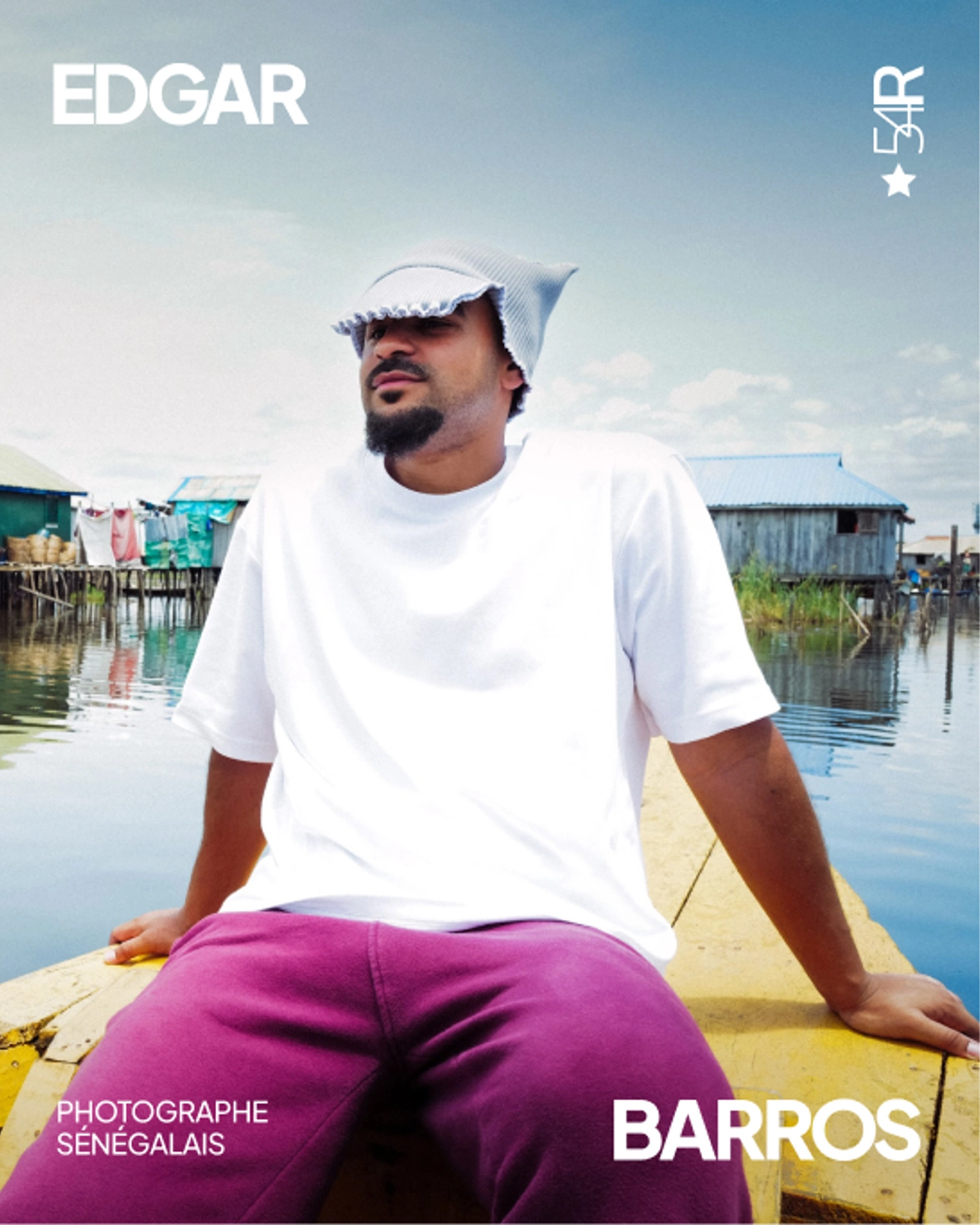
Edgar Barros : photographe de rue et conteur visuel sénégalo-espagnol documentant les liens humains, les cultures et les instants authentiques à travers l’Afrique et le monde
Felipe Antolin ESONO NGUEMA: photographe équato-guinéen créant des récits afro-urbains et éditoriaux cinématographiques autour de l’identité, de la culture et de l’expression humaine.
Delvin Nyambo: Zimbabwean editorial photographer capturing street life, identity, and unapologetic self-expression
Ken Banda: Malawian lifestyle and commercial photographer exploring creative freedom, natural light, and authentic human emotion
Bernard Owusu Boateng: Ghanaian editorial and commercial photographer exploring modern culture, music, and everyday human emotions
Thalente Khomo: South African conceptual and fine art photographer exploring memory, healing, and womanhood
Ashmond Oppong: Ghanaian fashion and lifestyle photographer capturing identity, culture, and visual narratives
Malachie Ngiama : photographe et directeur artistique congolais capturant la vie urbaine, l’émotion brute et les récits visuels entre rue et cinéma

Company

The Ruum Africa

Products

RTM

Community

Cookie Policy

© 2026 The Ruum Africa

Built by