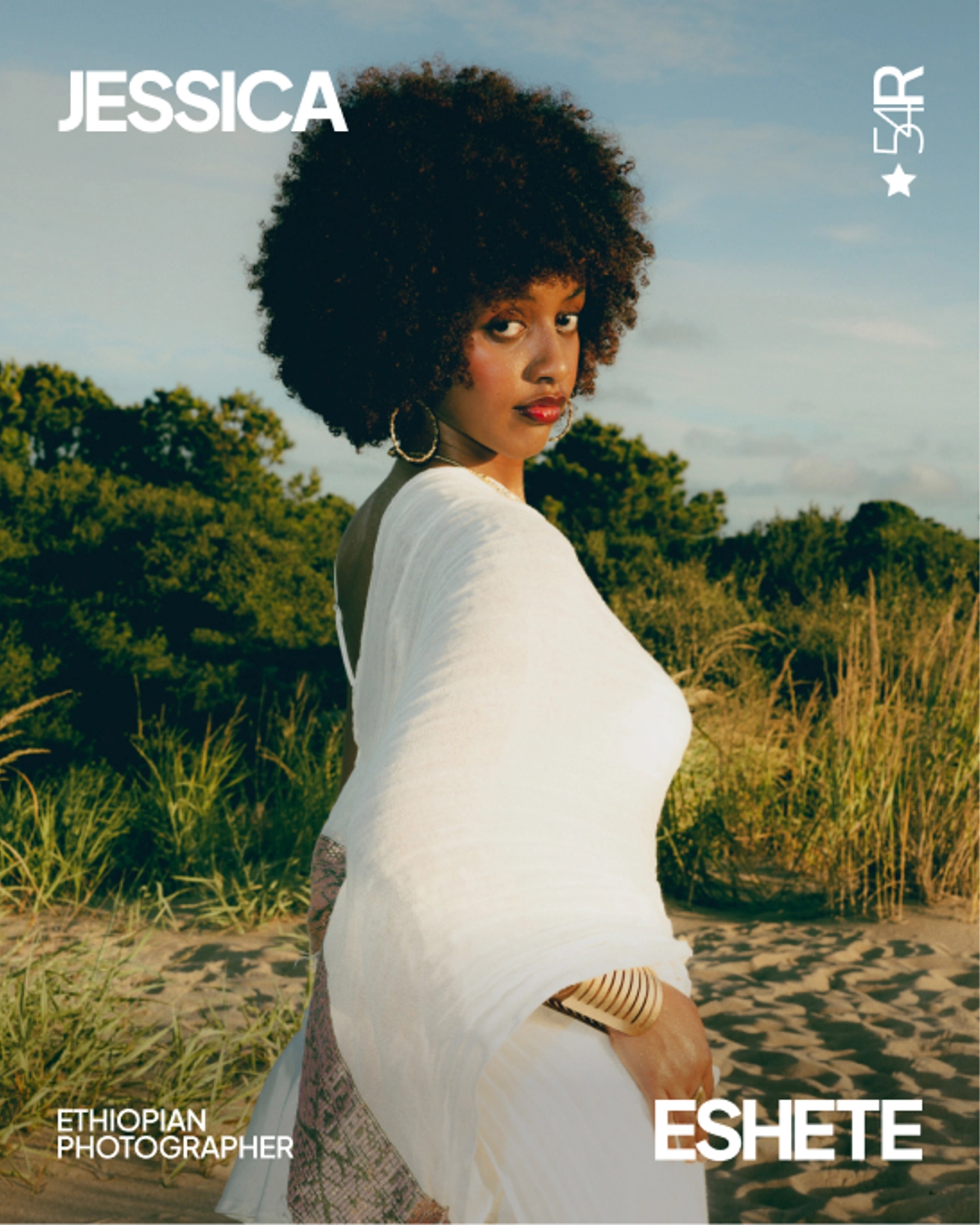
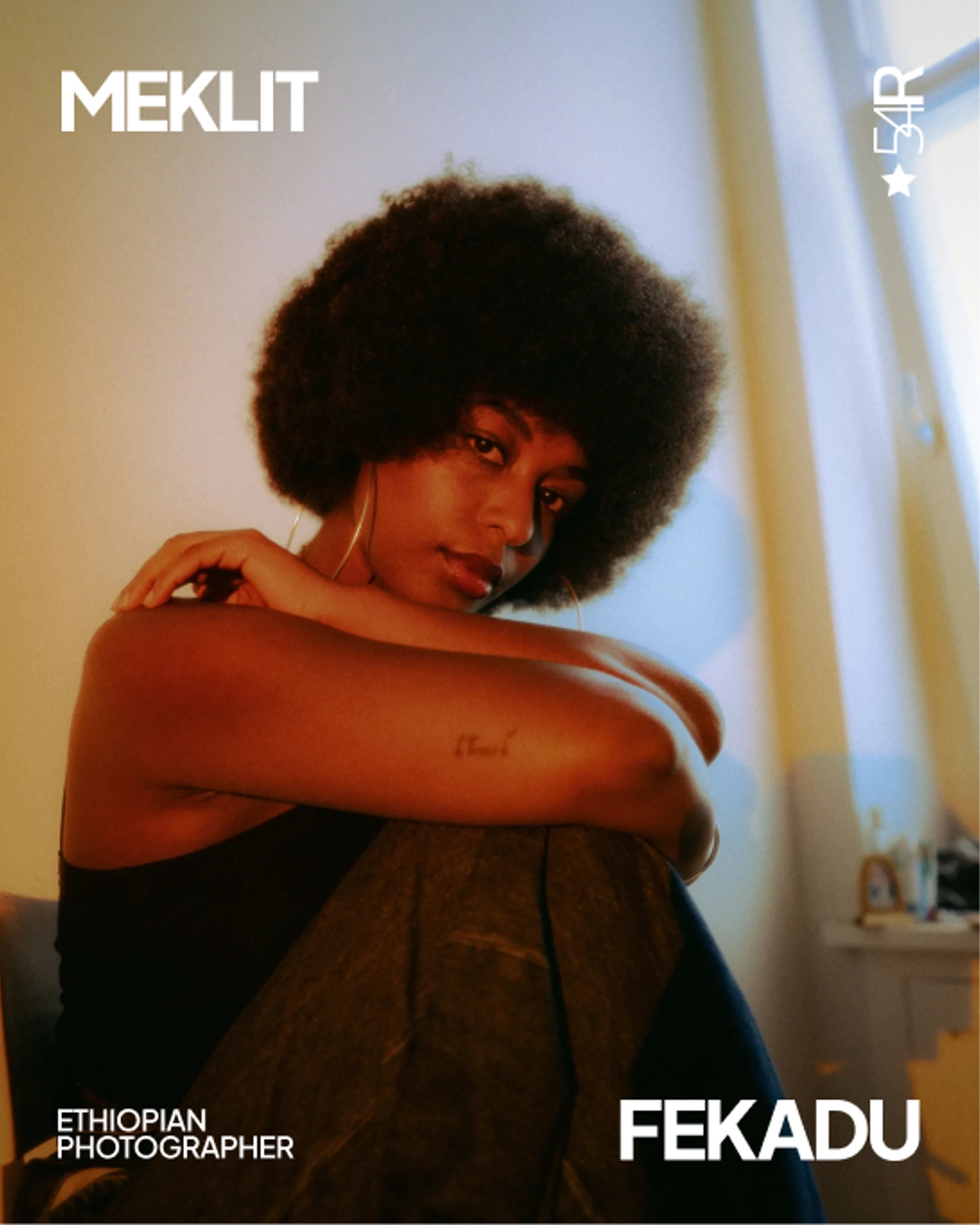
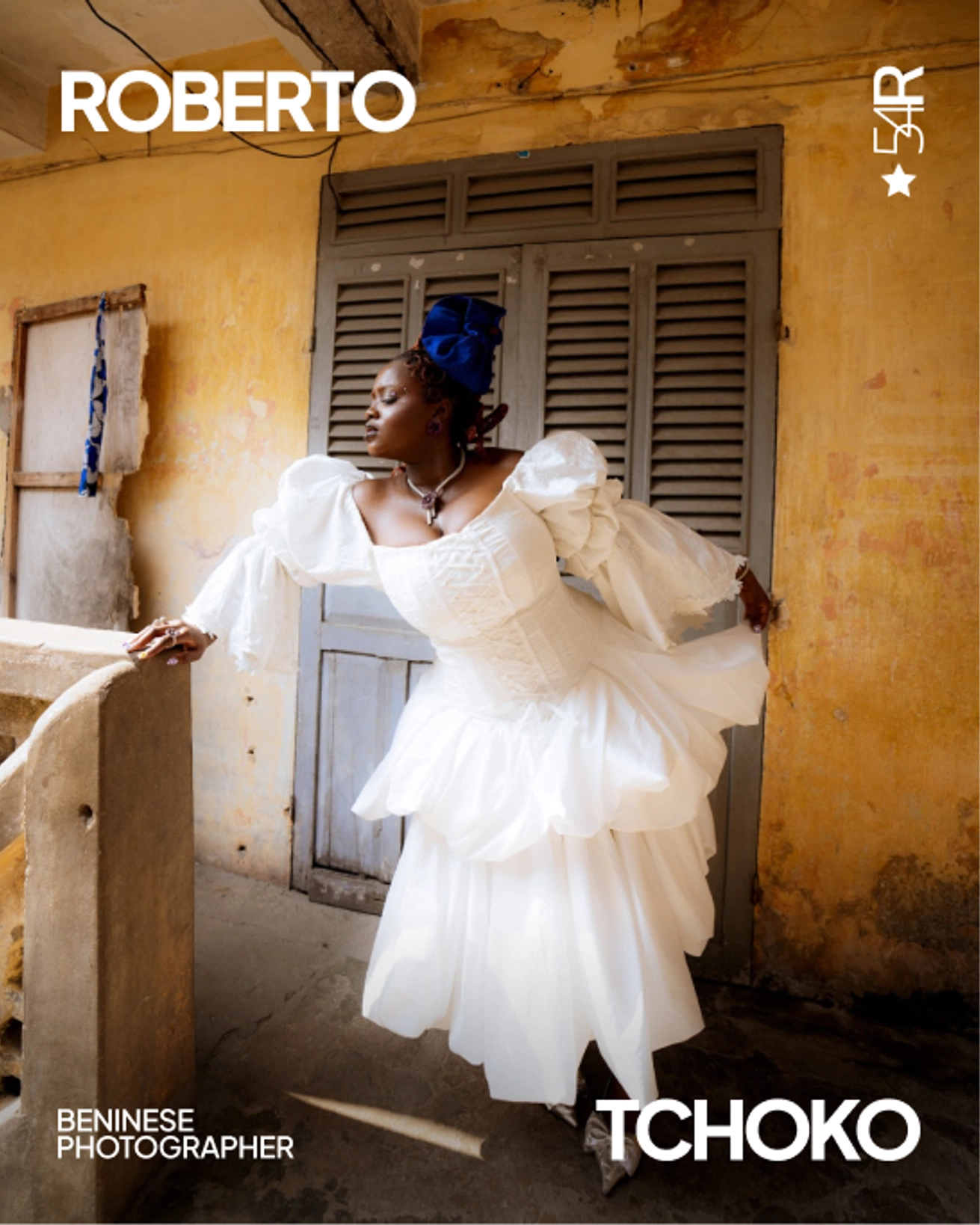
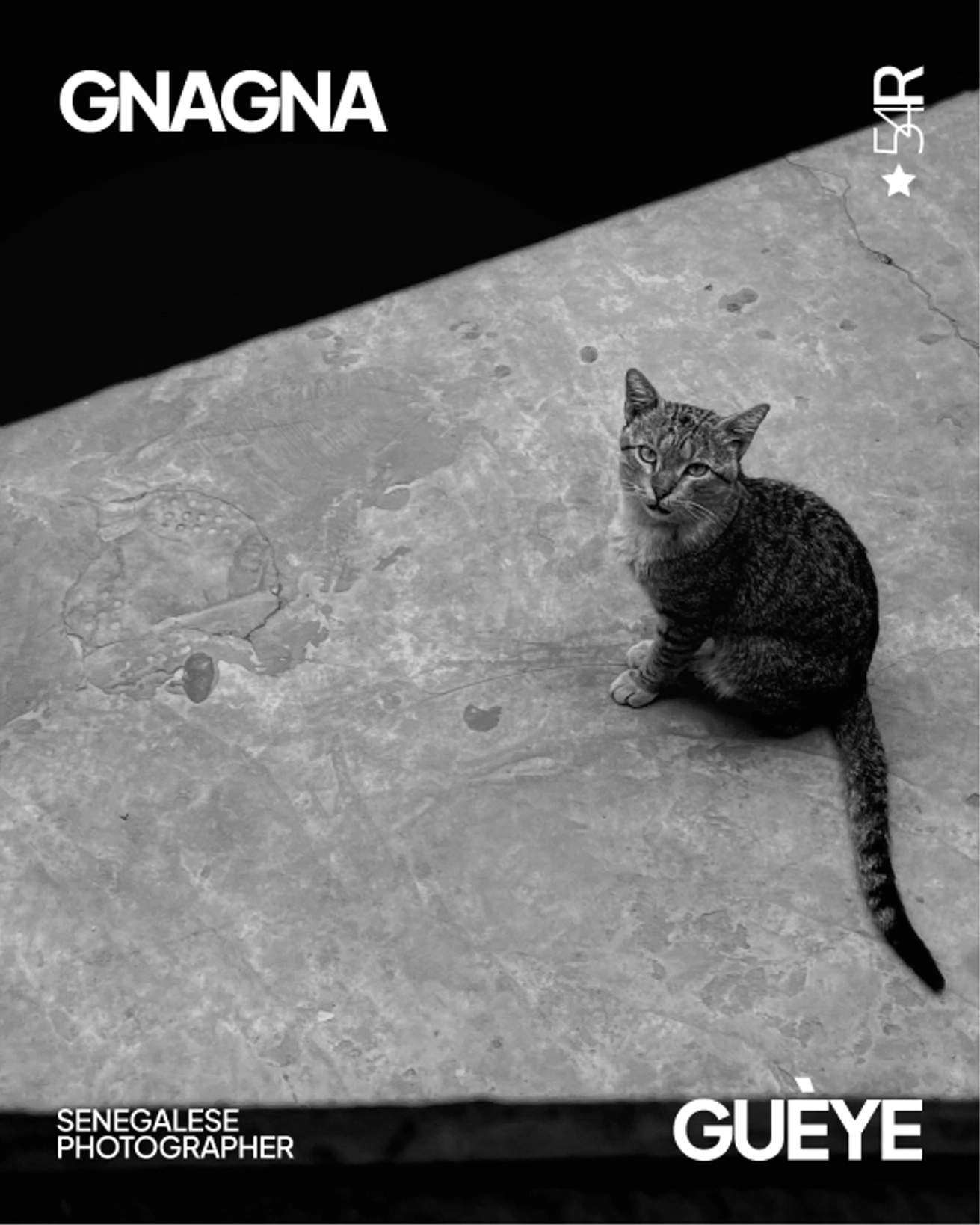
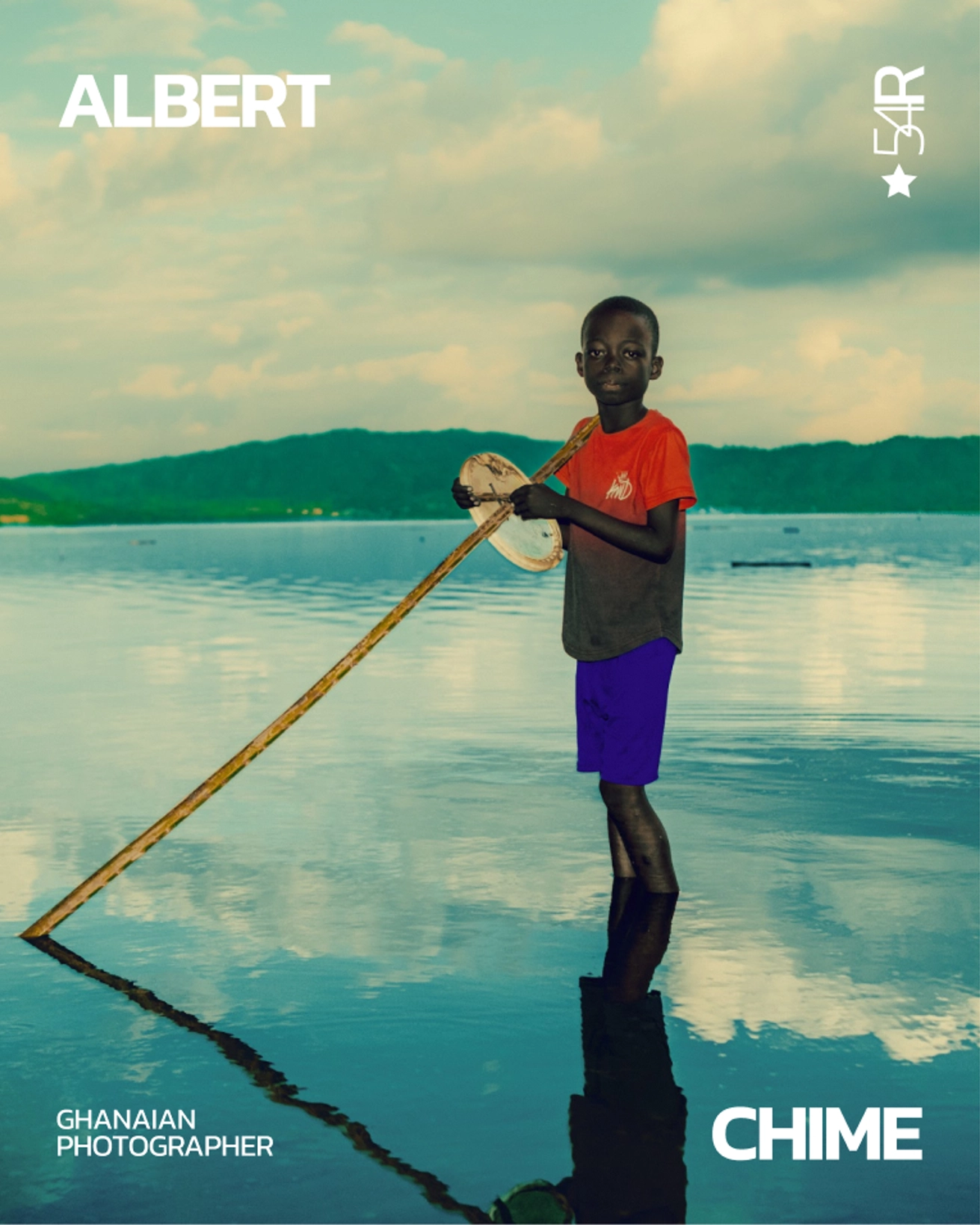
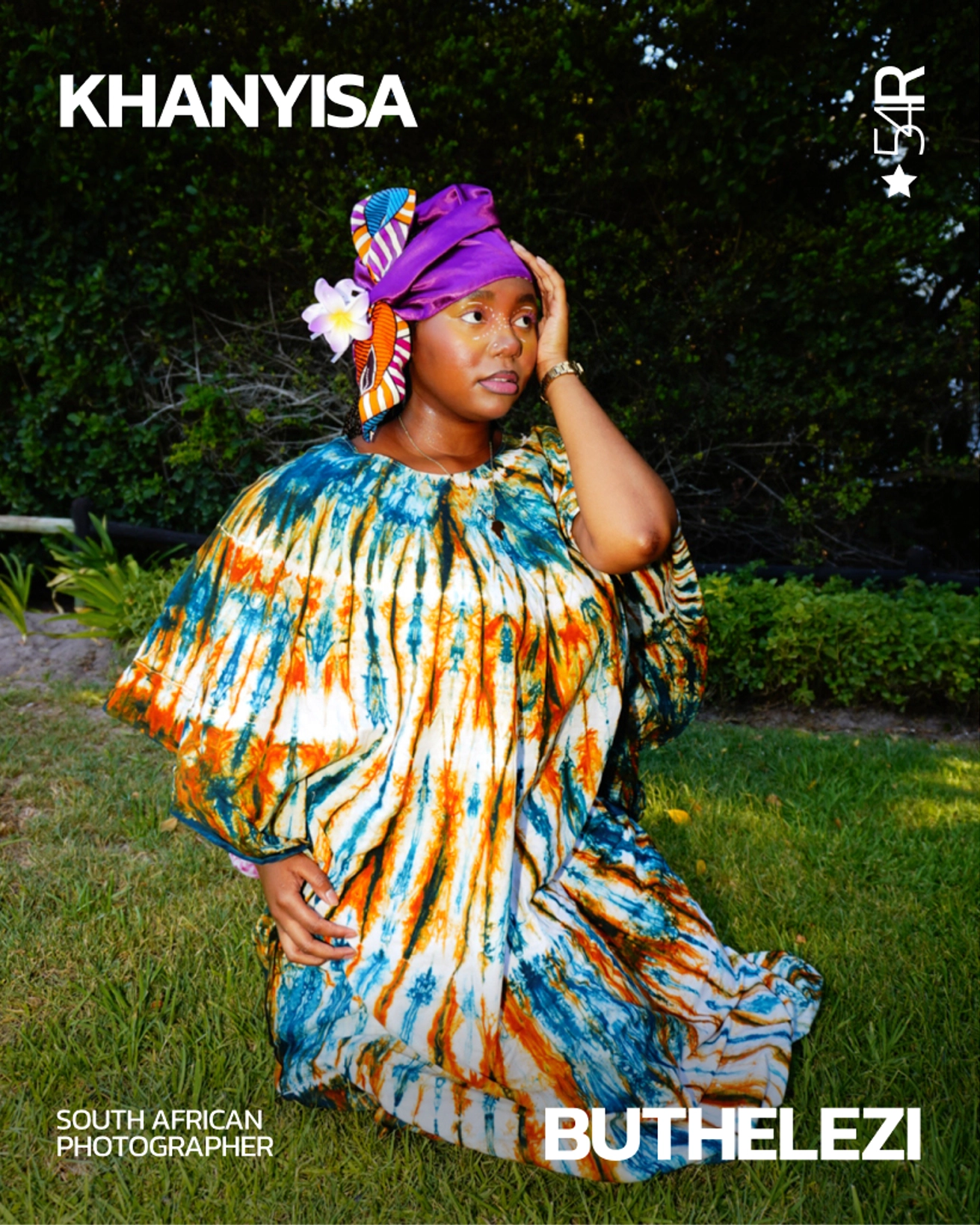
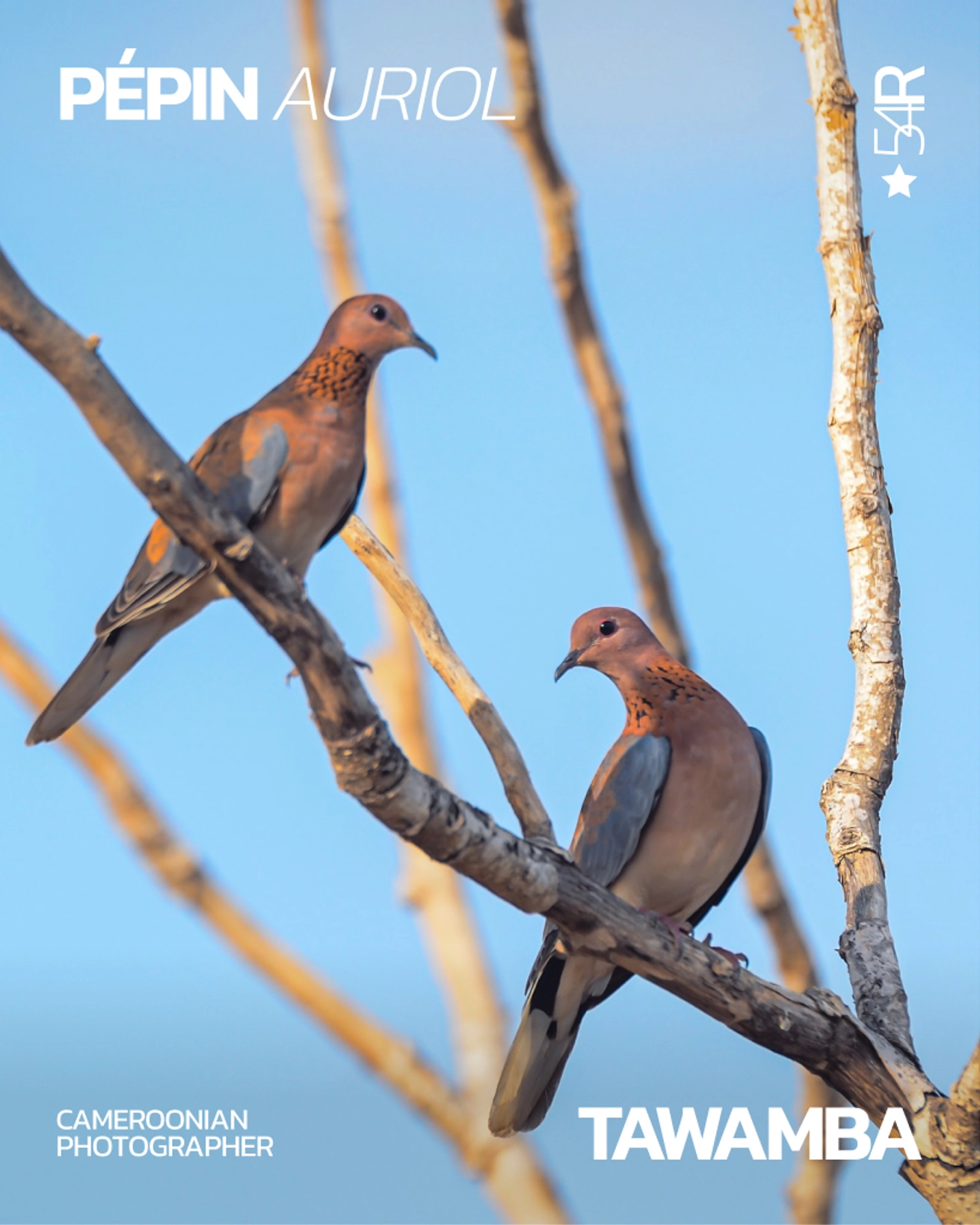
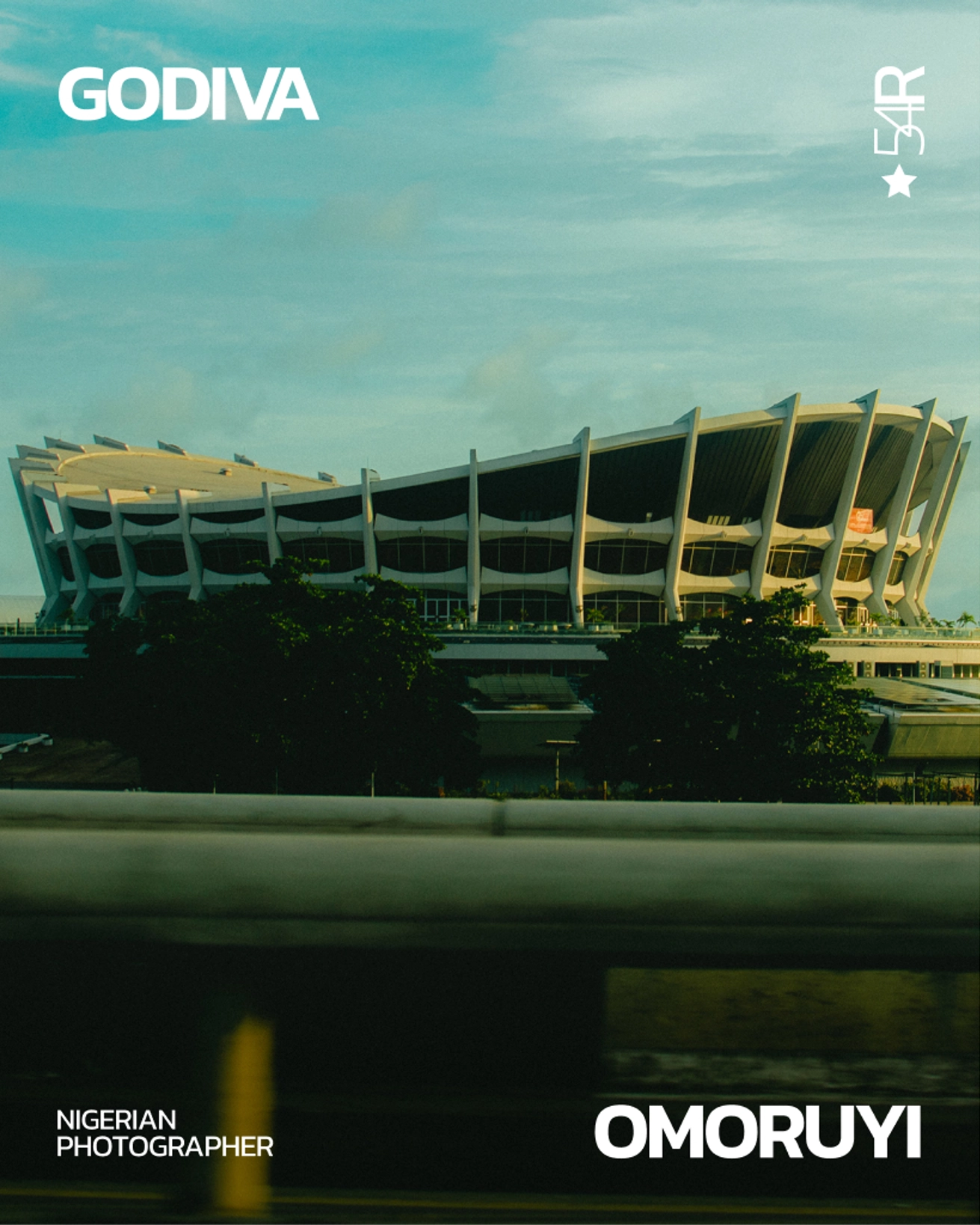
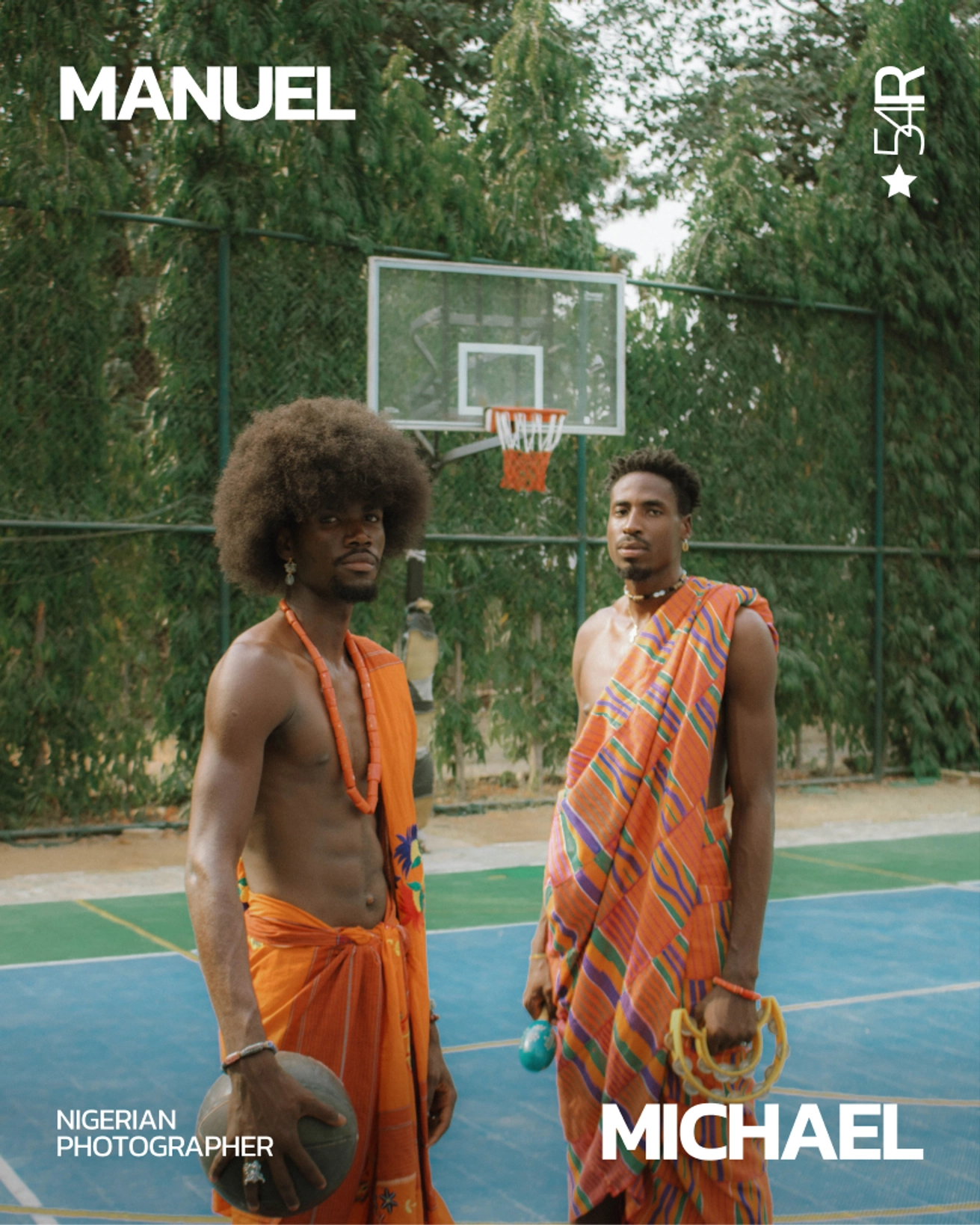
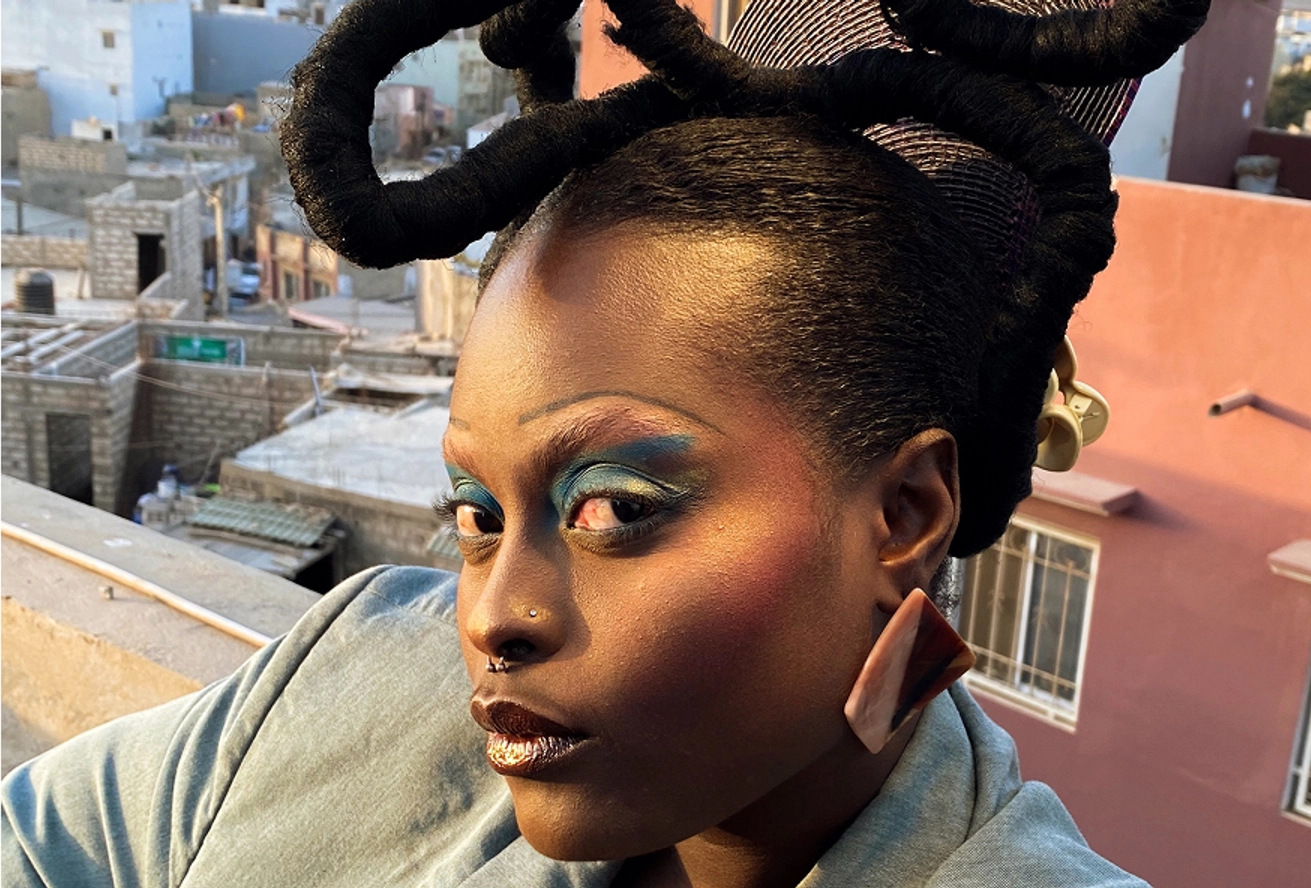
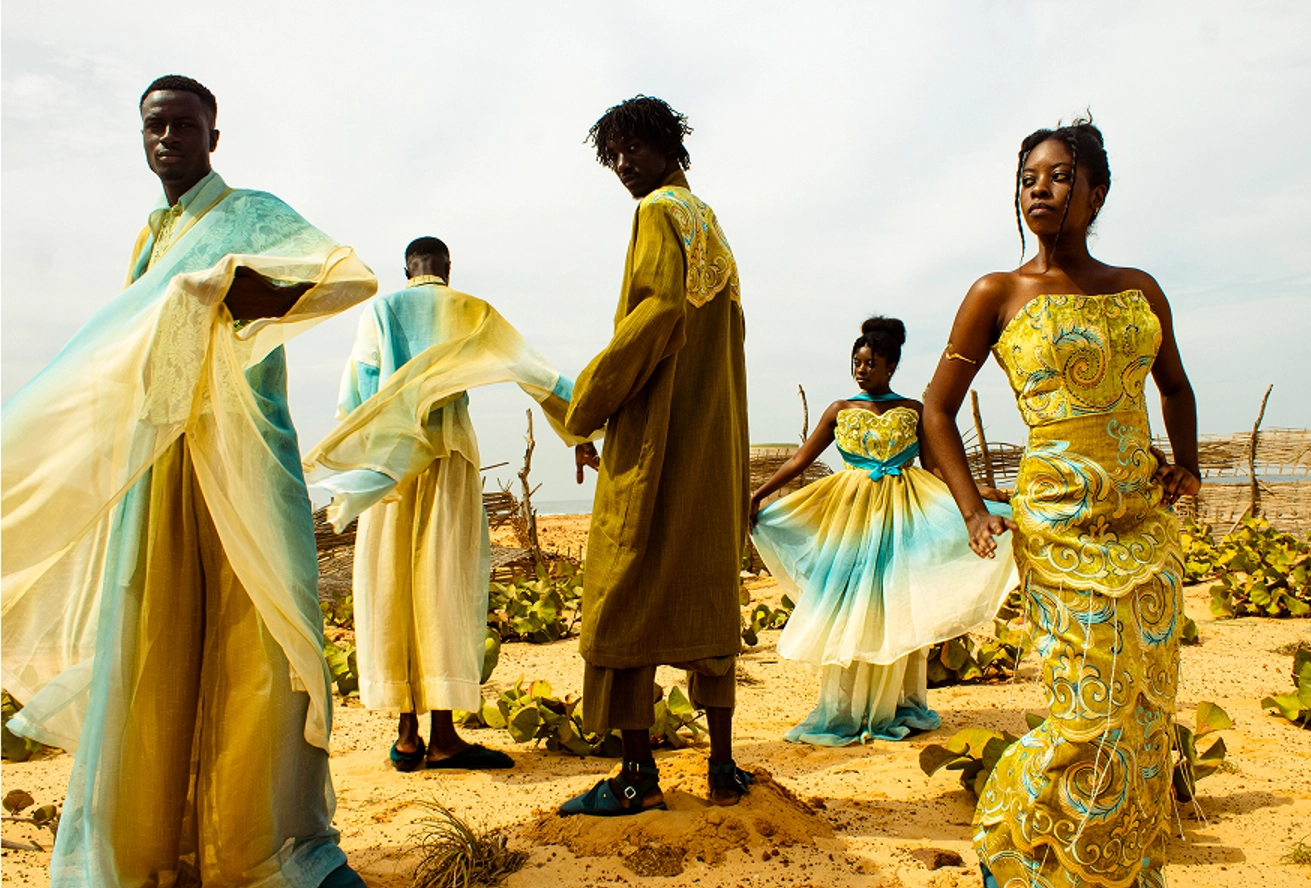
Mohamed Monther Mejri was born in Tunis, Tunisia. He was influenced from an early age by his mother, Hafidha Mejri, and his uncle, Sadok Mejri, who is a painter, to love cinema, literature, and painting. Mohamed Monther uses portraits to question and depict society through an artistic lens.
Mohamed Monther Mejri: Tunisian conceptual photographer finding human authenticity in portraits
4 mins read
•Published24 Feb, 2026

“I find fulfillment in capturing photographs of people, focusing not solely on their faces in a clinical manner. Rather, I strive to unveil the authentic qualities that truly represent who they are.”


How would you describe yourself?
I consider myself an everyday individual, navigating life just like everyone else. I believe that my photographs tell my story, capturing moments and emotions that words often can't express. Each image reflects a piece of who I am, sharing my experiences and perspectives with the world.
“Photography, for me, is a way of seeing — really seeing — the world, people, and moments in a way that slows time down. It's part storytelling, part documentation, and part emotional translation.”

How did you first get into photography?
I have always known that I wanted to become a photographer, but it was during the 2011 Tunisian revolution that I began to take photography seriously. I felt a strong need to document the events in which so many young people were participating. I understood that this moment would be a significant turning point, not only for my country but also for my own journey, and indeed, it was.
My photos were noticed by a gallery in Luxembourg, and I was invited to have an exhibition there. It motivated me to continue pursuing a career as a photographer.


What type(s) of photography do you specialise in?
I don’t have a specific type of photography that I adhere to. While I occasionally use digital cameras, I primarily shoot with film cameras. In today’s digital world, where endless shots and instant results are the norm, film photography demands greater intention. Each frame is limited.
You pause, reflect, and compose your shot. This constraint fosters mindfulness, emphasising presence, awareness, and patience.
I also enjoy photographing people, but not just in a clinical way by capturing a face. Instead, I aim to reveal something authentic and true about them.
“The most important aspect of my work process is establishing good relationships with the people I collaborate with.”


Can you share the underlying themes or ideas that drive your photography?
Photography, for me, is a way of seeing — really seeing — the world, people, and moments in a way that slows time down. It's part storytelling, part documentation, and part emotional translation.
Through light, composition, and timing, photography captures not just what something looks like, but what it feels like in a specific moment. I focus my attention on what truly matters.
The most important thing for me is my work process. It's very essential to establish good relationships with the people I work with, to create a climate of trust and a bond, which allows me to capture truly authentic moments.
My greatest source of inspiration is music, to me, it is an image stimulator, music makes me see and imagine my future works. I would not be the same without music.


What's the one achievement or moment in your photography career that you're most proud of?
The moment Kamel Lazaar Foundation and the French Institute of Tunisia chose a photo I took of my mother for their exhibition "Our time, Even in dreams" stands out as one achievement that I am proud of.
“I do like to shoot people — though not in the clinical sense of just capturing a face, but in the deeper sense of trying to reveal something true about them.”

What's the biggest challenge you've faced as a photographer?
My biggest challenge was not seeing my mother for more than six years. During that time, I lived in France, and my mother was in Tunisia. That's why I'm so attached to the video and song “Territory” by The Blaze.


If you could collaborate with anyone, who would it be and why?
I would love to collaborate with Travis Scott.I don't think I need to say why.


What are your thoughts on the 54Ruum platform?
I am convinced that 54Ruum has real possibilities to support and connect African creatives. Through their good work, I have discovered new talented artists.

How's the photography and art space in your home country?
There’s been a real expansion of art spaces, from galleries to multi-disciplinary centres and programs that support art and exhibitions.
These bring together local artists and connect them with international networks. Even virtual galleries and platforms have emerged to showcase art online and widen audience reach.


Advice to someone just starting:
"Focus on seeing, not just shooting."

Credits
SHARE THIS STORY
Discover photographers in Africa