Join us

Pépin Auriol Tawamba: Cameroonian conservation and documentary photographer documenting the intersection of biodiversity and culture | 54Ruum Spotlight

6 mins read
Published16th Feb, 2026

"I have been filming for two years, but I have never owned a camera; I have always used other people's equipment to create my images."

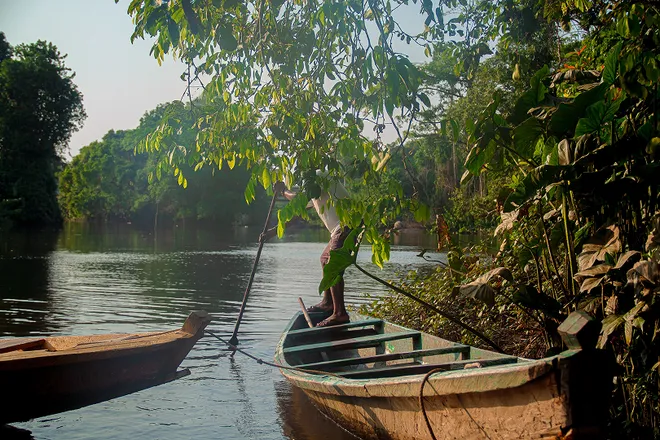
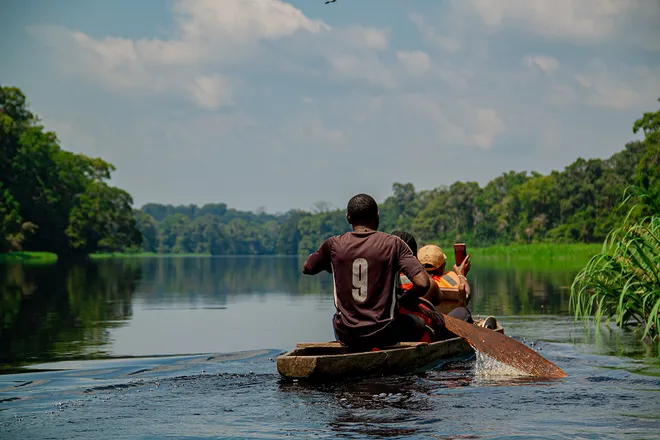
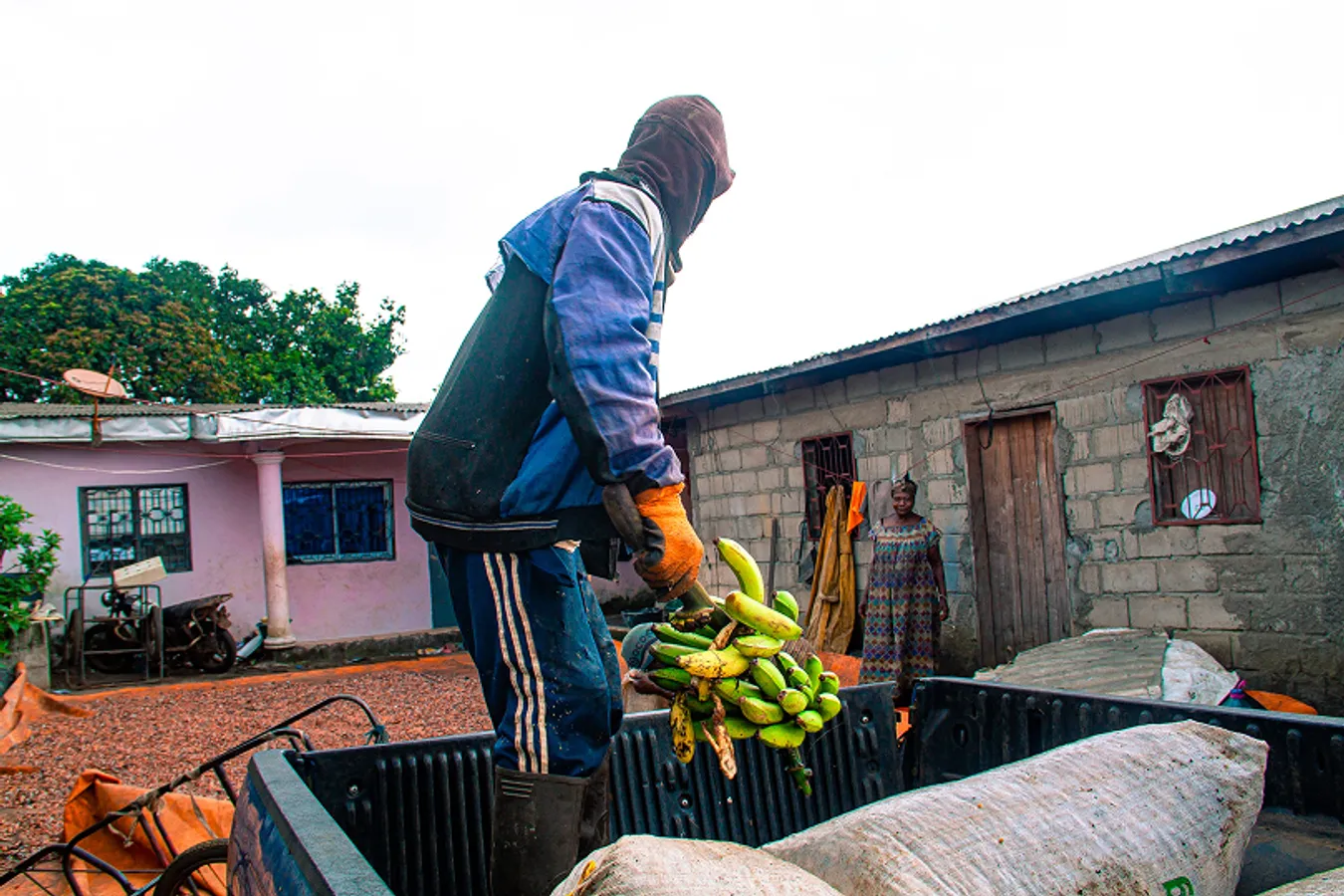
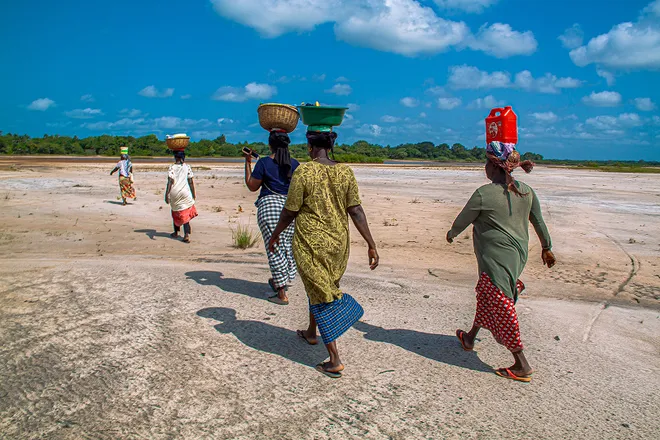
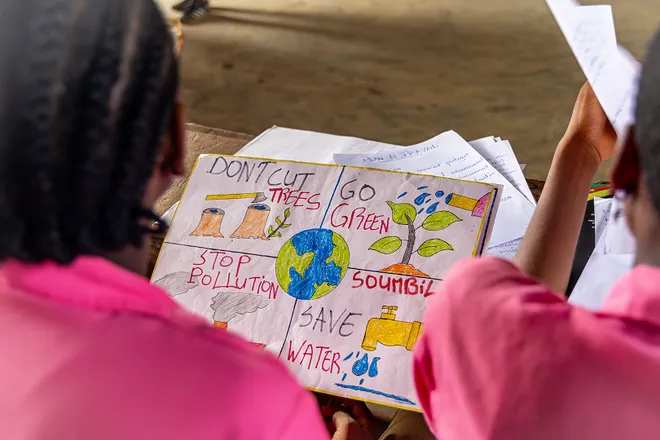
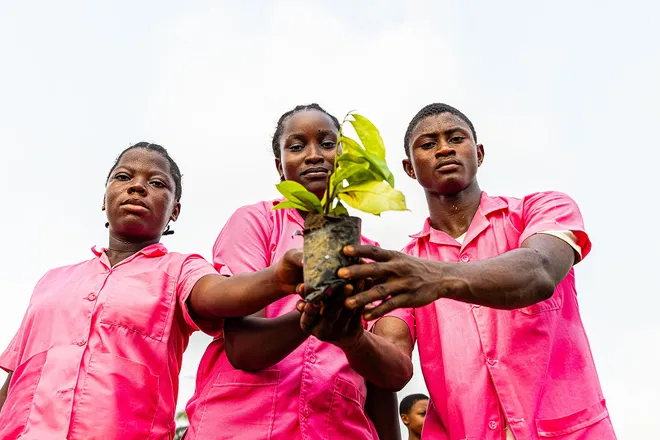
Pépin Auriol Tawamba is a Cameroonian visual artist and art director whose practice lies at the intersection of photography, visual communication, and environmental storytelling. Through his images, he narrates stories that raise awareness, share knowledge, and celebrate African territories, communities, and biodiversity.

For over a year, he has dedicated himself to conservation photography, a journey that reached a turning point following his participation in a marine conservation competition organised by AMMCO in Cameroon.

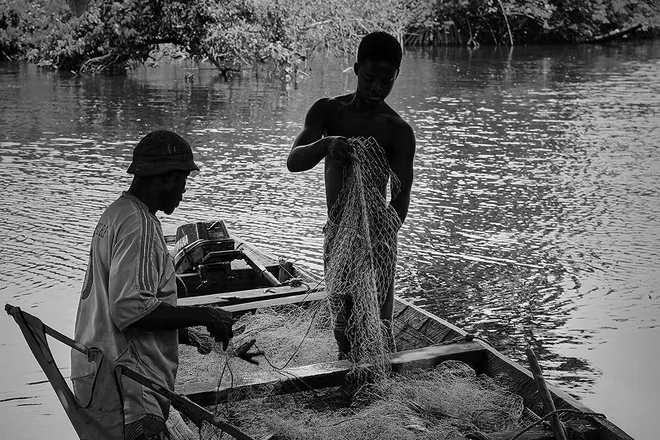
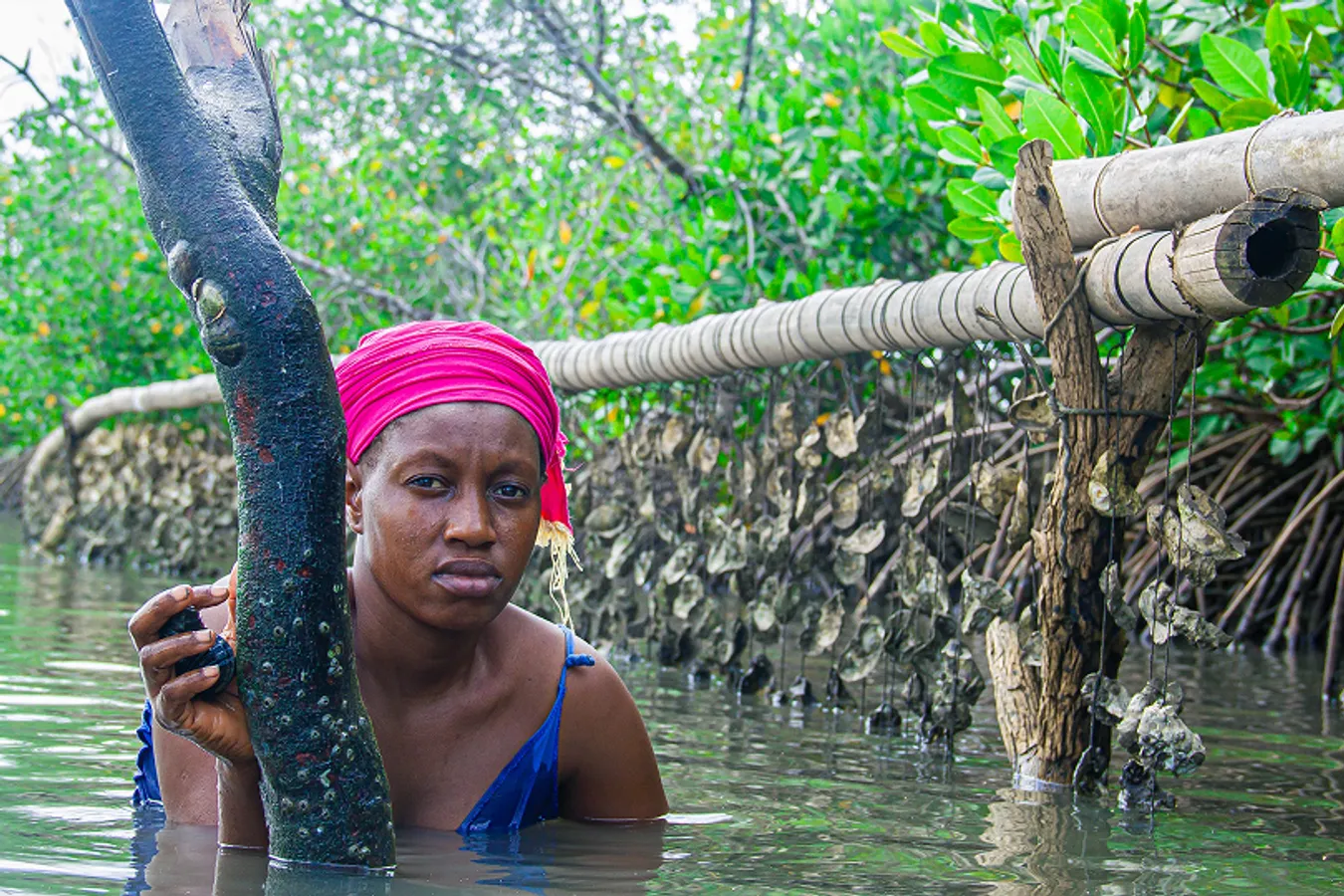
His work has taken him to Senegal, where he created visual pieces focused on mangrove conservation and local cultures, highlighting the connections between ecosystems, traditions, and community resilience. In 2024, he attended the NEWF conference in South Africa, engaging with international experts in scientific research, documentary filmmaking, and marine conservation.

Currently a student of Visual Arts and Art History at the Douala Free Academy of Fine Arts (LABA), Pépin continues his education with TonyWild and Biophilic in Kenya under the mentorship of Anthony Ochieng. As a Fellow of the NEWF and an exhibitor at the National Museum of Yaoundé, he aspires to produce visual narratives that drive change and preserve Africa’s natural and cultural heritage.
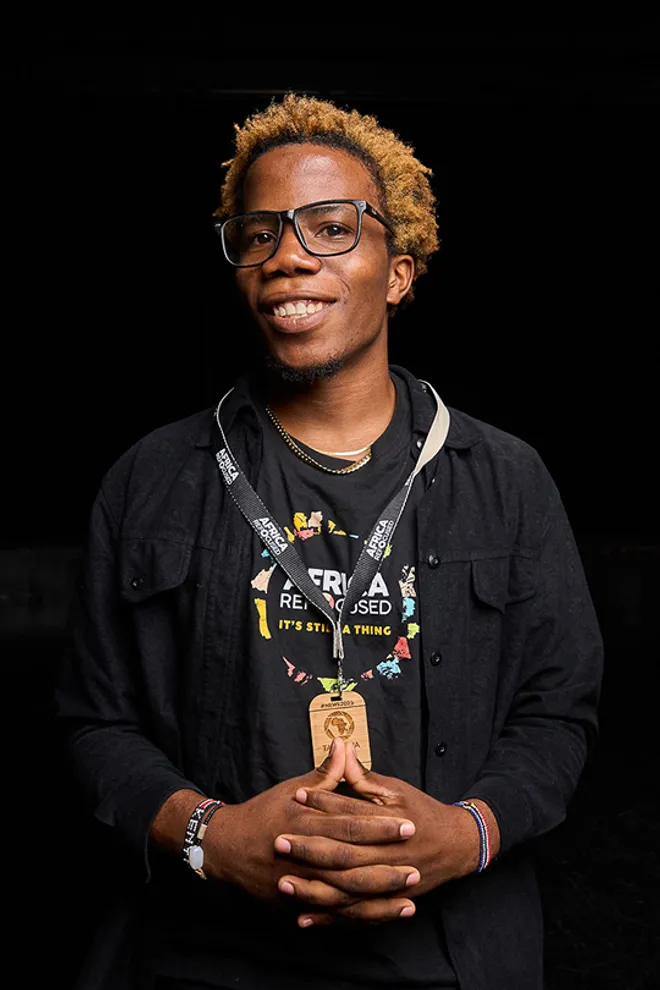
Pépin Auriol Tawamba - Cameroonian conservation photographer

How would you describe yourself in a few sentences?

I am a Cameroonian art director with a passion for conservation photography and visual storytelling. I have been filming for two years, but I have never owned a camera; I have always used other people's equipment to create my images. I love capturing the connections between people, nature, and local cultures to tell stories that provoke thought and inspire action.

I believe that every photograph is a powerful tool for raising awareness, sharing knowledge, and celebrating the beauty of our environment, and that is exactly what I strive to do with every project.

"I believe that every photograph is a powerful tool for raising awareness, sharing knowledge, and celebrating the beauty of our environment."

How did you get started in photography?

I started photography quite naturally, connected to my love of ideas and storing information. I have always had many concepts in mind that I enjoyed proposing, observing, and analysing. My real turning point came when I did not have a project as an art director, but I was spending all my time with photographers.

I then threw myself fully into photography, seeking to create different images and express my ideas visually. At first, many of my photos were difficult for others to understand, but that was precisely what motivated me — to experiment, explore new perspectives, and tell the stories I had in mind.

My passion intensified when I became a finalist in a marine conservation photography competition. During workshops led by experts, I discovered a new way to capture time and tell stories through images. In my country, Cameroon, conservation photography is not yet widespread, and I set myself the goal of changing that.


"My real turning point came when I didn't have a project as an art director, but I was spending all my time with photographers."

What type of photography do you specialise in, and why this speciality?

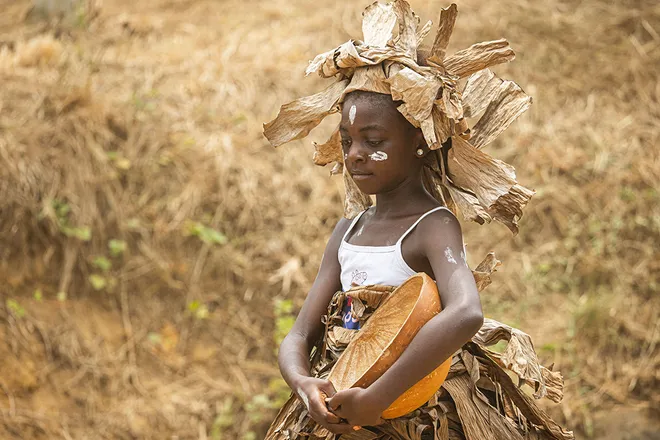
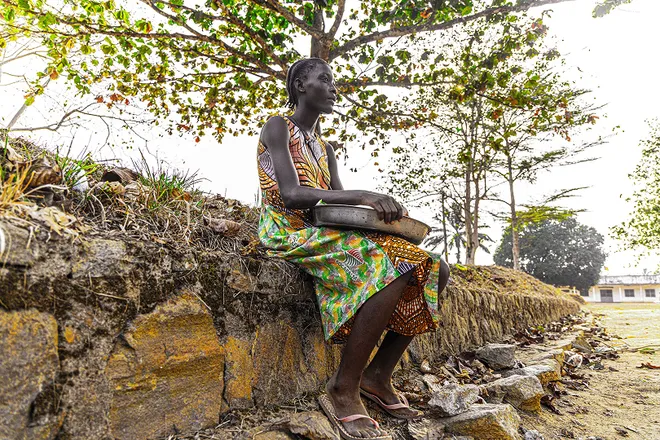
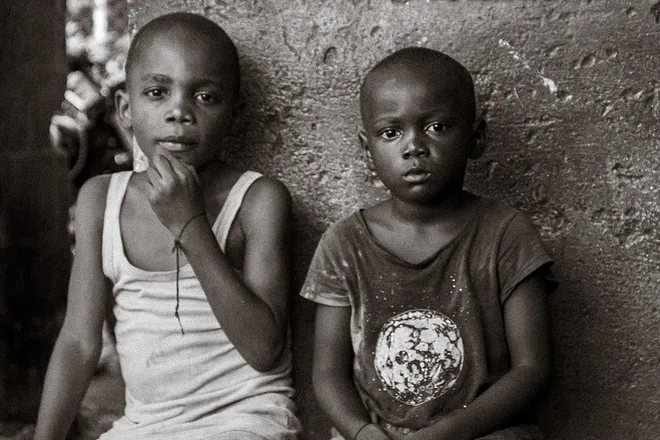
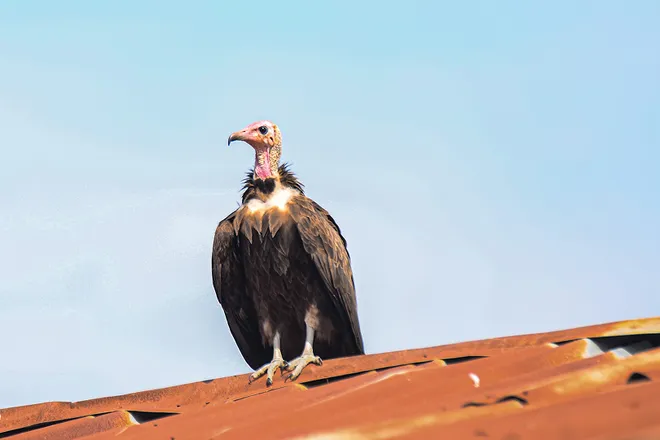
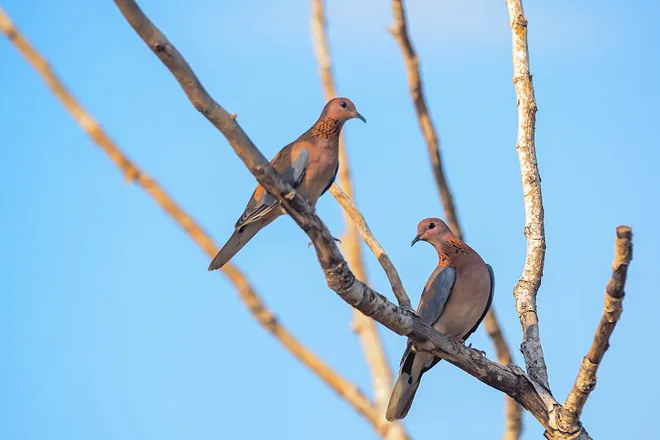
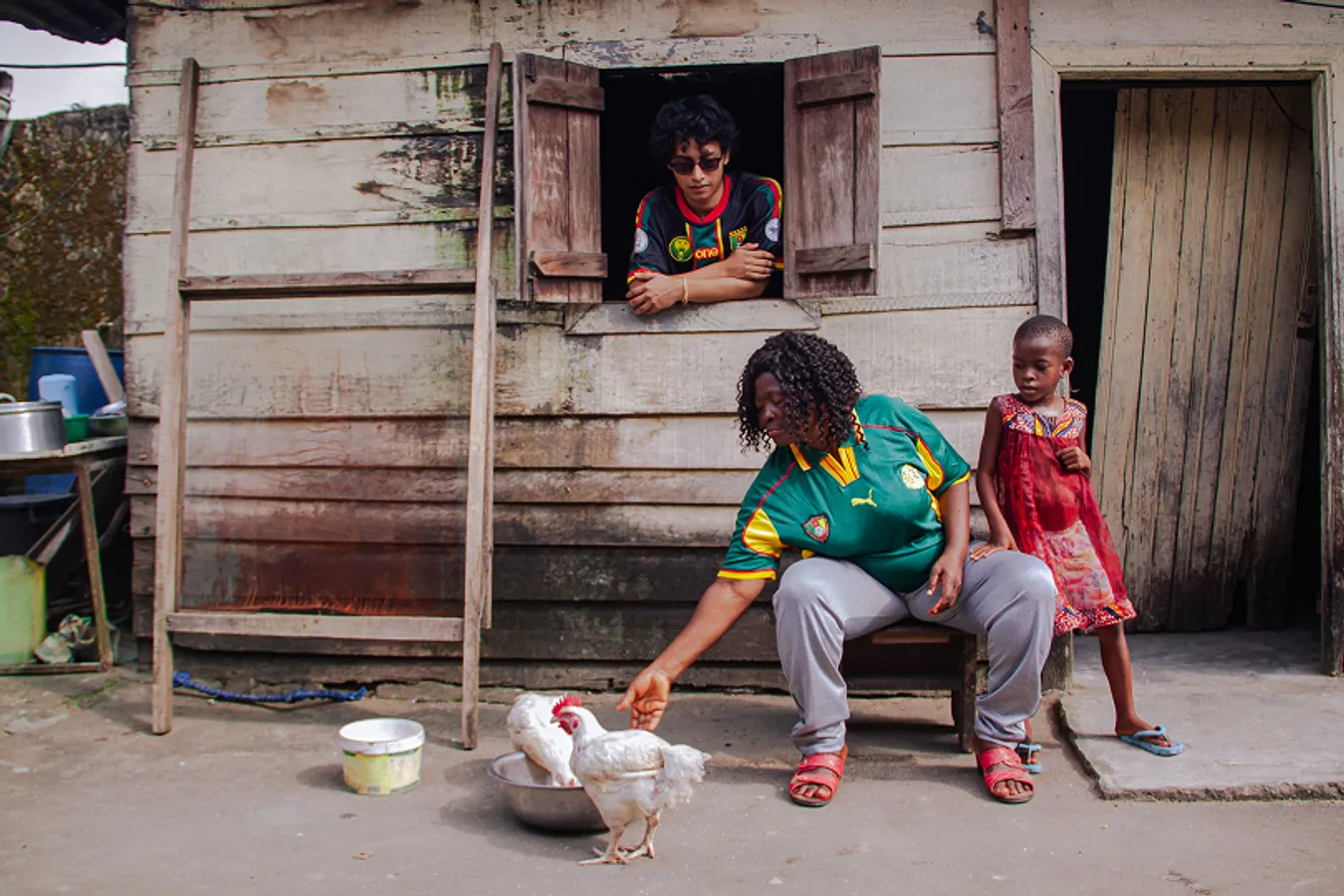
I specialise primarily in conservation photography, documentary photography, and visual storytelling centred on local cultures and ecosystems. I chose this niche because I have always been passionate about the links between humanity, nature, and the environment.

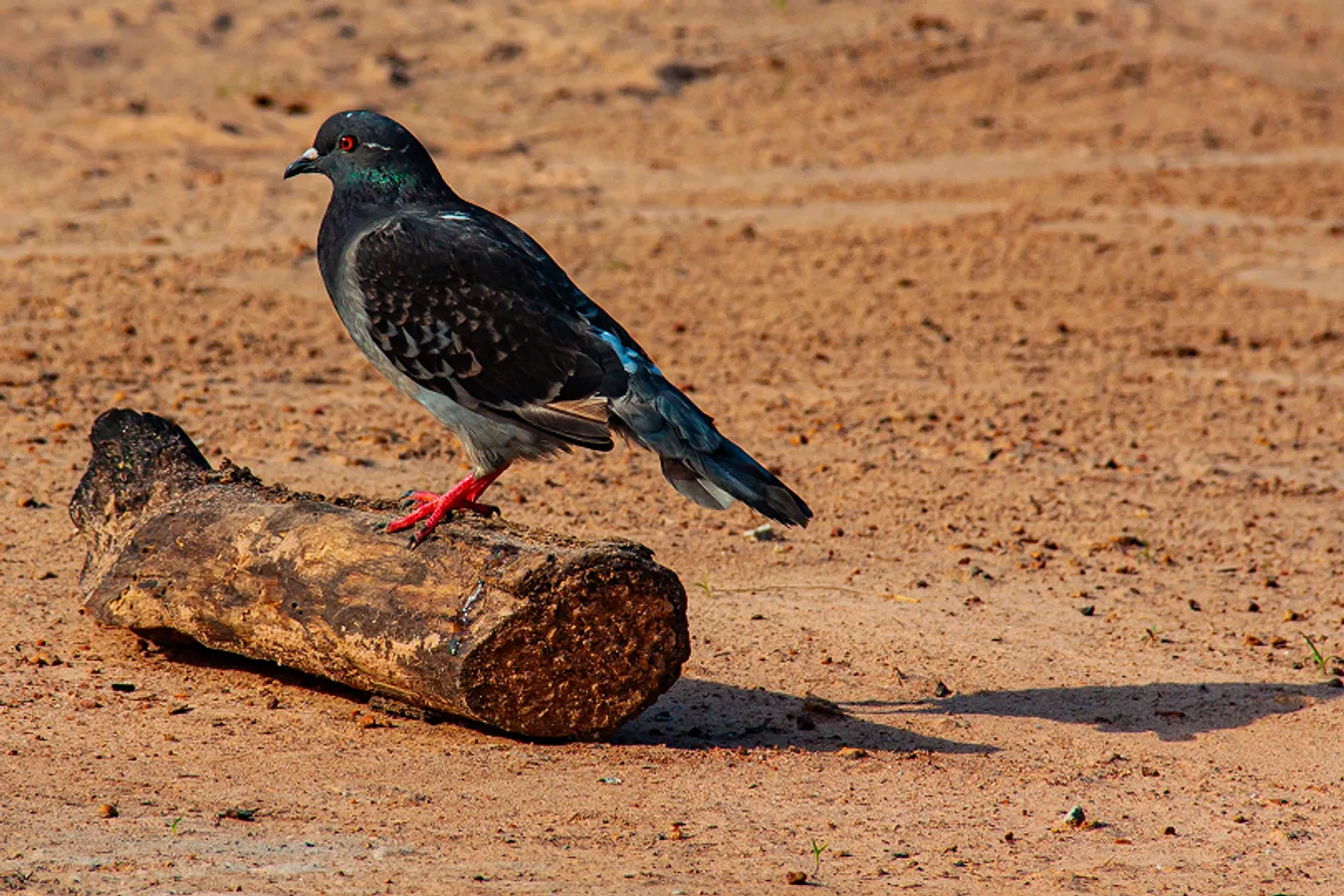
I wanted to use my images to raise awareness, transmit knowledge, and tell stories that have a real impact. Conservation, in particular, allows me to combine my artistic sensitivity with my commitment to protecting African biodiversity and territories.

My style has evolved. I mostly created experimental images when I started photography — which were sometimes difficult for others to understand — that reflected my personal ideas and concepts. Over time, specifically through experiences such as my participation in the marine conservation photography competition and the NEWF congress in South Africa, I have learned to better structure my visual narrative.

Now, I use light and perspective to strengthen emotion and create images that are both aesthetic and educational. Today, my style combines authenticity, artistic sensitivity, and narrative power with a clear objective: that every photo tells a story and inspires action.

What are the main themes or ideas that inspire your photography?

It revolves around nature conservation, the relationship between humans and their environment, and the promotion of local cultures and traditional knowledge. I seek to explore the links between ecosystems, communities, and resilience, while capturing moments that tell authentic and universal stories.

I use my images as a tool for connection and awareness. Each photo is designed to convey an emotion, provoke reflection, and create a dialogue between the viewer and the subject. Whether through an exhibition, a workshop, or a publication, I seek to invite others to look, understand, and act, making the image a bridge between local stories and global concerns.

“My passion intensified when I became a finalist in a marine conservation photography competition... I discovered a new way to capture time and tell stories through images.”

What accomplishment or moment in your photography career are you most proud of?

Being selected as a finalist in a marine conservation photography competition organised by AMMCO in Cameroon. This was a major turning point for me as it allowed me to put my ideas into practice, receive advice from conservation and photography experts, and discover how much my images could convey a powerful message about environmental protection.

This experience also opened doors for me, notably leading to my participation in the NEWF congress in South Africa, where I was able to exchange ideas with photographers, videographers, and researchers from around the world. These stages have been key milestones in my journey, giving me the confidence to pursue conservation photography and visual storytelling as tools to raise awareness and inspire action.

What's the biggest challenge you've faced as a photographer?

Working without my own equipment. For a long time, I have had to rent cameras to film and photograph, which limited my creative freedom and increased financial constraints.

Another difficult moment occurred when my camera was confiscated by the police while I was filming locations for a photography festival for which I was ultimately not selected. I had to rely on my family to recover all the equipment, which was stressful and frustrating.

This experience taught me a great deal: it strengthened my determination, taught me to anticipate difficulties, and showed me how to persevere despite obstacles. It proved that passion and creativity can overcome material constraints and the unexpected. Today, I see every challenge as an opportunity to grow and exceed my limits in my artistic practice.

"In my country, Cameroon, conservation photography is not yet widespread — I have made it my goal to change that."

If you could collaborate with anyone, who would it be and why?

I would choose Pharrell Williams, James Harden and National Geographic.

With Pharrell Williams, I would like to explore creativity at the intersection of music, art, and image, using visuals to tell positive and inspiring stories.

Collaborating with James Harden would be an opportunity to blend sport, storytelling, and visual narration by capturing the energy, discipline, and perseverance of those who push their limits.

Finally, working with National Geographic would allow me to develop conservation and documentary photography projects, highlighting ecosystems, biodiversity, and local communities through a powerful visual narrative accessible to the entire world.

These collaborations would bring together creativity, commitment, and visibility, allowing me to learn from the best while amplifying the stories I wish to share about Africa and its environment.

What do you think of the 54Ruum platform?

To me, 54Ruum is an African creative platform dedicated to photography and the visual talents of the continent. It presents itself as a space where photographers can connect, learn together, share their images, and gain visibility, while accessing resources, workshops, challenges, and professional opportunities that foster artistic growth and professional networks.

How's the photography and art space in your country?

In my opinion, the world of photography and art in Cameroon is struggling. Many predecessors have been weak — they claim nothing, do not value the work of local creatives, and allow themselves to be influenced by foreign structures or events that seek money above all else, rather than awakening, transmission, or the valuation of our stories.

In my country, the images that should narrate Cameroon often belong neither to Cameroonians nor to the State. It is the organisations that finance the research, exhibitions, or photographic projects that take control of them for their own exploration, exploitation, or to control our narrative.

Despite this, I remain convinced that photography and art have immense potential to transform perspectives, awaken consciences, and tell our stories authentically. However, for this to happen, local creatives must take back control of their images and their narration.

“There is no such thing as a perfect photo — each image reveals something different and complex.”

What advice would you give someone starting in photography?

I would say to practise a lot, believe in an authentic narrative, and above all, to leave each photo as it is. There is no such thing as a perfect photo — each image reveals something different and complex, and it is precisely this richness that makes photography so powerful.

Credits

Photo curation

guvnor

SHARE THIS STORY

Discover photographers in Africa

Godiva Omoruyi: Nigerian portrait, fashion, and street photographer capturing everyday life in Lagos | 54Ruum Spotlight
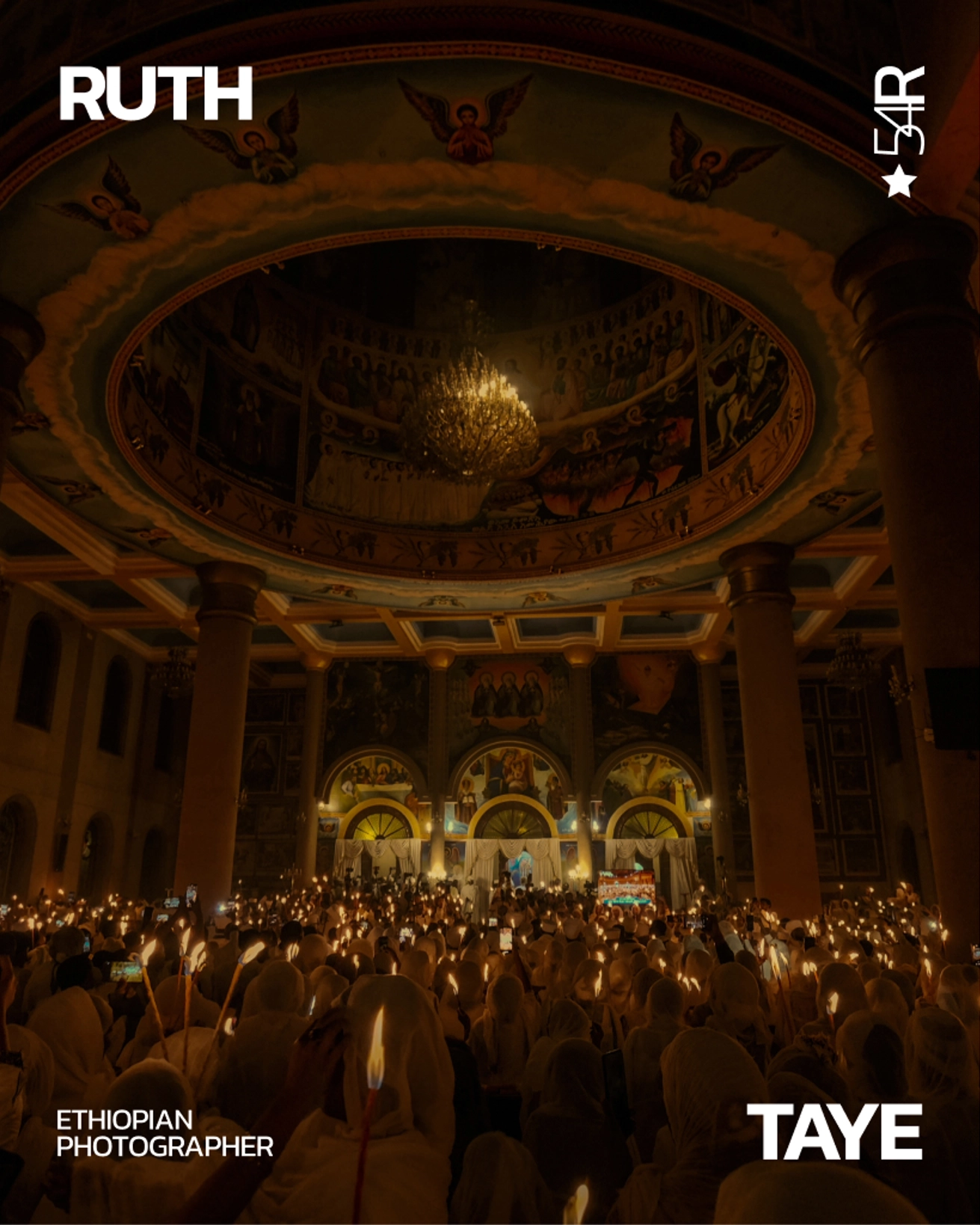
Ruth Taye: Ethiopian street and portrait photographer capturing raw moments and everyday emotion | 54Ruum Spotlight
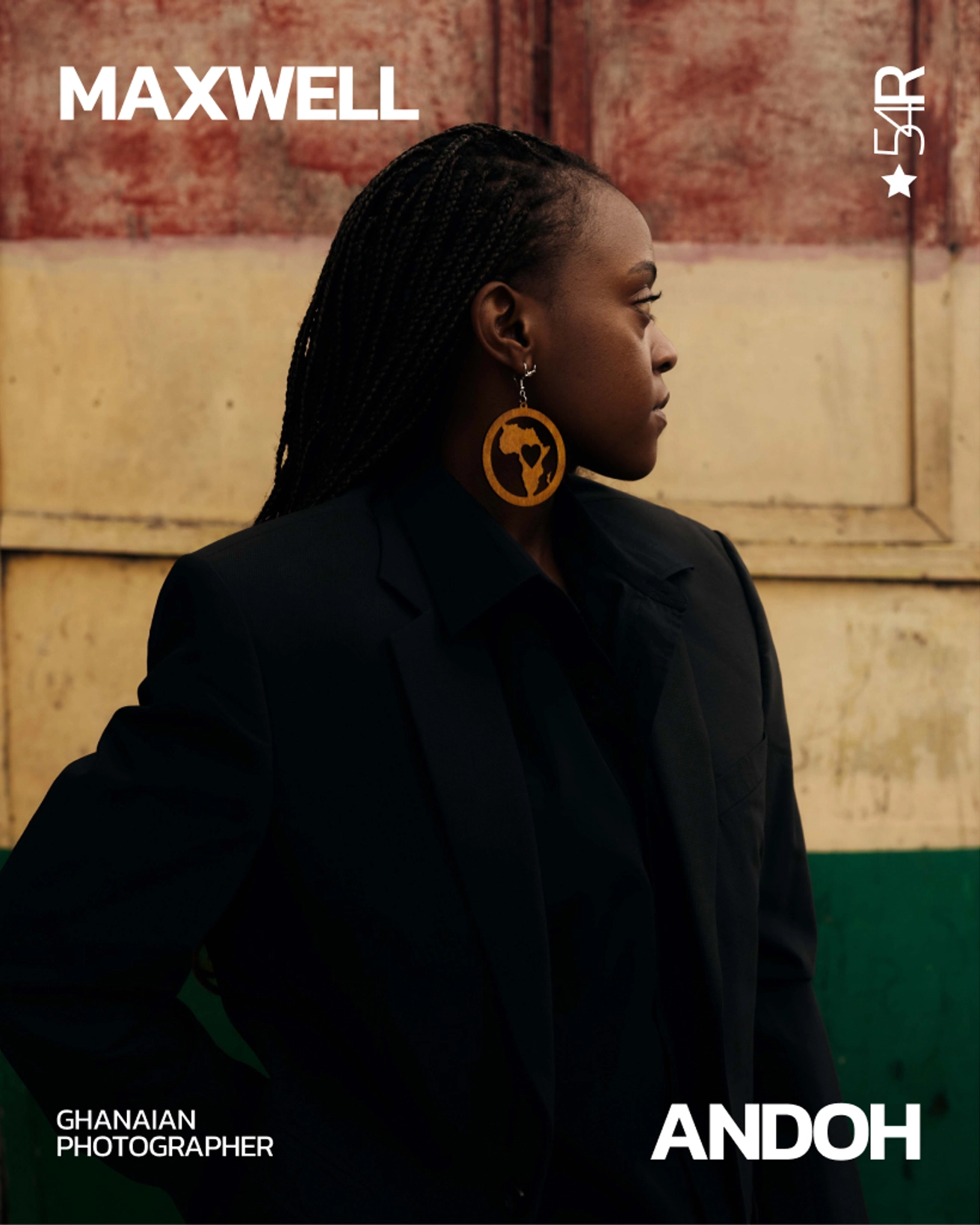
Maxwell Andoh: Ghanaian fashion editorial & conceptual portraiture photographer expressing contemporary African fashion identity | 54Ruum Spotlight
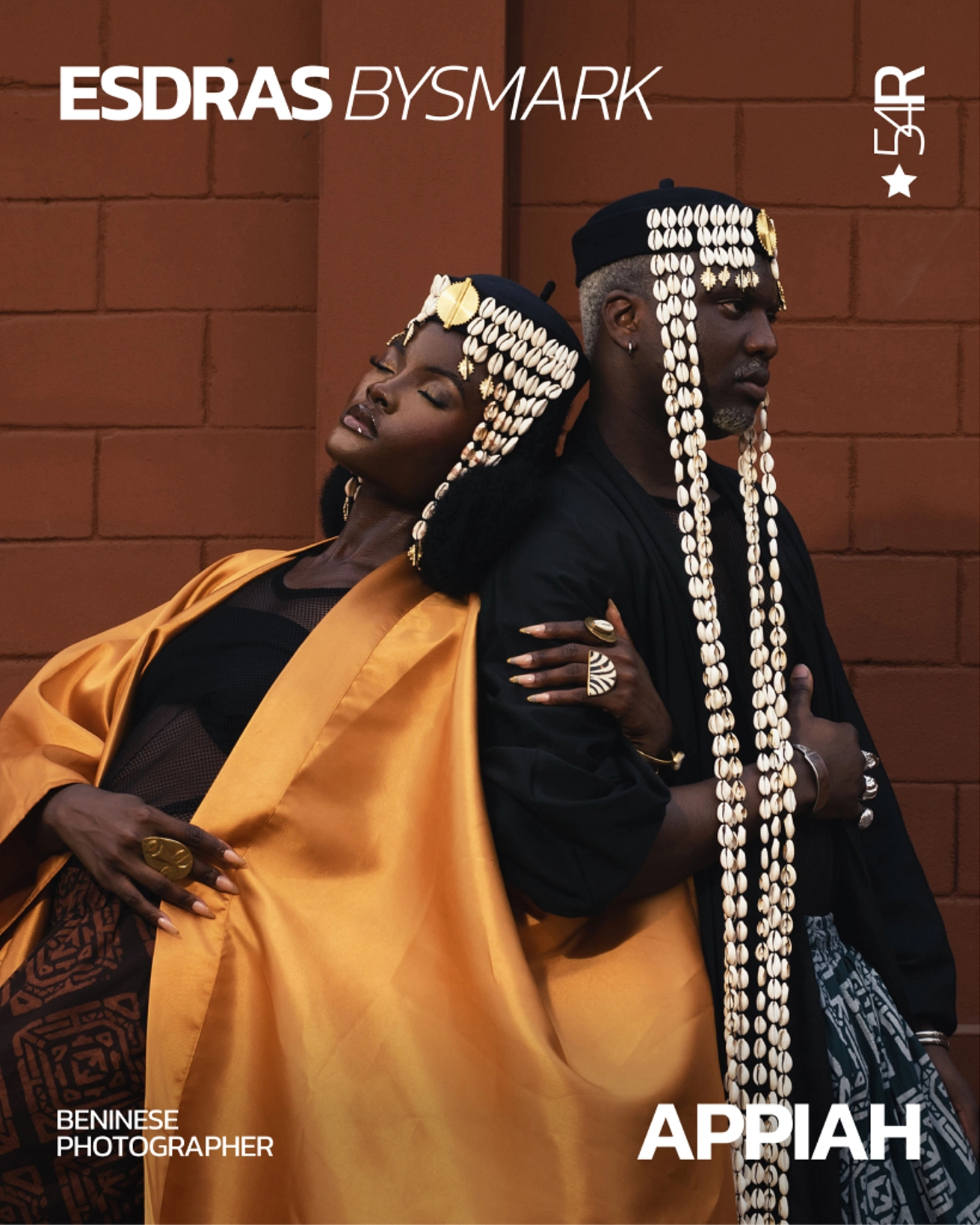
Esdras Bysmark Appiah: Beninese fashion, beauty, and corporate photographer exploring identity and brand credibility | 54Ruum Spotlight
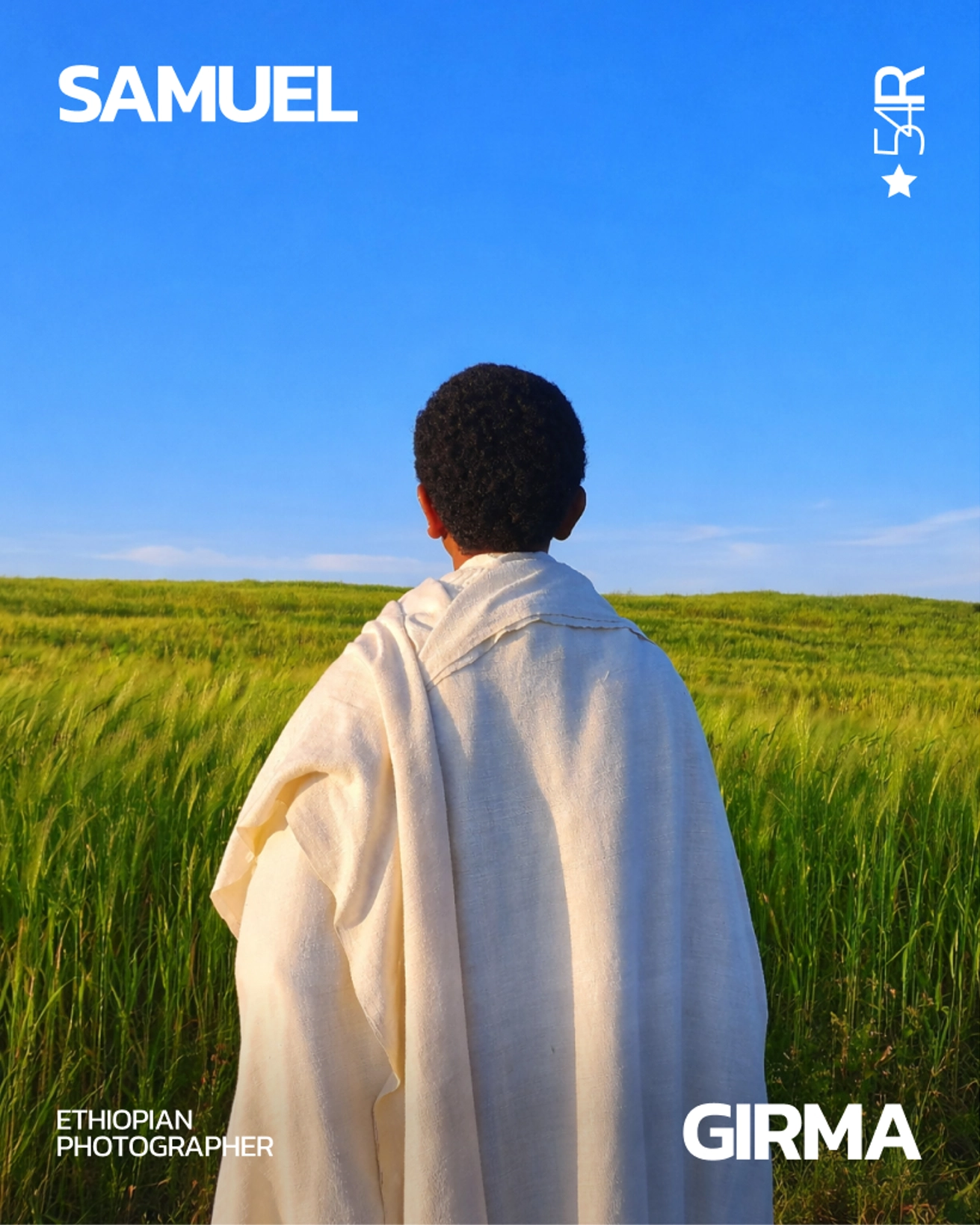
Samuel Girma: Ethiopian multi-niche photographer capturing everyday life and unseen stories | 54Ruum Spotlight
Manuel Michael: Nigerian fashion and editorial photographer exploring identity and human expression | 54Ruum Spotlight