Roberto Tchoko: Beninese portrait and documentary photographer expressing identity, spirituality, and dignity

9 mins read
Published24 Mar, 2026

"My work serves as both an archive and a visual legacy, rooted in both the real and the spiritual."

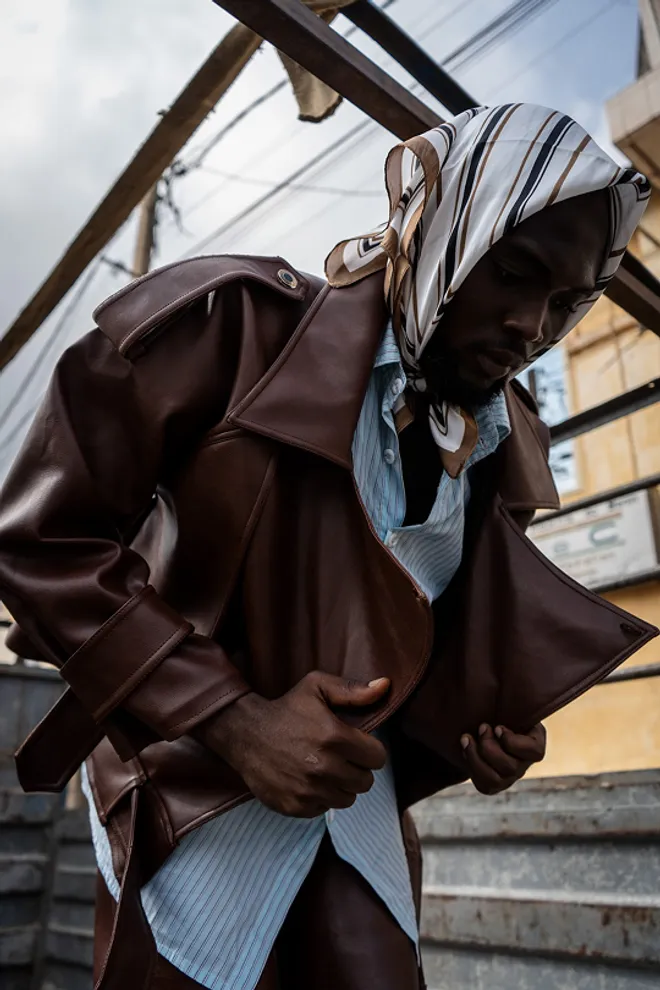
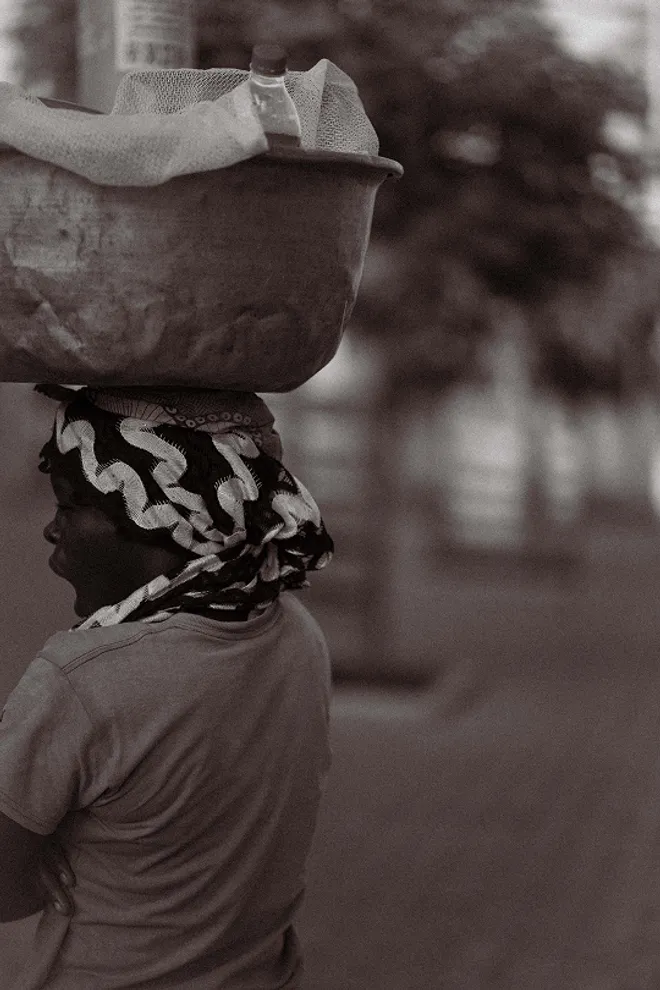
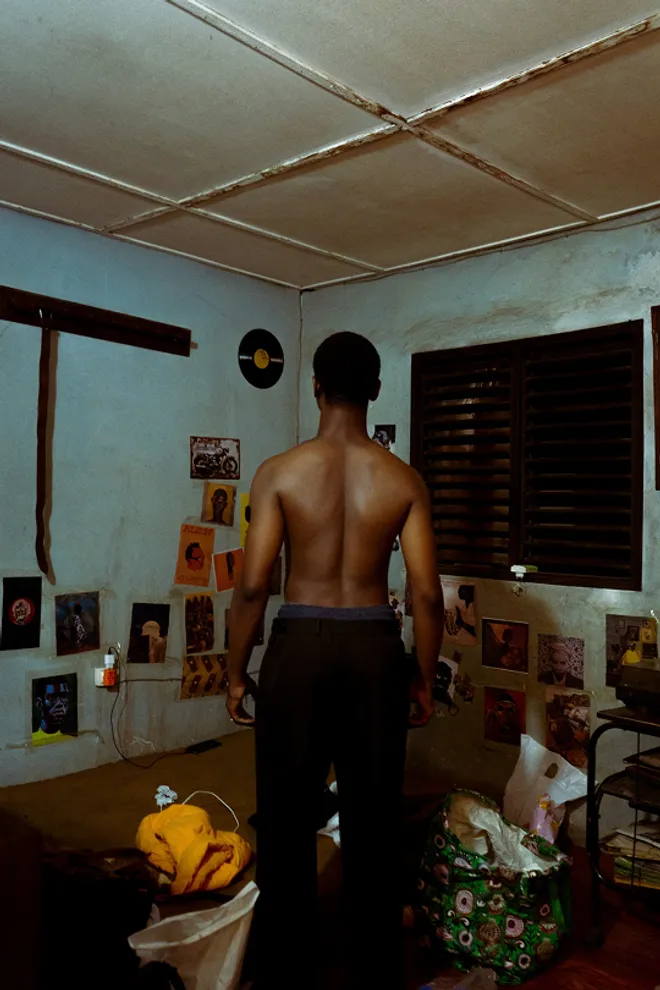
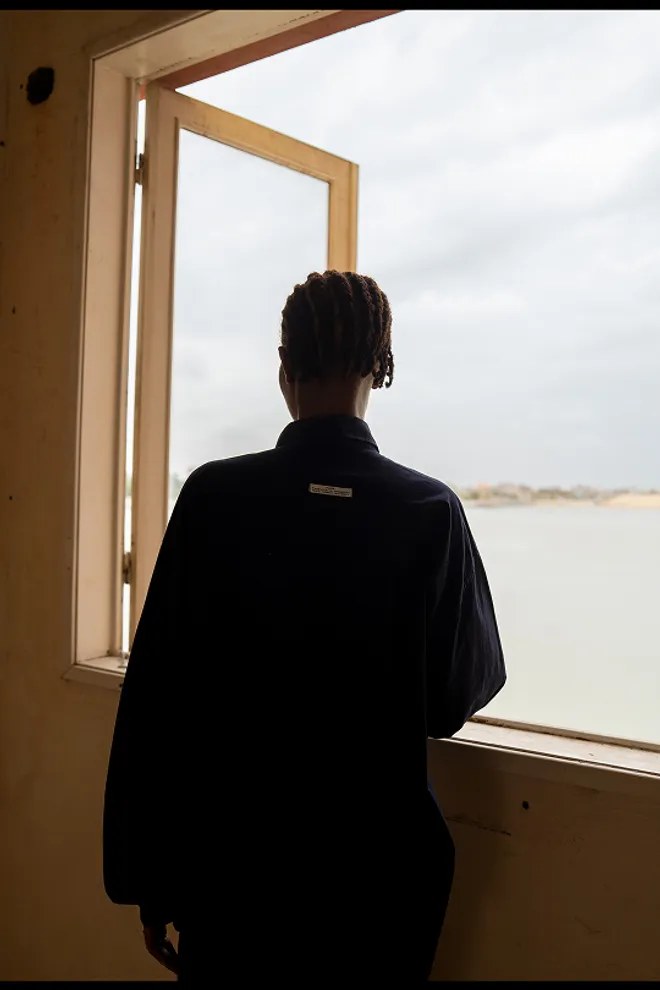
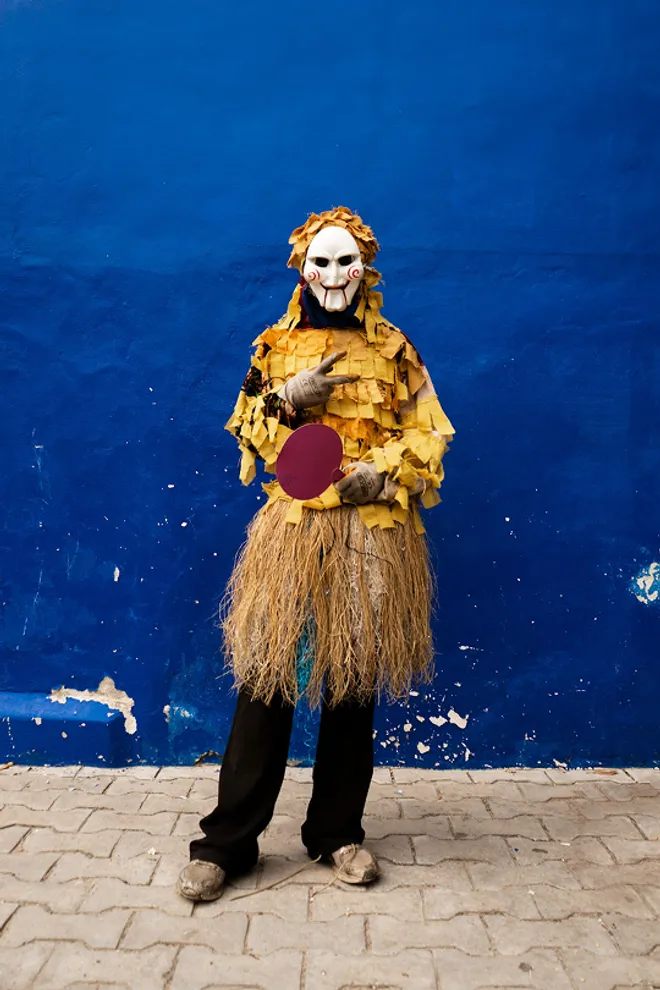
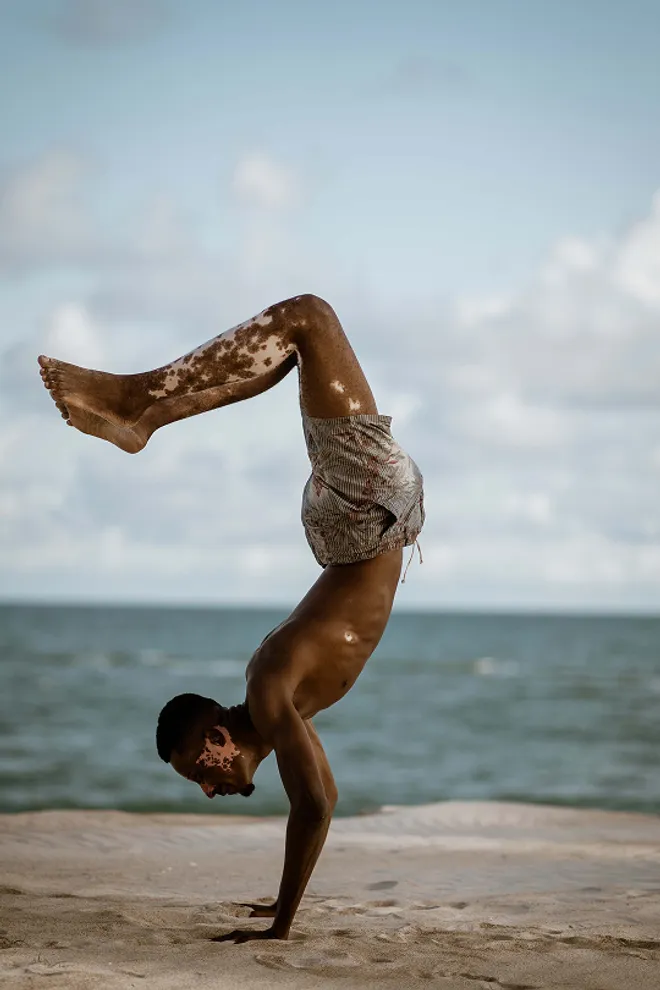
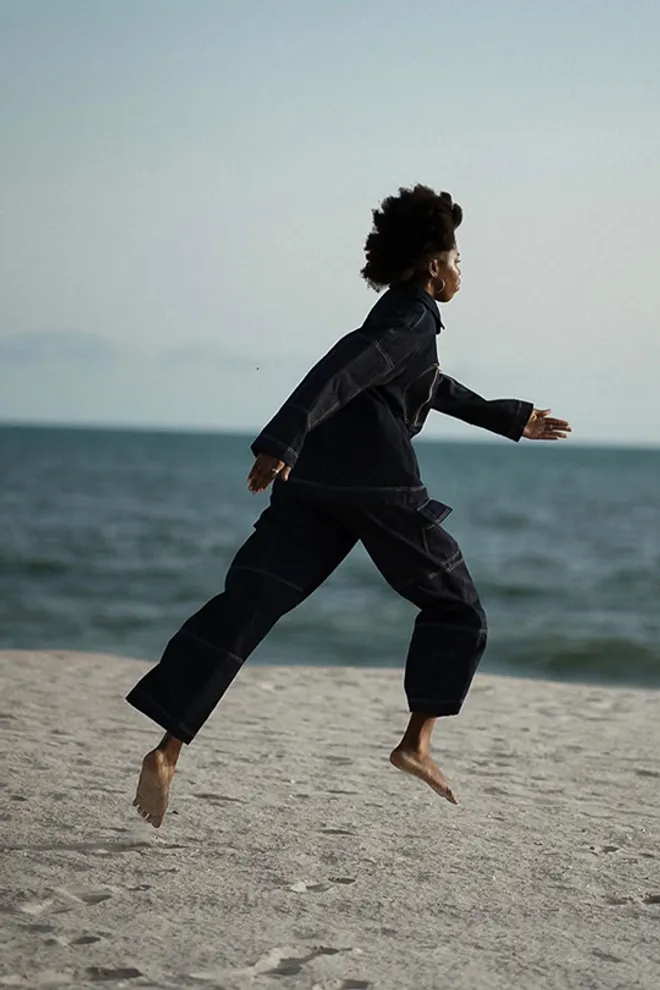
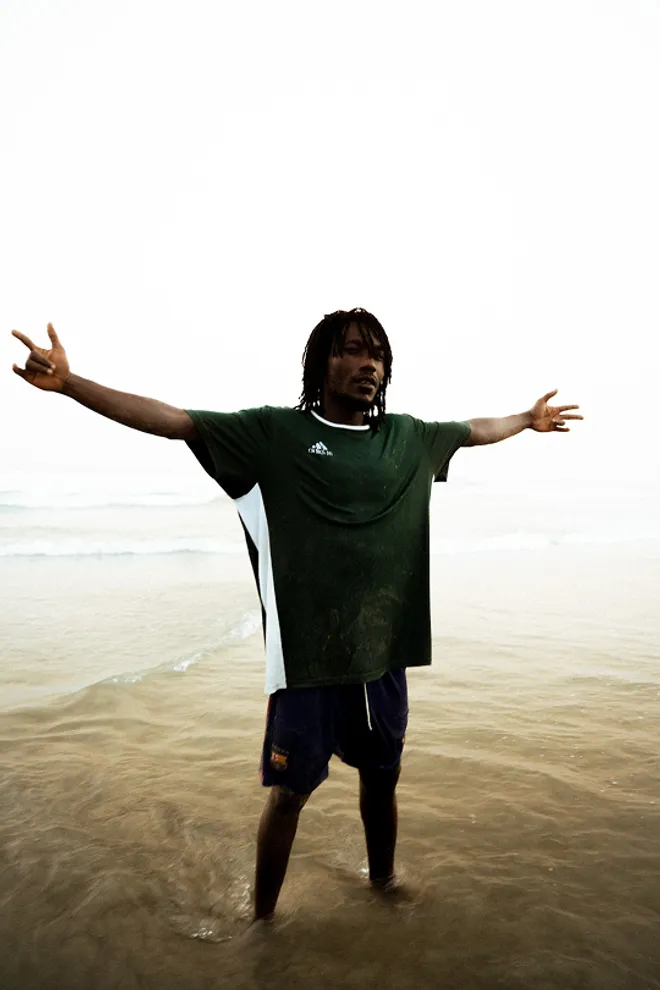
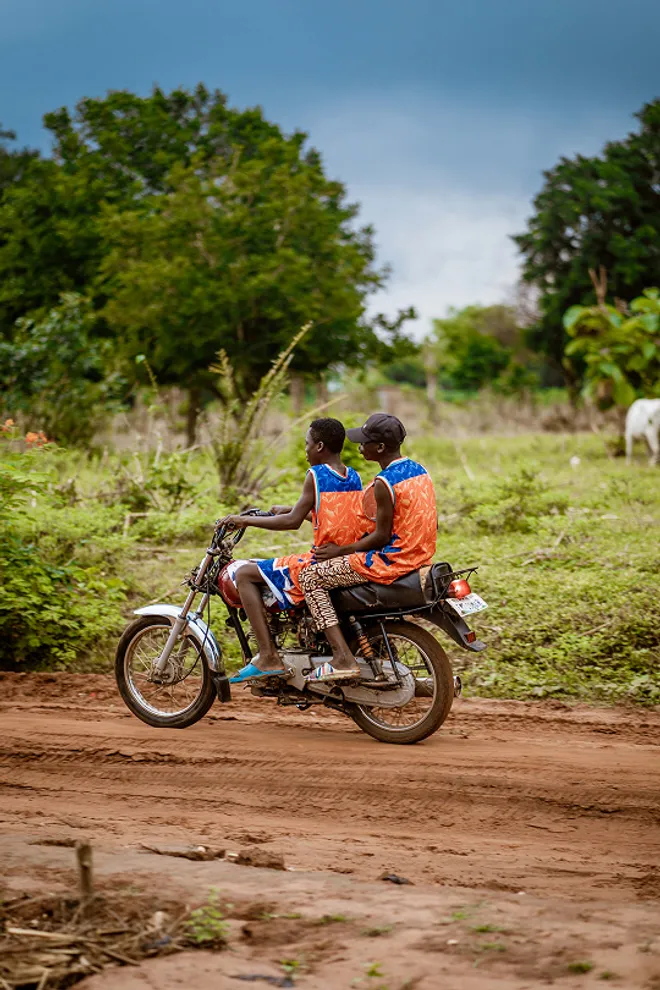
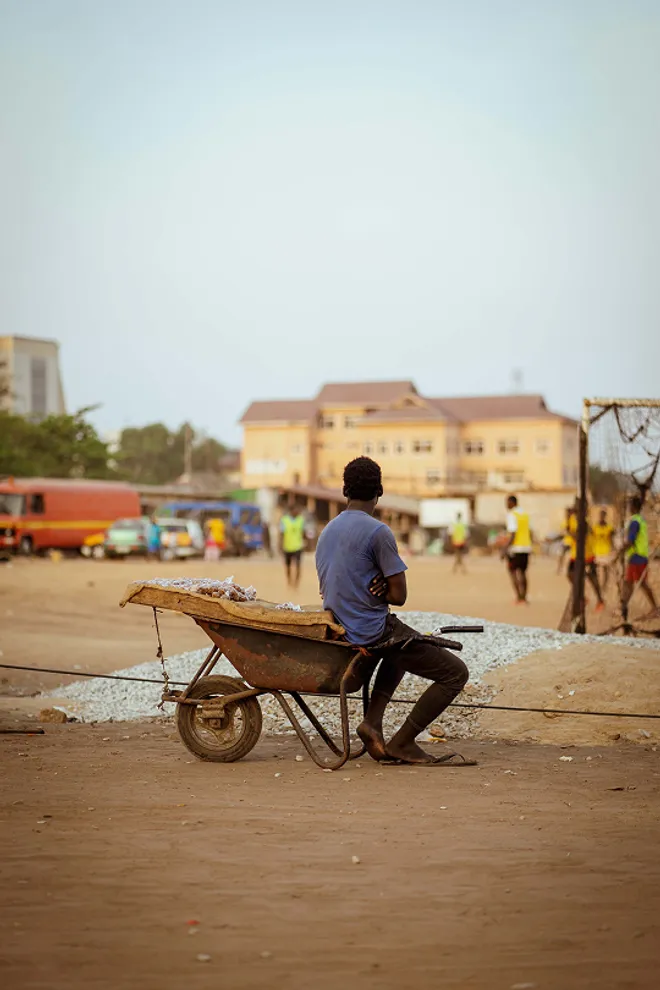
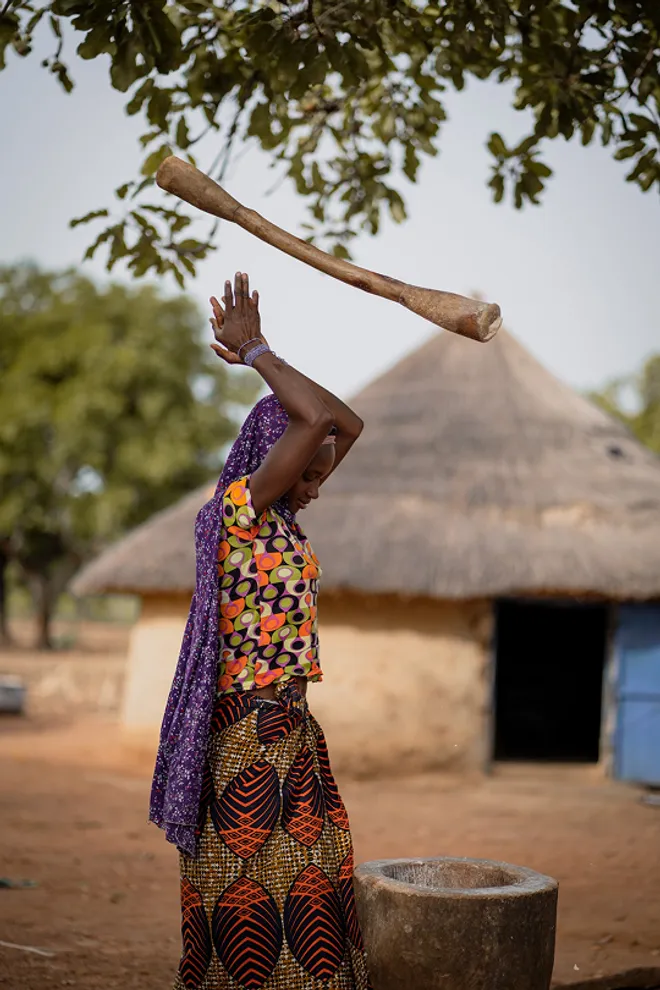
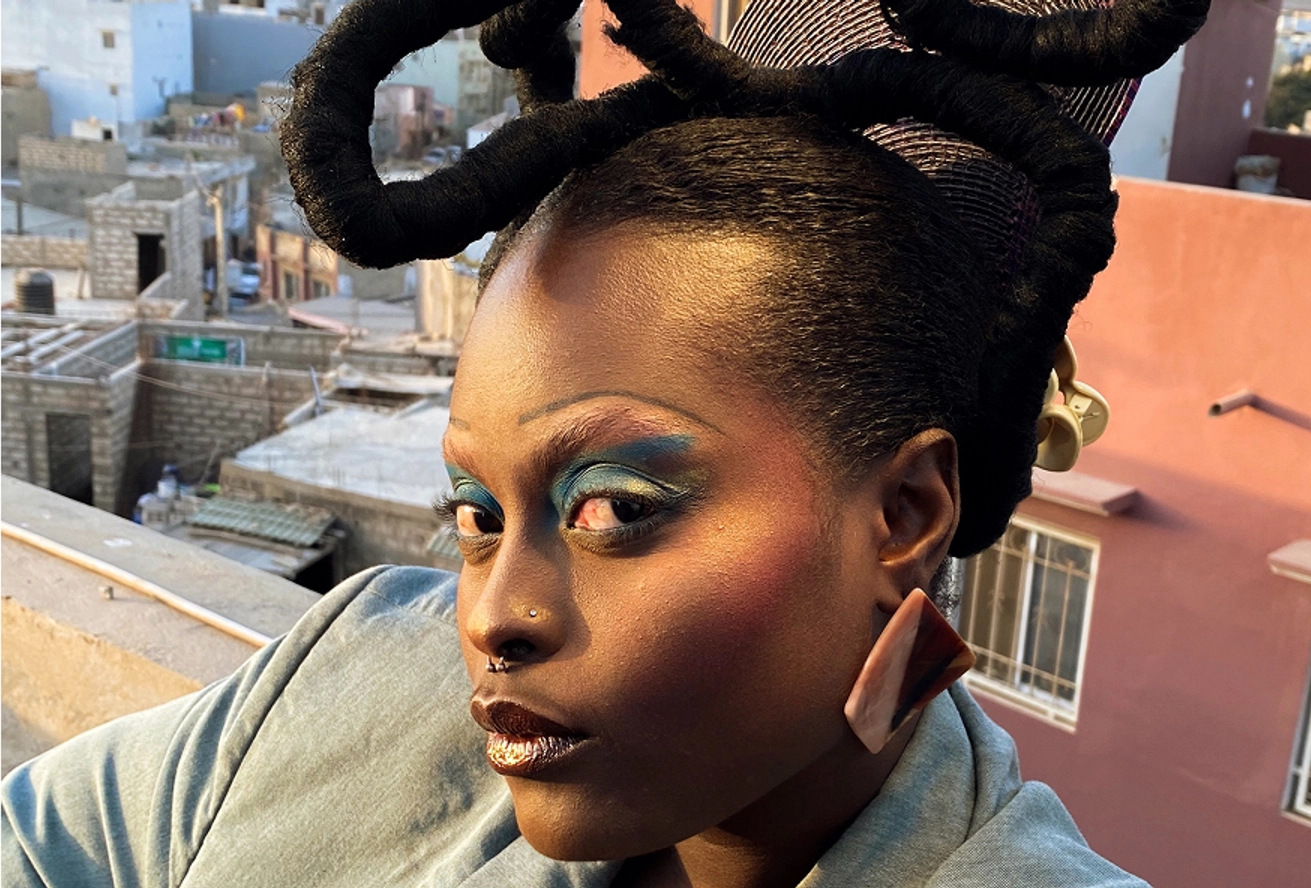
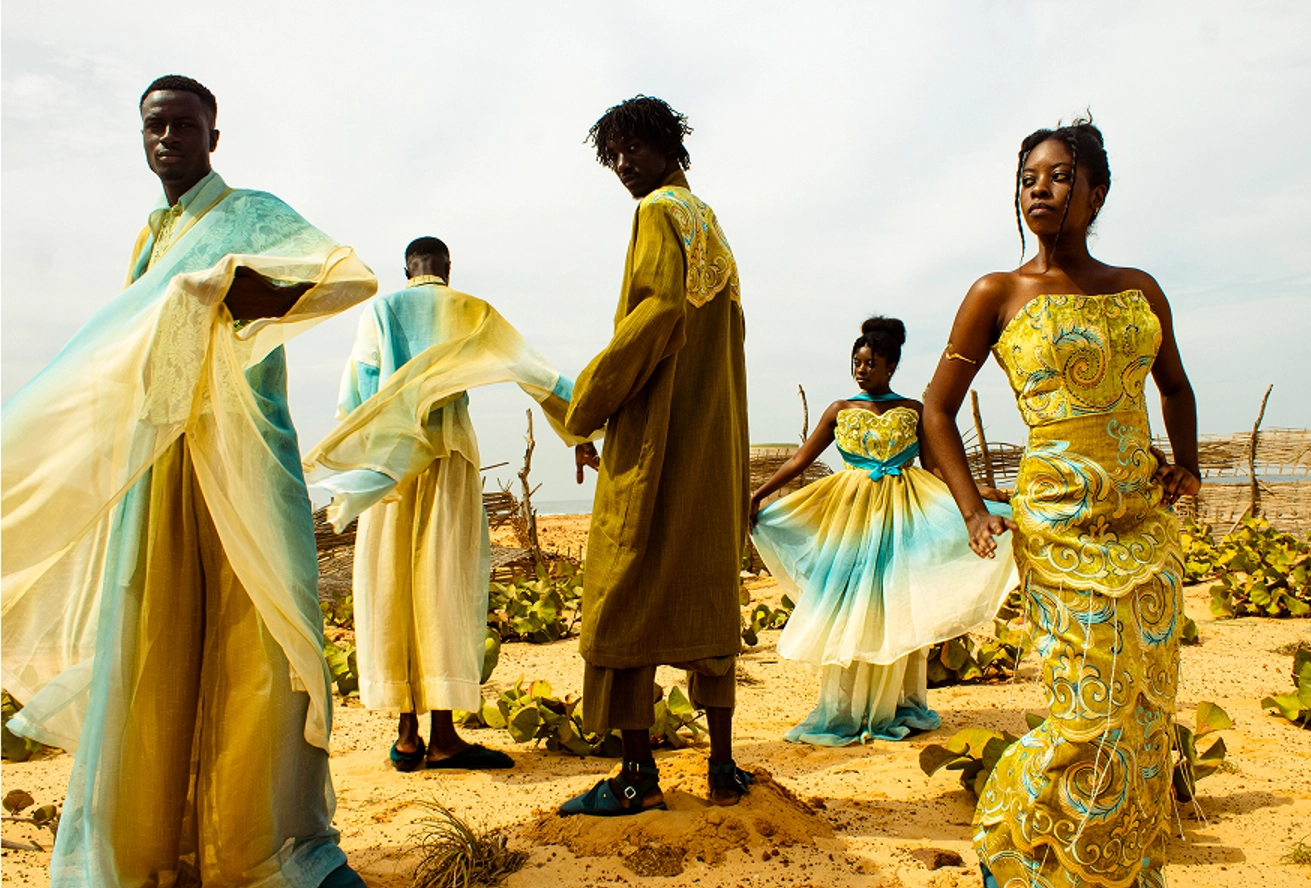
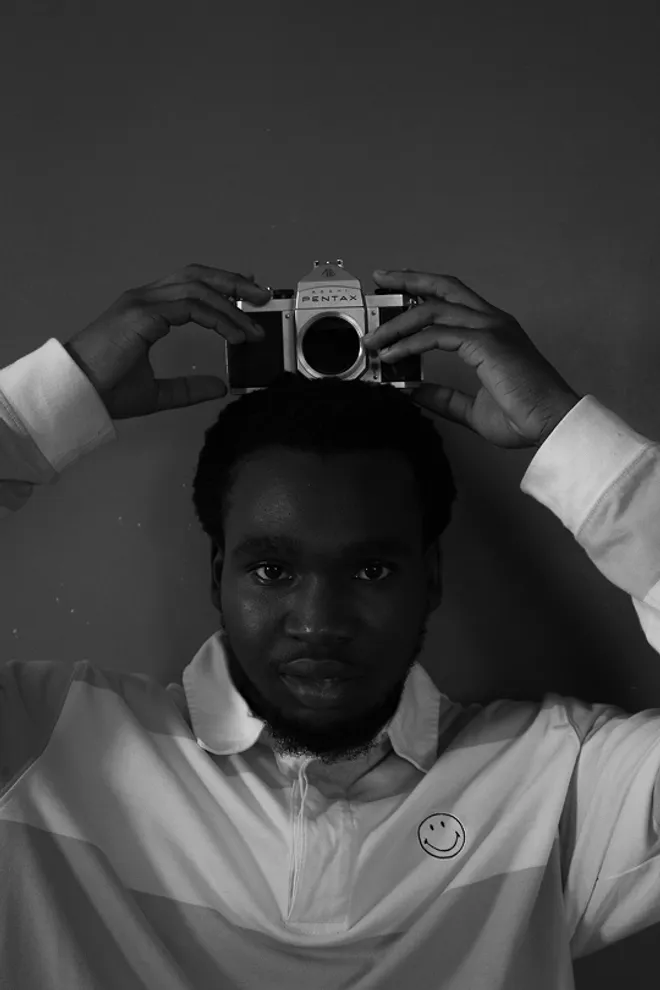
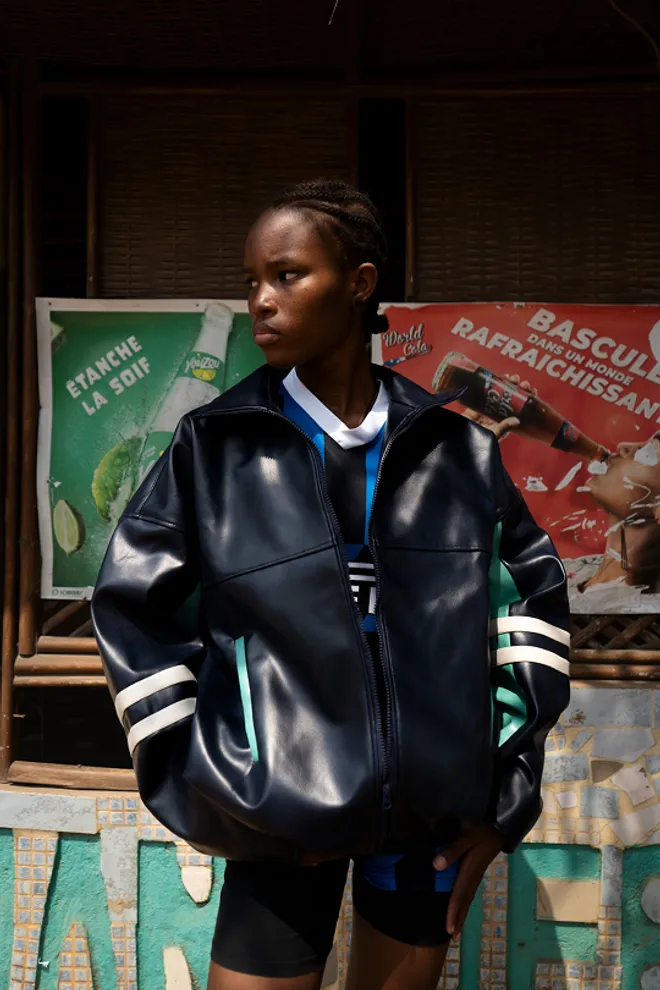
Roberto Tchoko is a Beninese photographer based in Cotonou who has been active since 2020. He develops work centred on the identity, spirituality, and dignity of contemporary African men. Through refined and sensitive photography, he explores cultural symbols, bodies, and gazes as spaces of memory and transmission.

His approach favours natural light, simple settings, and a strong human connection with his subjects. Based in West Africa, he is building a body of work that serves as both an archive and a visual legacy, rooted in both the real and the spiritual.
Roberto Tchoko - Beninese photographer

How would you describe yourself in a few sentences?

I am a photographer from Benin with a passion for storytelling through images. My work focuses primarily on portraiture and documentary photography, exploring identity, social connections, and the everyday lives of African communities.

I began photography in 2020, and since then, it has become much more than a simple passion — it is a way of observing the world and translating emotions into images. What characterises me is that many of my ideas are born from simple, everyday moments. Sometimes, a conversation, a walk through the city, or observing human interactions is enough to inspire an entire photographic project.

How did you get started in photography?

I started photography in 2020 thanks to an acquaintance who was already a photographer. Discovering his work and his way of capturing moments truly opened the doors to this world for me. I was immediately fascinated by photography and the possibilities it offers for telling stories and capturing emotions.

From then on, my curiosity only grew, and I began exploring this medium on my own. What initially attracted me was the power of a simple image — its ability to freeze a moment, express a feeling, or tell a deeper story.

"I strive to capture the emotions, presence, and quiet strength that I often observe in my daily life."

What type of photography do you specialise in and why?

I primarily focus on portrait photography because I am deeply fascinated by people and their stories. Through my portraits, I strive to capture the emotions, presence, and quiet strength that I often observe in my daily life.

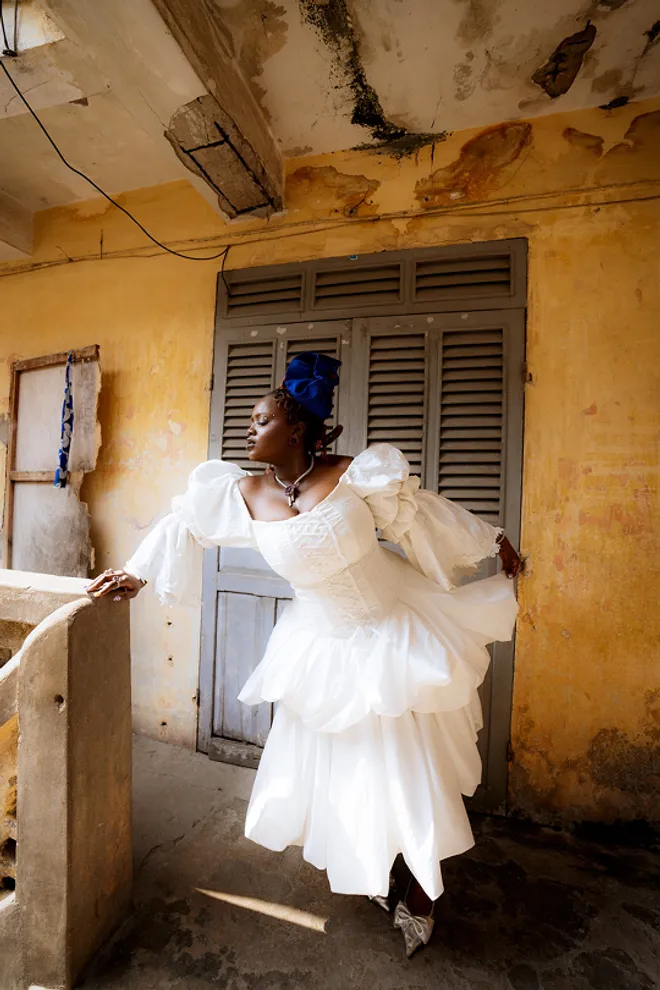
Over time, my approach has evolved. In my early days, I mainly explored and learned the technical aspects of photography. As I matured, my work became more intentional and conceptual. I began to place greater emphasis on atmosphere, symbolism, and storytelling, using photography not only to immortalise people but also to express deeper ideas and narratives.

Can you share the main themes or ideas that inspire your photos?

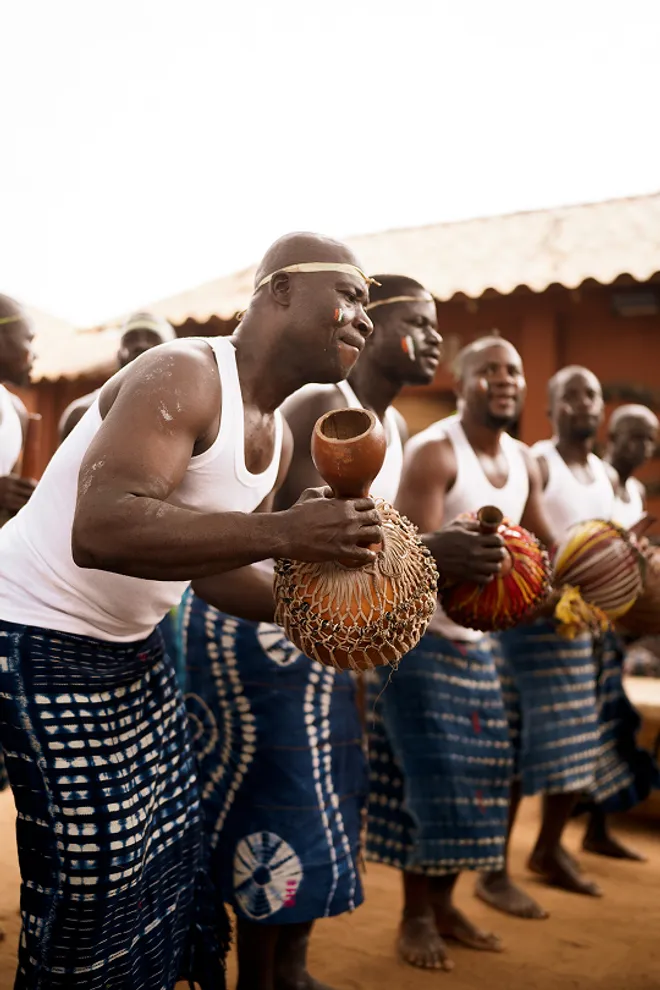
My photography is inspired by themes of identity, connection, and solidarity. I am particularly drawn to capturing human relationships, everyday moments that reveal emotions, and the rich cultural heritage of African communities.

Through my images, I aim to connect with viewers by telling stories that are both personal and universal. I hope that everyone will see themselves reflected in the photos, feel empathy, and become interested in the deeper narratives behind each image. For me, photography is a way to bring people together, foster understanding, and celebrate shared human experiences.

What is the achievement or moment in your photography career that you are most proud of?

I won a European Union photography competition. It was an incredible recognition of my work and gave me the confidence to continue exploring my artistic vision. Another significant achievement is being able to travel thanks to photography. It has allowed me to discover new places, meet different people, and capture unique stories I would never have experienced otherwise. These experiences have shaped my perspective and inspired much of my work.

“I am particularly drawn to capturing human relationships, everyday moments that reveal emotions, and the rich cultural heritage of African communities.”

What is the biggest challenge you have faced as a photographer, and how did you overcome it?

My challenge has been the translation of a private frequency into a public language — to hold the line of a consistent aesthetic while inviting the world to step into a universe that exists only behind my eyes.

To overcome this challenge, I decided to stop taking classes and focus entirely on my passion. This experience taught me the importance of discipline, patience, and perseverance, as well as the value of believing in my own artistic vision. Today, I am proud to continue creating images that tell stories and resonate with people.

If you could collaborate with someone, who would you choose and why?

If I could collaborate with anyone, I would choose Tyler Mitchell. His work in fashion and portrait photography blends storytelling, culture, and identity in a decidedly modern and inspiring way. Collaborating with him would be a fantastic opportunity to learn how to merge portraiture with deeper narratives and to further develop my own artistic vision.

“My photography is inspired by themes of identity, connection, and solidarity.”

What do you think of the 54Ruum platform?

I am very impressed by the 54Ruum platform and its mission to promote African art and photography, and I would love to be featured there. Personally, it is an opportunity to share my work and stories with a wider audience, while contributing to the celebration of Africa's rich cultural and human heritage. Being on this platform would also allow me to inspire and connect with other artists and photography enthusiasts, while further developing my practice and vision.

"Photography is a way of observing the world and translating emotions into images."

How is the photography and art scene in Benin, how has it evolved over the years?

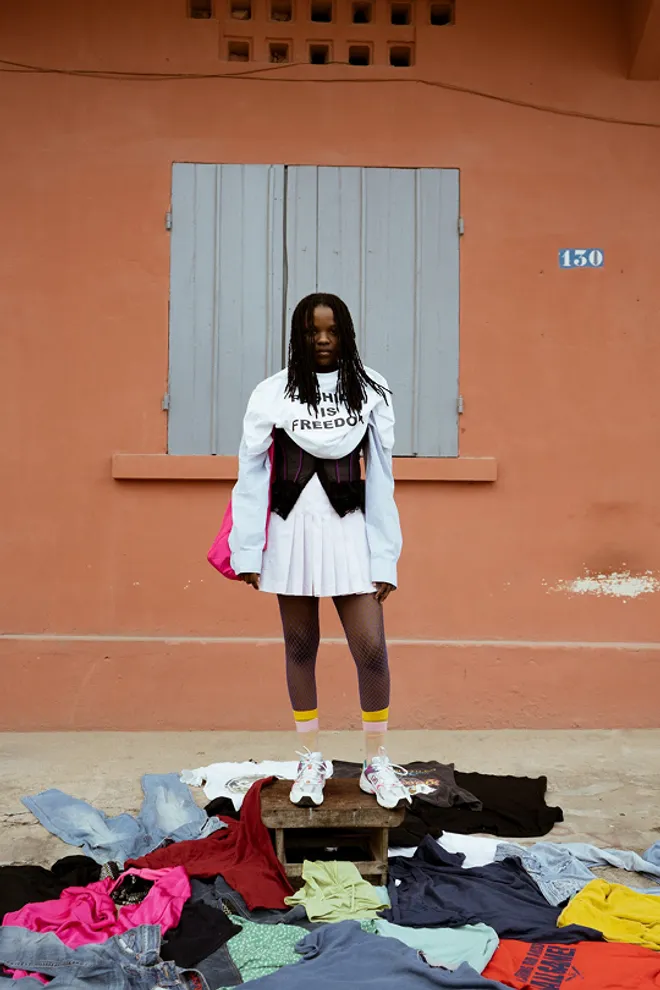
In my country, it is still developing and gradually evolving encouragingly. Over the years, there has been a growing interest in images and visual creation, thanks in particular to the evolution of fashion, media, and social networks, which give photographers and artists greater visibility.

There is also a growing openness among both the public and creatives. While everything is not yet fully structured or recognised as it is in other countries, there is a clear sense of momentum and a new generation of artists seeking to tell their own stories and push the boundaries of the art scene.

Advice someone considering a career in photography

My first piece of advice would be to develop your own vision and stay true to what you want to express through your images. Regular practice is also important for improvement. Finally, perseverance is essential, as photography requires time, patience, and a great deal of passion.

Credits

Photography

Roberto Tchoko

Text

Kelvin Otum

Photo curation

guvnor

SHARE THIS STORY

Discover photographers in Africa

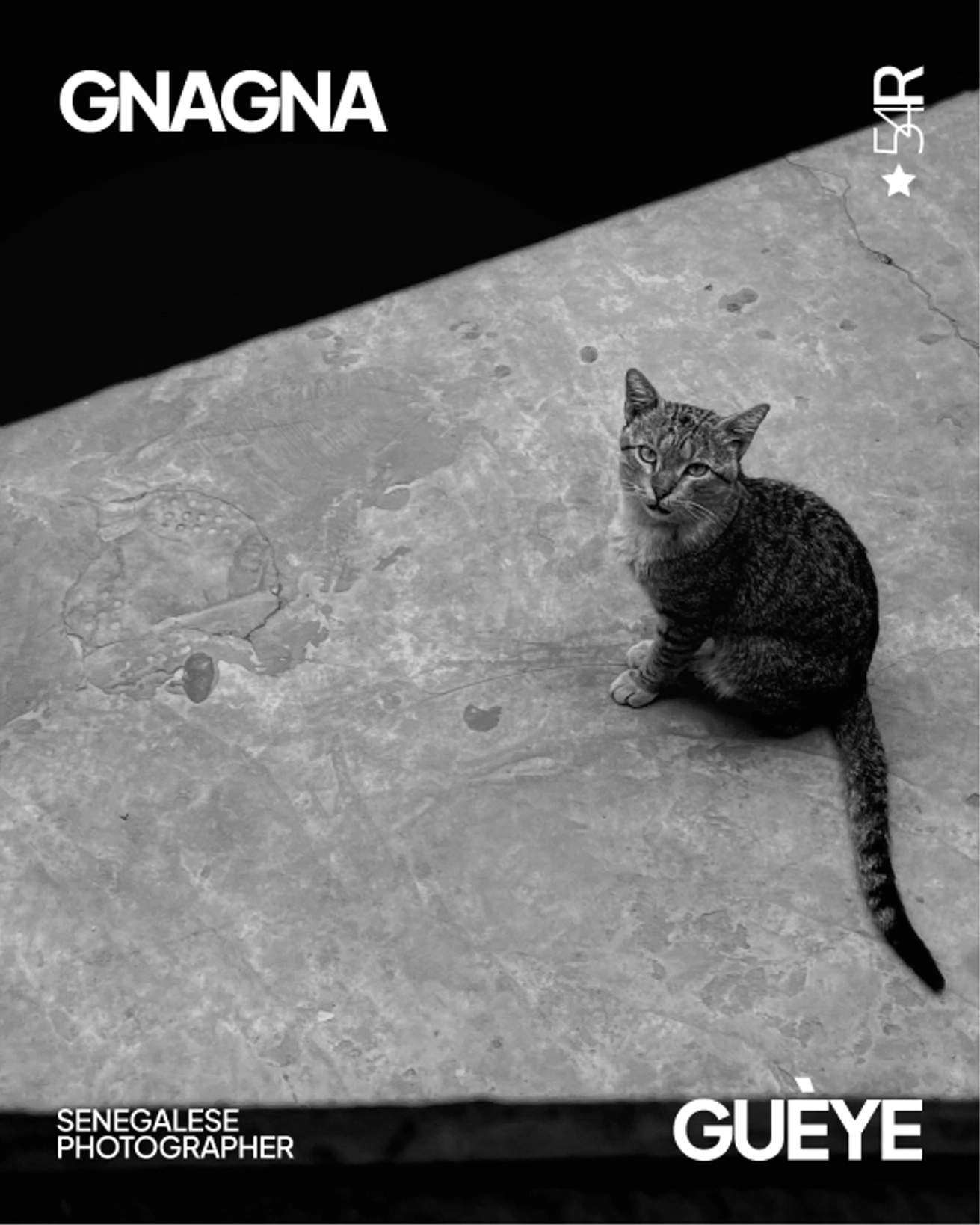
Gnagna Guèye: Senegalese street and black-and-white photographer exploring everyday life, women, and quiet moments
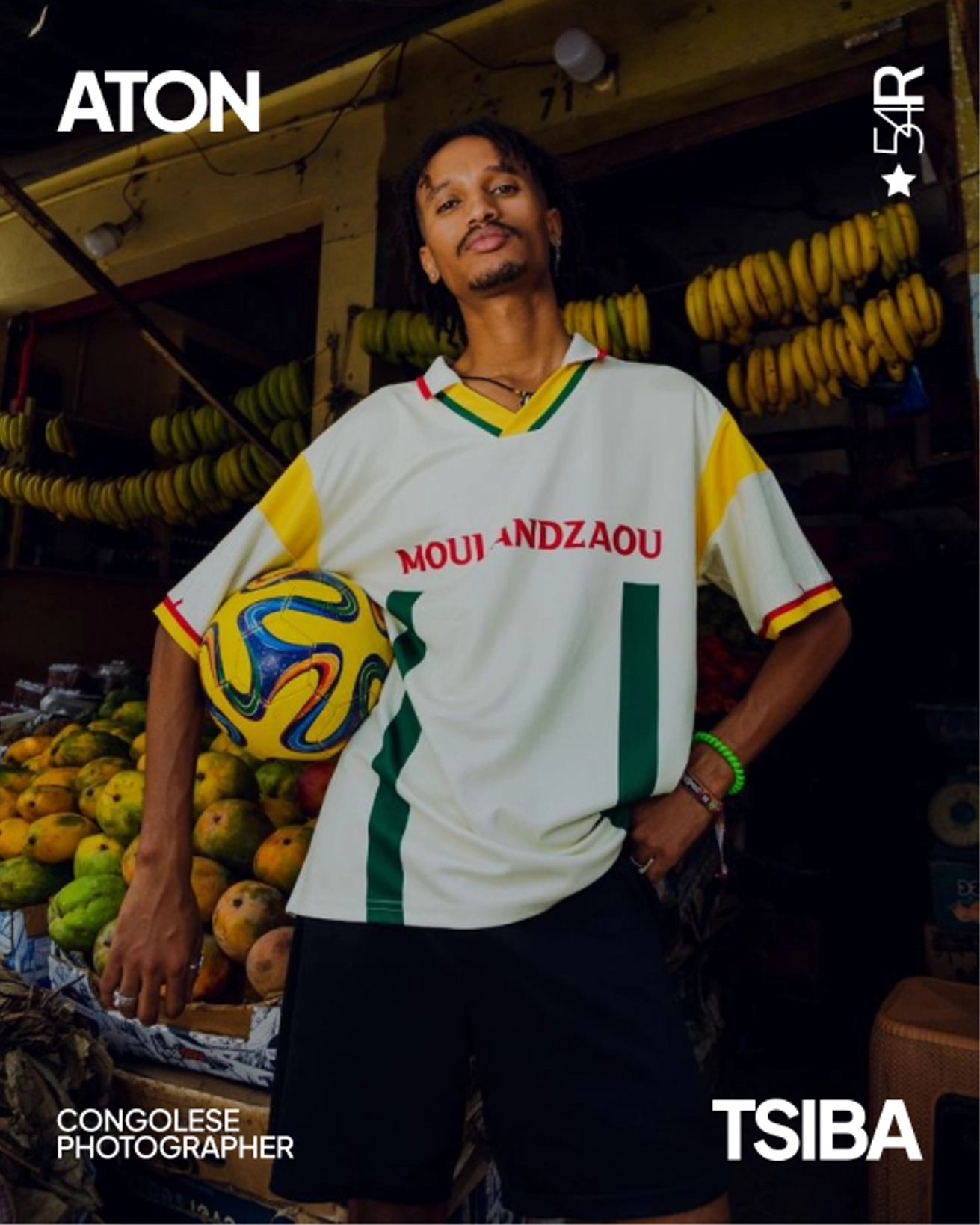
Aton Tsiba: Congolese fashion photographer exploring identity, memory and culture
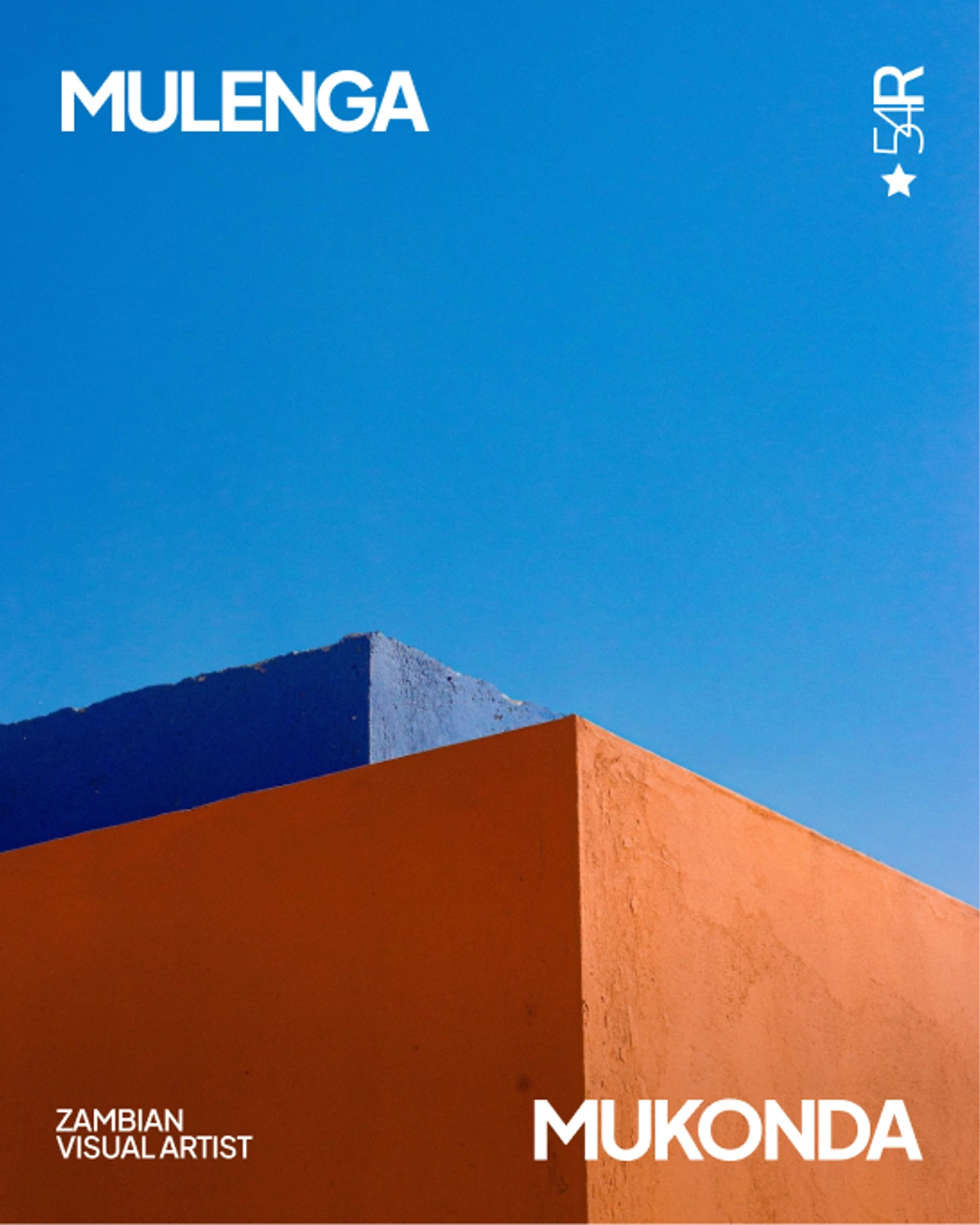
Mulenga Mukonda: Zambian abstract and architectural photographer expressing the extraordinary within everyday life
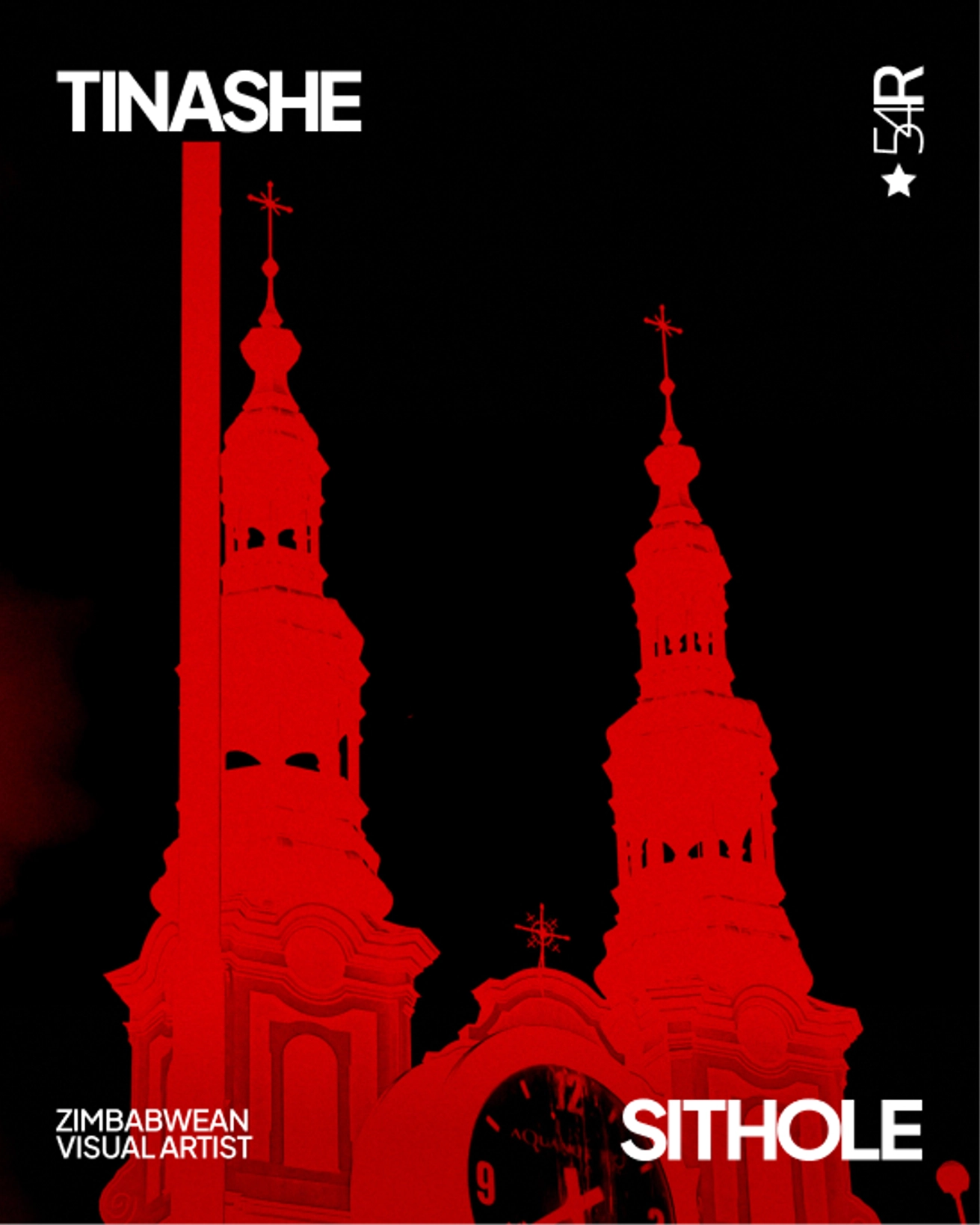
Tinashe Sithole: Zimbabwean abstract mobile photographer exploring imperfection, colour and emotional depth
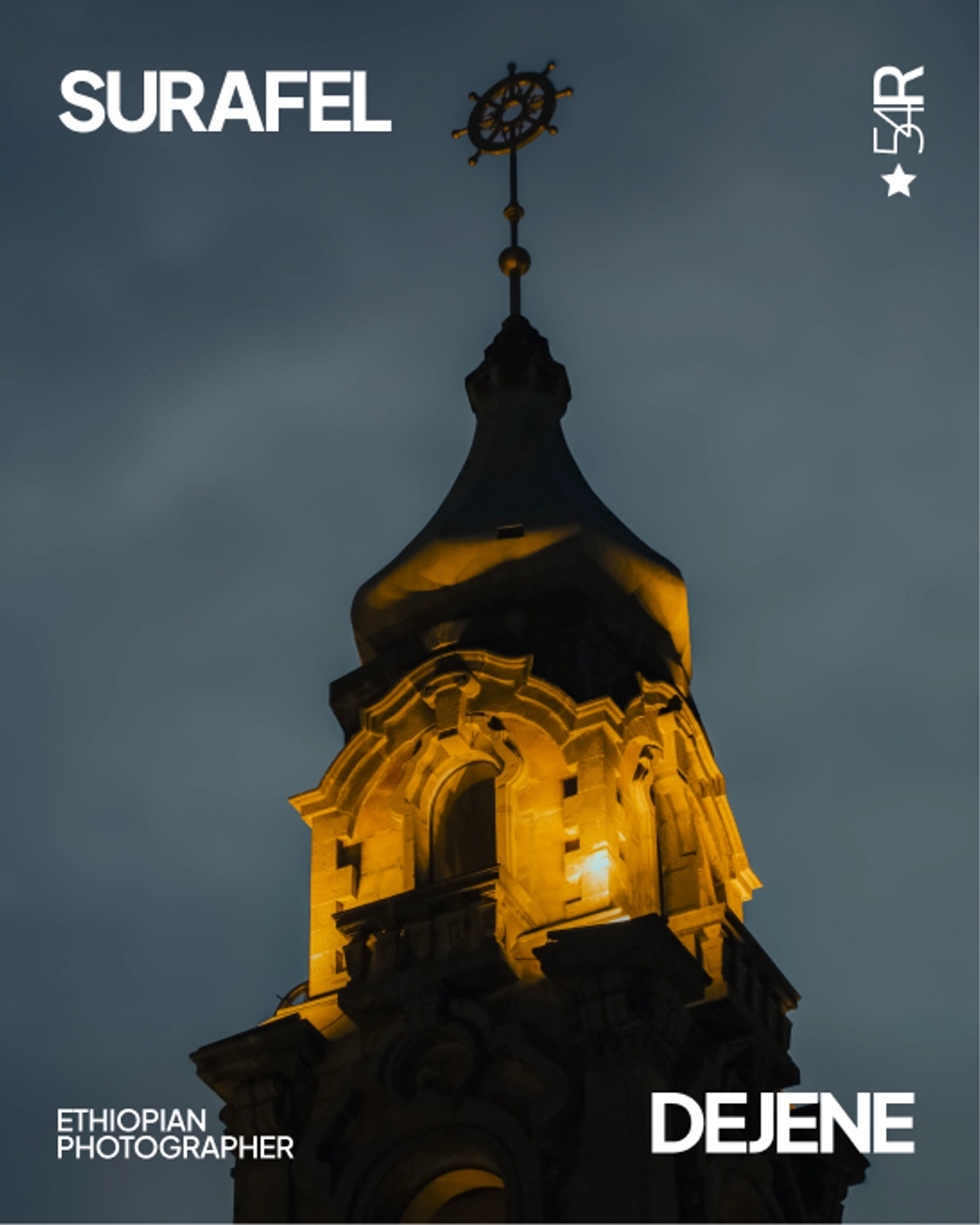
Surafel Dejene: Ethiopian street and portrait photographer capturing authentic human emotions
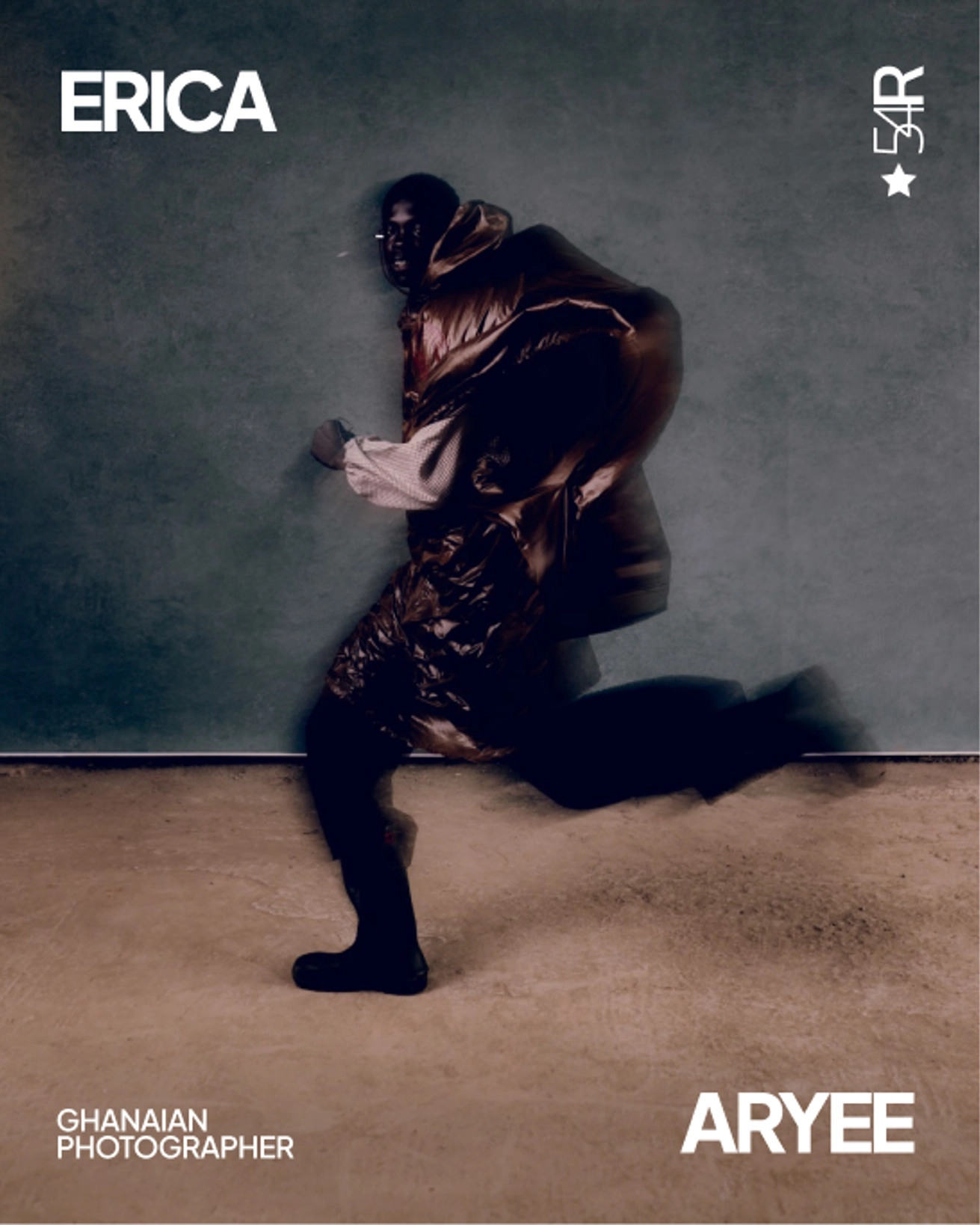
Erica Aryee: Ghanaian fashion, documentary and lifestyle photographer capturing everyday Ghanaian life and emotional storytelling