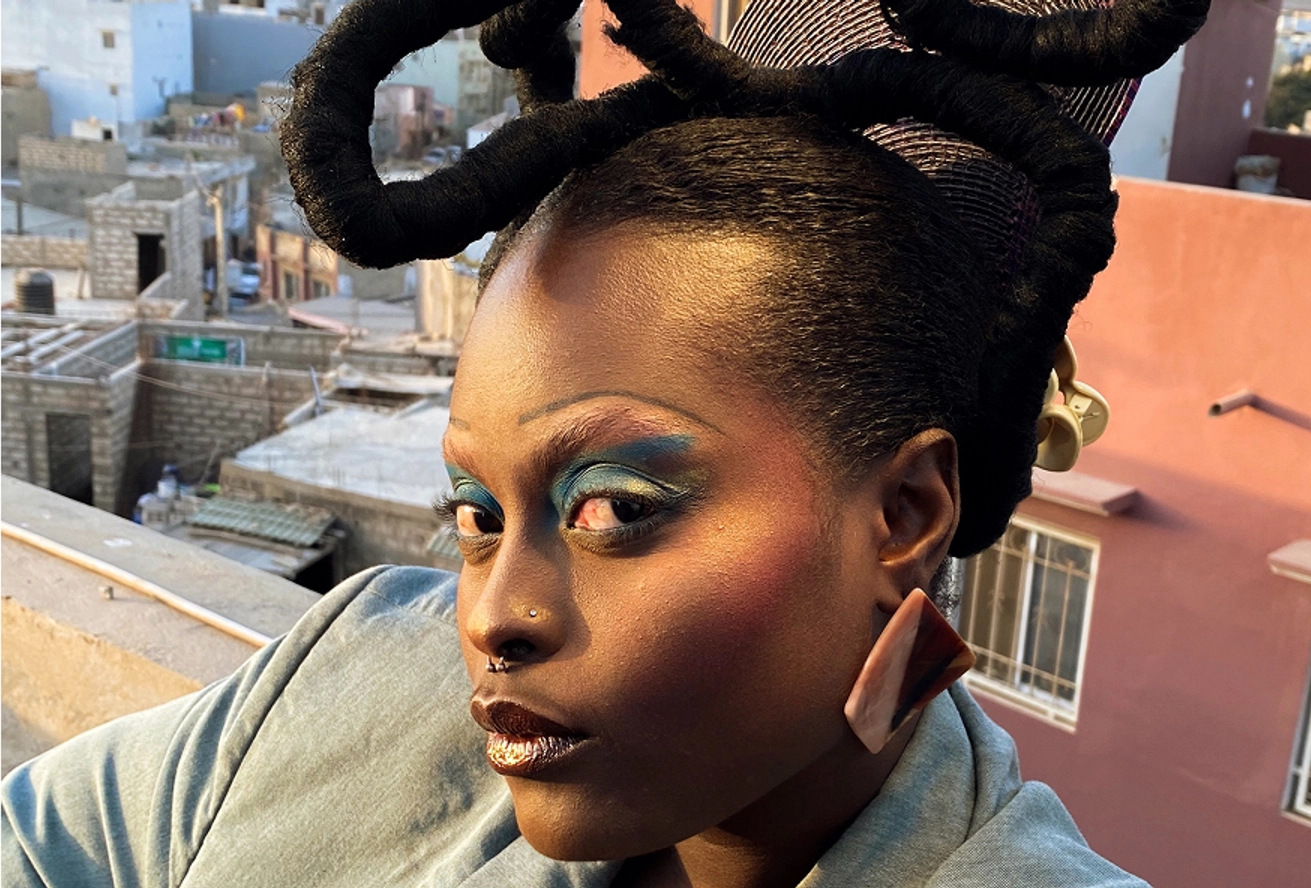
Hamza Boufes: Algerian conceptual and documentary photographer documenting heritage and cultural identity

9 mins read
Published11 May, 2026

“My inspiration comes primarily from within — from my imagination, music, and my deep connection to Algerian culture and heritage."

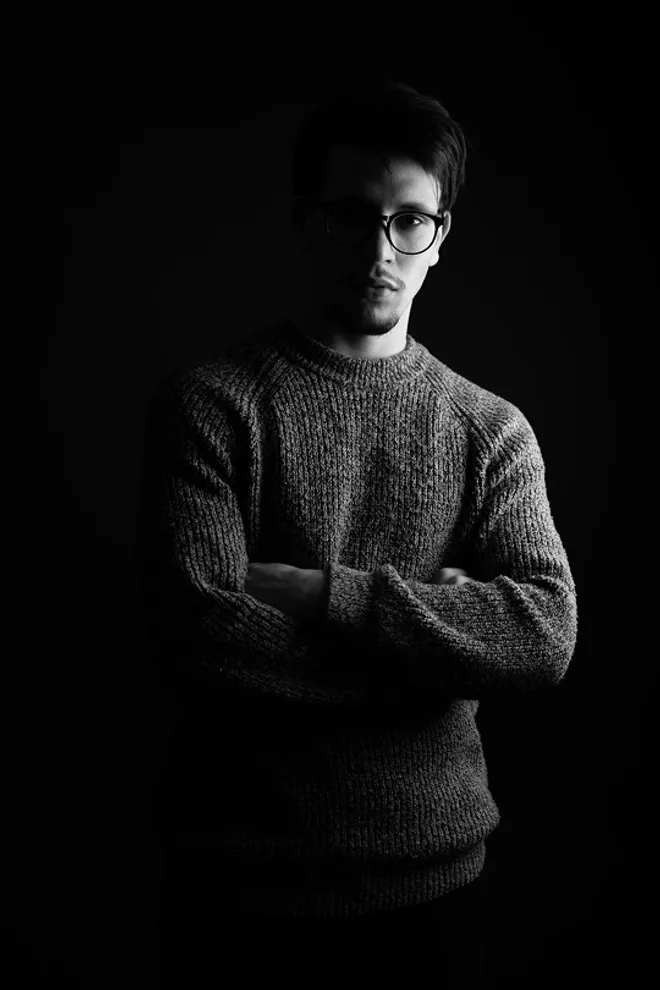
Based in Constantine, Algeria, Hamza Boufes is a photographer, videographer, and visual storyteller whose creative identity has been an inherent constant since childhood.

His journey began with nothing more than a mobile phone and a vision that set him apart. Even then, he could see the images he wanted to capture and feel the atmosphere he wanted to create; he simply lacked the physical means to manifest them. Following a period of disciplined patience, the acquisition of a Fujifilm camera served as the catalyst that allowed him to finally execute the ideas that had long occupied his imagination.

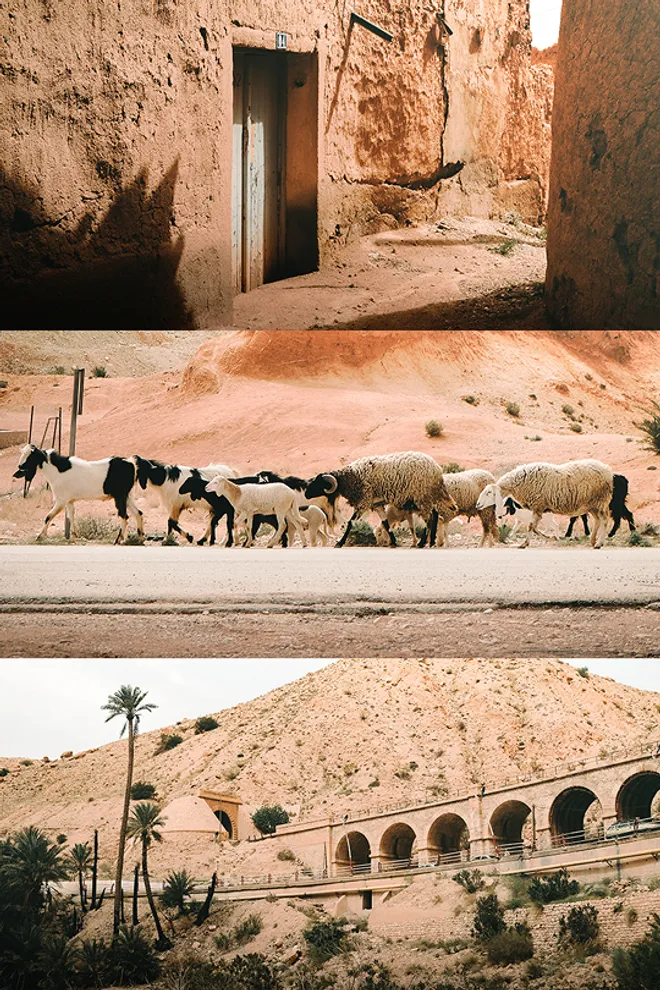
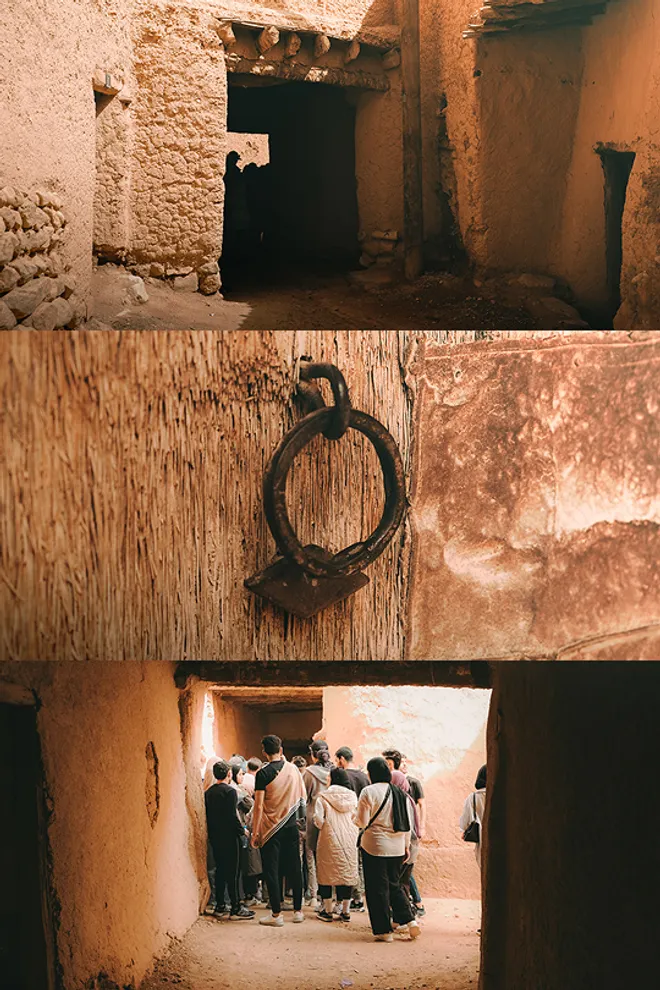
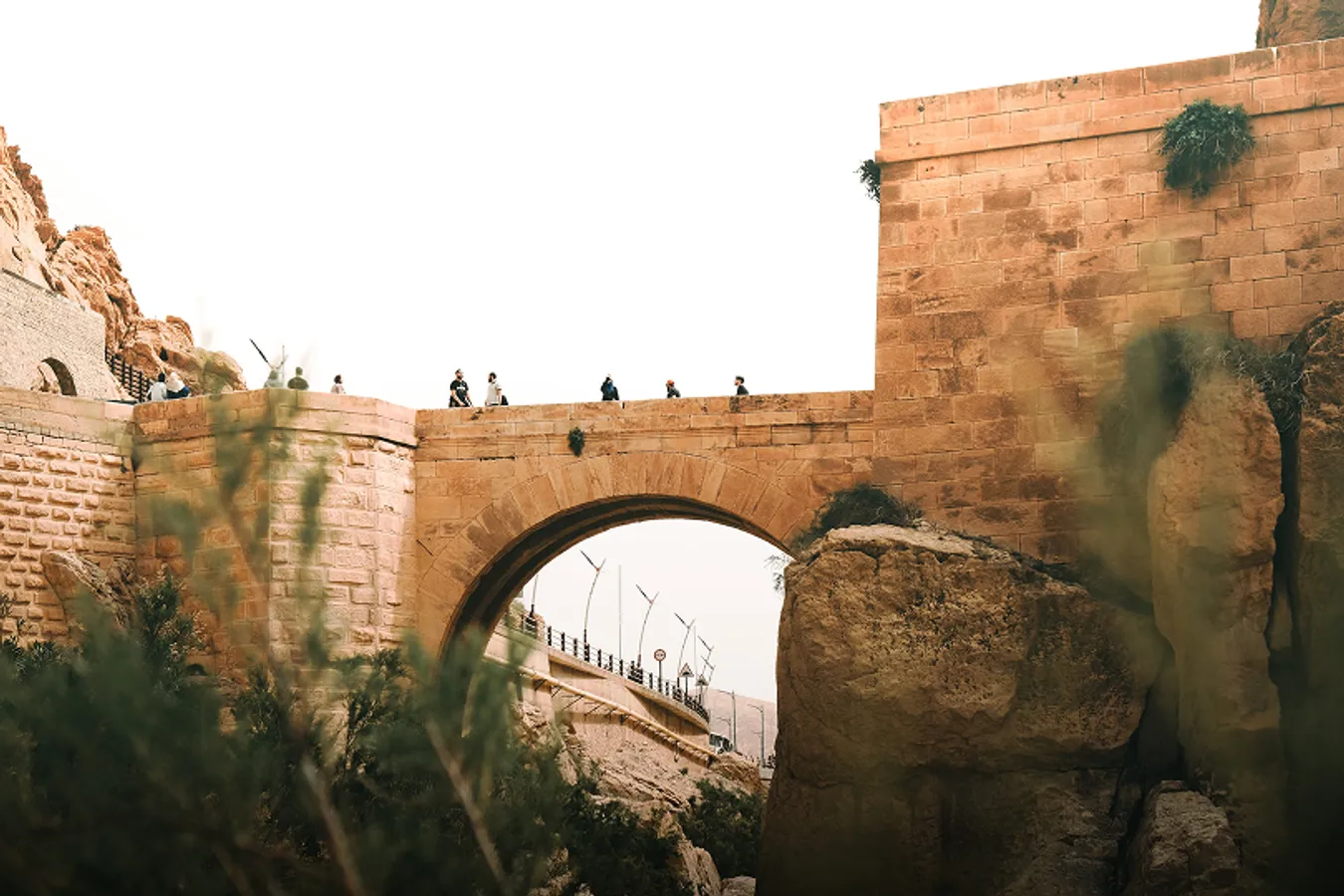
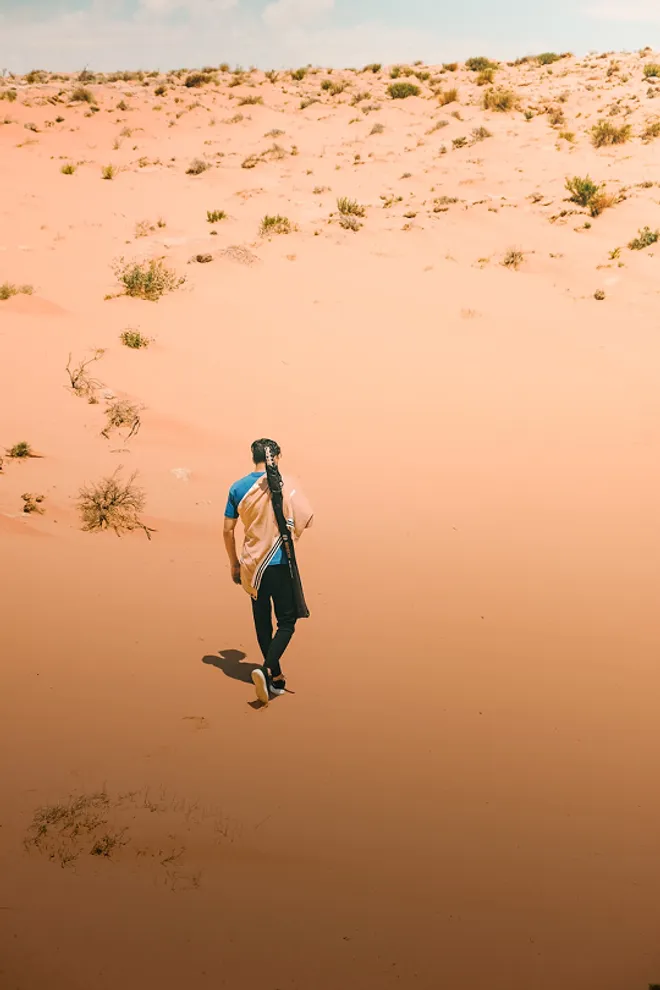
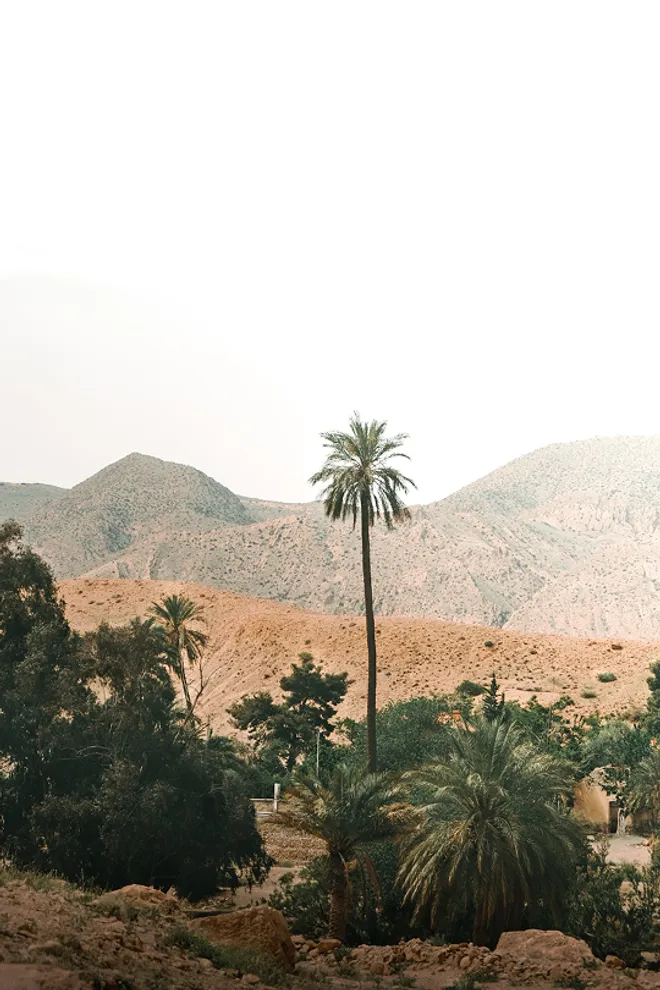
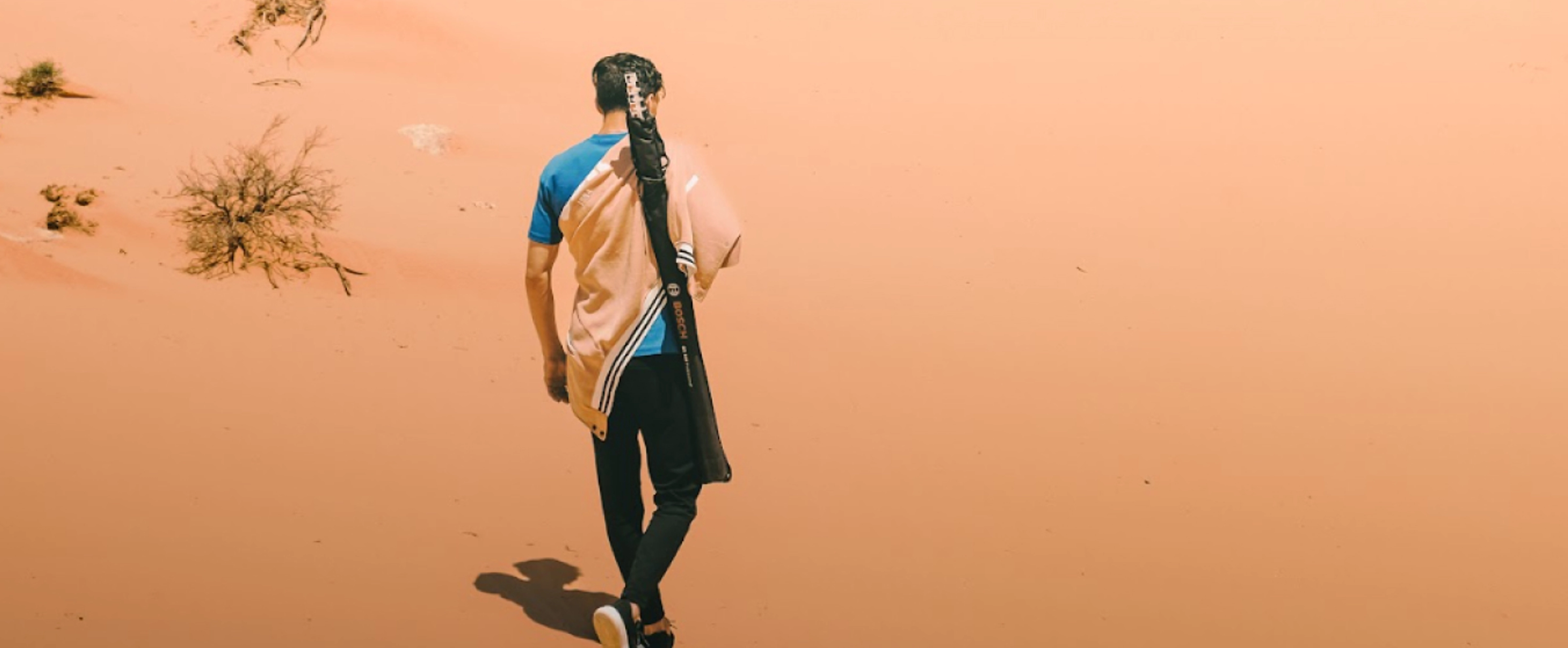
Boufes’ narrative is uniquely shaped by his university background in archaeology. Rather than abandoning his academic roots, he has seamlessly merged them with his lens to document Algeria’s heritage, culture, and civilisation. From the vast expanse of the Sahara to ancient history and living traditions, he uses his camera as a tool for preservation, sharing the profound richness of his land with the world.

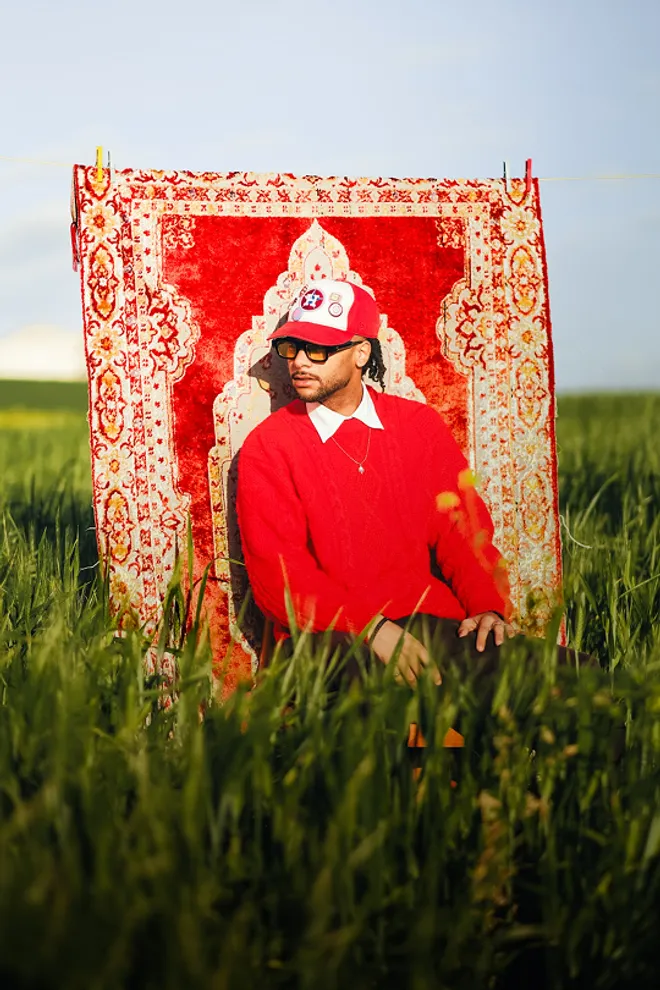
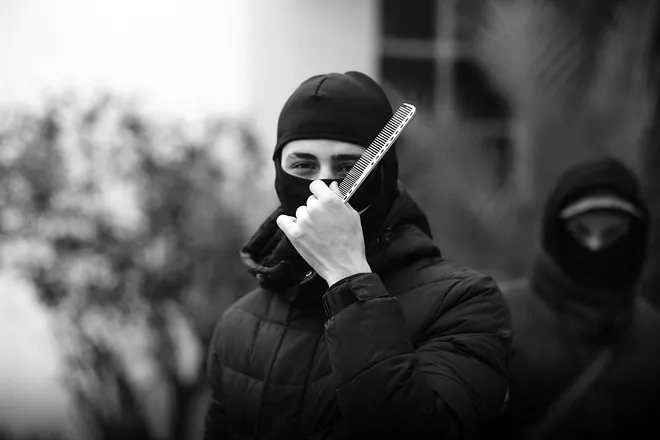
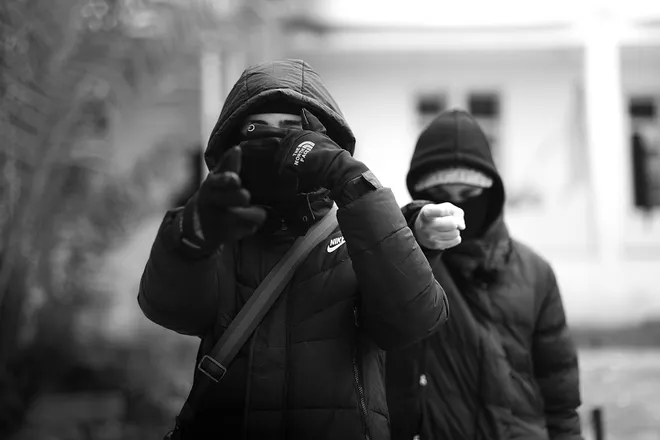
A career highlight includes a collaboration with his close friend and designer, Amine Boutellaa, on a conceptual project that transformed abstract feelings and words into visual narratives. Witnessing that work resonate with a wider audience remains one of his proudest milestones.

His creative methodology is precise: he constructs entire worlds internally before ever touching a camera. Every atmosphere, meaning, and final frame is established in his mind - often fuelled by the rhythm of music. For Boufes, the purpose is clear: every image must possess a message and a soul.

Today, he works professionally across portraits, documentary, street, fine art, nature, and commercial photography for various teams and clients. Regardless of the brief, his philosophy remains unchanged - he is a simple person with a vast imagination, and he allows that imagination to lead the way.
Hamza Boufes - Algerian visual artist

How did you get started in photography?

I started as a hobbyist with a deep love for the field from a young age. My only tool was a phone, but even then, I had a unique vision with a distinct sense and feeling behind every shot. I saved up and bought my Fujifilm camera, and that was when everything changed.

I immediately felt the difference between a phone lens and a real camera, which unlocked a vision I simply could not execute before. From there, I began creating unique concepts — visual poems expressing feelings and words through images — whilst collaborating with my designer friend, Amine Boutellaa.

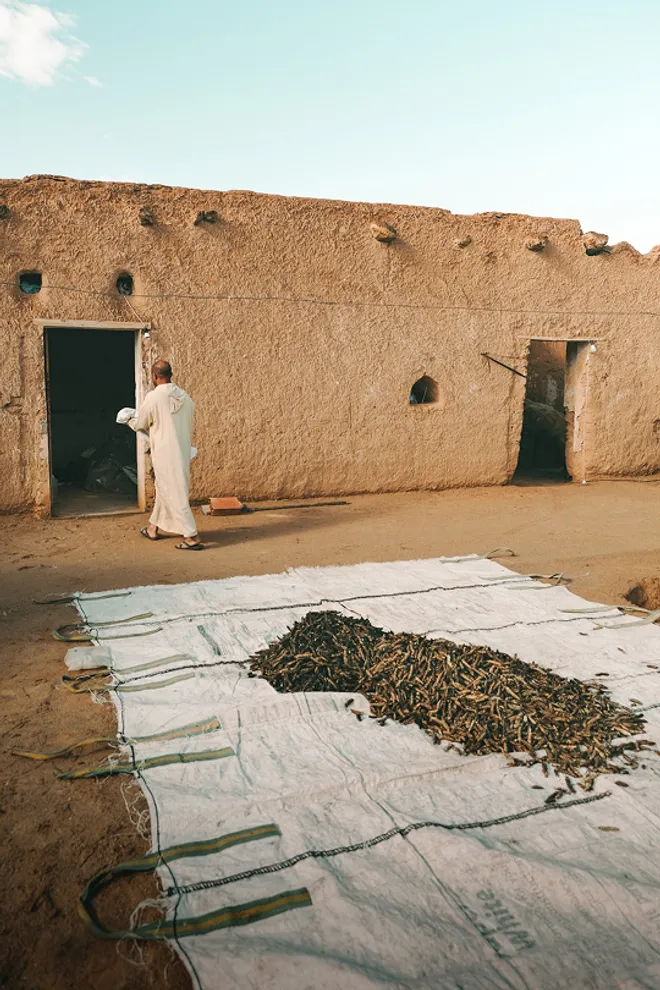
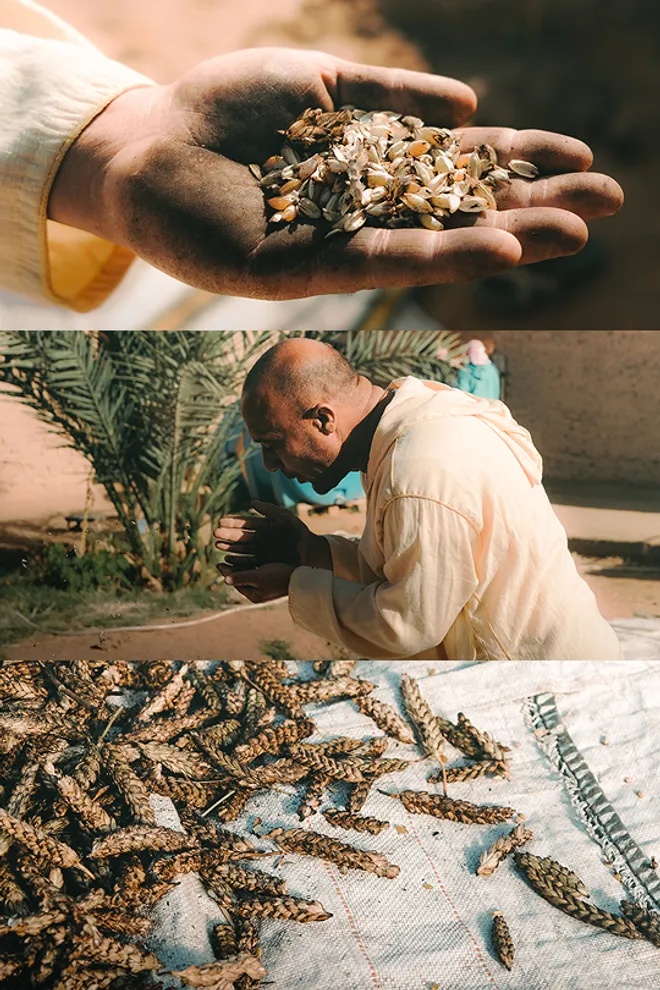
I then moved into documentary work in the Algerian Sahara, naturally blending my university studies in archaeology with my passion for photography to capture culture and heritage as a living concept.

How would you describe yourself?

I am a simple person with a vast imagination. Most of my ideas are simple on the surface, but they carry a deep sense of feeling because, for me, what matters most is that an image has an impact, a message, and a meaning. I believe every photograph should have a purpose and something it is trying to say. That is what I always look for and what I always aim to create.

What are the main themes that inspire your photography?

My inspiration comes mostly from music and mental imagination. I build an entire atmosphere inside my mind first — I begin by visualising the image, its meaning, how it should look, and what the final result should feel like.

That inner world is what I then try to translate into the frame, so that when the audience sees it, they feel the same emotion, the same vision, and the same intention I had from the very beginning.

What moment in your career are you most proud of?

When I was working independently on my main concept, something completely original that came entirely from my own mind. Watching it resonate with the audience, gain traction, and be genuinely appreciated was an incredibly fulfilling feeling. It was the moment I truly felt proud of my work and confident in my creative voice.

“My speciality was never a calculated choice; it grew naturally from who I am.”

What is the biggest challenge you've faced as a photographer?

The hardest moment of my journey came at the peak of my work on my main concept — the project I was most proud of and the one that came entirely from my own vision.

My Instagram account was deleted, taking everything with it — all the content, all the growth, and all the work I had poured myself into. It was a significant loss. However, it taught me something important: your value is not stored on a platform.

The vision, the creativity, and the ability to create live in me, not in an account. I am rebuilding, and I will come back stronger.

What type of photography do you specialise in?

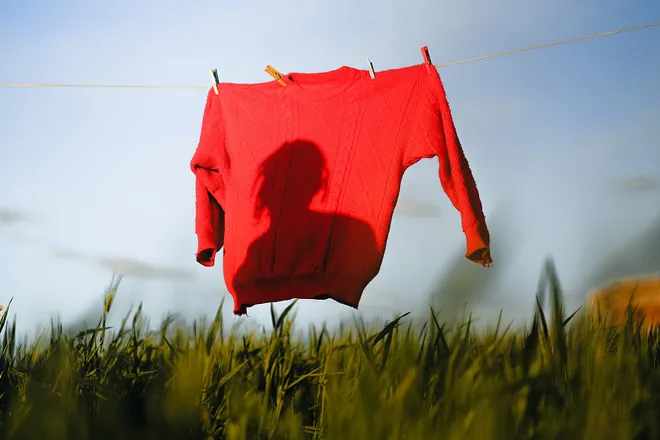
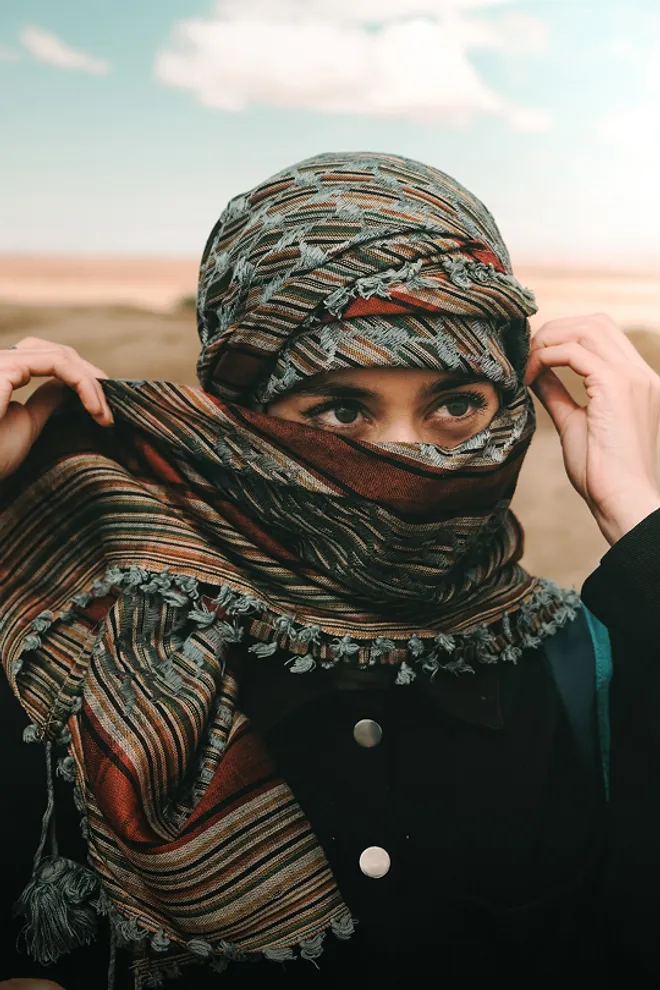
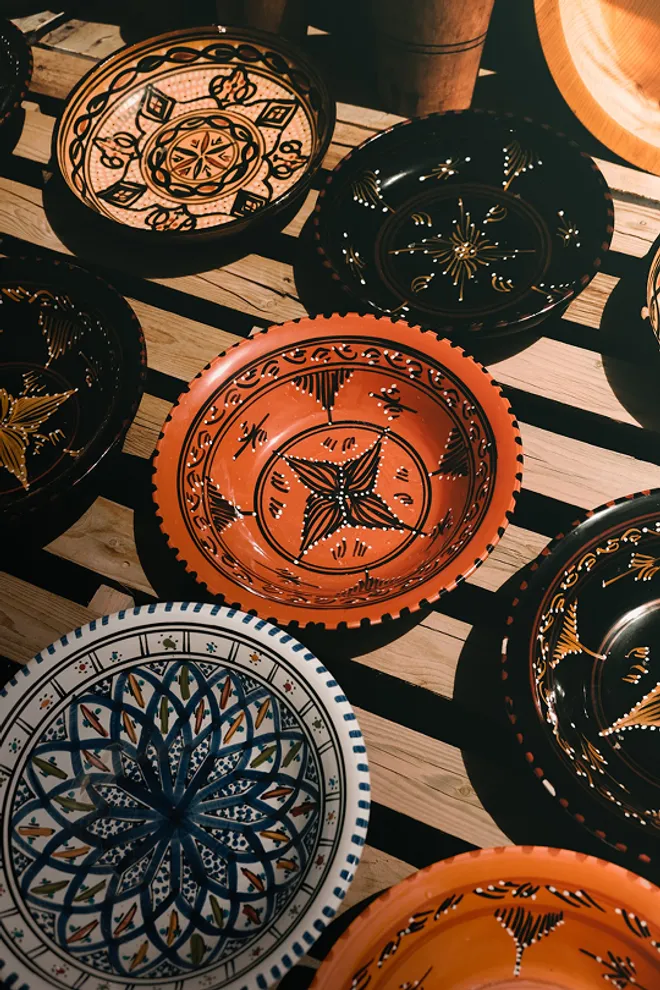
I specialise in conceptual, cultural, and documentary photography — including portraits, street, heritage, fine art, and nature. My speciality was never a calculated choice; it grew naturally from who I am. I studied archaeology, I love Algeria's history and civilisation, and I have always been someone who thinks in images and feelings before words.

My style evolved from simple phone photography driven by raw vision to a fully developed professional approach built around concept-first thinking, where every shoot starts as an idea in my head long before the camera comes out.

What is your primary commercial niche?

Advertising and cinematic photography, where I collaborate with companies on professional campaigns and visual production. However, at my core, I am first a conceptual and cultural artist; commercial work is one side of what I do, but my creative identity is rooted in meaning-driven, non-commercial content.

What is your unique technical or visual approach?

My approach always starts in my mind before it starts in the camera. I build the entire atmosphere, feeling, and meaning of an image mentally first — inspired by music and imagination — then I work to recreate that inner world in the frame. Every technical decision, from lighting to composition, serves the concept. The image must carry a message. That is non-negotiable.

Which global brands, photographers, or industries do you feel your work aligns with most?

My inspiration comes primarily from within — from my imagination, music, and my deep connection to Algerian culture and heritage. I am drawn to work that carries meaning and emotion over pure aesthetics. I align most with photographers and visual artists who use their craft to tell cultural stories and preserve identity, as well as cinematic and editorial brands that prioritise concept and feeling in their visual language.

How's the photography and art space in Algeria?

The growth has been consistent, but it is still finding its footing. There is incredible talent across the country — young creatives with genuine vision and skill — but the infrastructure, platforms, and commercial opportunities to support them are still limited. In recent years, social media has opened doors and given visibility to many artists who would otherwise go unnoticed.

The cultural and heritage photography space, in particular, is rising as more Algerians are beginning to document and celebrate their own history and identity through visual art. There is a real movement happening, slowly but surely.

What is one professional standard you never compromise on?

Every image must have a meaning, a feeling, or a specific purpose. I will never deliver a photograph that is technically correct but emotionally empty. A beautiful frame with nothing to say is not something I put my name on.

Credits

Photography

Hamza Boufes

Text

Kelvin Otum

Curation

guvnor

SHARE THIS STORY

More Stories

Godelive Kabena Kasangati: Congolese documentary and conceptual photographer exploring bodies, life, and the complexity of image-making
Niyibikora Wilson: Rwandan black and white photographer capturing real-life stories
Yonatan Nigussie: Ethiopian documentary and street photographer documenting everyday life, culture, and honest human stories
Isaac Gyamfi Assumeng: Ghanaian documentary and portrait photographer exploring memory and materiality
Thando Radebe: South African editorial and conceptual photographer exploring existentialism and identity
Hermela Abebe: Ethiopian street and portrait photographer documenting faith, heritage, and urban life
Samuel Mwaandwe: Zambian street and documentary photographer capturing quiet poetry in ordinary scenes
Mame Mor Thiam: Senegalese fine-art architecture photographer exploring identity, heritage, and modern life
Tshidiso Mothusi: South African fashion and portrait photographer exploring identity, space, and perception
Stanley Afful: Ghanaian portrait and storytelling photographer exploring identity and cultural resilience
Benjamin Adjei Abayie: Ghanaian documentary and editorial photographer preserving cultural memory
Allan Aligula: Kenyan documentary and observational photographer capturing quiet human-centred narratives
Thabisa Nxawe: South African fashion and portrait photographer exploring identity, culture, and emotion
Ahmad Mansour: Egyptian street and documentary photographer expressing the quiet poetry of everyday life
Bade Fuwa: Nigerian fine art and storytelling photographer expressing the human experience and spirituality