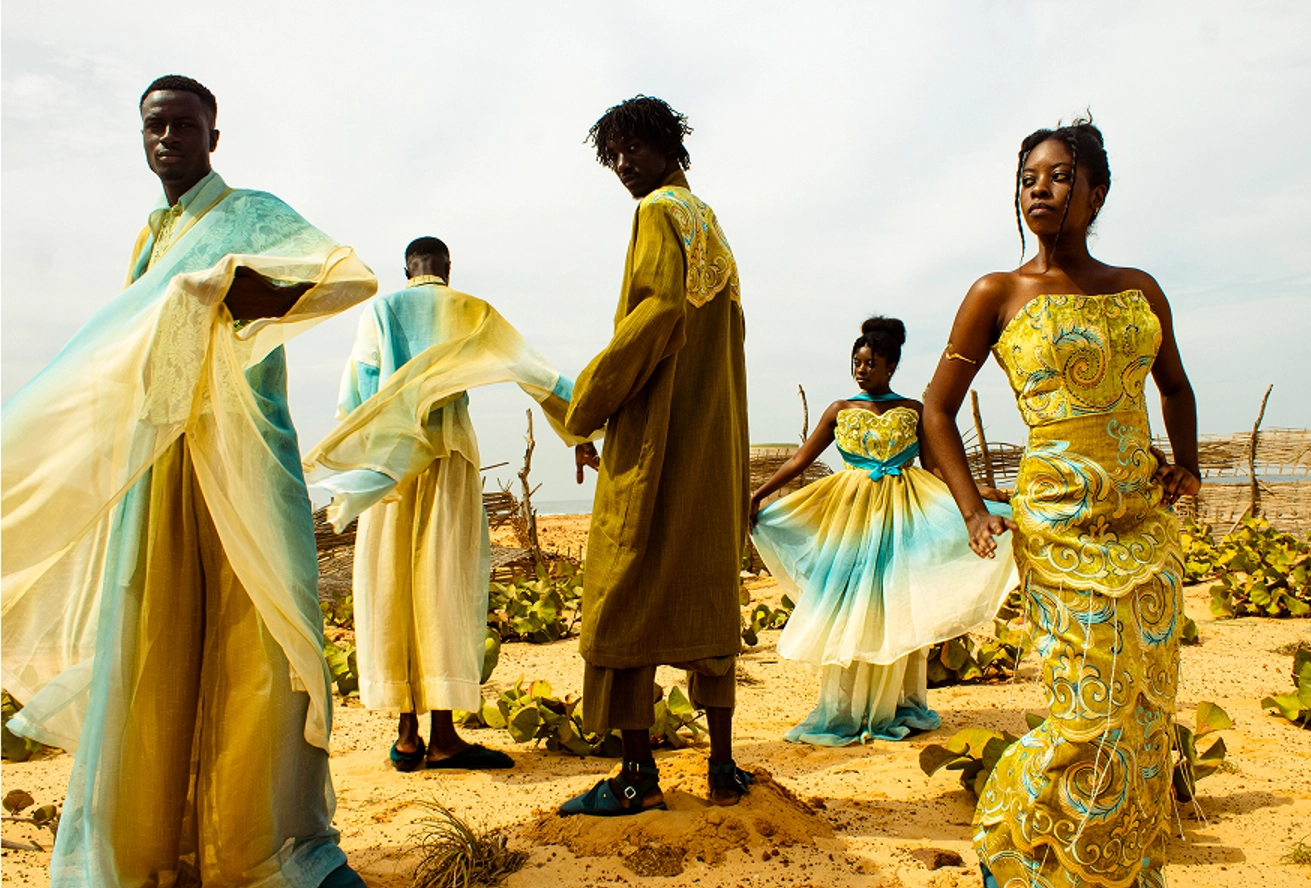
Stanley Afful: Ghanaian portrait and storytelling photographer exploring identity and cultural resilience

11 mins read
Published27 Apr, 2026

"Photography became a space where I could exist freely — a way to express what I couldn’t always say out loud."

Stanley Afful, also known as Kwesi The Artist, is a Ghanaian multidisciplinary visual artist, storyteller, and humanitarian. With a background in African Studies from the University of Cape Coast, his work explores identity, cultural resilience, social justice, and the power of visual storytelling.

Through his lens, he captures diverse narratives that challenge perspectives and inspire change. A recipient of multiple national and international awards, including third place in the 2024 WIPO Photography Prize for Indigenous Youth, Stanley continues to use photography as a tool for advocacy and transformation.

Stanley Afful - Ghanaian visual storyteller

How did you get started in photography?

Growing up, I experienced a lot of bullying and often felt like I did not belong. Photography became a space where I could exist freely — a way to express what I could not always say out loud. Over time, it turned into more than just an escape; it became a tool for telling my story and creating space for others who feel different to be seen and accepted.

Fun fact: my grandfather was a photographer, and I grew up seeing my father do it a bit, so I guess it is in my genes after all.

How would you describe yourself?

I am a very versatile individual with great attention to colours and details. My storytelling is shaped by my environment and experiences. My work reflects where I come from, what I have seen, and how I interpret the world through my own lens and that of others.

“I create images that focus on emotion and authenticity so people can see a part of themselves that they fear to explore.”

What are the main themes that inspire your photography?

My photography is inspired by themes such as culture, identity, memory, health, and diversity. I am interested in capturing people in ways that feel authentic, unfiltered, and acceptable.

I create images that focus on emotion and authenticity so people can see a part of themselves that they fear exploring. For me, it is about making someone feel seen by themselves, especially those who might feel different or out of place in their minds.

What moment in your career are you most proud of?

Placing third in the WIPO Photography Prize for Indigenous Youth 2024. Coming from a place where I once felt unseen and out of place, that recognition meant a lot to me. What made it even more meaningful was that the work was rooted in my culture, telling a story about indigenous healing practices in Fante communities.

It showed me that the same voice I once struggled to express is now something that can reach people globally, tell stories, preserve memories, and create impact.

“I prefer an easy-flowing and organic process that allows moments to unfold naturally.”

What is the biggest challenge you've faced as a photographer?

Learning to show up for myself. I often found myself pouring so much energy into others and staying busy that I neglected my own needs. Over time, that led to burnout, mental strain, and moments where I felt disconnected from my work.

What I have learned from that experience is the importance of balance and self-awareness. I have learned that I cannot create meaningful work if I am not mentally and emotionally present, so I am now more intentional about taking care of myself, slowing down when necessary, and making sure I am in a healthy space to create.

What type of photography do you specialise in?

I specialise in portrait and storytelling photography, with a major focus on identity and emotion. I am drawn to capturing people in ways that feel honest and unfiltered — images that reflect who they are beyond the surface.

This direction comes from my own experiences growing up feeling like I did not fit in. Photography became a way for me to understand myself, and naturally, that extended into how I tell other people’s stories.

Over time, my style has evolved from simply capturing moments to being more intentional about reimagining narratives, not only for individuals but for communities alike. I have become more focused on creating images that do not just look good but actually advocate for acceptance and peaceful coexistence.

Loner II

What is your primary commercial niche?

Portrait and lifestyle photography, with a focus on storytelling for individuals and brands alike. I create visually compelling images that balance authenticity with strong creative direction.

“Visually, I am drawn to mood and atmosphere, using colours to reflect feeling rather than just form.”

Abrafo

What is your unique technical or visual approach?

My unique approach is rooted in spontaneity and simplicity. Rather than heavily staging scenes, I prefer an easy-flowing and organic process that allows moments to unfold naturally.

I focus on using natural light, subtle tones, and minimal setups to keep the attention on the subject and their expression. I do not overly direct everything; I create space for people to be Bottle themselves, which allows me to capture more honest and unfiltered moments.

Visually, I am drawn to mood and atmosphere, using colours to reflect feeling rather than just form. My goal is always to create images that feel as real as the moment behind them.

Being

Which global brands, photographers, or industries do you feel your work aligns with most?

My work aligns with photographers and visual storytellers who focus on emotion, identity, and authentic human expression. I am particularly inspired by the work of James Barnor, whose approach to portraiture and storytelling feels deeply grounded in culture, presence, and individuality.

What resonates with me most is how his work captures people in a way that feels authentic and intentional — not just visually appealing, but emotionally aware and driven by true narratives.

In terms of broader visual direction, I also connect with brands and platforms that value storytelling and identity-driven imagery, where photography goes beyond aesthetics to communicate meaning and culture.

Behind

Just Smile

How is the photography and art space in Ghana?

Growing up in Ghana, I did not see photography and the visual art space as subjects people really wanted to associate themselves with. Yet, in recent years, the photography and art space has grown significantly, both in visibility and in confidence.

Traditionally, photography here was seen more as documentation — events, weddings, studio portraits, and commercial assignments. However, in recent years, it has evolved into something much more expressive. There is now a stronger emphasis on visual storytelling, identity, fashion, and conceptual work, especially among younger creatives.

One of the biggest shifts has been the rise of digital platforms and social media, which have allowed photographers to showcase their work beyond local boundaries. This has created more awareness, more collaboration, and a stronger sense of community among creatives. It has also made it easier for Ghanaian artists to be seen globally, not just locally.

There has also been a noticeable increase in creative collectives, pop-up exhibitions, and independent projects that focus on culture, identity, and contemporary African narratives. This has encouraged more experimentation; people are no longer just shooting what is expected but exploring personal stories and artistic expression.

The Tomorrow People

What is one professional standard you never compromise on?

I would never compromise authenticity. Whether I am working on a personal project or a commercial assignment, I make sure the work remains honest and intentional.

What do you think of the 54Ruum platform?

For many photographers, access and visibility can be a challenge, so having a platform such as 54Ruum that not only showcases work but also tells the stories behind the artists is really powerful. It helps bridge the gap between the art and the artist, local creativity, and global recognition.

Personally, I appreciate 54Ruum for encouraging authenticity and allowing artists like myself to present our work as more than just images — but as storytellers with context, culture, and perspective.


Limitless

Credits

Photography

Stanley Afful

Text

Kelvin Otum

Curation

guvnor

SHARE THIS STORY

More Stories

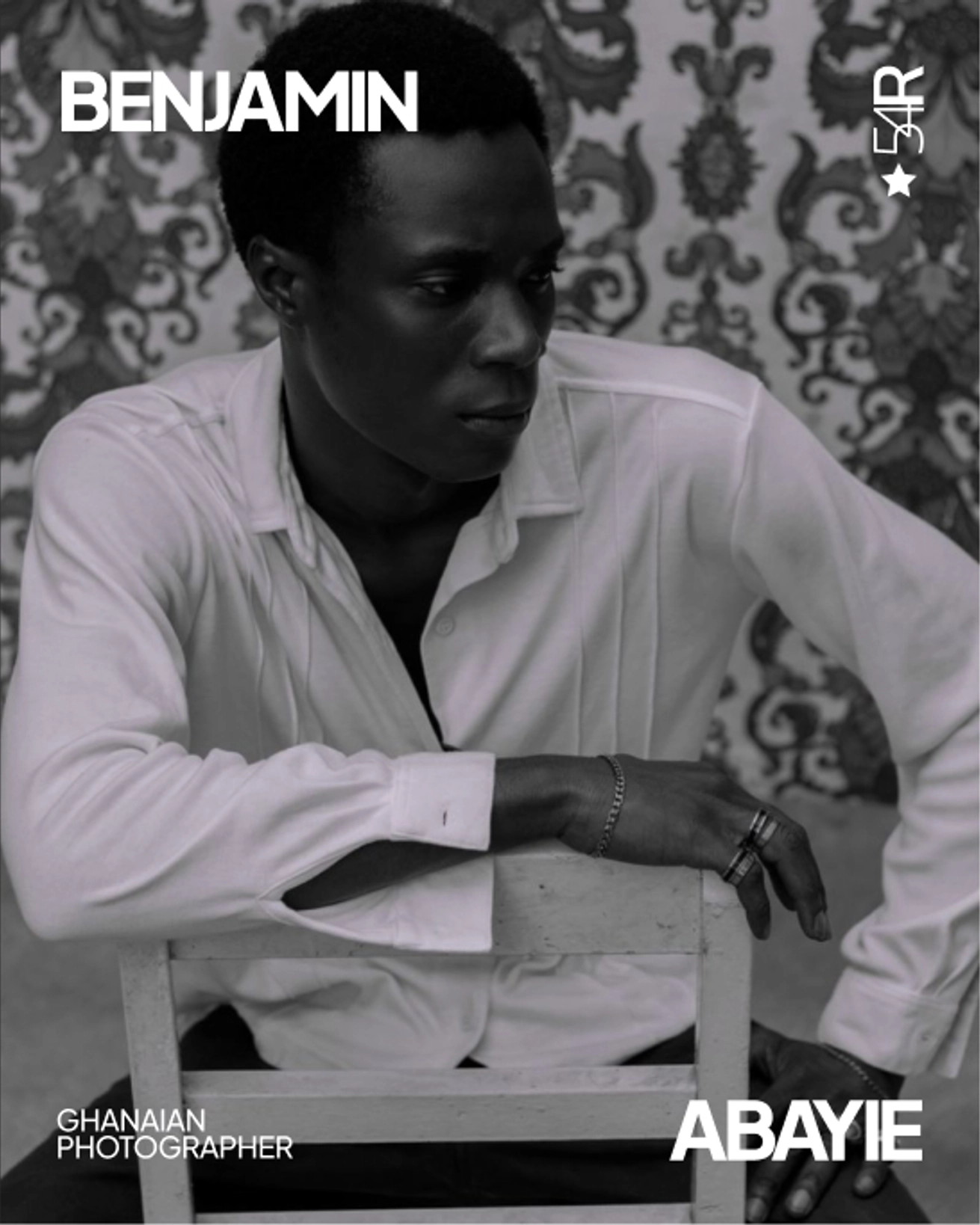
Benjamin Adjei Abayie: Ghanaian documentary and editorial photographer preserving cultural memory
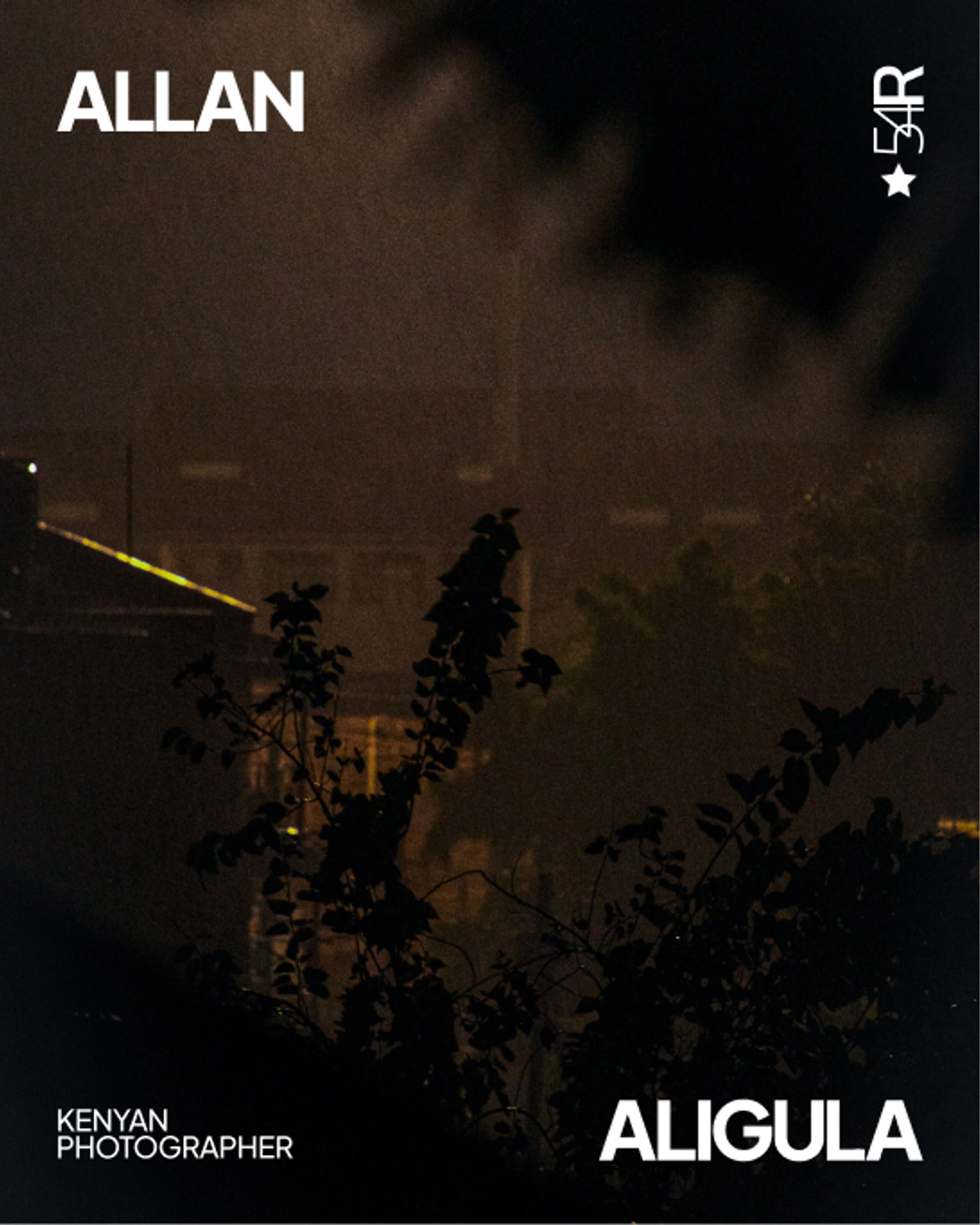
Allan Aligula: Kenyan documentary and observational photographer capturing quiet human-centred narratives
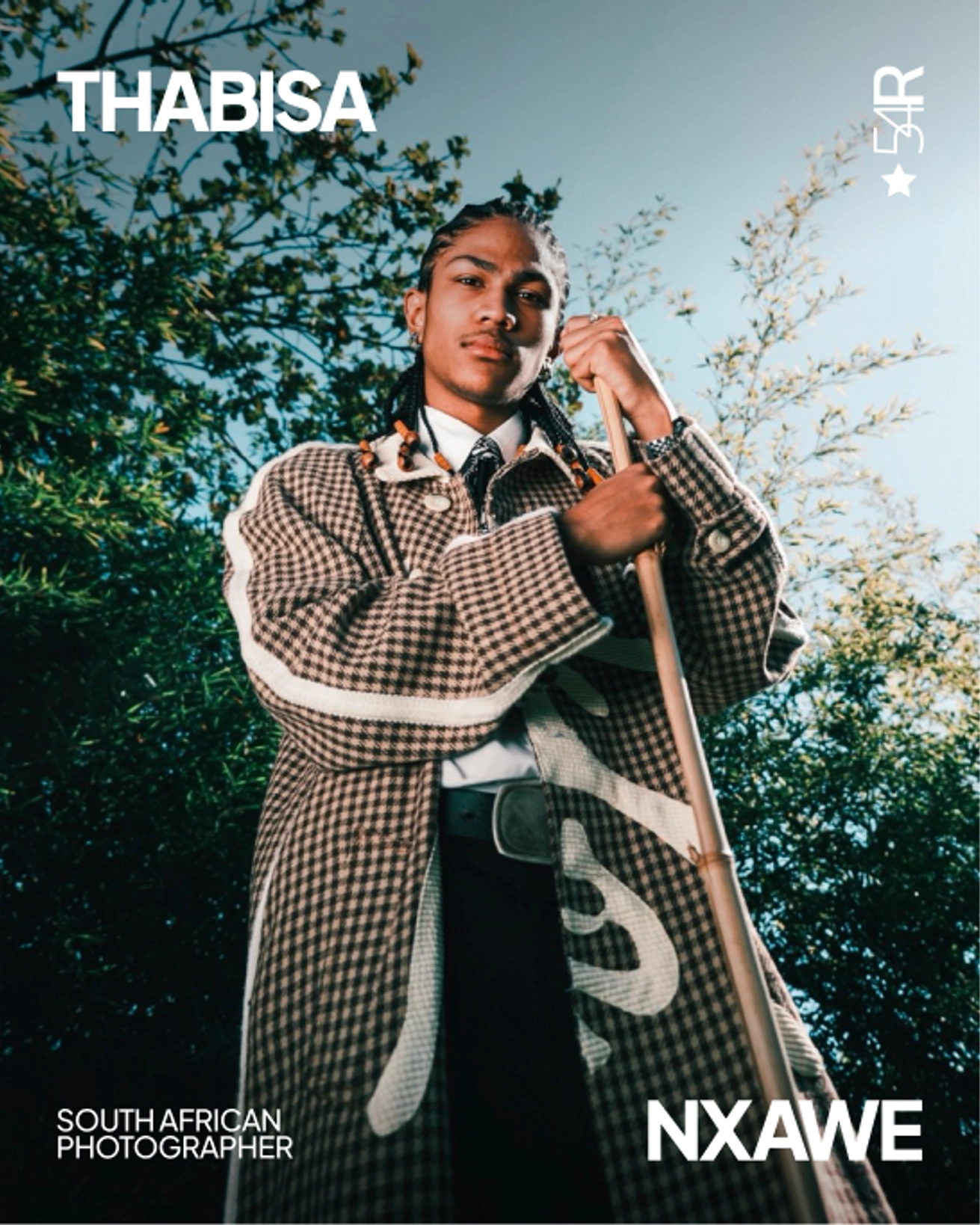
Thabisa Nxawe: South African fashion and portrait photographer exploring identity, culture, and emotion
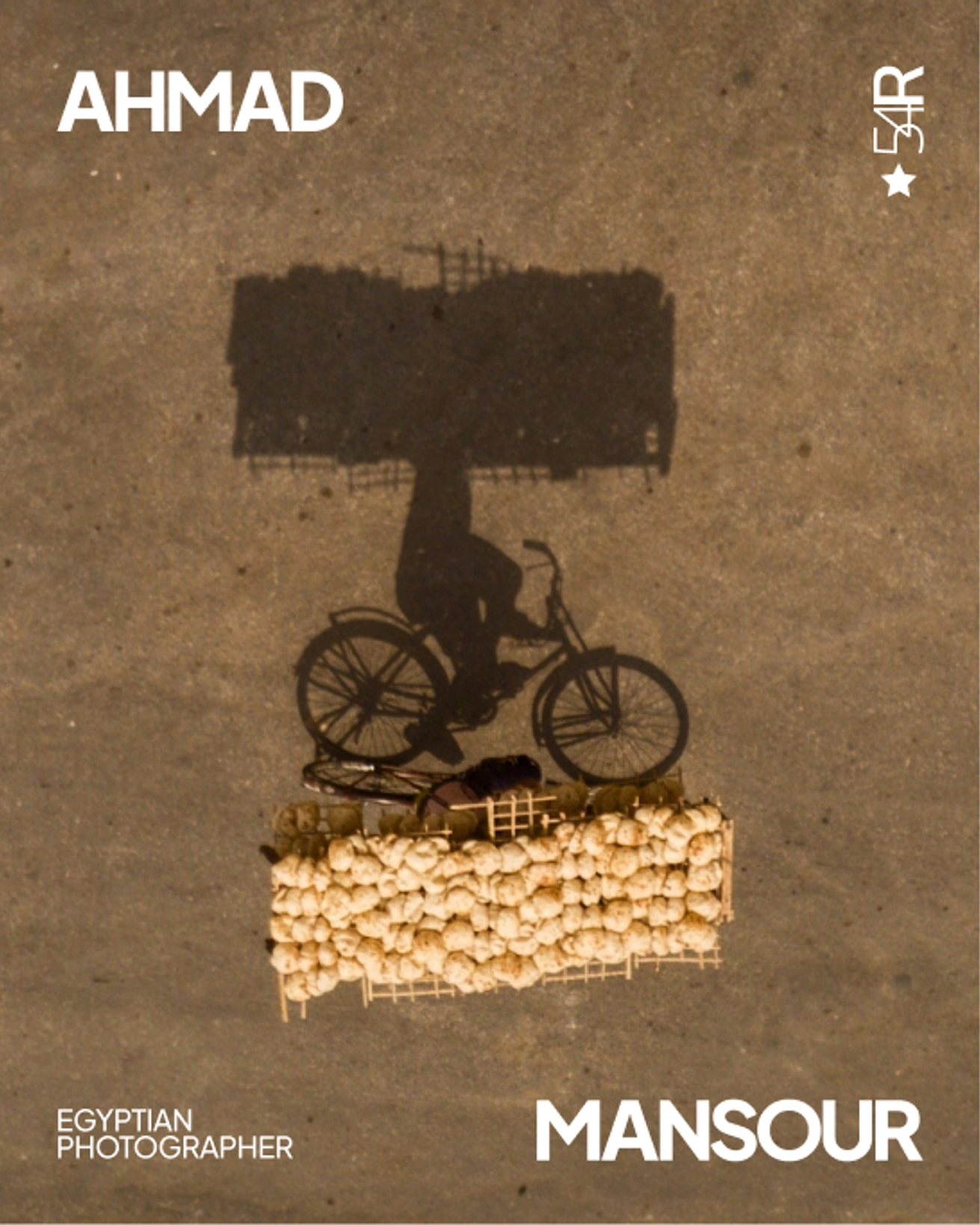
Ahmad Mansour: Egyptian street and documentary photographer expressing the quiet poetry of everyday life
Bade Fuwa: Nigerian fine art and storytelling photographer expressing the human experience and spirituality
Klever Gbode: Beninese fashion and editorial photographer exploring movement, silence, and emotion
Gertrude Sigonda: Tanzanian performance and documentary photographer capturing human connection and unscripted moments
Rijasolo: Franco-Malagasy humanistic documentary photographer expressing identity and the soul of Madagascar
Langelihle Mawela: South African portrait and digital artist capturing spiritual higher selves
Mohamed Fullah: Liberian street photographer capturing everyday emotion and culture
Nahom Nigussie: Ethiopian street and documentary photographer documenting urban life and transformation
Nader Adem: Ethiopian portrait and documentary photographer exploring heritage, identity, and human dignity
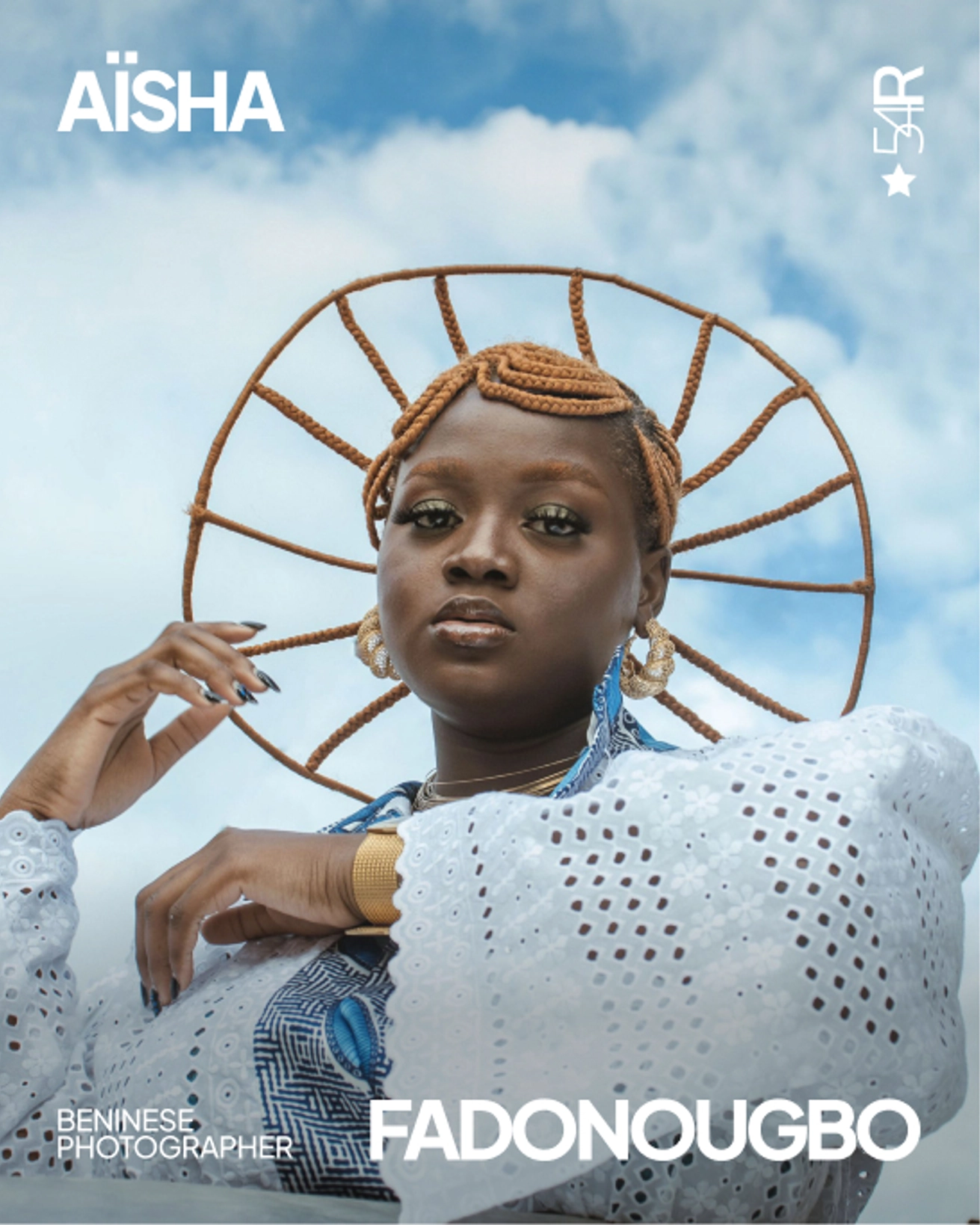
Aïsha Fadonougbo: Beninese art editorial photographer exploring the sensory richness of African identity
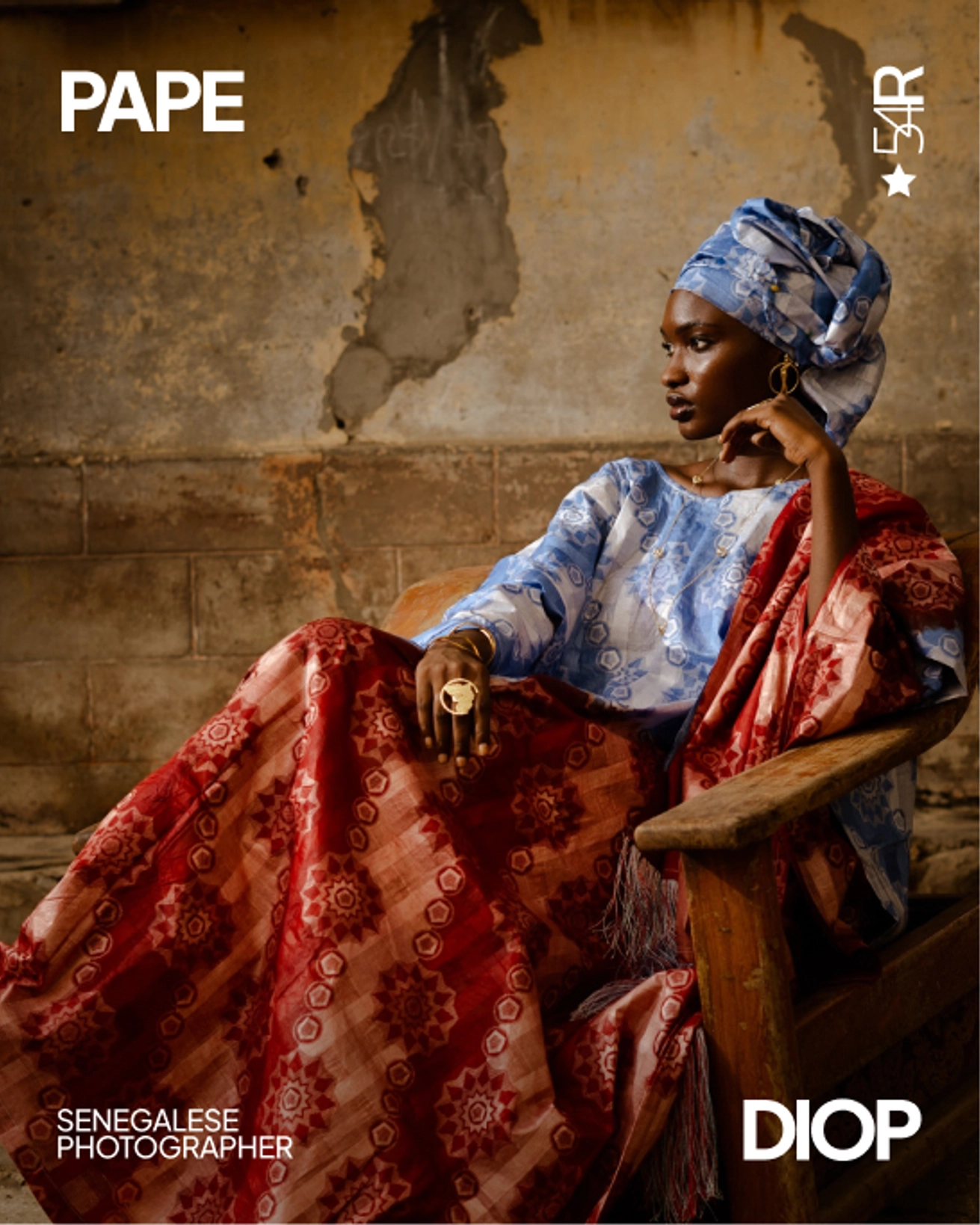
Pape Malamine Diop: Senegalese artistic photographer exploring identity, culture and visual storytelling
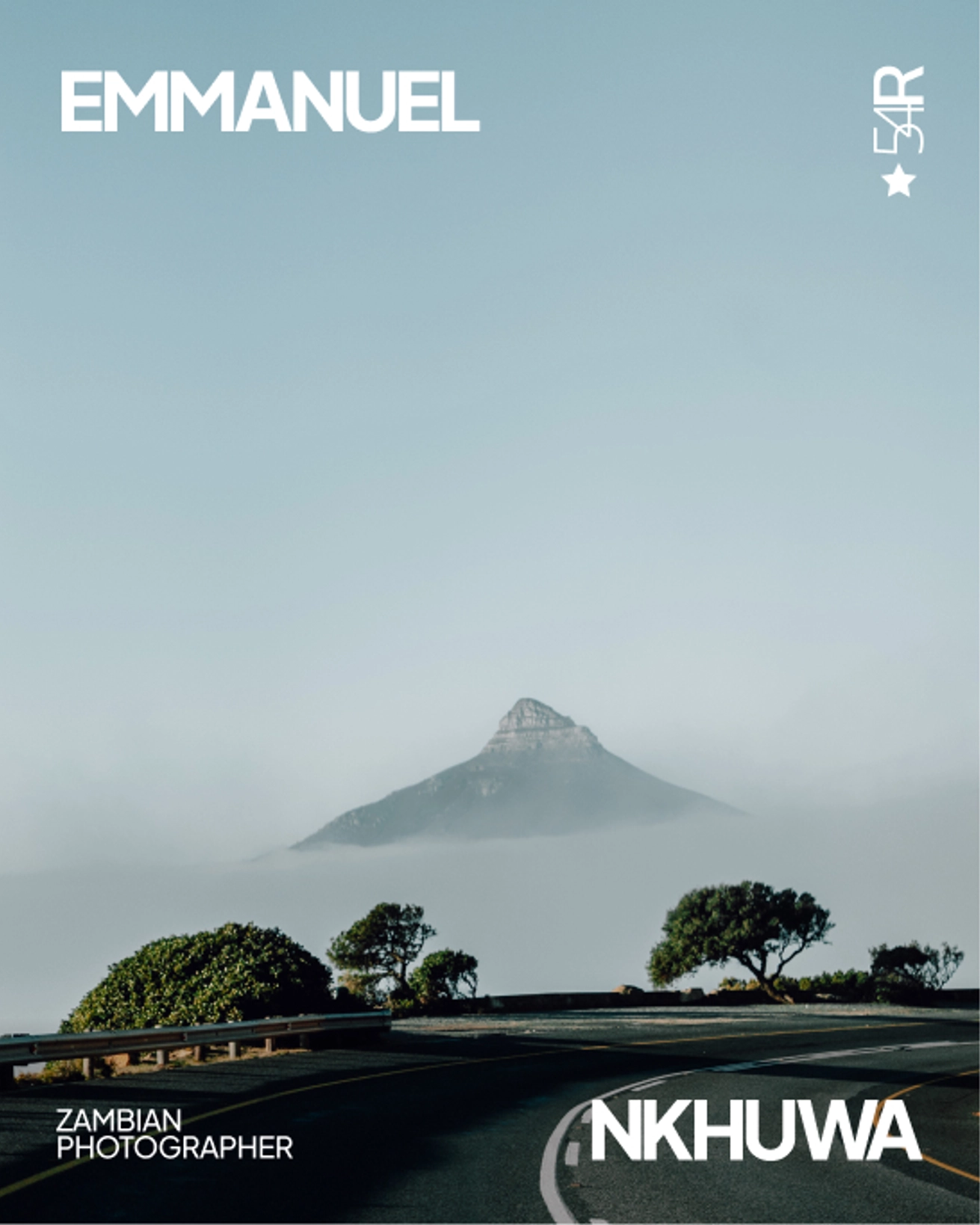
Emmanuel Nkhuwa: Zambian portrait and event photographer documenting cinematic everyday moments