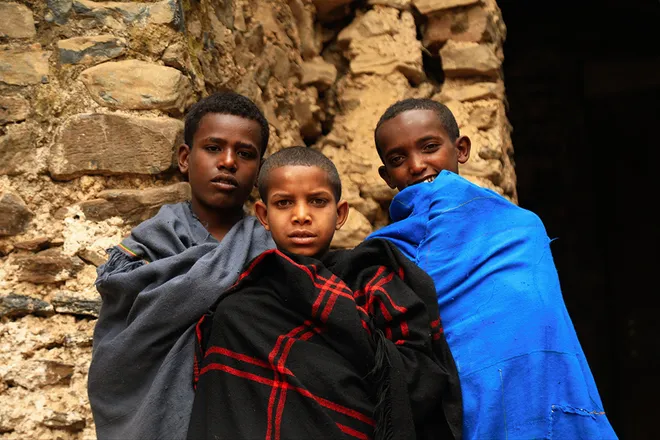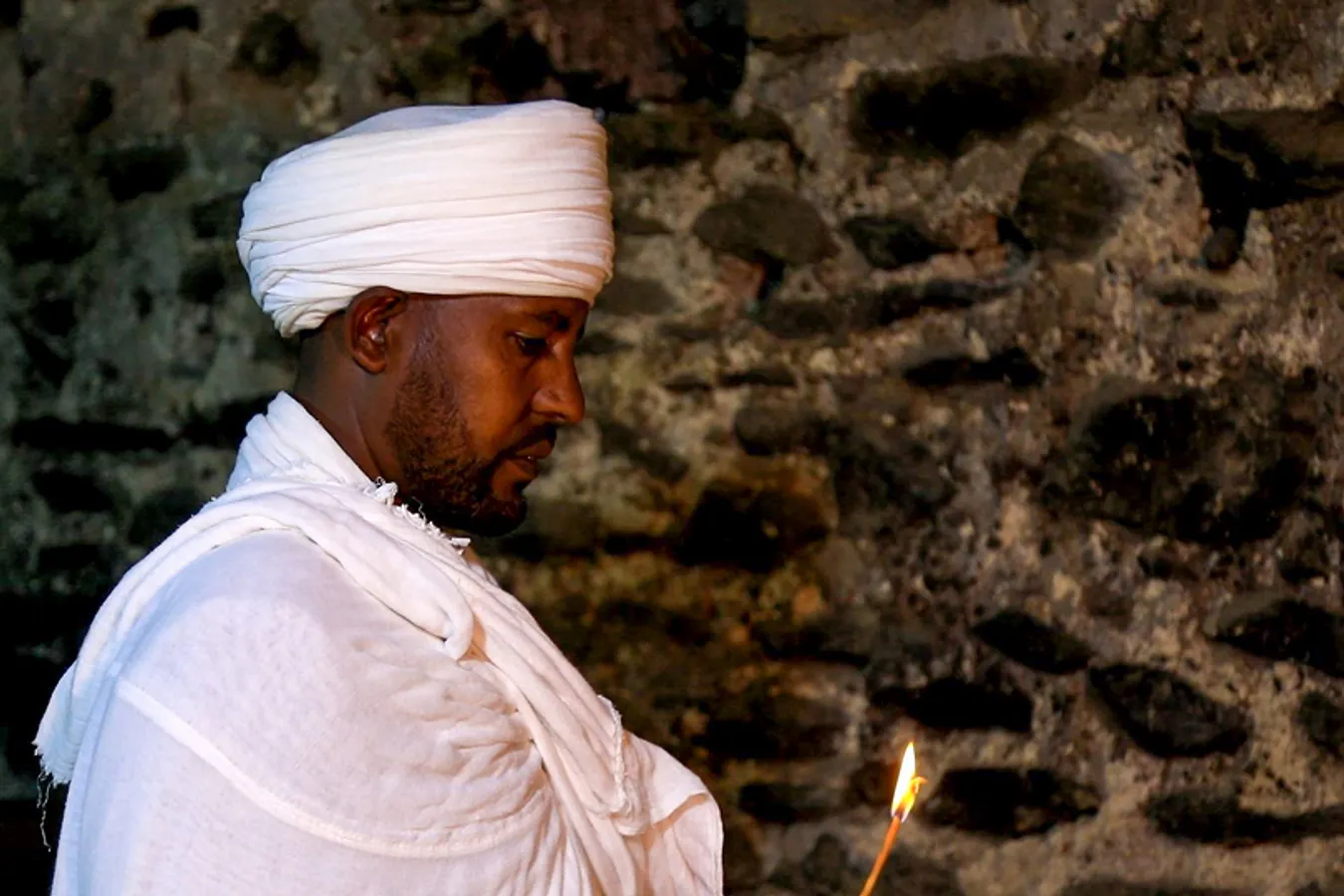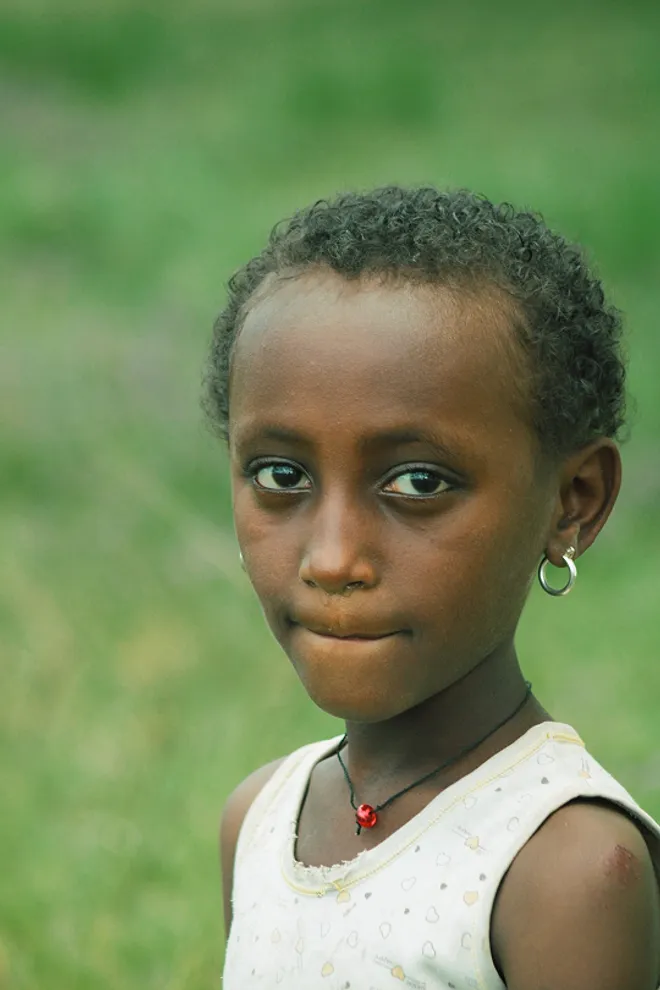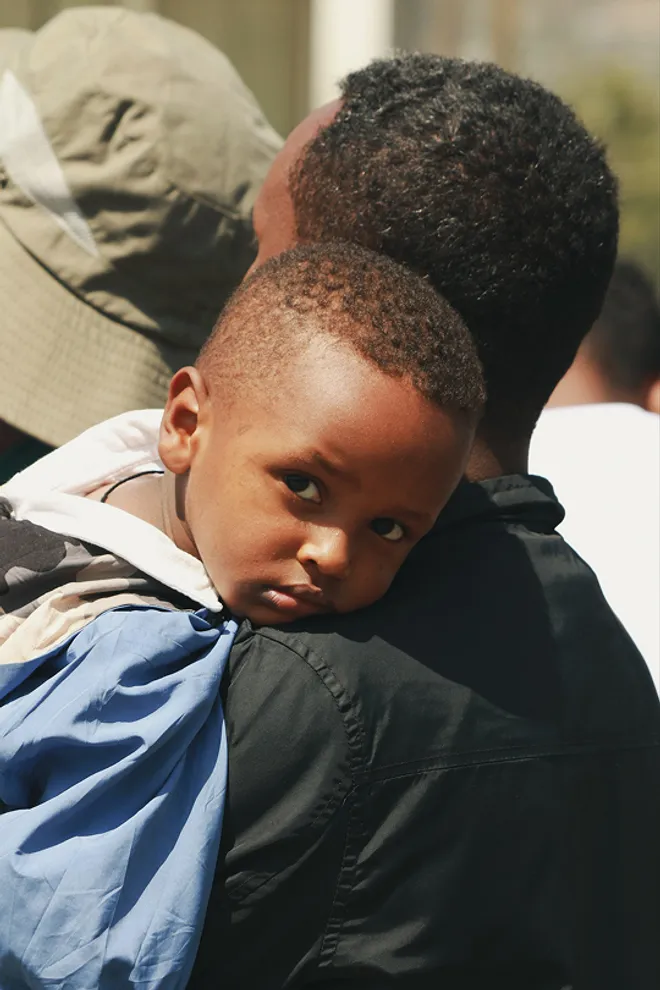
Yonatan Nigussie: Ethiopian documentary and street photographer documenting everyday life, culture, and honest human stories

8 mins read
Published7 May, 2026

"Without realising it, photography became more than just taking pictures; it became a way for me to see life differently."

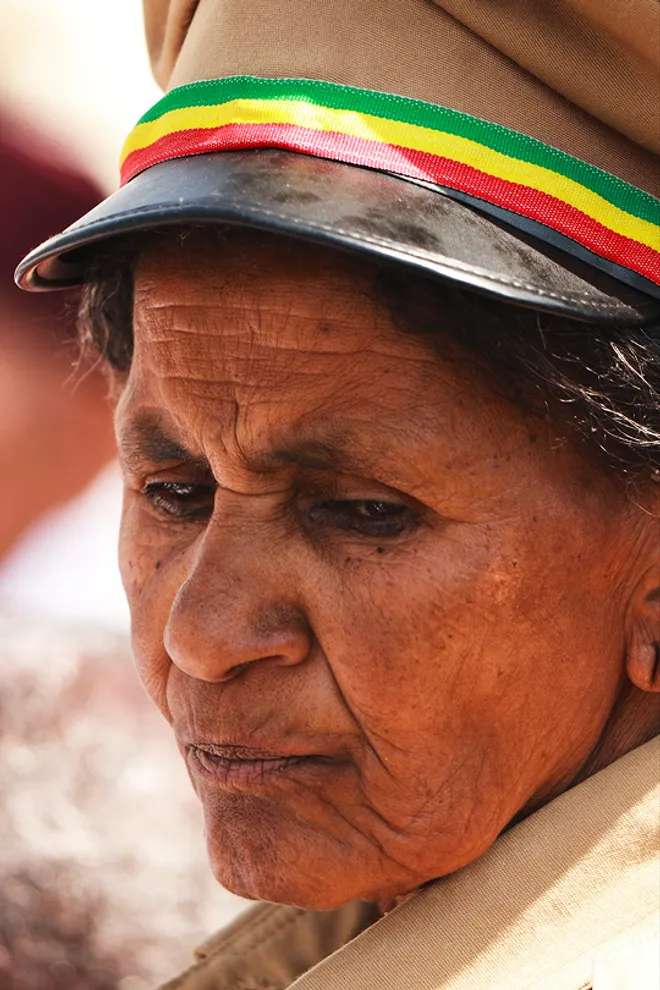
Yonatan Nigussie is a passionate street and documentary photographer who began photography at a young age, first using his phone to capture real life as he saw it — people, daily moments, and sometimes nature.

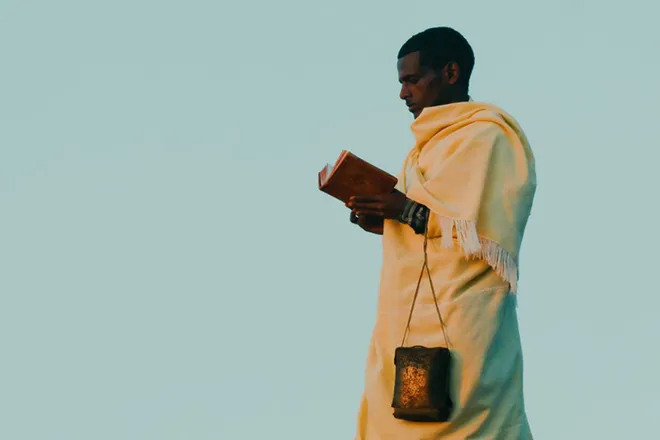
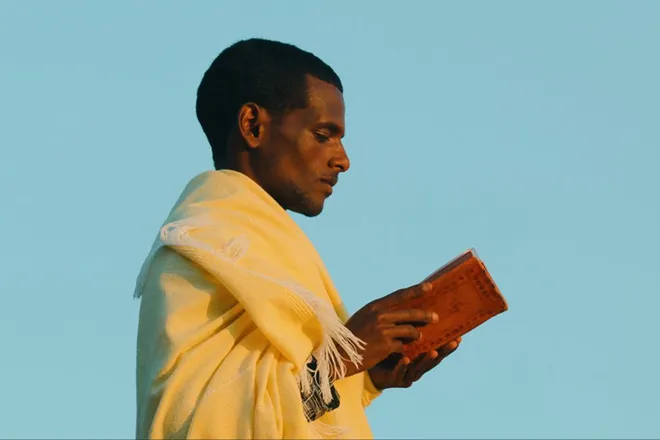
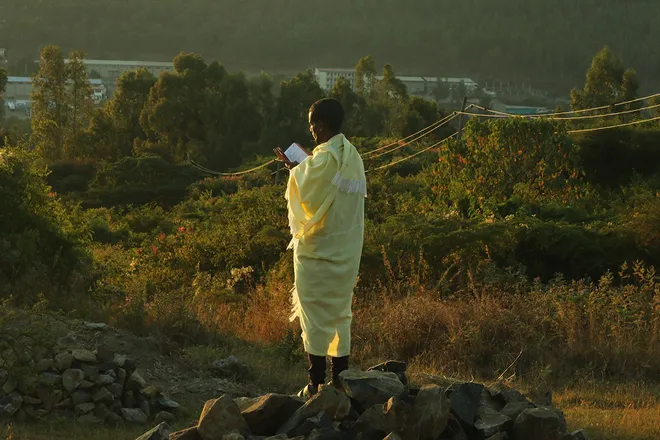
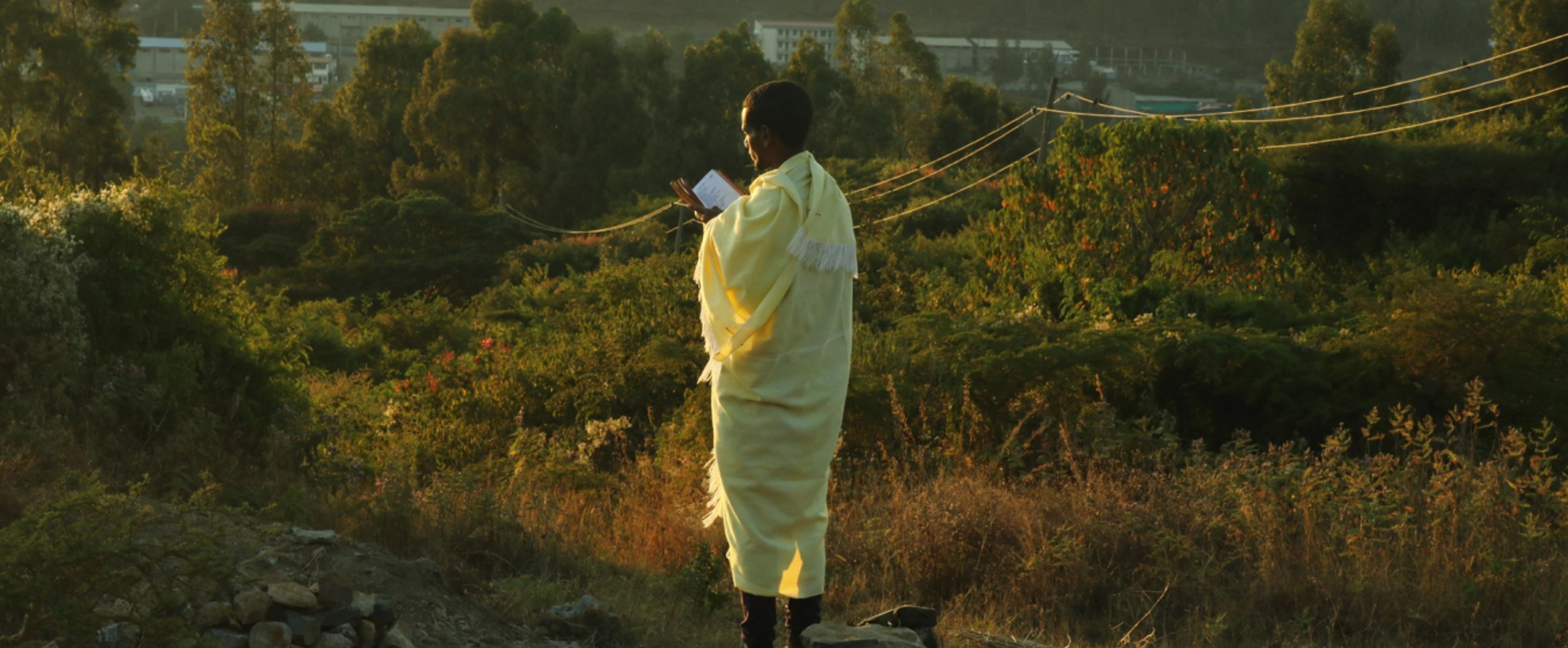
What truly draws him is its honesty. He is deeply connected to the culture, the people, and the way faith and everyday life are lived — it is what drives him to document real, unstaged moments.

Nigussie has always been more interested in truth than in perfection, and this interest has deepened over time.

He is currently a Film and TV Production student at the University of Gondar, and studying cinema has shaped the way he sees photography, especially in storytelling, light, and composition.
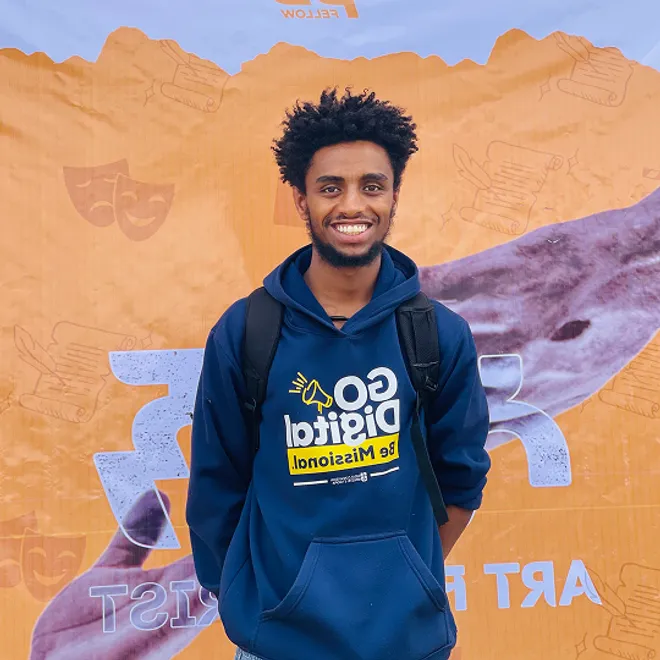
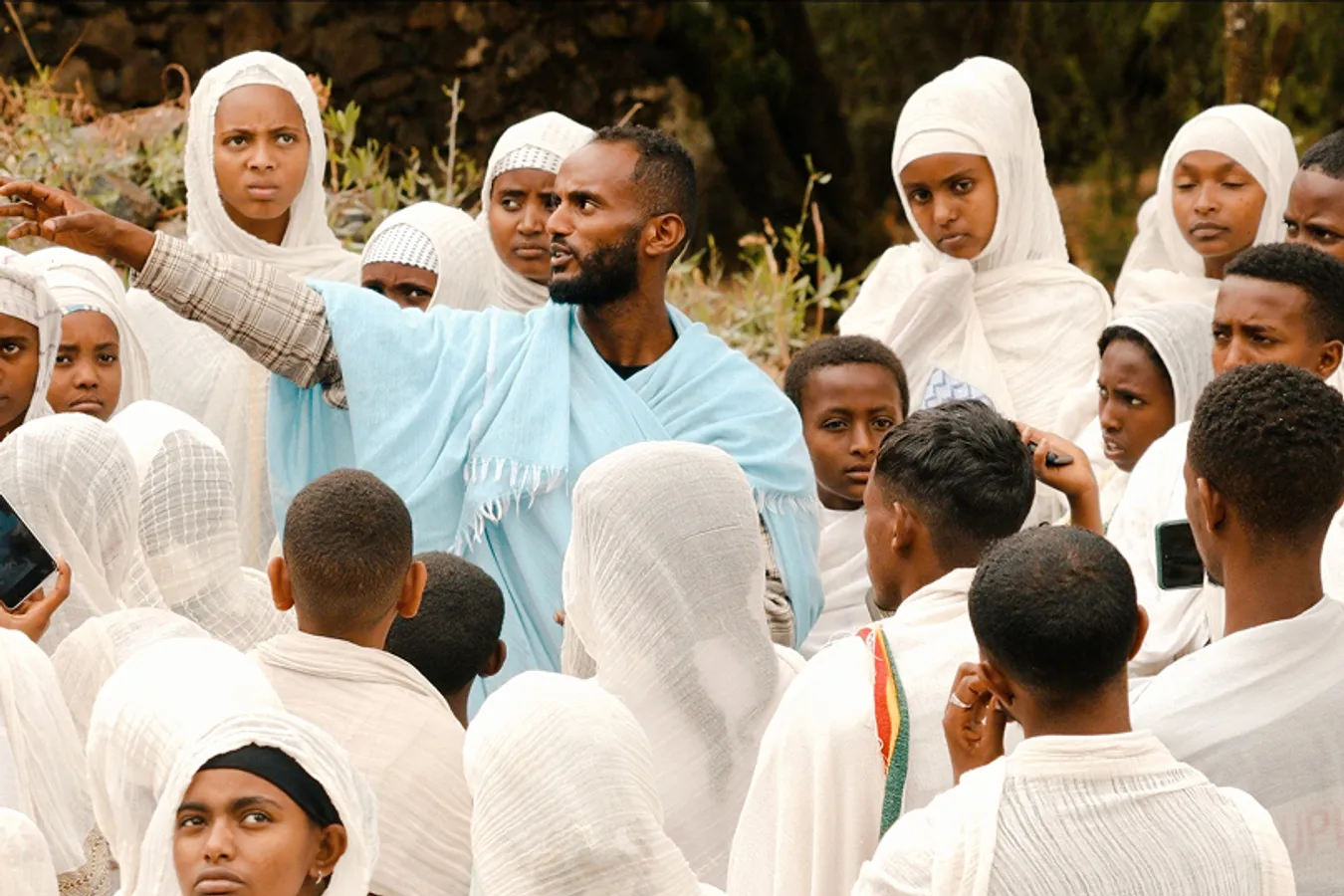
Yonatan Nigussie - Ethiopian street photographer

How did you get started in photography?

My relationship with photography began in Grade 10 when I got my first phone. At that time, I didn’t really see it as photography yet; I was just curious and enjoyed capturing what I saw around me. 

I began by capturing nature in and around my village, especially a forest and a spring I often visited. I would go there often, observe the environment, and try to capture the beauty of small details that are usually overlooked.

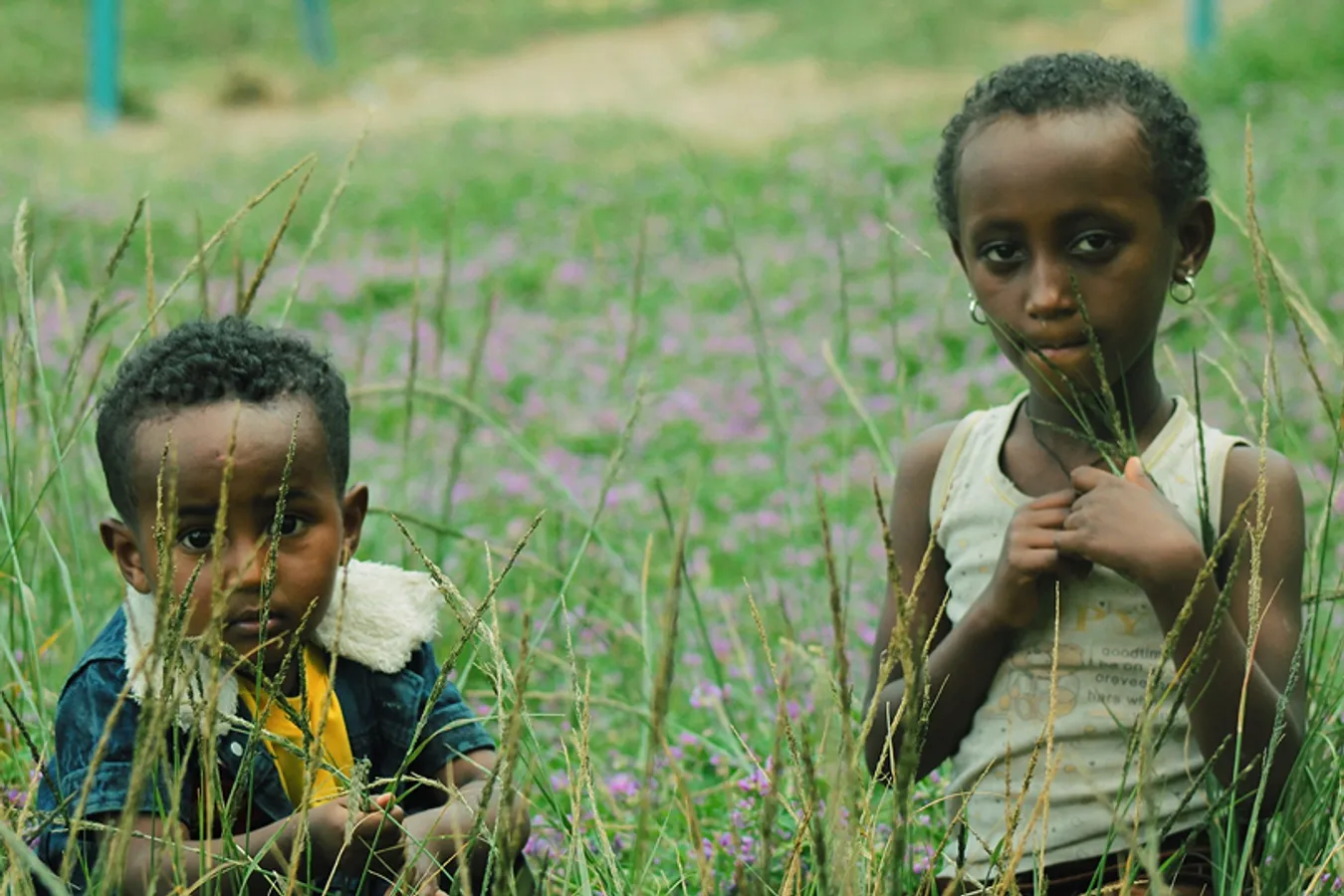
Over time, I started to explore more than just nature. I also began capturing people in their everyday lives — their struggles, their work, and their joyful moments. I became more interested in real stories happening around me rather than just beautiful scenes.

Without realising it, photography became more than just taking pictures. It became a way for me to see life differently and to tell stories through images. That’s how my passion for photography truly began.

How would you describe yourself?

I am a storyteller with a deep love for my culture. I’m always eager to learn new things, and I can be a bit shy when it comes to communication. I naturally prefer staying quiet, observing my surroundings, and capturing moments I can turn into stories through photography.

However, I’ve realised that communication is also very important, especially as a photographer who works with people and groups. Because of that, I’ve started improving my communication skills step by step. I’m still growing in that area, but I’m becoming more confident over time.

What are the main themes that inspire your photography?

My home, my surroundings, and the people around me. I’m drawn to everyday life — their stories, struggles, and joyful moments. I also find inspiration in the unnoticed parts of life because there is always a story to tell and a truth to capture.

I use my images to connect with others through honesty. When people see my photos, they can relate them to their own lives and surroundings. I focus on capturing real moments so viewers can see their own stories reflected in them.

What moment in your career are you most proud of?

One memory I still hold on to was being part of the Everyday Elsewhere photography project between Addis Ababa and Weimar. I was so proud of myself. At the end of the project, our work was presented in an exhibition held in Weimar, Germany.

Seeing my photographs displayed in a curated space and shared with an international audience was a very meaningful experience for me. It gave real value to my work and made me realise how images can speak across different cultures and contexts.

In addition to the exhibition, our work was published in a magazine and featured on social media, making the experience even more special.

It was a proud moment for me to see my photography recognised and shared across different platforms, reaching more people and bringing the stories I captured to life.

What is the biggest challenge you've faced as a photographer?

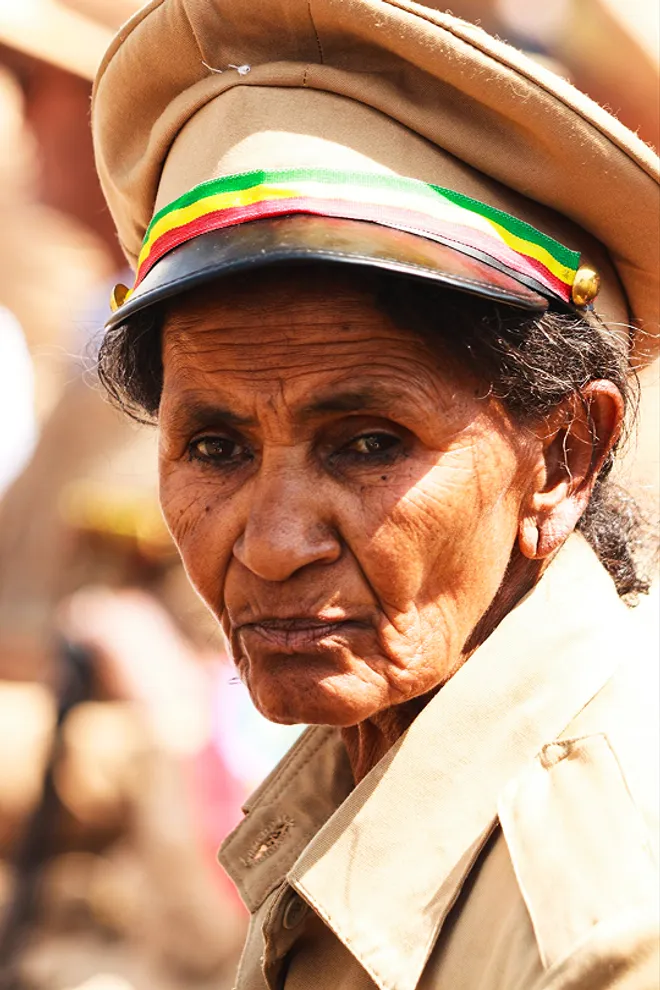
One way I’ve had it hard as a photographer is working in street photography environments. In the street, when people see a camera, they don’t always feel comfortable or happy about being photographed. 

Many people don’t want their photos taken or shared, and this makes it difficult to capture real moments freely. It can also become more challenging when working in public spaces where authorities are present.

Sometimes photography is not easily accepted, and even being seen taking photos can lead to questions or restrictions. This makes street photography a sensitive and difficult practice at times.

Because of this, capturing honest and natural moments becomes a real challenge. It requires a lot of awareness, patience, and understanding of the environment.

You have to be careful about when and where you photograph, while still staying true to the story you want to tell.

From this experience, I’ve learned how important it is to be observant, responsible, and adaptable. Even with these challenges, I continue to try to document real life and tell stories through photography carefully and respectfully.

"Seeing my photographs displayed in a curated space and shared with an international audience was a very meaningful experience for me."

What type of photography do you specialise in?

I mainly work in documentary and street photography, focusing on everyday life, people’s stories, and real, spontaneous moments. I chose this speciality because I’m drawn to truth and storytelling — capturing life as it naturally happens, without staging or interference.

Over time, my style has evolved from simply capturing nature and random scenes to being more intentional about storytelling. I started paying closer attention to human emotions, daily struggles, and unnoticed moments in my surroundings.

Gradually, I developed a stronger documentary and street photography approach, in which each image became part of a larger story about life, culture, and the environment around me.

My background in film and TV production has also helped me see stories more clearly and think more cinematically and narratively when capturing images.

"Cultural integrity is the one standard I never compromise on. Whether I’m in a rural village or a busy city, I make sure I approach every tradition and every person with honesty and care."

What is your unique technical or visual approach?

I am focused on capturing real moments as they naturally happen, with a strong storytelling perspective. I mainly work with natural light and take time to observe scenes before capturing them, looking for timing, emotion, and composition that feel honest and authentic.

Coming from a film and TV production background, I often think in a more cinematic way — framing images as part of a larger story rather than just single moments. I pay close attention to details, light, and atmosphere to create images that feel real, emotional, and narrative-driven.

Which global brands, photographers, or industries do you feel your work aligns with most?

I’ve always looked up to Nesebho Asrat and Abel Gashaw. The way they tell the stories of rural Ethiopia is so authentic — they capture life exactly as it is, but in a way that feels incredibly meaningful.

Their work has really shaped how I approach my own photography, especially in how I see our culture and environment. Getting to work alongside them would be an incredible opportunity to help share the real Ethiopia with the world.

How's the photography and art space in Ethiopia?

The way photography and art are evolving in Ethiopia is incredible to watch. It’s no longer just about taking a beautiful picture — it’s about having a voice. Young creators across the country are now using photography as a tool for storytelling, exploring themes of culture and heritage in ways we haven’t seen before.

Social media has played a massive role in this, acting as a bridge between our local streets and the rest of the world. It has turned photography into a recognised and respected profession here.

What makes the work coming out of Ethiopia so strong right now is that it’s being made by people who actually live these stories. We have a deep, natural connection to our environment and our people.

That intimacy shows in the work — it’s more than just a document; it’s a truthful, heartfelt reflection of who we are.

What is one professional standard you never compromise on?

I firmly believe that you cannot tell a meaningful story without deep respect for the people involved. Cultural integrity is the one standard I never compromise on.

Whether I’m in a rural village or a busy city, I make sure I approach every tradition and every person with honesty and care. I’m very careful to never misrepresent our way of life or show anything out of context.

To me, a successful photograph isn’t just about lighting or composition — it’s about the respect shown to the culture and the community within that frame.

Credits

Photography

Yonatan Nigussie

Text

Esther Ayoola

Curation

guvnor

SHARE THIS STORY

More Stories

Isaac Gyamfi Assumeng: Ghanaian documentary and portrait photographer exploring memory and materiality
Thando Radebe: South African editorial and conceptual photographer exploring existentialism and identity
Hermela Abebe: Ethiopian street and portrait photographer documenting faith, heritage, and urban life
Samuel Mwaandwe: Zambian street and documentary photographer capturing quiet poetry in ordinary scenes
Mame Mor Thiam: Senegalese fine-art architecture photographer exploring identity, heritage, and modern life
Tshidiso Mothusi: South African fashion and portrait photographer exploring identity, space, and perception
Stanley Afful: Ghanaian portrait and storytelling photographer exploring identity and cultural resilience
Benjamin Adjei Abayie: Ghanaian documentary and editorial photographer preserving cultural memory
Allan Aligula: Kenyan documentary and observational photographer capturing quiet human-centred narratives
Thabisa Nxawe: South African fashion and portrait photographer exploring identity, culture, and emotion
Ahmad Mansour: Egyptian street and documentary photographer expressing the quiet poetry of everyday life
Bade Fuwa: Nigerian fine art and storytelling photographer expressing the human experience and spirituality
Klever Gbode: Beninese fashion and editorial photographer exploring movement, silence, and emotion
Gertrude Sigonda: Tanzanian performance and documentary photographer capturing human connection and unscripted moments
Rijasolo: Franco-Malagasy humanistic documentary photographer expressing identity and the soul of Madagascar