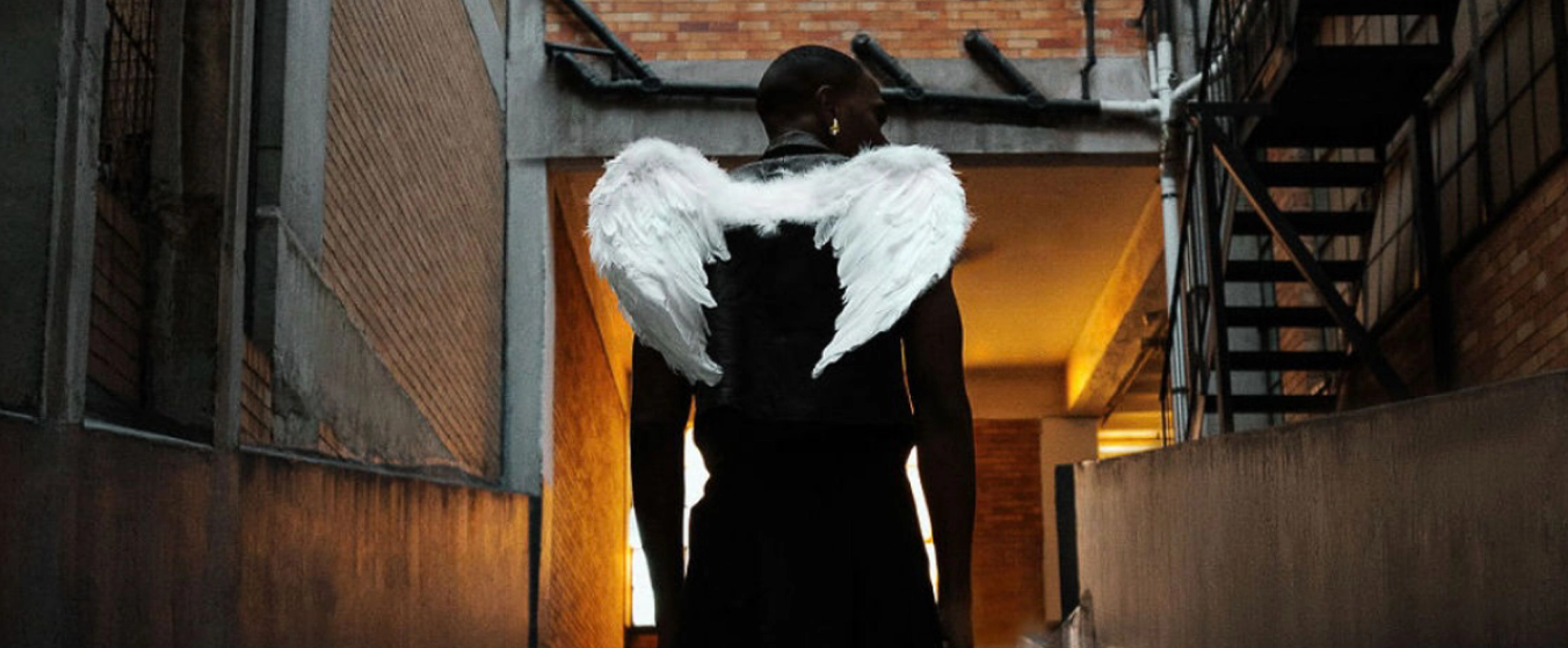
Thando Radebe: South African editorial and conceptual photographer exploring existentialism and identity

12 mins read
Published4 May, 2026

"The duality between analytical precision and creative exploration sits at the core of my practice."

Thando Radebe is a director and photographer based in Johannesburg, South Africa, whose practice is shaped by a background in dance, football, and actuarial science. For a long time, he believed his path would lead to professional football, and that sense of discipline and structure continues to inform his approach to work today.

Radebe holds an Honours degree in Actuarial Science from the University of the Witwatersrand and currently works as an analyst while completing his board exams toward qualifying as an actuary.

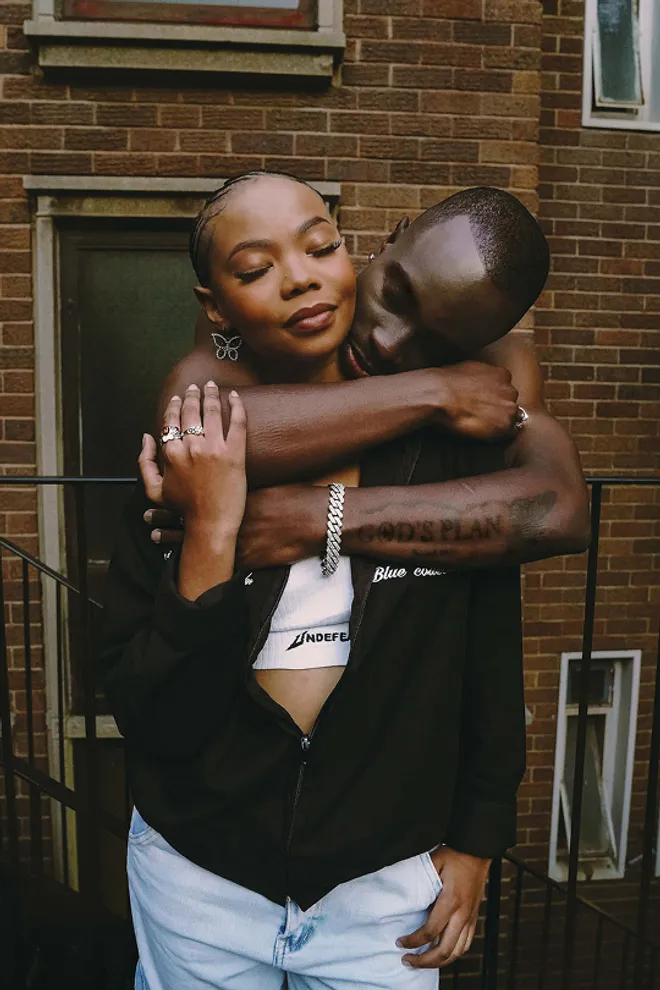
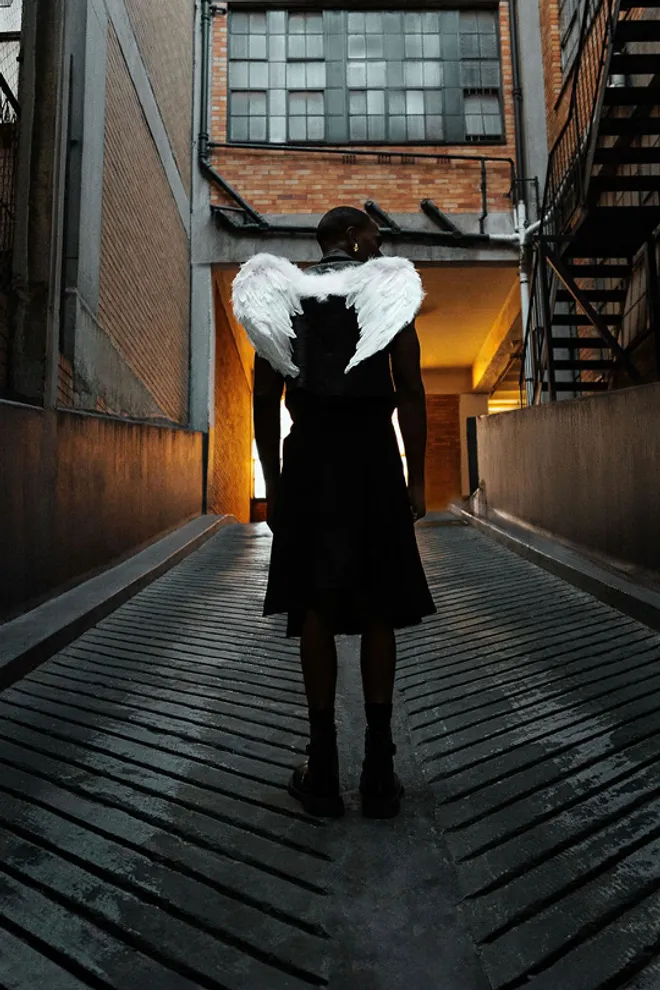
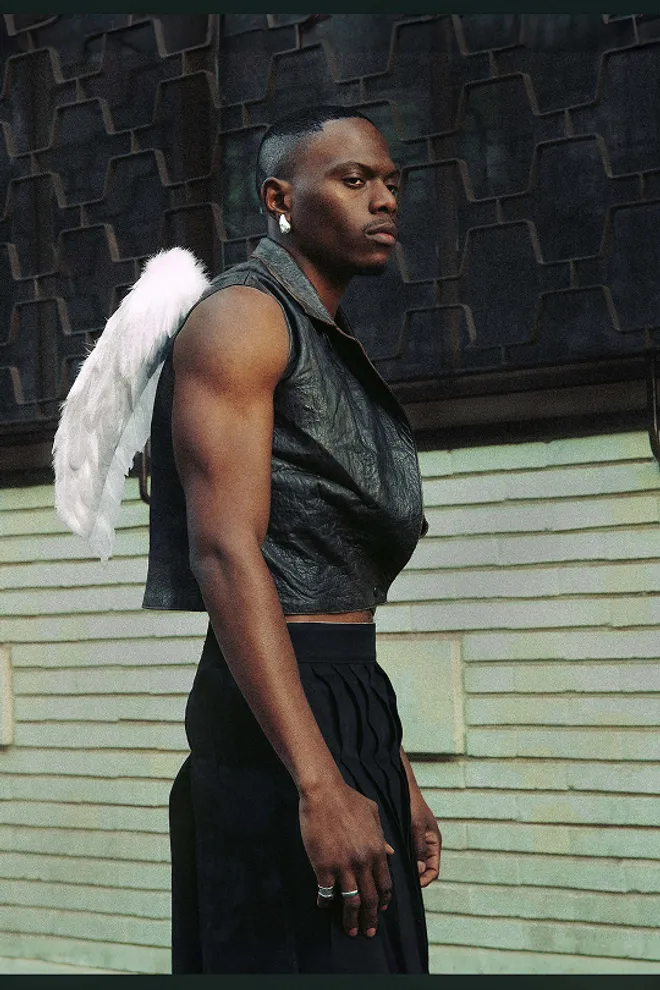
This duality between analytical precision and creative exploration sits at the core of his practice. Outside of his 9–5, his work explores existentialism, focusing on desire, philosophy, and faith. He creates images that feel both intimate and confrontational, inviting the viewer to question the gap between what is seen and what is felt.

Over the past four years, he has worked within South Africa’s creative and entertainment space, producing visual content for high-profile clients, including collaborations connected to Netflix productions and local celebrities.

His work includes song and album artwork, with notable projects such as Heart of the Hunter, How to Ruin Love, and Kandasamys, where he assisted with the post-production of images, lighting, and digi-tech for their press junkets.

Thando has also contributed as an assistant for photography, lighting, editing, and as a runner for podcast productions including Five Minute Call, The Hustlers Corner, and Here’s a Thought.
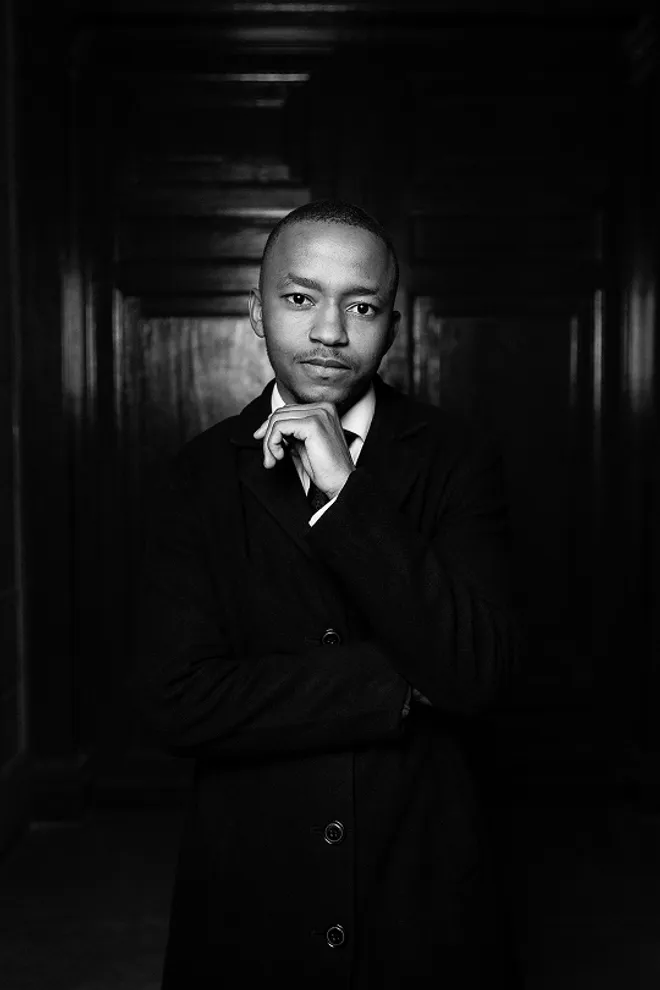
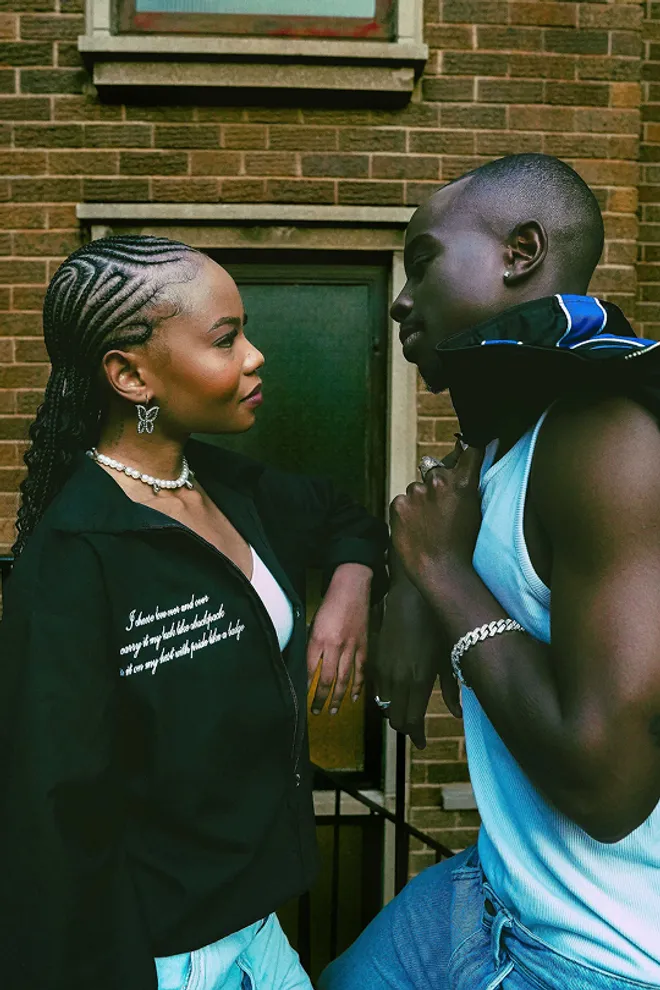
Thando Radebe - South African photographer

How did you get started in photography?

There wasn’t a single defining moment, but rather an accumulation of experiences that gradually pulled me in. My mother was a photographer in her youth, and growing up in a home filled with printed images meant I was exposed to photography early on, even if I didn’t fully recognise its influence at the time.

At school, Norkem Park High opened me up to creative spaces in a way I hadn’t experienced before. Then, during my second year at university, photography became both an outlet and a way to step out of my shell while earning on the side. A close friend, Theo Ralele, showed me how to handle a camera, and that is where things started to take shape.

A defining shift came when I saw a close-up portrait by Stchel Cedric; it changed how I understood the medium. That was the moment I realised photography has depth and layers, and that being new to it didn’t limit how seriously I could approach it. About a year later, I began working with Function Studios, co-founded by Ikanyeng Rammutla.

Being in that environment, surrounded by other creatives, pushed me further and gave the work a new level of intent. What started as curiosity gradually became something I cared deeply about and, eventually, something I could not ignore.

How would you describe yourself?

I would describe myself as someone who moves fluidly between different worlds. By day, I operate in finance with a structured, analytical mindset. In my creative work, I step into a more instinctive and expressive space as a director. That tension between logic and intuition shapes how I see and approach everything.

Around people close to me, I do not take myself too seriously. I joke a lot and I am light-hearted, but there are also moments where I am completely locked in, focused, and detail-driven. That balance is likely a reflection of my actuarial background meeting my creative instincts.

I am drawn to experiences that carry intensity and presence — whether that is the rush of activities like karting or bungee jumping, the energy of live music, or being in spaces where culture feels alive and immediate. At the same time, I value stillness, spending time at home watching films or studying.

My taste in music is wide, but I am especially drawn to artists like Kendrick Lamar for the level of detail and intention in his work. Films like The Devil’s Advocate resonate with me for how they interrogate vanity and human desire, while series like Snowfall reflect layered storytelling and character depth.

I am particularly drawn to performances by Denzel Washington and Leonardo DiCaprio for their intensity and range. In football, players like Lionel Messi and Eden Hazard stand out to me for their creativity and feel for the game.

"I’m intentional about collaborating with people who are often overlooked... It’s about shifting perspective and creating space for stories that aren’t always centred."

What are the main themes that inspire your photography?

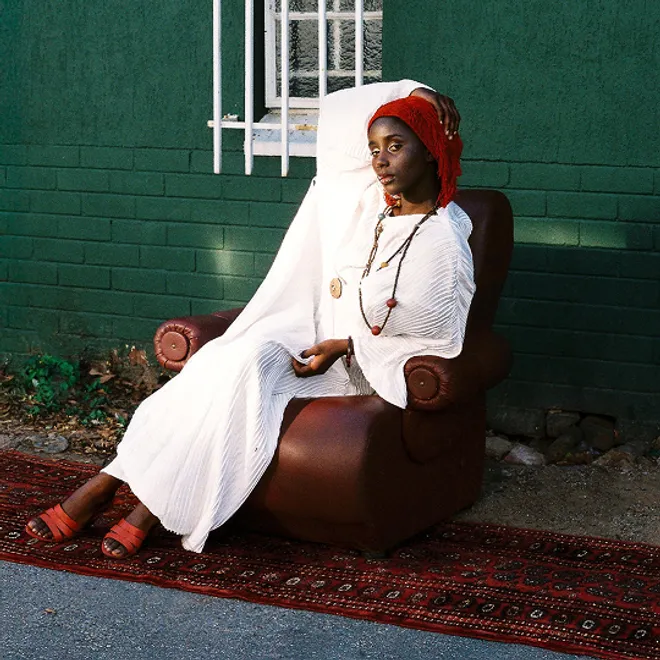
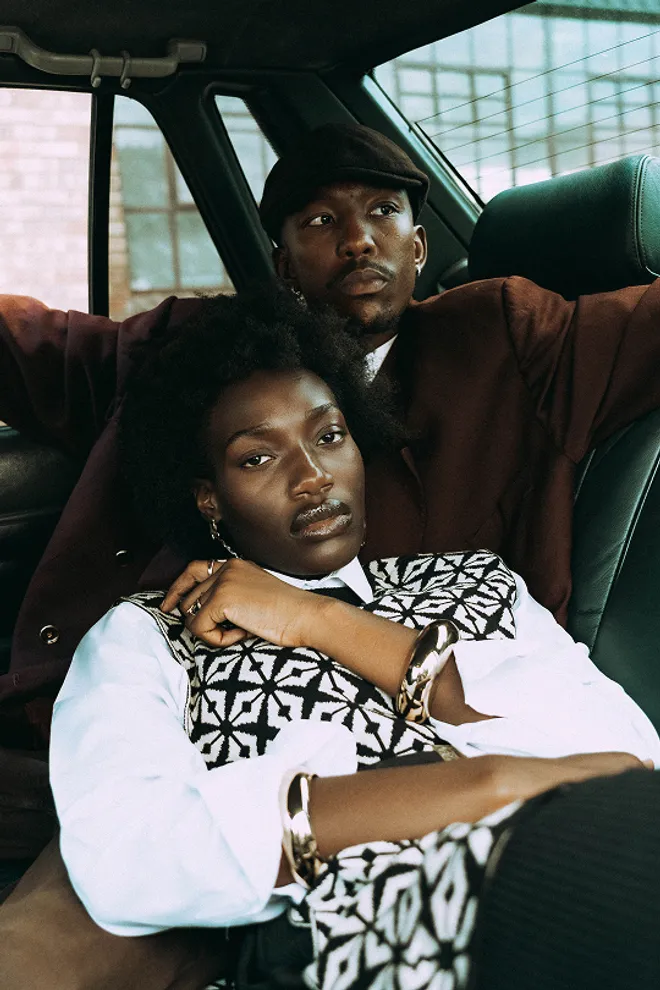
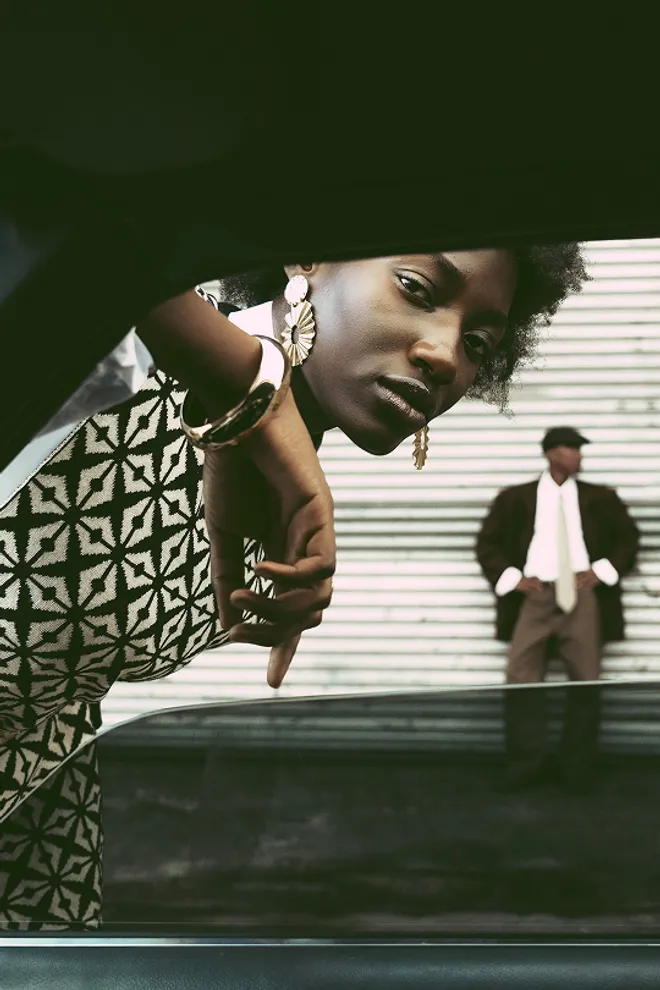
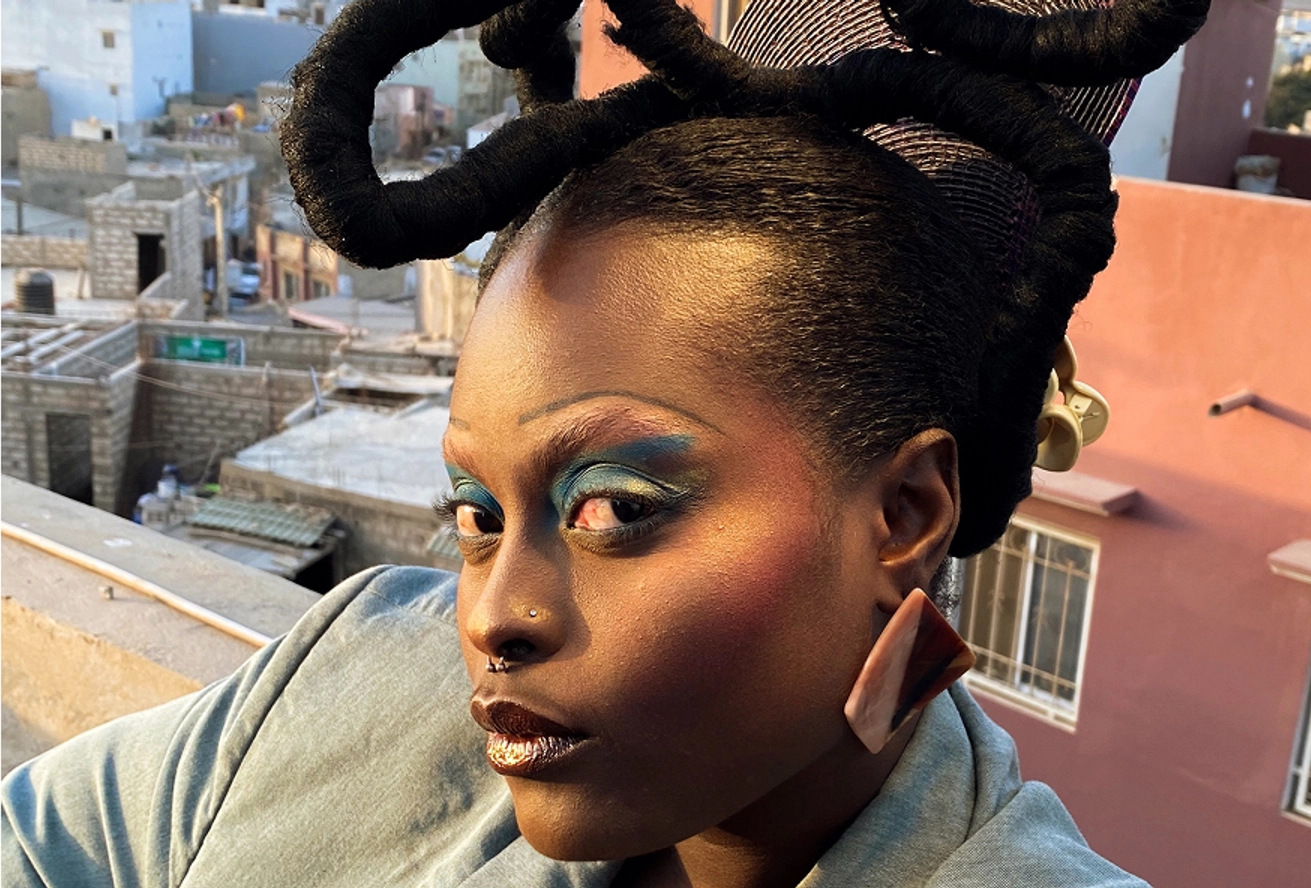
Storytelling sits at the centre of everything, with moody and cinematic tones. I am drawn to African narratives, history, and political undertones — often layering those with elements of philosophy, femininity, and representation.

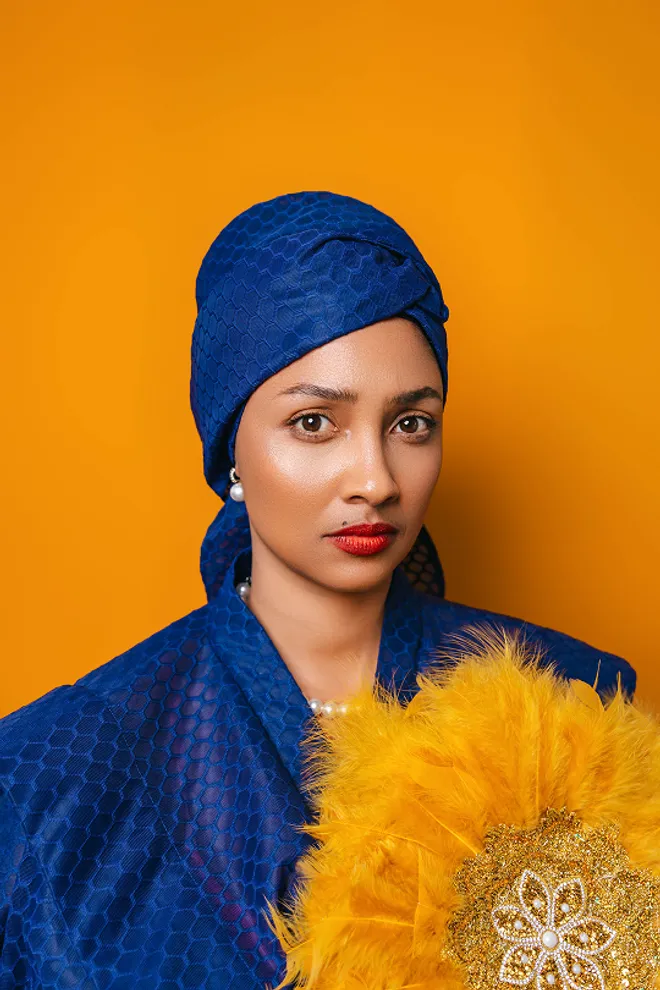
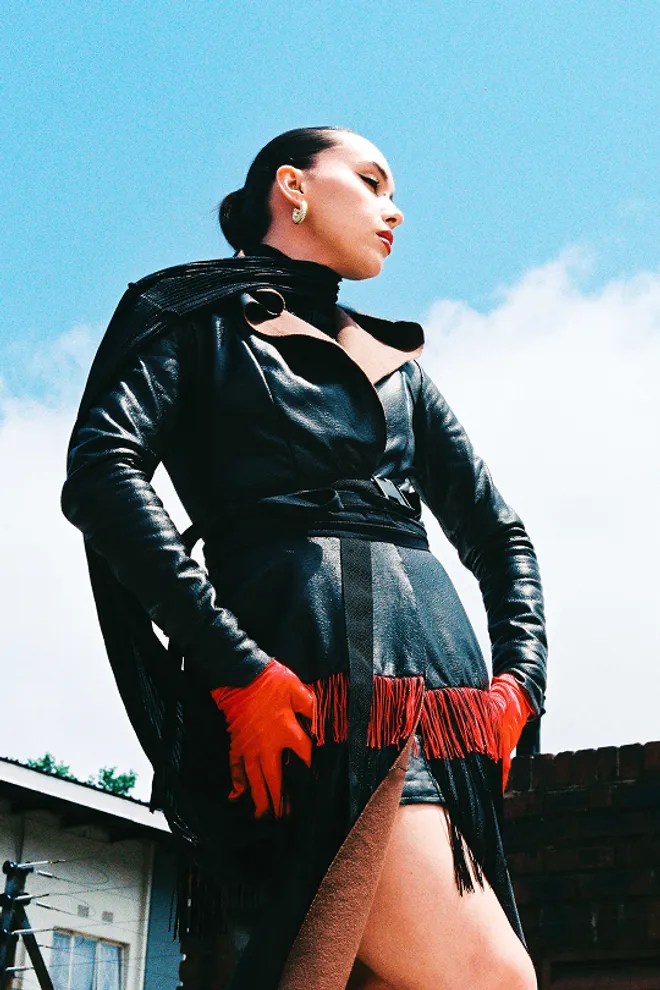
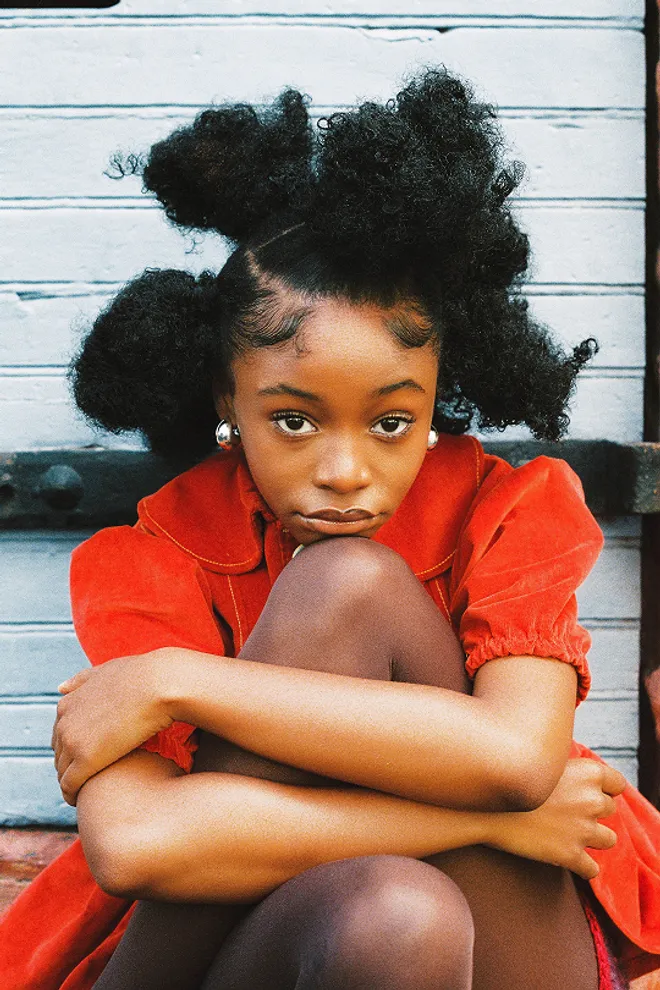
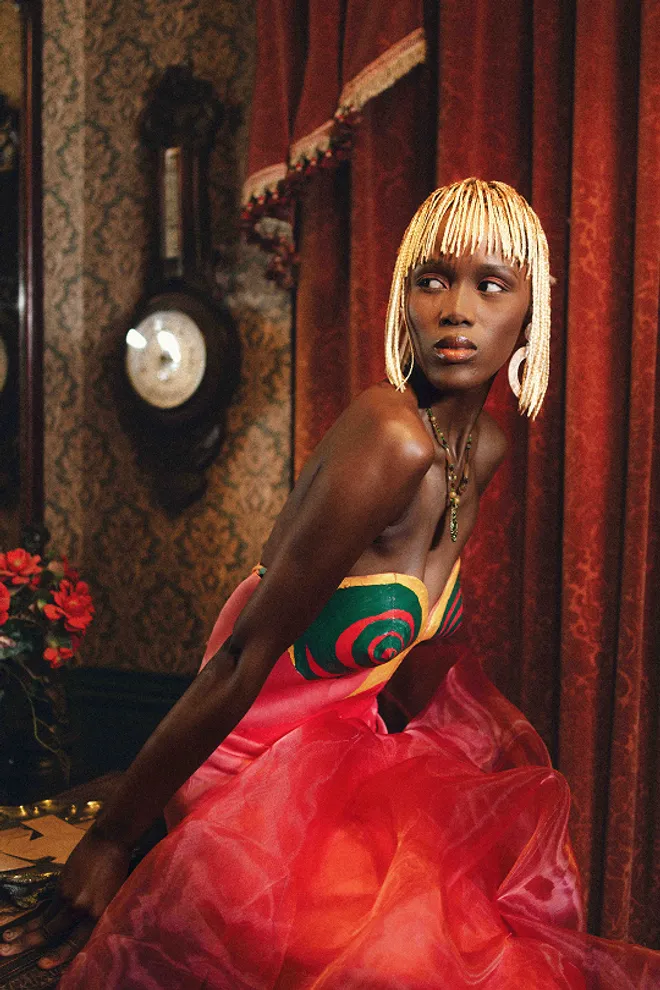
Additionally, a lot of my work features women, not by accident, but as a way of exploring strength, softness, and the complexity of identity beyond surface-level portrayals.

Research plays a key role in my process. I spend time building each concept so the story feels grounded and intentional. That carries through into every detail, from styling and hair to colour palettes, locations, and even how the work is titled. Music is also a major influence; it helps shape the emotional tone of a project and often guides the direction before the first image is even created.

I am intentional about collaborating with people who are often overlooked. Part of that comes from personal experience, but it is also about shifting perspective and creating space for stories that are not always centred.

What moment in your career are you most proud of?

It is difficult to isolate a single moment because what I am most proud of is the range of paths I have been able to pursue with intention. From being one of the youngest football players from my town to compete in the SAB League, to achieving top academic recognition in matric, and later graduating with Honours in Actuarial Science from the University of the Witwatersrand, each phase reflects a different side of how I have pushed myself.

In photography, working on sets connected to Netflix while still at university stands out. Being self-taught and contributing to lighting and digi-tech on those productions showed me how far the work can travel when it is approached with discipline.

That said, the project that feels most personal is a short film I wrote and produced, set for release later this year. It represents a shift from contributing to other people’s visions to building something of my own from the ground up.

"Rejection forces you to keep refining your work and your approach."

What is the biggest challenge you've faced as a photographer?

Rejection. Putting everything into a shoot — aligning people, ideas, and logistics — and then getting a "no" or being ignored when it is time to execute. Over time, I have learned to see those moments differently. Sometimes it is redirection; sometimes it is timing. Either way, it forces you to keep refining your work and your approach.

What type of photography do you specialise in, and why this speciality?

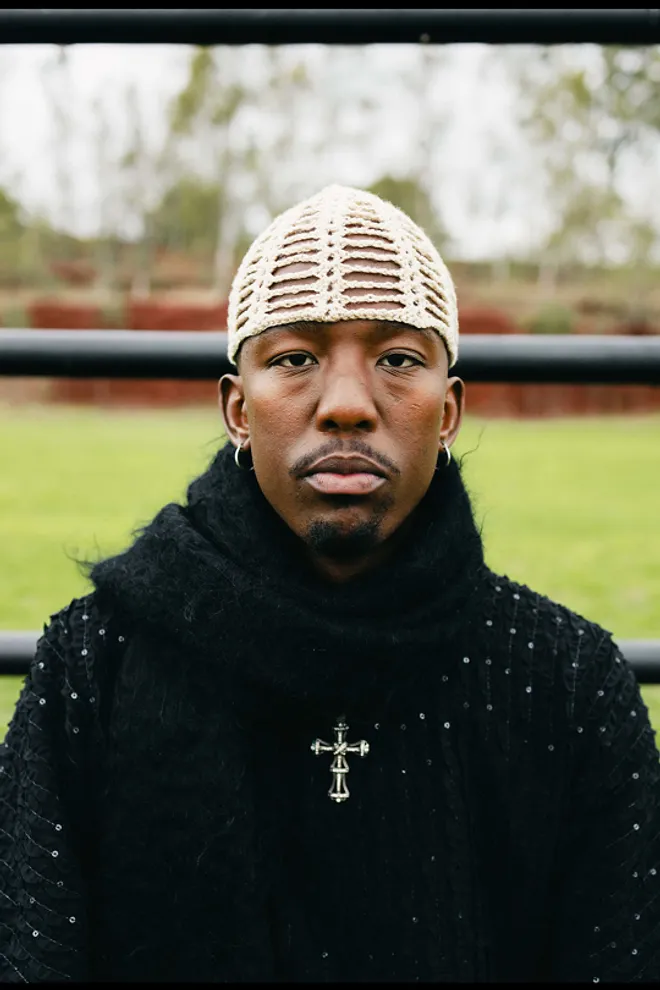
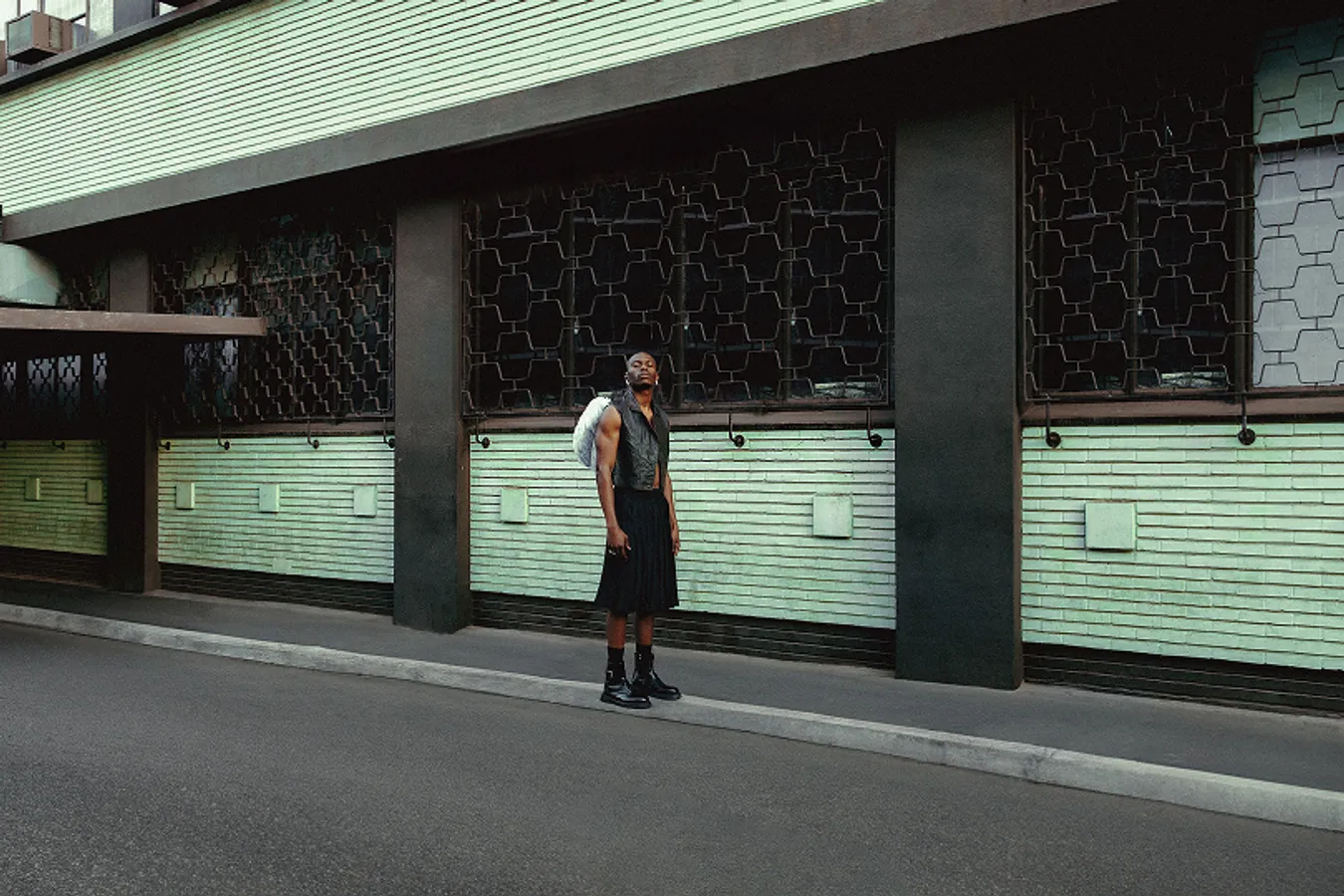
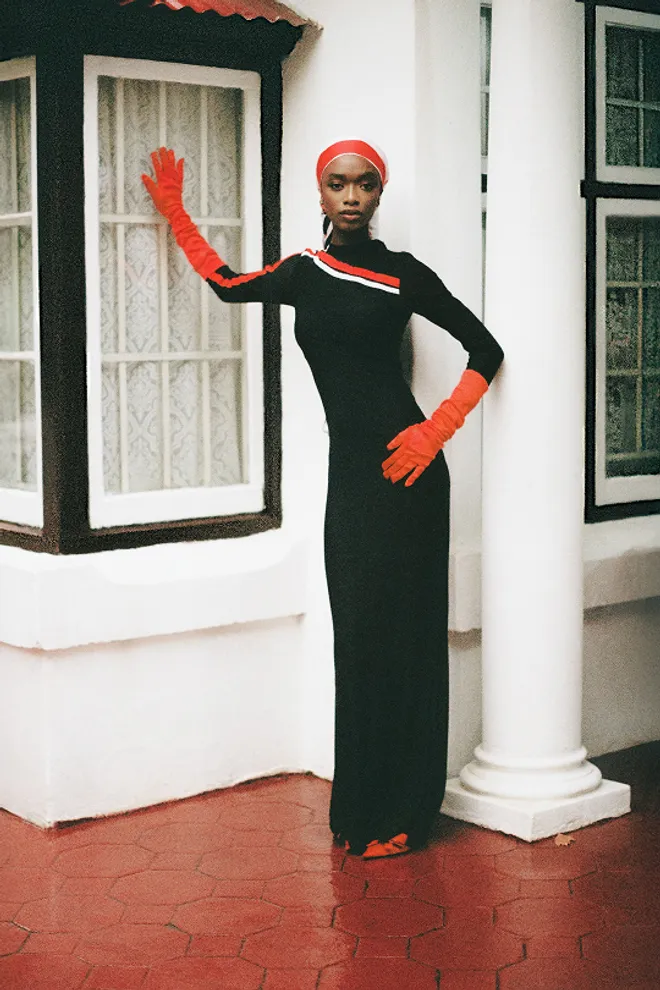
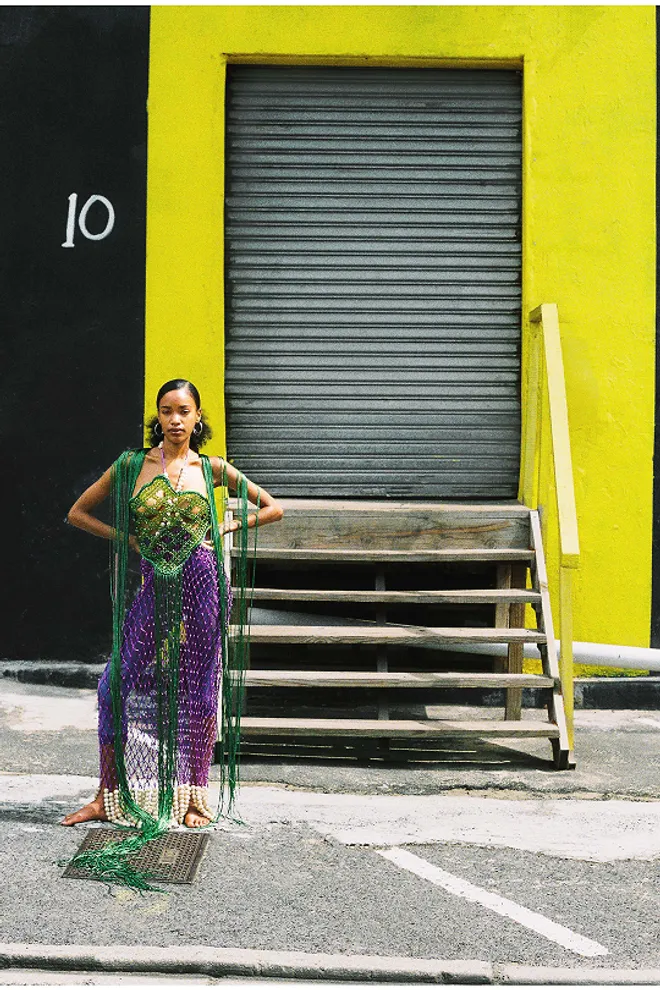
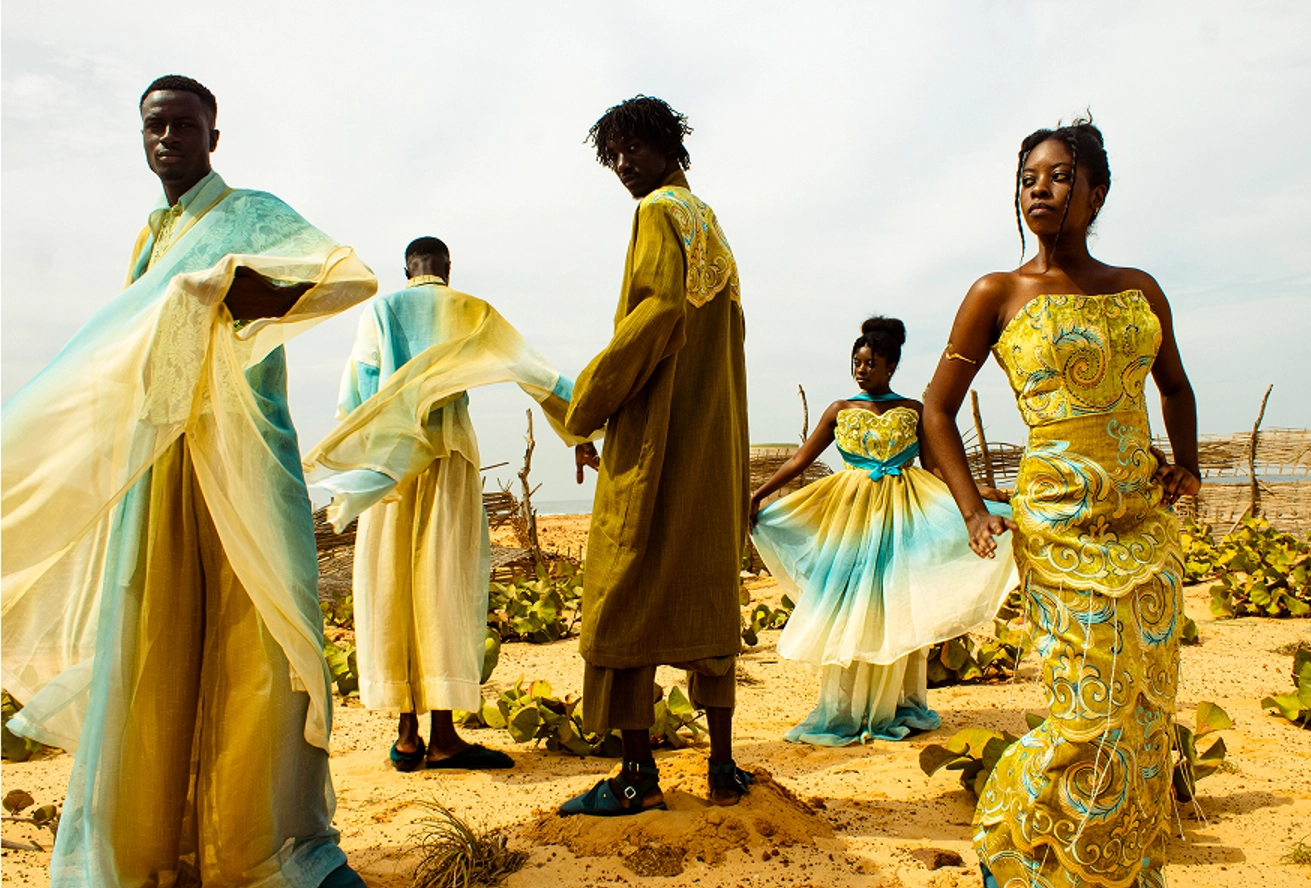
I specialise in editorial photography — fashion, conceptual portraiture, and cultural commentary — with a focus on work that carries narrative depth and conceptual intent.

My approach has shifted from prioritising aesthetics to prioritising meaning. The image still needs to hold visually, but it also needs to communicate something, whether that is tension, identity, or a deeper underlying story.

There is also a non-conformist thread in how I approach my work; I am less interested in fitting into established visual norms and more focused on building images that feel deliberate, layered, and slightly disruptive in how they present familiar subjects.

What is your primary commercial niche?

My work sits at the convergence of brand campaigns and identity-driven work, particularly projects that shape how a brand is perceived within culture.

I focus on building visual narratives that go beyond product or surface-level aesthetics, using storytelling to position brands in a way that feels intentional and culturally aware.

Most of the work I am drawn to exists at the intersection of commercial and cultural storytelling, where the imagery contributes to a broader identity that has a long-term impact rather than a single campaign output.

"Everything starts with the emotion I want to capture and the story."

What is your unique technical or visual approach?

Everything starts with the emotion I want to capture and the story. I begin by immersing myself in the mood of a concept, often through music. From there, I distil the feeling into key ideas that guide the visual direction. Rather than treating production as a fixed plan, I use these ideas as anchors that allow the work to evolve while staying emotionally consistent.

I collaborate closely with my business partner, Sibusiso Twala, particularly on styling and creative direction, to ensure every visual decision supports the narrative. The aim is always cohesion between emotion, styling, and environment rather than treating them as separate layers.

From there, the broader team is brought in to expand the world of the project. Each contributor adds to the story, but within a clear emotional and conceptual framework. In post-production, I refine the work based on where it will live, making sure the final output aligns with both the intended audience and the platform it exists on, without losing the original emotional core.

Which global brands, photographers, or industries do you feel your work aligns with most?

I am drawn to work that carries strong cultural narratives. Brands like pgLang stand out for how they connect identity and storytelling. Photographers I resonate with include Aart Verrips, Adrienne Raquel, and Gabriel Moses, as well as a range of South African talents shaping the space in their own way.

How is the photography and art space in South Africa?

In South Africa, especially in Johannesburg, there is a lot of untapped talent. There is growth and opportunity, particularly for those connected to the right networks or agencies, but there is also gatekeeping.

At the same time, more creatives are pushing for global relevance and ownership of their narratives. It is fair to say the art space is in capable hands, yet for many, it remains financially unsustainable, limiting their ability to pursue the work they truly want to create.

“I focus on building visual narratives that go beyond product or surface-level aesthetics, using storytelling to position brands in a way that feels intentional and culturally aware.”

What is one professional standard you never compromise on?

Quality. No matter the budget or circumstances, the final image has to reflect a standard that I am proud to attach my name to.

What do you think of the 54Ruum platform?

54Ruum is an important platform — by creating visibility for African creatives and building a sense of community, which is necessary for growth at scale.

Credits

Photography

Thando Radebe

Text

Kelvin Otum

Curation

guvnor

SHARE THIS STORY

More Stories

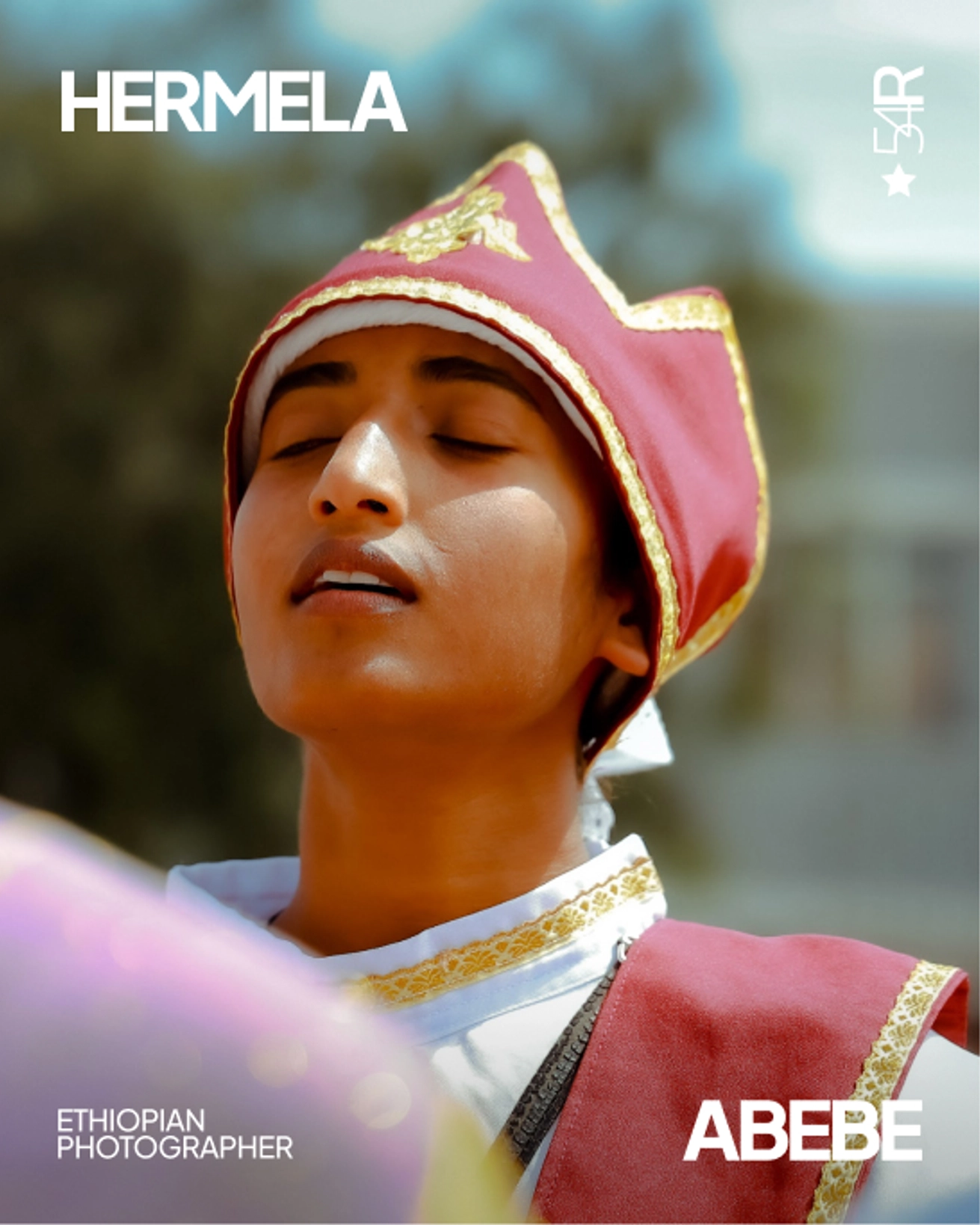
Hermela Abebe: Ethiopian street and portrait photographer documenting faith, heritage, and urban life
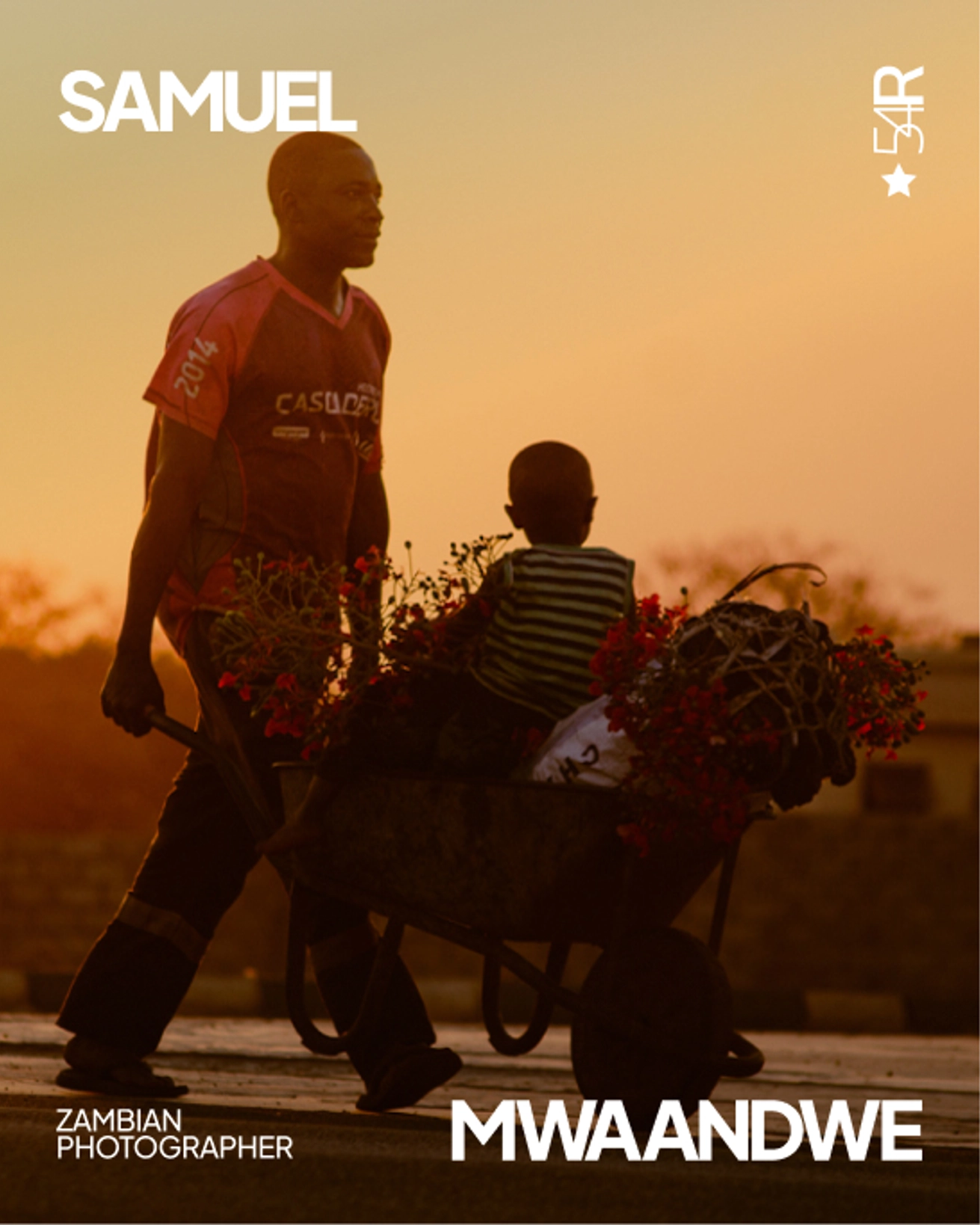
Samuel Mwaandwe: Zambian street and documentary photographer capturing quiet poetry in ordinary scenes
Mame Mor Thiam: Senegalese fine-art architecture photographer exploring identity, heritage, and modern life
Tshidiso Mothusi: South African fashion and portrait photographer exploring identity, space, and perception
Stanley Afful: Ghanaian portrait and storytelling photographer exploring identity and cultural resilience
Benjamin Adjei Abayie: Ghanaian documentary and editorial photographer preserving cultural memory
Allan Aligula: Kenyan documentary and observational photographer capturing quiet human-centred narratives
Thabisa Nxawe: South African fashion and portrait photographer exploring identity, culture, and emotion
Ahmad Mansour: Egyptian street and documentary photographer expressing the quiet poetry of everyday life
Bade Fuwa: Nigerian fine art and storytelling photographer expressing the human experience and spirituality
Klever Gbode: Beninese fashion and editorial photographer exploring movement, silence, and emotion
Gertrude Sigonda: Tanzanian performance and documentary photographer capturing human connection and unscripted moments
Rijasolo: Franco-Malagasy humanistic documentary photographer expressing identity and the soul of Madagascar
Langelihle Mawela: South African portrait and digital artist capturing spiritual higher selves
Mohamed Fullah: Liberian street photographer capturing everyday emotion and culture