Rijasolo: Franco-Malagasy humanistic documentary photographer expressing identity and the soul of Madagascar

9 mins read
Published15 Apr, 2026

“Photography came to me naturally as the best medium to be an artist creating from the real world.”

Rijasolo is a Franco-Malagasy photographer whose work lies at the intersection of the intimate and the social, marked by a deeply humanistic perspective on the world around him. Born in France, he returned to Madagascar in 2004 after two decades of absence.

That return to his roots became a personal journey — a turning point that gave birth to MIVERINA, a photographic project about distance, memory, and the complex bond with one’s land of origin.

Born in France, he returned to Madagascar in 2004 after two decades of absence. That return to his roots became a personal journey — a turning point that gave birth to MIVERINA, a photographic project about distance, memory, and the complex bond with one’s land of origin.

He soon turned to photojournalism, studying at EMI-CFD in Paris. In 2007, he covered the French presidential campaign before co-founding the Riva Press collective, driven by a shared commitment to independent photography. Beyond the immediacy of current events, his work is rooted in slowness and proximity.

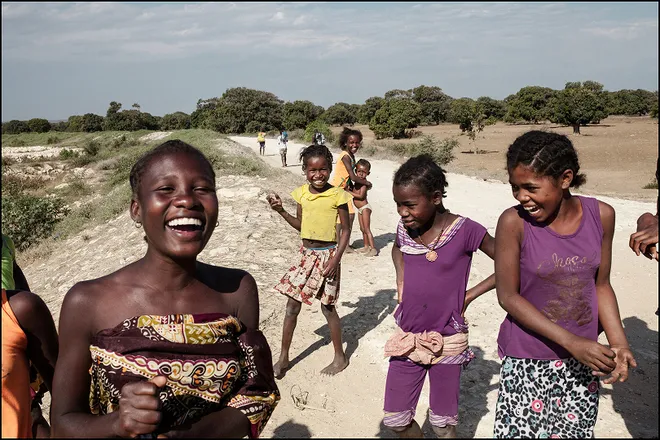
Based in Antananarivo since 2011, Rijasolo has developed an approach in which traditional documentary gradually gives way to something more sensory, almost organic. His images depict reality, yet leave room for doubt, emotion, and the state of the world as it is felt in bodies and spaces.

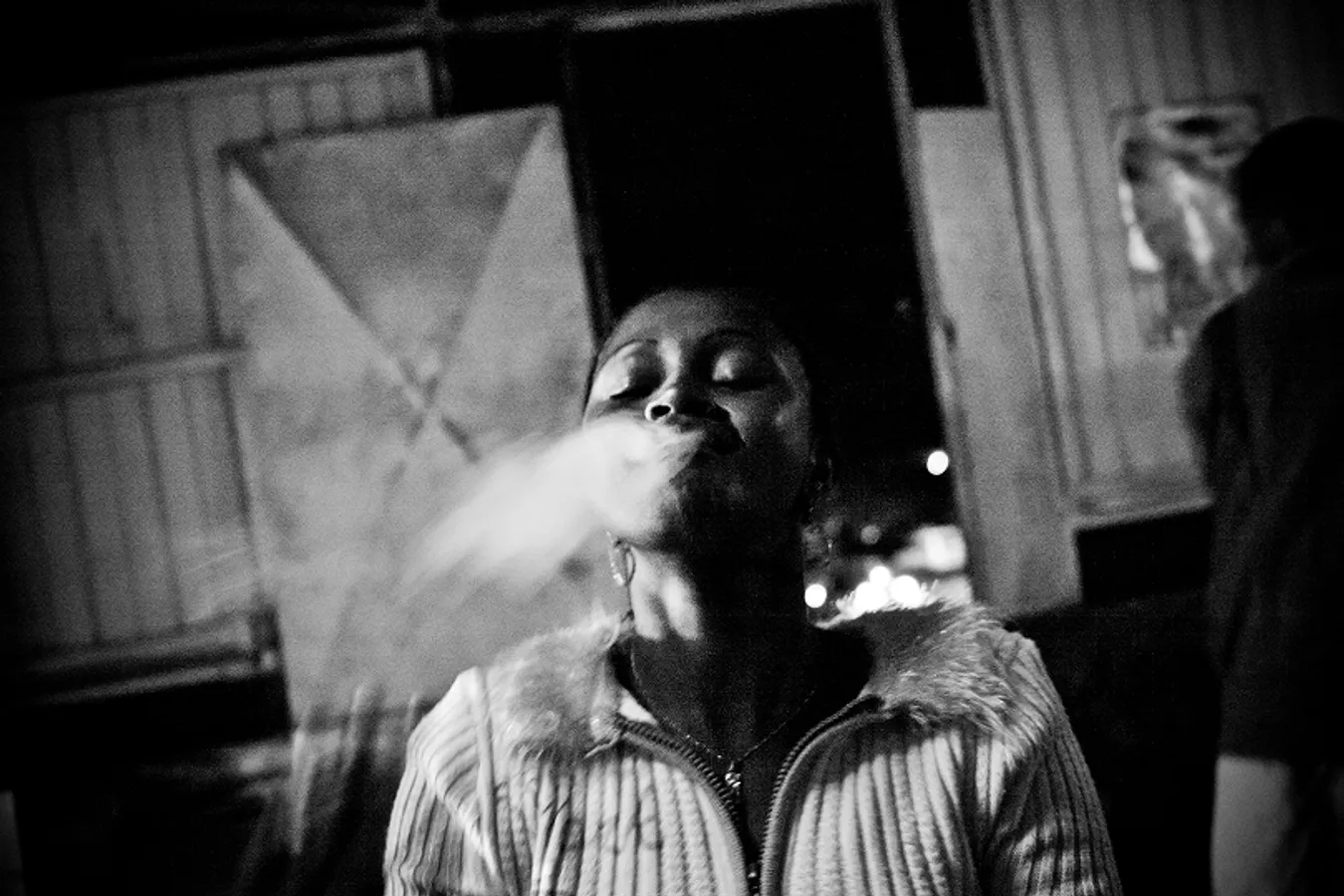
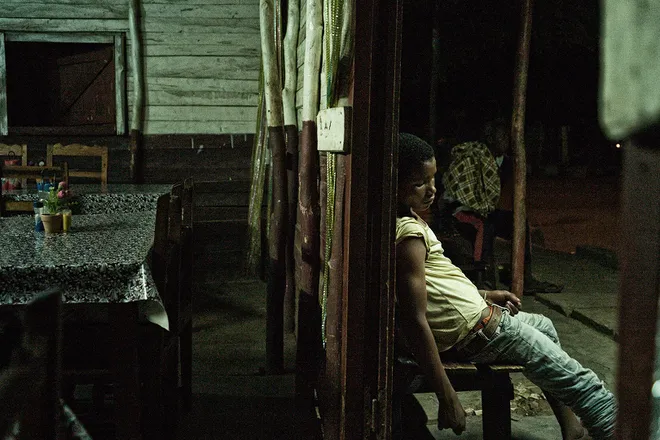
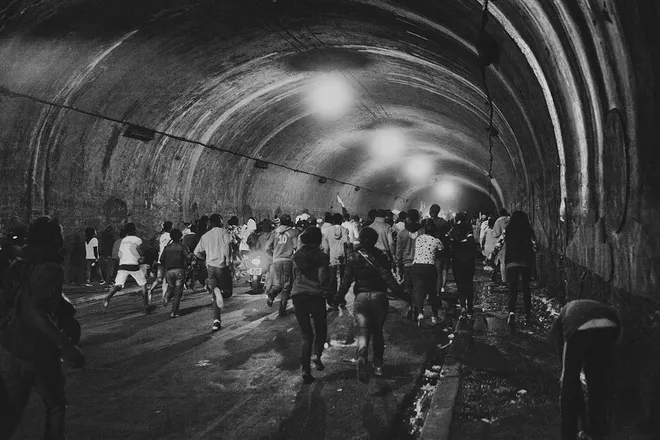
In 2013, he published Madagascar Nocturnes (no comment® editions), a book about Malagasy nightlife — zones of shadow, artificial light, and intersecting solitudes — which reflects his affinity for ambiguous atmospheres and quiet narratives.

His work, shaped by a strong social consciousness, has been recognised with several awards, including the Leica 35 mm Wide Angle Contest in 2010, the PARITANA Contemporary Art Award in 2019, and the World Press Photo Award for Africa (Long-Term Project category) in 2022.

Rijasolo continues to collaborate with the press (Agence France-Presse, Le Monde, Libération, Geo, Paris Match) while pursuing more personal projects in Madagascar and beyond.
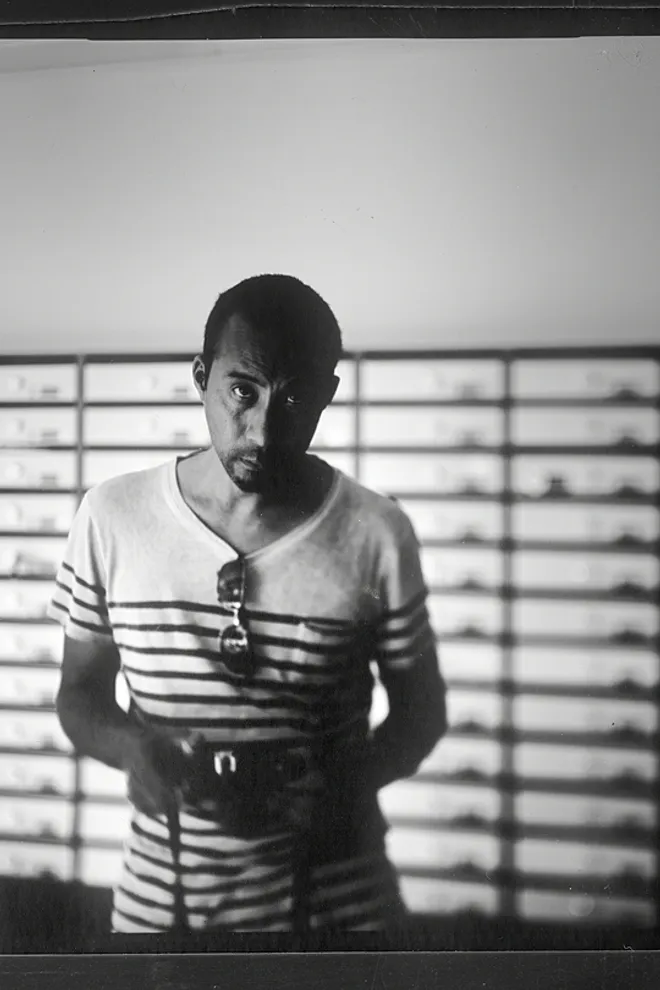
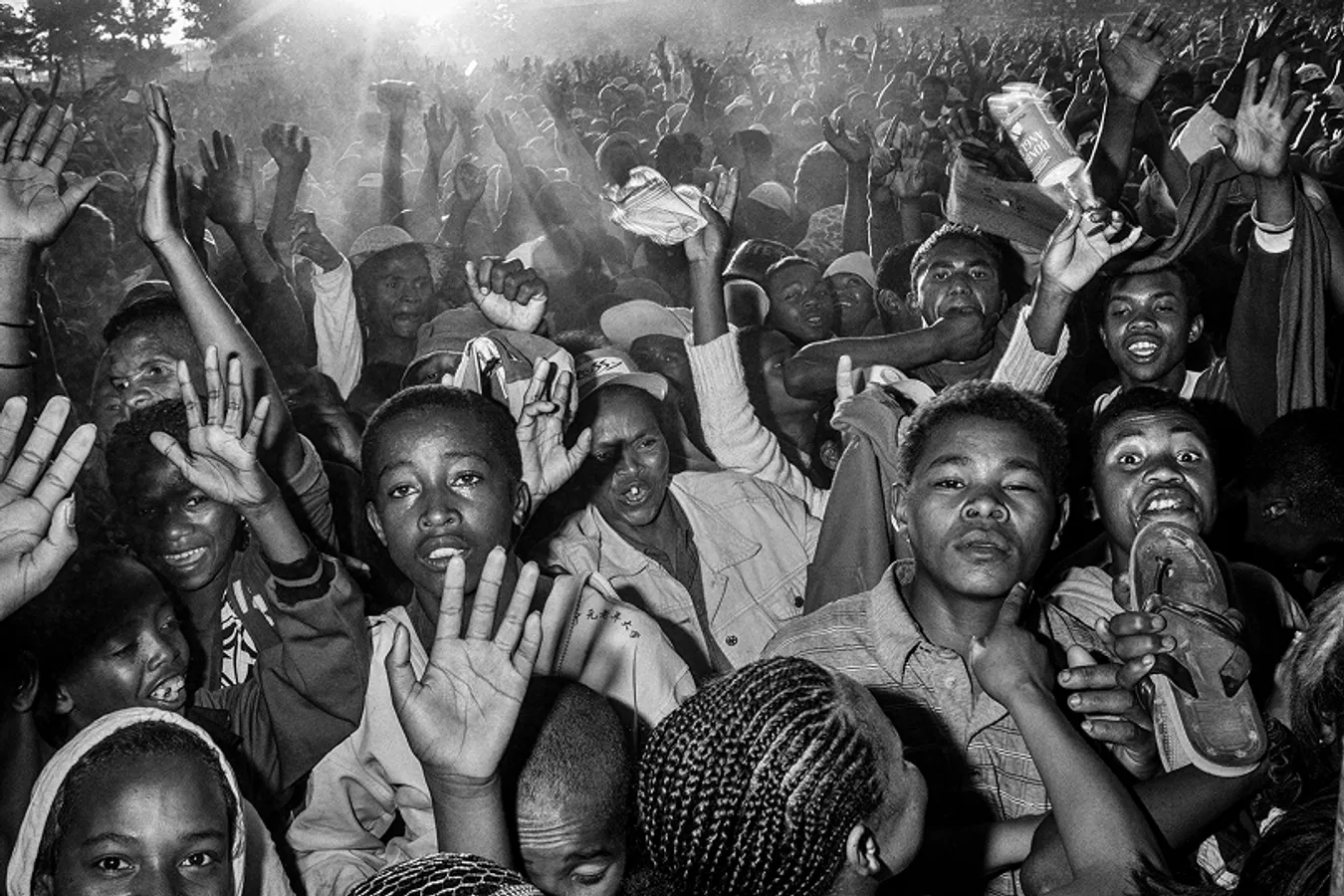
Rijasolo - Malagasy documentary photographer

How did you get started in photography?

I have always been drawn to visual arts — drawing, comic books, painting, and so on — but I needed an artistic and visual practice grounded in reality. Photography came to me naturally as the best medium to be an artist, creating from the real world.

“Personally, I think photography is a way of being present, of staying connected to reality, and of making sense of where I stand.”

How would you describe yourself?

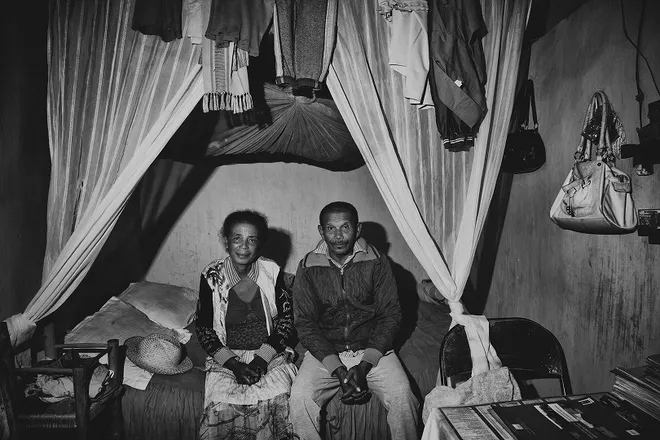
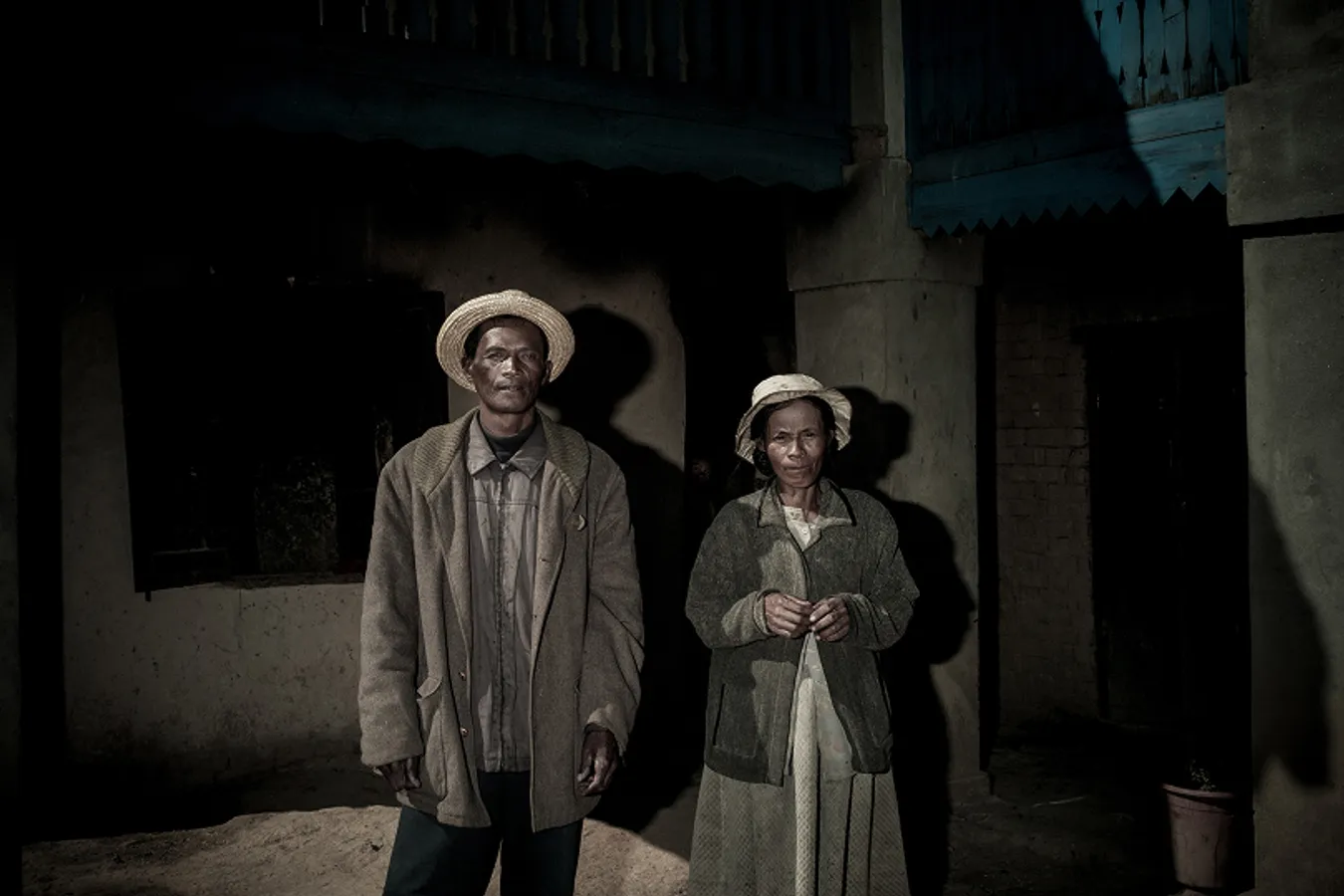
I’m a documentary photographer driven by observation and patience. I tend to observe before acting, taking time to understand what is in front of me. My work is rooted in Madagascar, where I explore the relationship between people, place, and identity. It’s both a personal and ongoing attempt to understand my place within it.

I work slowly; I walk, I wait, and I return. I’m not looking for spectacular moments, but for something more fragile — something that reveals itself over time. Personally, I think photography is a way of being present, of staying connected to reality, and of making sense of where I stand. More than just making images, I think I’m trying to belong.

What are the main themes that inspire your photography?

I’m deeply inspired by questions of identity and belonging, especially within the context of Madagascar. I’m interested in how history, tradition, and contemporary realities coexist and shape everyday life. My work also explores spirituality and the invisible — the underlying forces that influence people’s lives, often in subtle and unspoken ways.

What moment in your career are you most proud of?

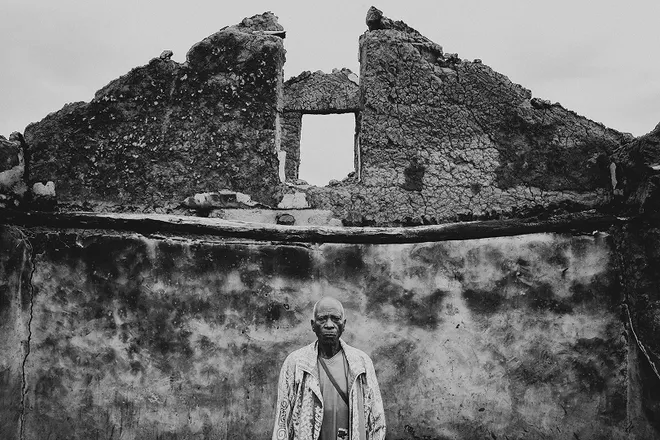
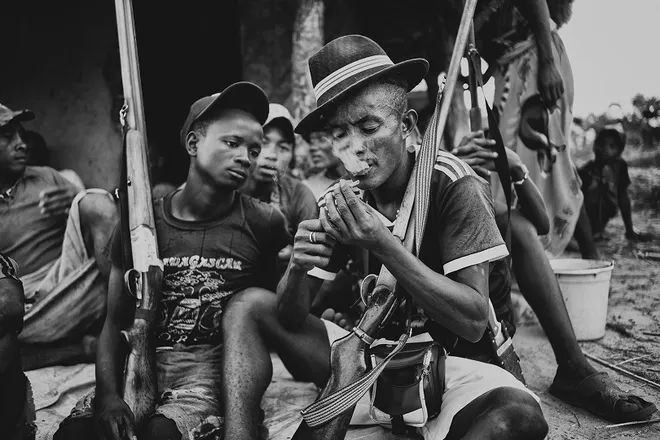
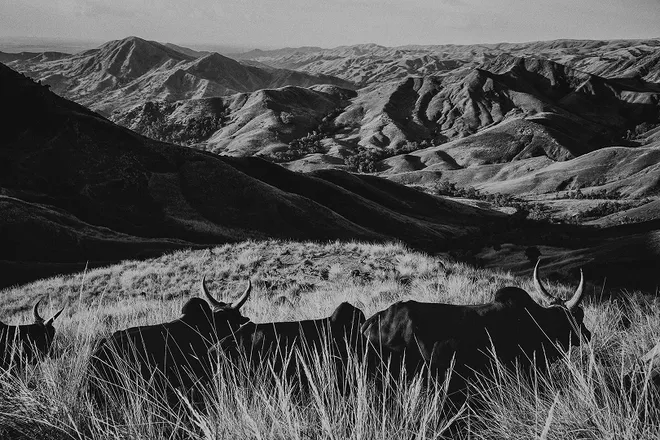
Winning the World Press Photo in 2022 for my eight-year work on the issue of zebu theft in rural Madagascar. Beyond the fact that this typically Malagasy tragic story gained international attention, I am especially proud to have been the first Malagasy photographer to receive this award.

“I aim for a cinematic aesthetic to bring dignity back to my subjects.”

What is the biggest challenge you've faced as a photographer?

Learning to work with uncertainty. Photography doesn’t always give immediate answers — sometimes you spend a lot of time without making images, or without fully understanding what you’re seeing.

I had to accept that not everything can be controlled, and that doubt is part of the process. Working in Madagascar also brings its own challenges — in terms of access, time, and complexity — but it has taught me patience and resilience.

In the end, that challenge became part of my approach: learning to stay, to wait, and to trust the process.

“We are finally reclaiming our own narrative, moving away from colonial clichés to show the raw, poetic reality of the island.”

What is your primary commercial niche?

Given my background as a documentary photographer, I am frequently commissioned by NGOs and international institutions to produce photo essays that primarily support their activity reports or communication departments. I am also regularly commissioned by international magazines.

“My visual signature naturally fits with ethical global brands and organisations that prioritise authenticity and human heritage over polished commercialism.”

What type of photography do you specialise in?

I specialise in humanistic documentary photography, focusing on the social and cultural landscapes of Madagascar to give a voice to the 'unseen.' I chose this path because I believe in photography as a tool for social consciousness, blending my personal search for roots with a deep commitment to capturing the dignity of my subjects.

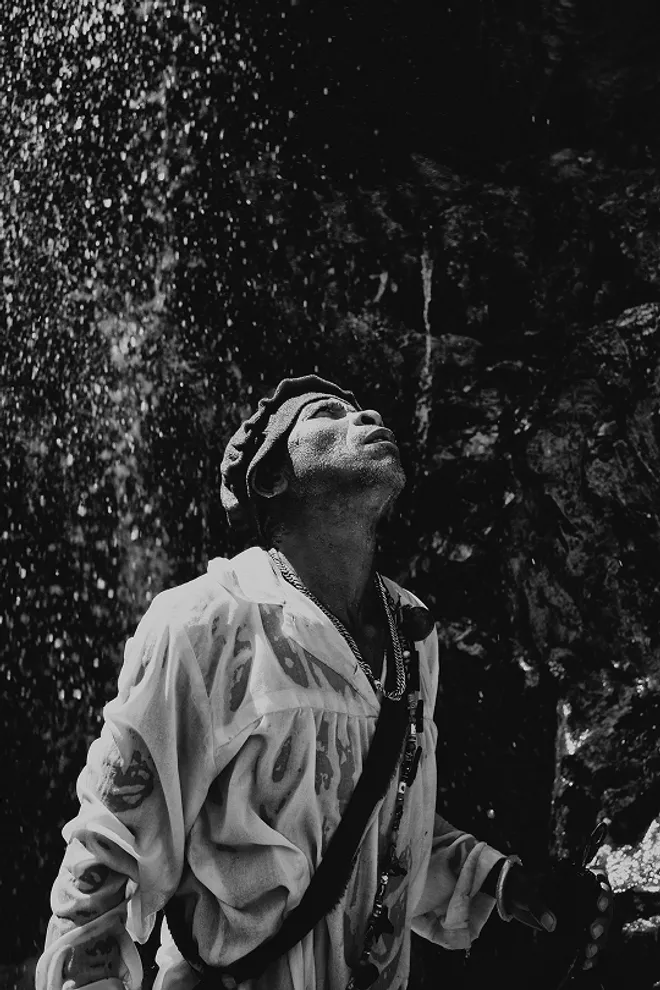
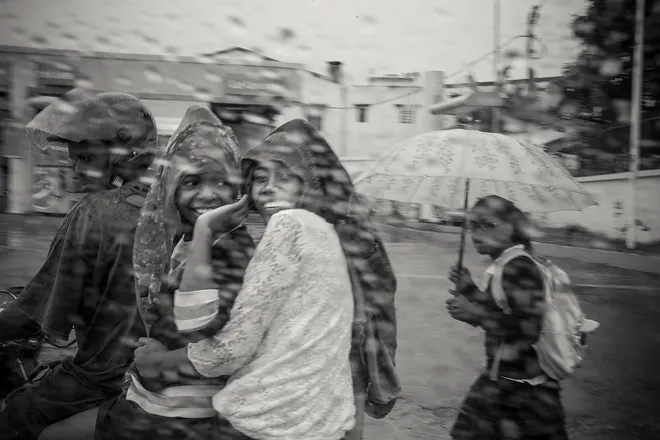
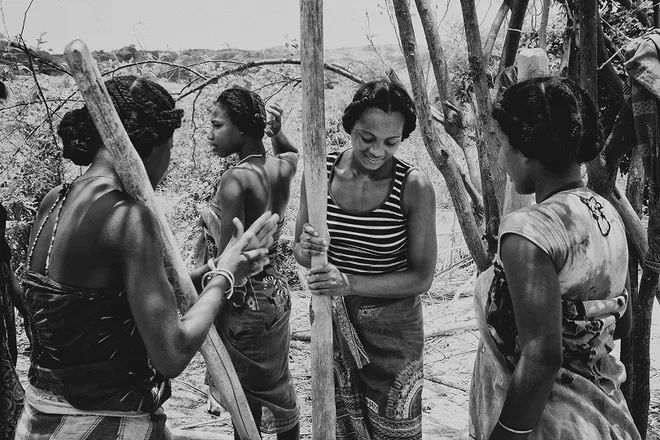
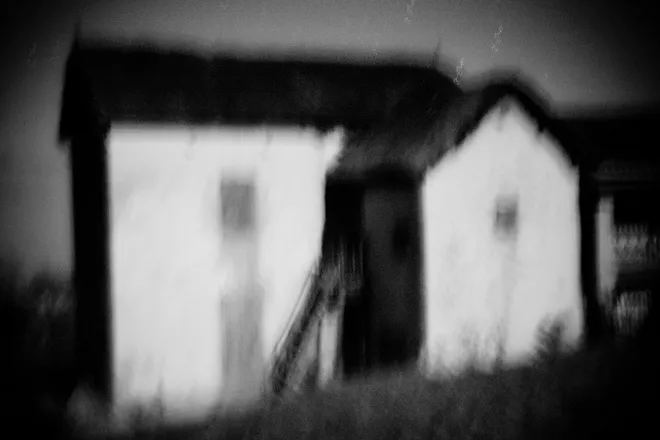
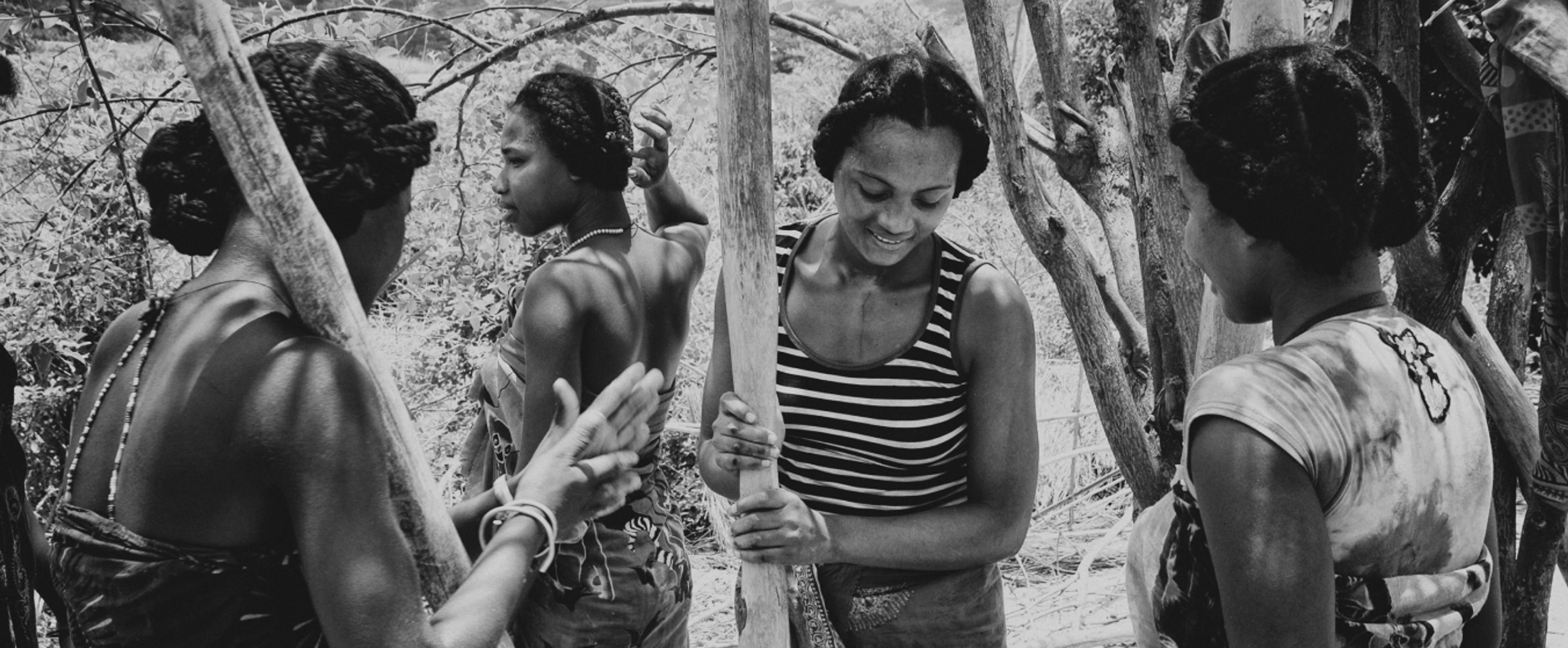
Over time, my style has evolved from classical, fast-paced photojournalism toward a poetic, long-form narrative. I now favour a more contemplative approach, often using high-contrast black and white to strip away distractions and reveal the raw, timeless 'soul' of the Malagasy spirit.

What is your unique technical or visual approach?

My approach is documentary poetry. I do not steal shots from a distance; I work with wide-angle lenses to get as close as possible to people and capture true intimacy.

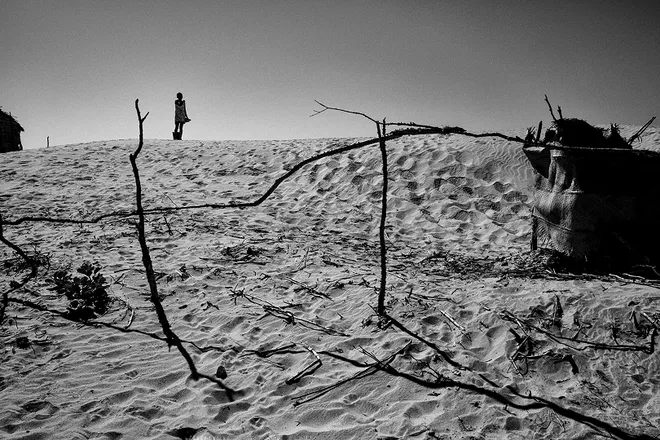
Visually, I love high-contrast black and white and organic textures that feel like film. Whether it’s in the dust of the South or the streets of Tana, I aim for a cinematic aesthetic to bring dignity back to my subjects.

Basically, I wander, I take my time, and I try to capture the soul of Madagascar, not just the news.

Which global brands, photographers, or industries do you feel your work aligns with most?

My work aligns with the humanist tradition of documentary photography, where the aesthetic serves the story. I feel a strong creative connection to the raw, high-contrast mastery of Sebastião Salgado and the immersive, close-up approach of Paolo Pellegrin, who both transform harsh realities into cinematic narratives.

I also draw inspiration from the atmospheric storytelling of Jacob Aue Sobol for his intimate, gritty textures. My visual signature naturally fits with ethical global brands and organisations that prioritise authenticity and human heritage over polished commercialism — such as National Geographic or international NGOs like Doctors Without Borders (MSF).

Ultimately, my work is for those who believe a photograph should not just document a situation, but capture the very soul and dignity of its subjects.

How's the photography and art space in Madagascar?

The photography scene in Madagascar is in full explosion. We are finally reclaiming our own narrative, moving away from colonial clichés to show the raw, poetic reality of the island.

While resources can be scarce, this has fuelled a unique, resourceful creativity. To help structure this energy, I co-founded Mira Photo, a collective dedicated to social and documentary photography.

We focus on telling our own stories with dignity and depth. Between major hubs like Fondation H and grassroots movements like ours, Madagascar is becoming a powerful, independent voice in the global art space.

What is one professional standard you never compromise on?

Dignity. No matter how harsh or difficult the situation I am documenting, I refuse to 'steal' a photograph or exploit suffering for the sake of a sensational image.

“I chose this path because I believe in photography as a tool for social consciousness, blending my personal search for roots with a deep commitment to capturing the dignity of my subjects.”

What do you think of 54Ruum?

I see 54Ruum as a strategic bridge to amplify Malagasy stories globally. My goal is to turn local intimacy into a global conversation by connecting my long-term documentary projects with high-end collectors, ethical brands, and NGOs.


Credits

Photography

Rijasolo

Text

Kelvin Otum

Curation

guvnor

SHARE THIS STORY

More Stories

Langelihle Mawela: South African portrait and digital artist capturing spiritual higher selves
Mohamed Fullah: Liberian street photographer capturing everyday emotion and culture
Nahom Nigussie: Ethiopian street and documentary photographer documenting urban life and transformation
Nader Adem: Ethiopian portrait and documentary photographer exploring heritage, identity, and human dignity
Aïsha Fadonougbo: Beninese art editorial photographer exploring the sensory richness of African identity
Pape Malamine Diop: Senegalese artistic photographer exploring identity, culture and visual storytelling
Emmanuel Nkhuwa: Zambian portrait and event photographer documenting cinematic everyday moments
Puleng Mongale: South African self-portrait and digital collage photographer exploring identity, spirituality, and womanhood
Natalia Msungu: Tanzanian street and documentary photographer expressing the evolving textures of the African urban landscape
Jessica Eshete: Ethiopian fashion and portrait photographer exploring emotion, identity and cultural expression
Meklit Fekadu: Ethiopian portrait and fashion photographer exploring identity and human connection
Roberto Tchoko: Beninese portrait and documentary photographer expressing identity, spirituality, and dignity
Gnagna Guèye: Senegalese street and black-and-white photographer exploring everyday life, women, and quiet moments
Aton Tsiba: Congolese fashion photographer exploring identity, memory and culture
Mulenga Mukonda: Zambian abstract and architectural photographer expressing the extraordinary within everyday life
Tinashe Sithole: Zimbabwean abstract mobile photographer exploring imperfection, colour and emotional depth
Surafel Dejene: Ethiopian street and portrait photographer capturing authentic human emotions
Erica Aryee: Ghanaian fashion, documentary and lifestyle photographer capturing everyday Ghanaian life and emotional storytelling
Dawit Geremew: Ethiopian fashion and documentary photographer capturing authentic Ethiopian stories
Sandile Hlela: South African street and fashion photographer capturing Kasi culture and youth identity
Shawn N. Hounkpatin: Beninese fashion, art and documentary photographer exploring identity, memory and Black utopia
Hamza Ajbabdi: Moroccan portrait and street photographer capturing genuine human stories
Jones Martey: Ghanaian fashion and editorial photographer exploring Afro-modern narratives and refined visual storytelling
Lidudumalingani: South African documentary photographer exploring history, colonialism and the human spirit
Ngwane "Kreative" Kwame: Cameroonian fine art and documentary photographer documenting social causes and environmental decolonisation
Ousmane Dembele: Senegalese art director capturing melancholia and natural themes
Munyabarame Fidele Gisa: Rwandan documentary photographer exploring connection, community and authenticity
Katiso Hlabana: Mosotho fine art and portrait photographer capturing identity, heritage and the modern African narrative
Adam Mengistu: Ethiopian documentary and travel photographer capturing human stories across borders
Oleg Steve Ntwari: Burundian visual artist exploring intimacy, identity, and Afrocentric narratives
Daniel Idoko: Nigerian fashion and event photographer celebrating Generation Z identity and culture
Mohamed Monther Mejri: Tunisian conceptual photographer finding human authenticity in portraits
Diji Aderogba: Nigerian street style photographer expressing the storytelling of people and places