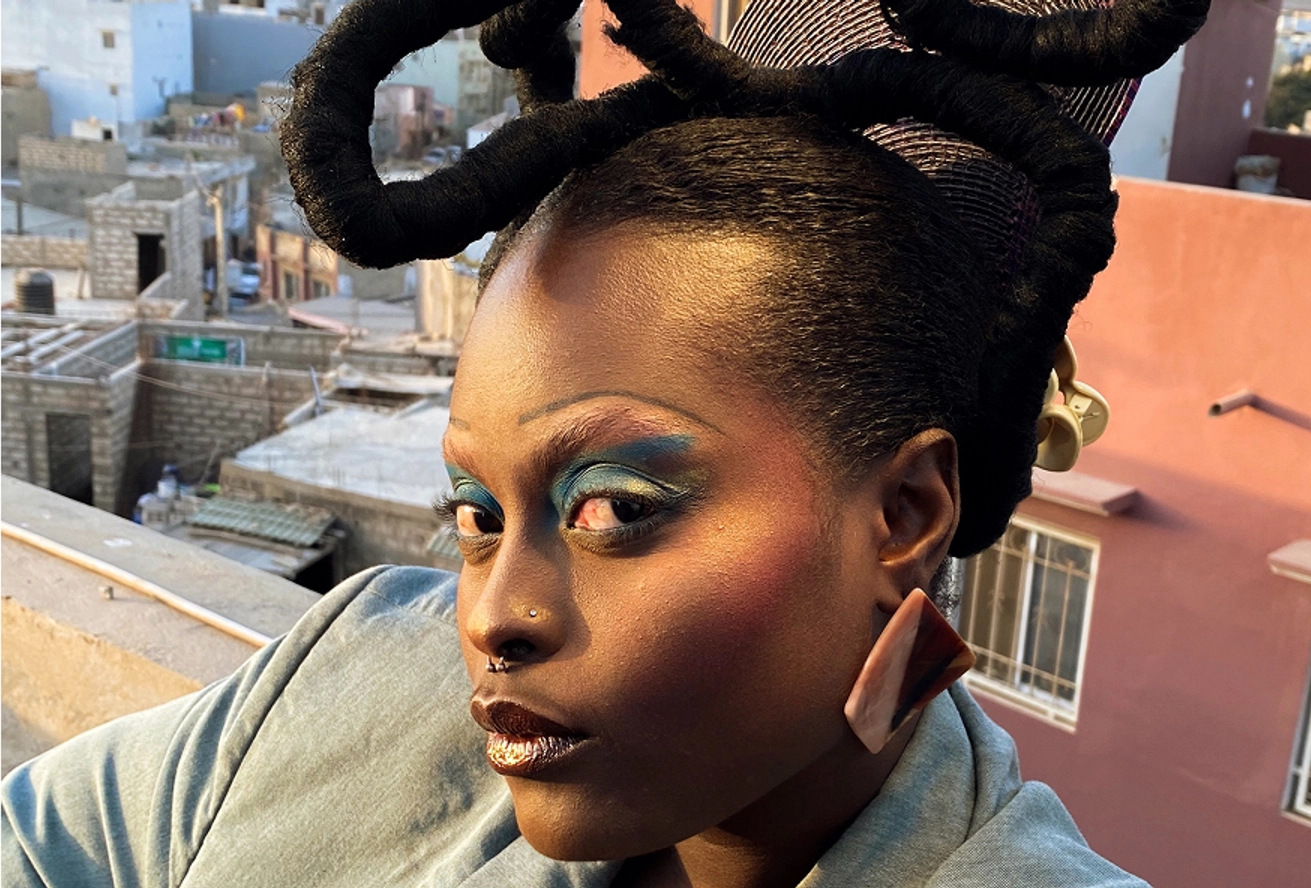
Gertrude Sigonda: Tanzanian performance and documentary photographer capturing human connection and unscripted moments

12 mins read
Published16 Apr, 2026

“Through my work, I try to preserve not just what is happening, but how it feels to be there.”

Gertrude Sigonda (CG) is a Tanzanian filmmaker, cinematographer, and visual storyteller whose work explores movement, emotion, and the quiet tensions within human experiences.

Working across performance, documentary, and event photography, her practice is rooted in capturing real and unscripted moments. Her background in film plays a central role in how she approaches photography.

Rather than simply documenting moments, her work translates feeling, capturing the in-between spaces where gestures, expressions, and environments come together to tell a story.

Gertrude has worked across film and media in both commercial productions and independent projects. Her work spans narrative filmmaking, documentary, and visual content creation, allowing her to move fluidly between disciplines while maintaining a strong focus on storytelling.

She has also been recognised for her work in film, receiving awards for directing and narrative storytelling.

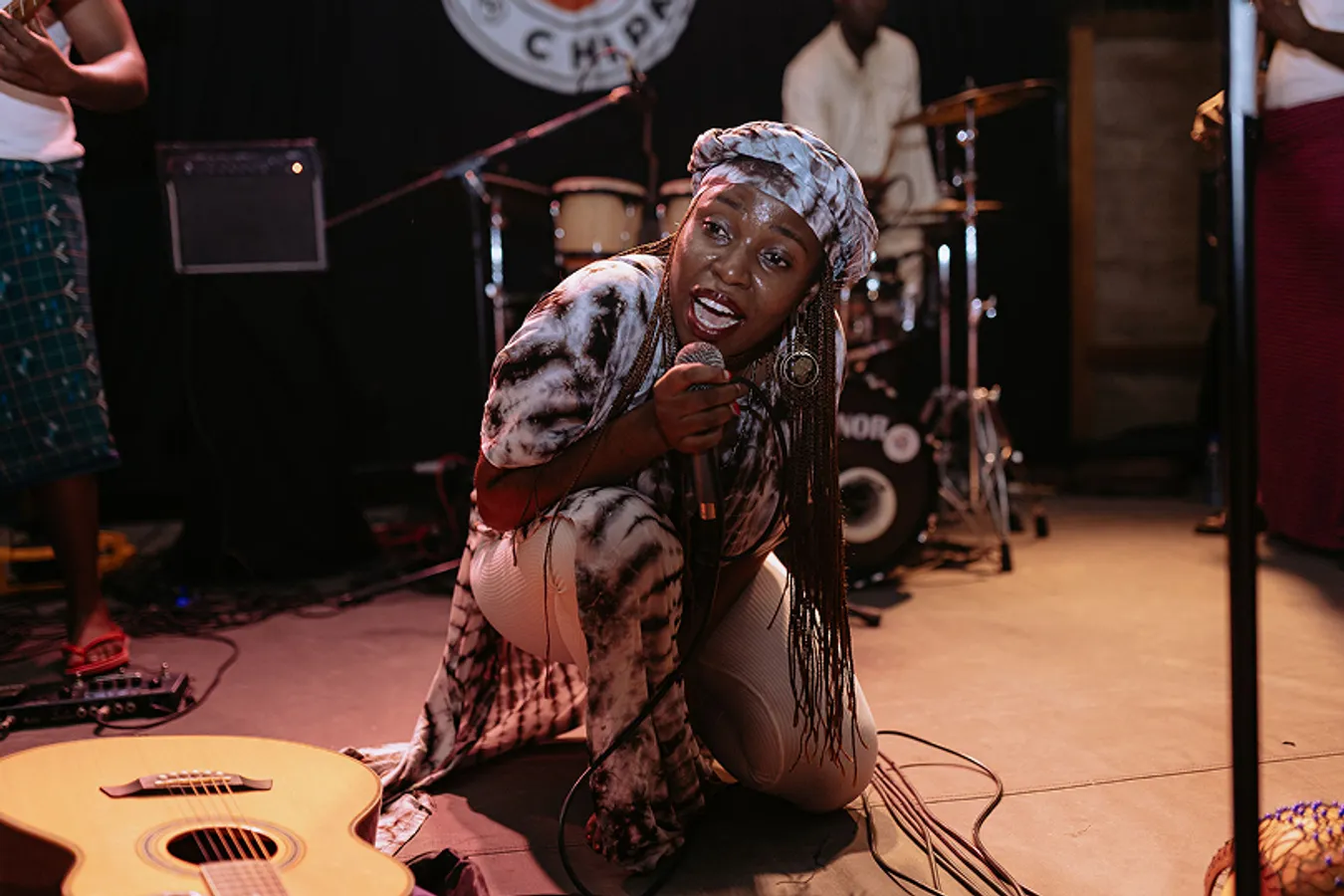
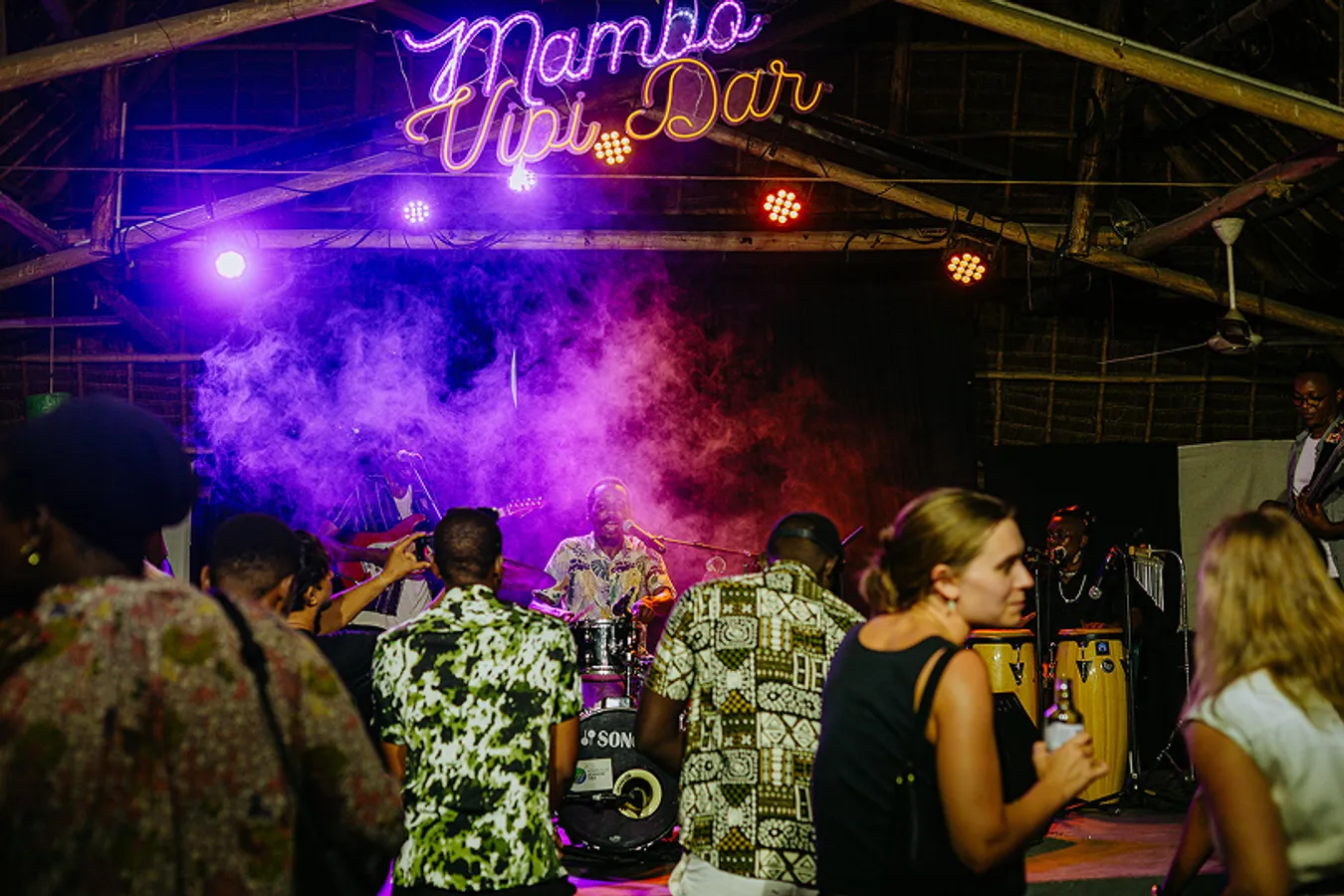
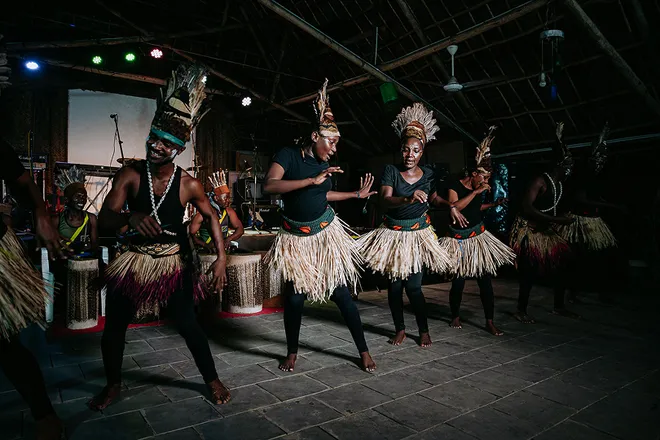
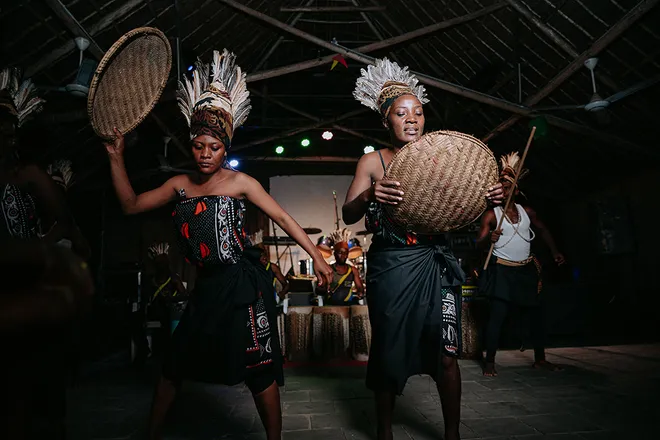
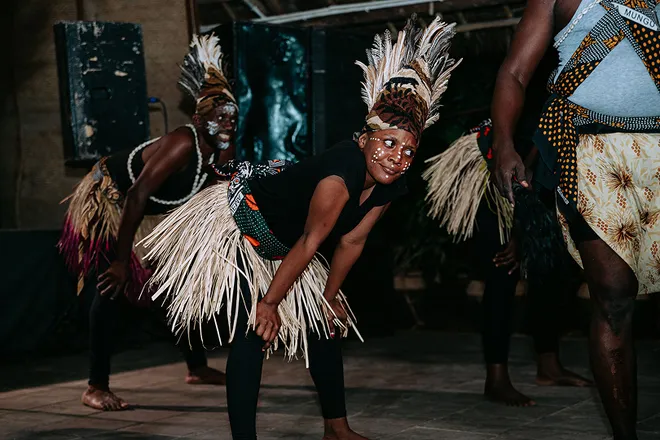
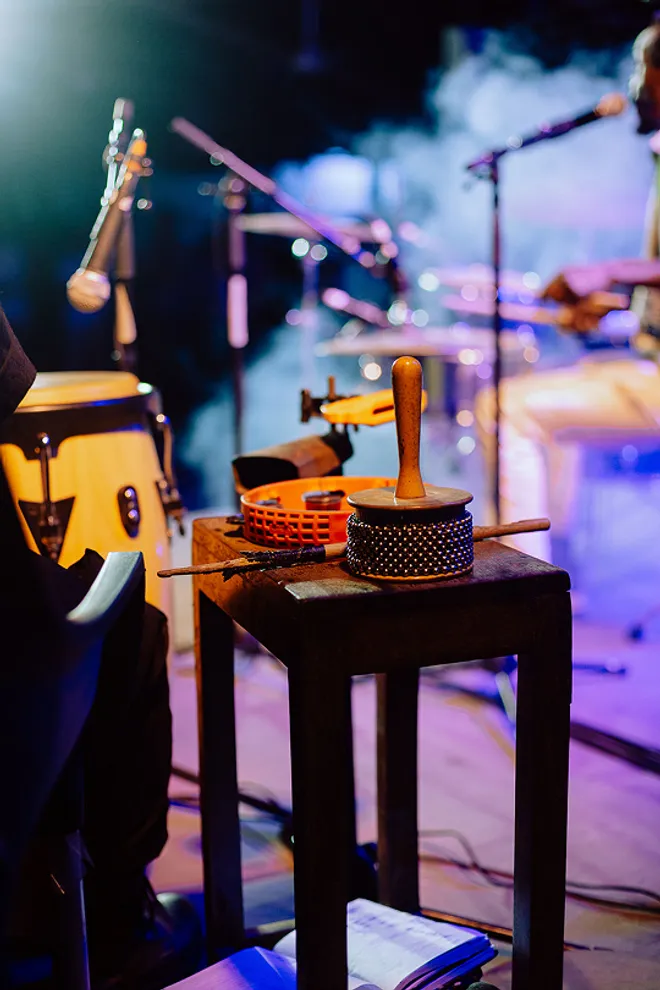
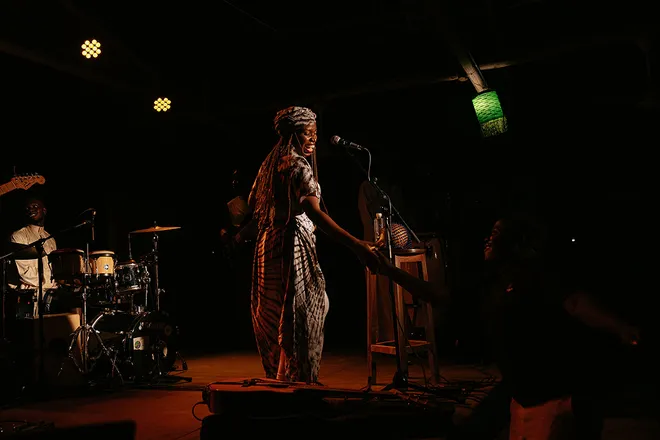
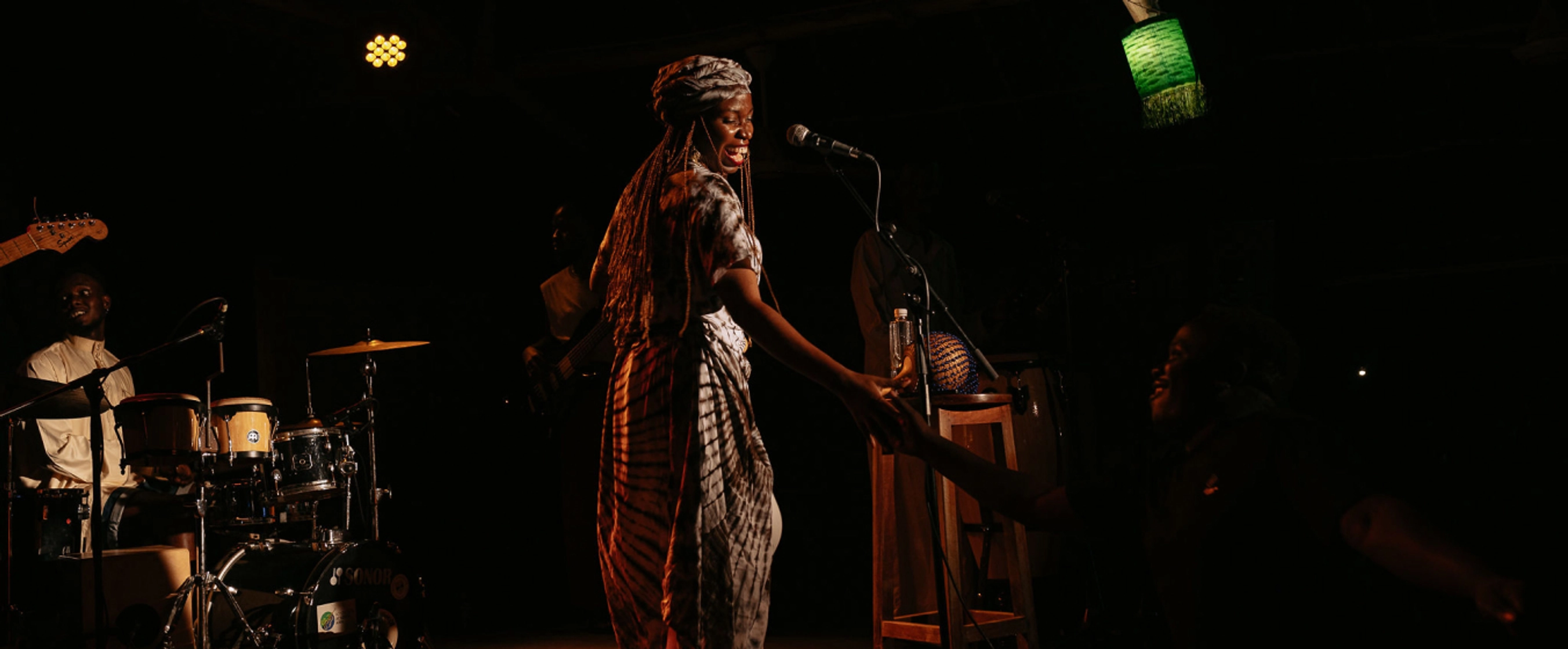
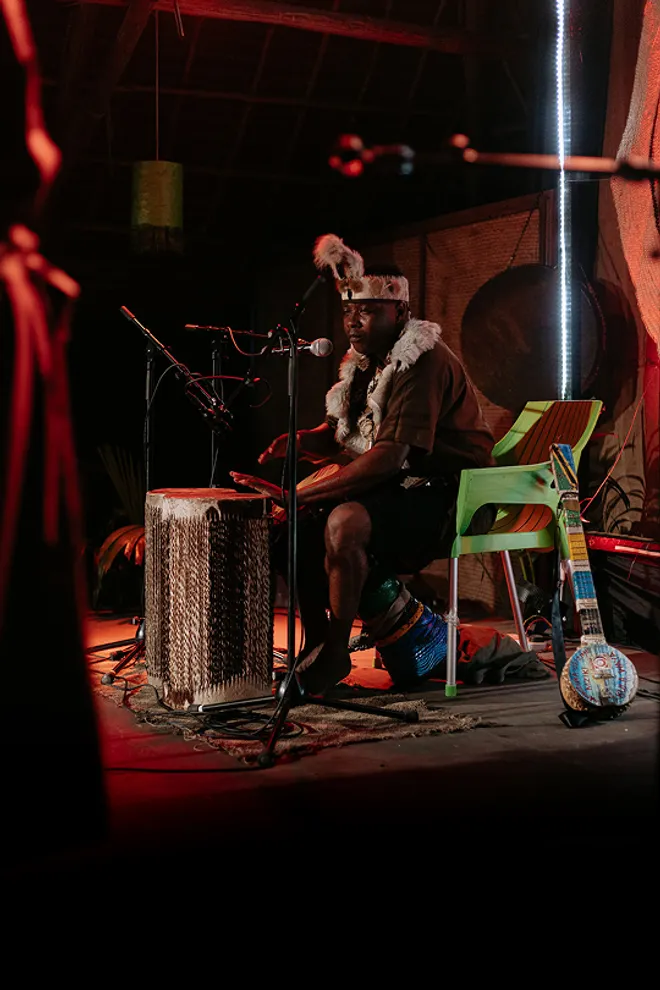
A significant part of her photographic work is centred around performance and live events, where she is drawn to the relationship between the body, space, and audience.

At the core of Signoda’s practice is an interest in honest and immersive storytelling. Her work invites viewers to engage with images beyond the surface, creating a deeper connection to the people, spaces, and experiences they capture.

As she continues to develop her voice, She is interested in expanding into more interdisciplinary and global work, while remaining grounded in stories that reflect their environment and perspective.
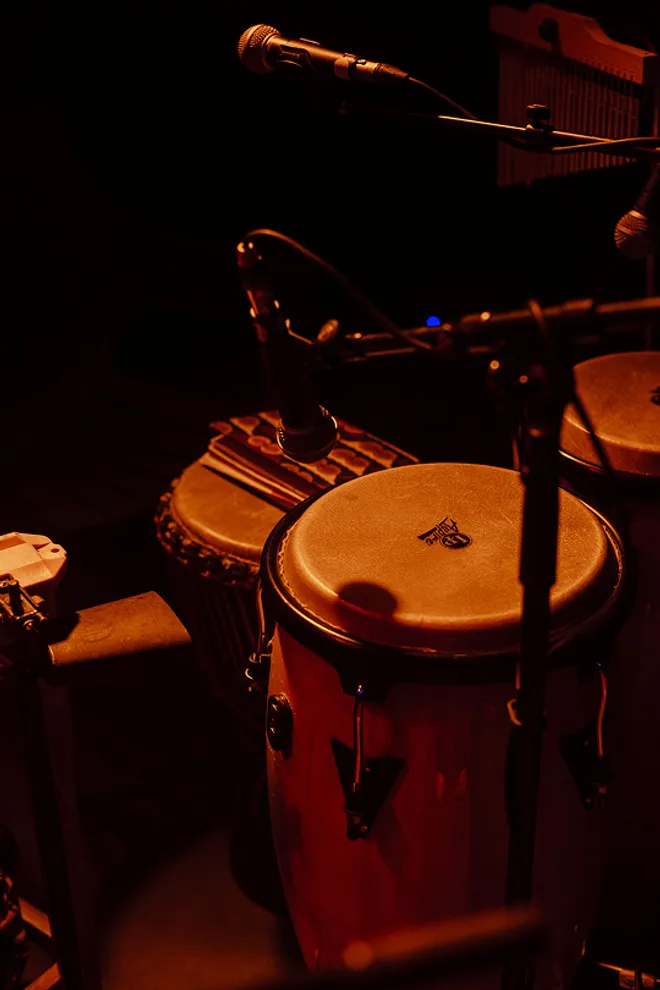
How did you get started in photography?

Photography started as something very personal for me. I was more focused on videography at the time, but I would often ask family members if I could photograph them and even organise small shoots just to practise.
Over time, I became the person people trusted to capture family events, which helped me build confidence in documenting real moments.

I was initially known more for video work, so when someone from a local organisation approached me to photograph their events, it felt like a challenge. I was not fully confident in my technical knowledge at the time, especially in a professional setting, but I was curious and willing to learn.

That moment pushed me to take photography more seriously. While working on those events, I reached out to another photographer and learned alongside them, developing my skills in real time.

It was a hands-on process that shaped how I work today, being adaptable, observant, and open to growth. Looking back, there was no single defining moment, but rather a series of small steps that built on each other.

How would you describe yourself?

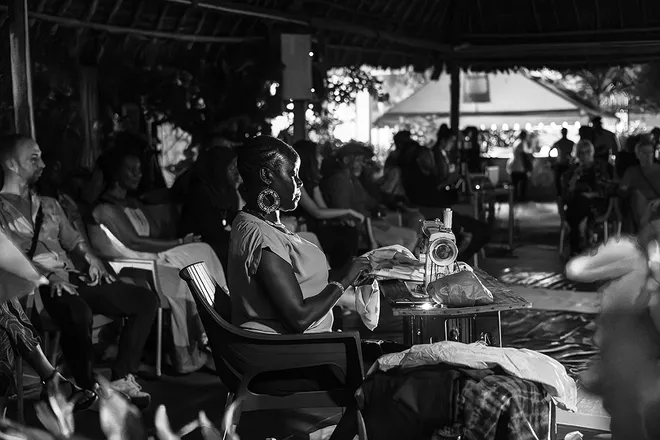
A fun detail about me is that I actually prefer not to be noticed when I am shooting. I like to blend into the environment as much as possible so people can exist naturally without being too aware of the camera, although that is not always possible.

I see myself as someone who is constantly observing. I am very drawn to the subtle details that often go unnoticed. That curiosity naturally feeds into my work, especially in performance and live environments where nothing is ever the same twice. I am also very process-driven and enjoy figuring things out, whether it is how to capture a certain feeling or how to work within a space.

I am quite introspective but also enjoy collaborative spaces. I like being around other creatives, exchanging ideas, and building something together, but I also value quiet moments to reflect and develop ideas more deeply.

I started in film before leaning more into photography, and that shift really changed how I approach moments. In film, you often have the chance to repeat or refine a scene, but in photography, I had to train myself to recognise moments that will not happen again. It has made me more present and more instinctive in how I shoot.

What are the main themes that inspire your photography?

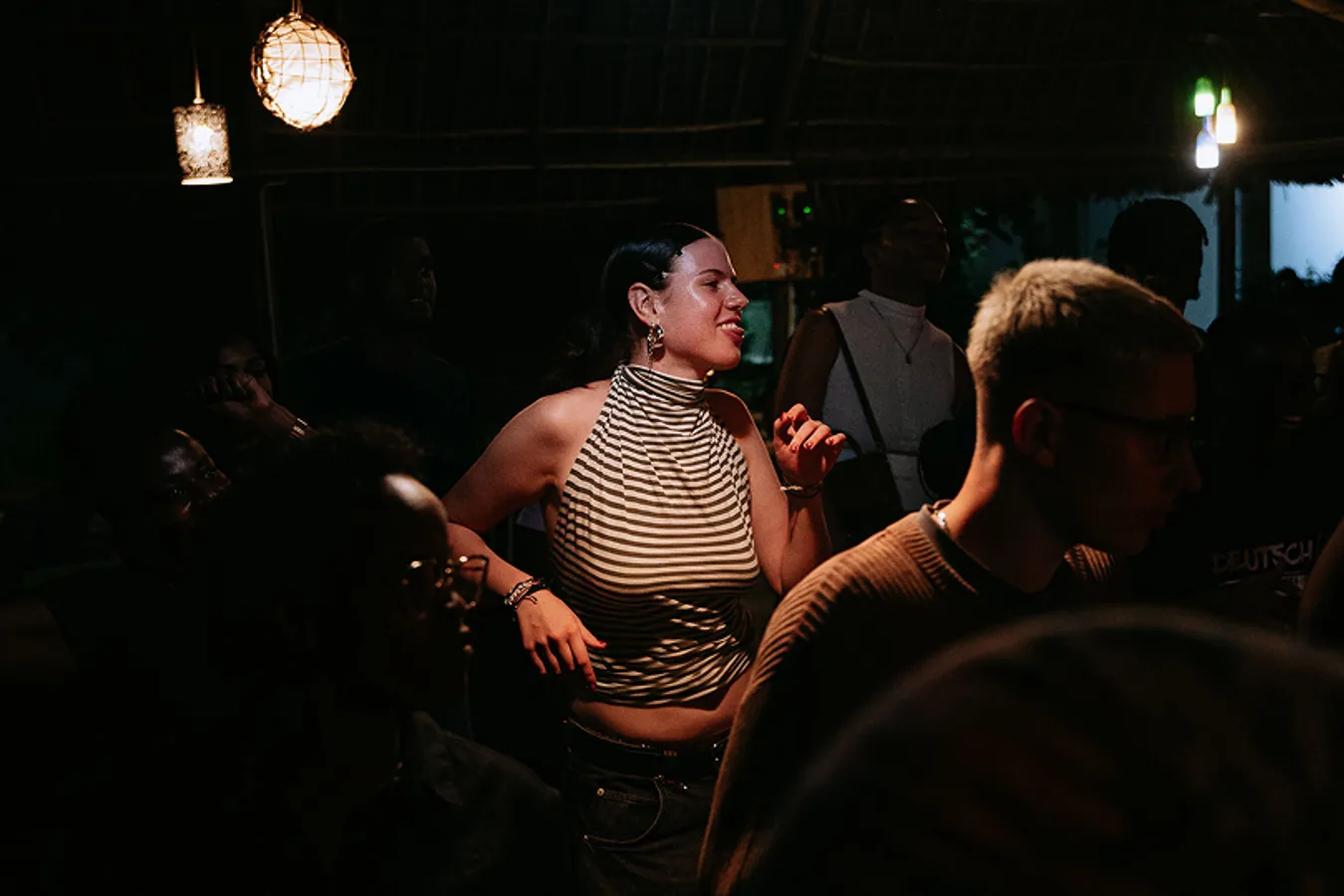
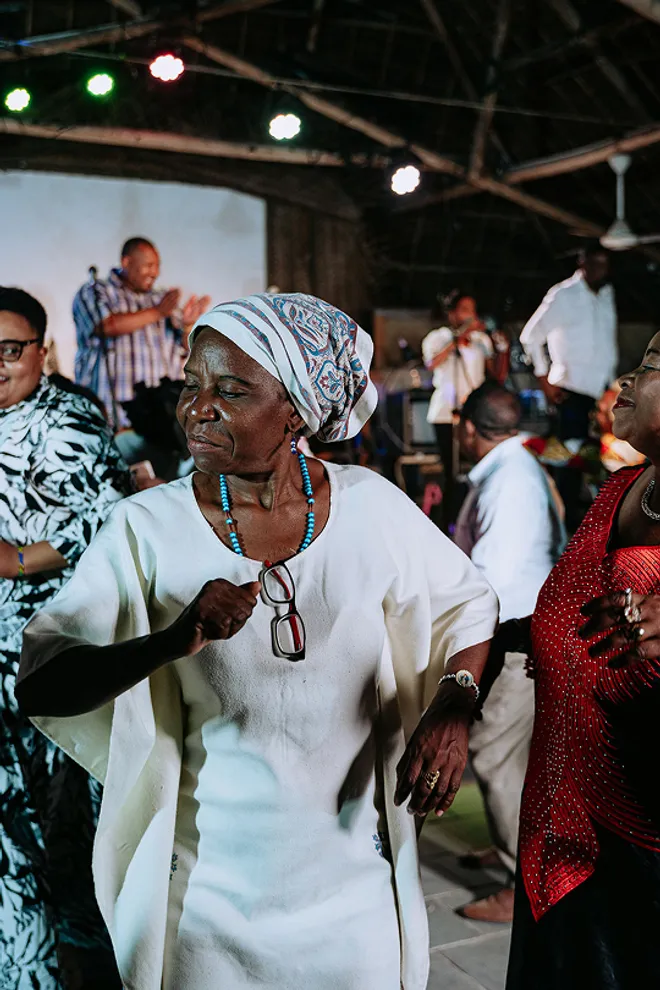
I am mainly inspired by human connection and shared experiences. I am especially drawn to how people respond to performances, how they engage, react, and lose themselves in a moment. Having experienced that feeling myself, I find it meaningful to capture those expressions of enjoyment and presence.

Through my work, I try to preserve not just what is happening, but how it feels to be there. I am interested in the emotional exchange between people, the atmosphere of a space, and the small, often unnoticed moments that make an experience memorable.

There have been moments where I have met people outside of those environments and felt a sense of familiarity, only to later realise I had photographed them during a performance or event. Those encounters remind me that photography can exist beyond the moment it was taken.

Through my images, I hope to create that same sense of recognition and connection for others, allowing them to see themselves, their experiences, and their communities reflected in them.

What moment in your career are you most proud of?

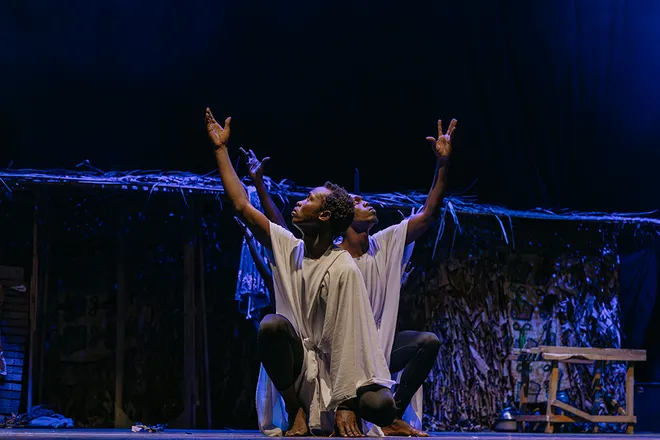
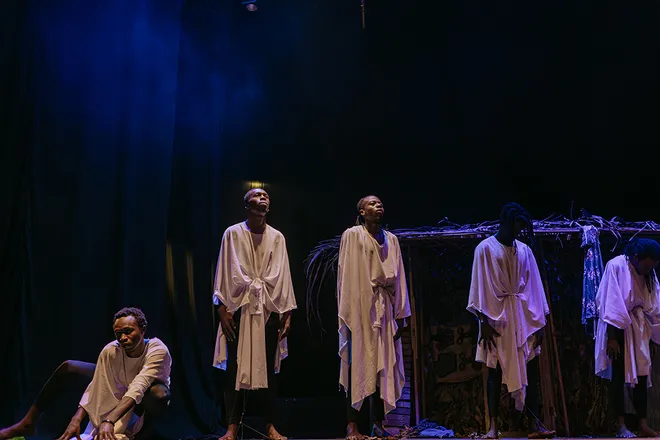
One moment I am particularly proud of was photographing a theatrical performance titled Unsung Heroines at the National Museum of Tanzania. The production focused on honouring the stories of women who made significant contributions but were not fully recognised in history.

Going into it, I approached it like any other assignment, assuming there would be multiple photographers covering the event. It was only later that I realised I was the main photographer responsible for capturing the experience. That shifted how I saw the work I had created.

What made the moment especially meaningful for me was how connected I felt to the performance itself. I genuinely enjoyed what I was watching, and when I later reviewed the images, I could see that reflected in what I captured. It felt like I had translated my own experience of the performance into the photographs.

Seeing the audience’s response to the images was incredibly rewarding. More broadly, across different projects, I have had the opportunity to see my photographs used in promotional material for future events, which is something I take a lot of pride in.

“In film, you often have the chance to repeat or refine a scene, but in photography I had to train myself to recognise moments that will not happen again.”

What is the biggest challenge you've faced as a photographer?

Learning how to use flash. I started primarily as a natural light photographer, so introducing flash into my work required me to rethink both my technical approach and how I interact with a space.

What made it more challenging is that I prefer to remain unnoticed while shooting, especially in live environments. Using flash can easily disrupt the atmosphere or draw attention, which goes against how I naturally like to work. Because of this, I had to learn not only the technical side of flash, but also when and how to use it without interrupting the experience.

I approached this by consistently experimenting during events, testing different manual settings and observing how light affected both the image and the environment.

Over time, I became more intentional, learning to choose specific moments where flash would enhance the image without taking away from the atmosphere. I also began balancing both approaches, using flash selectively while still relying on natural light to preserve the authenticity of the moment.

Through this process, I learned how to be more adaptable and responsive as a photographer. It pushed me to think beyond just capturing an image and to consider how my presence and tools affect the space I am working in.

“I tend to work in a way that allows me to blend into the environment, so I can capture moments as naturally as possible without interrupting the space.”

What type of photography do you specialise in?

Performance photography, documentary storytelling, live event photography, and contemporary visual storytelling.

What is your unique technical or visual approach?

I tend to work in a way that allows me to blend into the environment, so I can capture moments as naturally as possible without interrupting the space. This often means being patient, anticipating movement, and responding instinctively rather than directing or controlling what is happening.

What is one professional standard you never compromise on?

Authenticity in my work. I am intentional about capturing moments in a way that feels honest to the environment and the people within it.

How's the photography and art space in Tanzania?

It has been growing steadily. There has been a noticeable shift towards more intentional and conceptual work, as well as a stronger presence of photographers documenting culture, identity, and everyday life.

At the same time, there is still room for more structured support, access to resources, and platforms that connect local talent to global opportunities. As the space continues to evolve, I think there is a lot of potential for more collaboration, visibility, and investment in creative industries.

Which global brands, photographers, or industries do you feel your work aligns with most?

I feel my work aligns most with brands and industries that are rooted in culture, storytelling, and live experiences. This includes creative and cultural institutions, fashion, music, and lifestyle brands that value authenticity and human connection.

Having worked with institutions such as the Goethe-Institut, I have developed a strong interest in documenting performances, cultural events, and community-driven experiences. My work naturally fits within spaces that prioritise storytelling, movement, and emotion, as well as brands looking to create immersive and experience-driven narratives.

Credits

Photography

Gertrude Sigonda

Text

Moyin Adediran

Curation

guvnor

SHARE THIS STORY

More Stories

Rijasolo: Franco-Malagasy humanistic documentary photographer expressing identity and the soul of Madagascar
Langelihle Mawela: South African portrait and digital artist capturing spiritual higher selves
Mohamed Fullah: Liberian street photographer capturing everyday emotion and culture
Nahom Nigussie: Ethiopian street and documentary photographer documenting urban life and transformation
Nader Adem: Ethiopian portrait and documentary photographer exploring heritage, identity, and human dignity
Aïsha Fadonougbo: Beninese art editorial photographer exploring the sensory richness of African identity
Pape Malamine Diop: Senegalese artistic photographer exploring identity, culture and visual storytelling
Emmanuel Nkhuwa: Zambian portrait and event photographer documenting cinematic everyday moments
Puleng Mongale: South African self-portrait and digital collage photographer exploring identity, spirituality, and womanhood
Natalia Msungu: Tanzanian street and documentary photographer expressing the evolving textures of the African urban landscape
Jessica Eshete: Ethiopian fashion and portrait photographer exploring emotion, identity and cultural expression
Meklit Fekadu: Ethiopian portrait and fashion photographer exploring identity and human connection
Roberto Tchoko: Beninese portrait and documentary photographer expressing identity, spirituality, and dignity
Gnagna Guèye: Senegalese street and black-and-white photographer exploring everyday life, women, and quiet moments
Aton Tsiba: Congolese fashion photographer exploring identity, memory and culture
Mulenga Mukonda: Zambian abstract and architectural photographer expressing the extraordinary within everyday life
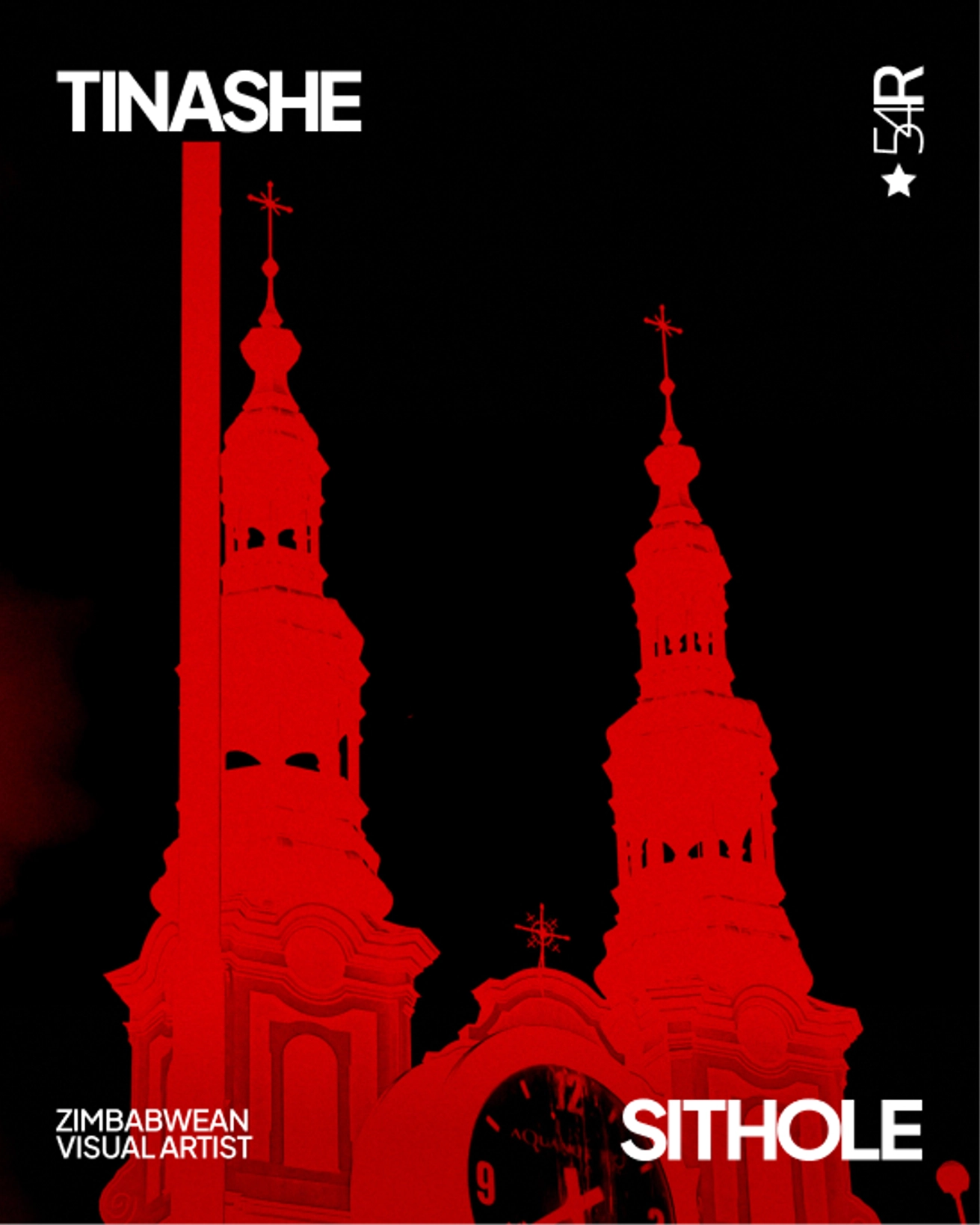
Tinashe Sithole: Zimbabwean abstract mobile photographer exploring imperfection, colour and emotional depth
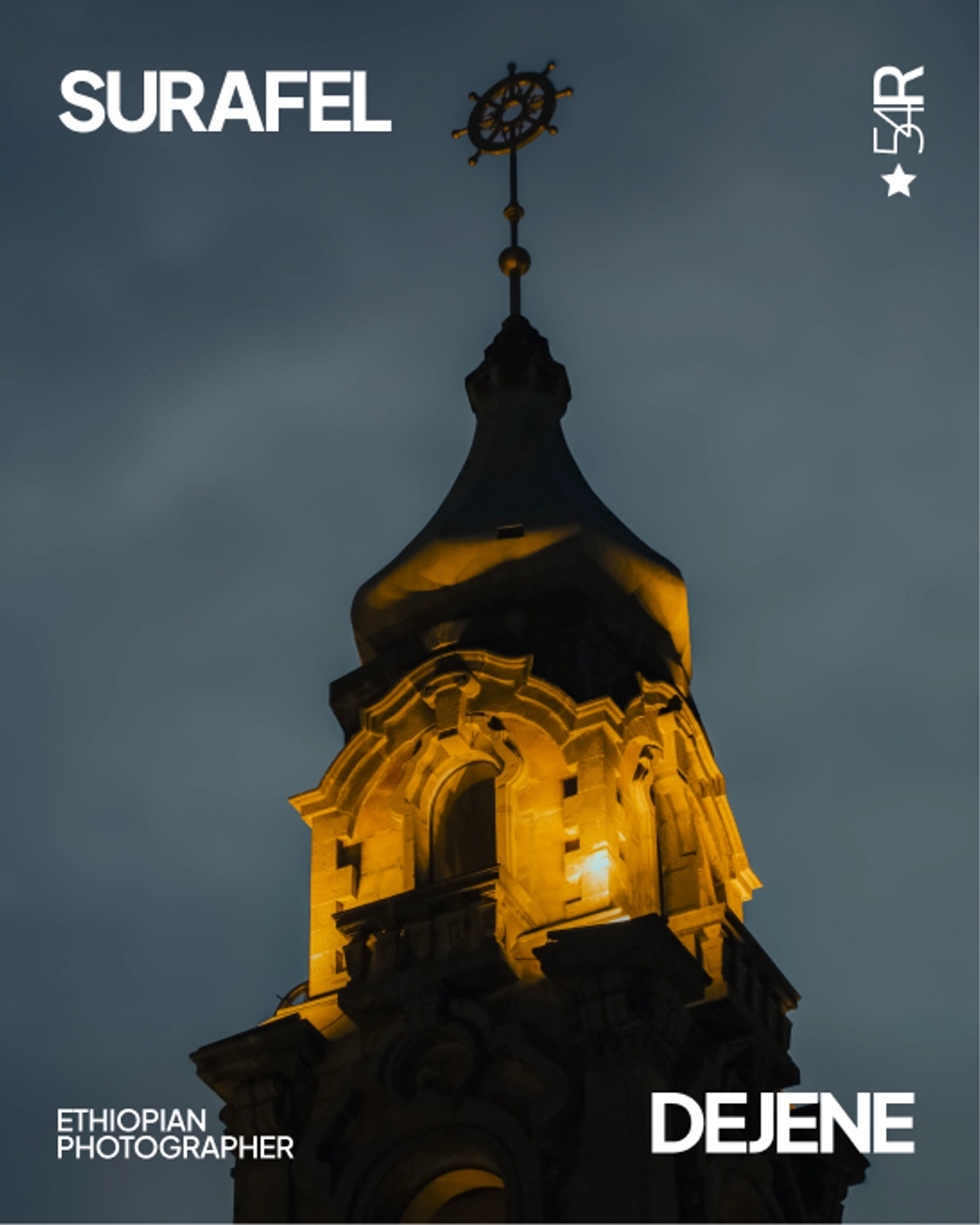
Surafel Dejene: Ethiopian street and portrait photographer capturing authentic human emotions
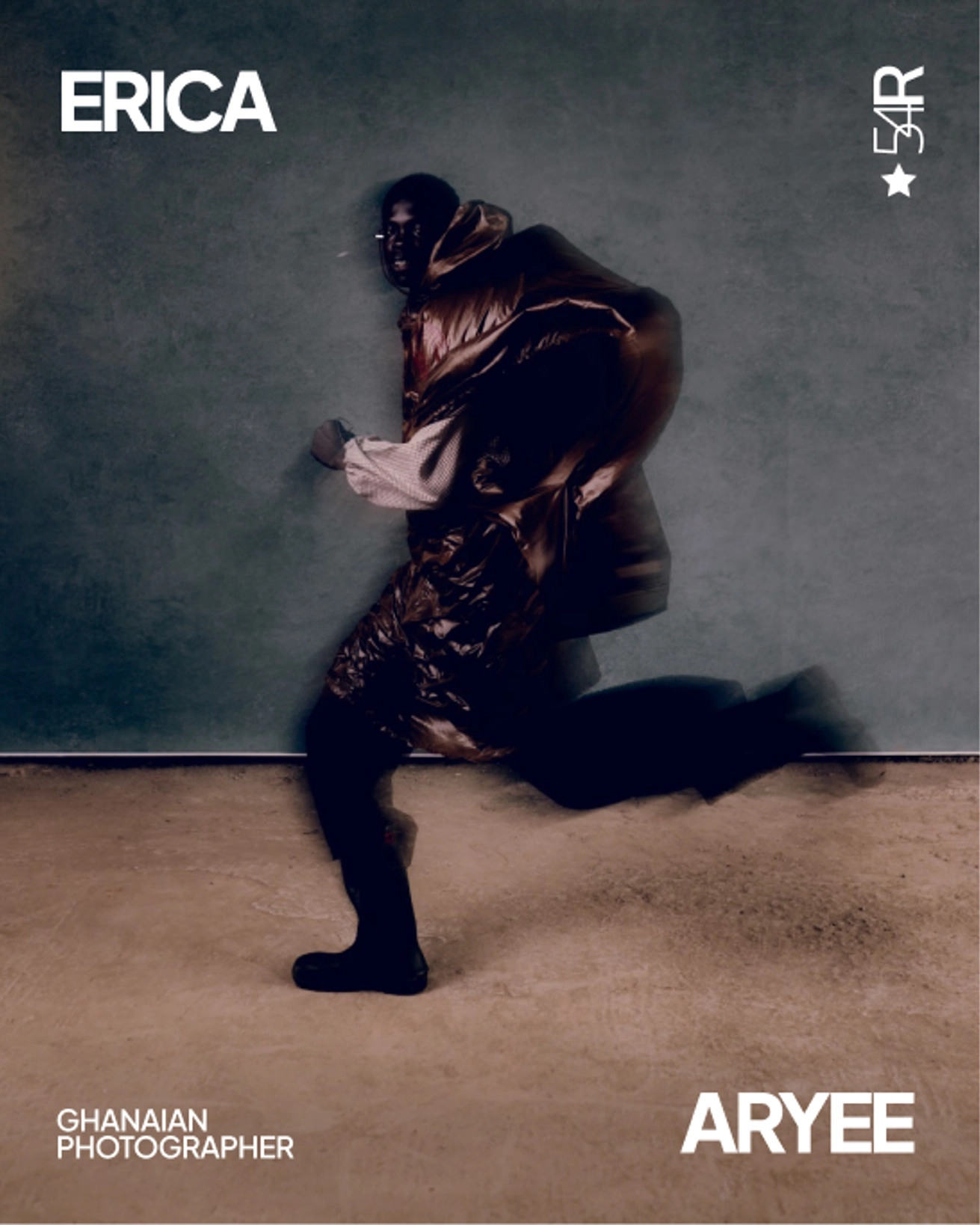
Erica Aryee: Ghanaian fashion, documentary and lifestyle photographer capturing everyday Ghanaian life and emotional storytelling
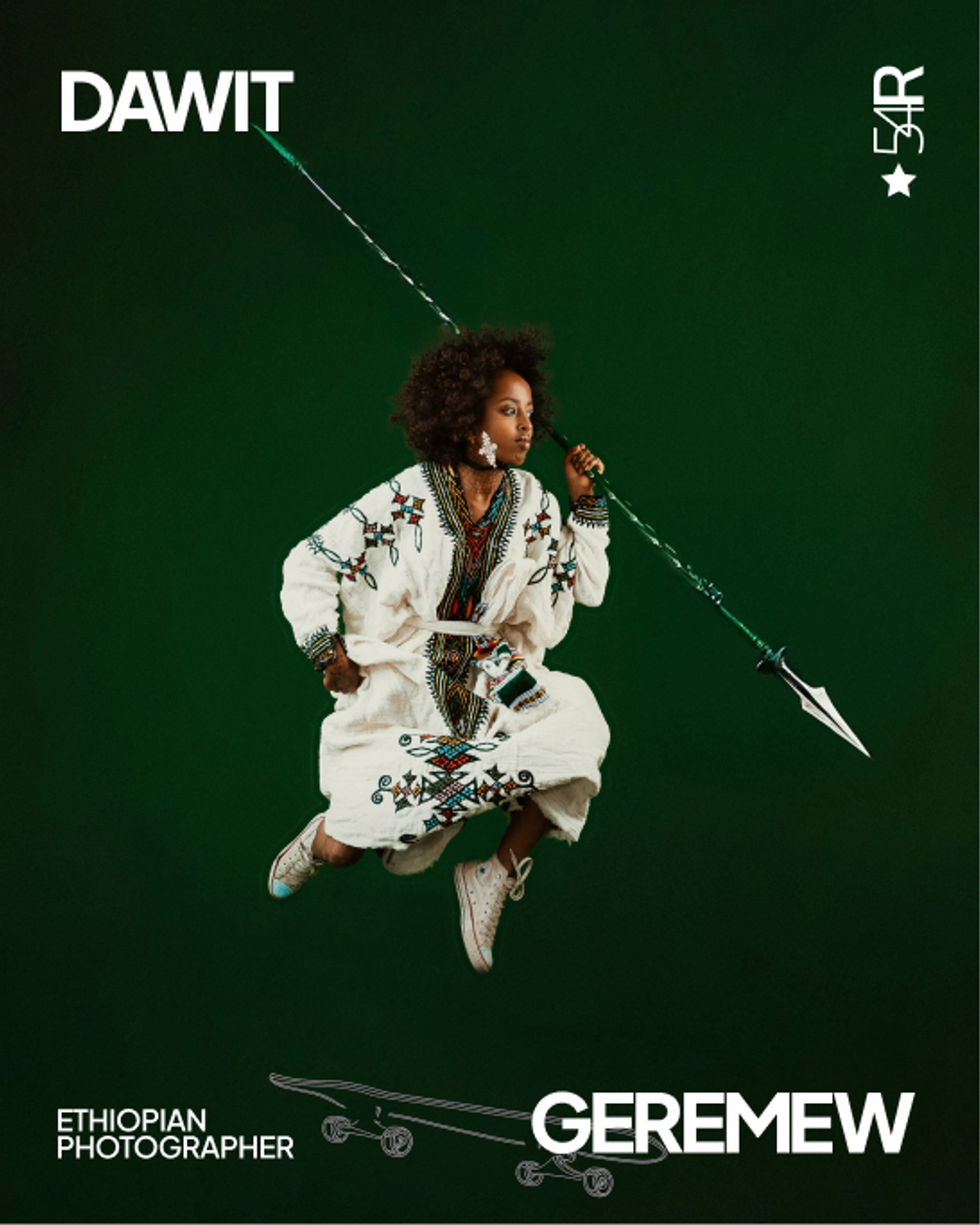
Dawit Geremew: Ethiopian fashion and documentary photographer capturing authentic Ethiopian stories
Sandile Hlela: South African street and fashion photographer capturing Kasi culture and youth identity
Shawn N. Hounkpatin: Beninese fashion, art and documentary photographer exploring identity, memory and Black utopia
Hamza Ajbabdi: Moroccan portrait and street photographer capturing genuine human stories
Jones Martey: Ghanaian fashion and editorial photographer exploring Afro-modern narratives and refined visual storytelling
Lidudumalingani: South African documentary photographer exploring history, colonialism and the human spirit
Ngwane "Kreative" Kwame: Cameroonian fine art and documentary photographer documenting social causes and environmental decolonisation
Ousmane Dembele: Senegalese art director capturing melancholia and natural themes
Munyabarame Fidele Gisa: Rwandan documentary photographer exploring connection, community and authenticity
Katiso Hlabana: Mosotho fine art and portrait photographer capturing identity, heritage and the modern African narrative
Adam Mengistu: Ethiopian documentary and travel photographer capturing human stories across borders
Oleg Steve Ntwari: Burundian visual artist exploring intimacy, identity, and Afrocentric narratives
Daniel Idoko: Nigerian fashion and event photographer celebrating Generation Z identity and culture
Mohamed Monther Mejri: Tunisian conceptual photographer finding human authenticity in portraits