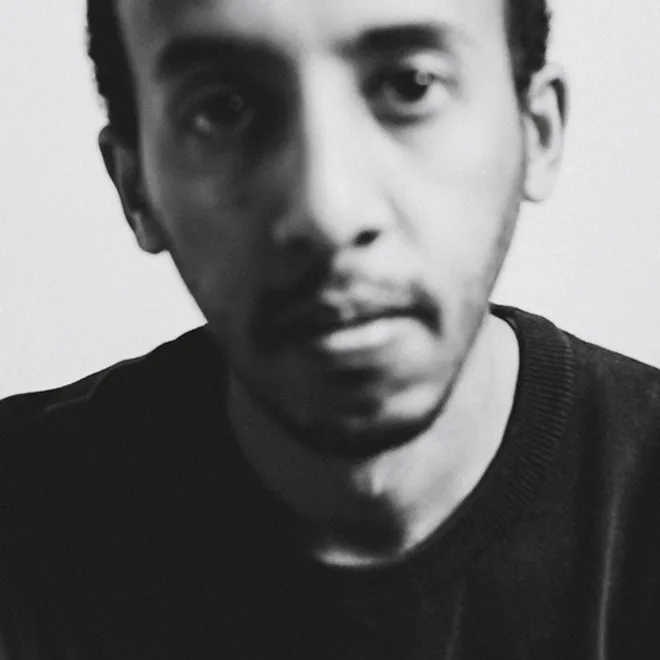
Nader Adem: Ethiopian portrait and documentary photographer exploring heritage, identity, and human dignity

12 mins read
Published9 Apr, 2026

"Because I cannot rely on sound... I have developed a heightened sensitivity to visual details. My camera is how I listen to the world."

Nader Adem is an Ethiopian portrait and documentary photographer currently based in Silver Spring, Maryland, United States. Deaf since birth, he discovered photography in 2003 after encountering the World Press Photo exhibition in Addis Ababa, a moment that fundamentally changed the course of his life. 

Nearly a decade later, in 2012, he purchased his first semi-professional camera, marking the beginning of a journey that would transform a quiet fascination into a full creative practice.

His work centres on revealing hidden stories, challenging social stereotypes, and celebrating the richness and diversity of human experience, particularly in Ethiopia and across Africa.

He has a deep commitment to themes of heritage, identity, and the dignity of communities whose lives are rarely centred in mainstream photography. He has worked as a freelance photographer and completed client projects for brands including Berebaso Leather, Parker Clay, and Kofi Coffee, as well as for international initiatives such as UN Ethical Fashion.

Mentored by the celebrated Ethiopian photographer and Addis Foto Fest founder Aida Muluneh, Nader has exhibited his work in Ethiopia, France, Norway, Germany, and the UAE.

His series "Life as a Disabled Person" was featured at the 2016 Les Rencontres d'Arles festival, where it received acclaim for its respectful and dignified portrayal of disability in Ethiopia. One work from this series is held in the permanent Rencontres d'Arles Collection, stored at the Musée Réattu in Arles.

His “Anajina” series was exhibited at the 2019 Nobel Peace Prize Exhibition in Oslo and at the Africa Institute in Sharjah (UAE), and was published in Edge of Humanity Magazine, among other international outlets.

Nader's work has also been featured in What's Out Addis magazine, African Visual Storyteller, Blog Graine de Photographe, and Akono, and was included in the book Aïda Muluneh's Homebound: A Journey in Photography.

He was a contributor to The Everyday Projects, a global movement to challenge stereotypical imagery of Africa. Nader holds a Diploma in Fine Arts from Entoto Technical and Vocational Education and Training College in Addis Ababa, where he studied painting before choosing photography as his profession.
"The eyes are the most honest tool a person has. They cannot lie or be controlled in the way words can."

Nader Adem - Ethiopian documentary photographer

How did you get started in photography?

My journey began in 2003 when I attended the World Press Photo exhibition in Addis Ababa. Witnessing the power of a single image to capture the full complexity of human reality left a deep impression on me. 

That experience planted an interest that kept growing quietly for years. The idea that a photograph could speak across language barriers, cross-cultural boundaries, and tell a story that words, especially words I could not hear, never could.

In 2012, I finally took the step of buying my first semi-professional camera, and from that moment, photography became both my passion and my profession. I am entirely self-taught through a journey of study, practice, and constantly seeking opportunities to challenge myself.
I was fortunate to be mentored by Aida Muluneh early in my career, which opened my eyes not only to the craft but also to the responsibility photographers carry when they represent communities that are not their own.

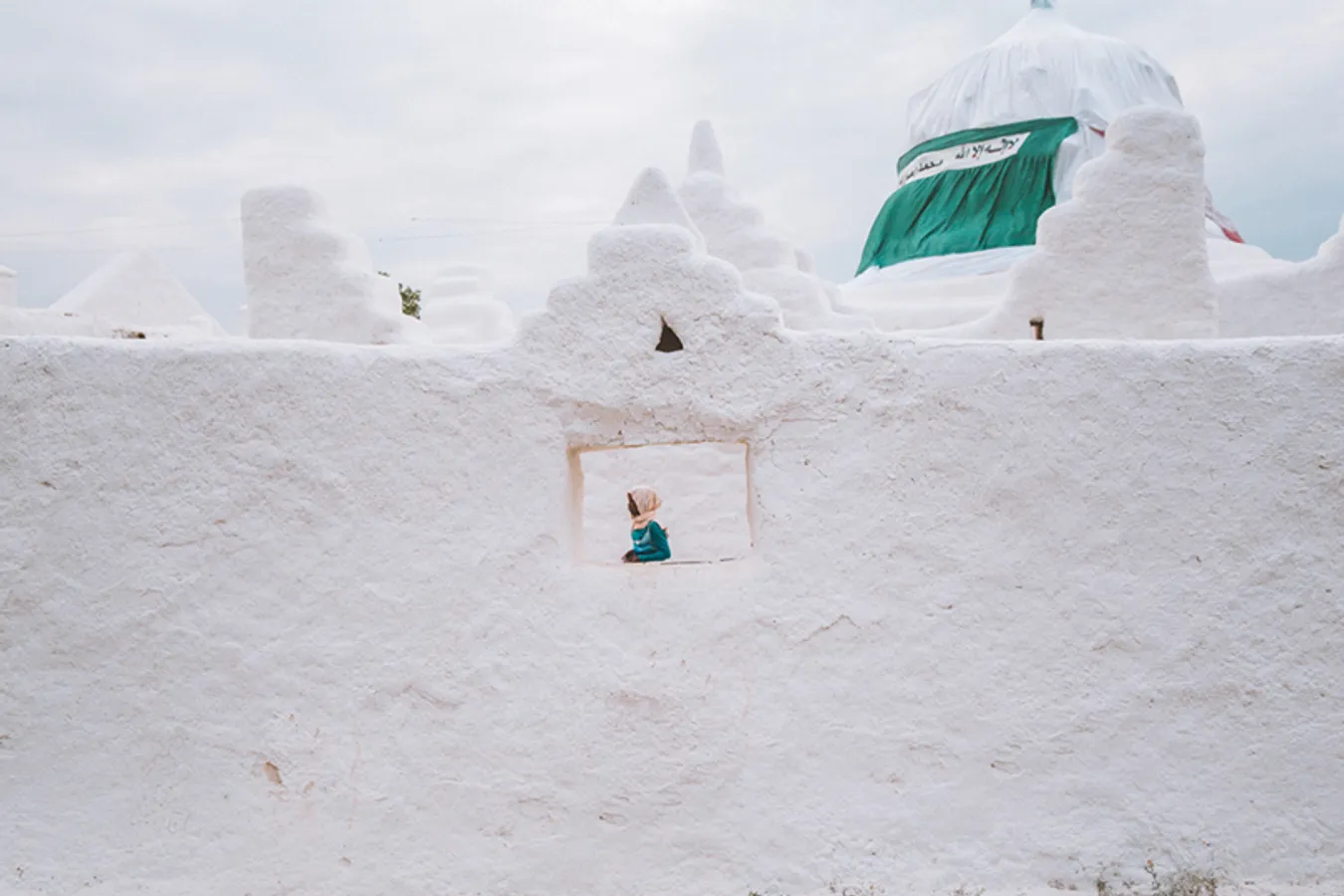
'The White Holy Site' by Nader Adem

What type of photography do you specialise in?

I specialise in portrait and documentary photography, with work spanning travel, landscape, and lifestyle. Portrait photography appeals to me because of the power of direct eye contact. The eyes are the most honest tool a person has. 

They cannot lie or be controlled in the way words can. In my portraits, I focus on having subjects look directly at the camera, because that direct gaze creates an immediate bond between subject and viewer.

Documentary photography is my way of telling stories that are being overlooked: the daily realities, quiet struggles, and invisible lives that most people walk past without noticing. I am particularly drawn to stories connected to heritage and identity, communities and traditions that have existed for centuries but rarely appear in Ethiopian or African photography.

Over time, my style has grown more intentional. I rely heavily on natural light, experiment with angles, and use black-and-white to strip images down to their emotional core. My work has become less about capturing a beautiful moment and more about building a purposeful visual narrative that honours the humanity of its subjects.

"Being the first Ethiopian photographer to tell that story... as both an Ethiopian and a Muslim who understood the deep spiritual significance of the rituals, felt profoundly meaningful."

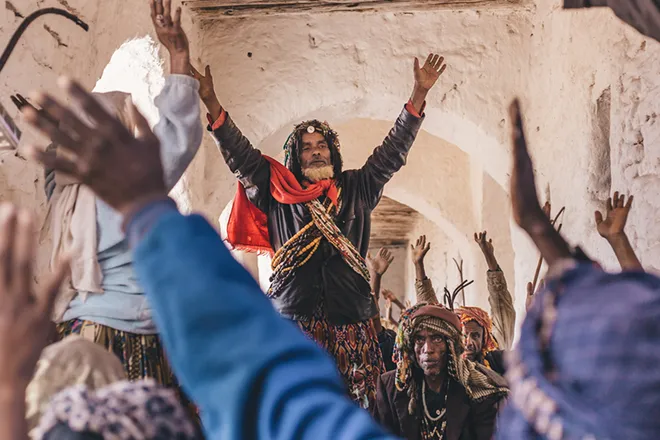
'Chanting' by Nader Adem

'Looking for Blessings' by Nader Adem

What are the main themes that inspire your photography?

Visibility, dignity, heritage, and diversity are themes I like to explore. I am drawn to stories that are not being told: communities, traditions, and individuals that exist outside the mainstream frame of Ethiopian or African photography. I want my images to make the invisible visible.

In my series "Life as a Disabled Person," I documented the experiences of people with disabilities in Addis Ababa, challenging the stereotypes and social misperceptions that surround disability in Ethiopian society.

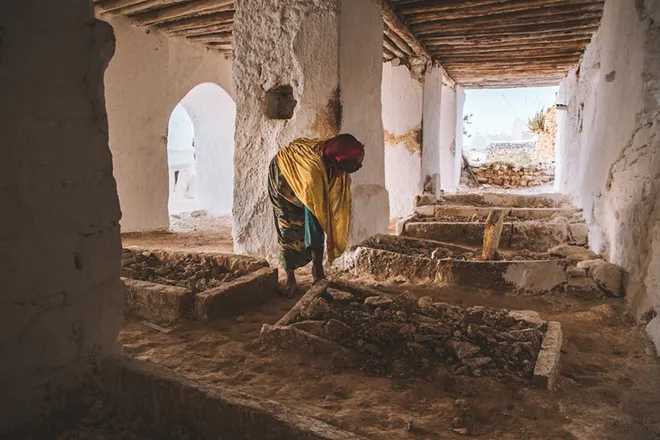
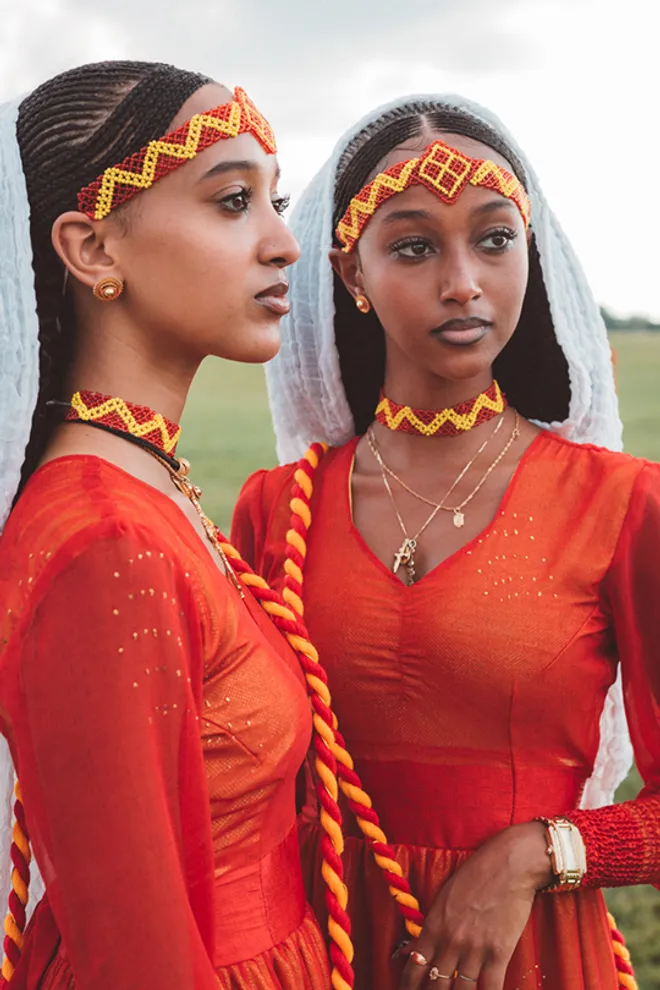
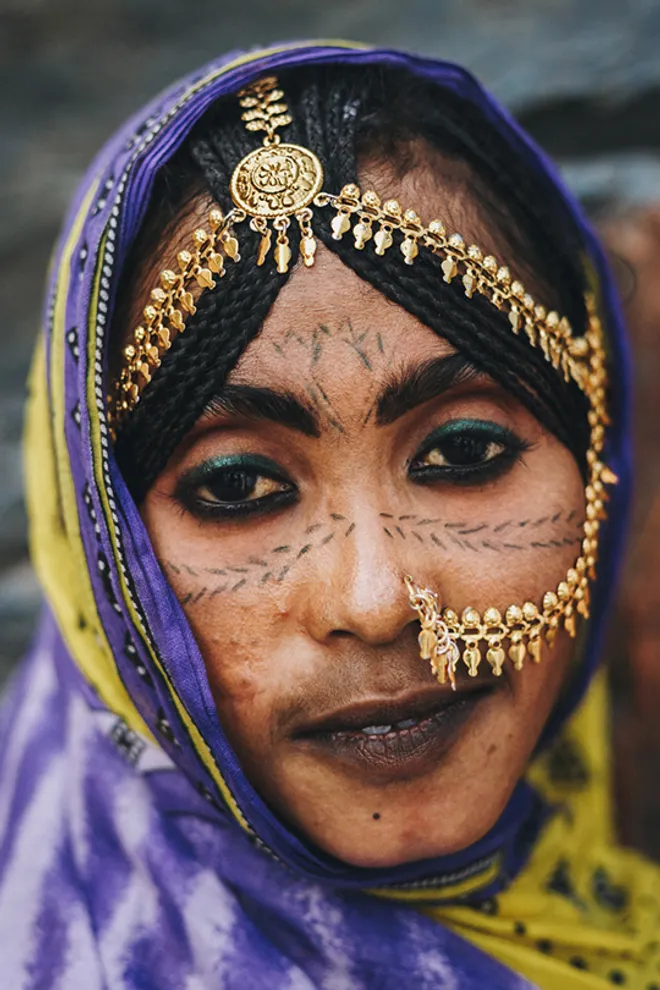
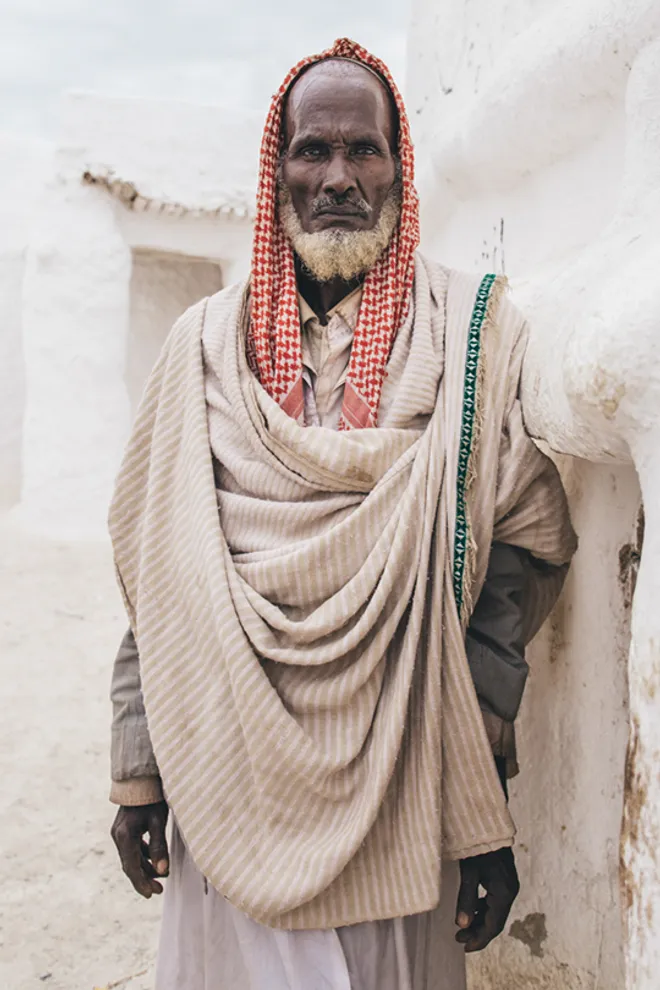
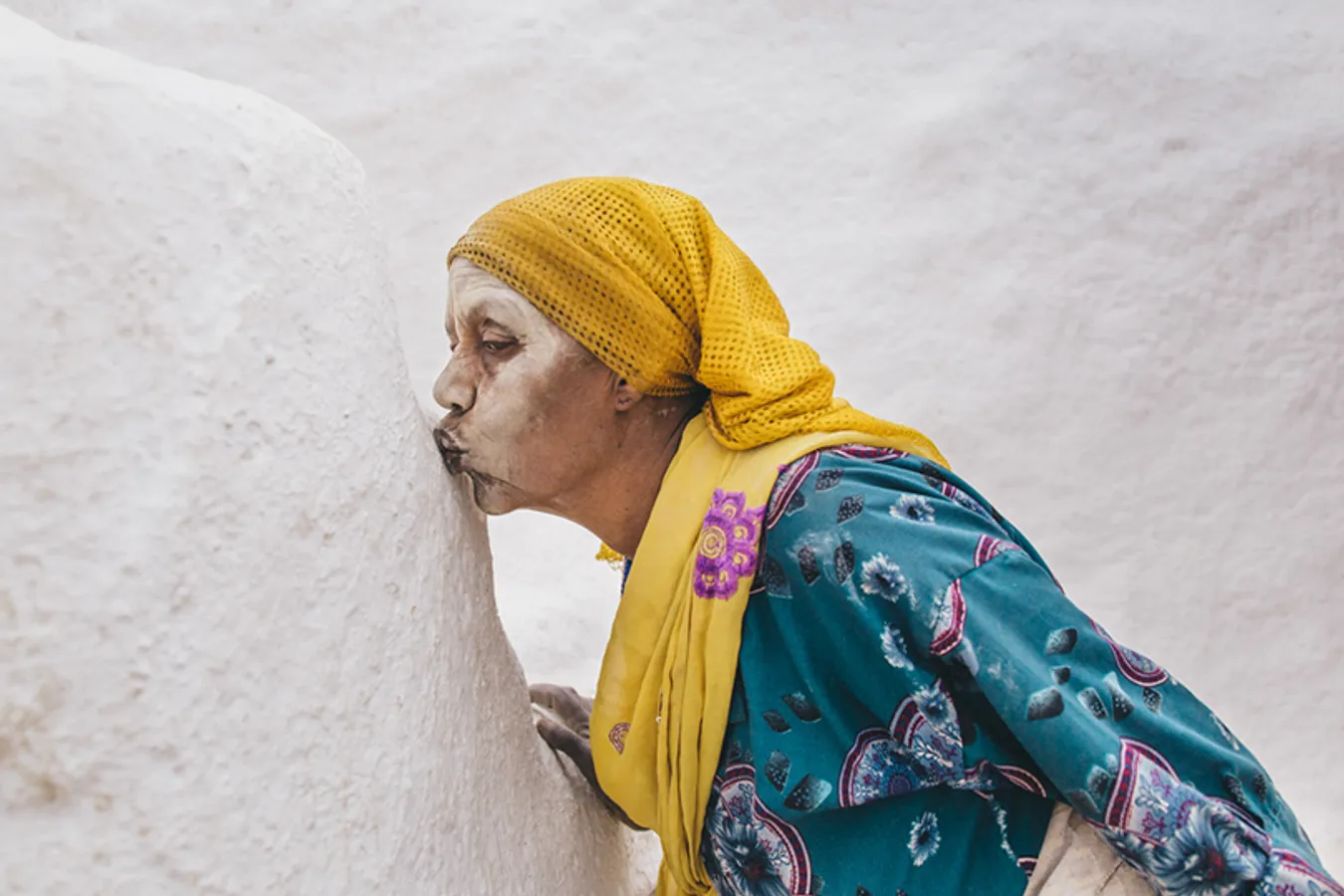
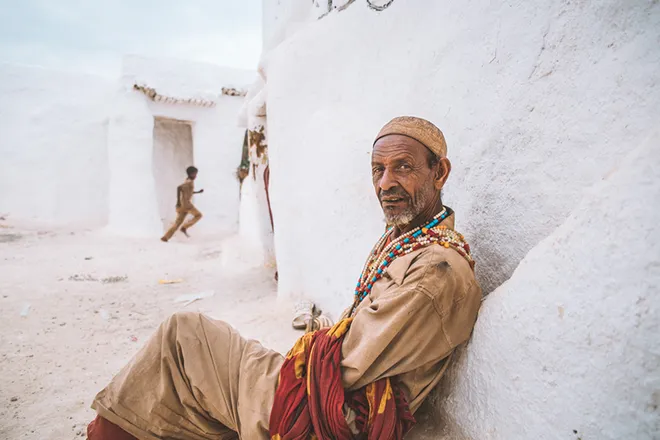
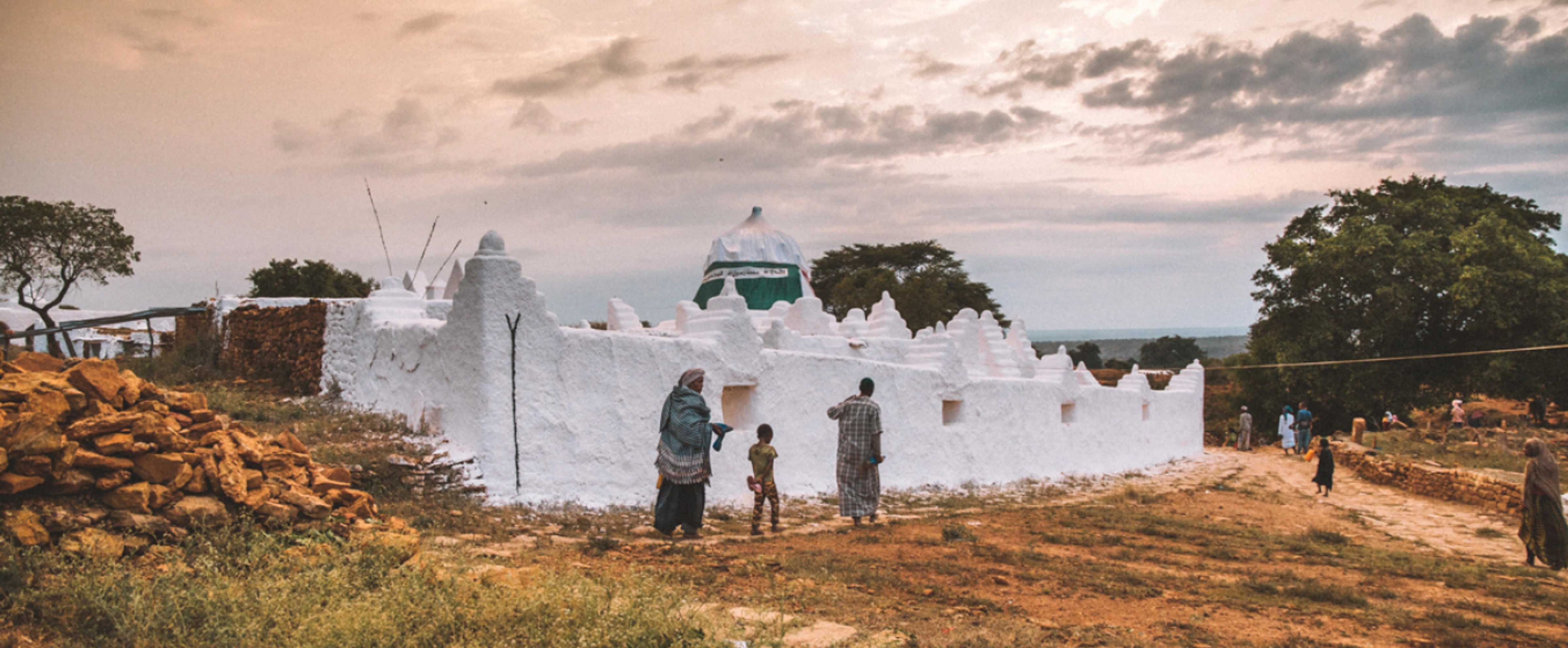
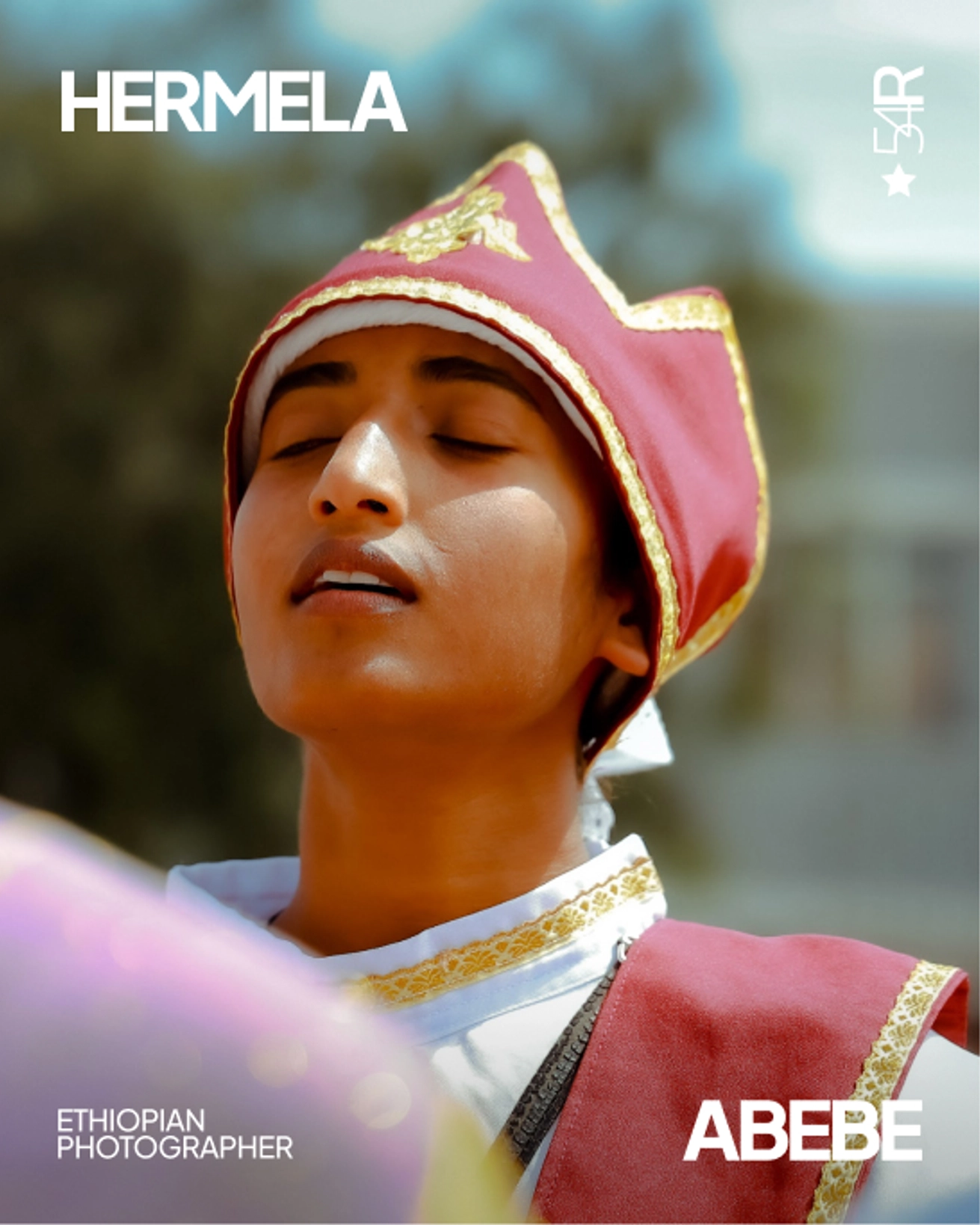
In "Anajina," I documented a 12th-century Muslim pilgrimage site in south-eastern Ethiopia, a place rich in Sufi heritage, cultural diversity, and centuries of tradition that had never been photographed by an Ethiopian photographer before me. My "Ashenda" portfolio celebrates the vibrant cultural identity of women in northern Ethiopia through their traditional festival.

In each project, heritage and identity are at the centre: I want to show that Ethiopia's stories are plural and complex, and that they deserve to be told by the people who live them. I connect with viewers by centering the humanity of my subjects, particularly through their eyes, so that the viewer feels a genuine bond with the person being photographed.

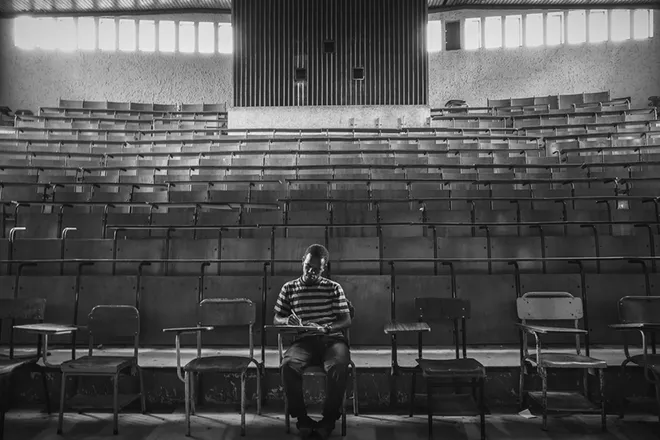
'World of Silence' by Nader Adem

What moment in your career are you most proud of?

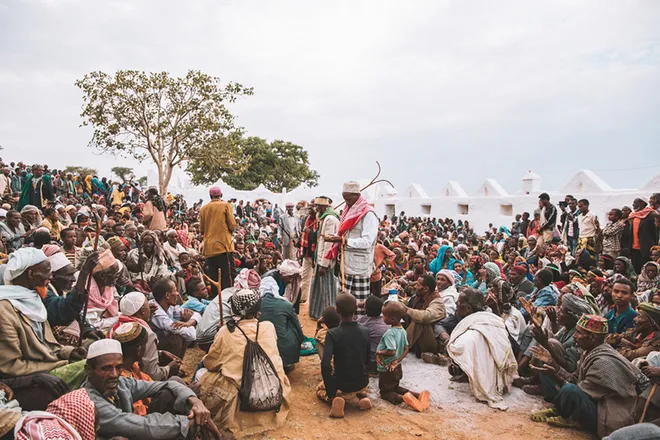
Several moments stand out, but the Anajina project remains among my proudest achievements. I planned it from mid-2016 and completed it in August 2017, travelling to a 12th-century sacred pilgrimage site in Bale, south-eastern Ethiopia, a symbol of Sufism, cultural diversity, and living heritage. 

During my research, I discovered that while foreign photographers had documented the site, no Ethiopian photographer had done so before me. Being the first Ethiopian photographer to tell that story, as both an Ethiopian and a Muslim who understood the deep spiritual significance of the rituals, felt profoundly meaningful.

The series was published internationally in Edge of Humanity Magazine, exhibited at the 2019 Nobel Peace Prize Exhibition in Oslo, at the Africa Institute in Sharjah (UAE), and at Addis Foto Fest 2018.

Equally significant to me is the recognition that "Life as a Disabled Person" received. The series was exhibited at the 2016 Rencontres d'Arles in France, where it received critical acclaim, and one work from it is now held in the permanent collection of the Musée Réattu in Arles.

Having work held in a permanent collection is something I think about often. It means that the story will continue to be seen long after I am gone.

'Ashenda' by Nader Adem

'A face from Harar' by Nader Adem

What's the biggest challenge you've faced as a photographer?

Navigating communication as a deaf photographer has been quite difficult, particularly in rural areas where sign language interpreters are rarely available. 

When someone agrees to let me photograph them, I often cannot ask them about their life, their story, or what the moment means to them.

That gap is something I feel deeply, especially in documentary work, where the story behind the face matters as much as the face itself.

I have learned to work around this through nonverbal communication, showing subjects their images on my camera, using gestures and expression to build trust, and leaning on my sister, who has helped me interpret in many situations.

The lesson has been that connection does not require words, but earning it takes patience, presence, and genuine respect.

"People sometimes express surprise that a deaf photographer can produce meaningful work, which is itself a reflection of the stereotyping I try to challenge in my images."

'A face from Anajina II' by Nader Adem

If you could collaborate with anyone, who would it be and why?

I would love to collaborate with Aida Muluneh, an Ethiopian visual artist and photographer who founded the Addis Foto Fest, the largest photography festival in East Africa.

Her work sits at the intersection of fine art, documentary, and cultural storytelling, and she has done more than almost anyone to build a supportive ecosystem for photographers in Ethiopia.

She was my mentor at the beginning of my career and allowed me to exhibit my work in Ethiopia and internationally. I would not be where I am today without her guidance. A collaboration would push the boundaries of my practice and contribute to something larger than either of us alone.

I would also like to collaborate with National Geographic or similar platforms that focus on global storytelling. This would help bring more visibility to stories from Ethiopia and across Africa.

'A face from Dilla' by Nader Adem

'A face from Dilla II' by Nader Adem

What do you think of the 54Ruum?

54Ruum is exactly the kind of platform African photographers need right now. What draws me to it is the intention behind it, a community built specifically to centre African voices, not to translate our work for outside audiences, but to build something among ourselves. 

For a long time, Ethiopian and African photographers have had to look outward for validation, exhibiting in European festivals or being published by Western outlets to gain recognition. A platform like 54Ruum shifts that dynamic by centering African photographers.

I am looking forward to contributing, connecting with photographers across the continent, and helping build something that I wish had existed when I was starting.

Kissing the tomb

How's the photography and art space in Ethiopia?

Ethiopia has made real progress, though there is still much more ground to cover. 

The most significant development has been the Addis Foto Fest, founded by Aida Muluneh, which has given Ethiopian photographers a platform to showcase their work alongside international names and significantly raised the profile of local photography.

Social media platforms like Instagram have allowed Ethiopian photographers to bypass traditional gatekeepers and tell their own stories directly to global audiences.

That said, photography in Ethiopia is still often seen by the general public primarily as a service for weddings and events, rather than as a serious art form.

There is still no formal institution offering photography education in the country, and emerging photographers lack the professional associations and infrastructure that would help them grow.

The potential is enormous; the stories are there, and the talent is there, but the ecosystem still needs investment, recognition, and support from both the government and the private sector.

Attendant visiting Sheikh Hussein Tomb

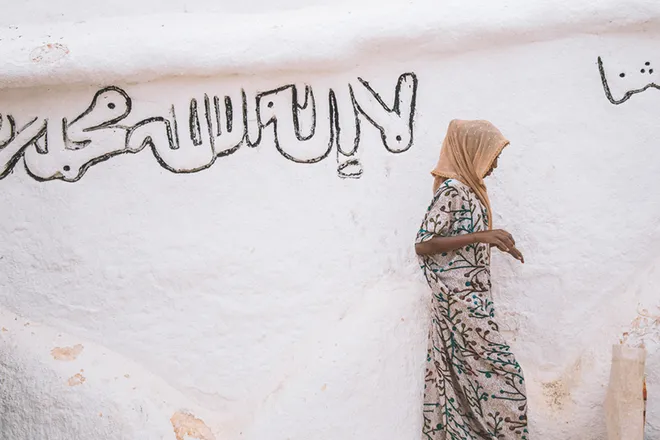
Untitled

Advice someone considering a career in photography

Start with intention: know what stories you want to tell and why they matter to you. Technical skills can be learned over time, but a clear sense of purpose is what separates memorable work from forgettable images. 

Be patient with your progress, be ethical in how you represent your subjects, and never stop looking for the stories that others are overlooking. Also, do not wait for perfect equipment or perfect conditions.

The best camera is the one you have with you, and the best story is the one unfolding in front of you right now.

The Gathering

Credits

Photography

Nader Adem

Text

Esther Ayoola

Curation

guvnor

SHARE THIS STORY

More Stories

Aïsha Fadonougbo: Beninese art editorial photographer exploring the sensory richness of African identity
Pape Malamine Diop: Senegalese artistic photographer exploring identity, culture and visual storytelling
Emmanuel Nkhuwa: Zambian portrait and event photographer documenting cinematic everyday moments
Puleng Mongale: South African self-portrait and digital collage photographer exploring identity, spirituality, and womanhood
Natalia Msungu: Tanzanian street and documentary photographer expressing the evolving textures of the African urban landscape
Jessica Eshete: Ethiopian fashion and portrait photographer exploring emotion, identity and cultural expression
Meklit Fekadu: Ethiopian portrait and fashion photographer exploring identity and human connection
Roberto Tchoko: Beninese portrait and documentary photographer expressing identity, spirituality, and dignity
Gnagna Guèye: Senegalese street and black-and-white photographer exploring everyday life, women, and quiet moments
Aton Tsiba: Congolese fashion photographer exploring identity, memory and culture
Mulenga Mukonda: Zambian abstract and architectural photographer expressing the extraordinary within everyday life
Tinashe Sithole: Zimbabwean abstract mobile photographer exploring imperfection, colour and emotional depth
Surafel Dejene: Ethiopian street and portrait photographer capturing authentic human emotions
Erica Aryee: Ghanaian fashion, documentary and lifestyle photographer capturing everyday Ghanaian life and emotional storytelling
Dawit Geremew: Ethiopian fashion and documentary photographer capturing authentic Ethiopian stories
Sandile Hlela: South African street and fashion photographer capturing Kasi culture and youth identity
Shawn N. Hounkpatin: Beninese fashion, art and documentary photographer exploring identity, memory and Black utopia
Hamza Ajbabdi: Moroccan portrait and street photographer capturing genuine human stories
Jones Martey: Ghanaian fashion and editorial photographer exploring Afro-modern narratives and refined visual storytelling
Lidudumalingani: South African documentary photographer exploring history, colonialism and the human spirit
Ngwane "Kreative" Kwame: Cameroonian fine art and documentary photographer documenting social causes and environmental decolonisation
Ousmane Dembele: Senegalese art director capturing melancholia and natural themes
Munyabarame Fidele Gisa: Rwandan documentary photographer exploring connection, community and authenticity
Katiso Hlabana: Mosotho fine art and portrait photographer capturing identity, heritage and the modern African narrative
Adam Mengistu: Ethiopian documentary and travel photographer capturing human stories across borders
Oleg Steve Ntwari: Burundian visual artist exploring intimacy, identity, and Afrocentric narratives
Daniel Idoko: Nigerian fashion and event photographer celebrating Generation Z identity and culture
Mohamed Monther Mejri: Tunisian conceptual photographer finding human authenticity in portraits
Diji Aderogba: Nigerian street style photographer expressing the storytelling of people and places
Itumeleng Kagiso: South African street and portrait photographer exploring connection, community and culture
Albert Chime: Ghanaian documentary and travel photographer preserving history through a lens of joy
Khanyisa Buthelezi: South African fashion photographer exploring identity, intimacy, and human connection | 54Ruum Spotlight
Pépin Auriol Tawamba: Cameroonian conservation and documentary photographer documenting the intersection of biodiversity and culture | 54Ruum Spotlight