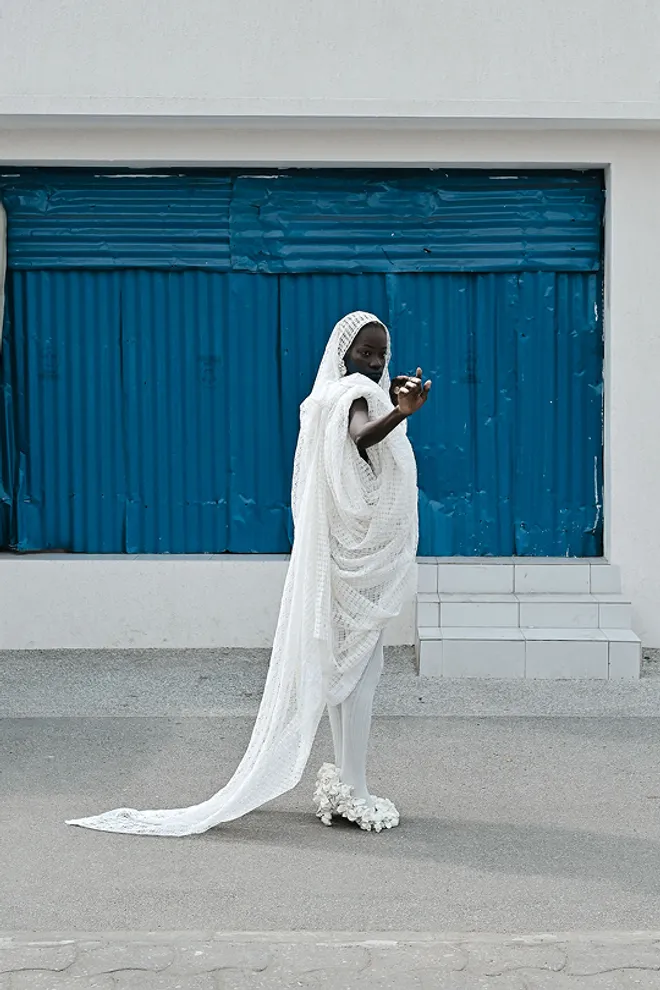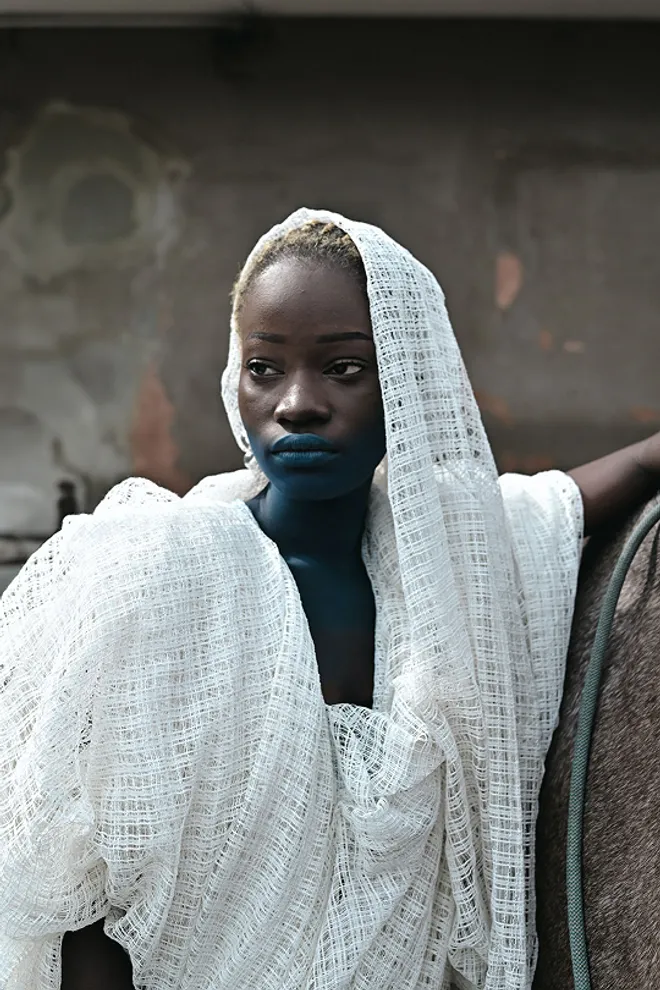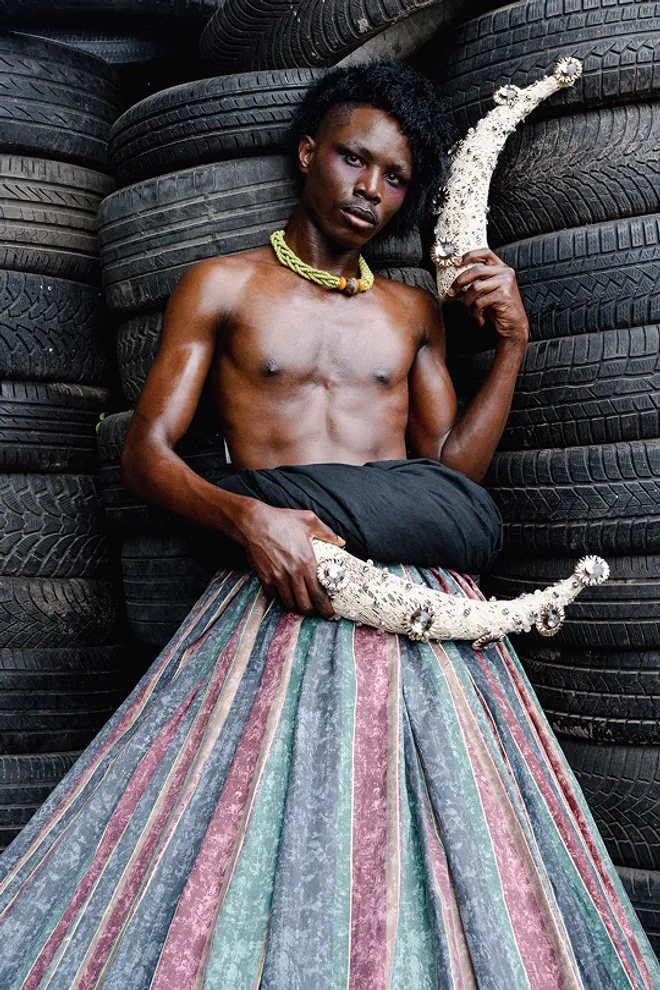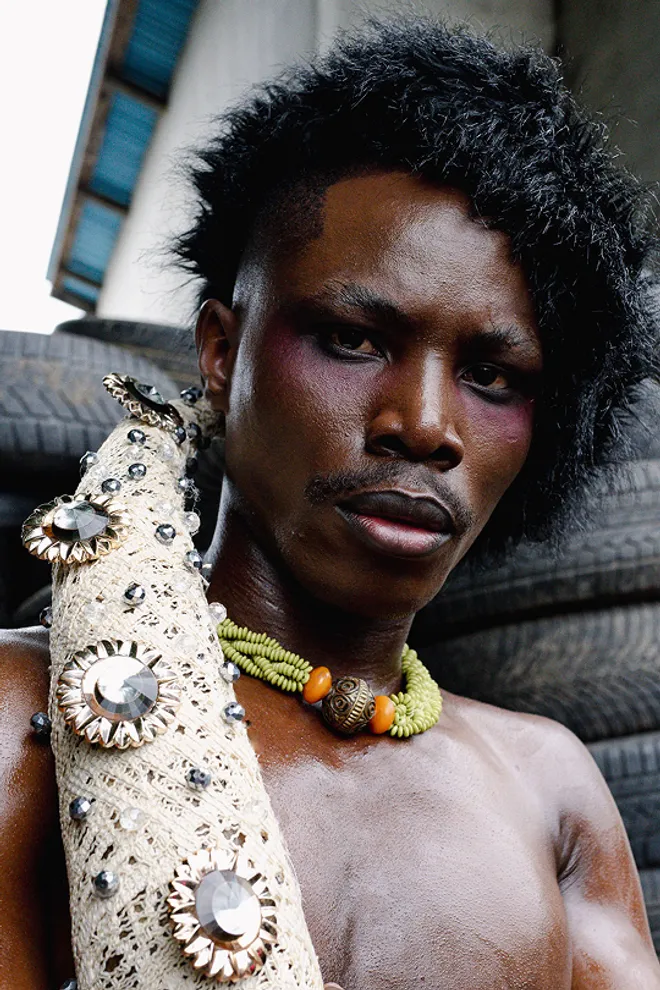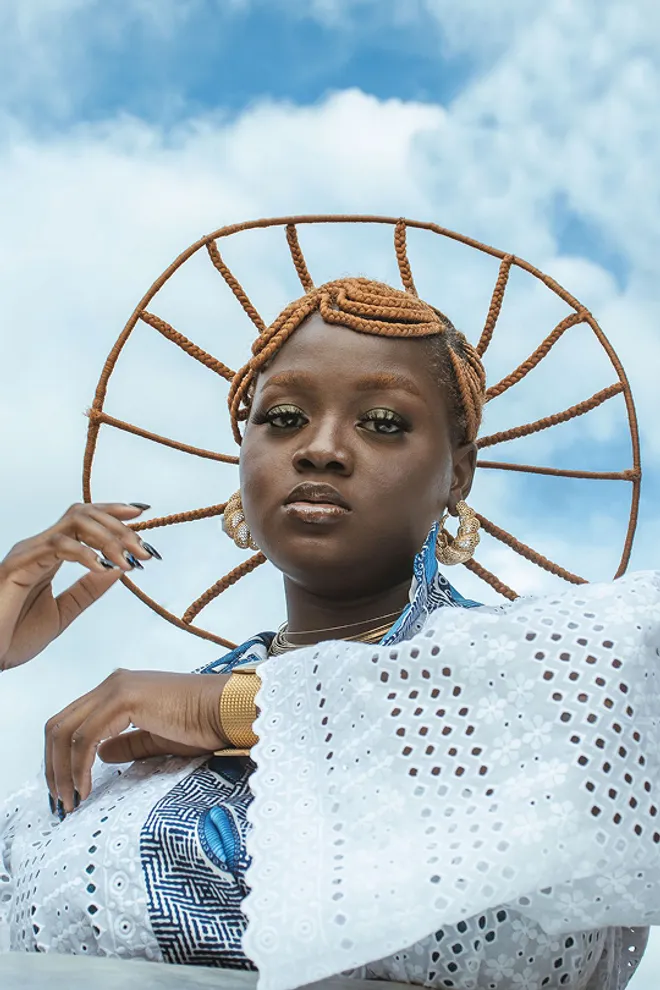
Aïsha Fadonougbo: Beninese art editorial photographer exploring the sensory richness of African identity

9 mins read
Published6 Apr, 2026

“Authenticity is often lost when you start creating from a place of imitation instead of truth.”

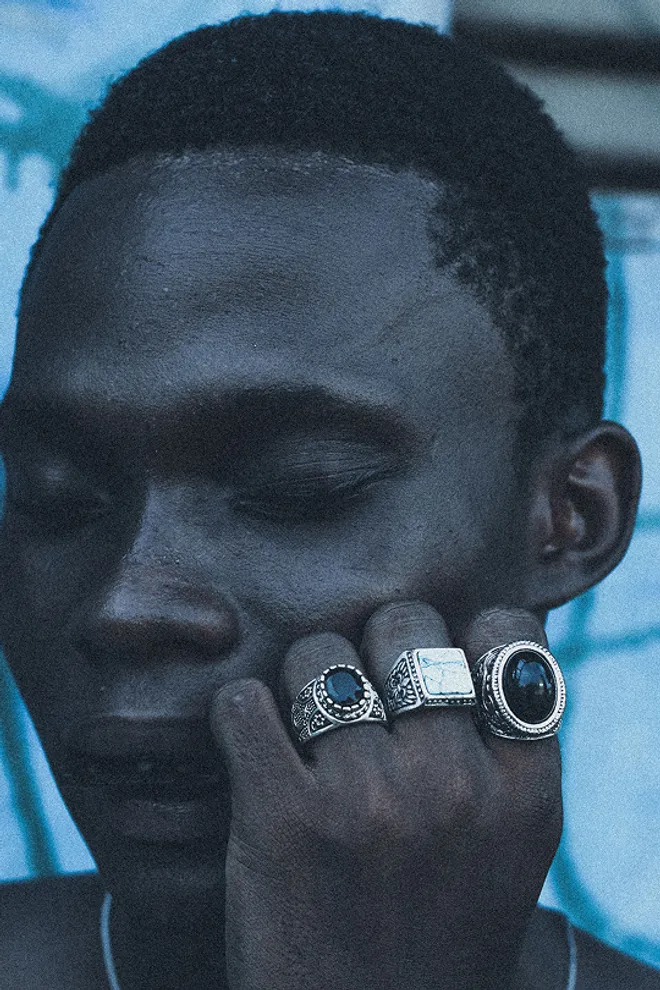
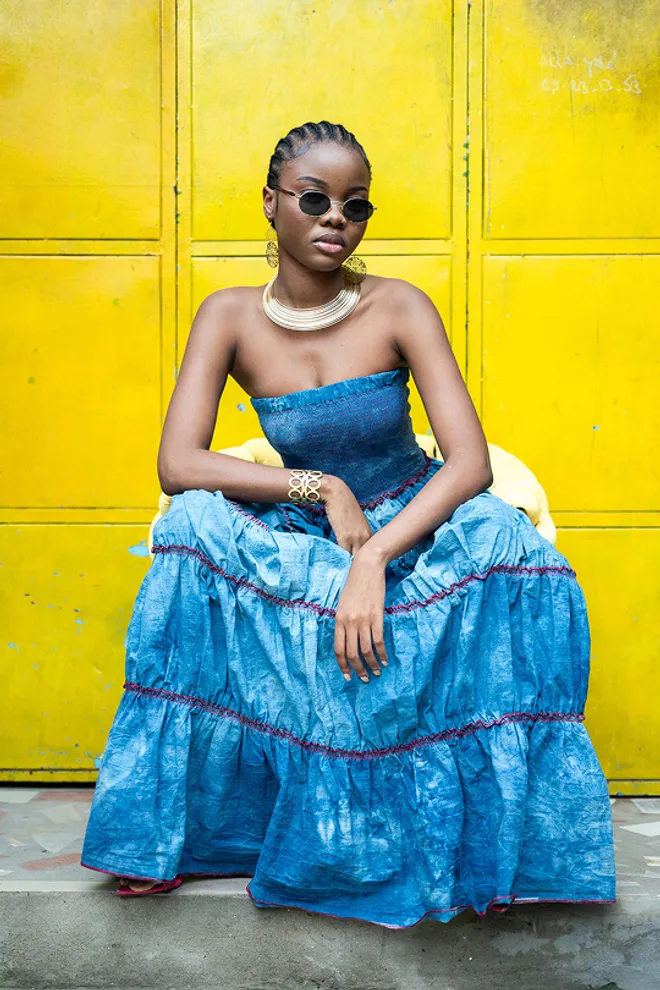
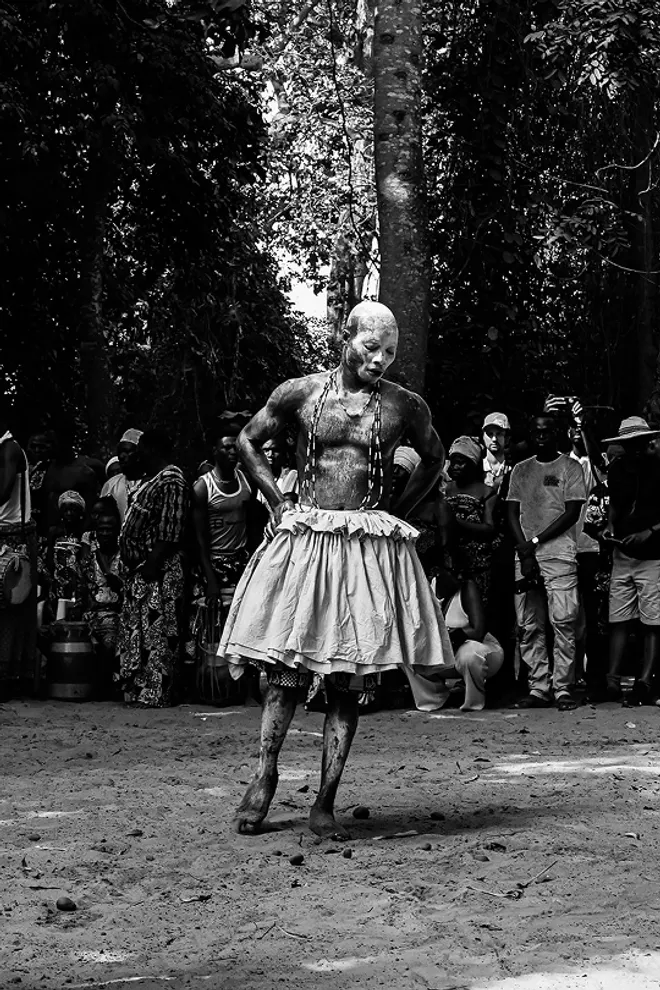
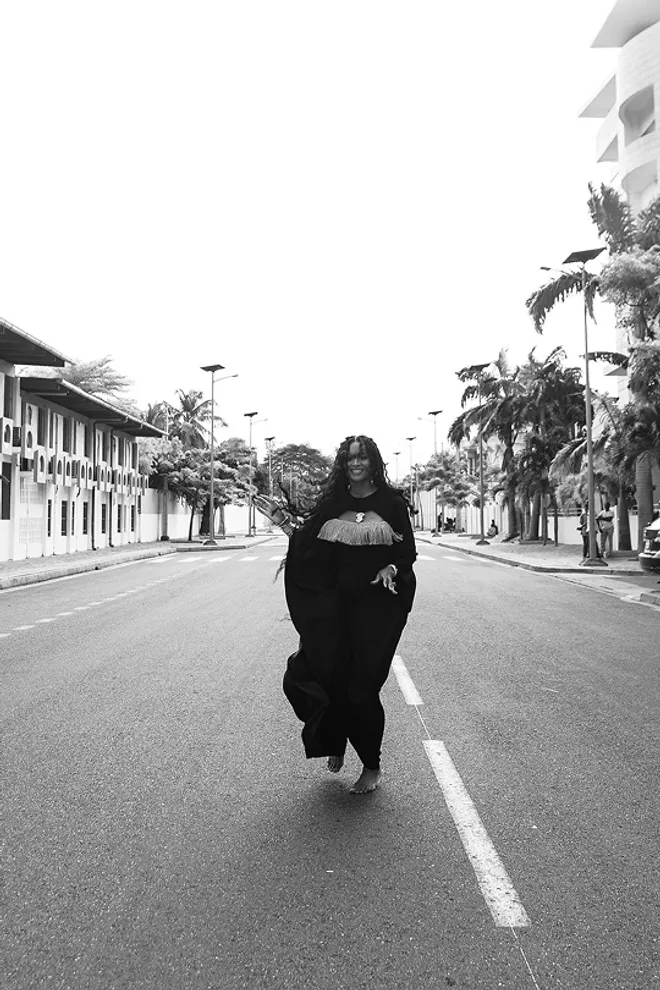
Aïsha Fadonougbo is a photographer based in the Republic of Benin. She started photography in 2017 during her student years in Paris, and the passion has stayed with her ever since.

Her work is shaped by cinema and music, with strong influences from filmmakers and music video directors, where images carry both narrative and cultural weight.

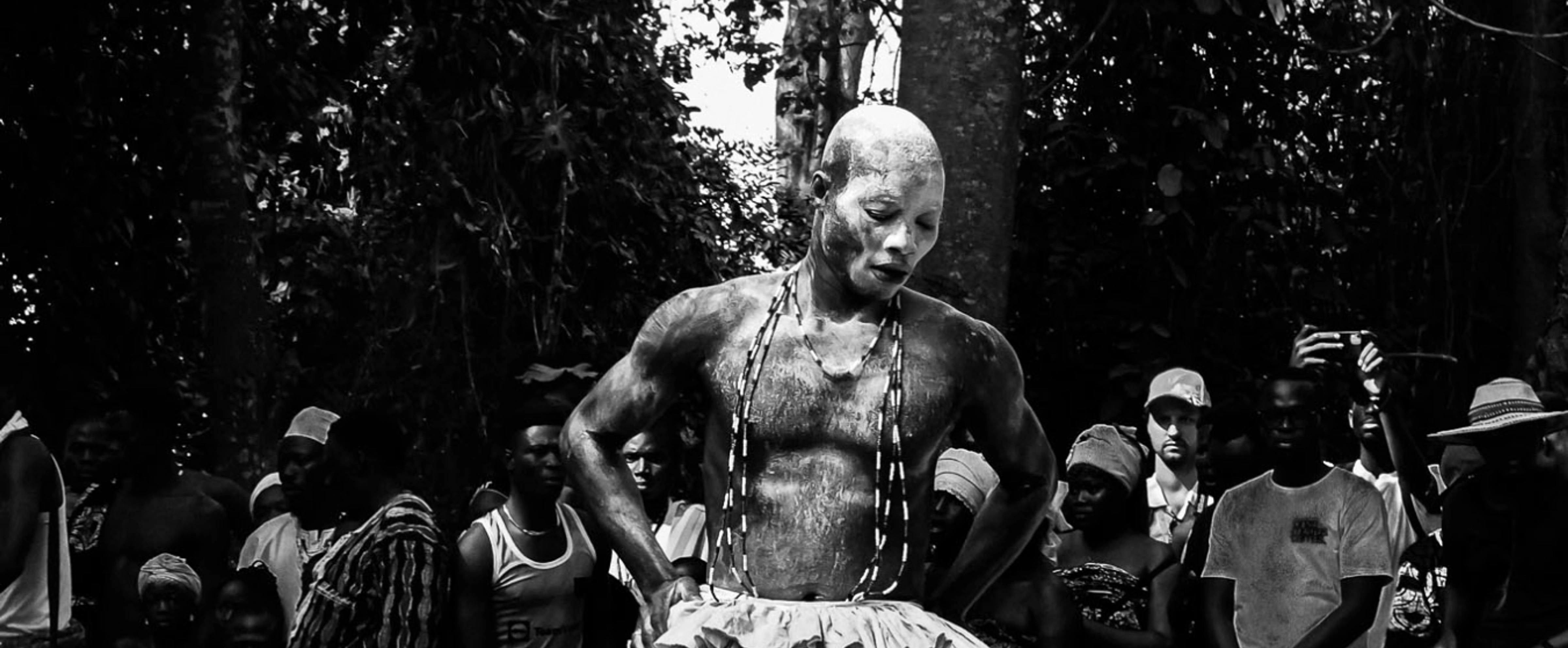
Over time, her practice has evolved across fashion, concert photography, and more personal projects where she continues to refine her artistic direction. Today, she is drawn to what she describes as photography of the moment — capturing movement and presence without over-staging, allowing scenes to unfold naturally.

Looking ahead, she aims to expand her work into film production, with a long-term ambition to develop both films and series.
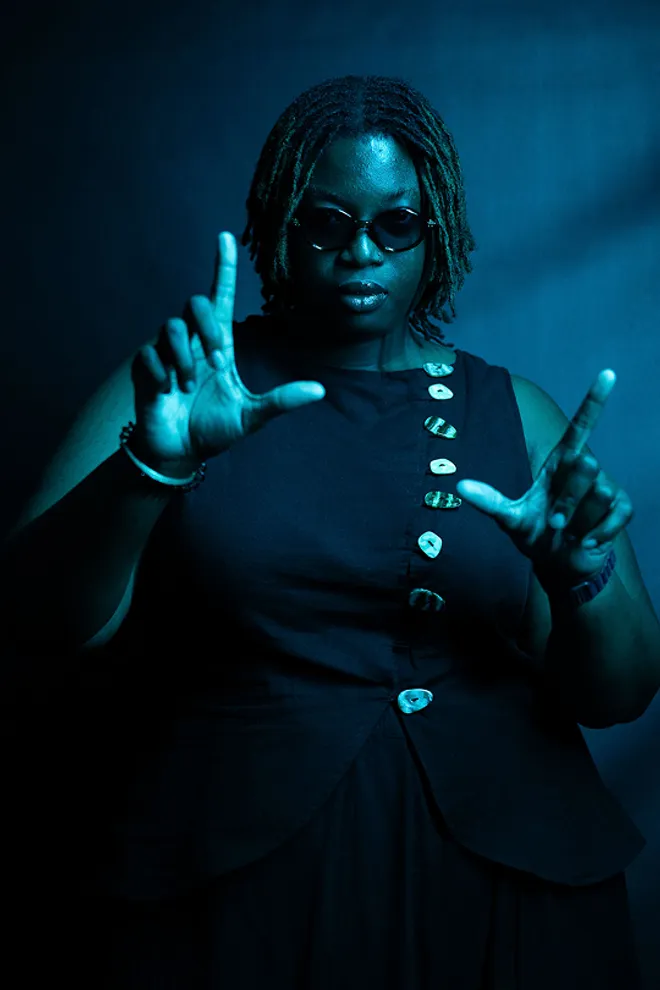
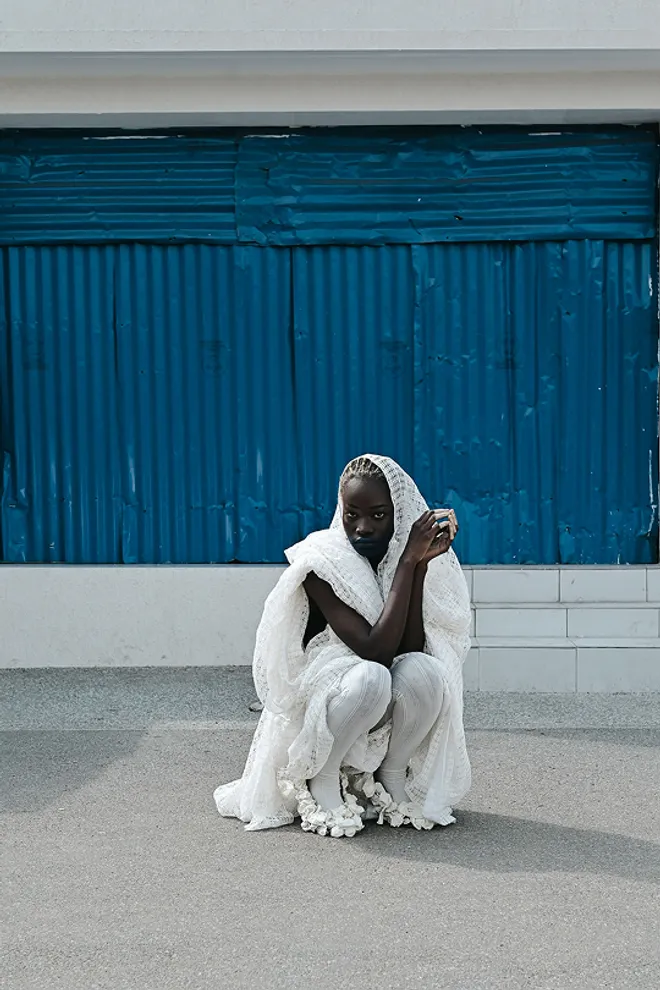
Aïsha Fadonougbo - Beninese editorial photographer

How would you describe yourself?

I am in my twenties, but I feel like an old soul. I have always been drawn to older things, whether it is listening to the radio or diving into 70s disco, 80s pop and funk, and late 80s and 90s hip hop.

I also love cinema and entertainment in general; I could spend hours talking about the filmographies of Spike Lee or Quentin Tarantino.

I am also a video game player, especially solo games like The Last of Us, Uncharted, Ghost of Tsushima, or Far Cry. People would be surprised by how much a good video game can influence one’s creative eye, both visually and aesthetically.

Beyond just the art itself, what really fascinates me is the context surrounding it — the social environment behind a song, a film, or a game. That deeper layer nourishes my mind and my creativity. It helps me understand people, culture, and how to build stories on a different level.

How did you get started in photography?

I got started in photography almost by accident. A friend of mine had a camera she was not using and agreed to let me borrow it. The moment I started using it, something just clicked. I immediately knew I needed to have my own.

Not long after, I was heading on holiday to Benin. I had about 400 euros in my account, and I decided to spend 300 of it on a Nikon camera. It felt like a big decision at the time, but it turned out to be one of the best investments of my life.

“I am drawn to what I describe as photography of the moment — capturing movement and presence without over-staging.”

What type of photography do you specialise in?

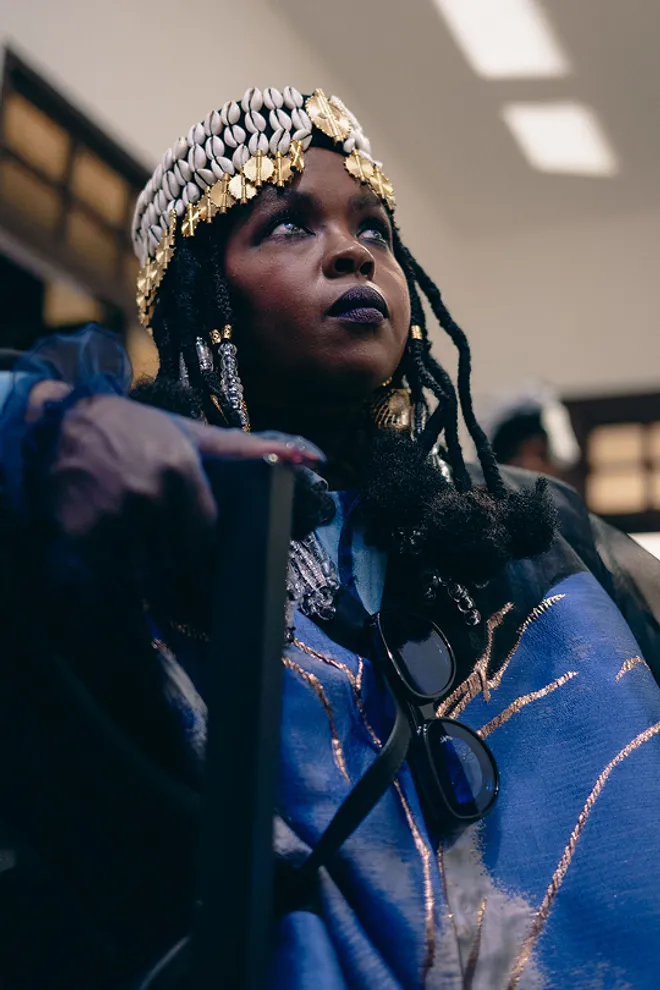
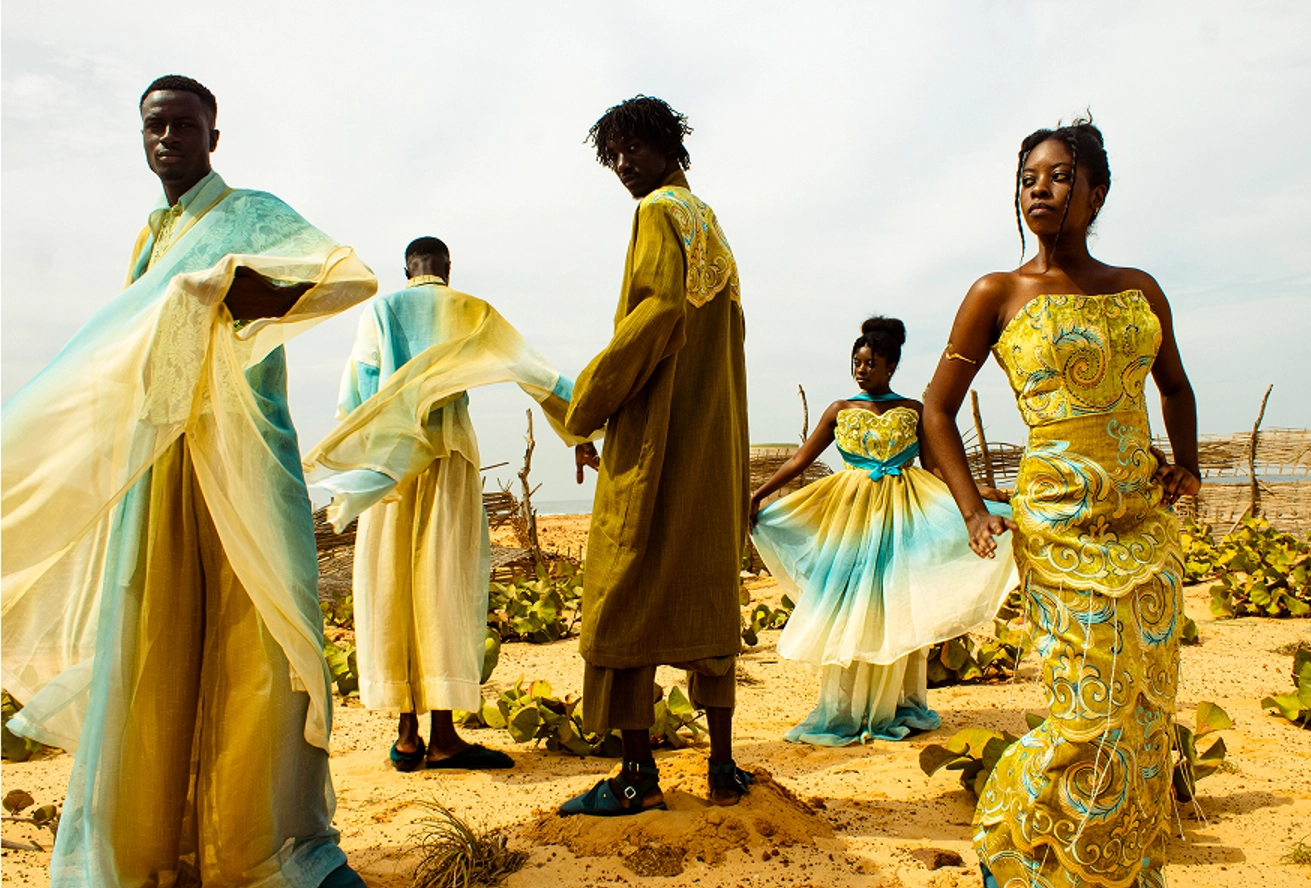
Right now, I specialise in art editorials. My photography journey has taken me through different specialities, including fashion, concerts, and lifestyle; I learned something from all of them. Consequently, I decided to blend everything into one genre.

What are the main themes that inspire your photography?

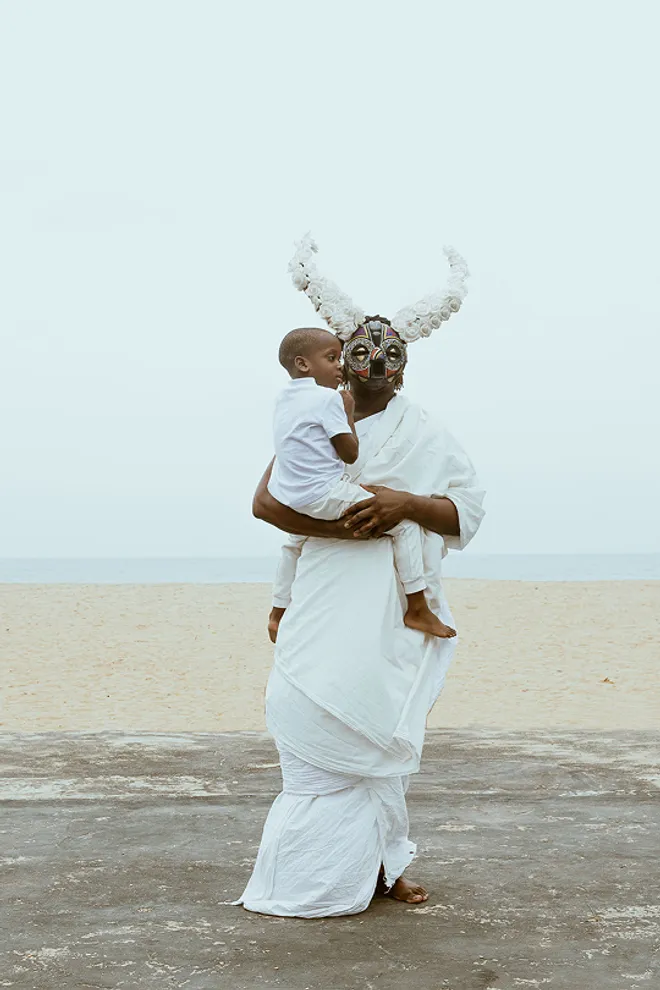
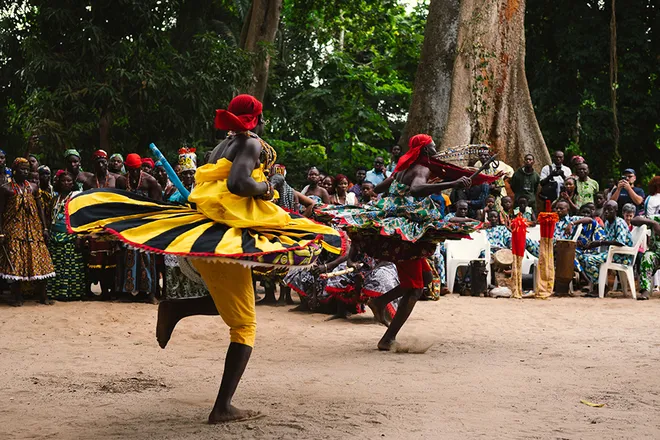
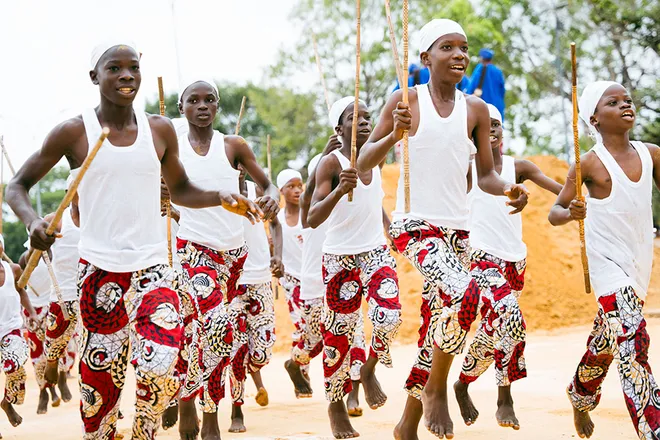
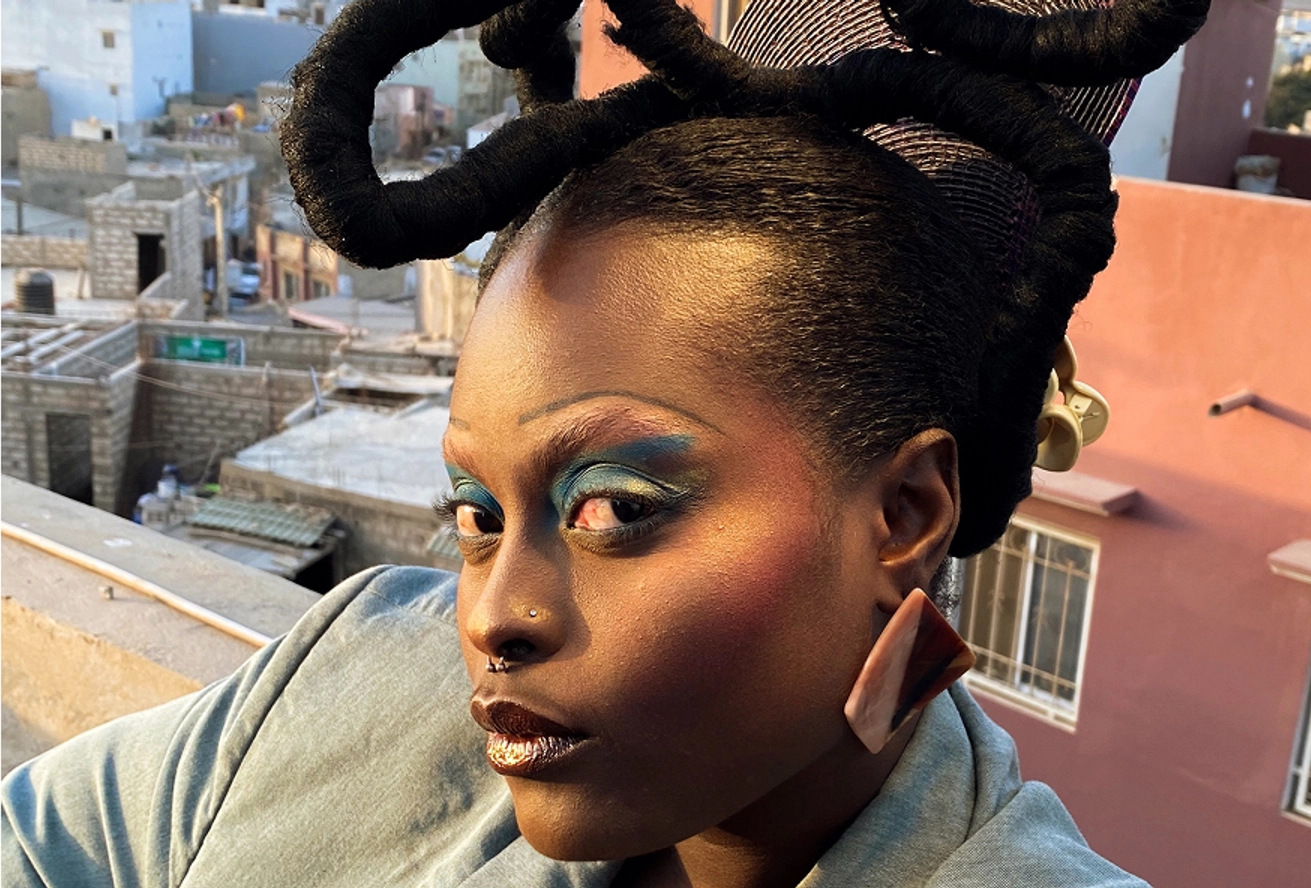
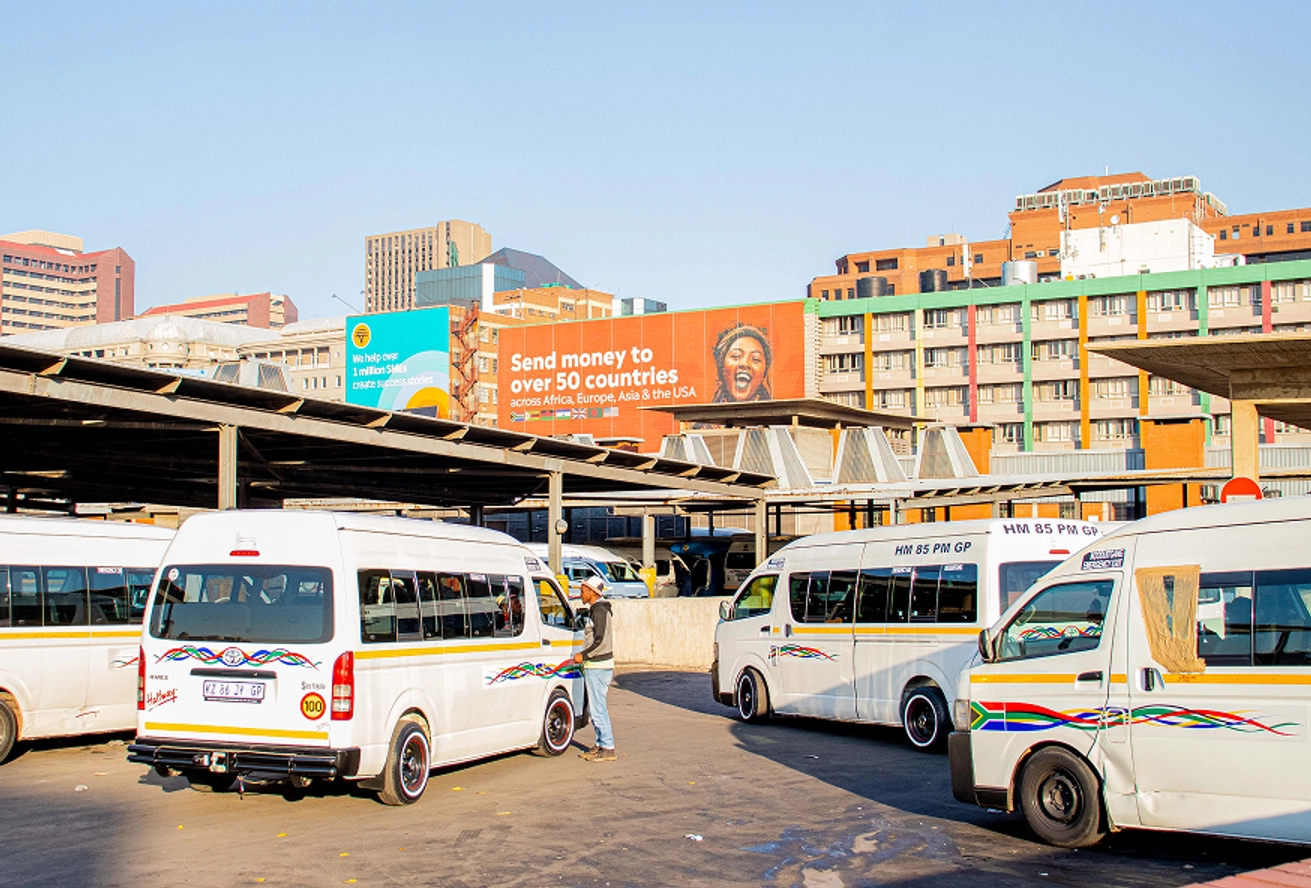
It might sound cliché, but everything Black and African inspires me — and more specifically, Beninese. The music, the traditions, the food, the clothes, the cities buzzing with life, the colours, and even the smells. It is a whole sensory world that constantly feeds my creativity.

I love being a Beninese woman. I love living in an African country. Most of all, I love creating work that reflects that reality. For me, it is not just an influence; it is what surrounds me. It is my most natural and honest source of inspiration.

I try to capture that everyday richness and make people feel it. I want my work to resonate, especially with people who recognise themselves in it, but also with those discovering it from the outside.

I believe that if you are not inspired by what surrounds you daily, you risk forcing your influences. That is often where authenticity is lost — when you start creating from a place of imitation instead of truth.

What moment in your career are you most proud of?

I work as a Marketing Manager in a public institution in Benin, the Sèmè City Development Agency. Because of that, I do not always get to create as regularly as I would like.

At some point, I even thought I might lose it. However, last year, when I started creating more seriously again, I realised photography is like riding a bike — you never really forget how to do it. It might look minor, but that was the moment I was most proud of.

“Photography can be a starting point, not a limitation. You can build a whole creative vision and career from it.”

What is the biggest challenge you've faced as a photographer?

The energy I put into helping other creatives, both at my job and outside of it. I love what I do. I get to meet so many talented and passionate people in Benin, and I try to support them and create opportunities for them whenever I can.

At the same time, it can be draining. I spend so much time helping others grow that sometimes I forget to focus on my own work. My challenge is finding that balance between showing up for others and showing up for myself.

If you could collaborate with anyone, who would it be and why?

It would be Joshua Kissi; I really admire his work and his journey. The way he transitioned from photography into becoming a director and producer, creating powerful campaigns, is something I find very inspiring.

It shows that photography can be a starting point, not a limitation. You can build a whole creative vision and career from it.

What do you think of the 54Ruum?

I appreciate what 54Ruum is doing. We need more and more platforms that highlight African talent and give visibility to creatives who deserve to be seen and heard.

How's the photography and art space in your country?

We really come from the trenches. At first, we did not even know that what we were doing could be seen as something real or valuable.

In recent years, however, things have changed a lot. Thanks to both private and public initiatives, artists are now being placed back at the centre of the cultural and creative scene, perhaps for the first time in this way.

There are so many programmes, platforms, and opportunities that are pushing Beninese creativity forward. You can feel that a real ecosystem is being built across fashion, music, design, dance, and more. All of these artistic expressions feed into photography and push photographers to go further, to experiment, and to raise their standards.

What is happening now feels sustainable. It is not just a moment; it is a movement. Benin is really stepping into its identity: Benin, a World of Splendours. Honestly, if you are not familiar with what is happening in the Republic of Benin right now, you should take a moment to look. There is a lot to see.

Advice someone considering a career in photography

Buy that camera, or ask a friend to lend you one, reach out to those friends who can help you build your vision, snap those shots, and post them!

Credits

Text

Kelvin Otum

Curation

guvnor

SHARE THIS STORY

Join Our Community

More Stories

Kelvin Buckman: Ghanaian lifestyle, portrait and music photographer documenting emotion, culture, and storytelling
Said Manseur: Algerian documentary photographer exploring environmental change, memory, and cultural resilience
Sidy Talla : photographe sénégalais de sport et d’entreprise capturant le rythme, la précision et les instants invisibles
Doris Lewechi: Nigerian photographer elevating the overlooked through narrative integrity and bold editorial vision
Omar Niane: Senegalese portrait and fashion photographer expressing identity and emotion
Godelive Kabena Kasangati: Congolese documentary and conceptual photographer exploring bodies, life, and the complexity of image-making
Hamza Boufes: Algerian conceptual and documentary photographer documenting heritage and cultural identity
Niyibikora Wilson: Rwandan black and white photographer capturing real-life stories
Yonatan Nigussie: Ethiopian documentary and street photographer documenting everyday life, culture, and honest human stories
Isaac Gyamfi Assumeng: Ghanaian documentary and portrait photographer exploring memory and materiality
Thando Radebe: South African editorial and conceptual photographer exploring existentialism and identity
Hermela Abebe: Ethiopian street and portrait photographer documenting faith, heritage, and urban life
Samuel Mwaandwe: Zambian street and documentary photographer capturing quiet poetry in ordinary scenes
Mame Mor Thiam: Senegalese fine-art architecture photographer exploring identity, heritage, and modern life
Tshidiso Mothusi: South African fashion and portrait photographer exploring identity, space, and perception

Company

The Ruum Africa

Products

RTM

Community

Cookie Policy

© 2026 The Ruum Africa

Built by