Anis Ryad Ribouni: Algerian documentary and street photographer exploring architecture, memory, and everyday life

13 mins read
Published17 Jul, 2026

"Watching visitors stop, reflect, ask questions, and even photograph my work was the first time I experienced photography as a conversation rather than simply an image shared online."

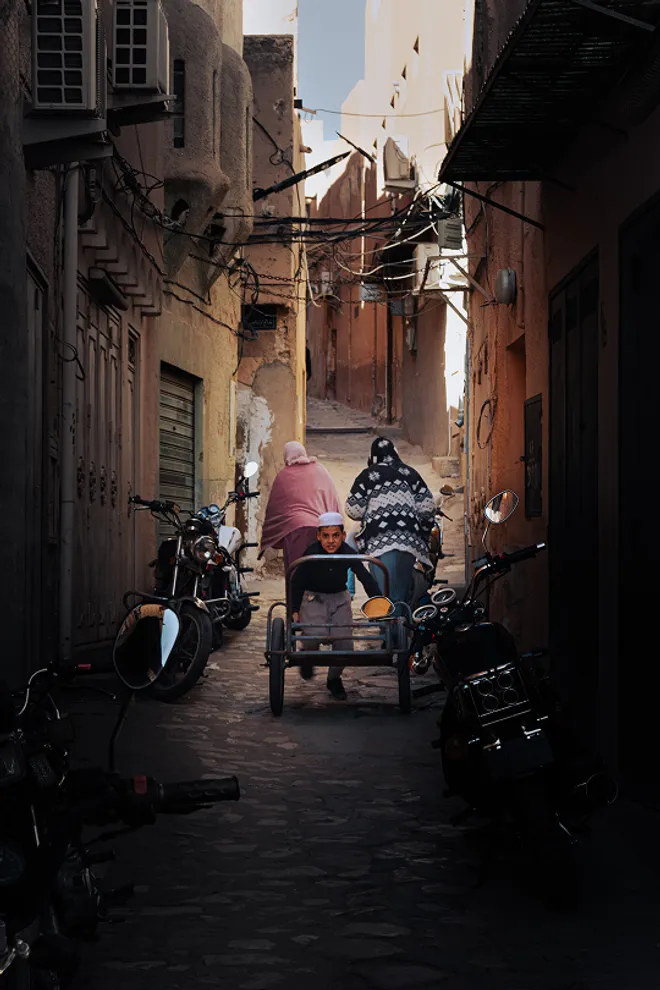
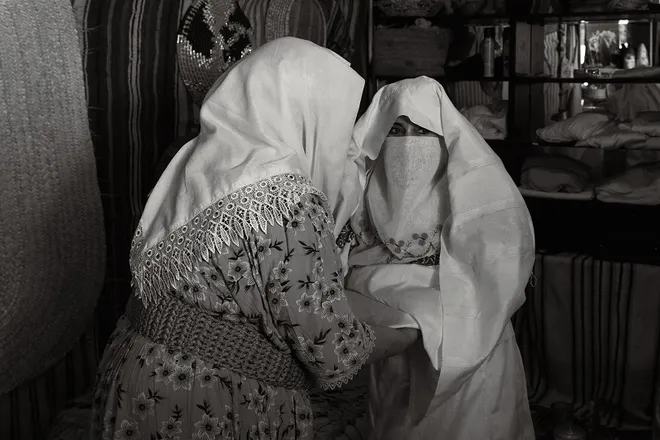
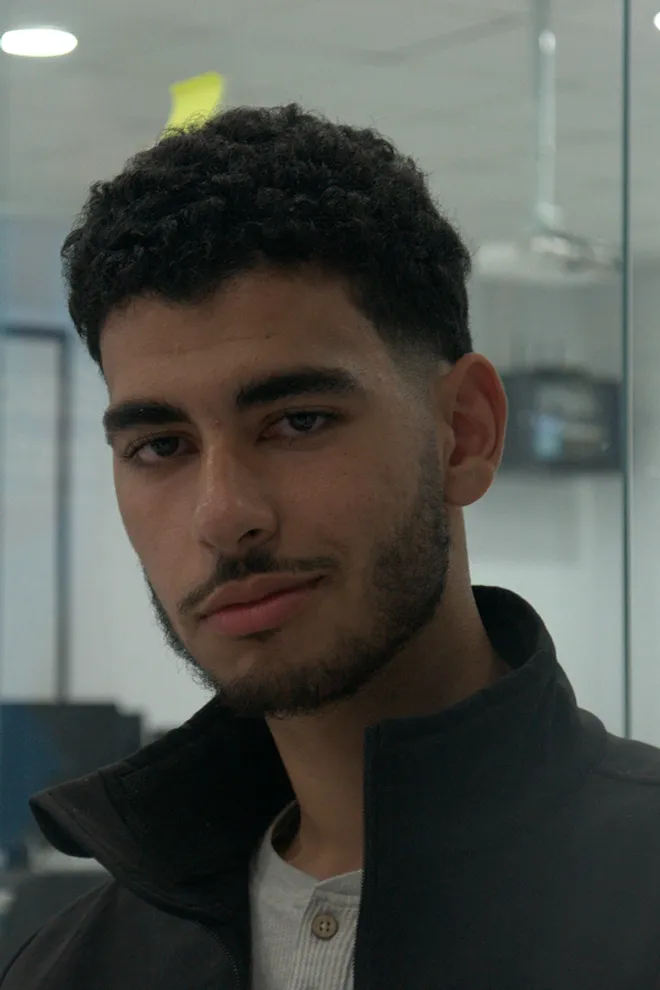
Anis Ryad Ribouni is an Algerian photographer and architecture student whose work explores the relationship between people, places, and memory. His work focuses on street and documentary photography, where he is drawn to everyday life, human gestures, and the quiet moments that often go unnoticed.

Ribouni enjoys documenting the atmosphere of every city he visits, searching for the small details that reveal larger ideas about identity, culture, and human connection.

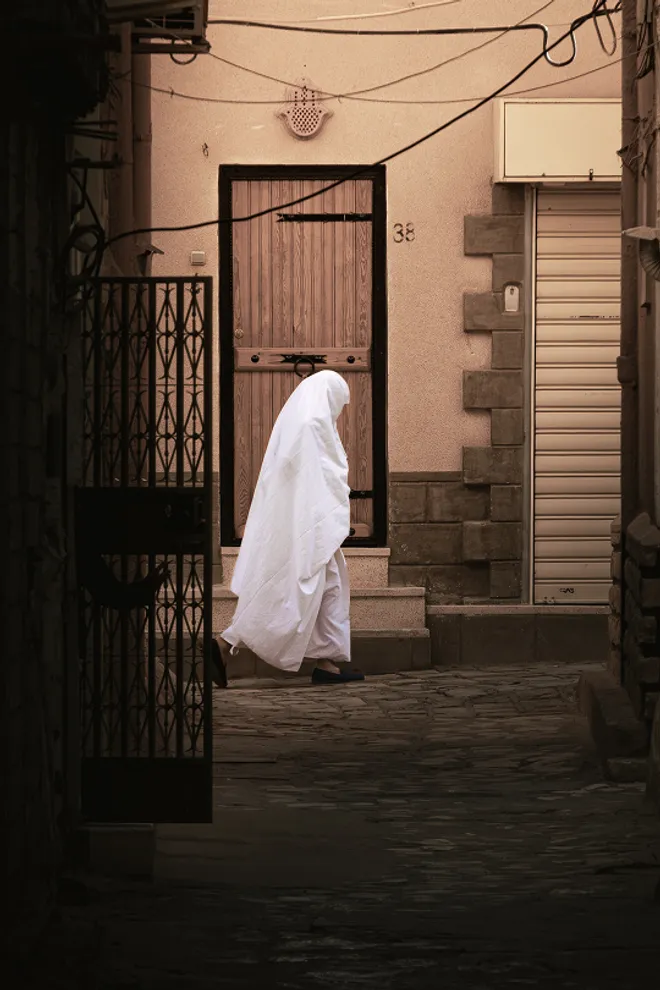
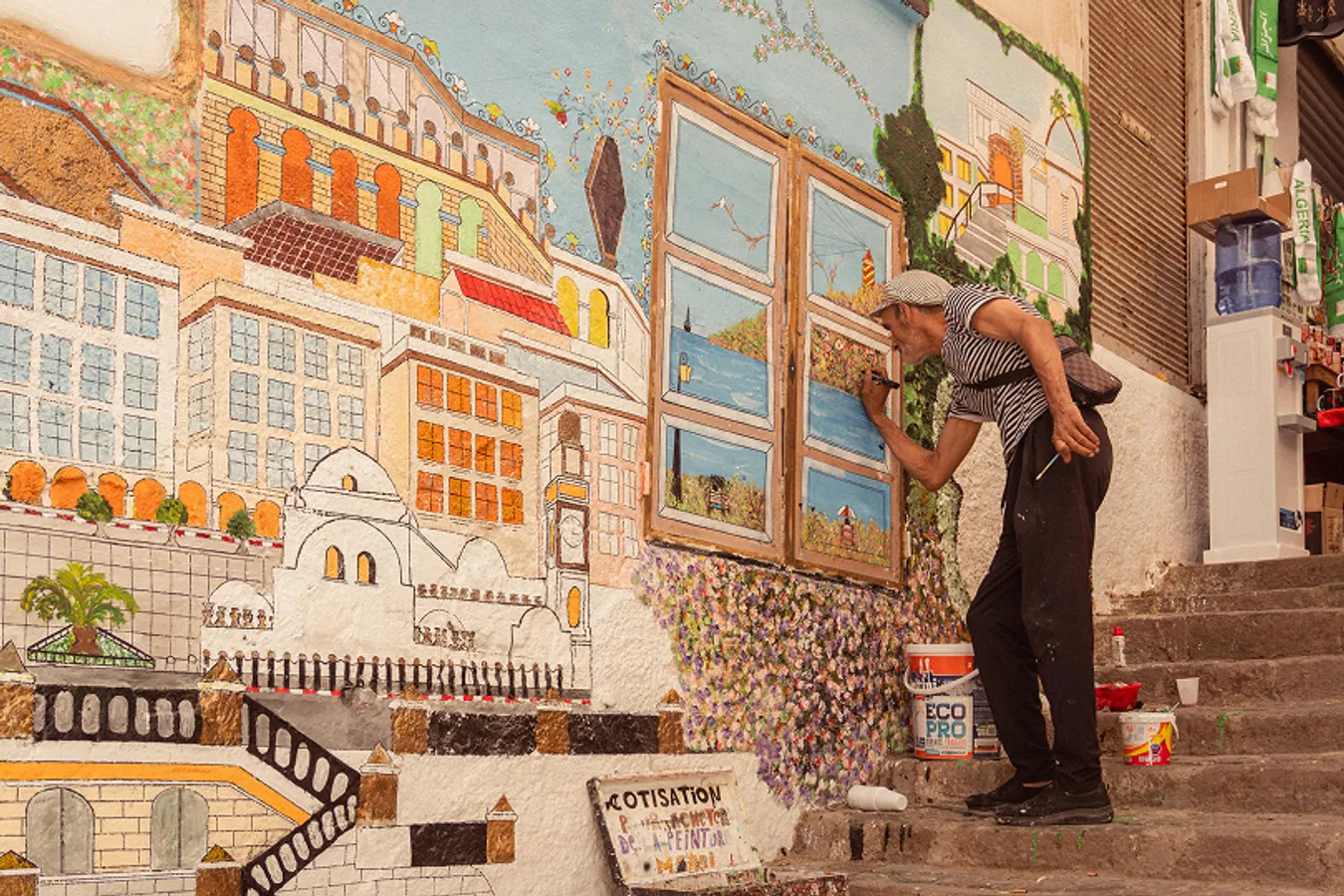
His background in architecture has shaped the way he sees and composes photographs. Through architectural photography, he explores geometry, balance, light, shadow, and the character of buildings, creating images that celebrate both their form and the stories they hold.

Whether photographing a busy street, an intimate portrait, or a historic façade, Ribouni hopes his images encourage people to slow down, observe, and discover meaning in ordinary moments.

For him, photography is more than recording reality. It is a way of preserving emotions, memories, and the moments that quietly define our shared human experience.
Anis Ryad Ribouni - Algerian documentary photographer

How did you get started in photography?

My relationship with photography began long before I owned a camera. As a child, I would secretly borrow my father's camera to photograph our home, the streets where I grew up, buildings that caught my attention, and the people around me. I was always more interested in documenting the world than standing in front of the camera myself.

Photography became a serious pursuit during my first year studying architecture. Learning architecture changed the way I observed space, light, composition, and proportion, naturally leading me towards architectural photography.

Over time, my curiosity expanded beyond buildings to the people who inhabit them, and I gradually found myself drawn to street and documentary photography.

How would you describe yourself?

I naturally notice details that many people overlook. My friends often laugh because I will stop to observe something they consider insignificant, whether it is a gesture between strangers, a reflection in a window, or the way light falls across a wall. To me, those details are never meaningless. They often hold the beginning of a much larger story.

I also tend to overthink. My mind is constantly imagining stories, asking questions, and making connections between things that seem unrelated. While it sometimes distracts me from the present moment, it also fuels my creativity and influences the way I photograph the world.

Despite that, I am a very social and approachable person. I genuinely enjoy meeting new people, listening to their experiences, and building connections. Those conversations often become the inspiration behind my photography.

"Every city has its own rhythm, and every person carries a unique story. Through my photographs, I want people to connect with lives and experiences that may be very different from their own."

What are the main themes that inspire your photography?

Human connection, everyday life, memory, and identity are at the heart of my work. I am particularly interested in the moments people share, whether it is a laugh, a thoughtful glance, or a simple gesture that reveals something genuine about who they are.

My inspiration does not come from photography alone. Books, conversations, cultural events, debates, and encounters with people from different backgrounds constantly shape the way I see the world. Every meaningful discussion leaves me with new questions and perspectives that I often translate into photographs.

Through my images, I hope to remind people that everyone has a story worth noticing. I want viewers to recognise themselves in the emotions of others, appreciate the beauty hidden in everyday moments, and feel connected to places and people they may never have met.

What moment in your career are you most proud of?

Two moments stand out.

The first was my first photography exhibition at L'Institut Français d'Oran. After completing a photojournalism masterclass with Nora Zaïr, I presented a series titled La pollution comme un décor de quotidien, which explored pollution in my city, a subject many people had begun to overlook despite its growing impact.

What made the experience unforgettable was not simply exhibiting my work. It was meeting visitors, discussing the project face to face, and watching people stop, reflect, ask questions, and even photograph the exhibition. That was the first time I experienced photography as a conversation rather than simply an image shared online.

The second was taking part in the Pocket'Doc artistic residency, where I co-created two short documentary films. Seeing our work screened at L'Institut Français de Tlemcen, answering questions from the audience, and hearing their reactions showed me the power of collaborative storytelling.

One of the most meaningful moments was sharing that experience with my mother, who was in the audience to witness my work being recognised. Later, knowing the documentary was also screened in Lille, France, made the experience even more memorable. It reinforced my belief that photography and film can connect people across places and cultures.

"Learning architecture changed the way I observed space, light, composition, and proportion. Over time, my curiosity expanded beyond buildings to the people who inhabit them."

What is the biggest challenge you've faced as a photographer?

Balancing photography with my architecture studies has been one of my biggest challenges. Architecture is a demanding discipline that often requires long hours, especially during studio deadlines.

At one point, I was working on architecture projects while taking part in the photojournalism masterclass at L'Institut Français d'Oran, where I was also producing a documentary photography project in the field.

That experience quickly taught me that passion alone is not enough. I needed discipline and organisation. I began setting aside dedicated time for photography, editing, and my academic work instead of trying to manage everything at once.

It also reminded me that photography should never become something I only make time for when life is less busy. It deserves its own place in my routine. Learning to organise my schedule has allowed me to keep growing as both an architecture student and a photographer without sacrificing either.

What type of photography do you specialise in?

Documentary and street photography.

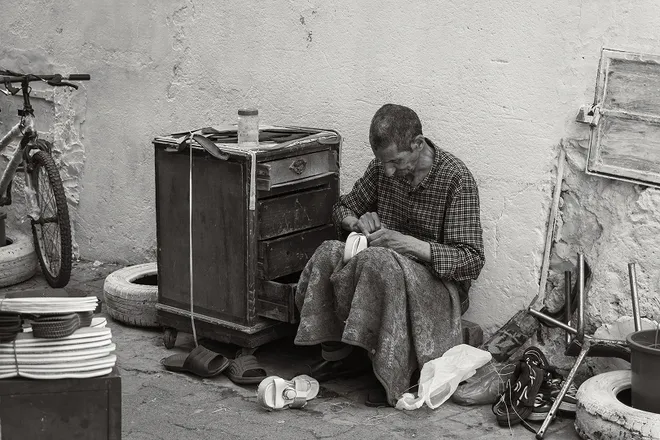
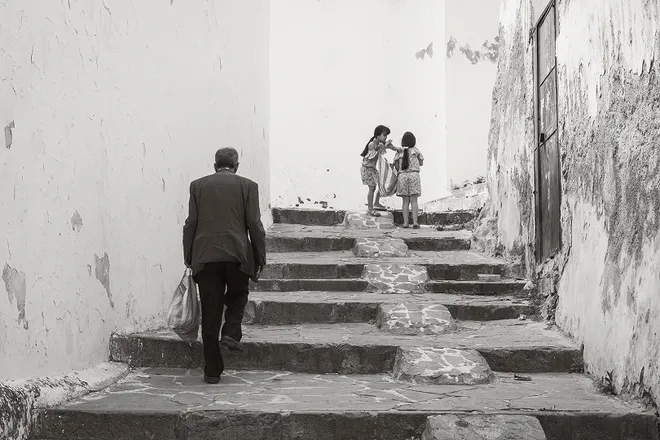
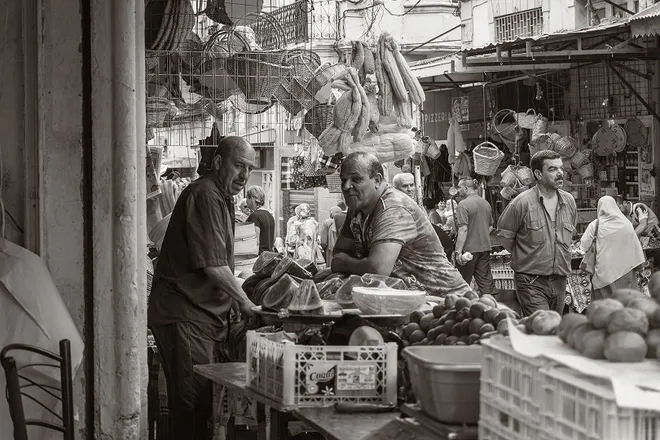
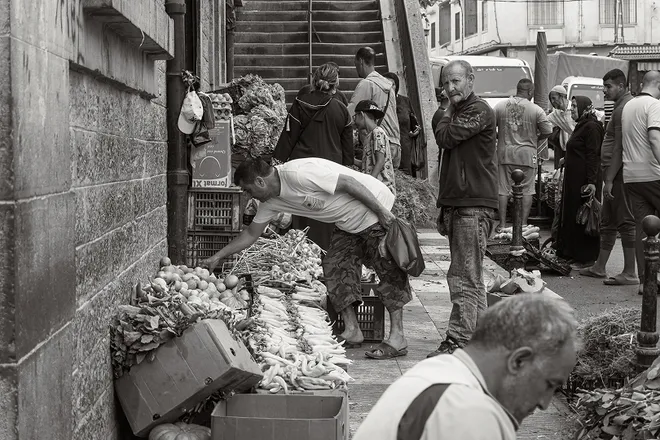
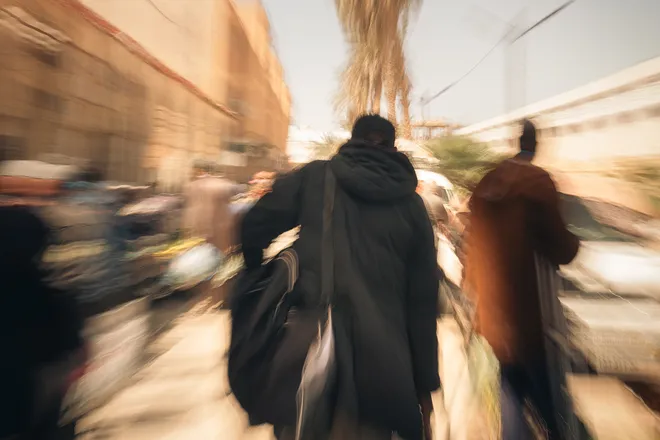
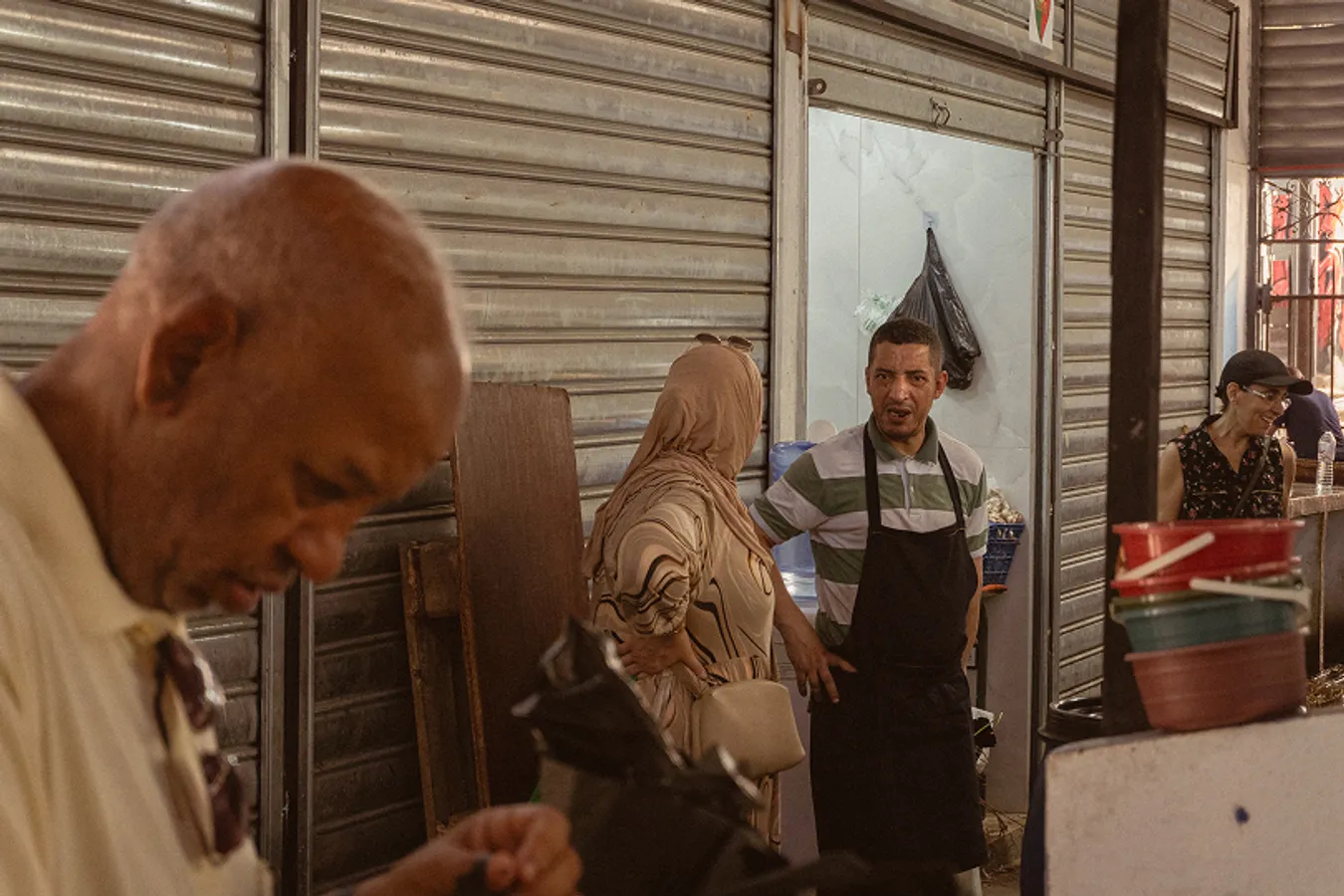
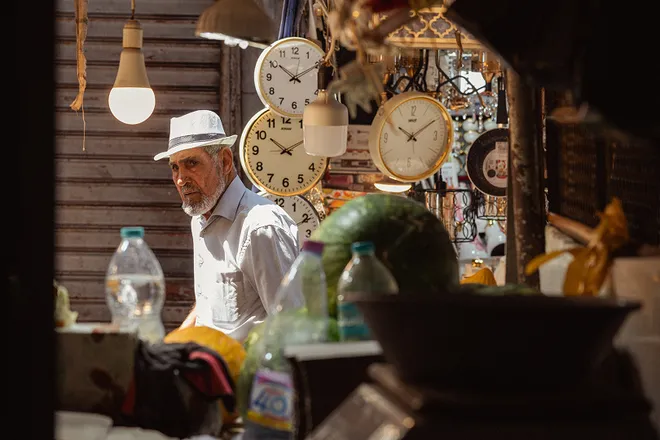
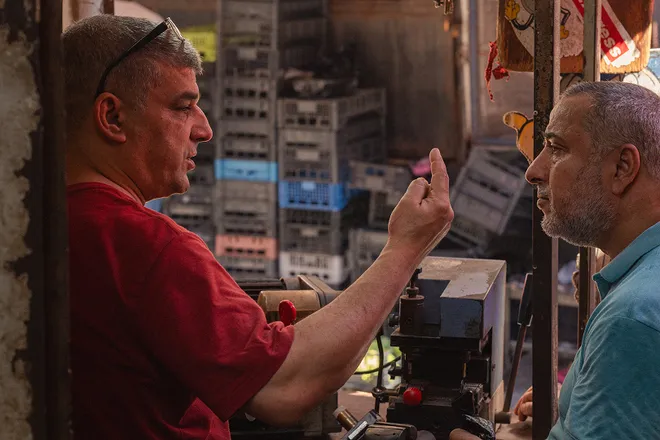
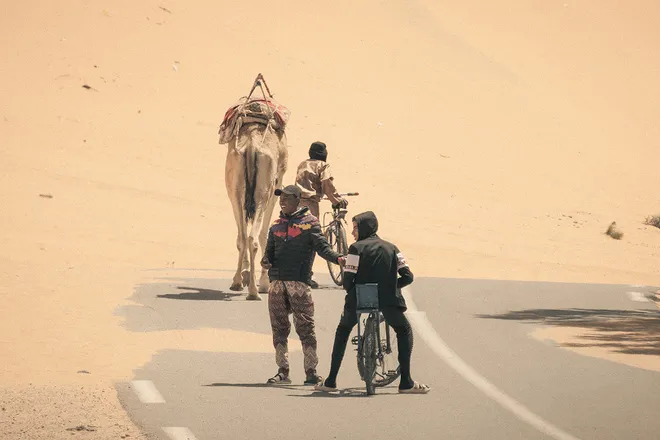
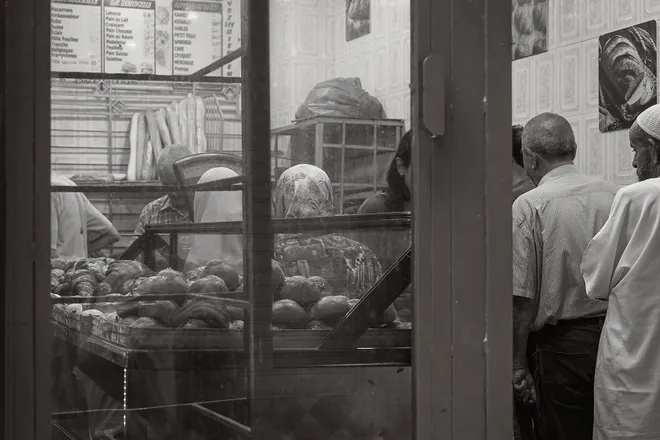
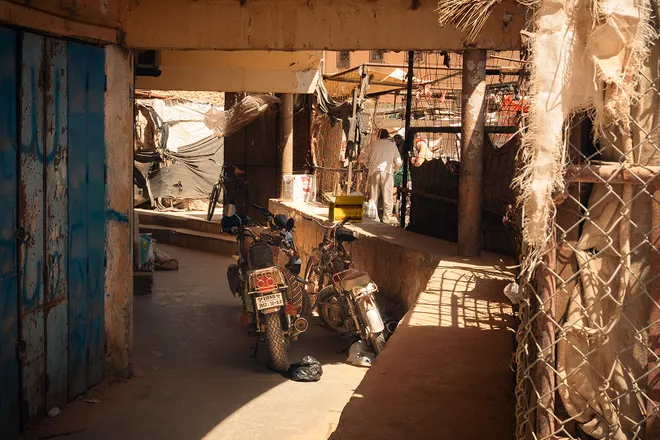
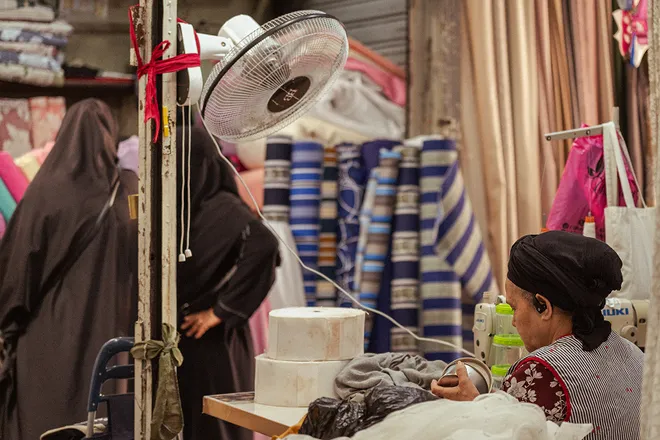
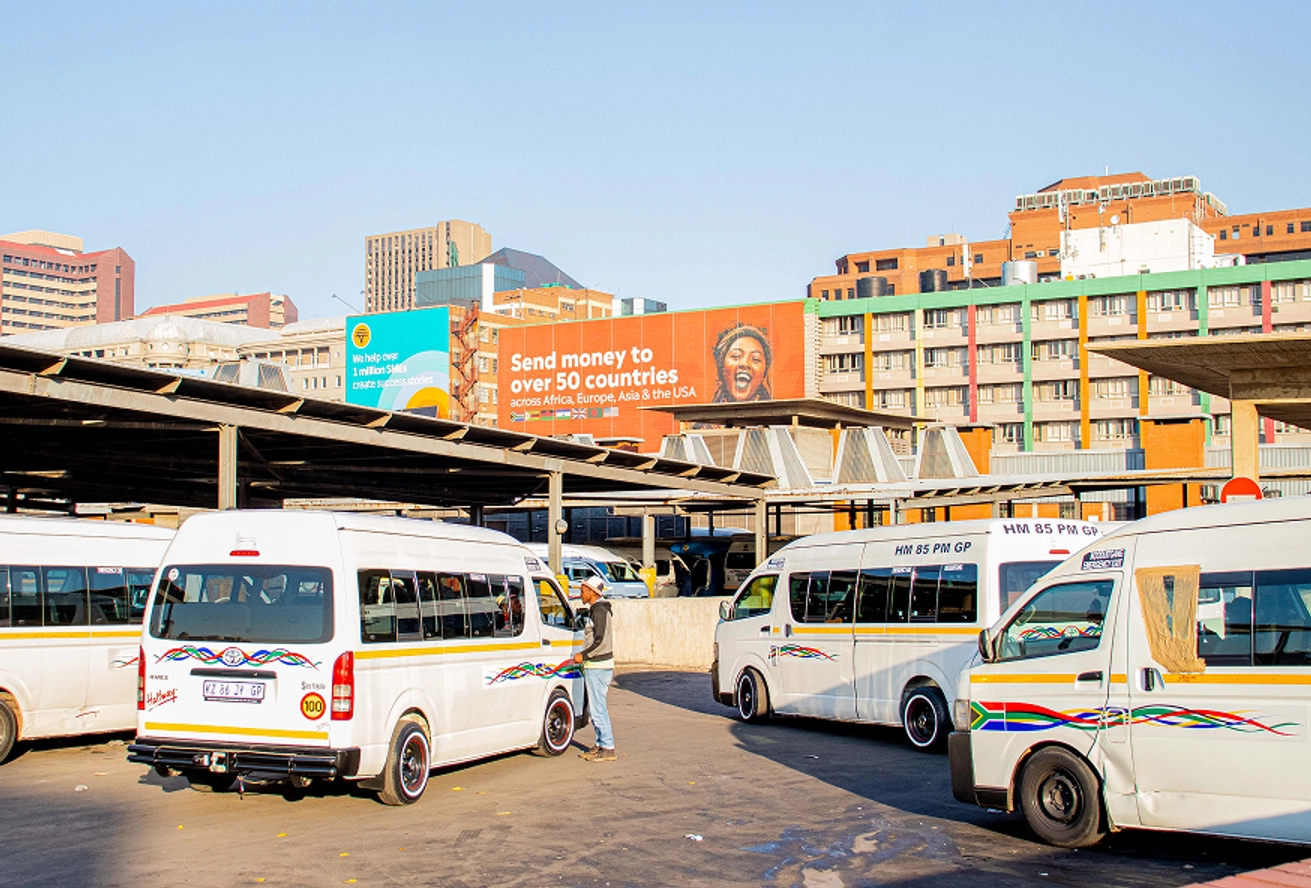
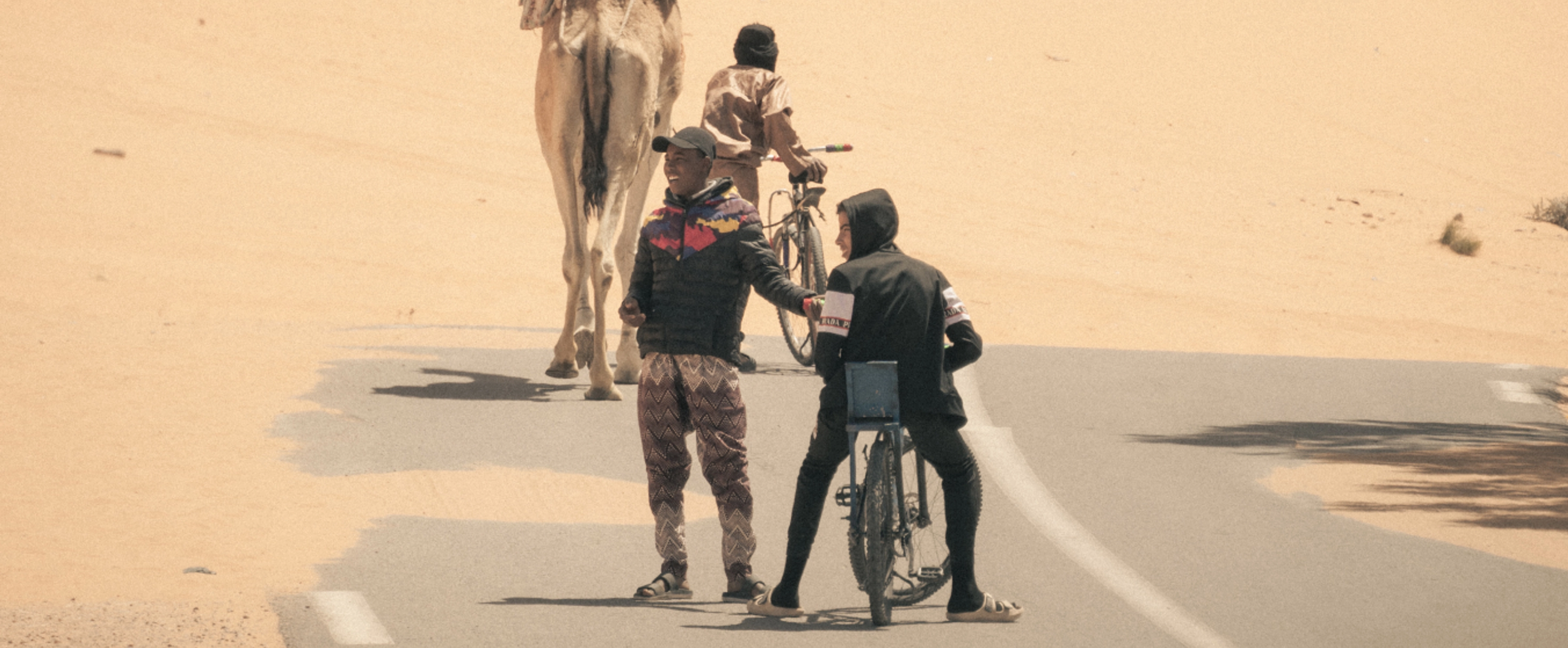
I am fascinated by everyday life and the countless moments unfolding in public spaces. Markets, streets, and neighbourhoods are places where people naturally reveal themselves through gestures, emotions, and interactions. Those are the moments I enjoy documenting most.

What draws me to this genre is its ability to preserve reality while revealing the humanity within it. Every city has its own rhythm, and every person carries a unique story. Through my photographs, I hope viewers can connect with lives and experiences that may be very different from their own.

My style has evolved considerably over time. In the beginning, I focused mainly on composition and technical precision. Those remain important, but today I am more interested in emotion and the feeling within a scene. I look for expressions, relationships between people, and the way a subject interacts with its surroundings. Visual contrasts, light, gestures, and context all help strengthen that feeling.

What is your primary commercial niche?

Event photography and visual event coverage, alongside my documentary practice.

I enjoy photographing conferences, cultural events, workshops, exhibitions, and community gatherings by capturing both the defining moments and the spontaneous interactions that shape the atmosphere of an event.

My goal is not simply to document what happened, but to create a visual record that reflects the event's energy, purpose, and the connections between the people who were there.

"I use architectural elements, geometry, light, shadows, and colour to guide the viewer's eye without distracting from the story."

What is your unique technical or visual approach?

My work is built around thoughtful composition and visual storytelling.

Architecture continues to influence the way I photograph. I use geometry, leading lines, light, shadows, and colour to naturally guide the viewer's attention while keeping the focus on the subject.

Rather than using composition only for visual appeal, I use it to strengthen emotion. I pay close attention to the relationship between people and their surroundings, looking for moments where expressions, gestures, and atmosphere work together naturally.

During post-production, I make careful adjustments while preserving the authenticity of the scene. I want my photographs to feel immersive and emotionally honest, never over-processed.

Which global brands, photographers, or industries do you feel your work aligns with most?

I am inspired by photographers whose work combines strong visual composition with human observation.

Alex Webb's layered compositions and use of colour have shown me how everyday life can become complex visual narratives. Ernst Haas inspires me through his poetic use of movement, light, and colour, proving that emotion can be communicated beyond straightforward documentation.

I also continue to learn from photographers such as Steve McCurry and Saul Leiter. Their work explores culture, identity, and everyday life with honesty, qualities I hope to develop in my own photography.

"Before starting any project, I need a clear concept and a clear understanding of the story I want to tell. Strong photography begins with purpose."

How's the photography and art space in Algeria?

Algeria's photography and arts scene has grown significantly in recent years. More emerging photographers are developing original voices and producing meaningful work that reflects the diversity of Algerian society.

Beyond photography, the wider creative community has become increasingly active. Independent initiatives, cultural centres, festivals, workshops, exhibitions, and artistic residencies are creating more opportunities for photographers, filmmakers, musicians, painters, and other artists to share their work and collaborate.

This growing creative ecosystem encourages young artists to experiment, tell local stories, and connect with wider audiences. Although challenges remain, I believe there is a genuine desire among young creatives to document, preserve, and reinterpret our culture through contemporary visual storytelling.

What is one professional standard you never compromise on?

Intentionality.

Before starting any project, I need a clear concept and a clear understanding of the story I want to tell. For me, strong photography begins with purpose, not simply with creating beautiful images.

I also try to maintain a consistent visual language throughout my work. From composition and colour grading to post-production, every creative decision should support the photograph and reflect the way I see the world.

Ultimately, I hope people recognise my work not because of a particular editing style, but because of the way I observe and interpret everyday life.

"I appreciate that 54Ruum connects African photographers with one another. Building relationships, sharing experiences, and learning from different visual cultures are just as valuable as the exposure itself."

What do you think of the 54Ruum platform?

I believe 54Ruum is an important initiative for photographers across Africa. Beyond showcasing work, it creates opportunities for photographers to discover one another, exchange ideas, and learn from different visual cultures across the continent.

For many emerging photographers, visibility is one of the biggest challenges. A platform like 54Ruum helps bridge that gap by giving artists the opportunity to present their work to a wider audience while becoming part of a larger creative community.

What I appreciate most is its focus on connecting African photographers rather than simply displaying portfolios. Building meaningful relationships, sharing experiences, and discovering different approaches to visual storytelling are just as valuable as the exposure itself.

Credits

Photography

Anis Ryad Ribouni

Text

Esther Ayoola

Curation

guvnor

SHARE THIS STORY

Join Our Community

More Stories

Bonolo Tlholoe: South African documentary and editorial photographer exploring identity, family lineage and everyday life
Azeezah Oyeleke Ibrahim: Nigerian fashion and lifestyle photographer exploring heritage through cinematic, nostalgic imagery
Ahmed Brini: Tunisian photographer and filmmaker documenting identity through cinematic visual storytelling
Sibusiso Twala: South African film photographer telling stories of home, triumph, and self-realisation
Seyi Adekola: Nigerian creative portrait and editorial photographer exploring melancholy and nostalgia
Ngonidzashe Chinhara: Zimbabwean editorial photographer exploring culture and African youth stories
Soufian Chemcham: Algerian documentary photographer exploring youth, hip-hop culture, and urban life
Arsene Usabamungu: Rwandan corporate, event and documentary photographer creating purposeful visual stories
Warren Gakuo: Kenyan editorial and portrait photographer documenting Nairobi's creative community through monochrome visual storytelling
Mouhamed Seck: Senegalese lifestyle photographer finding beauty in everyday moments
Oumar Ba : photographe portraitiste et lifestyle sénégalais capturant l'émotion humaine brute et les récits culturels authentiques à travers la photographie mobile
Victor Edeh: Nigerian editorial and fashion photographer capturing culture, identity and vibrant storytelling
Reath Bol: South Sudanese documentary photographer exploring identity, displacement and resilience
Vuyo Polson: South African portrait and editorial photographer exploring stillness, belonging and the inner world
Sidahmed Belhachemi: Algerian documentary photographer exploring identity, memory and cultural heritage

Company

The Ruum Africa

Products

RTM

Community

Cookie Policy

© 2026 The Ruum Africa

Built by