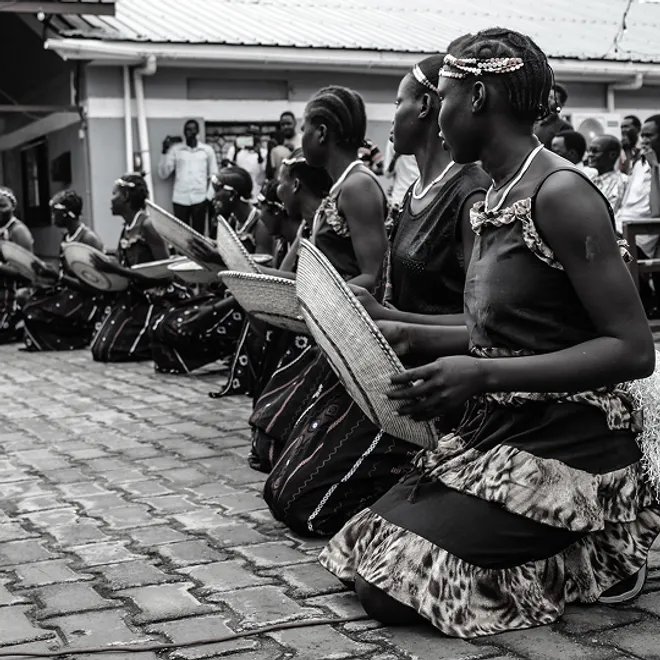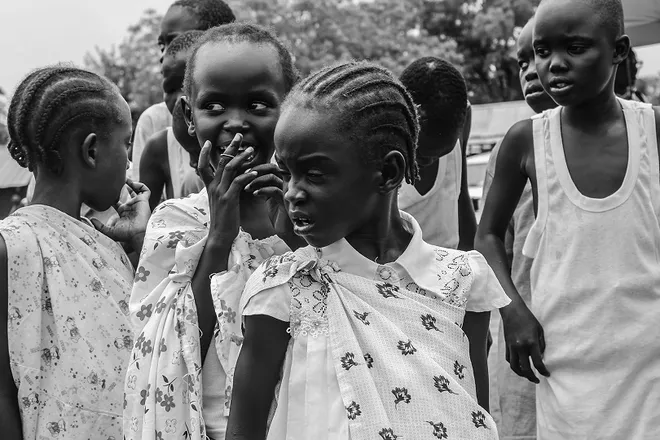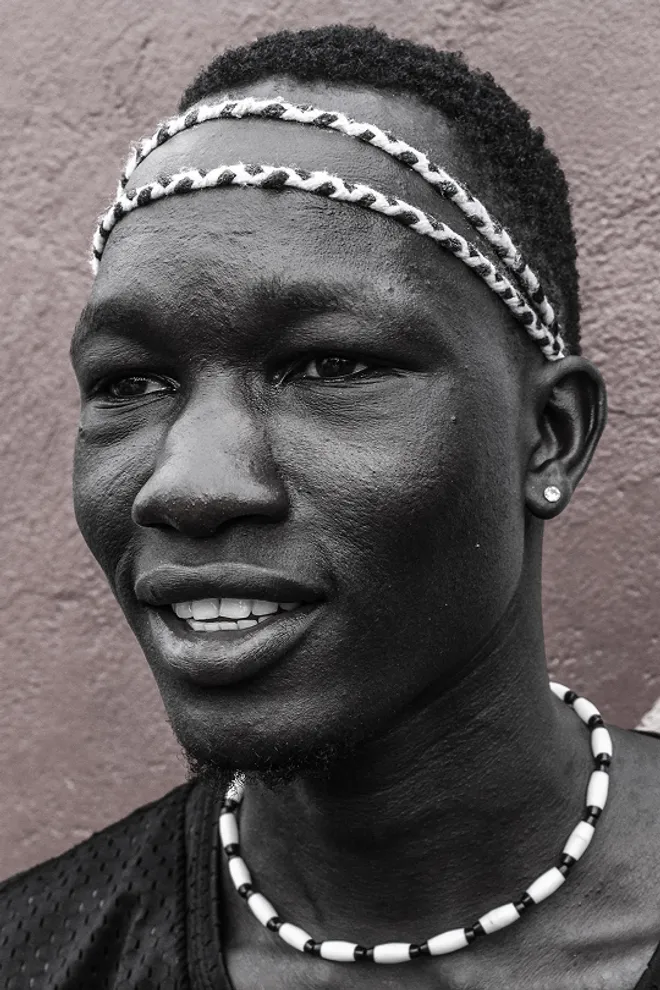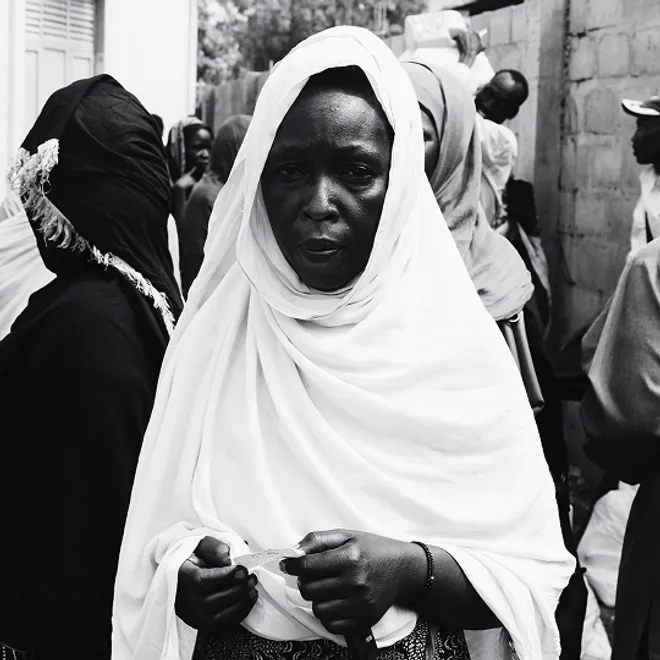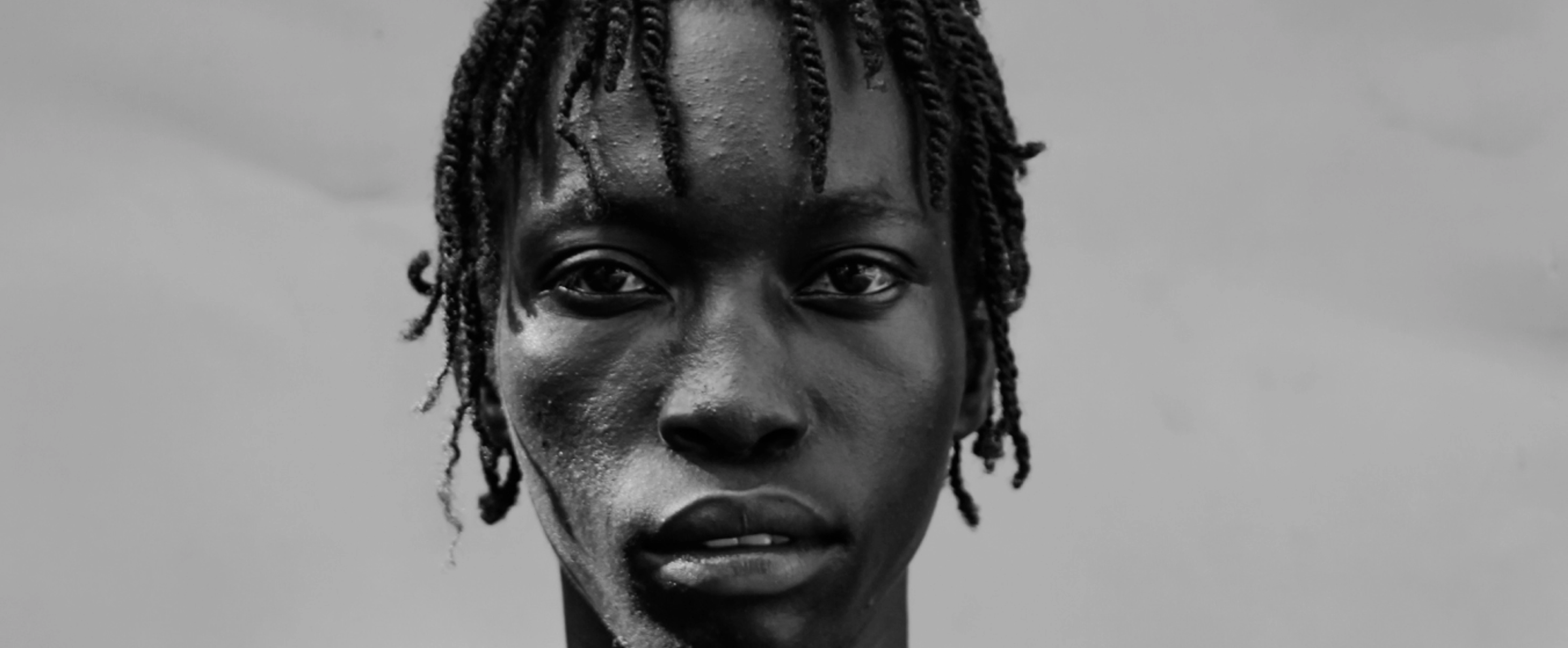
Reath Bol: South Sudanese documentary photographer exploring identity, displacement and resilience

12 mins read
Published29 Jun, 2026

“A single image can communicate emotions, experiences and histories that words sometimes cannot.”

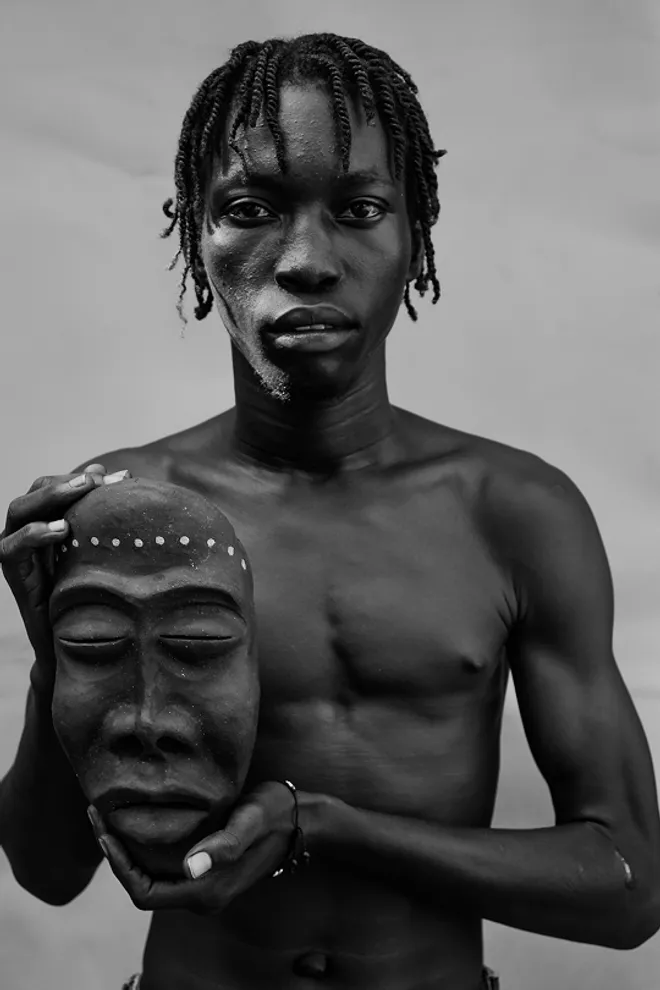
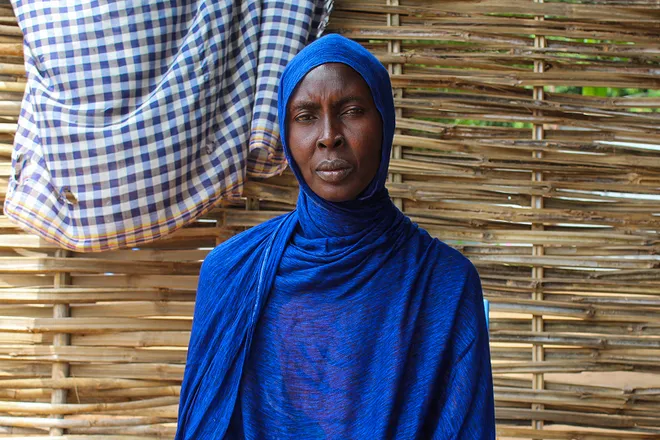
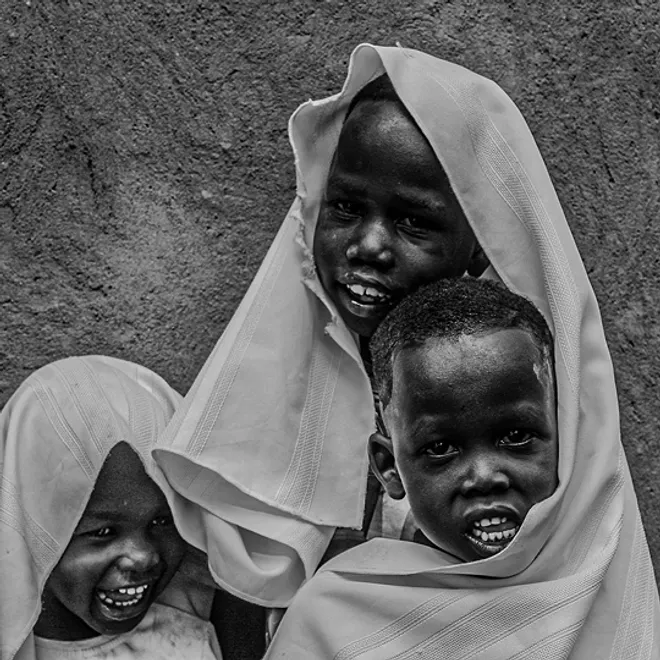
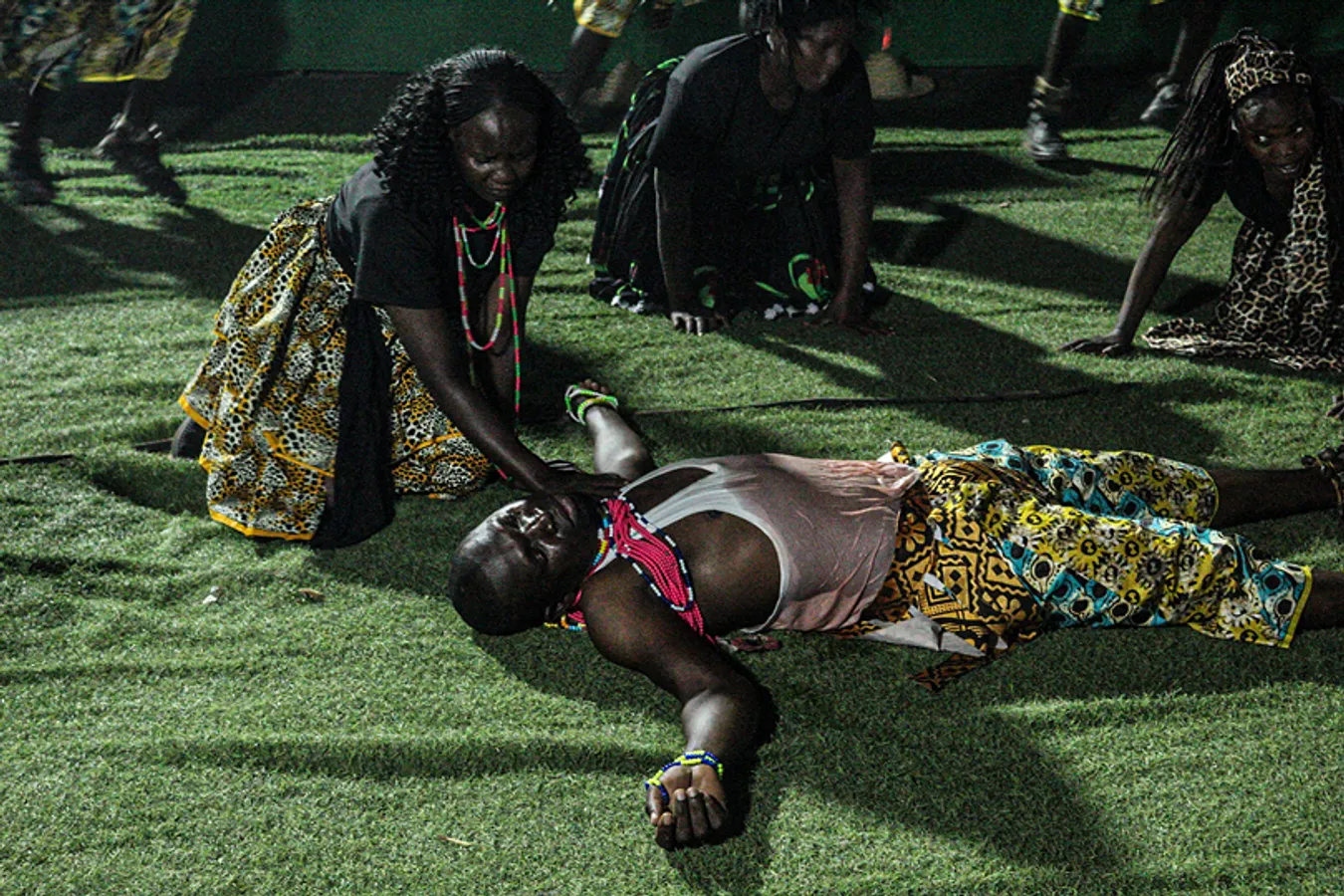
Reath Bol is a South Sudanese visual artist and documentary photographer based in Nairobi, Kenya. His practice centres on visual storytelling, exploring themes of identity, displacement, memory, belonging and resilience.

Growing up South Sudanese and witnessing the realities of conflict, migration, and cultural change while moving between South Sudan, Sudan, and Kenya because of war inspired him to use photography as a tool to preserve stories and foster understanding between people.

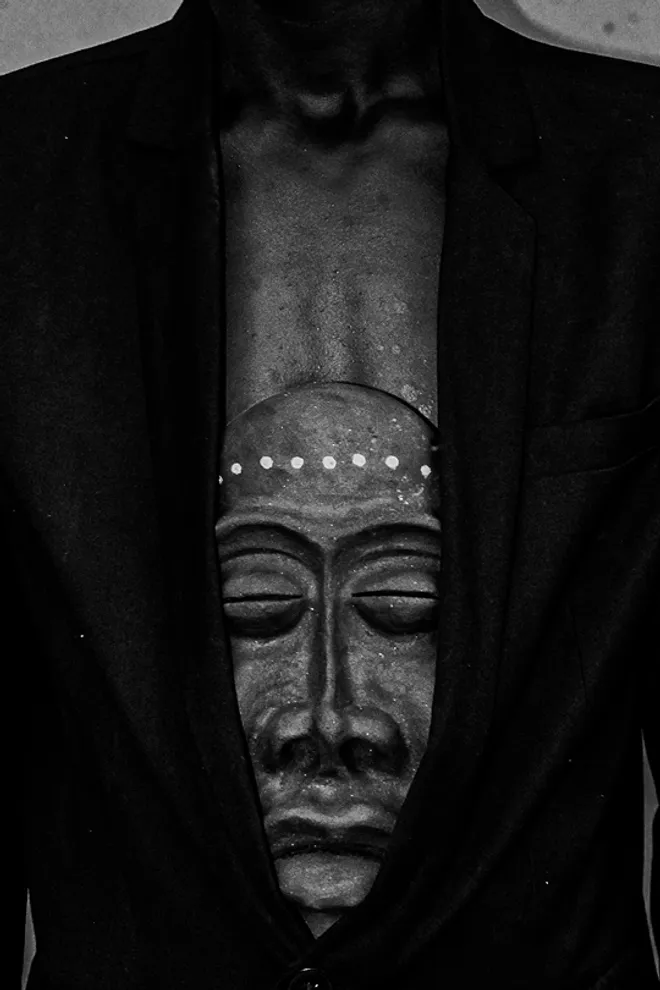
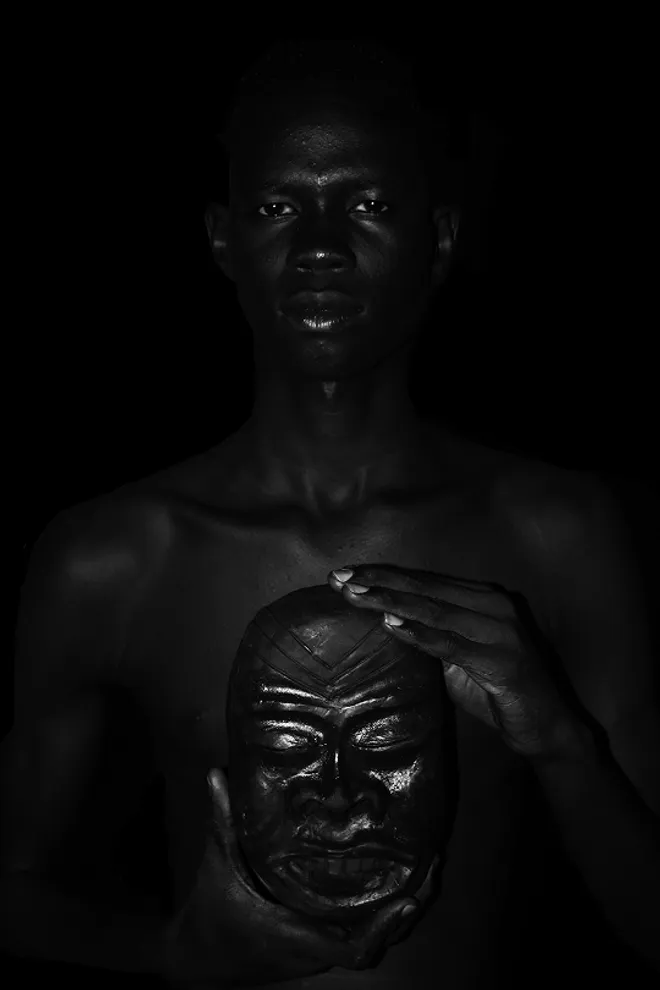
Beyond photography, Bol also works in painting and sculpture, which shape his approach to visual narratives. Through his work, he aims to document human experiences with honesty and empathy, creating images that encourage reflection and dialogue. Whether he is working on documentary projects, portraits or artistic concepts, his goal is to tell stories that connect people across cultures and experiences.
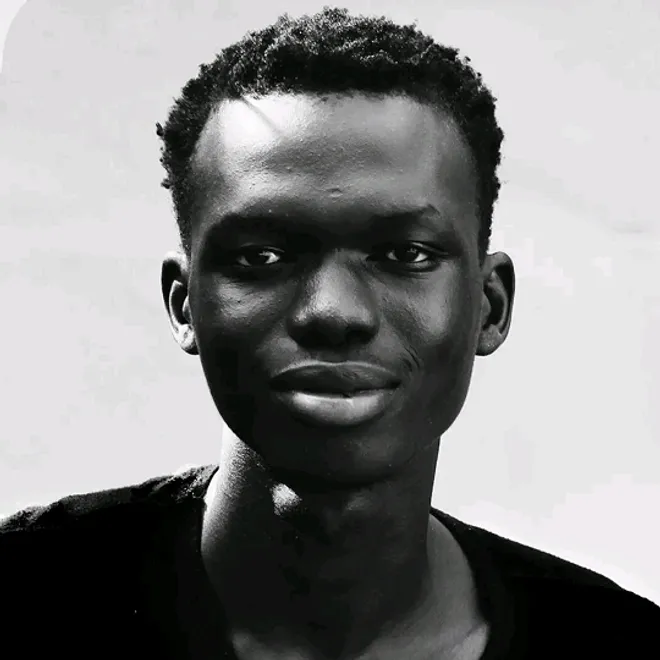
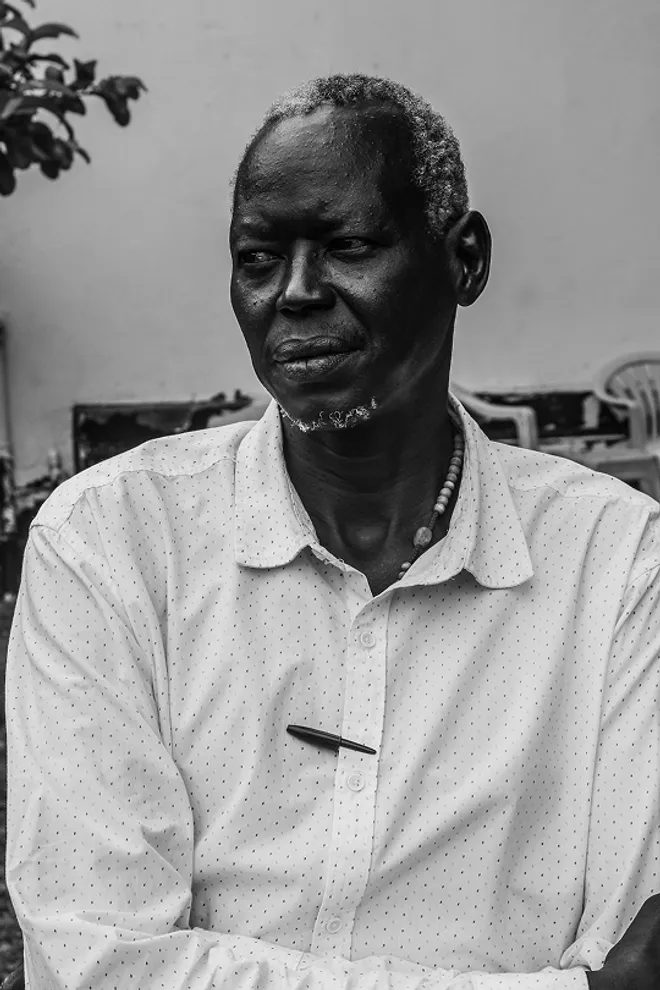
Reath Bol - South Sudanese documentary photographer

How did you get started in photography?

My interest in photography started from a desire to tell stories. I was fascinated by how a single image could communicate deep emotions, experiences and histories that words sometimes cannot describe. As I learned more about photography, I began documenting people around me and exploring stories from my community.

Coming from South Sudan, I have always been interested in stories of identity, migration and resilience because I've been a refugee and faced displacement too. Photography has given me a way to explore these subjects while connecting with people on a deep level. Over time, what began as curiosity became a passion and eventually a career path centred on storytelling and visual communication.

How would you describe yourself?

I’m a curious, thoughtful and creative storyteller. I enjoy meeting people, listening to their experiences and finding meaningful ways to represent those stories visually. I am always looking for ways to learn, grow and challenge myself creatively.

The fun fact about me is that I work across different art forms, including photography, painting and sculpture. I believe each medium teaches me something new and helps me see the world from different perspectives. I am also passionate about travel and learning about different cultures through conversations and shared experiences.
“Creativity, persistence and storytelling matter more than equipment alone.”

What are the main themes that inspire your photography?

Identity, displacement, migration, memory, belonging, resilience and humanity. These themes are deeply connected to my personal background as a South Sudanese artist and to many of the stories I have faced and experienced.

I use photography to create emotional connections between the people seeing my images and the people in my images. My goal is not only to document reality but also to encourage empathy, understanding and conversations about experiences that are sometimes overlooked.

What moment in your career are you most proud of?

Committing myself to long-term personal projects that explore displacement and identity. These projects have allowed me to tell stories that are deeply meaningful to me while giving visibility to experiences that are barely represented.

I am also proud whenever someone connects emotionally with my work and tells me that an image helped them understand a story or perspective they had never considered before. Those moments remind me why visual storytelling matters a lot.

“Photography is not only about documenting reality; it is about creating empathy, understanding and meaningful conversations.”

What is the biggest challenge you've faced as a photographer?

Pursuing photography with limited resources and equipment. There have been times when I had strong ideas and stories to tell, but lacked access to the basic tools that could help bring those ideas to reality.

This challenge taught me that creativity, persistence and storytelling are more important than equipment alone. It pushed me to become more resourceful, adaptable and focused on the message behind my work rather than the limitations around me, so I just go with it by using my phone camera or borrowing a camera from a friend.

What type of photography do you specialise in?

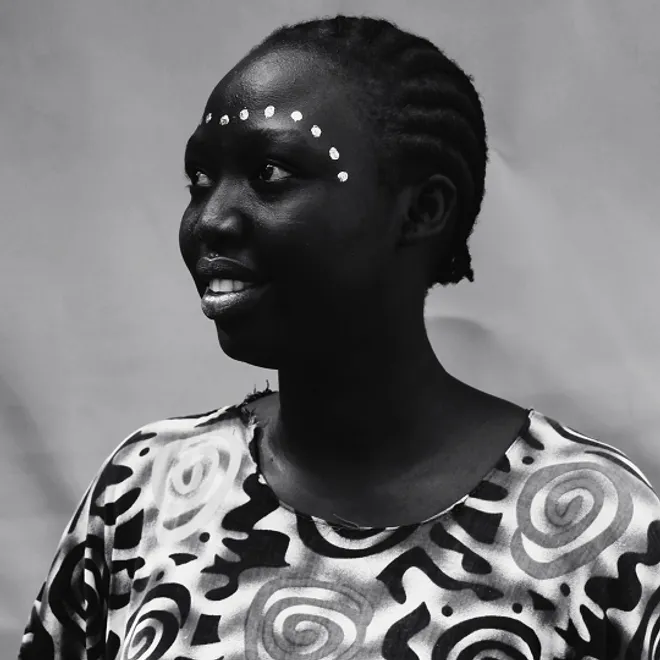
Documentary photography and portrait photography. I am drawn to these areas because they allow me to engage with people and explore real human experiences in many meaningful ways.

My style has evolved from simply documenting events and moments to creating more intentional, narrative-driven projects. Today, I combine documentary approaches with conceptual elements to explore complex themes such as identity, displacement and memory.

What is your primary commercial niche?

To be honest, at the moment I don't have a specific commercial niche, as I am still building my career and exploring different opportunities. However, if given the chance, I would be most interested in working in editorial photography, NGO and humanitarian storytelling, documentary assignments, portrait photography and visual content creation for organisations focused on social impact and community engagement.

What is your unique technical or visual approach?

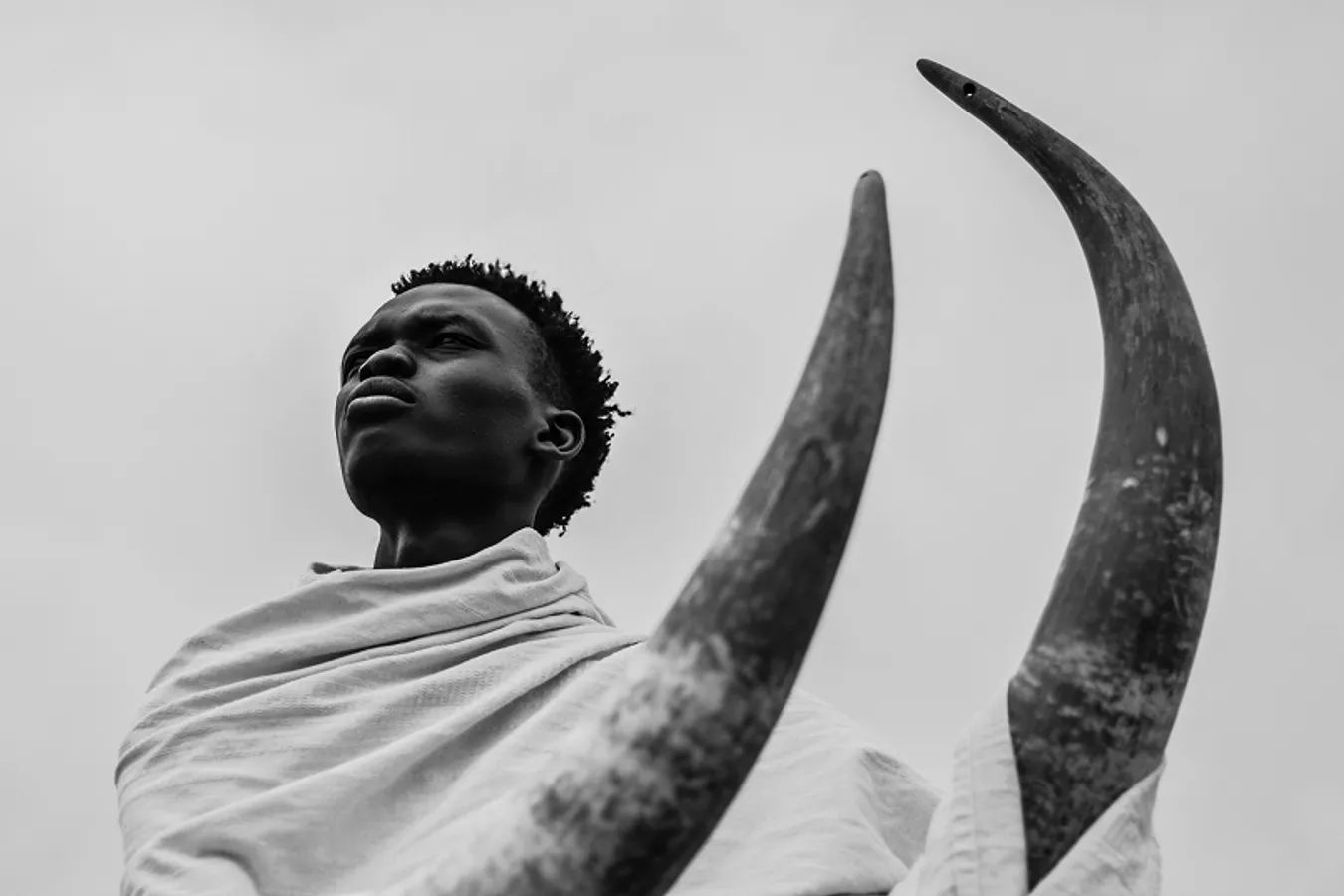
A combination of documentary authenticity with artistic storytelling. I focus on emotion, atmosphere and symbolism while maintaining honesty in the stories I tell.

I often use natural light, simple compositions and carefully considered visual elements to create images that feel intimate and reflective. My goal is to create photographs that invite viewers to spend time with the story rather than simply observe it.

“Every person deserves to be represented with dignity, honesty and respect.”

Which global brands, photographers, or industries do you feel your work aligns with most?

Organisations and publications that prioritise human-centred storytelling and documentary photography, such as National Geographic, Magnum Photos, The New York Times and humanitarian organisations working across Africa.

I am inspired by photographers such as James Nachtwey, Lynsey Addario, Muhammed Muheisen and Gordon Parks because of their commitment to storytelling, social issues and visual excellence.

How's the photography and art space in South Sudan?

The photography and art space in South Sudan is still developing, but has shown significant growth over the past few years. More young creatives are using photography, film and visual art to document their communities, preserve culture and tell stories that challenge stereotypes about the country.

Although challenges remain, including limited resources and opportunities, there is a growing sense of creativity and collaboration among artists. I believe South Sudan has a unique generation of storytellers who are helping shape the country's visual identity.

“The strongest photographs invite people to spend time with a story rather than simply observe it.”

What is one professional standard you never compromise on?

To me, I believe in respect and ethical storytelling. I believe every person deserves to be represented with dignity, honesty and respect. Building trust with the people I photograph is essential to my work, and I never compromise on that principle at all.

What do you think of the 54Ruum platform?

To me, I think 54Ruum is an important platform that creates visibility and opens doors for African image-makers. It provides a space where photographers and visual storytellers connect, learn from each other and showcase their work to bigger audiences. I appreciate its commitment to celebrating African creativity and lifting emerging talent across Africa.

Credits

Photography

Reath Bol

Text

Moyin Adediran

Curation

guvnor

SHARE THIS STORY

Join Our Community

More Stories

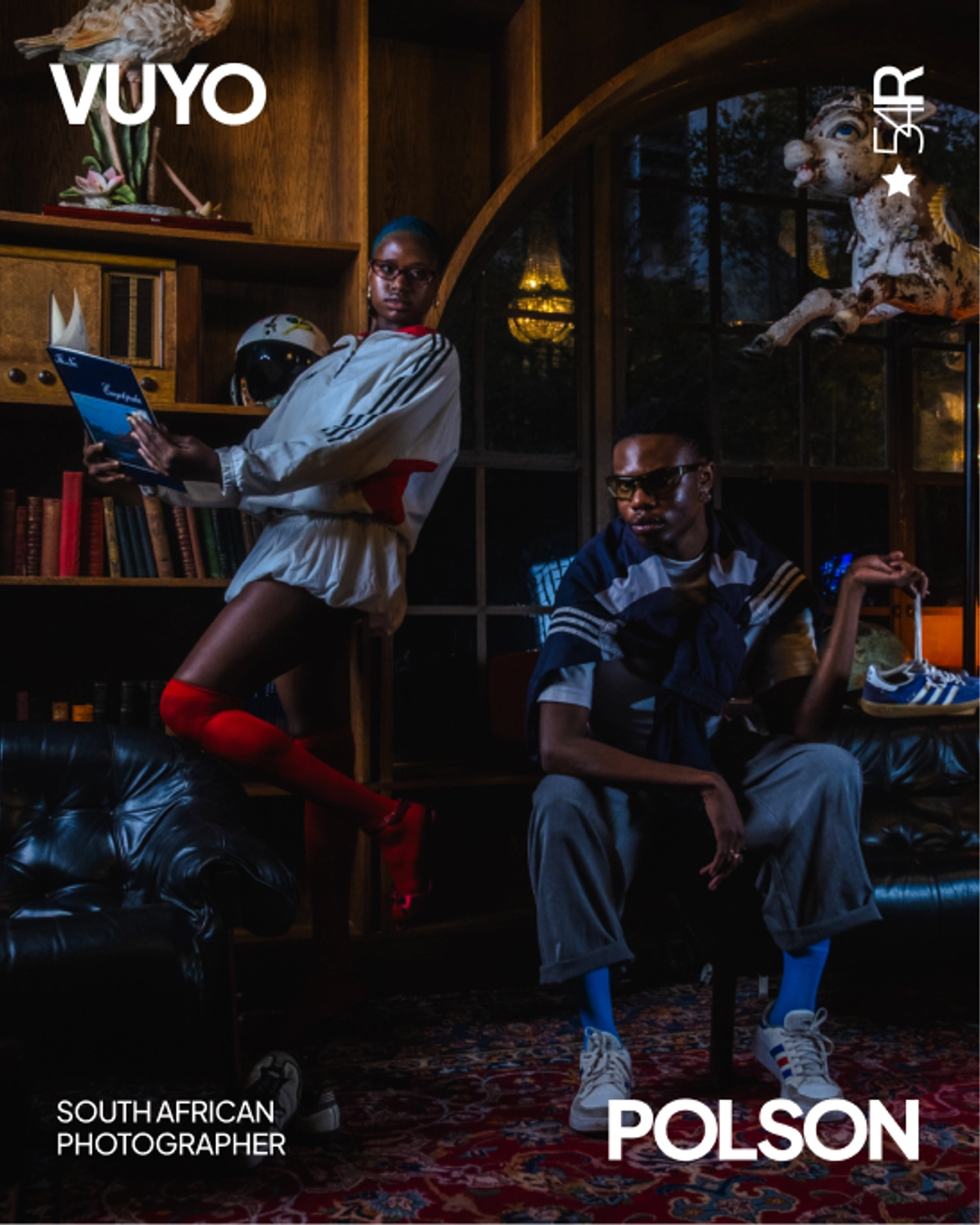
Vuyo Polson: South African portrait and editorial photographer exploring stillness, belonging and the inner world
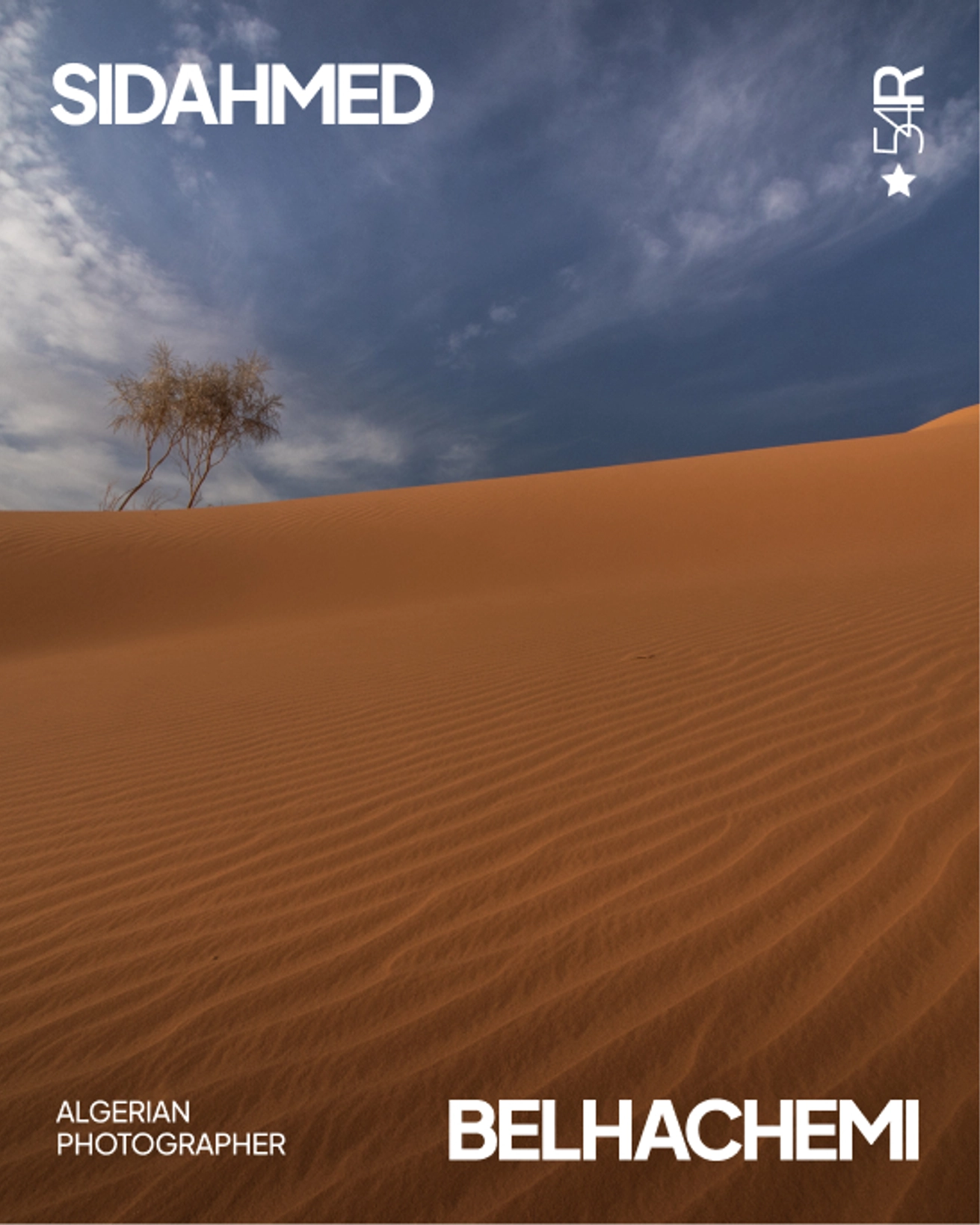
Sidahmed Belhachemi: Algerian documentary photographer exploring identity, memory and cultural heritage
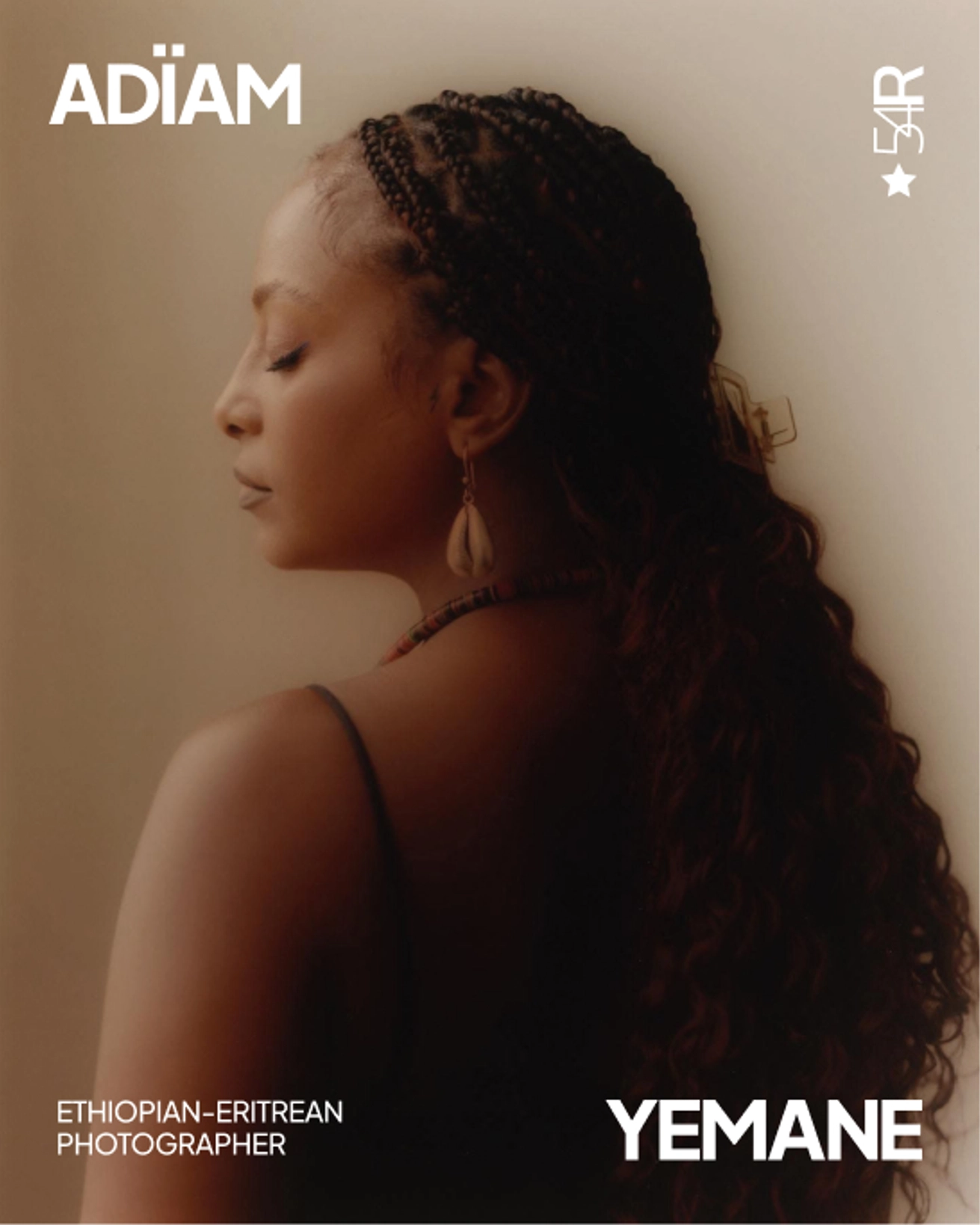
Adïam Yemane: Ethiopian-Eritrean documentary photographer exploring identity, belonging and cultural memory
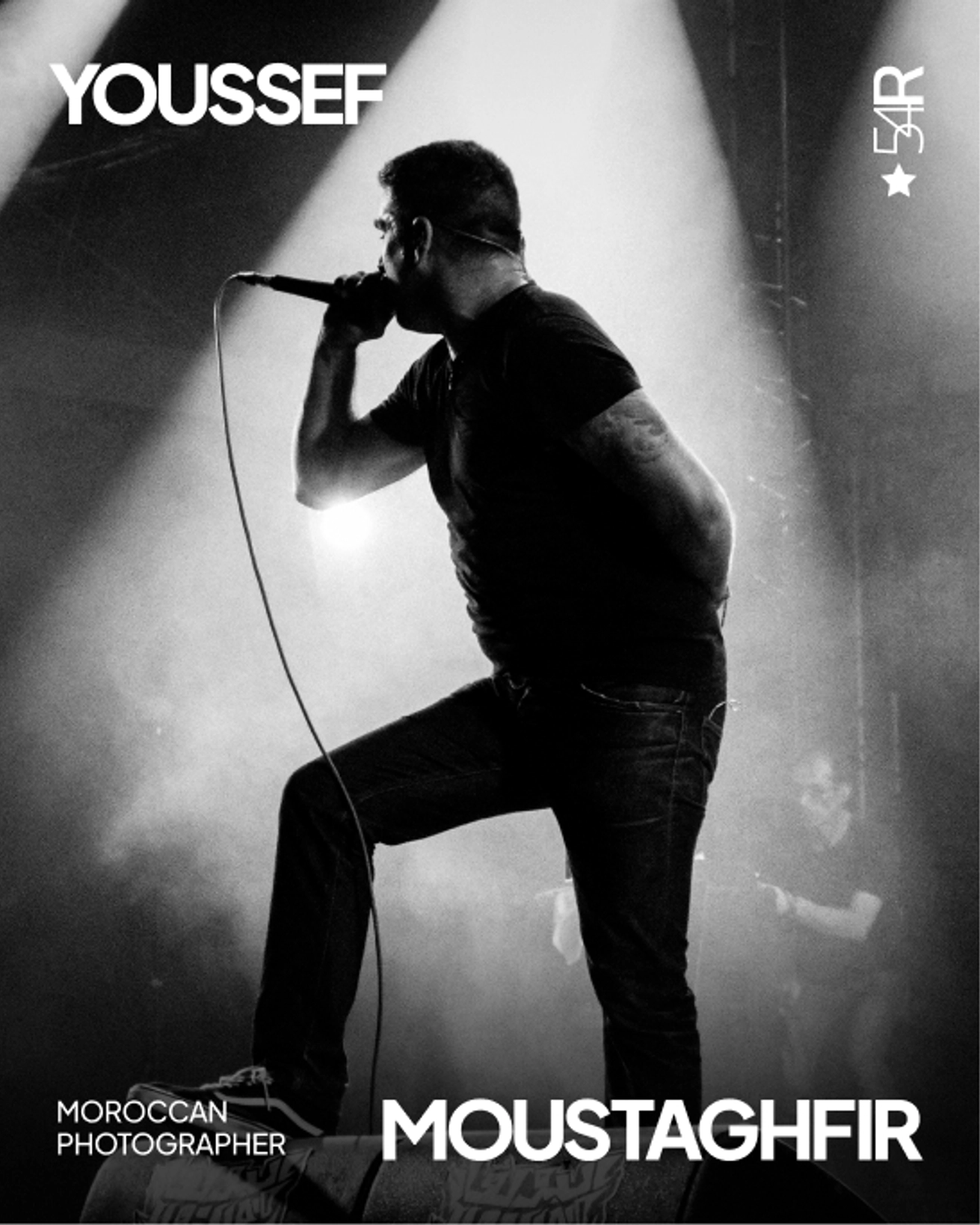
Youssef Moustaghfir: Moroccan documentary photographer exploring identity, memory and everyday life
Tumeleng Shiri: South African portrait, fashion and lifestyle photographer capturing identity, emotion and youth culture
Racha Saidani : photographe algérienne contemporaine et d'art explorant la vie urbaine, les transformations humaines et l'incarnation du silence
Ayorinde Ogundele: Nigerian documentary photographer capturing the unseen rhythms and impermanence of daily life
Rachid Ayadi: Algerian documentary photographer exploring labour, belonging and urban marginalisation
Endinalo Moni: South African documentary photographer documenting culture, community and self-made identity
Chisaka Isaac Chulu: Zambian documentary photographer documenting people, culture, and everyday life
Ogechukwu Chuks: Nigerian-South African fashion and documentary photographer exploring identity, culture and analogue storytelling
Mutumbi Lungu: Zambian fashion, commercial and documentary photographer expressing culture, texture and colour in overlooked spaces
Edgar Barros : photographe de rue et conteur visuel sénégalo-espagnol documentant les liens humains, les cultures et les instants authentiques à travers l’Afrique et le monde
Felipe Antolin ESONO NGUEMA: photographe équato-guinéen créant des récits afro-urbains et éditoriaux cinématographiques autour de l’identité, de la culture et de l’expression humaine.
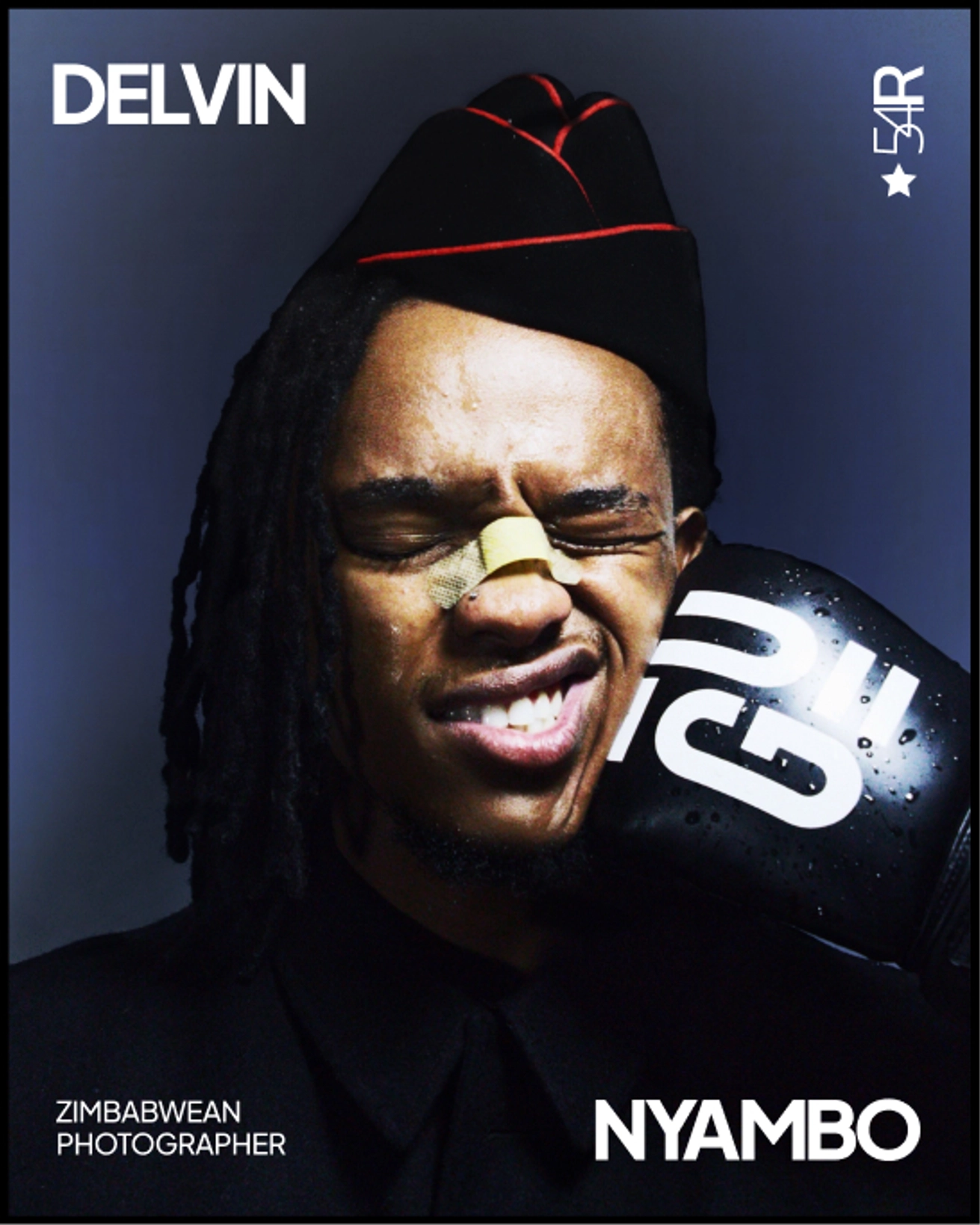
Delvin Nyambo: Zimbabwean editorial photographer capturing street life, identity, and unapologetic self-expression

Company

The Ruum Africa

Products

RTM

Community

Cookie Policy

© 2026 The Ruum Africa

Built by