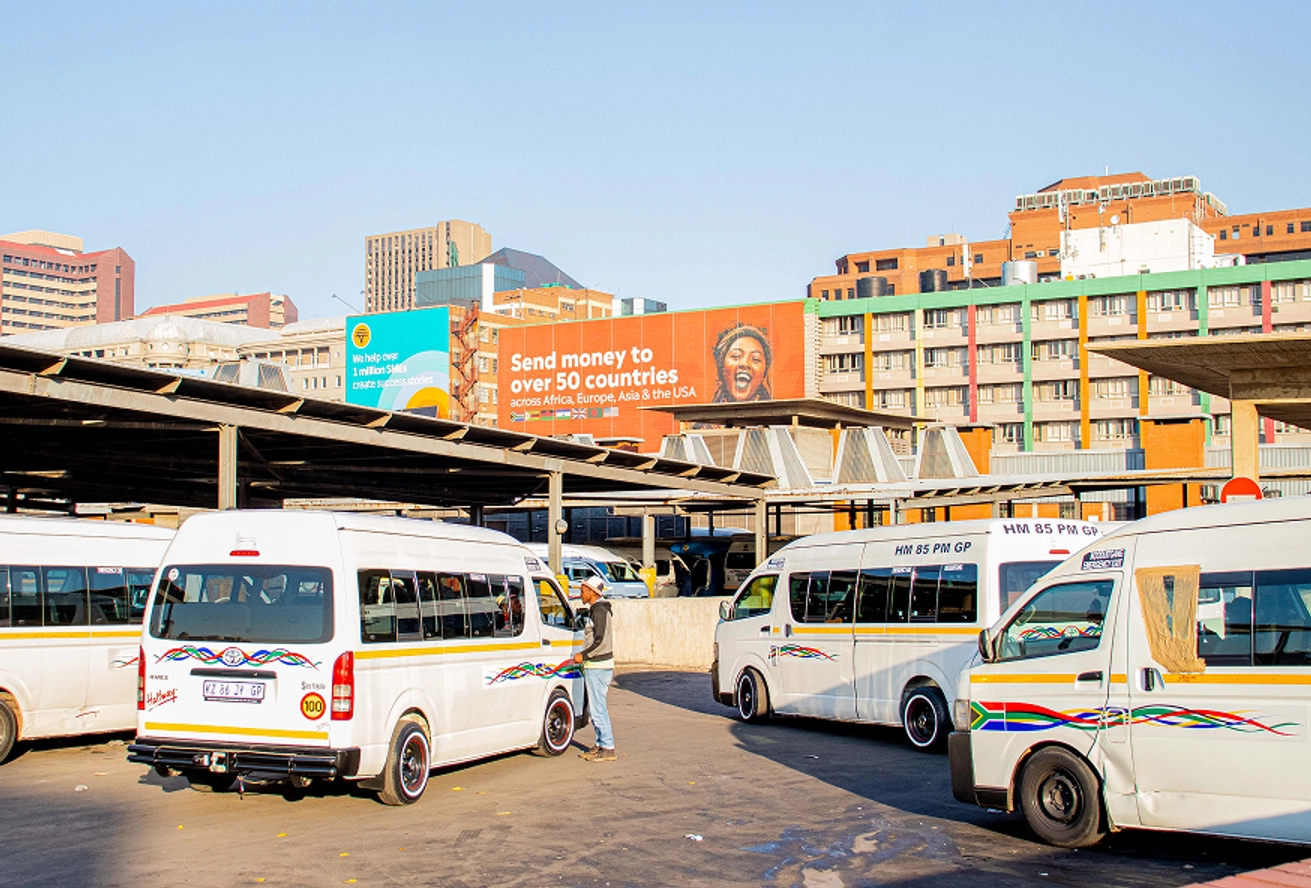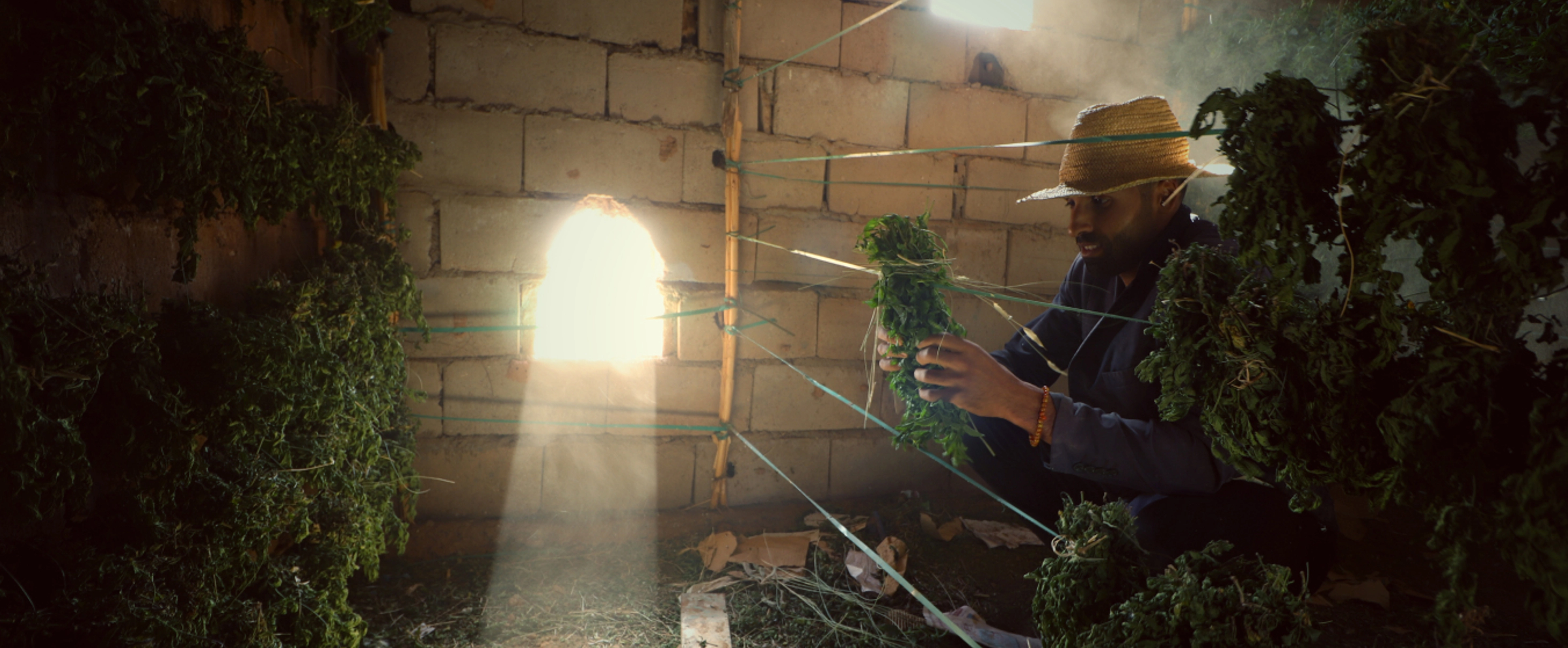
Sidahmed Belhachemi: Algerian documentary photographer exploring identity, memory and cultural heritage

11 mins read
Published24 Jun, 2026

"My academic studies in history have given me a deeper appreciation for the connections between the past and the present, influencing the way I approach photography and the stories I choose to tell."

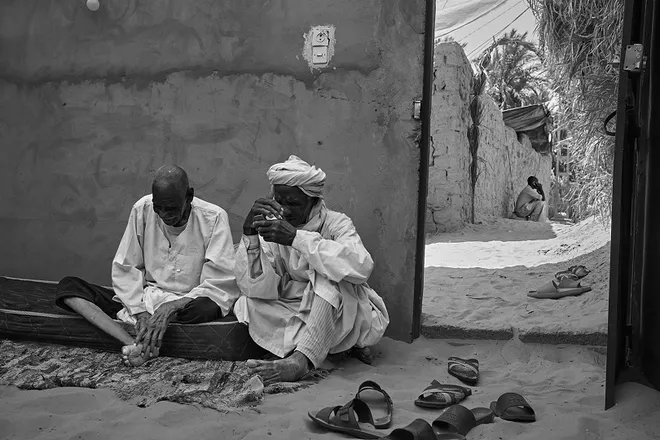
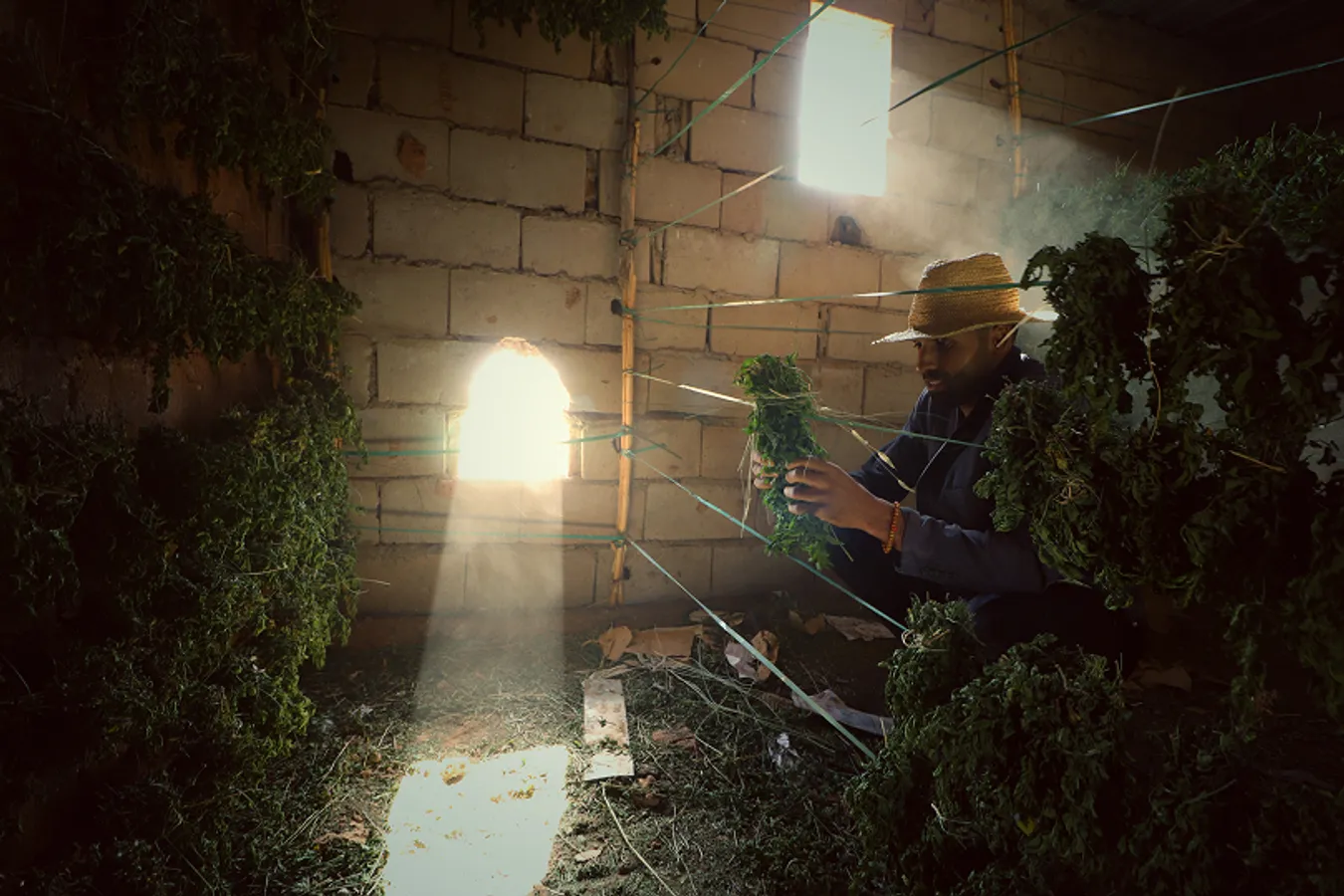
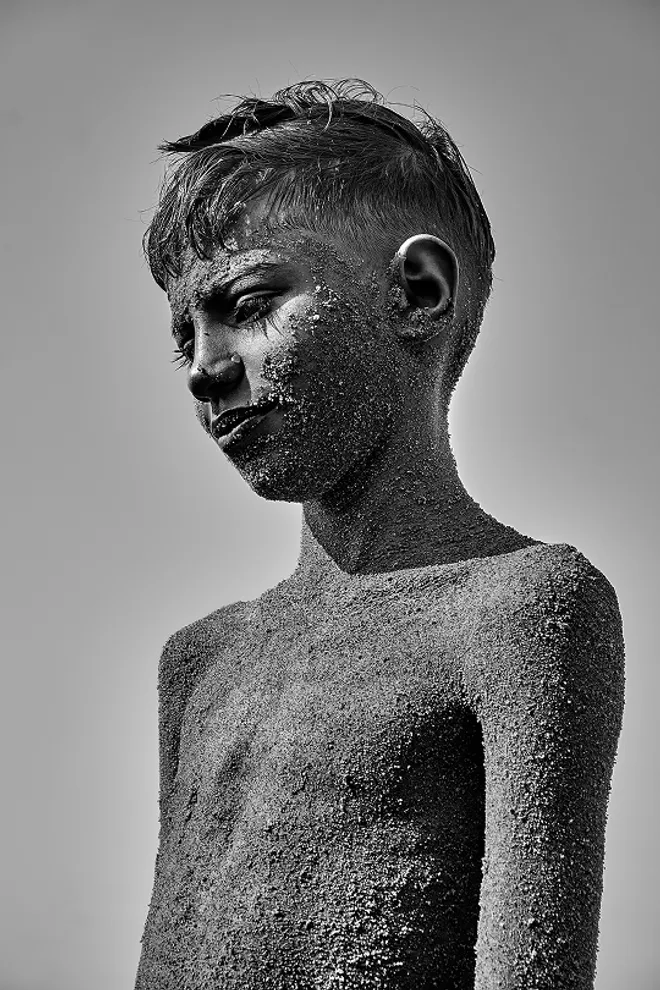
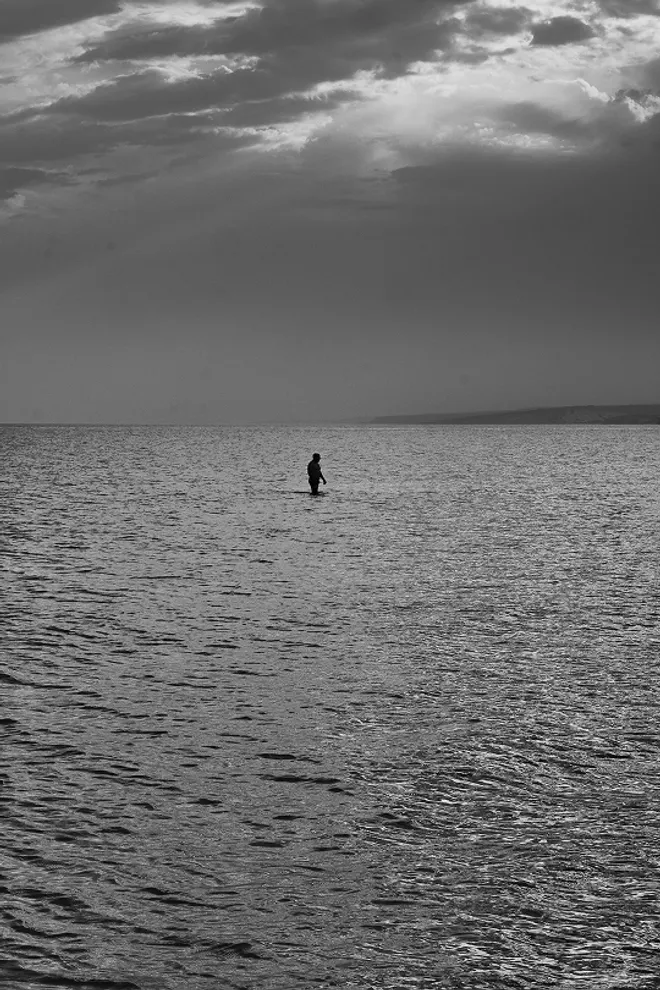
Sidahmed Belhachemi is an Algerian artist and photographer whose practice explores identity, memory, heritage, and the relationship between people and place. He creates images that reflect everyday life while engaging with broader cultural and social narratives.

Belhachemi is influenced by the works of Mohamed El Habib Nahi, Vivian Maier, and Rashid Ayadi, and approaches photography as a means of preserving fleeting moments and questioning how landscapes, traditions, and communities shape personal and collective memory.

As a traveller, he has drawn on his experiences across different regions to shape his artistic perspective.

His long-term projects deeply explore the traces left by time and the ways people connect to their surroundings, as he documents both visible realities and emotional landscapes.

Through his work, Belhachemi seeks to encourage reflection on the enduring dialogue between history, culture, and contemporary life.
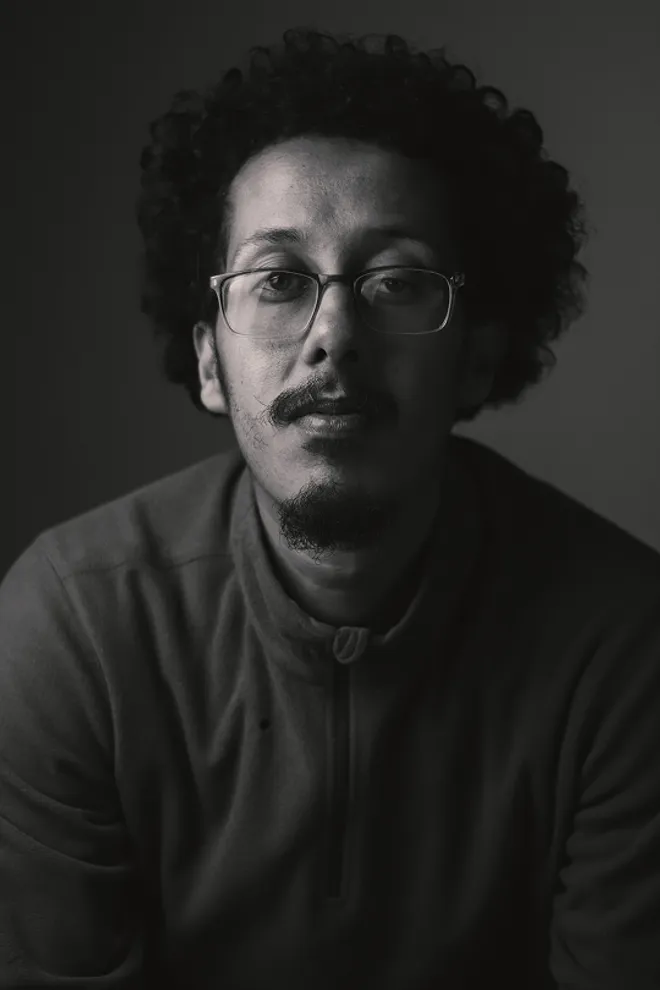
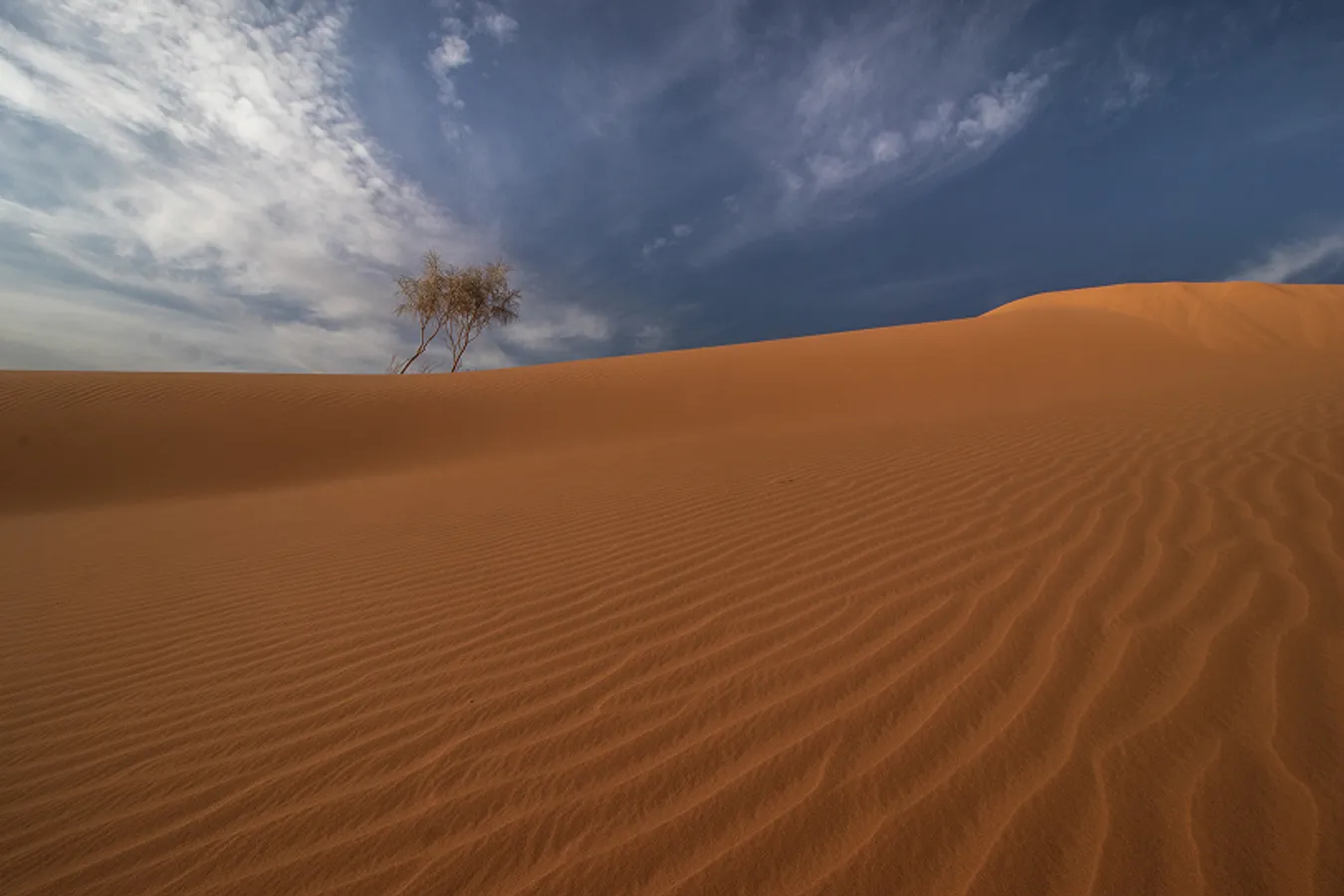
Sidahmed Belhachemi - Algerian documentary photographer

How did you get started in photography?

I began my journey in photography in 2004 when my father gave me my first camera as a gift after returning from Mecca, Saudi Arabia.

What started as a simple present soon became a lifelong passion. I was fascinated by a camera's ability to preserve moments and tell stories beyond words, and over the years, that curiosity evolved into a deep commitment to documentary photography and visual storytelling.

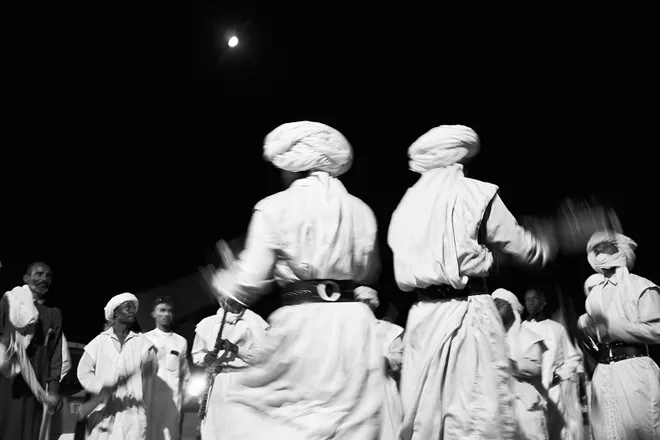
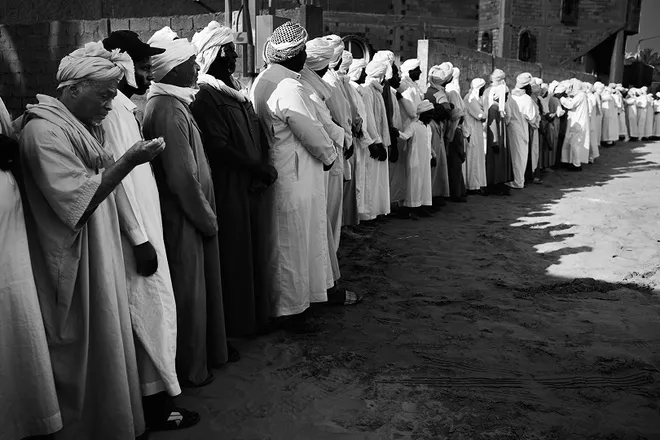
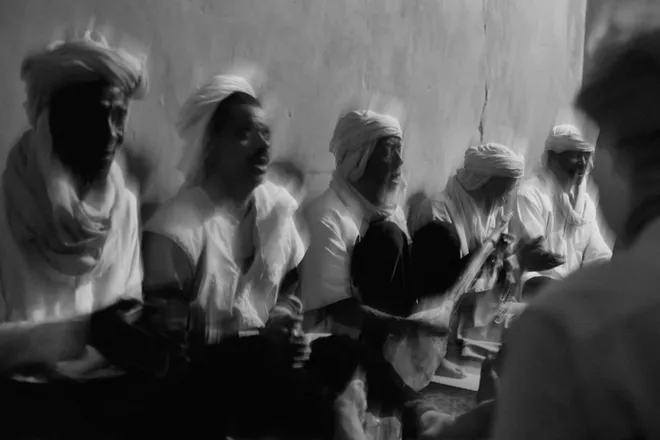
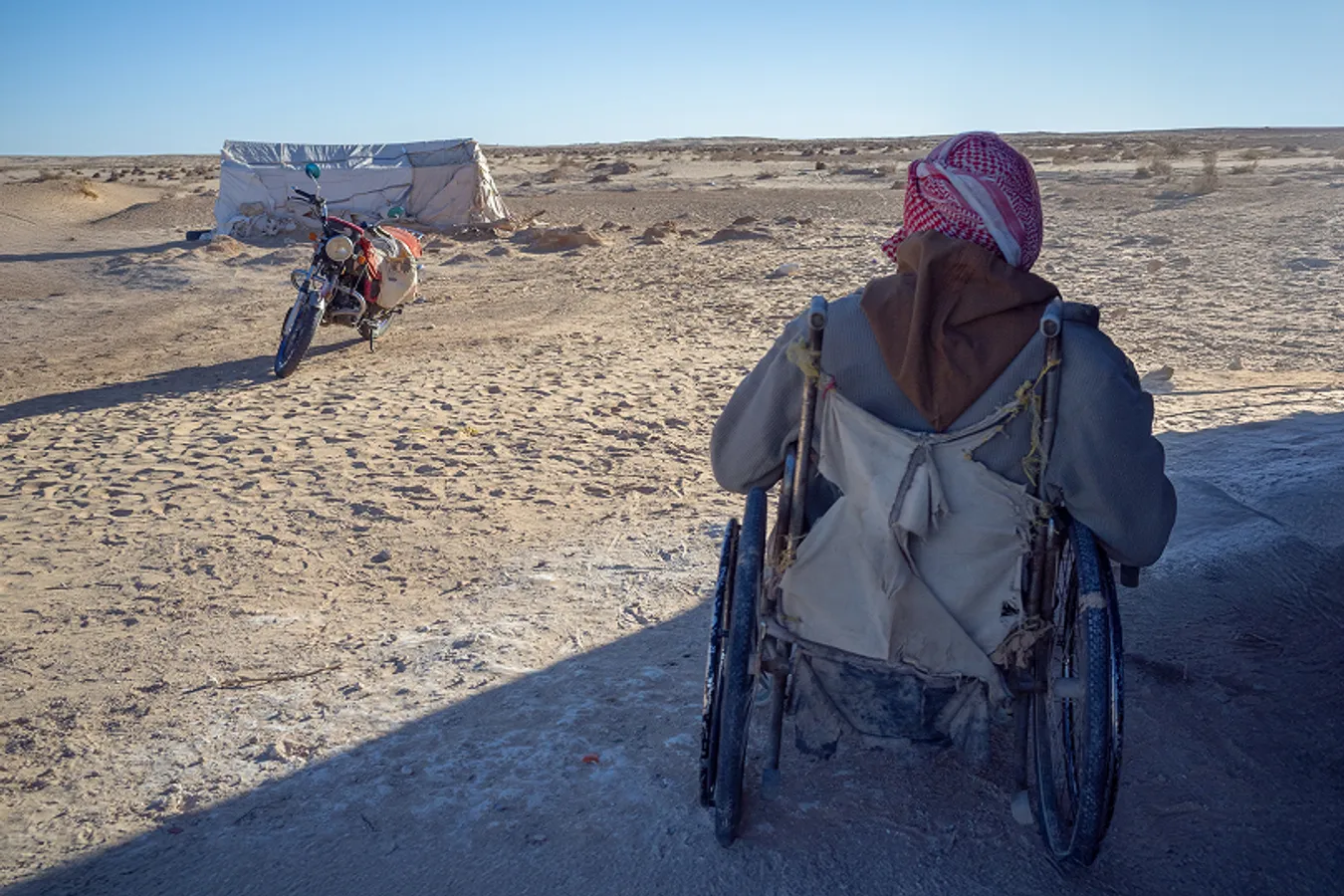
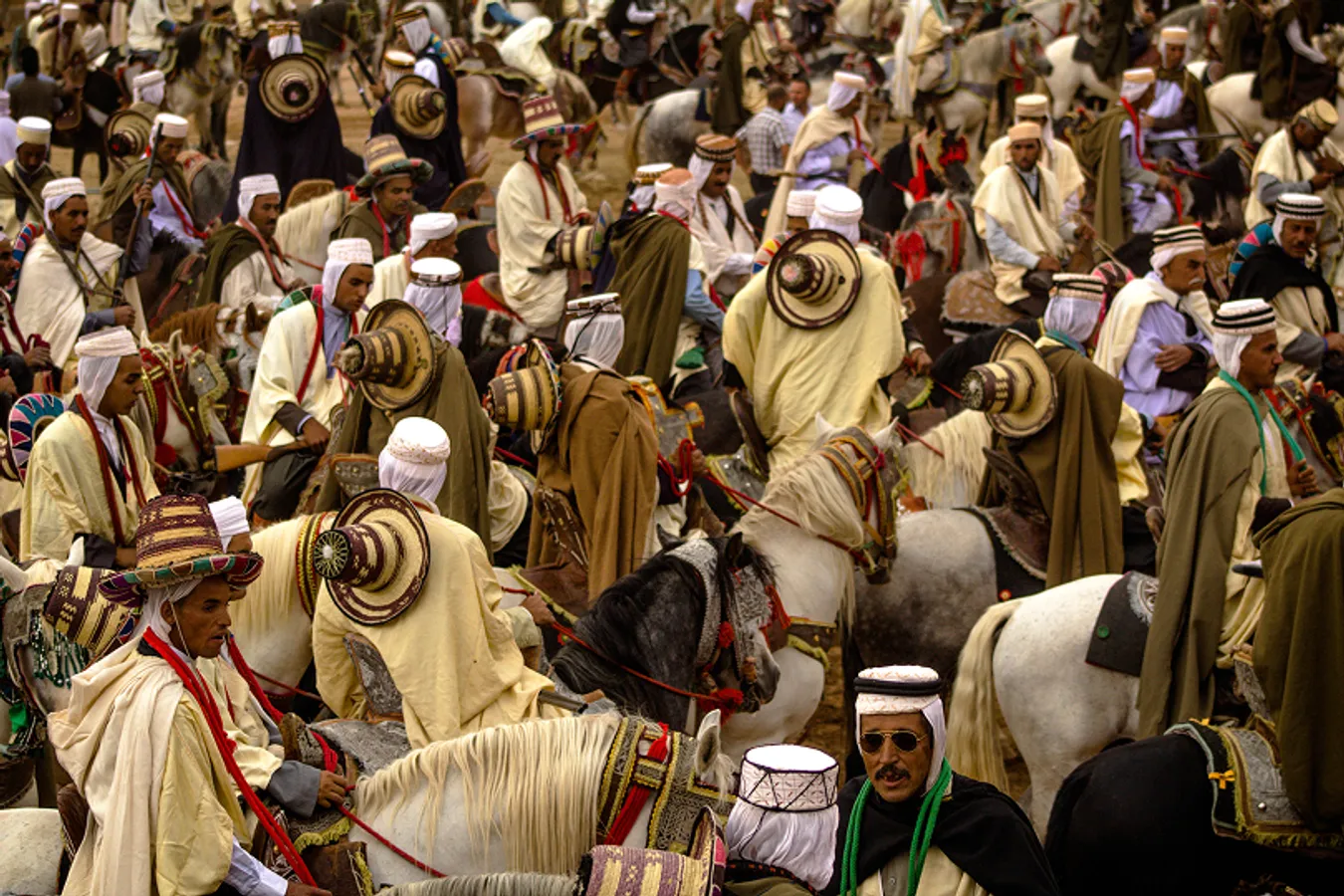
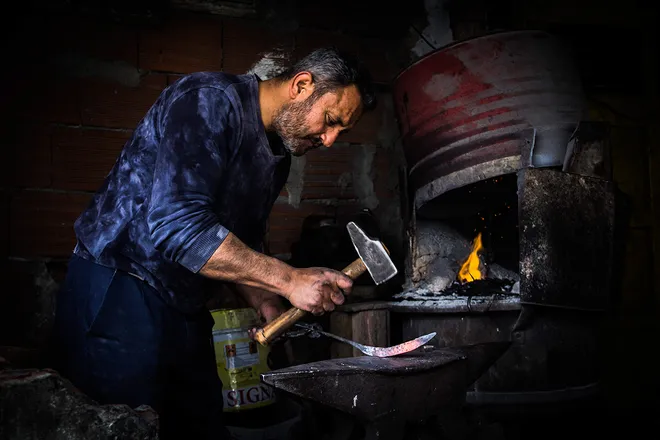
My work focuses on documenting everyday life and the human experience, exploring themes of identity, memory, culture, and social realities.

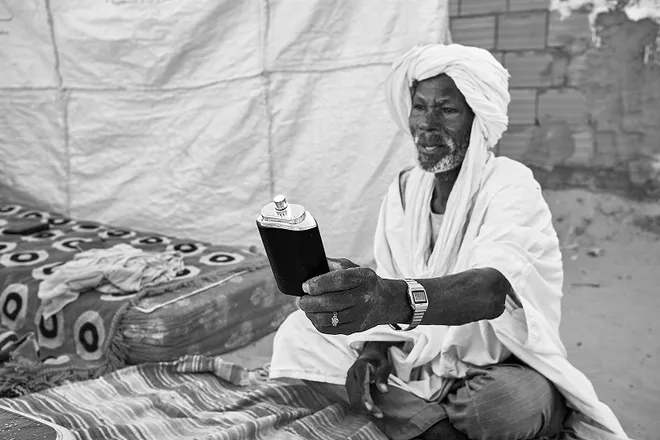
Through a documentary approach, I seek to create images that go beyond observation, capturing authentic moments and narratives that reflect the complexity of people's lives.

For me, photography is both a form of storytelling and a way of preserving histories that might otherwise be overlooked.

How would you describe yourself?

I am a documentary photographer, visual storyteller, and multidisciplinary creative with a background in history. My academic studies have given me a deeper appreciation for the connections between the past and the present, influencing the way I approach photography and the stories I choose to tell.

Beyond photography, I am a traveller, camper, hunter, graphic designer, and technology enthusiast. These experiences shape my perspective and encourage me to observe the world with curiosity and attention to detail. I am particularly interested in documenting people, traditions, and everyday moments that reflect cultural identity and collective memory.

I see photography as a way of preserving history, recording lived experiences, and creating narratives that connect individuals with their communities and heritage. My goal is to produce work that is both authentic and meaningful, inviting viewers to engage with the stories behind each image.

"Documentary photography often requires long periods of patience, observation, and emotional investment, which can be difficult when projects evolve slowly or when access to meaningful moments is unpredictable."

What are the main themes that inspire your photography?

My photography is often influenced by history, cultural identity, memory, and the human experience. My work is rooted in documentary photography and visual storytelling, focusing on everyday life, traditions, and communities. I am drawn to authentic moments that reveal emotion, resilience, and the social and cultural realities of the places I visit.

What moment in your career are you most proud of?

I am particularly proud to be part of the D’art El Gazouz — Hamoud Boualem exhibition, where my work was integrated into a cultural and visual dialogue that connects to everyday life and collective memory. It was a meaningful experience that linked photography with public space and shared heritage.

Another important milestone for me was being featured as HIPA's Photo of the Day, which was a strong recognition of my visual storytelling and documentary approach.

I am also proud of my selection for the Misk Art Residency project “أرضٌ لا تتذكر أسماءنا” (“A Land That Doesn't Remember Our Names”), a personal and conceptual work that allowed me to explore themes of memory, identity, and disappearance through photography as a sole medium.

Alongside these, many other exhibitions and participations have shaped my path, each contributing to the development of my vision as a documentary photographer focused on human stories, history, and lived experience.

What is the biggest challenge you've faced as a photographer?

One of my major problems is maintaining consistency and clarity of vision while working across different environments, subjects, and expectations.

Documentary photography often requires long periods of patience, observation, and emotional investment, which can be difficult when projects evolve slowly or when access to meaningful moments is unpredictable.

Budget and equipment limitations have also been a constant challenge. Working with limited resources means I need to adapt creatively, make deliberate choices, and focus more on timing, composition, and storytelling rather than relying on advanced gear. Over time, this has helped strengthen an intentional, more resourceful approach to photography.

Another challenge is staying true to a personal visual language while navigating external pressures such as trends, the fast consumption of images, and the need to produce new work constantly.

Balancing artistic intention with real-life conditions has been a continuous learning process, ultimately shaping a more disciplined and focused way of working rooted in documentary storytelling, history, and human experience.

What type of photography do you specialise in?

I explore documentary photography and visual storytelling, focusing on human-centred narratives rooted in history, identity, memory, and cultural heritage. My work is driven by observation and real-life situations, aiming to capture authentic moments that reflect the complexity of everyday life and the deeper stories behind people and places.

Over time, my style has evolved from simple observation to a more intentional and structured approach to storytelling. I’ve become more focused on long-term projects, stronger narrative coherence, and a clearer visual language.

What is the primary commercial niche?

Documentary-based visual storytelling, particularly for editorial, cultural, and institutional projects. I focus on producing authentic, narrative-driven imagery that documents people, traditions, and social environments with a strong emphasis on cultural identity and historical context.

This includes commissioned work for publications, cultural organisations, tourism-related storytelling, and brand projects that value authenticity over staged or purely commercial imagery.

What is your unique technical or visual approach?

I approach my photography with a strong emphasis on observation, timing, and narrative clarity. I work with a patient, using an immersive method that allows real-life situations to unfold naturally rather than directing them. This helps me capture authentic moments that carry emotional and contextual depth.

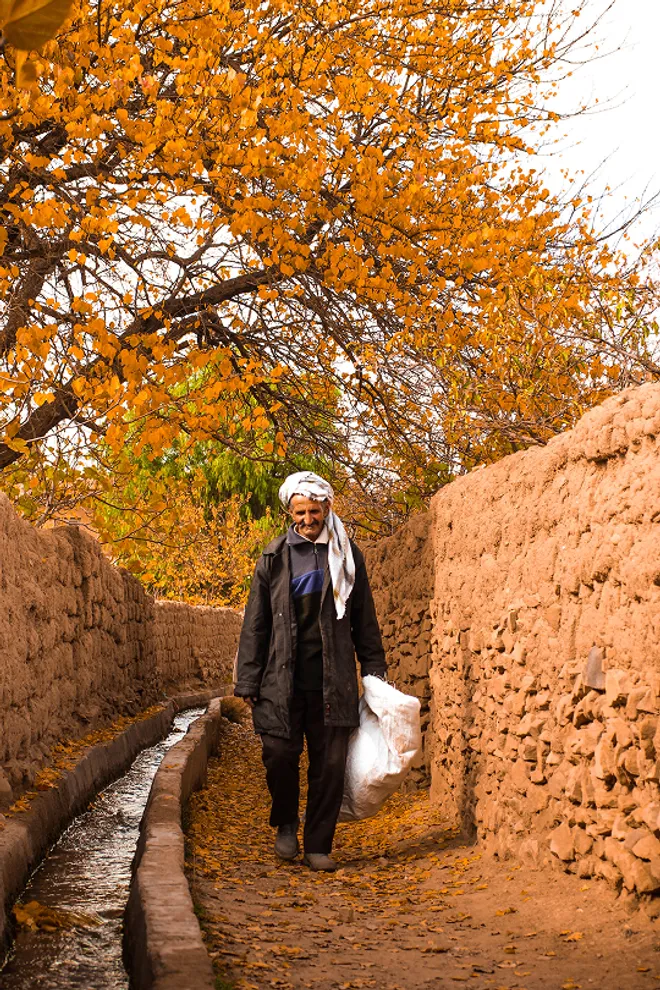
Visually, I focus on simplicity, composition, and the relationship between the subject and the environment. I often rely on available light and natural scenes, using contrast, framing, and timing to build meaning within the image. My goal is not to overcomplicate the scene but to reveal what already exists within it.

I also approach each frame as part of a larger narrative. This means thinking beyond individual images to build coherent visual sequences that reflect identity, memory, and cultural context.This approach has developed into a consistent style defined by restraint, authenticity, and narrative intention.

Which global brands, photographers, or industries do you feel your work aligns with most?

I believe my photography aligns most strongly with major documentary and editorial platforms that focus on human stories, culture, and real-life narratives.

These include international media and institutions known for long-form visual storytelling, cultural documentation, and journalistic photography. Such platforms value authenticity, field-based work, and emotionally grounded storytelling rather than staged or commercial imagery.

Key influences include: Henri Cartier-Bresson, Sebastião Salgado, Alec Soth, Alex Webb, Daido Moriyama, and Steve McCurry. These photographers share a focus on real life, human presence, and storytelling grounded in observation and experience.

For industries, my work fits Editorial storytelling and photo essays, Cultural and heritage documentation, Humanitarian and social narrative projects, Art residencies focused on conceptual documentary work, and Institutional and archival visual storytelling

"Authenticity in storytelling is something I can never compromise on. Every image must come from a real, observed moment and remain true to the people, context, and environment it represents."

How's the photography and art space in Algeria?

Photography in Algeria has been developing in a very dynamic but uneven way, especially over the last decade. Traditionally, photography in Algeria was strongly connected to documentation, journalism, and cultural memory, often shaped by historical narratives and social realities.

Many early practitioners focused on preserving identity, post-independence history, and everyday life, with limited institutional support for contemporary art photography.

In recent years, the scene has started to evolve in several important directions. A younger generation of photographers is now moving beyond pure documentation into more conceptual and personal storytelling.

There has been an increase in photography salons, collective exhibitions, and cultural initiatives in cities like Algiers and Oran. These spaces have become important meeting points for emerging artists, even if the infrastructure is still developing.

Many photographers now build audiences online first, which has helped them bypass traditional gatekeepers but has also increased competition and the rapid consumption of images.

Despite this growth, there is still limited long-term institutional funding, residency programmes, and gallery systems dedicated specifically to photography. Many artists rely on self-driven projects, competitions, and occasional exhibitions.

Algerian photography is increasingly recognised for its strong narrative and documentary identity. Artists are beginning to build more personal and conceptually structured bodies of work, connecting local realities with global visual language.

What is one professional standard you never compromise on?

Authenticity in storytelling is something I can never compromise on. Every image must come from a real, observed moment and remain true to the people, context, and environment it represents.

I avoid staging or altering situations in ways that change their meaning because documentary photography depends on trust among the photographer, the subject, and the viewer.

This standard also extends to how I build projects. I prioritise depth over speed, consistency over trends, and narrative integrity over visual effect. Even under pressure from deadlines or external expectations, I keep the focus on honest representation and respectful storytelling.

In practice, this means taking the time to understand a situation before photographing it, working with patience, and ensuring that each image contributes meaningfully to a larger, truthful narrative.

Credits

Photography

Sidahmed Belhachemi

Text

Esther Ayoola

Curation

guvnor

SHARE THIS STORY

Join Our Community

More Stories

Adïam Yemane: Ethiopian-Eritrean documentary photographer exploring identity, belonging and cultural memory
Youssef Moustaghfir: Moroccan documentary photographer exploring identity, memory and everyday life
Tumeleng Shiri: South African portrait, fashion and lifestyle photographer capturing identity, emotion and youth culture
Racha Saidani : photographe algérienne contemporaine et d'art explorant la vie urbaine, les transformations humaines et l'incarnation du silence
Ayorinde Ogundele: Nigerian documentary photographer capturing the unseen rhythms and impermanence of daily life
Rachid Ayadi: Algerian documentary photographer exploring labour, belonging and urban marginalisation
Endinalo Moni: South African documentary photographer documenting culture, community and self-made identity
Chisaka Isaac Chulu: Zambian documentary photographer documenting people, culture, and everyday life
Ogechukwu Chuks: Nigerian-South African fashion and documentary photographer exploring identity, culture and analogue storytelling
Mutumbi Lungu: Zambian fashion, commercial and documentary photographer expressing culture, texture and colour in overlooked spaces
Edgar Barros : photographe de rue et conteur visuel sénégalo-espagnol documentant les liens humains, les cultures et les instants authentiques à travers l’Afrique et le monde
Felipe Antolin ESONO NGUEMA: photographe équato-guinéen créant des récits afro-urbains et éditoriaux cinématographiques autour de l’identité, de la culture et de l’expression humaine.
Delvin Nyambo: Zimbabwean editorial photographer capturing street life, identity, and unapologetic self-expression
Ken Banda: Malawian lifestyle and commercial photographer exploring creative freedom, natural light, and authentic human emotion
Bernard Owusu Boateng: Ghanaian editorial and commercial photographer exploring modern culture, music, and everyday human emotions

Company

The Ruum Africa

Products

RTM

Community

Cookie Policy

© 2026 The Ruum Africa

Built by