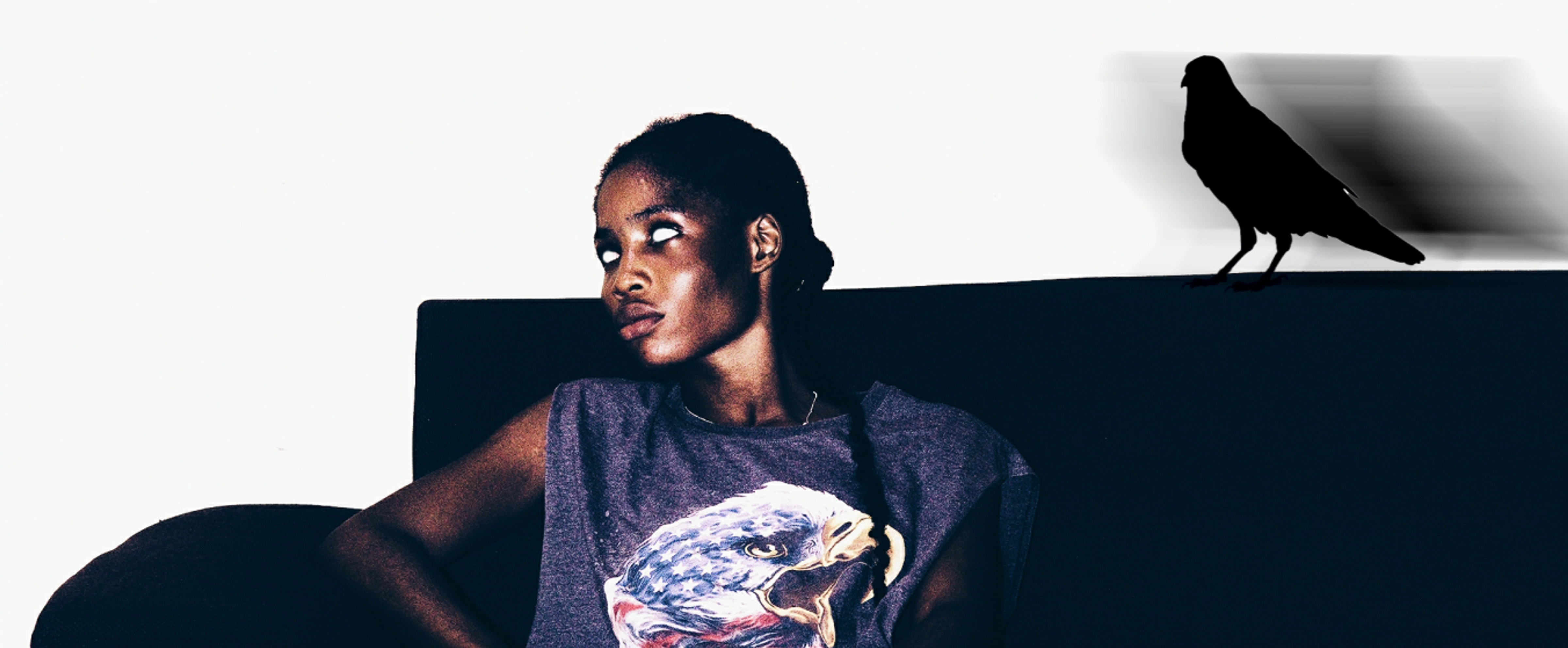
Seyi Adekola: Nigerian creative portrait and editorial photographer exploring melancholy and nostalgia

14 mins read
Published10 Jul, 2026

"My workflow is dictated by the subconscious: an unpredictable dance between sketching late at night, trusting my instincts, and embracing spontaneity."

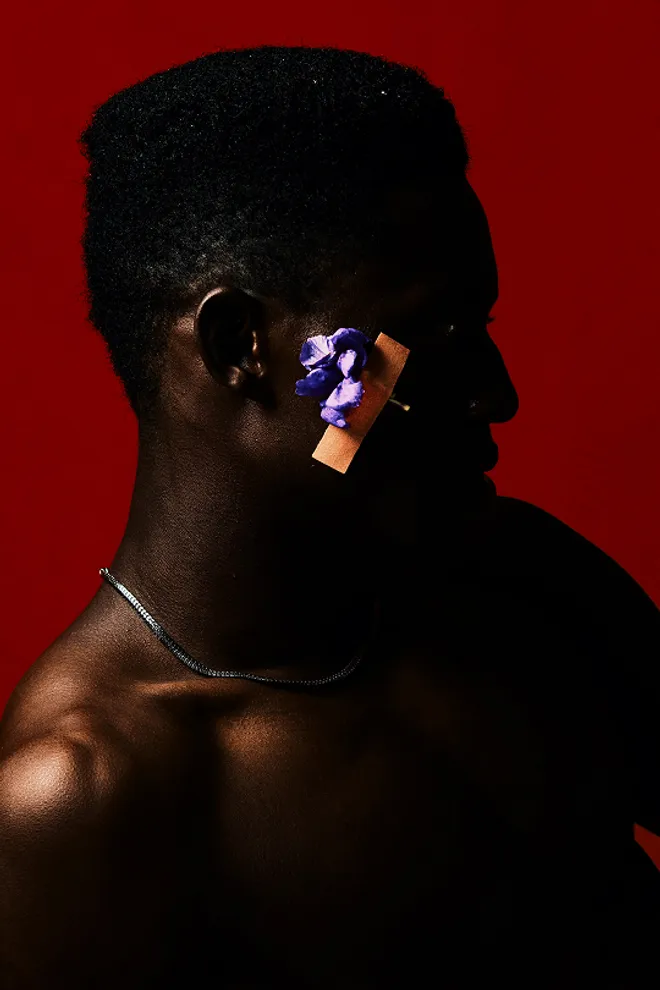
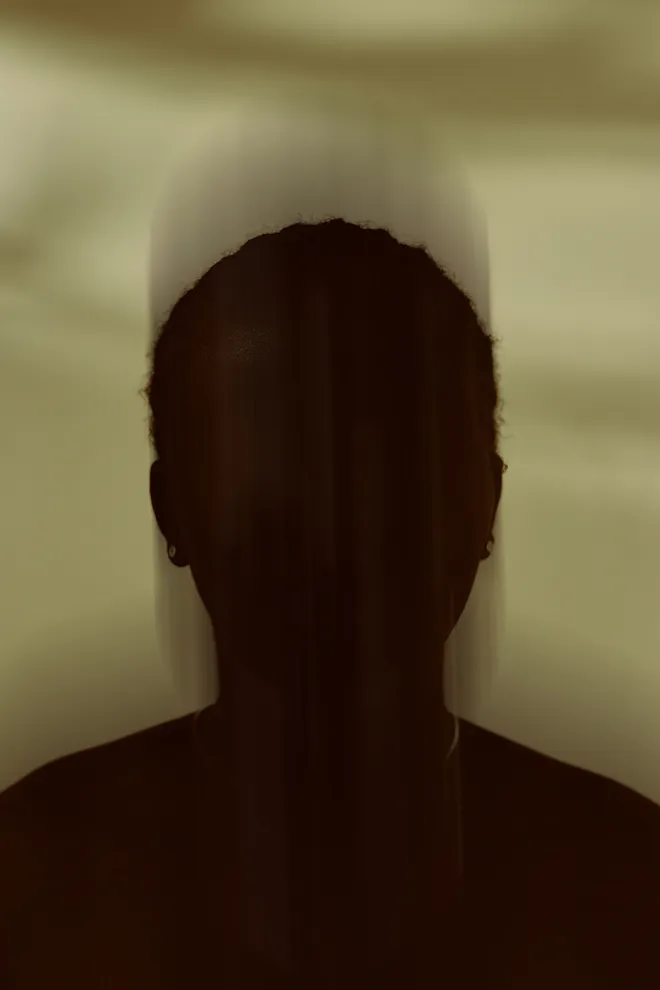
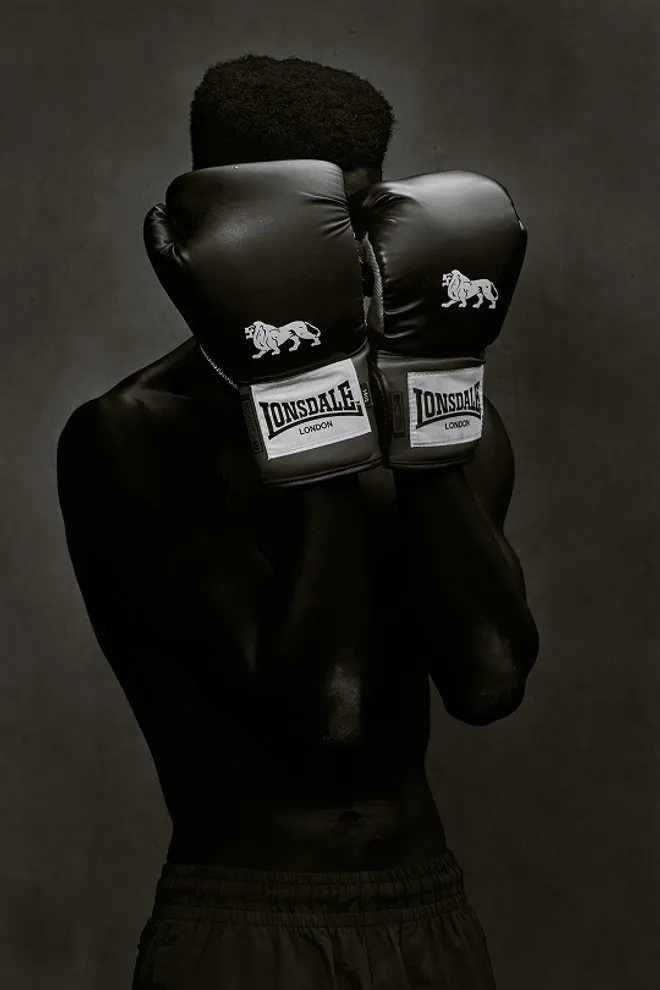
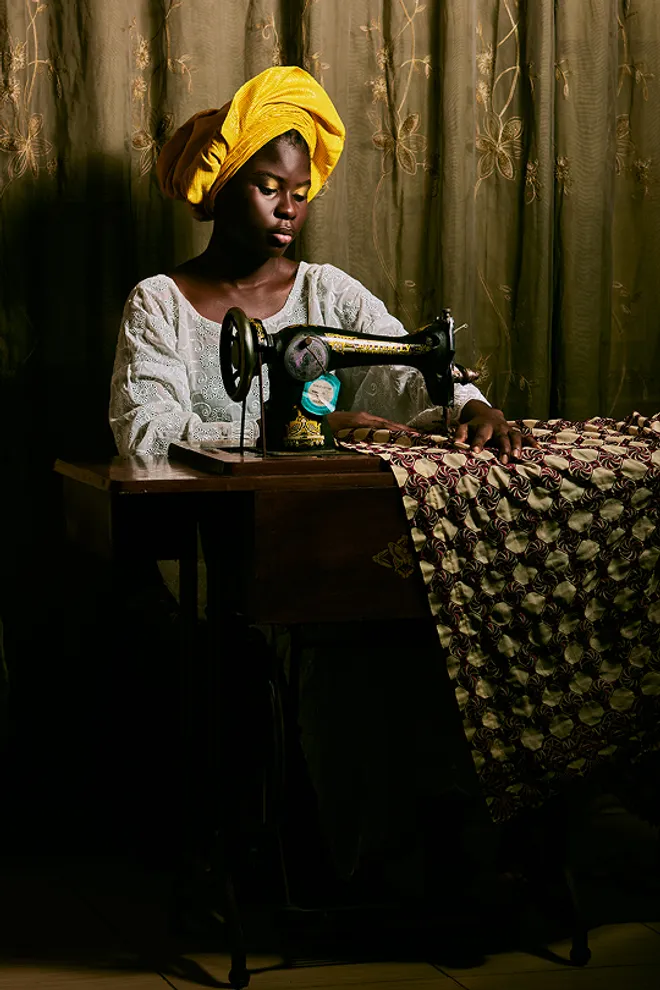
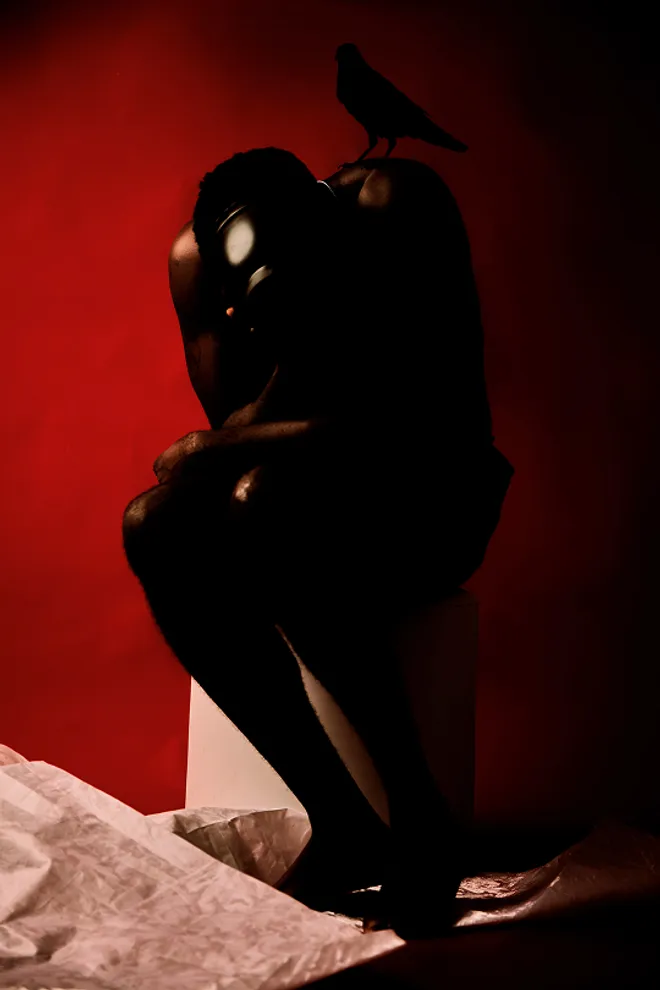
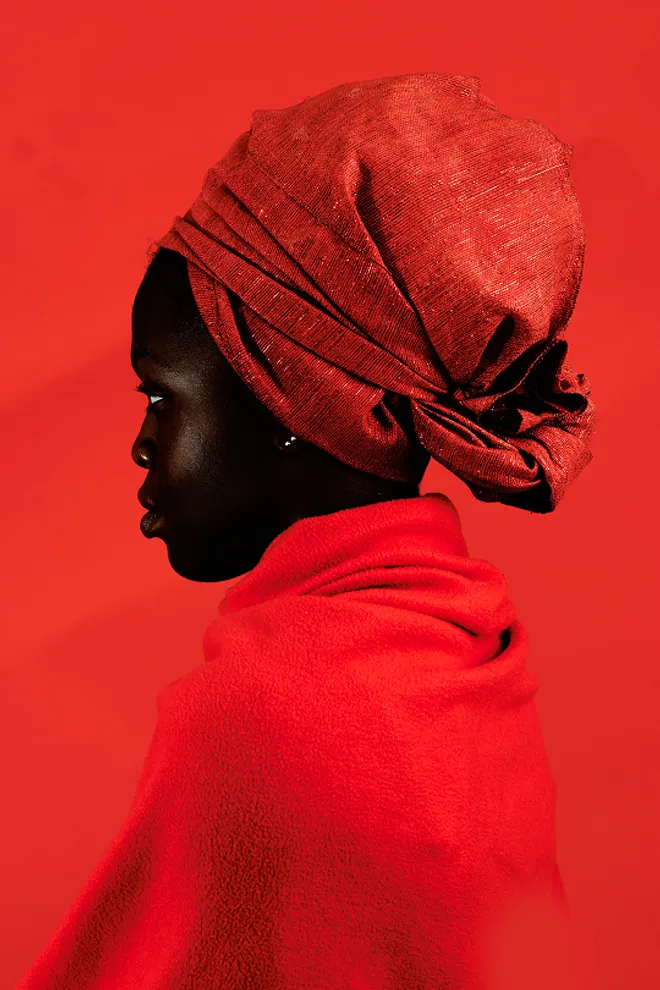
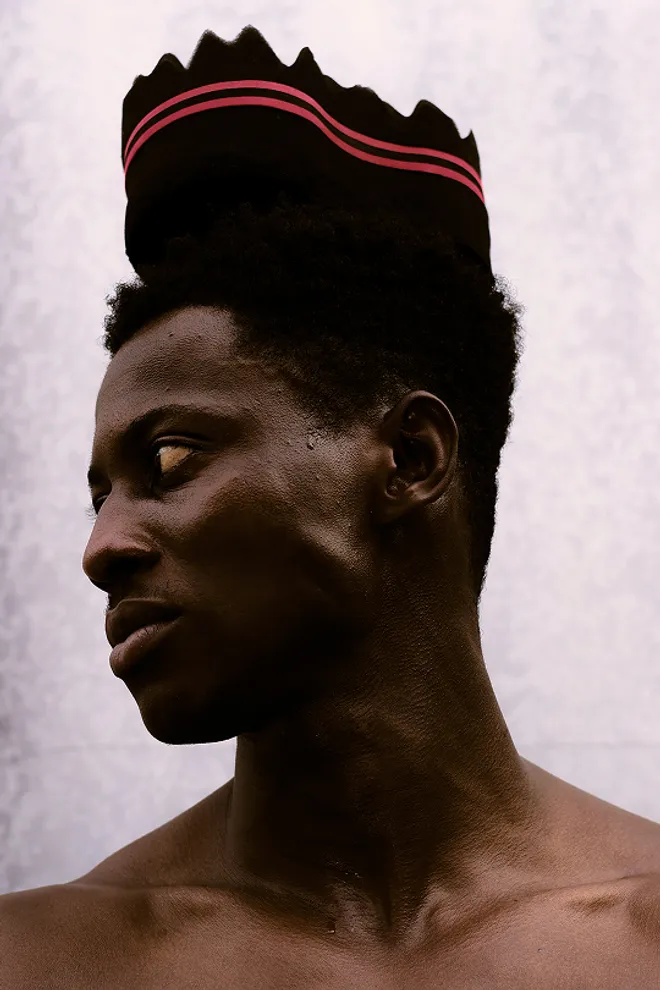
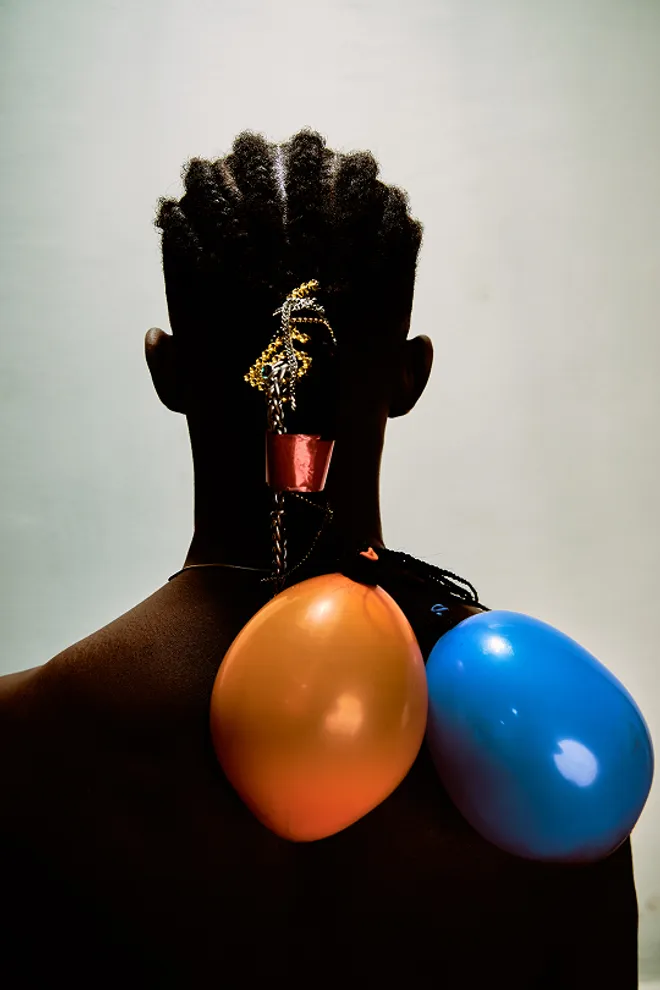
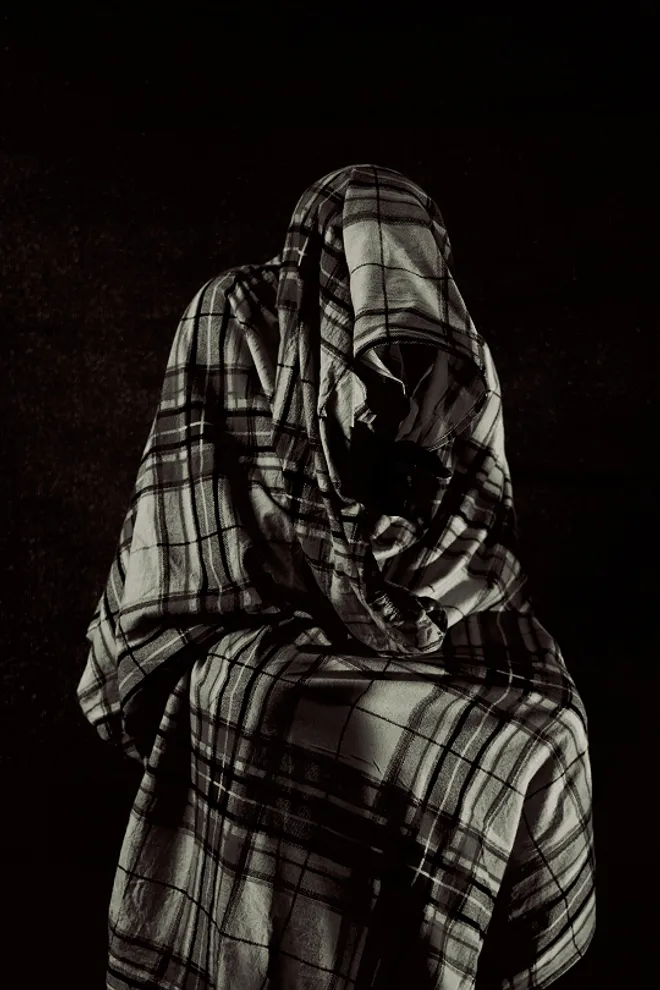
Seyi Adekola is a Lagos-based artist and photographer whose work explores the space between memory, longing, and imagination. Drawn to themes of nostalgia, melancholy, mystery, and surrealism, he creates images that blur the boundaries between reality and fiction, inviting viewers into quiet, emotionally charged worlds.

Although he taught himself to draw as a child, his creative journey took a different path before photography became the medium through which he returned to artistic expression. Over time, the camera became a way to translate thoughts and emotions into visual form, allowing him to explore ideas that are often difficult to express in words.

A passionate reader and lover of poetry, Adekola brings a literary sensibility to his photography. His images are shaped by metaphor, atmosphere, and emotion, reflecting an ongoing interest in memory, perception, and the stories we carry within us. Rather than offering clear answers, his work encourages viewers to pause, reflect, and find their own meaning in the spaces between the familiar and the imagined.
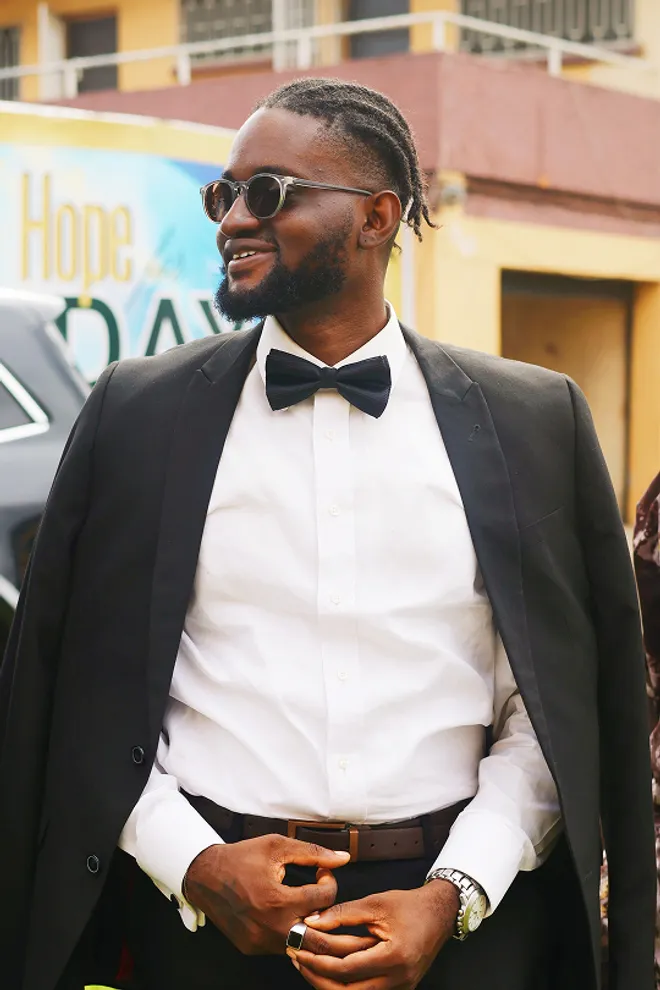
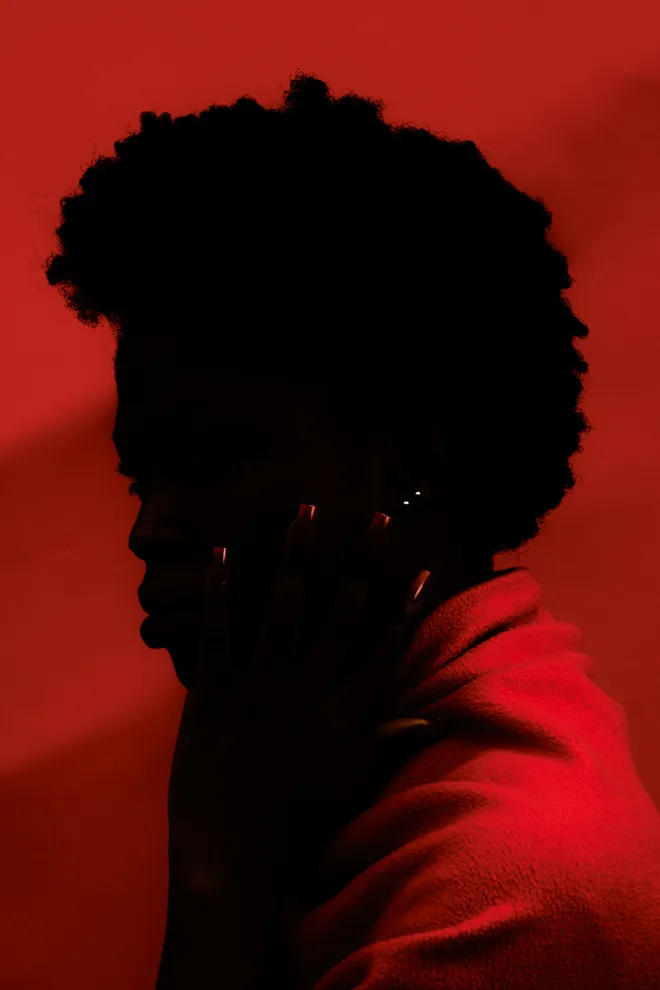
Seyi Adekola. - Nigerian visual artist and photographer

How did you get started in photography?

My journey into photography began with drawing. I spent much of my primary school years sketching, but over time I drifted away from it. I explored different creative outlets instead, from fashion and music to writing, trying to find the medium that felt right for me.

After graduating from university, just before the lockdown, I decided to pick up a camera. The moment I started taking photographs, I immediately felt a connection back to drawing. It gave me the same feeling of creating, the same excitement I had as a child sitting down to draw and shade. It was deeply nostalgic, and I fell in love with it almost instantly.

From that moment, I knew photography was what I wanted to do. It made me feel like I was creating again, and I have never looked back.

How would you describe yourself?

I am naturally curious and inquisitive. I've always wanted to understand how things work, especially when it comes to art. From an early age, I found myself drawn to music, films, and different forms of creative expression, but I was never satisfied with simply enjoying them on the surface. I always wanted to understand what was driving the work and the creative decisions behind it.

Even as a child watching films, I found myself looking beyond the story to appreciate the artistry behind what I was seeing. That curiosity has stayed with me throughout my life. Before anything else, I see myself as someone who is artistically inclined and constantly searching for deeper meaning.

"Going to see my work physically in print remains my proudest moment as a photographer."

What are the main themes that inspire your photography?

My work is shaped by the things that inspire me most: fashion, film, art, music, and poetry. I think of them as different influences that come together naturally. I take them in, let them settle subconsciously, and whatever emerges becomes the story I want to tell. Much of my process is instinctive and spontaneous.

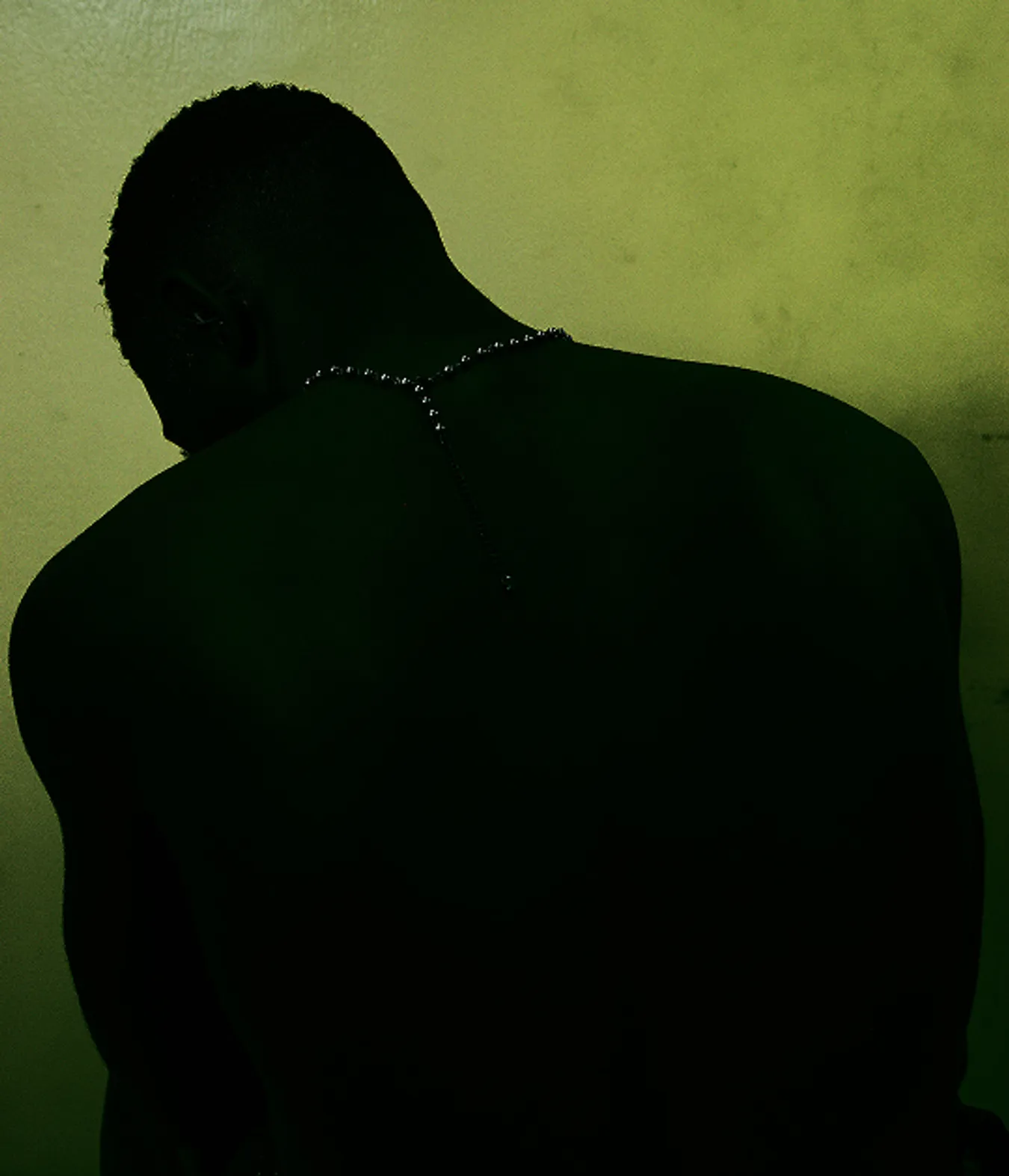
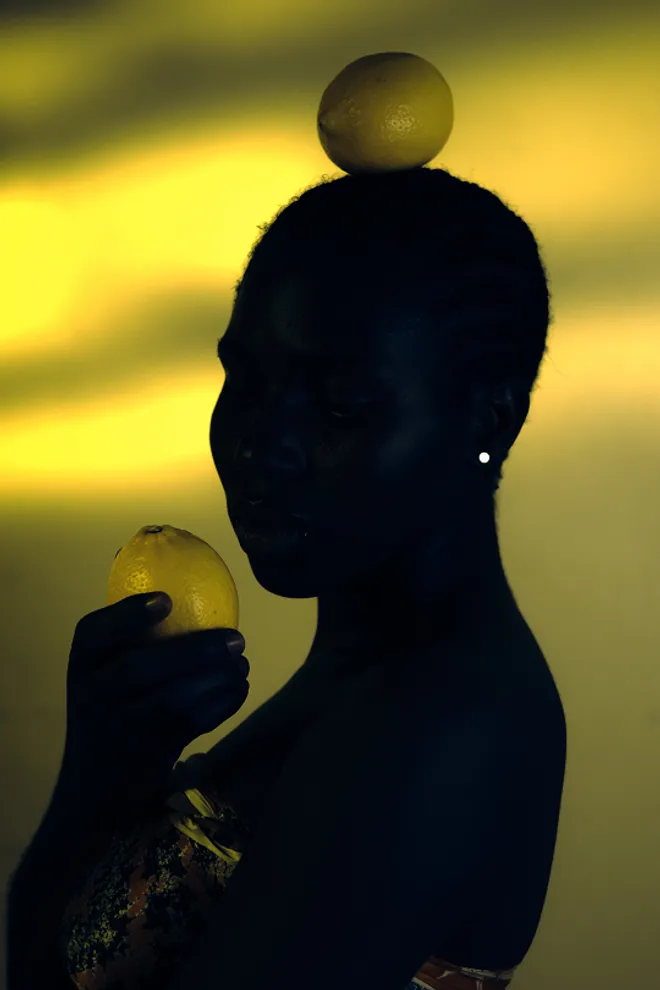
Melancholy is one of the strongest themes in my work because it has always felt deeply connected to who I am. I find a certain beauty in sadness, and that often becomes the emotional starting point for my images. I also explore nostalgia, self-reflection, mystery, masculinity, womanhood, and surrealism.

Many of these themes contrast with one another, but I enjoy bringing them together in the same body of work. Rather than telling viewers exactly what to think, I prefer to leave my photographs open to interpretation.

What moment in your career are you most proud of?

The proudest moment of my career so far was holding my first exhibition in 2025. It had been something I wanted to do for a long time, and I remember having countless conversations with friends who believed I was ready. When it finally happened, it felt incredibly rewarding to see that vision become reality.

Standing in the gallery and seeing my work printed and displayed was a special moment. It reminded me why I had committed myself to photography in the first place.

Since then, I've also had work published in online magazines, been selected to exhibit in the UK in 2026, and been approached by an international agency about publishing a book of my work. Those moments mean a great deal to me, but my first exhibition remains the milestone I treasure most.

"The biggest challenge isn't making the work; it's making sure people see it."

What is the biggest challenge you've faced as a photographer? What did you learn from that experience, and how did you overcome it?

The biggest challenge for me has been visibility and putting myself out there. Most of my energy naturally goes into creating the work itself, but I have realised that building a career also means applying for grants, entering major competitions, and consistently putting your work in front of new audiences.

That process has challenged me to be more honest with myself about where I am and where I still want to go. It has pushed me to keep improving, keep experimenting, and keep aiming higher. For me, the challenge has never been creating the work; it has been making sure it reaches the people I want it to reach.

What type of photography do you specialise in? Why this speciality and how has your style evolved?

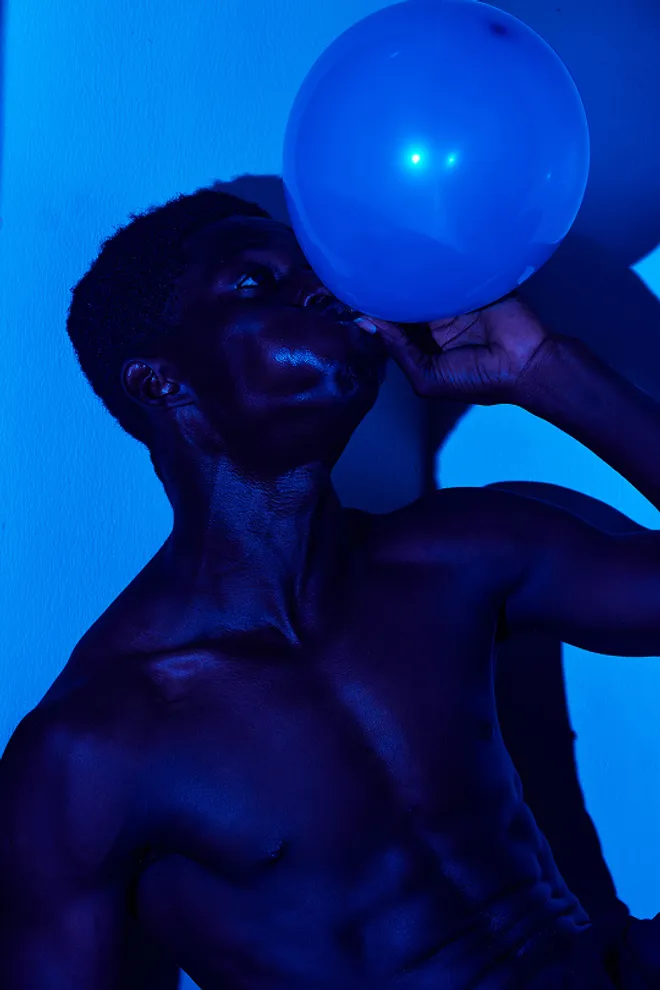
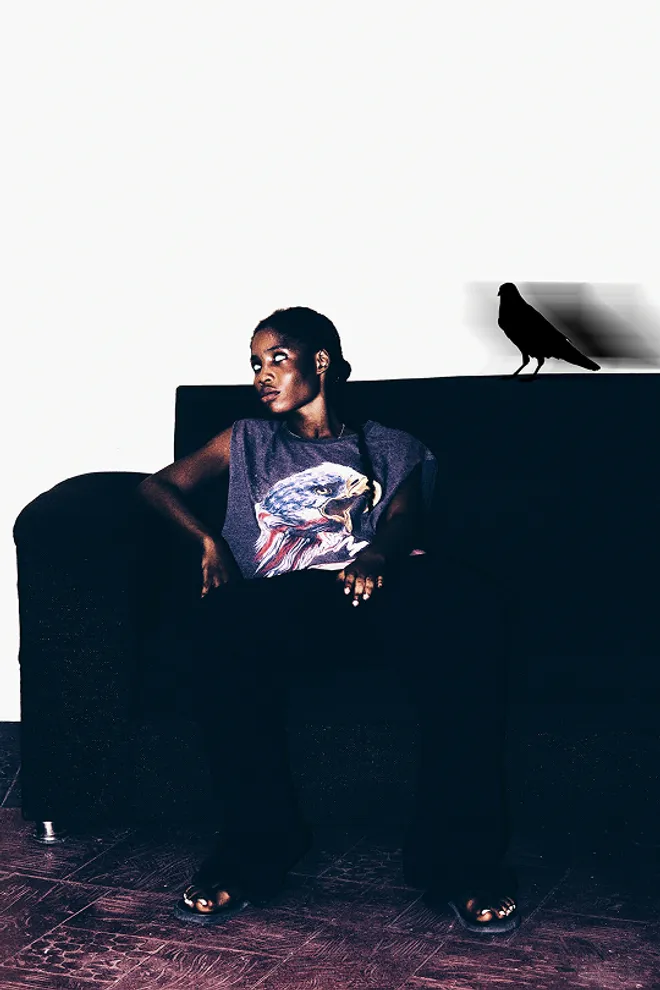
When I started photography, I experimented with different styles before gradually finding my own direction. Today, I specialise in creative portraiture and editorial-style photography, creating images that may appear simple at first but often carry deeper layers beneath the surface.

Initially, I was drawn to creating images simply because they looked good. Over time, my approach became more intentional. I began thinking more carefully about what I wanted to communicate and how different elements could come together to tell a stronger story.

My style has evolved from creating spontaneous images to building photographs with more depth, structure, and purpose. While I still value instinct and experimentation, I now have a clearer understanding of the ideas I want to explore through my work.

"My visual approach is very spontaneous, but there is a method in the madness."

What is your primary commercial niche?

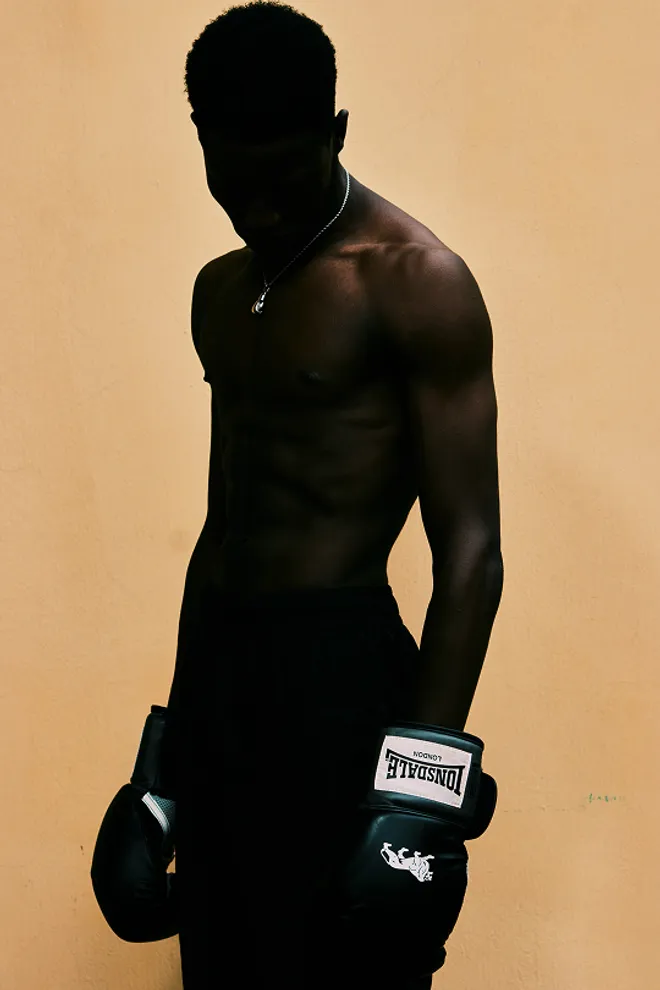
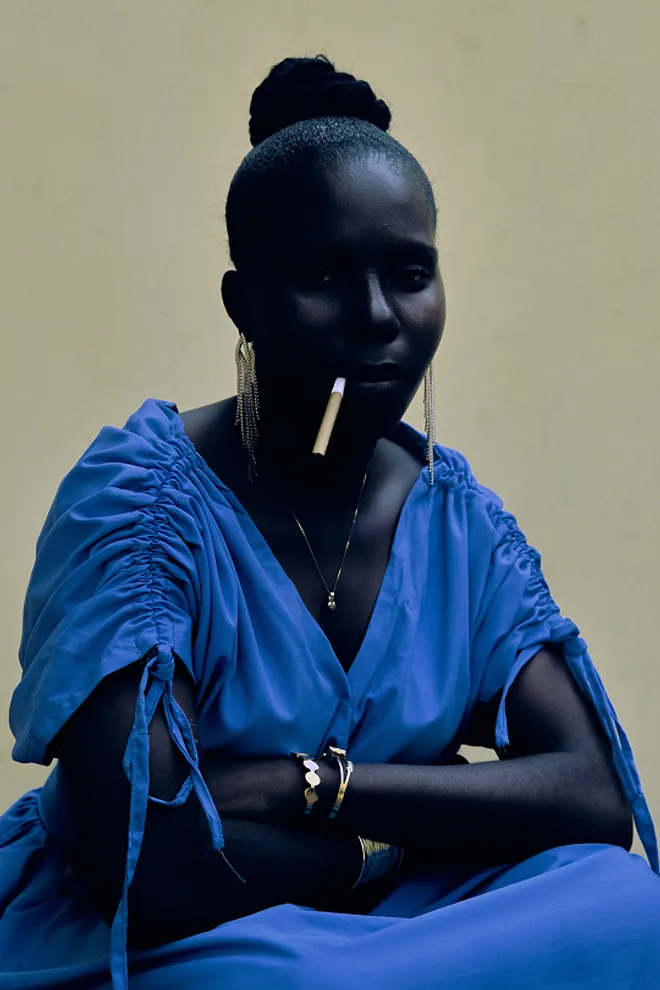
My primary commercial niche is fashion portraiture and editorial photography. I feel most comfortable working within that space because my understanding of fashion allows me to explore creativity while creating images that connect with a wider commercial audience.

Fashion editorials and portraits give me the freedom to experiment with ideas, styling, and visual concepts. It is a space where I can continue developing my creative identity while also building towards larger commercial opportunities.

"I don't always know exactly where an image will take me, but I trust the process and find my way there."

What is your unique technical or visual approach?

My visual approach is built around low lighting, which has become an important part of the atmosphere and identity of my work. Beyond the technical side, my process is heavily influenced by instinct and subconscious ideas.

I draw from many different influences without always being aware of them in the moment. However, I have become more intentional with my process over time. I now carry journals, drawing pads, and notebooks with me so I can capture ideas whenever they come.

My process can be unpredictable. Sometimes I sketch ideas beforehand, while other times I completely change direction and allow the image to develop naturally. It may seem erratic, but there is always a sense of direction guiding me. I trust my instincts, embrace spontaneity, and allow the work to find its own path.

Which global brands, photographers, or industries do you feel your work aligns with most?

My work aligns strongly with fashion brands, creative agencies, and industries that value strong visual identity. Since my commercial focus is fashion portraiture and editorials, I see a natural connection with brands such as Nike and Adidas, where creativity and storytelling play an important role.

I am also interested in working within music, especially with artists who use visuals as an extension of their identity and sound. I believe photography gives me the space to explore different creative directions, and I do not want to limit where that can take my work.

Photographically, I am inspired by artists such as Gabriel Moses, whose work connects fashion, music, and visual storytelling in a way that strongly resonates with me. I also admire the work of Nigerian photographer Adaeze Okoro and other creatives who continue to push visual expression forward.

"I don't think there is any limit to where I can create work; I believe the possibilities are open."

How's the photography and art space in Nigeria?

Nigeria's creative space has been growing significantly in recent years. I have seen more galleries emerging, more appreciation for art, and more opportunities for creatives to share their work.

The international recognition of Nigerian and African artists has also encouraged more people to see art as a meaningful path and a way to share our stories with the world. Some of the biggest artists globally are Nigerian, and that visibility has inspired a new generation of creatives to reconnect with their artistic roots.

It is exciting to see so many artists creating, collaborating, and building a stronger creative community both within Nigeria and beyond. I believe the future holds even more possibilities.

"Creating great work that stands the test of time is the standard I never want to compromise on."

What is one professional standard you never compromise on?

The standard I never want to compromise on is creating quality work. I think that is the goal of every artist, from the moment they begin learning their craft to the point where they continue refining it.

For me, creating meaningful work means constantly learning, experimenting, and challenging myself to improve. I want to create images that can stand the test of time, leave a lasting impression, and contribute something valuable to the world.

What do you think of the 54Ruum platform?

I discovered 54Ruum through a link online, and when I visited the platform, I was immediately impressed by what it represents. The website is visually appealing, easy to navigate, and keeps you engaged with the stories and artists being showcased.

I appreciate the platform's focus on highlighting Black creators and creating visibility for their work. I think it is a valuable initiative, and I would love to continue engaging with it and sharing it with others.

Credits

Photography

Seyi Adekola

Text

Kelvin Otum

Curation

guvnor

SHARE THIS STORY

Join Our Community

More Stories

Ngonidzashe Chinhara: Zimbabwean editorial photographer exploring culture and African youth stories
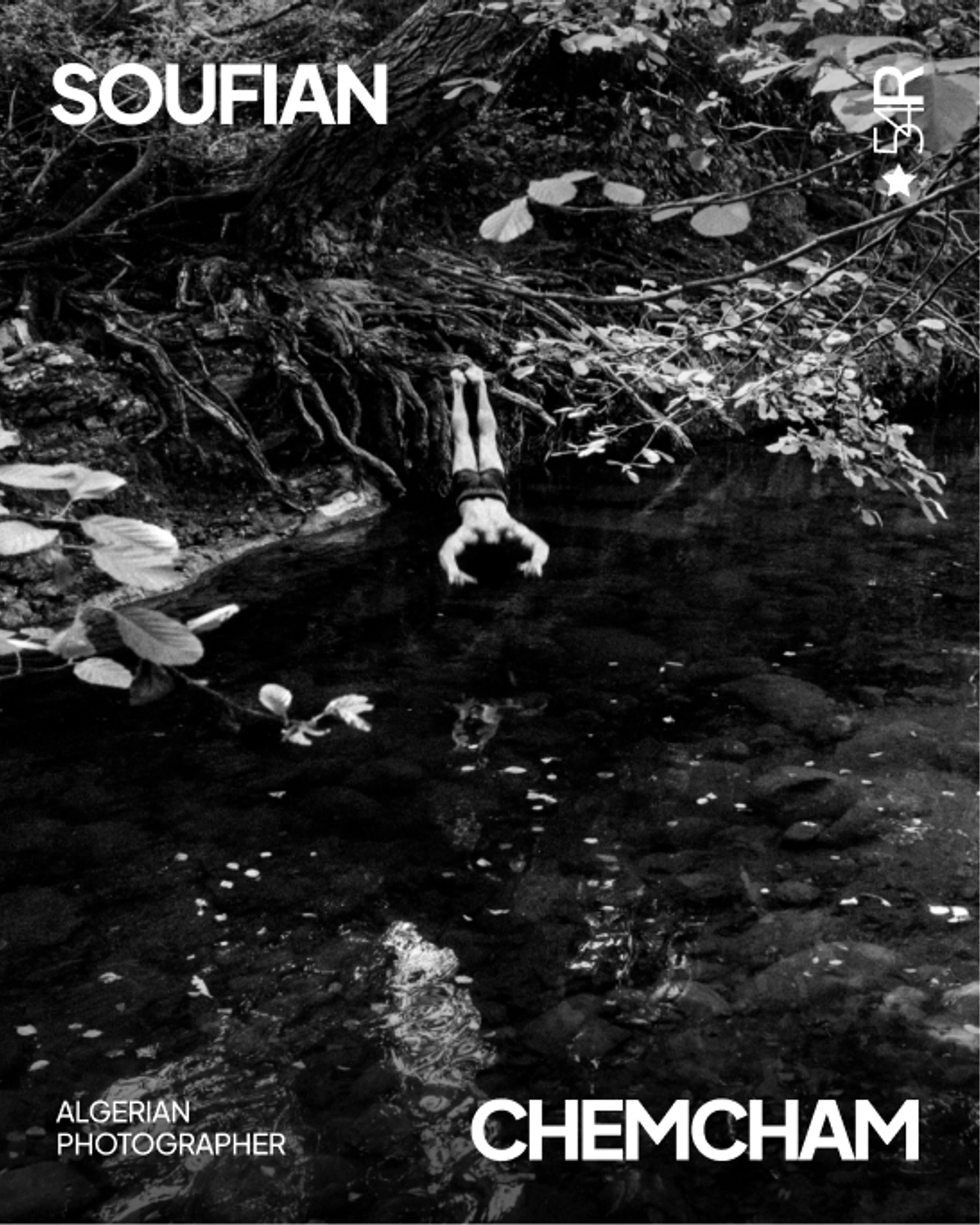
Soufian Chemcham: Algerian documentary photographer exploring youth, hip-hop culture, and urban life
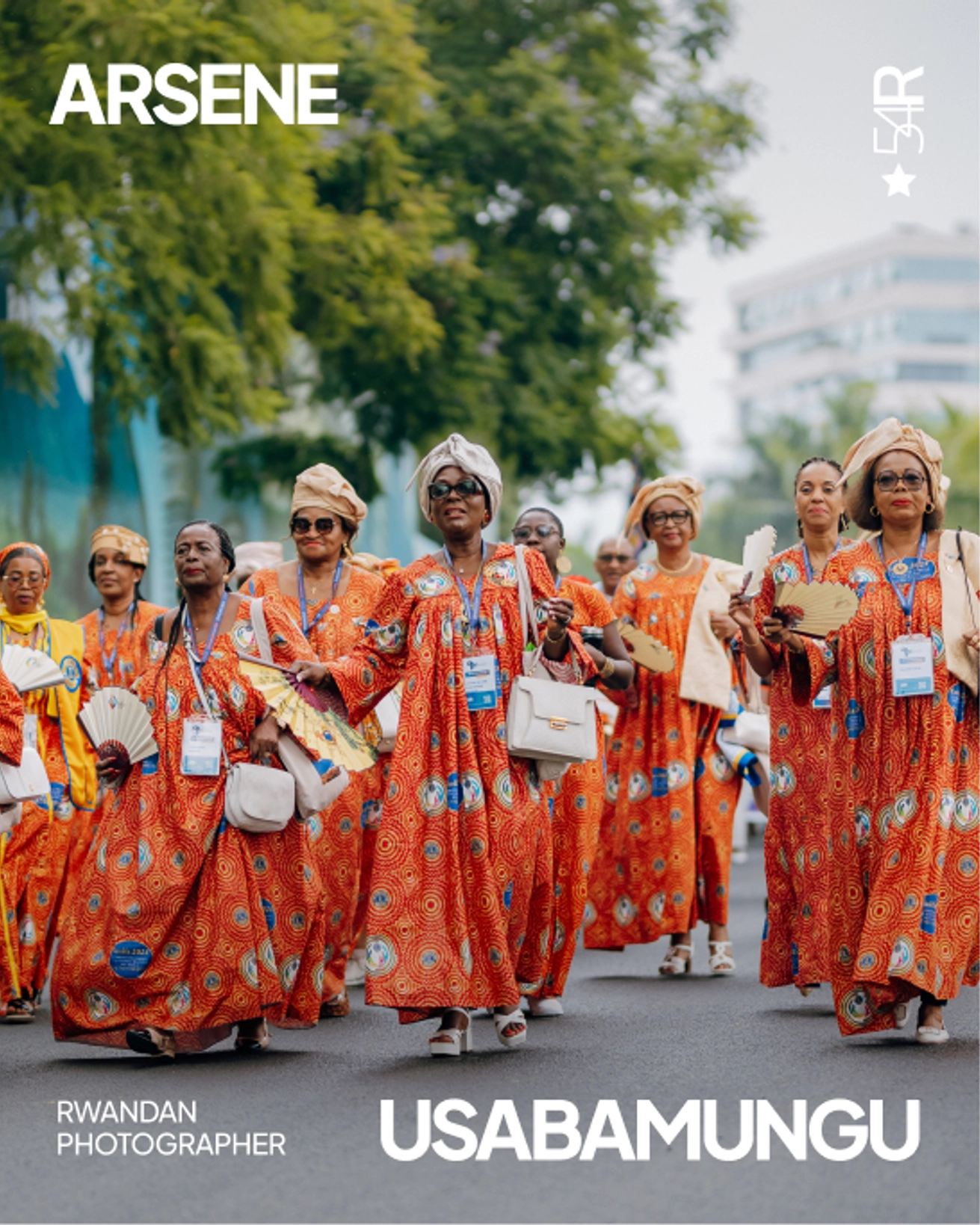
Arsene Usabamungu: Rwandan corporate, event and documentary photographer creating purposeful visual stories
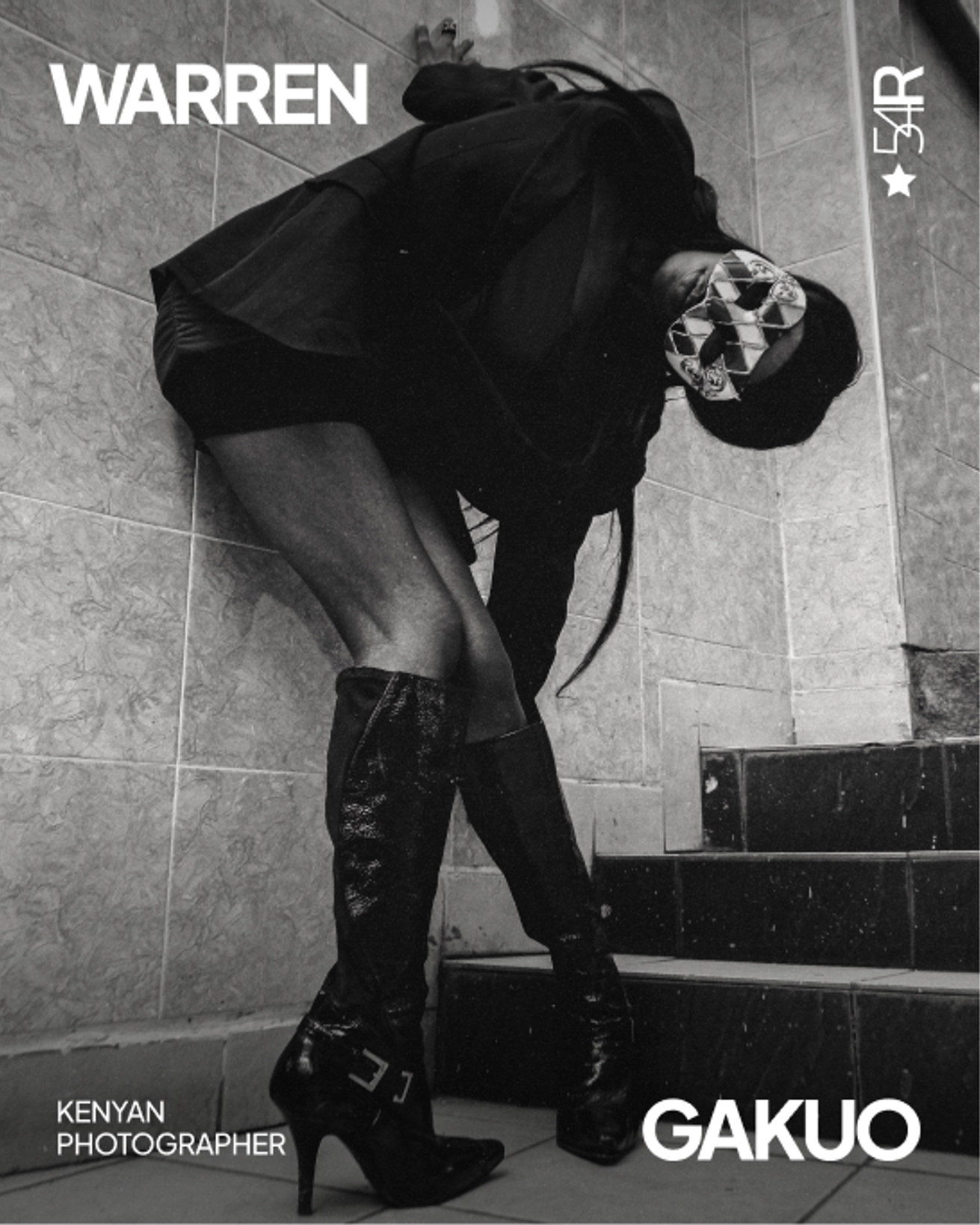
Warren Gakuo: Kenyan editorial and portrait photographer documenting Nairobi's creative community through monochrome visual storytelling
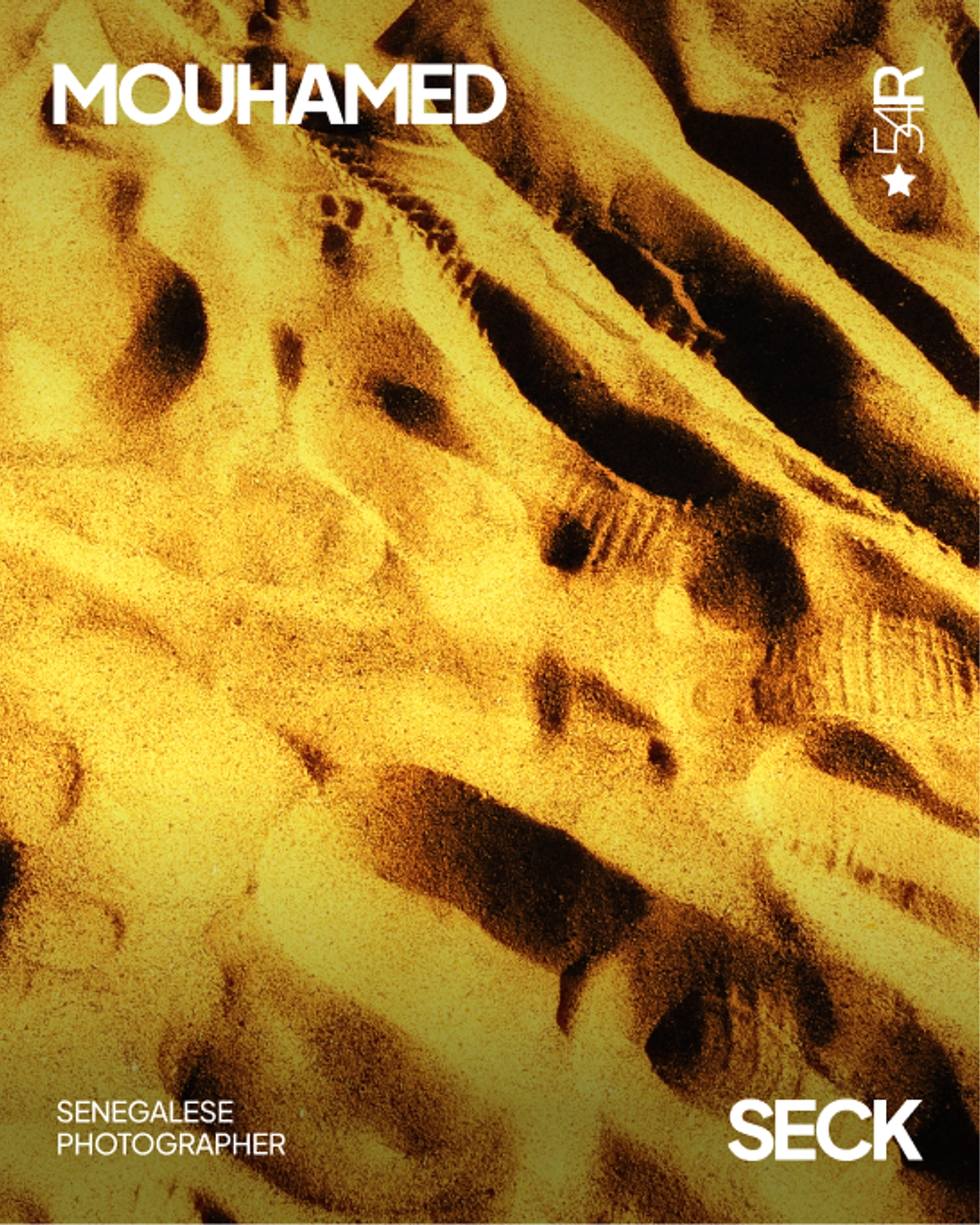
Mouhamed Seck: Senegalese lifestyle photographer finding beauty in everyday moments
Oumar Ba : photographe portraitiste et lifestyle sénégalais capturant l'émotion humaine brute et les récits culturels authentiques à travers la photographie mobile
Victor Edeh: Nigerian editorial and fashion photographer capturing culture, identity and vibrant storytelling
Reath Bol: South Sudanese documentary photographer exploring identity, displacement and resilience
Vuyo Polson: South African portrait and editorial photographer exploring stillness, belonging and the inner world
Sidahmed Belhachemi: Algerian documentary photographer exploring identity, memory and cultural heritage
Adïam Yemane: Ethiopian-Eritrean documentary photographer exploring identity, belonging and cultural memory
Youssef Moustaghfir: Moroccan documentary photographer exploring identity, memory and everyday life
Tumeleng Shiri: South African portrait, fashion and lifestyle photographer capturing identity, emotion and youth culture
Racha Saidani : photographe algérienne contemporaine et d'art explorant la vie urbaine, les transformations humaines et l'incarnation du silence
Ayorinde Ogundele: Nigerian documentary photographer capturing the unseen rhythms and impermanence of daily life

Company

The Ruum Africa

Products

RTM

Community

Cookie Policy

© 2026 The Ruum Africa

Built by