My name is Londeka, I am a multidisciplinary creative whose work blends photography, storytelling, and cultural preservation. I was born in Wembezi, Estcourt. My grounding gives me a unique lens when framing urban spaces, allowing me to find intimacy and texture even in the bustle of city life. I am now based in Johannesburg and working in the corporate sector, this doesn't stop me exploring the intersections of everyday life, community spirit, and personal narratives through the images I capture.
Londeka Thabethe, street photographer based in Johannesburg, South Africa
4 mins read
•Published3 Sep, 2025

“I carry the sensibilities of a small-town upbringing, a deep attentiveness to people, landscapes, and the subtle details that shape identity.”

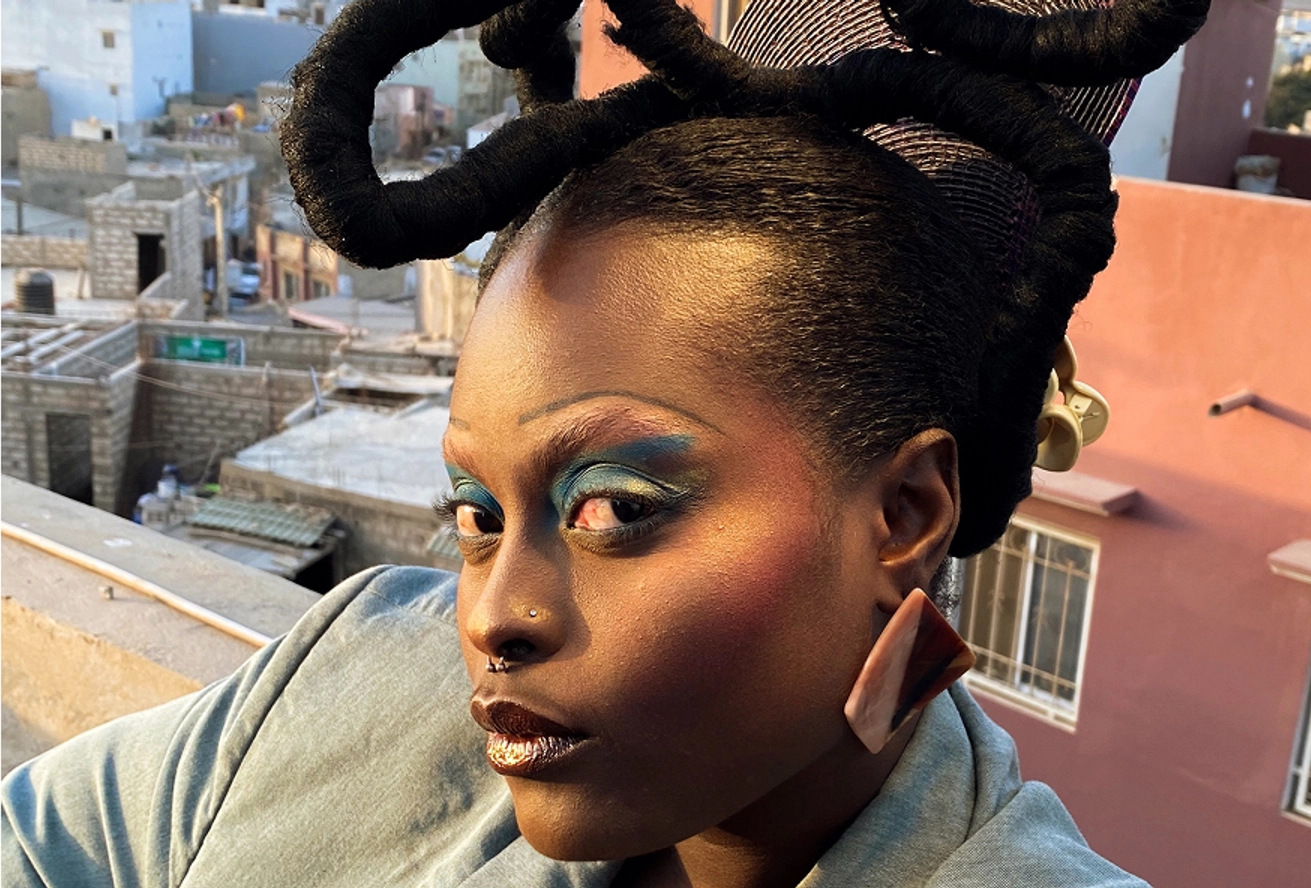
Portrait of Londeka Thabethe
"I capture the rhythms, textures, and quiet poetry of African life, often weaving sound, movement, and memory into my visual storytelling."

How would you describe yourself in a few sentences?
I’m equal parts observer and participant, someone who moves between the intimate and the expansive, always chasing light, movement, and moments that feel true.
My curiosity drives me, whether I’m documenting the pulse of a street corner or the quiet exchange between two people.
I love creating work that feels familiar yet reimagined, where the viewer can see themselves and the characters in their own lives reflected in the frame.
My longest-running personal project has been documenting the lives of my three nieces since birth, an ongoing visual archive of growth, family, and the passage of time. My aim is to make people pause, connect, and see their world differently.


How did you first get into photography?
My obsession with photography and memory began in childhood, shaped by absence. I didn’t grow up living with my mother, but I had tons of photographs of her, images I would pore over for hours. They became my way of remembering her, of memorising her. Those photographs were not just pictures; they were a language, a map back to someone I loved. Over time, I realised that the act of looking, of studying and preserving, was a way of holding onto what might otherwise drift away.
That instinct to preserve carried into my own life. I began documenting my family, especially during cultural functions where memory and tradition met in such vivid, textured ways. My longest-running personal project has been photographing my three nieces since birth, a living archive of their growth, our shared rituals, and the invisible threads that bind us together.
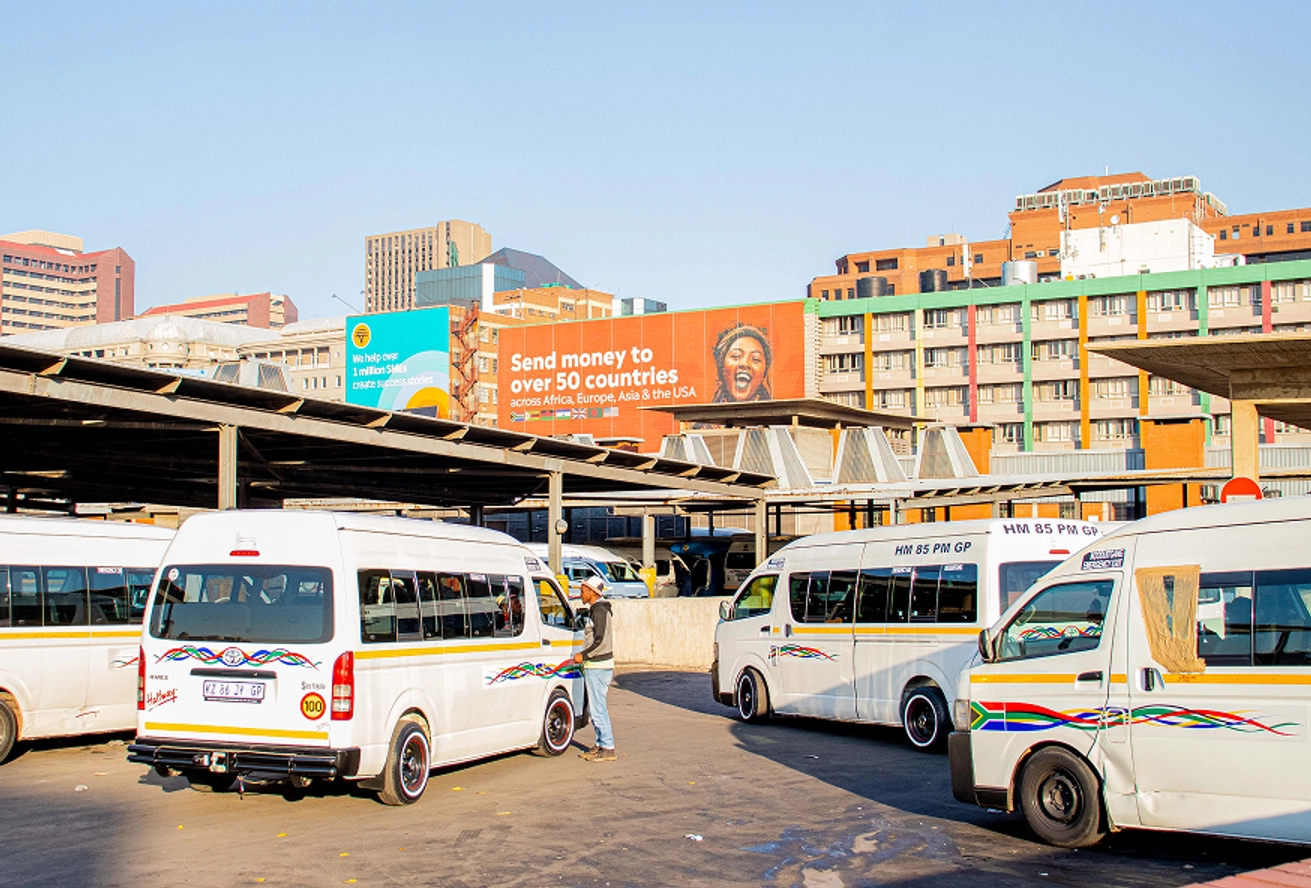
When I reached university, my focus widened. I started capturing Johannesburg’s city streets and taxi life during my commutes from my commune, moments of movement, rhythm, and human choreography that felt as rich as any family album. At first, I worked entirely on my iPhone, but discovering film photography changed my relationship to the craft; it slowed me down, demanded more intention, and deepened my attention to light, timing, and detail.
Today, while film remains my love, I’m also exploring videography, not just to extend my visual storytelling, but to work with sound as memory. The way a voice rises, a street hums, or a song drifts through a space can preserve a moment as vividly as an image. For me, photography and video are both ways of ensuring that the people, places, and textures I love are never lost to time.


"When I reached university, my focus widened. I started capturing Johannesburg’s city streets and taxi life during my commutes from my commune, moments of movement, rhythm, and human choreography that felt as rich as any family album."
What type(s) of photography do you specialise in, and why did you choose this niche?
I specialise in street photography and documentary photography, with a strong emphasis on place and culture.
I’m drawn to human stories, the quiet gestures, the layered histories, the ways people carry themselves in familiar spaces.
My style has evolved from simple documentation to creating layered visual essays that merge the candid with the composed, often influenced by music, poetry, and film.


Can you share the underlying themes or ideas that drive your photography?
My work is driven by ideas of belonging, identity, and the way place shapes people. I’m interested in how community, memory, and movement intersect, from the energy of a minibus taxi rank to the stillness of someone waiting alone.
I aim to create images that feel like familiar, that feel like conversations, where the viewer recognises themselves or characters in their lives in the frame; the viewer is invited into the frame and becomes part of the narrative

What's the one achievement or moment in your photography career that you're most proud of?
While the journey is ongoing, a few pivotal moments stand out as profound validations of a self-taught path. Curating two solo exhibitions in Durban, KwaZulu-Natal, was deeply significant, not merely for displaying work, but for fully realizing a cohesive visual narrative within a physical space. It demanded translating personal vision into a public dialogue, a responsibility that sharpened my editorial discipline.
The inclusion of an image in the VSCO Honors Collection resonated differently, a quiet affirmation of craft in the digital realm. Amidst a global pool of submissions, its selection underscored the universal language of a singular frame.
Perhaps most unexpectedly grounding was being profiled by the Mail & Guardian as well as Okayafrica. Beyond recognition, it contextualised my practice within broader socio-cultural conversations, reminding me that photography, at its core, is about bearing witness, whether to intimate stories or collective shifts.
These milestones aren’t endpoints, but compass points: they reinforce that authenticity and rigor can build bridges from the local to the global, even without traditional gatekeepers.


What's the biggest challenge you've faced as a photographer, and how did you overcome it?
Balancing artistic vision with external expectations has been my biggest challenge. As an introvert, photography often demands an extroverted version of me that’s not always present, which can be exhausting.
Sometimes clients or audiences want something neat and polished, while my work thrives in the raw and unpolished. I’ve learned to communicate my vision clearly, show references, and build trust so collaborators understand that imperfection can be intentional, and powerful.


If you could collaborate with anyone, who would it be and why?
First prize would be collaborating with Toyota South Africa. I’m obsessed with taxis and would love to create a coffee table book with them. Right now, I’m drawn to the unseen moments that shape music and art.
My dream collaborations include @desiremorea, whose work is so raw, so intimate and honest; @thando_zide, whose sound is cinematic and emotive; and @terencentsako, whose visuals are bold and immersive. Working with creatives like them lets me go behind the curtain and reveal the magic in the making.

What are your thoughts on the 54Ruum platform?
54Ruum feels like a much-needed space for African photographers, a place to connect, share, and learn without having to translate or justify the nuances of our work. It’s community-driven and feels like it values both craft and culture.

If you could give one piece of advice to someone just starting their photography journey, what would it be?
Start where you are, with what you have, and don’t wait for the “perfect” gear. Your eyes and your voice matter more than your equipment.


SHARE THIS STORY
Join Our Community
More Stories