Adïam Yemane: Ethiopian-Eritrean documentary photographer exploring identity, belonging and cultural memory

15 mins read
Published23 Jun, 2026

“Photography is a bridge between people, cultures, generations and different ways of understanding the world.”

Adiam Yemane is an Ethiopian–Eritrean photographer, director, storyteller and cultural organiser based between the UK and Ethiopia. Working across photography, film, research and community-led projects, her practice explores identity, migration, cultural memory, ecology and the enduring relationships between people, place and the traces of our ancestors that live within us.

Through intimate visual storytelling, she creates narratives that connect personal experiences to wider questions of belonging, heritage and collective wellbeing. Rooted in education, collaboration and long-term engagement with communities, Adiam's work is guided by a sensitive and ethical approach to storytelling, particularly when working across cultures and in regions where access to media platforms, representation and creative infrastructure can be limited.

Rather than simply documenting communities, she prioritises building trust, reciprocity and meaningful relationships, allowing stories to emerge through dialogue and collaboration. Her work seeks to move beyond extractive forms of image-making, creating space for people to represent themselves on their own terms while foregrounding local perspectives, lived experience and cultural continuity.

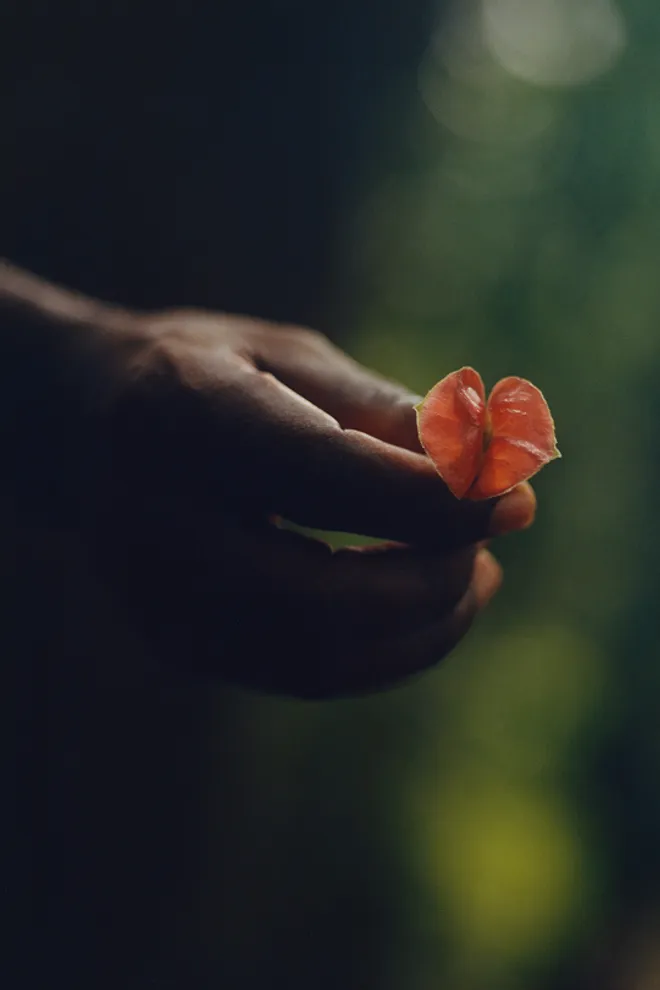
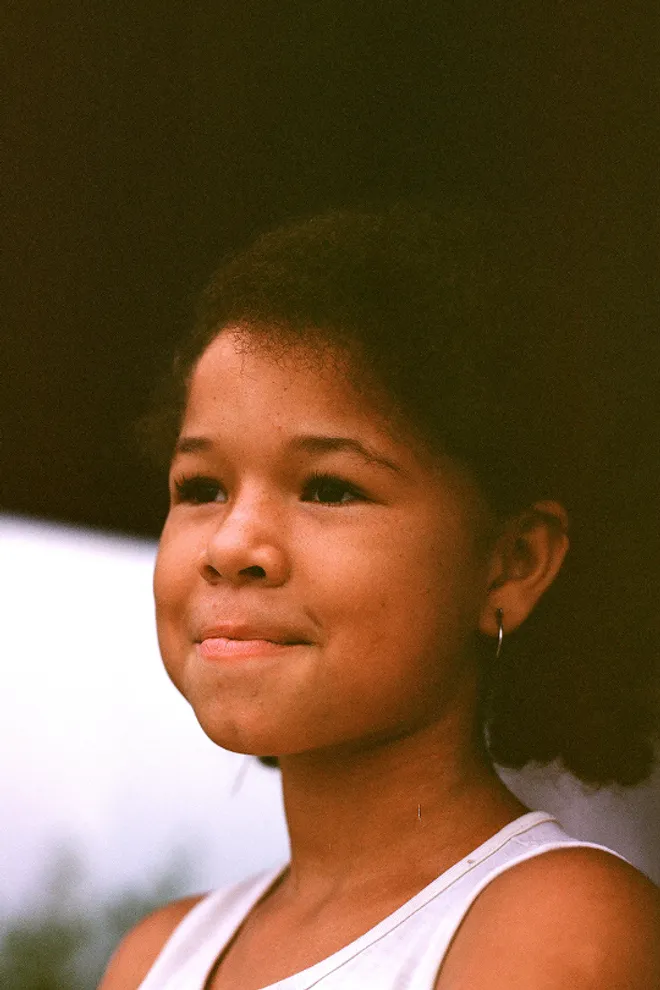
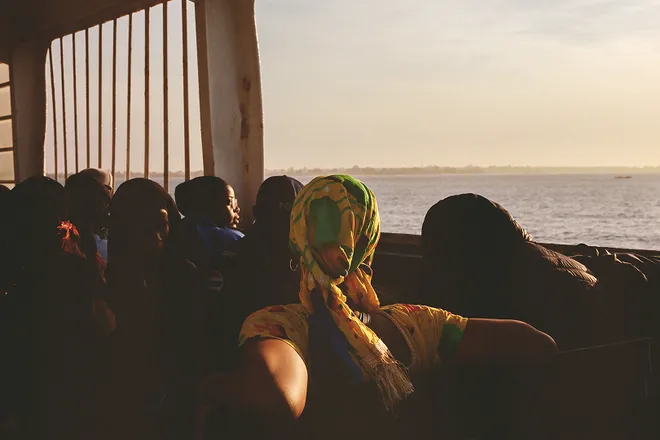
Her projects have taken her across the African diaspora, including extensive work with Afro-Colombian communities, where she has documented stories of music, resistance, environmental stewardship and cultural resilience. Through portraiture and documentary practice, she explores how communities sustain connections to land, culture and one another, and how identity is shaped through both inherited histories and everyday acts of care, creativity and remembrance.
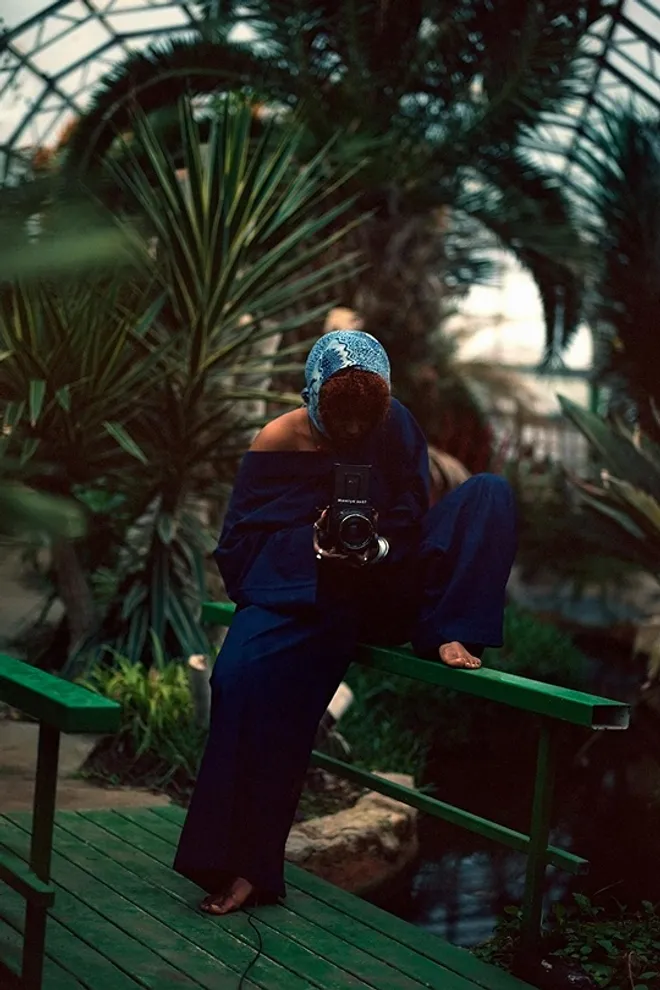
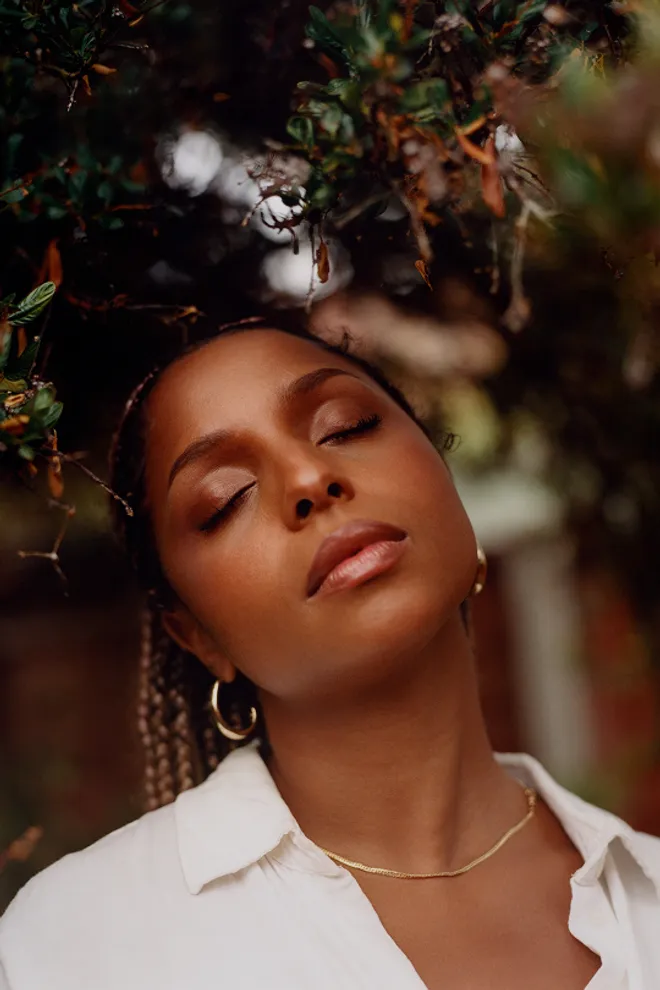
Self-portrait of Adïam Yemane

Alongside her creative practice, Adiam develops and directs programmes, fellowships and cultural initiatives that bring together artists, activists and community leaders to exchange knowledge and imagine more connected futures. She is currently developing a photography podcast that brings photographers into conversation about travelling across borders to make work, exploring ideas of home, return, diaspora, belonging and the complexities of photographing within one's own community or abroad.

The project creates a space for reflection on authorship, ethics and the personal journeys that shape photographic practice. Whether behind the camera, in the darkroom, directing visual projects or facilitating collective learning, Adiam approaches storytelling as a tool for connection, preservation and transformation. Her work is driven by a desire to deepen relationships between people and place, honour cultural practices and contribute to a richer understanding of the interconnected worlds we inhabit.

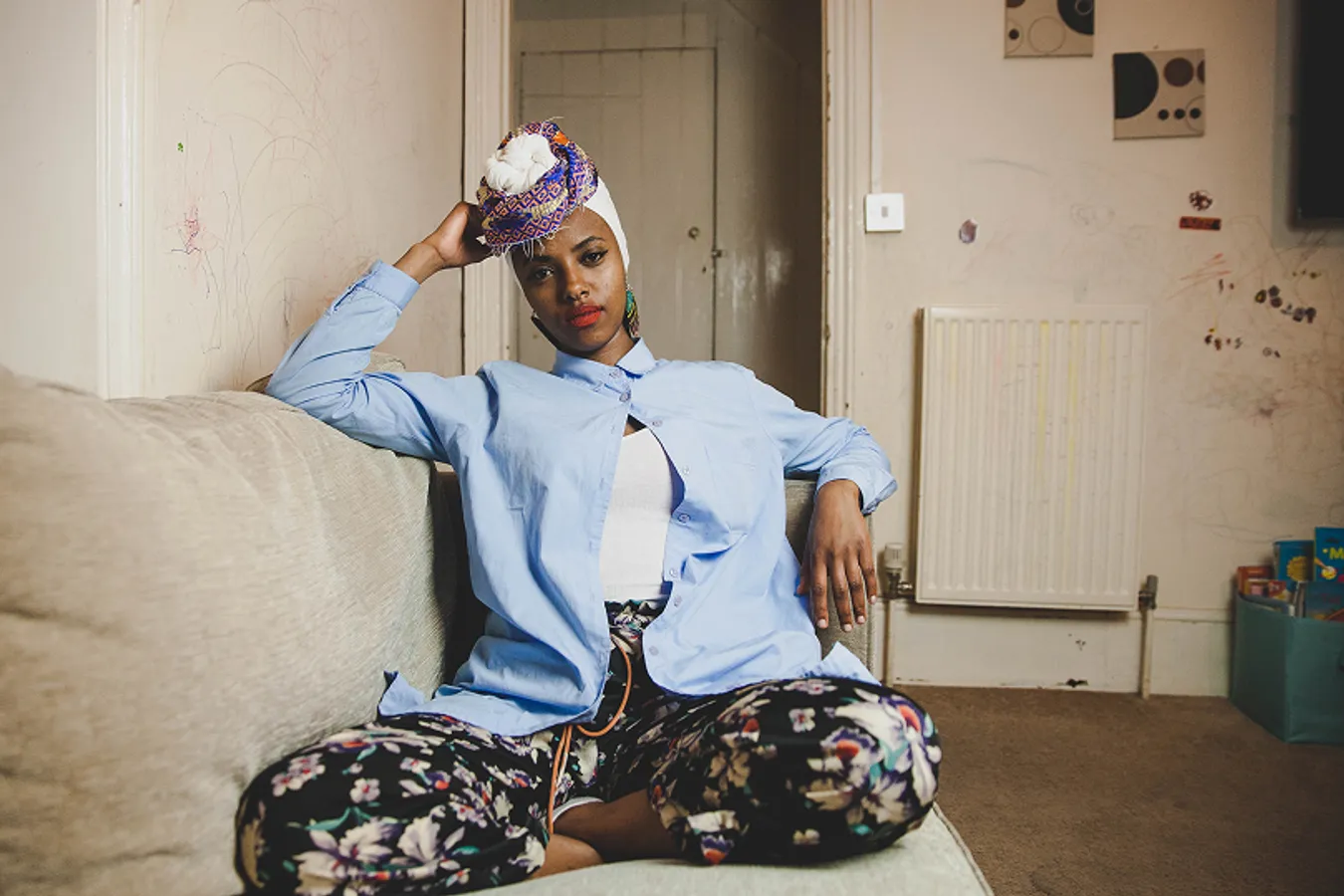
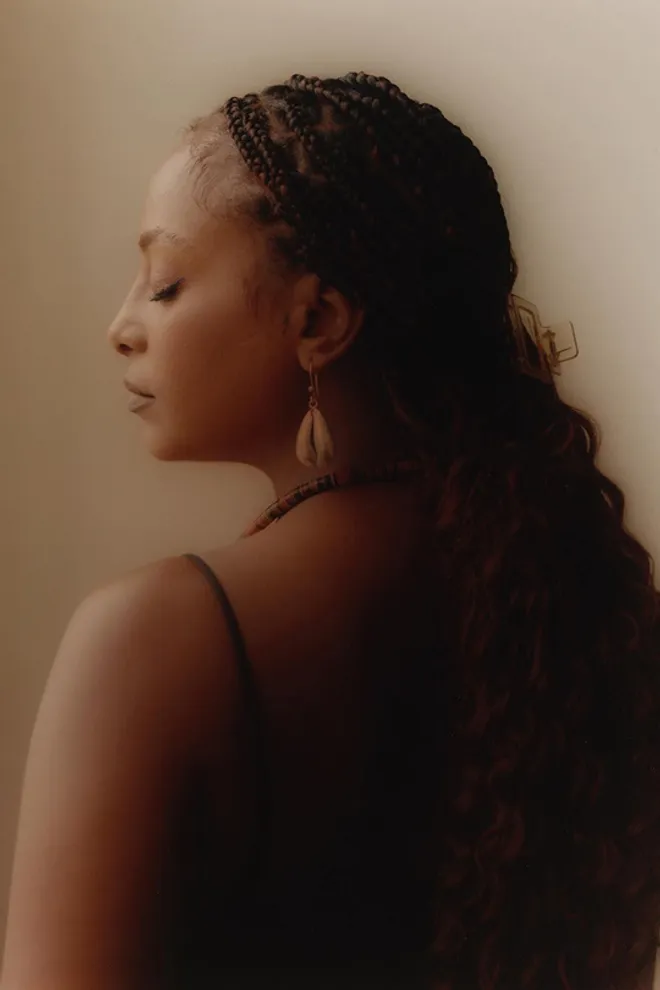
Portrait of Adïam Yemane

How did you get started in photography?

I've always been drawn to visual storytelling. Before studying photography, I studied Art and Design and spent a lot of time painting. There was a point, though, when I felt I'd reached a dead end with painting. I was looking for another way to express ideas and engage with the world around me. Around that time, I realised I was spending a huge amount of time looking at photographs. I was fascinated by them — their ability to capture a moment, tell a story and evoke emotion.

In 2013, I bought my first camera and quickly became obsessed with image-making. What began as curiosity soon became a way of seeing and understanding the world. I studied photography for a year and, from that point on, I never looked back.

Photography gave me a language that felt natural to me, one that allowed me to explore people, place, identity and culture in a way that painting never quite could. It's since become the foundation of my creative practice and the lens through which I engage with the world.

How would you describe yourself?

I still hand-print photographs in the darkroom. In a world where most images exist on screens, I love the slow, tactile process of watching an image emerge in a tray of developers. It's one of the things that first made me fall in love with photography, and it's still a big part of my practice today.

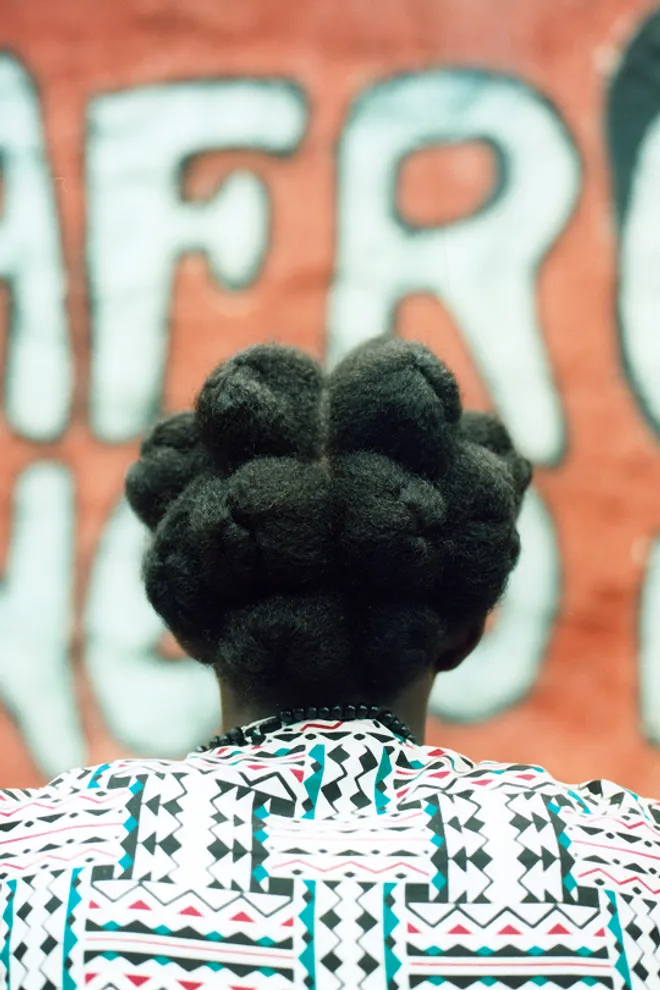
'Afroneto'

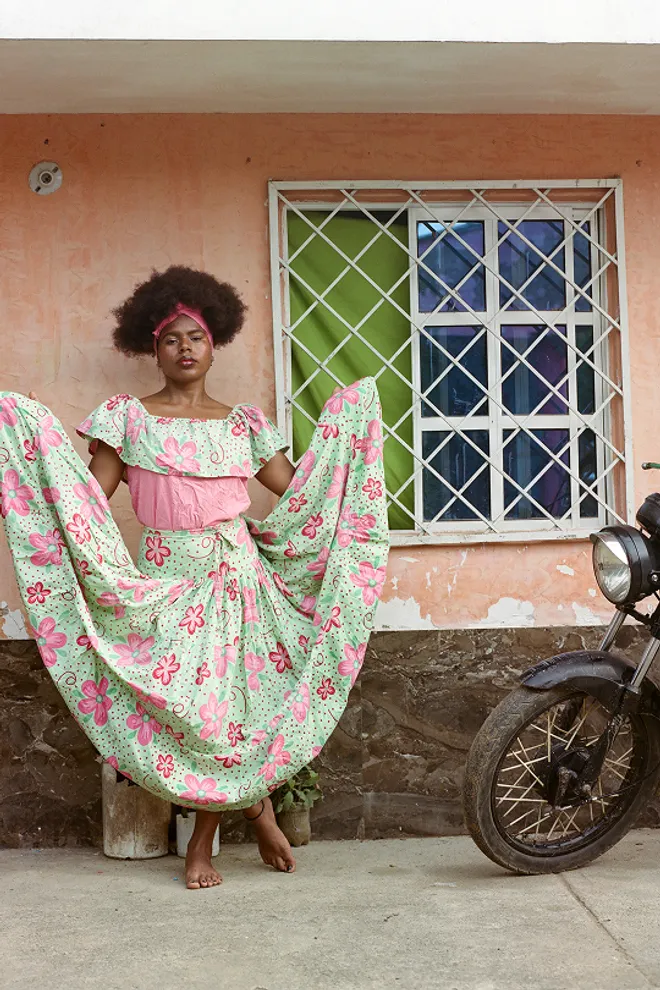
'Colombia Sara'

What are the main themes that inspire your photography?

Identity, belonging, cultural continuity, ecology and our relationship to place. I'm particularly interested in how people carry culture across generations and geographies, and how the traces of our ancestors continue to shape who we are. Much of my work explores the connections between people, land and community, whether that's within the Horn of Africa, across the African diaspora or in communities preserving traditions in the face of change.

I'm drawn to stories that often sit outside mainstream narratives — stories of resilience, care, creativity and collective wellbeing. Through my work, I try to create space for people to be seen with dignity and complexity while highlighting the knowledge, practices and relationships that sustain communities.

I use photography as a way of building connections. For me, the process is just as important as the image itself. I spend time listening, learning and building trust with the people I photograph, allowing relationships to develop naturally.

I hope my images invite viewers to slow down, look more closely and recognise something of themselves in the lives and experiences of others. Whether someone shares the same background as the people in my photographs or comes from a completely different context, I want the work to create a sense of empathy, curiosity and connection.

Ultimately, I see photography as a bridge — between people, cultures, generations and ways of understanding the world.

"I use photography as a way of building connections. For me, the process is just as important as the image itself."

'Florida'

What moment in your career are you most proud of?

Realising that my practice has grown beyond photography into a broader form of visual storytelling. What began with a camera and a fascination with image-making has evolved into directing films, developing community-led projects and creating spaces for people to share their own stories. Being able to work across photography and film while staying true to my values has been a significant milestone.

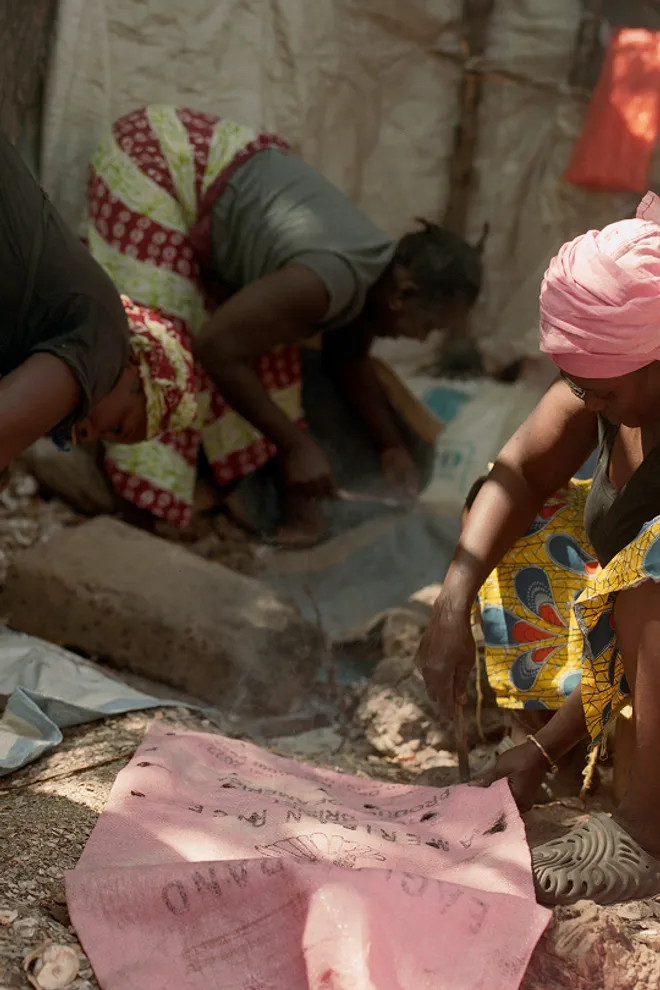
A particularly meaningful experience was my work with Afro-Colombian communities, where I spent time documenting stories of music, cultural resilience and community life. Being welcomed into those spaces and trusted to tell those stories was a privilege that reinforced the importance of working with care, sensitivity and accountability. Those experiences continue to shape how I approach both photography and filmmaking today.

I'm also proud of creating work that connects people across different geographies and generations. Whether through photography, film or cultural programmes, I've been able to explore questions of identity, belonging and heritage while building meaningful relationships with the communities I work alongside.

For me, success isn't defined by a single exhibition, publication or project. It's the ability to create work that resonates with people, honours their experiences and opens up conversations that might not otherwise happen. The fact that photography and filmmaking have allowed me to travel, connect with communities across the African diaspora and build a career rooted in storytelling is something I'm incredibly grateful for and proud of.

“No photograph is more important than ensuring people feel seen, respected and represented with dignity.”

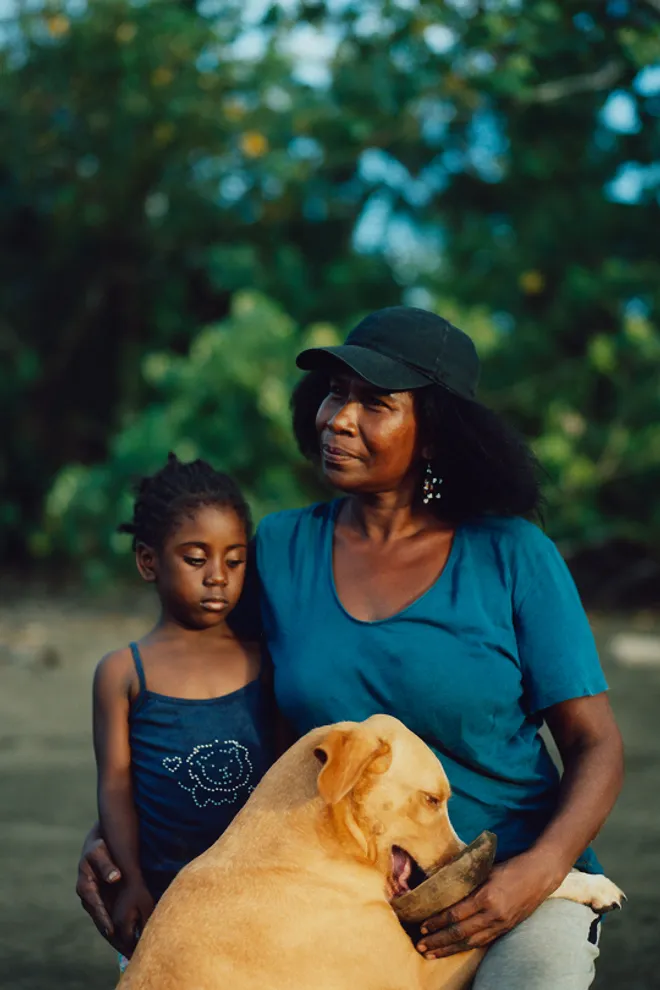
'Colombia, Mother, Daughter, Dog'

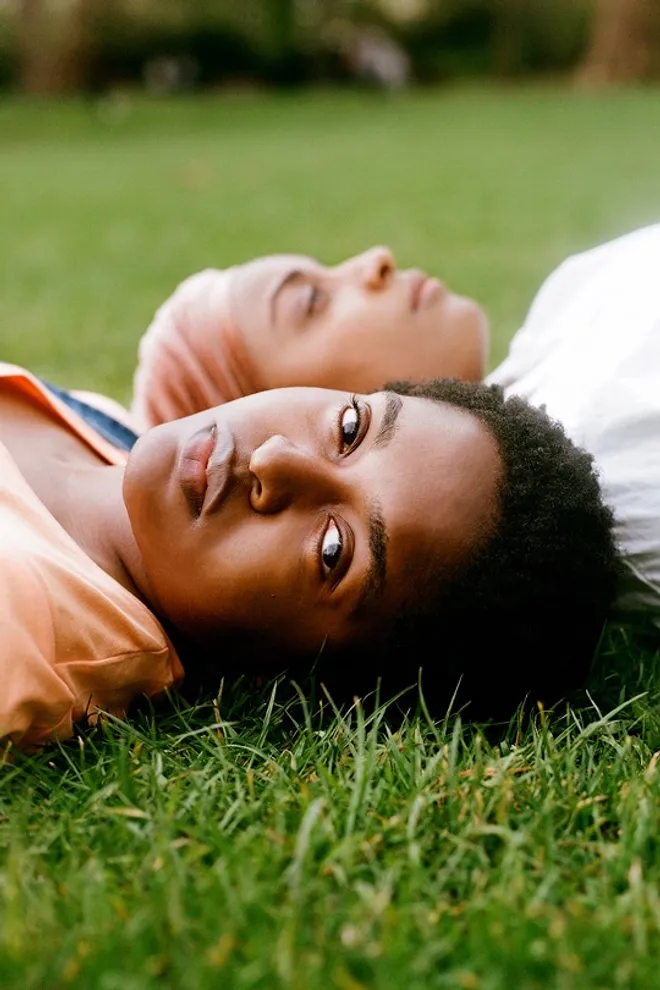
'Kiss Flower'

What is your primary commercial niche?

I specialise in documentary photography and portraiture, with a practice that sits at the intersection of photography, film and storytelling. I'm particularly interested in people, culture, identity and our relationship to place. Much of my work focuses on communities, cultural traditions and the ways people carry histories, values and connections across generations and geographies.

I was drawn to documentary photography because it allows me to engage deeply with the world around me. Photography became more than a creative medium for me — it became a way of learning, building relationships and understanding different perspectives. I'm naturally curious about people and their experiences, and documentary photography gave me a framework for exploring that curiosity while creating something meaningful.

Over time, my style has evolved from simply making photographs to thinking more deeply about storytelling, ethics and collaboration. Earlier in my career, I was focused on creating strong images, whereas now I'm equally interested in the process behind them — how relationships are built, how trust is established and how stories are shared responsibly. My approach has become slower and more intentional, often involving long-term engagement with communities before I even pick up a camera.

Visually, I'm drawn to intimate portraits, everyday moments and images that reveal the connections between people and their environments. My background in art and design continues to influence the way I compose photographs, while my work in film has expanded how I think about narrative, movement and atmosphere. Today, my practice is less about capturing a single moment and more about creating layered stories that invite people to reflect on identity, belonging and the interconnectedness of our lives.

“Photography gave me a language that felt natural — a way to explore people, place, identity and culture with honesty and depth.”

'Colombia'

'Maya'

What is your unique technical or visual approach?

My approach is rooted in slowness, relationship-building and observation. Before making images, I spend time getting to know people, listening to their stories and understanding the context in which they live. For me, the camera comes second to the relationship. This process allows me to create images that feel intimate, collaborative and grounded in trust rather than simply documenting from the outside.

Visually, I'm drawn to natural light, rich textures and environments that reveal something about a person's relationship to place. I often create portraits within landscapes, homes or community spaces, allowing the surroundings to become part of the story. My images tend to be quiet and observational, focusing on small gestures, moments of connection and the details that might otherwise go unnoticed.

My background in art and design influences how I think about composition, while my experience directing films has shaped the way I approach narrative and atmosphere. Rather than searching for a single decisive moment, I'm interested in creating bodies of work that unfold over time and reveal the complexity of people's lives.

Technically, I work across both analogue and digital formats and continue to hand-print photographs in the darkroom. The tactile nature of analogue photography has taught me to slow down and be more intentional with image-making, something that continues to inform my work regardless of the medium.

What makes my approach distinctive is the combination of documentary storytelling, portraiture and cultural research. I see photography not just as a way of recording what is visible, but as a means of exploring the deeper connections between people, place, culture and the traces of those who came before us.

'Bird of Paradis'

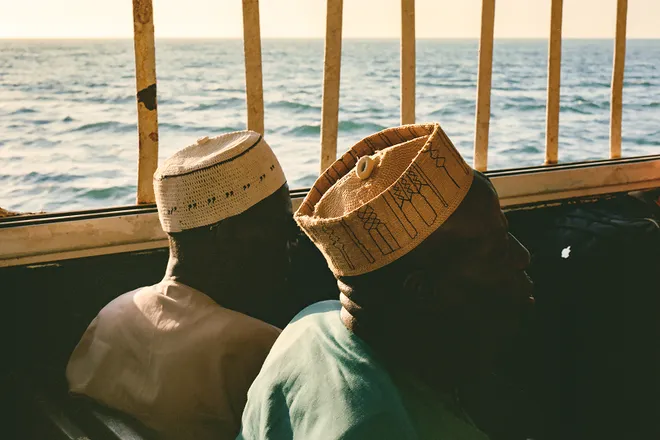
'Two Men and Apple

Which global brands, photographers, or industries do you feel your work aligns with most?

My work aligns most closely with brands, publications, and organisations that value authentic storytelling, identity, culture, community, and human connection. As a documentary and portrait photographer, I am particularly inspired by the visual approaches of National Geographic, The New York Times Lens Archive, Magnum Photos, UNHCR Stories, and Patagonia Stories, where photography is used to explore people, places, social impact, and lived experiences.

I have a strong creative affinity with photographers such as Myah Jeffers, LaToya Ruby Frazier, Zanele Muholi, Aida Muluneh, Dawit L. Petros, and Samuel Fosso. Their work combines portraiture with themes of identity, belonging, community, and social history, which resonates deeply with me.

My photography naturally fits within the documentary, editorial, travel, cultural, humanitarian, and social impact sectors. I am particularly interested in collaborating with organisations, publications, and brands that aim to tell meaningful stories through thoughtful, people-centred imagery and a strong sense of place. This aligns closely with my ongoing exploration of themes related to migration, identity, nature, and human connection.

Additionally, I find inspiration in organisations and publications that prioritise culture, heritage, ecology, and human-centred storytelling, including Magnum Photos, Aperture, Foam Magazine, WePresent, National Geographic, and UNESCO. As both a photographer and director, I am eager to work on projects that explore the relationships between people, place, and cultural continuity, particularly across Africa and the African diaspora.

“The camera should come second to the relationship; meaningful images begin with trust."

What is one professional standard you never compromise on?

Much of my work involves entering communities and spaces that have often been overlooked, misrepresented or photographed without meaningful engagement. Because of that, I take time to build relationships, listen carefully and ensure that the people I work with feel seen, respected and represented with dignity. I never want someone to feel that they were simply the subject of a project; I want them to feel like an active participant in the storytelling process.

What do you think of the 54Ruum platform?

I think 54Ruum is doing an amazing job for the photography community. I'm always excited to see platforms that genuinely support photographers and create opportunities for their work to be seen and celebrated. I especially appreciate the way 54Ruum highlights diverse voices and stories from across Africa and the diaspora, helping to build connections between creatives and wider audiences. It's a valuable space for inspiration, visibility and community, and I'm grateful for the work you're doing.

'Nothing is Ever Lost'

Credits

Photography

Adïam Yemane

Text

Moyin Adediran

Curation

guvnor

SHARE THIS STORY

Join Our Community

More Stories

Youssef Moustaghfir: Moroccan documentary photographer exploring identity, memory and everyday life
Tumeleng Shiri: South African portrait, fashion and lifestyle photographer capturing identity, emotion and youth culture
Racha Saidani : photographe algérienne contemporaine et d'art explorant la vie urbaine, les transformations humaines et l'incarnation du silence
Ayorinde Ogundele: Nigerian documentary photographer capturing the unseen rhythms and impermanence of daily life
Rachid Ayadi: Algerian documentary photographer exploring labour, belonging and urban marginalisation
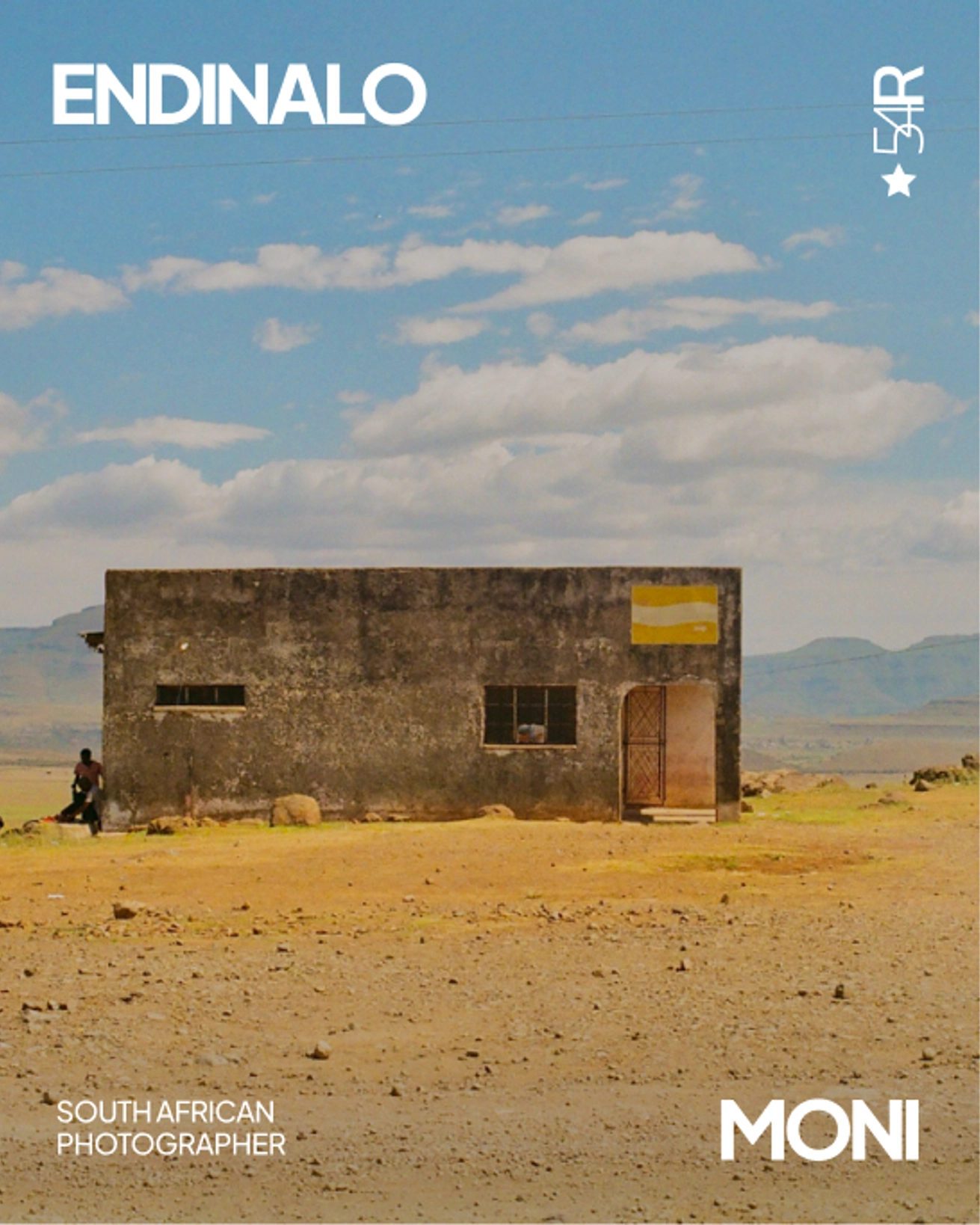
Endinalo Moni: South African documentary photographer documenting culture, community and self-made identity
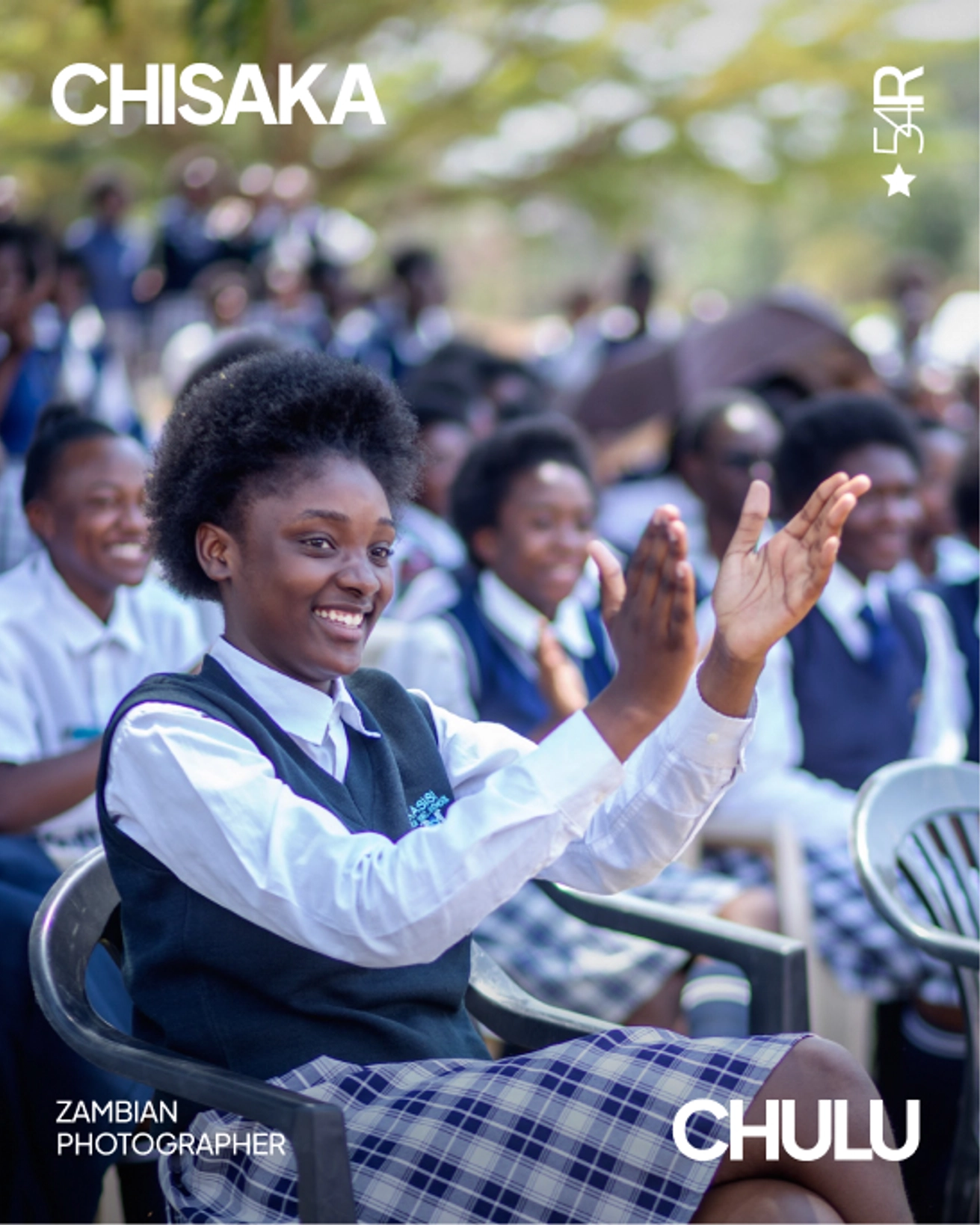
Chisaka Isaac Chulu: Zambian documentary photographer documenting people, culture, and everyday life
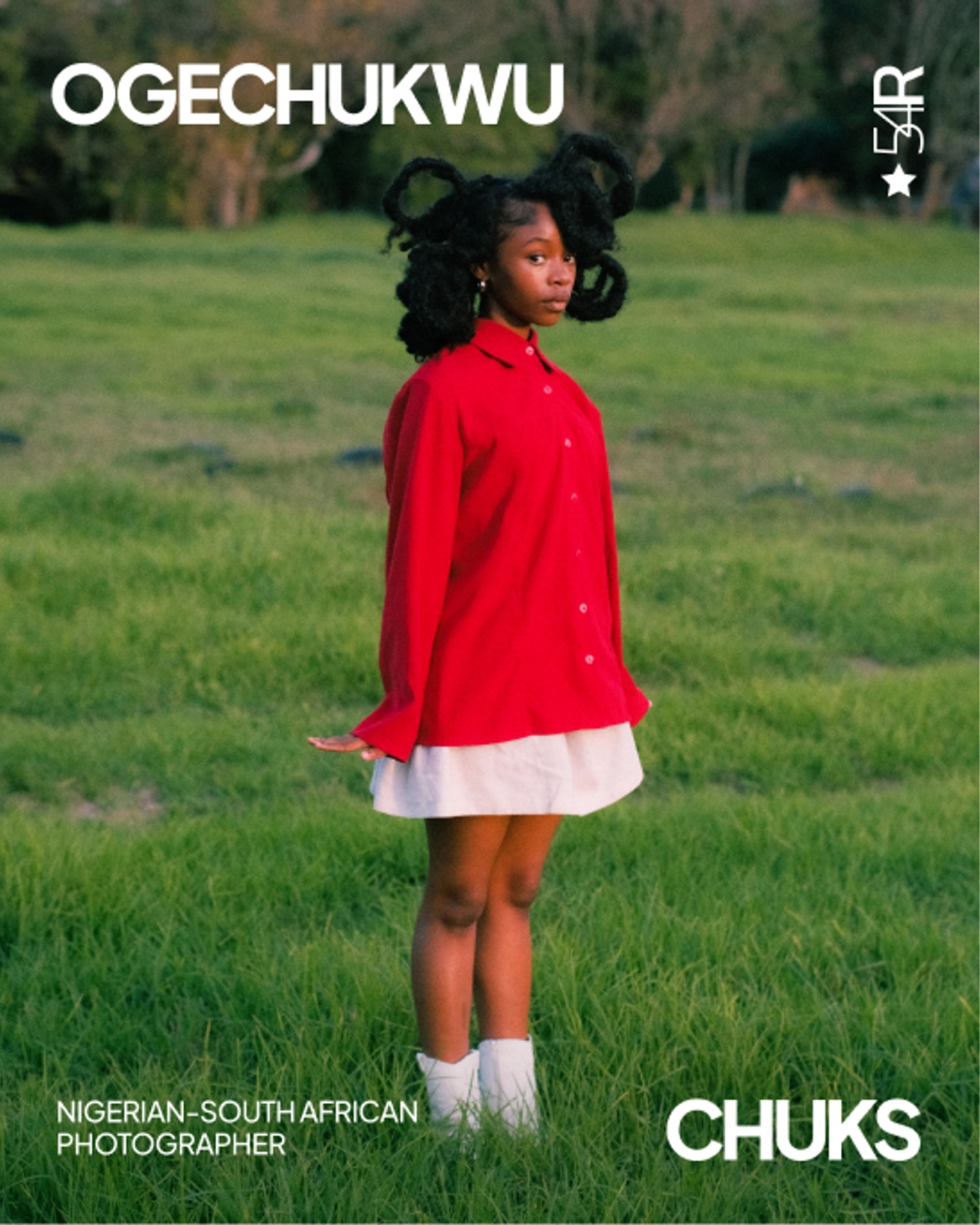
Ogechukwu Chuks: Nigerian-South African fashion and documentary photographer exploring identity, culture and analogue storytelling
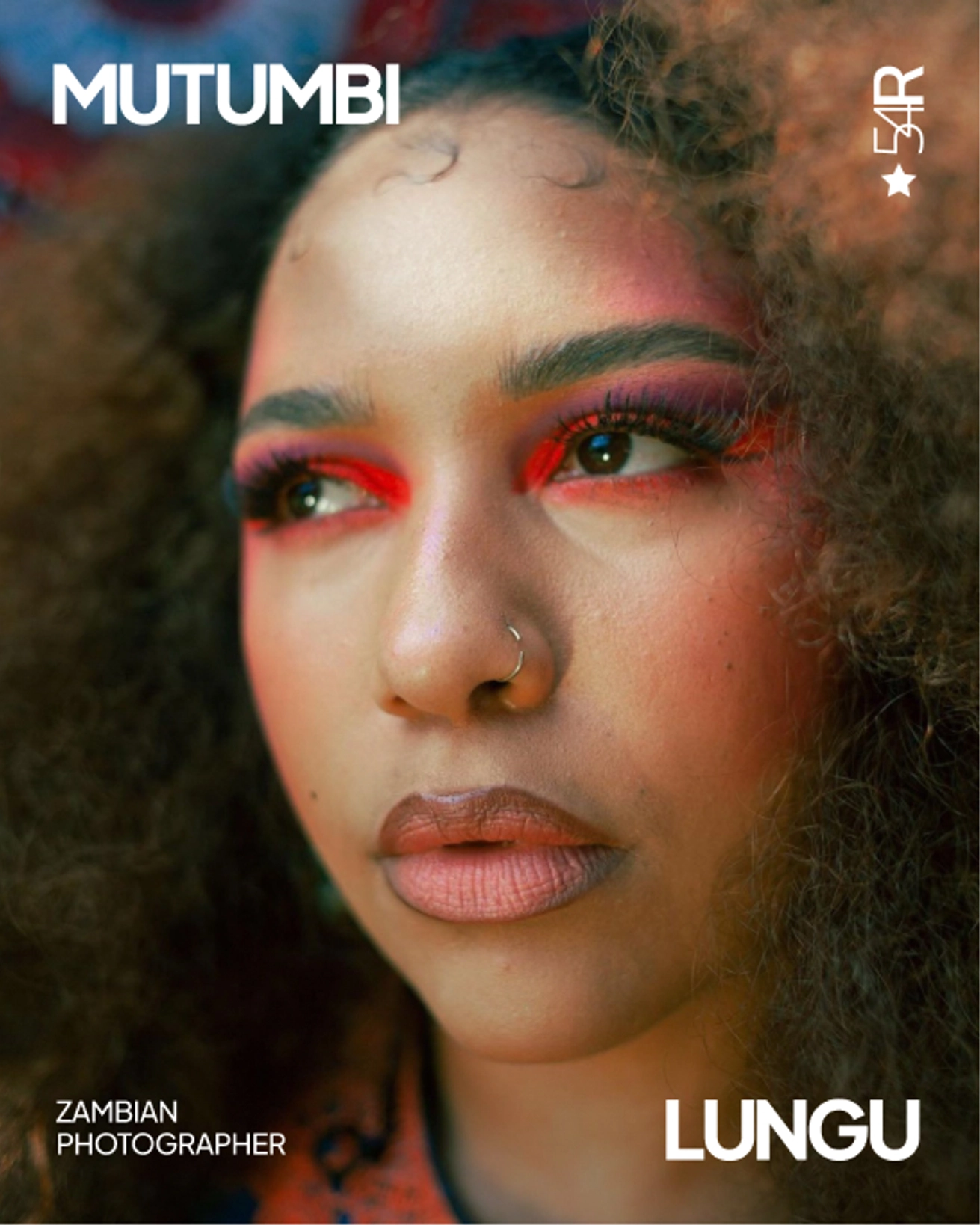
Mutumbi Lungu: Zambian fashion, commercial and documentary photographer expressing culture, texture and colour in overlooked spaces
Edgar Barros : photographe de rue et conteur visuel sénégalo-espagnol documentant les liens humains, les cultures et les instants authentiques à travers l’Afrique et le monde
Felipe Antolin ESONO NGUEMA: photographe équato-guinéen créant des récits afro-urbains et éditoriaux cinématographiques autour de l’identité, de la culture et de l’expression humaine.
Delvin Nyambo: Zimbabwean editorial photographer capturing street life, identity, and unapologetic self-expression
Ken Banda: Malawian lifestyle and commercial photographer exploring creative freedom, natural light, and authentic human emotion
Bernard Owusu Boateng: Ghanaian editorial and commercial photographer exploring modern culture, music, and everyday human emotions
Thalente Khomo: South African conceptual and fine art photographer exploring memory, healing, and womanhood

Company

The Ruum Africa

Products

RTM

Community

Cookie Policy

© 2026 The Ruum Africa

Built by