Rachid Ayadi: Algerian documentary photographer exploring labour, belonging and urban marginalisation

11 mins read
Published15 Jun, 2026

“Photography must never distort reality or reduce people to anything less than their humanity.”

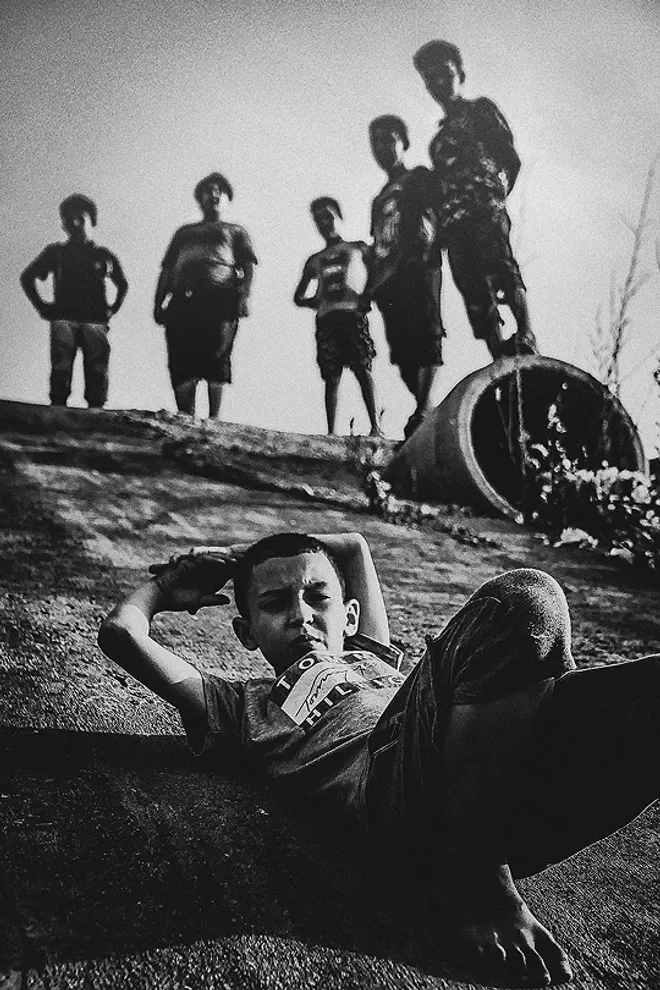
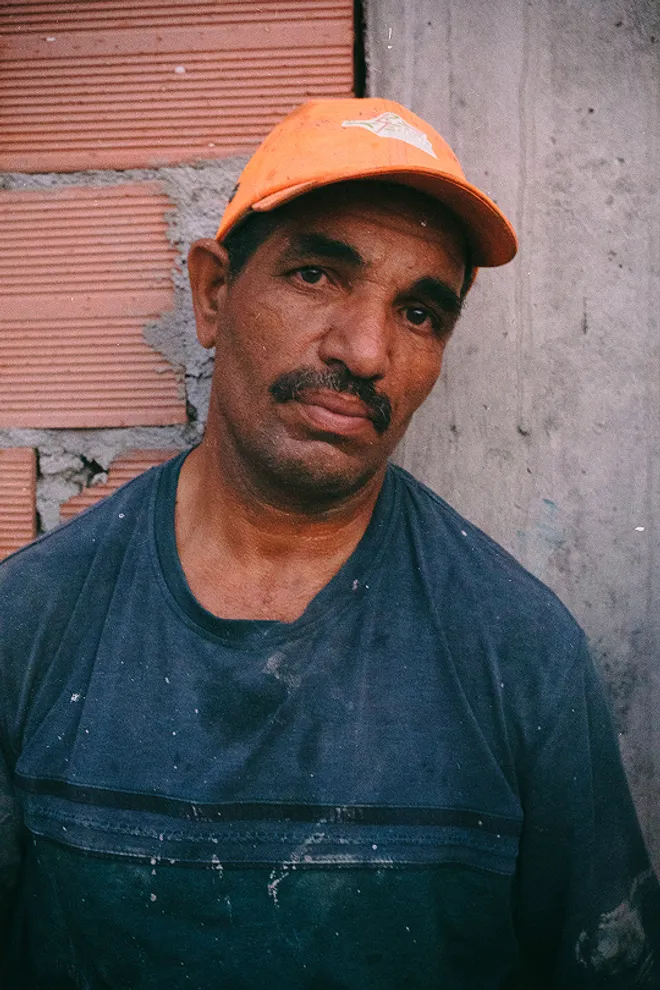
Rachid Ayadi was born in the Algiers suburb of Kalitous. He is an emerging photographer whose work focuses on labour, belonging, and urban marginalisation. His artistic journey officially began in 2018, supported by an academic background in photography and filmmaking (2014-2016). His artistic vision is shaped by his direct experience of his surroundings and his work as a construction worker.

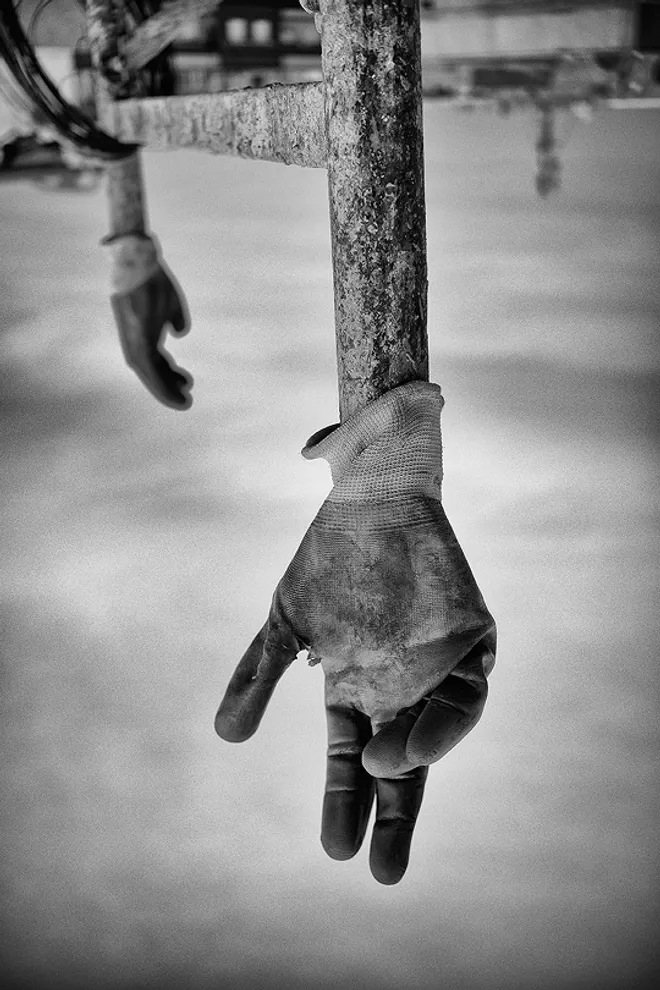
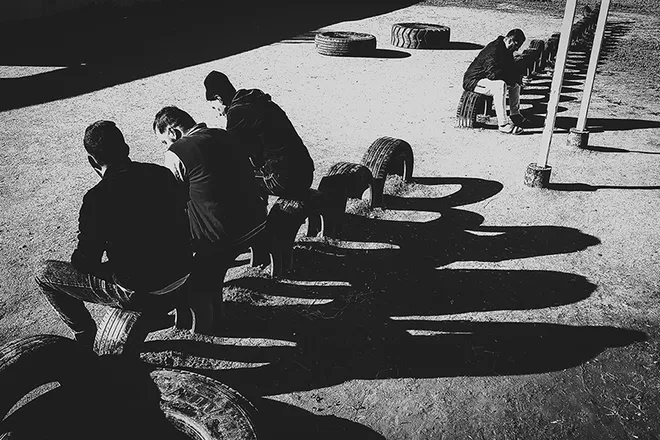
This dual identity as a member of the working class and as a photographer has enabled him to capture the unseen details of society. Through his photographs, he strives to restore the dignity of the marginalised and transform hard work from a daily routine into a powerful visual testament reflecting human resilience.

Ayadi has received national awards, and his work has been exhibited at international events, including the Amman Photo Festival in Jordan and the Barcelona Festival of Experimental Photography in Spain. He has also held several solo exhibitions in Algeria and participated in artist residencies.

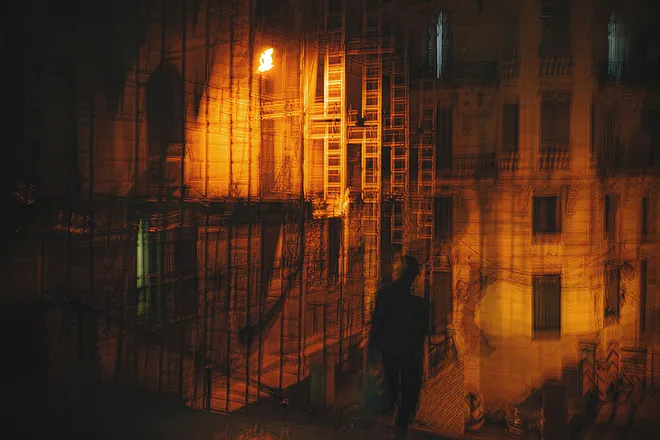
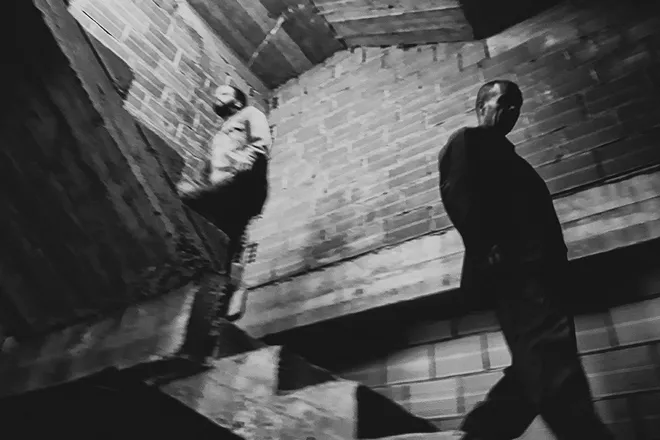
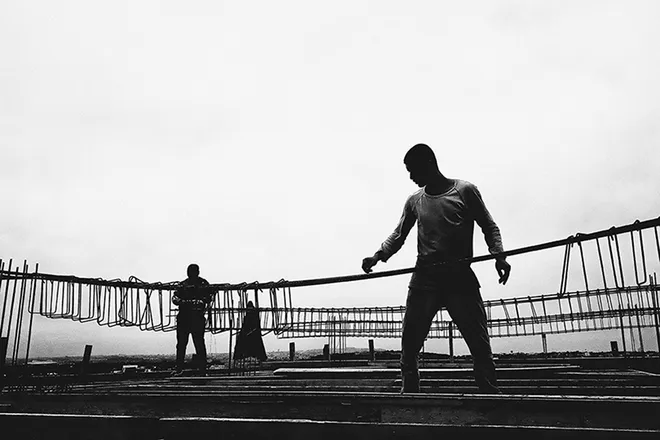
Rachid is currently focusing on developing his project, The Manœuvre, which documents aspects of his life with his brothers and colleagues in construction workshops, incorporating philosophical and social dimensions that explore concepts of recognition and social justice.
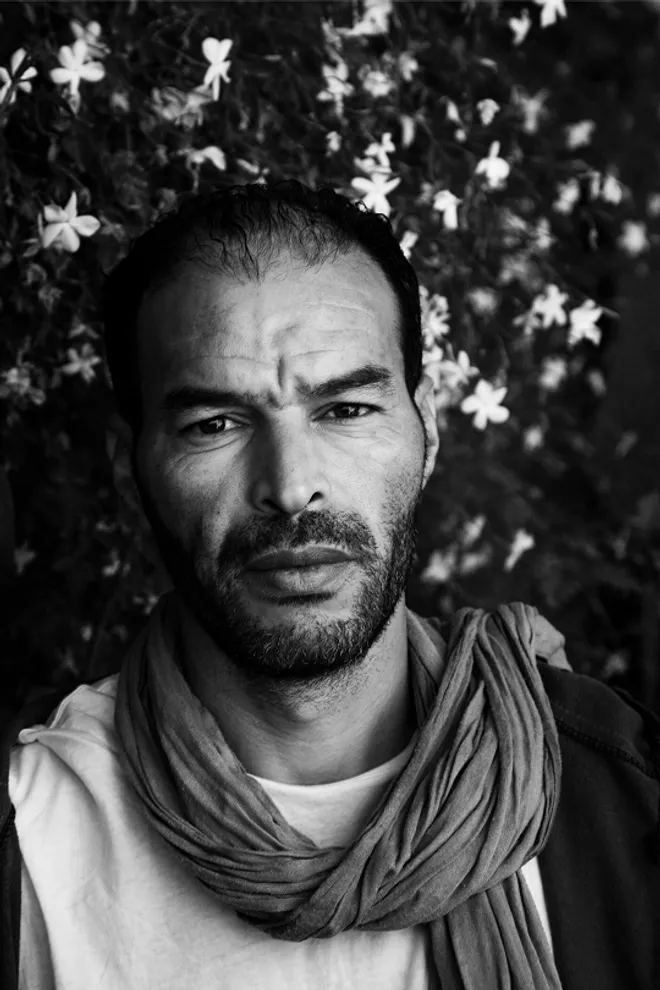
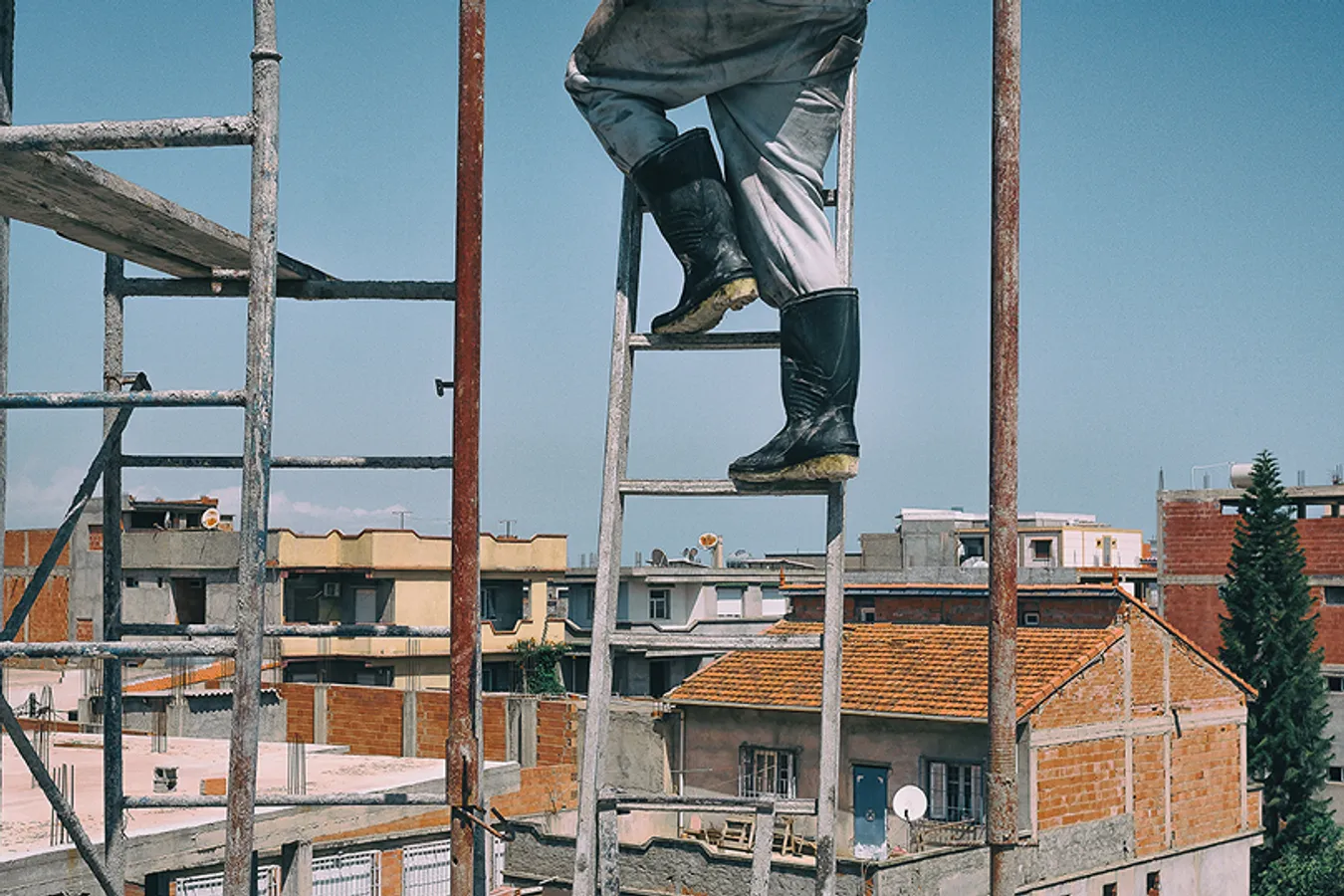
Rachid Ayadi - Algerian documentary photographer

How did you get started in photography?

My photography journey began with family details. The greatest credit for my discovery of this world goes to my late brother, Saleh; he was the one who documented our family occasions and outings. Because he suffered from diabetes and was prone to sudden attacks, he would send me to the neighbouring city of El Harrach to print film or buy him new rolls.

Over time, this task transformed into a personal passion. I began buying film on my own, taking pictures in the neighbourhood, at home, and sometimes even taking my camera to school. It delighted and amazed me to see those past moments preserved on photographic paper, especially when we gathered around them as a family. In those moments, I felt for the first time that I was someone with something to do and that there was a role my community expected of me.

How would you describe yourself?

I have always been a person of few words, and after learning photography, I became a person of much silence.

“True pride is not in recognition, but in choosing responsibility when it matters most — even when it means putting your own plans aside for others.”

What are the main themes that inspire your photography?

The topics that inspire me are those that surround me in my daily environment, or subjects with which I have a direct connection. I am always inspired by the environment I grew up in and which contributed to shaping my personality. This gives me the ability to be very close to my subject matter and helps me communicate with people with complete honesty and spontaneity.

What moment in your career are you most proud of?

Maybe it is not a traditional achievement or a project. While awards encourage us to keep going, I see my proudest moment in a human duty that taught me a lot.

Five years ago, I found myself running a photography studio belonging to a close friend after his sudden passing. He left behind a three-year-old son and a wife who knew nothing about photography, and back then, I did not have enough experience either. It was a difficult and risky decision to put all my personal plans aside and step in to save the only source of income for his family.

Today, the studio is back in his wife's hands after she learned most of the core work. I feel immense pride every time I see the shop still open and running. It was an experience that taught me that making a hard, selfless choice is sometimes the best thing we can do, no matter how tough it is.

“My inspiration comes from the world I live in; staying close to my environment allows me to tell human stories with honesty, clarity, and emotional truth.”

What is the biggest challenge you've faced as a photographer?

My educational path was not as good as I had hoped for many reasons, which led me to start working early on construction sites that were common in my neighbourhood. It was an environment that did not encourage learning or discovering anything new. Because of this, I faced a difficult educational background that made my early journey of learning and developing my photography skills very challenging.

However, my passion for photography was my only motivation to relearn and step out of the difficult environment I spent years in. I started seizing every opportunity to learn something new without thinking about the fatigue, time, or effort required. This is exactly what helped me regain my self-confidence and keep moving forward.

What type of photography do you specialise in?

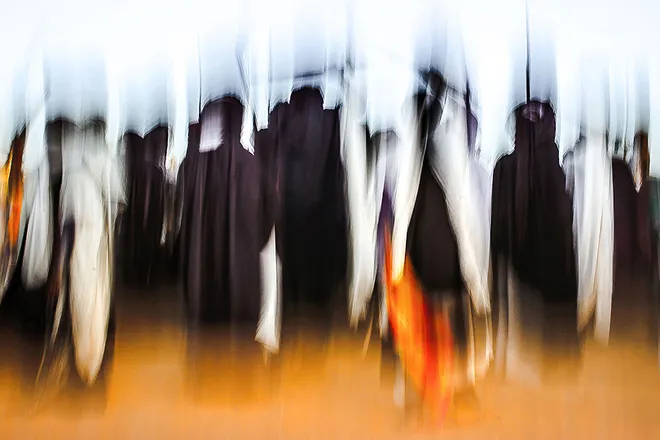
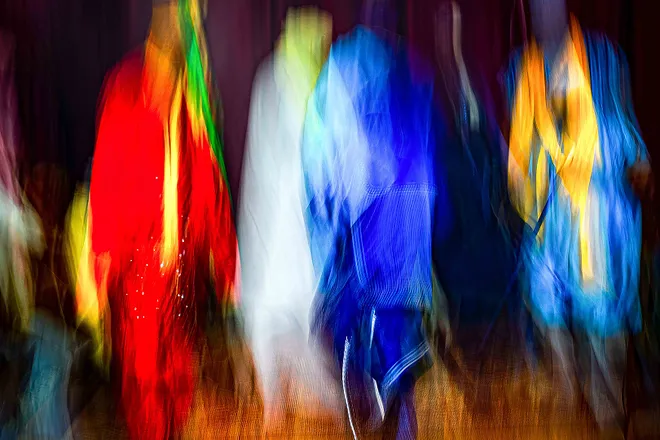
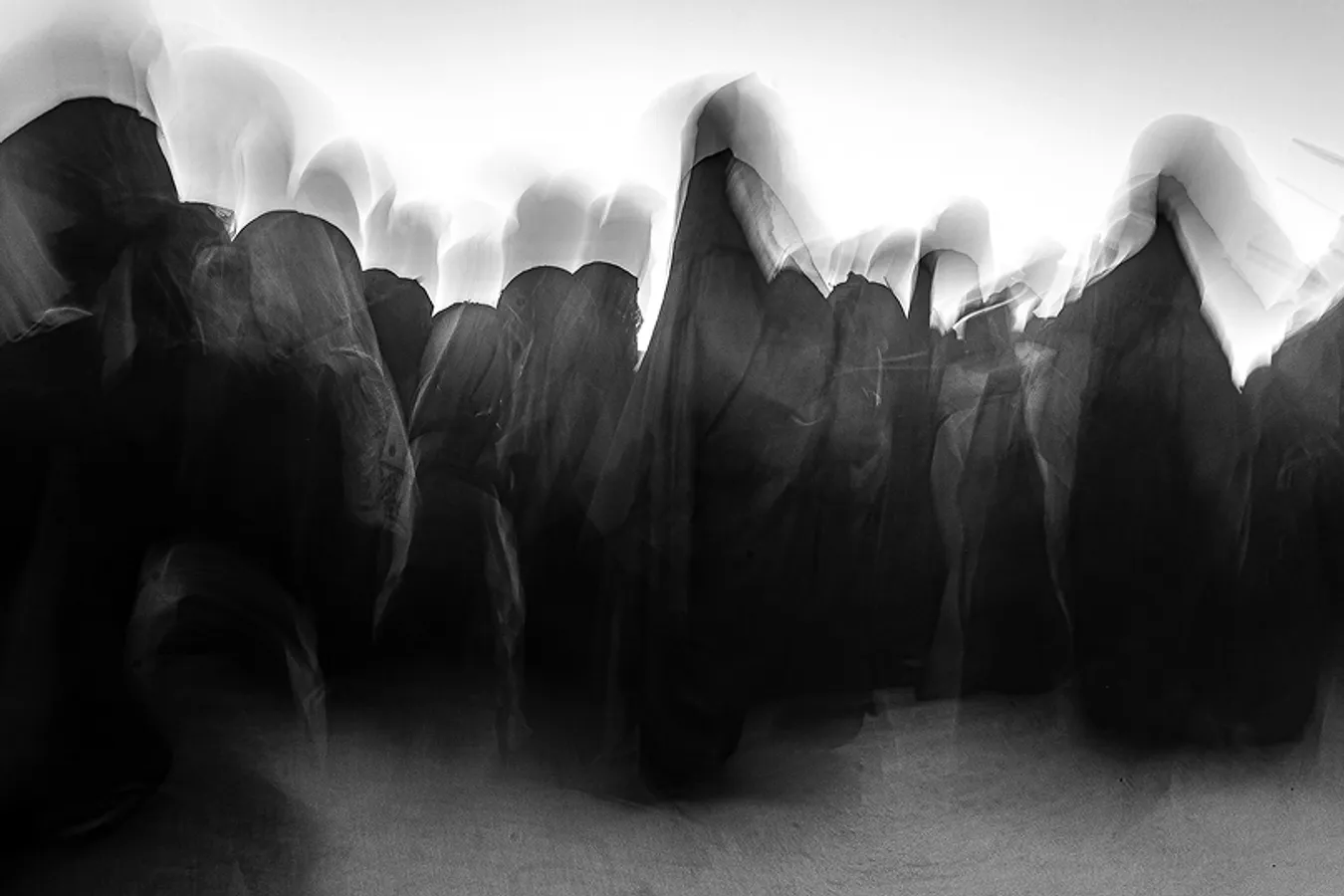
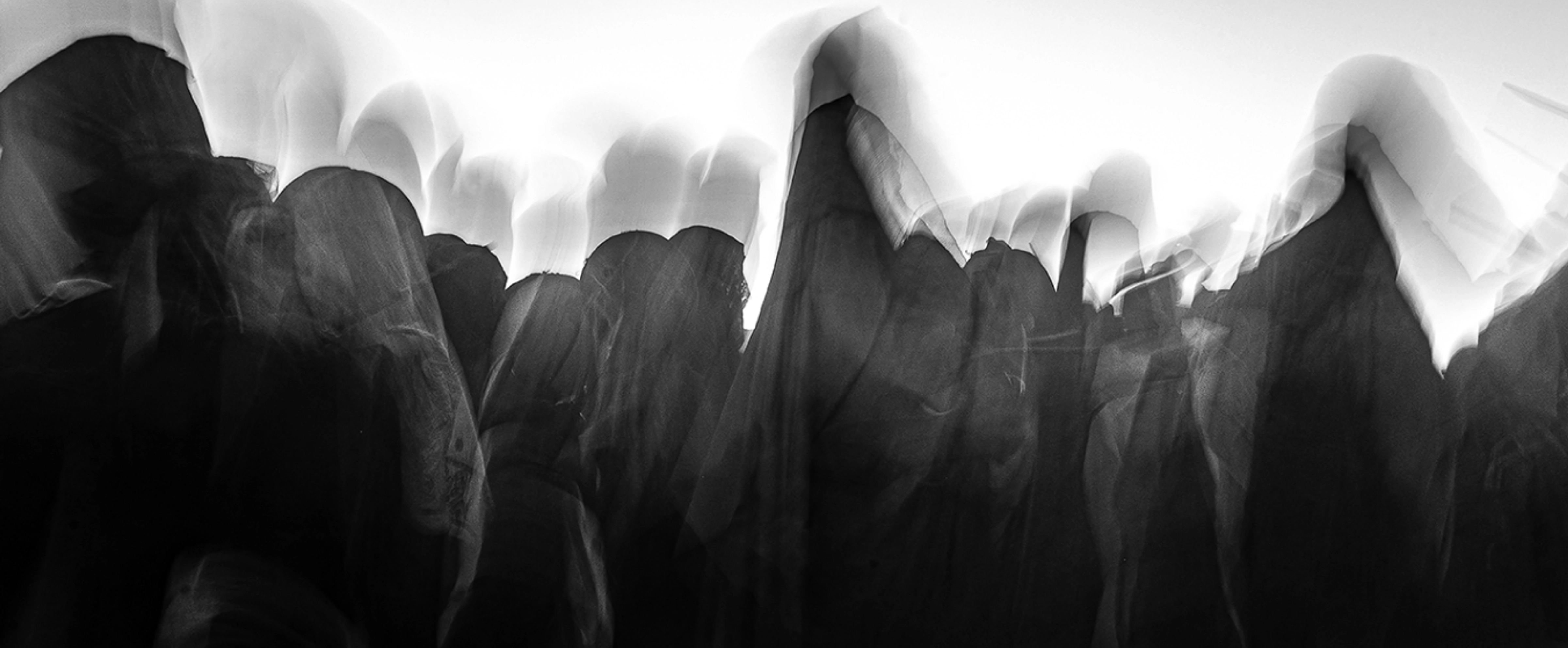
In the beginning, I tried many different styles of photography, and I really enjoyed looking at the work of other photographers from my country and abroad. At one point in my journey, I found myself drawn to abstract photography, especially documenting expressive dance.

I was fascinated by the unpredictable results and the images that could never be repeated. I spent a long time doing this, which led to solo exhibitions both locally and internationally. This style gave me a sense of freedom, freed me from strict technical rules, and opened up my creativity.

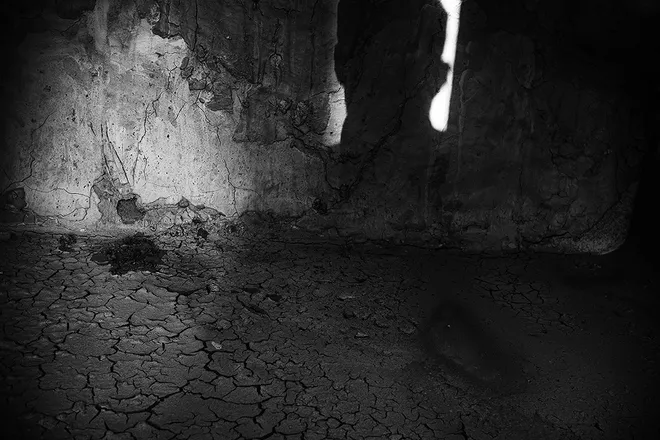
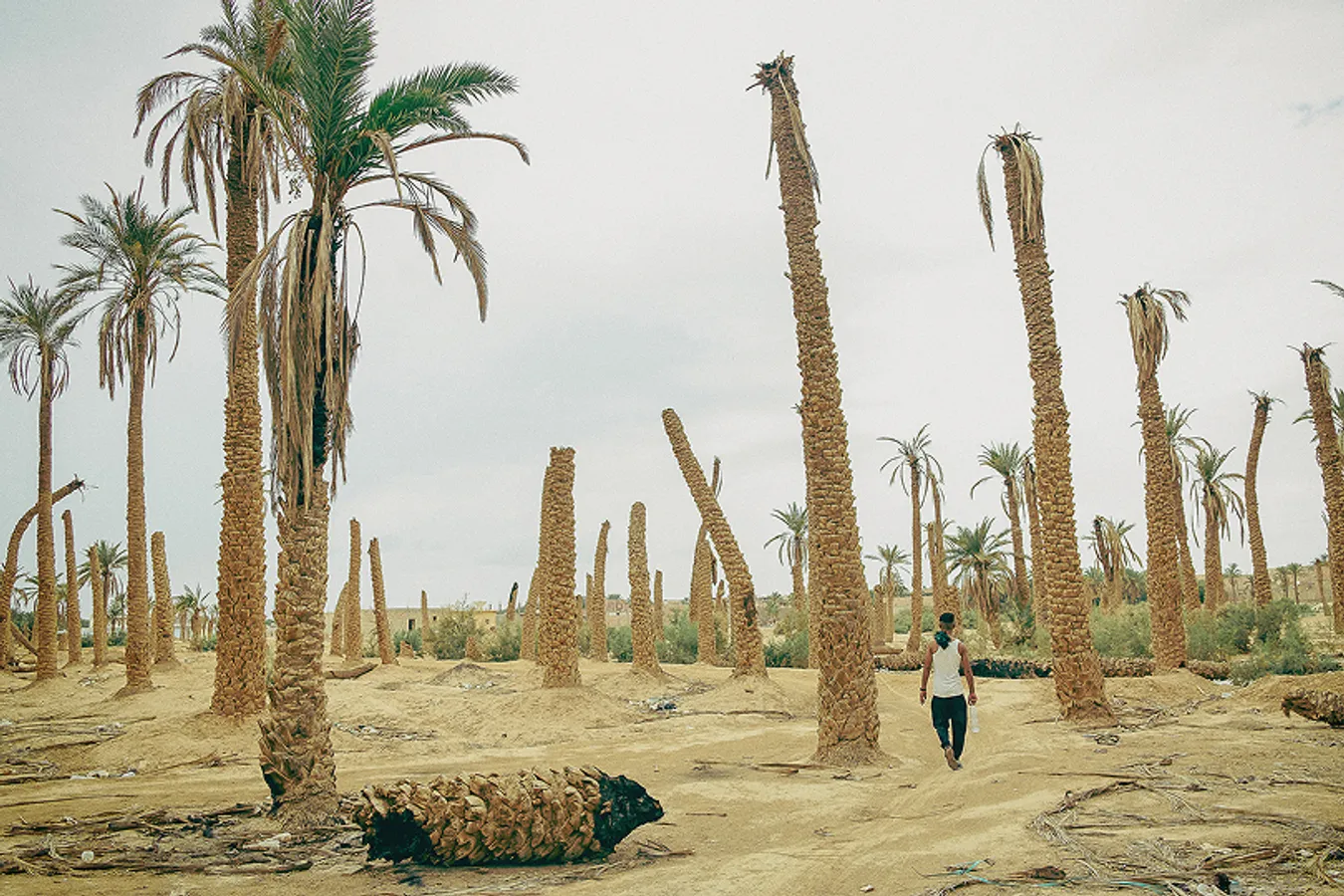
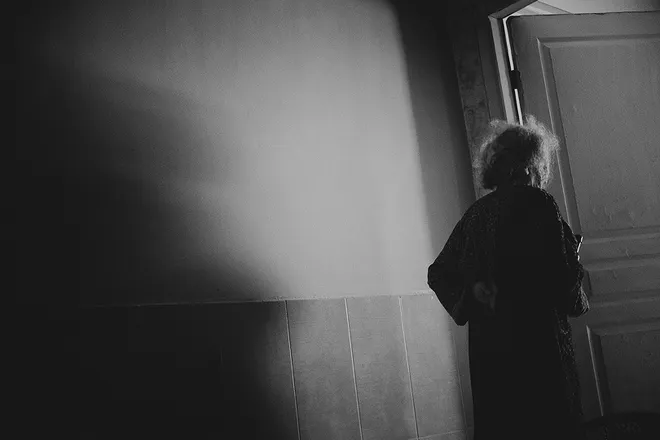
Now, I am working on more personal documentary stories, such as Le Manœuvre (The Labourer), the story of Lioua Village, and the story of my mother. This shift has brought me to a completely new stage in my career.

I wish I had discovered this path earlier because it makes me a photographer and a researcher at the same time, and it has inspired me to read many books. To put it simply, this kind of photography has changed my personal life and how I see the world.

“My environment once limited what I could imagine for myself, but passion pushed me to relearn, grow, and step beyond the boundaries I grew up within.”

What is your primary commercial niche?

I will not hide the fact that photography provides me with some extra income, but it is not the main field I rely on for my daily life. My freelance work as a photographer is limited to occasional, minor jobs, and selling photographs is not yet consistent enough to depend on completely.

Instead, I rely mainly on my work in the construction field, which I have been doing for a long time. It provides my stable income and, at the same time, is the environment where I find my deepest artistic inspiration.

What is your unique technical or visual approach?

Technically, I rely entirely on natural light in my photographs, whether bright or dim. It is a fundamental element that gives the scene greater realism and depth. As for equipment, I always use what I have on hand. I do not like to associate my work with expensive equipment; I use whatever is available, whether it is a mobile phone, a simple camera, or a professional one, because my primary focus is always on the power of the image, its content, and the message it conveys.

Often, I photograph the scene that spontaneously captivates me without looking at the camera or phone screen. I capture what I feel in the moment without waiting to see the result beforehand, especially while working, where the time between what my eyes see and the moment I press the shutter button is very short and fleeting.

“I have always been a person of few words, but photography transformed my silence into a language that speaks louder than speech ever could.”

Which global brands, photographers, or industries do you feel your work aligns with most?

I feel that my work aligns deeply with the school of Humanist and Documentary Photography. I am greatly inspired by international photographers who read human life and surroundings with pure honesty, such as Sebastião Salgado for his raw, unembellished depiction of reality, and Josef Koudelka for capturing fleeting, authentic moments.

I am also highly inspired by the Algerian collective Collective 220, which achieved a high level of professionalism thanks to its deeply skilled photographers and authentic vision.

As for industries, my work aligns with cultural and artistic sectors, and institutions focused on human heritage, social stories, and workers’ rights. This includes documentary magazines and platforms looking for images that carry a deep story and a cause, such as the Arab Fund for Arts and Culture (AFAC) and World Press Photo.

How's the photography and art space in Algeria?

I feel that photography in my country is still in its early stages in terms of institutional support. As far as I know, there is a lack of structures and platforms that help photographers grow creatively. There are many talented photographers, but we lack the tools and infrastructure that could take us to another level and encourage a deeper understanding of photography.

There is a small number of people who work hard individually to reach their goals, relying entirely on themselves through any available means. As for other arts, most are more established and receive more of the necessary support and attention compared to photography.

What is one professional standard you never compromise on?

The professional standard I never compromise on is honesty and not falsifying reality. In documentary photography, it is very easy to embellish a scene or manipulate it to make it more visually appealing, but I always strive to convey the truth as it is, using simple tools without artifice or altering the nature of the moment.

The other, and most important, standard is respecting the dignity of the people I photograph, especially on construction sites or in difficult environments. For me, the camera is a tool to document their struggles and present them with dignity, never a means to exploit their circumstances for a sensational image.

What do you think of the 54Ruum platform?

I believe that the 54Ruum platform is a vital and much-needed initiative right now. Its focus on showcasing African art and giving African photographers a space to tell their own stories is a significant contribution to the art scene, which suffers from a lack of supportive structures.

What I have also noticed about the platform is the interest shown by professional photographers from across the continent in this initiative, beyond any commercial considerations. I believe this interest will continue, demonstrating its commitment to supporting talented individuals striving to showcase their creativity.

Credits

Photography

Rachid Ayadi

Text

Moyin Adediran

Curation

guvnor

SHARE THIS STORY

Join Our Community

More Stories

Endinalo Moni: South African documentary photographer documenting culture, community and self-made identity
Chisaka Isaac Chulu: Zambian documentary photographer documenting people, culture, and everyday life
Ogechukwu Chuks: Nigerian-South African fashion and documentary photographer exploring identity, culture and analogue storytelling
Mutumbi Lungu: Zambian fashion, commercial and documentary photographer expressing culture, texture and colour in overlooked spaces
Edgar Barros : photographe de rue et conteur visuel sénégalo-espagnol documentant les liens humains, les cultures et les instants authentiques à travers l’Afrique et le monde
Felipe Antolin ESONO NGUEMA: photographe équato-guinéen créant des récits afro-urbains et éditoriaux cinématographiques autour de l’identité, de la culture et de l’expression humaine.
Delvin Nyambo: Zimbabwean editorial photographer capturing street life, identity, and unapologetic self-expression
Ken Banda: Malawian lifestyle and commercial photographer exploring creative freedom, natural light, and authentic human emotion
Bernard Owusu Boateng: Ghanaian editorial and commercial photographer exploring modern culture, music, and everyday human emotions
Thalente Khomo: South African conceptual and fine art photographer exploring memory, healing, and womanhood
Ashmond Oppong: Ghanaian fashion and lifestyle photographer capturing identity, culture, and visual narratives
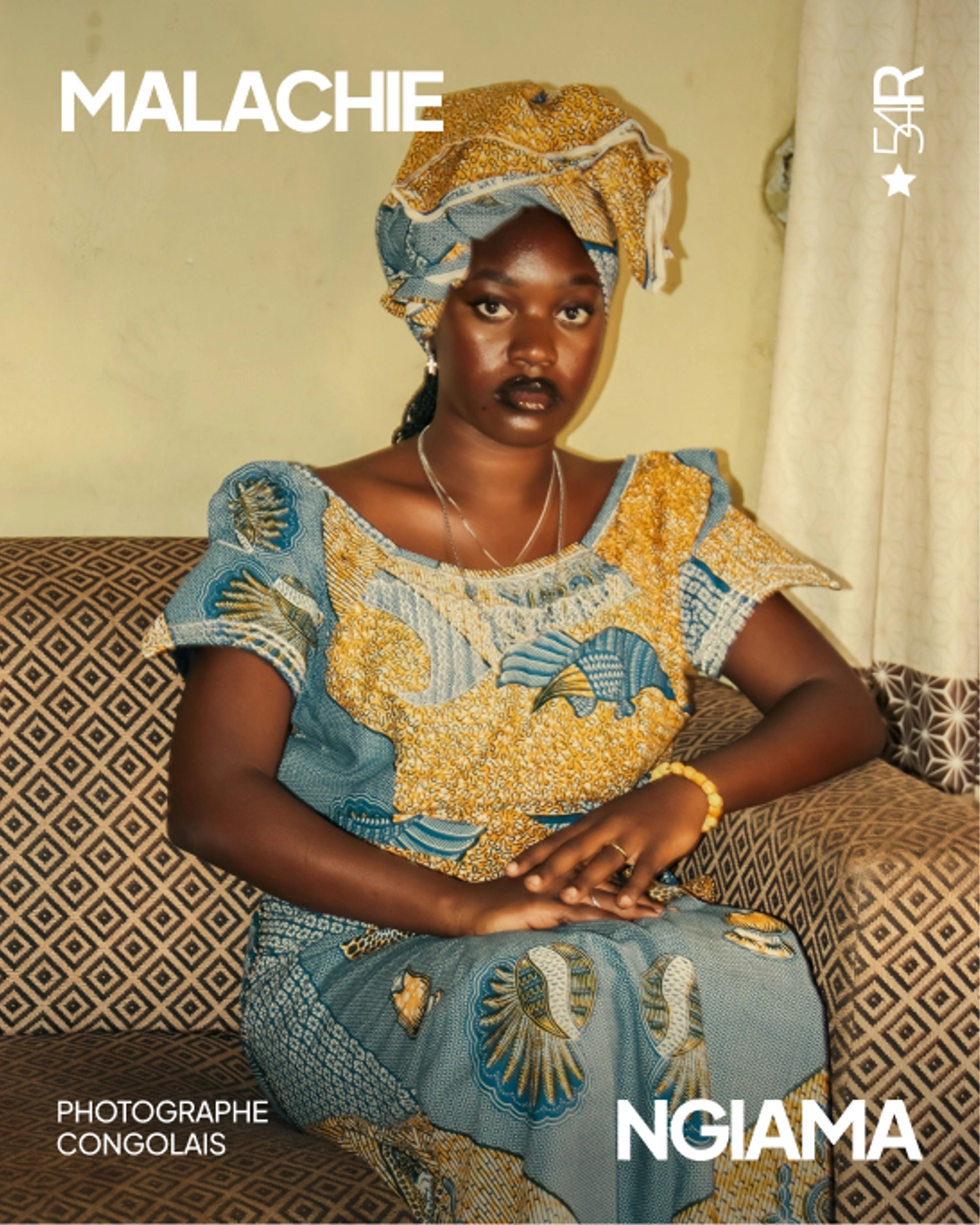
Malachie Ngiama : photographe et directeur artistique congolais capturant la vie urbaine, l’émotion brute et les récits visuels entre rue et cinéma
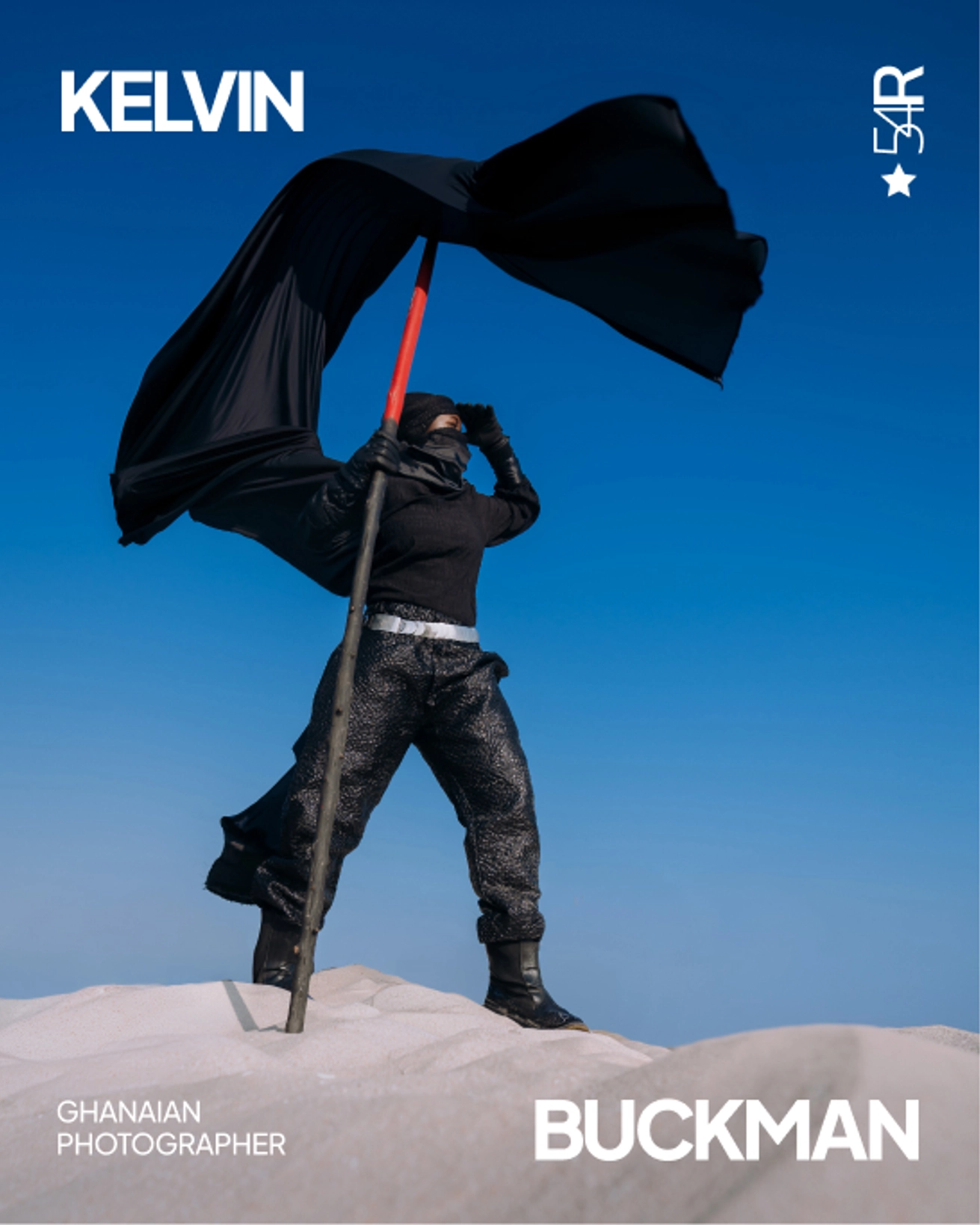
Kelvin Buckman: Ghanaian lifestyle, portrait and music photographer documenting emotion, culture, and storytelling
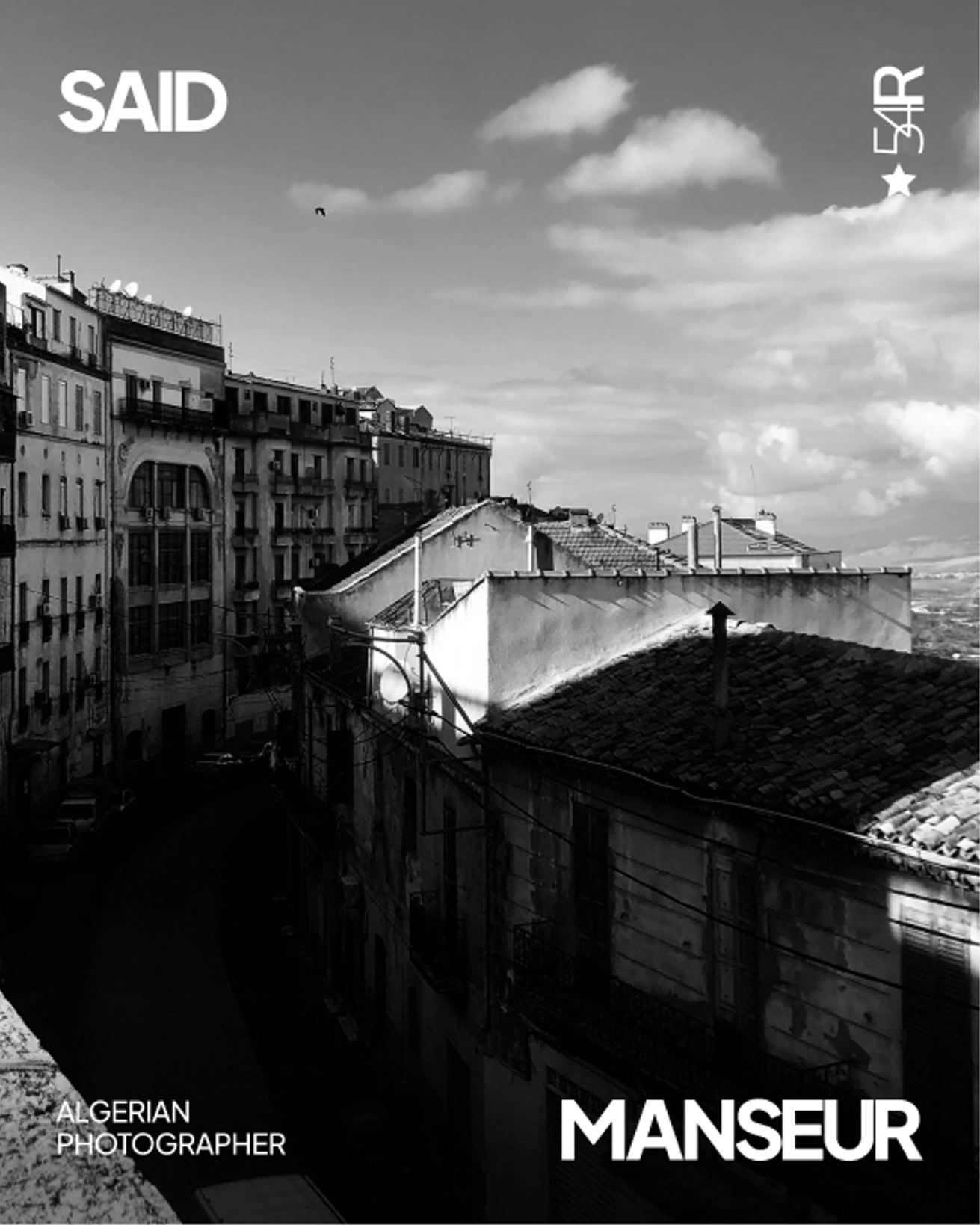
Said Manseur: Algerian documentary photographer exploring environmental change, memory, and cultural resilience
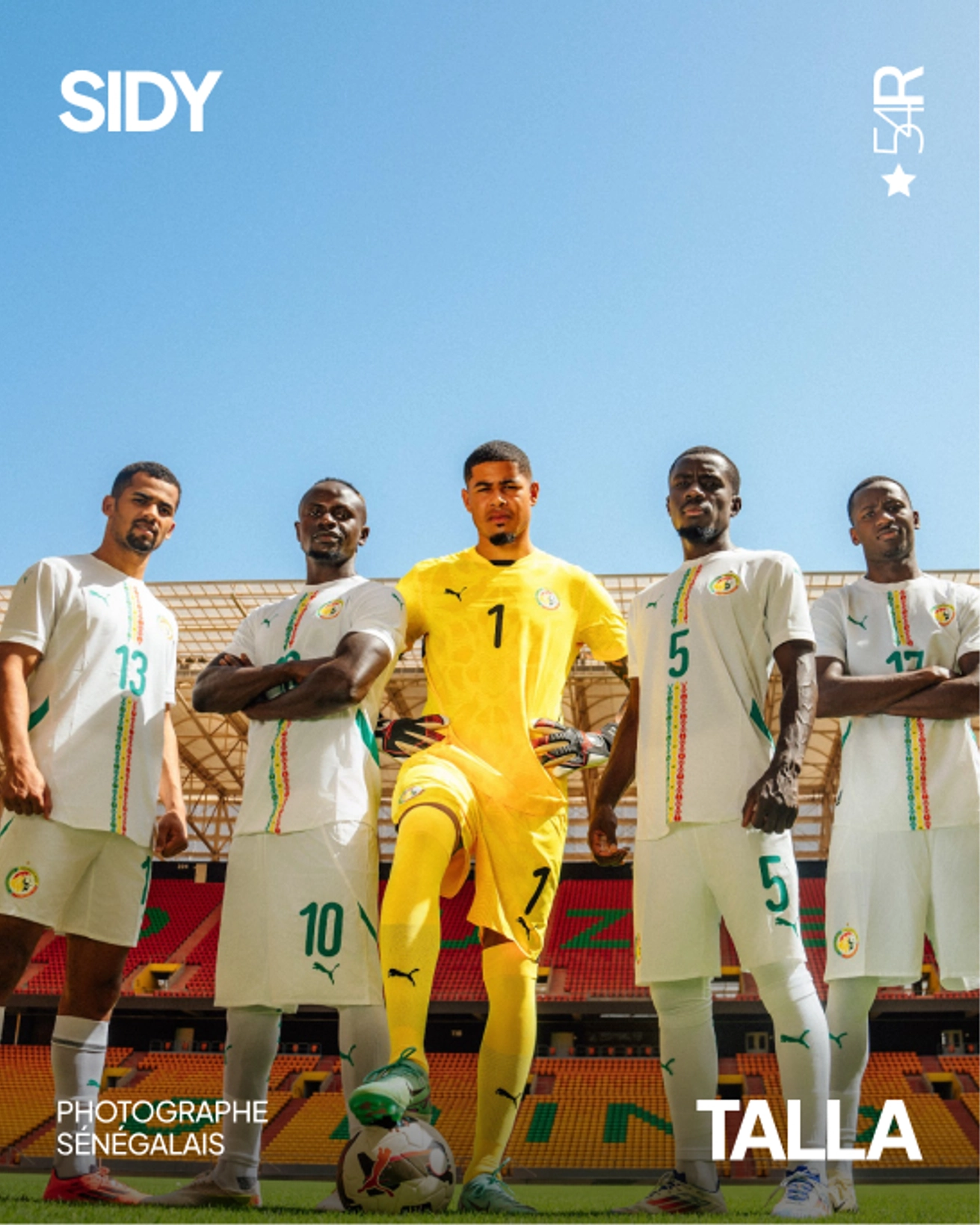
Sidy Talla : photographe sénégalais de sport et d’entreprise capturant le rythme, la précision et les instants invisibles

Company

The Ruum Africa

Products

RTM

Community

Cookie Policy

© 2026 The Ruum Africa

Built by