Ogechukwu Chuks: Nigerian-South African fashion and documentary photographer exploring identity, culture and analogue storytelling

14 mins read
Published9 Jun, 2026

"When you do not fully belong somewhere, you notice everything. I think that shows up in my work. I am drawn to people caught between worlds — in-between moments, and the quiet weight of existing in a space that was not made for you."

Ogechukwu Chuks grew up in Johannesburg, born to a Sotho mother and an Igbo father, before moving with his mum to Aliwal North in the Eastern Cape at age 8. As a child, Chuks believed he was not a creative child at all.

He was more academically inclined and grew up with one goal: to get into UCT and study something in the sciences. He explored astrophysics and medical physics before eventually settling on computer science.

Even then, he was always noticing the beauty around him. Flowers in the garden. Sunsets. Buildings. He photographed them on his phone without thinking much about it.

At UCT, Chuks needed to fill a semester slot while waiting on a statistics prerequisite, so he picked a film elective called Media and Society at random.

It was not really about film but about media and its effect on society. The class introduced him to some of his closest friends, most of whom were filmmakers, and he stayed connected to that world.

In his second year, he helped a friend on set for a Converse-funded shoot. He was not the photographer; he was simply there. Yet he left that set knowing he wanted to shoot.

From 2023 onwards, Chuks borrowed cameras and worked on concept shoots whenever he could.
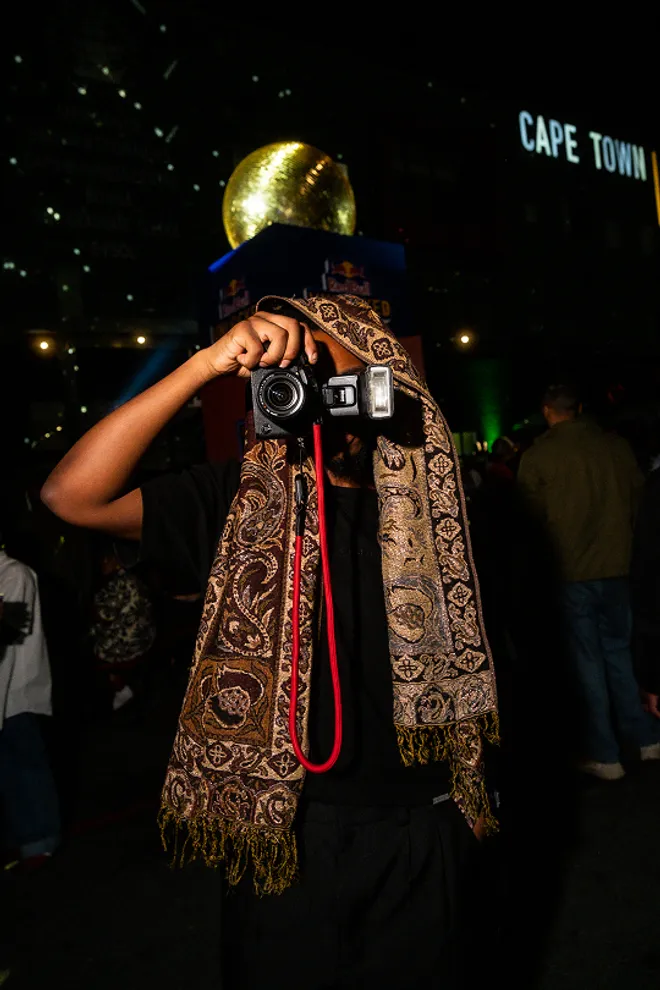
Ogechukwu - Nigerian-South African photographer

In April 2025, he acquired his first camera. Since then, his work has expanded far beyond what he initially expected, encompassing portrait and fashion photography, music videos, spec ads, documentary projects, festival coverage, artist press shoots, and more.

His aesthetic is rooted in analogue texture and grain. Part of that influence traces back to a VHS tape his parents made of his first birthday. The warmth of that footage never left him.

Chuks later founded EGO TV, a creative media agency covering photography, film, and content across Joburg and Cape Town.

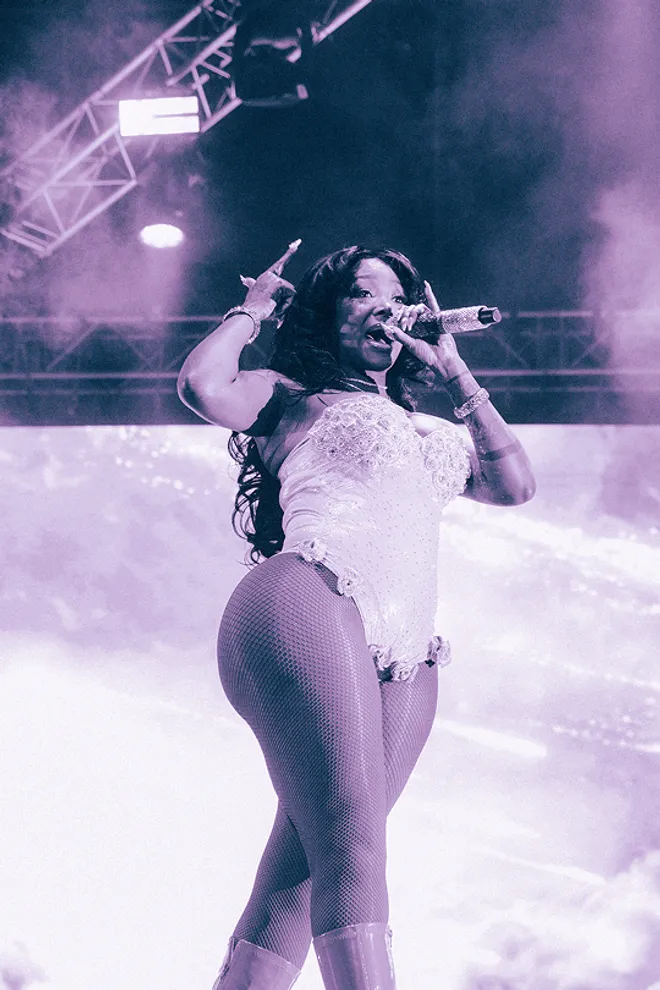
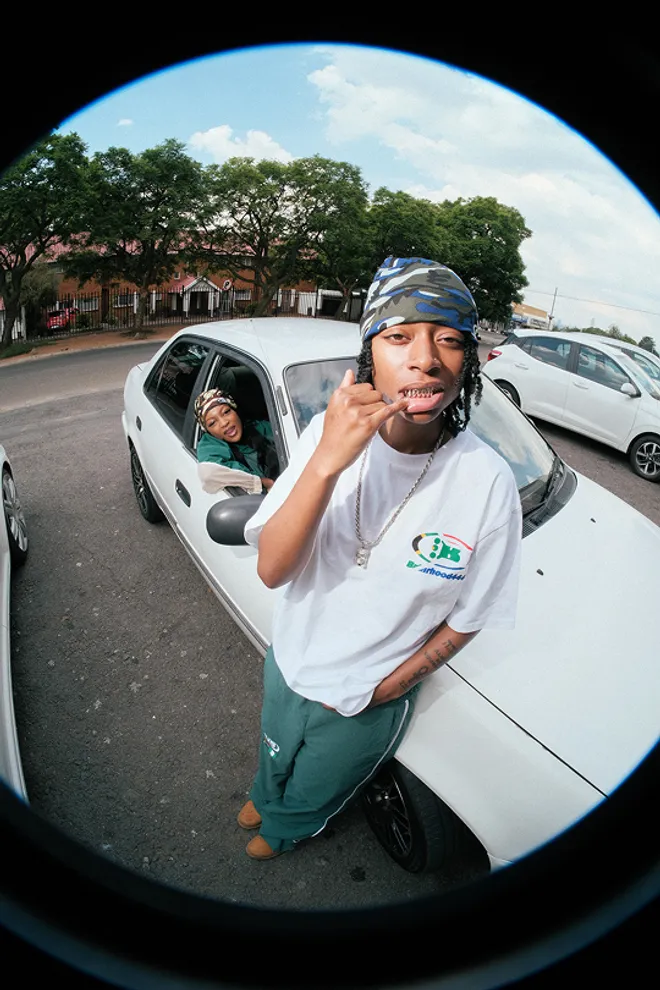
Along the way, he has had the opportunity to work with several people he deeply respects within the South African creative space, including artists such as Tony Gum, Kujenga, and Siinaye, fashion brands ranging from Brotherhood to Connade, and publications such as Billboard Africa.

He holds a BSc Double Major in Computer Science and Business Computing from UCT, a fact that surprises people more than it probably should.

He also runs a documentary series called Created to Create. Ogechukwu Chuks is still figuring out what kind of photographer he wants to become, and that feels exactly like the right place to be.

How did you get started in photography? Was there a specific moment, person, or inspiration that sparked your passion for capturing images?

Honestly, it happened by accident. In my second year at UCT, I was helping a friend on set for a Converse-funded shoot. I wasn't the photographer; I wasn't part of the crew. I was just a person who showed up.

But something about being there got to me. Watching how much thought went into each frame. The way everyone on set knew exactly what feeling they were chasing. I left that day knowing I wanted to shoot. I could not really explain it better than that.

It was not completely out of nowhere, though. I had always been the person stopping to photograph flowers in the garden or a sunset that looked a certain way. All on my phone, nothing serious. That set just gave all of that noticing somewhere to go.

From 2023, I started borrowing cameras from friends and doing my own shoots whenever I could. In April 2025, I got my first camera, and things started moving properly from there.
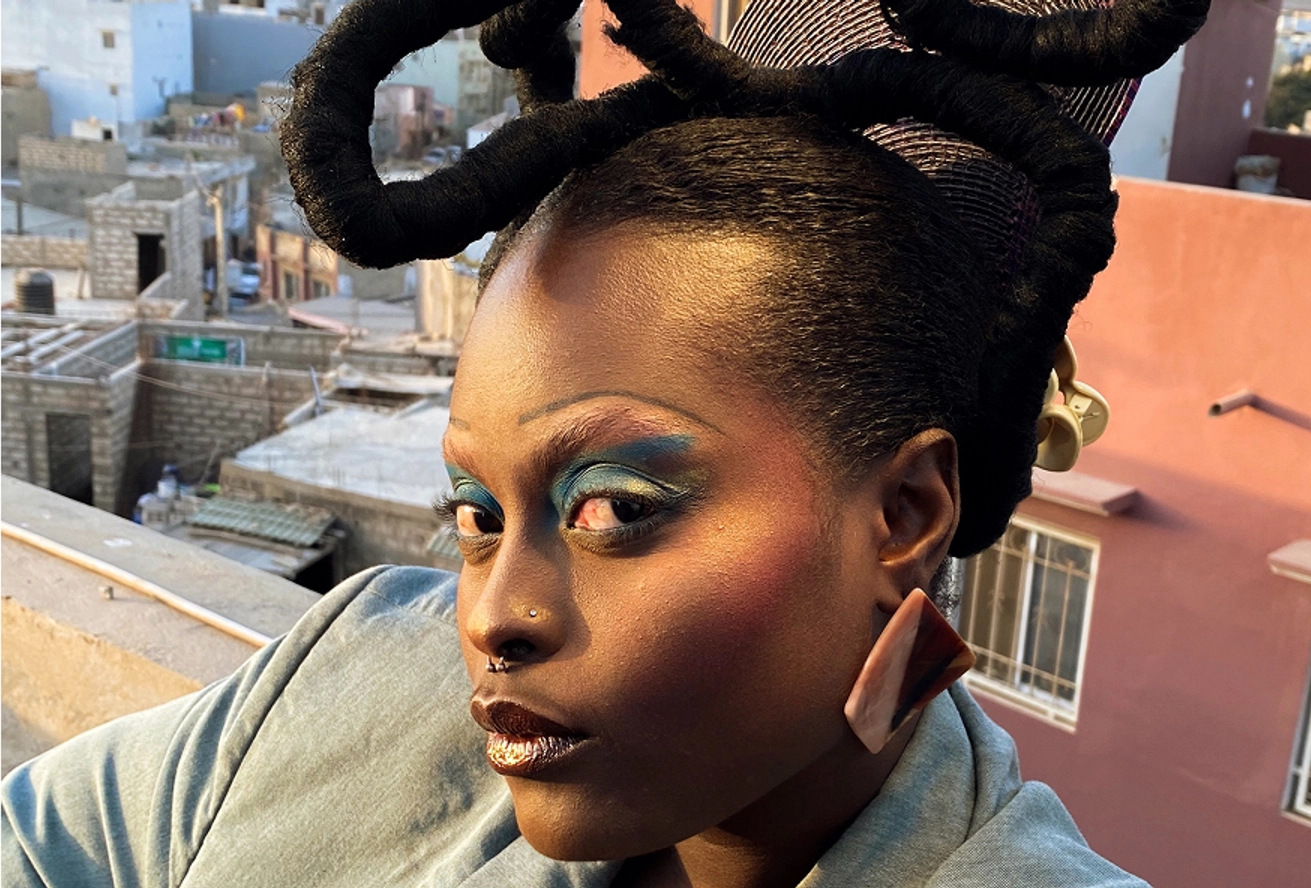
“I connect with people through honesty more than anything else. I would rather make an image that makes one person feel genuinely seen than one that everyone thinks looks nice.”

How would you describe yourself?

I am a creative technologist, which is probably the most accurate way I can describe myself. I studied Computer Science and Business Computing, but I spend most of my time making photographs and short films. Those two things feel contradictory to most people. To me, they have always made sense together.

I grew up between Johannesburg and a small town in the Eastern Cape called Aliwal North. I moved there at eight years old as one of the only Igbo-Sotho kids in a predominantly one-culture town.

I could only speak English and very little Sotho, so for a long time, I was embarrassed by my name, embarrassed by my roots, existing in a space where who I was did not quite fit. That experience taught me how to observe.

When you do not fully belong somewhere, you notice everything. I think that shows up in my work. I am drawn to people caught between worlds. In-between moments. The quiet weight of existing in a space that was not made for you.

I am a massive anime person. Death Note, Tokyo Ghoul and Elfen Lied. I love dark themes, morally complex characters and stories that do not resolve cleanly. That probably explains why I am not a natural-light, golden-hour, happy photographer.

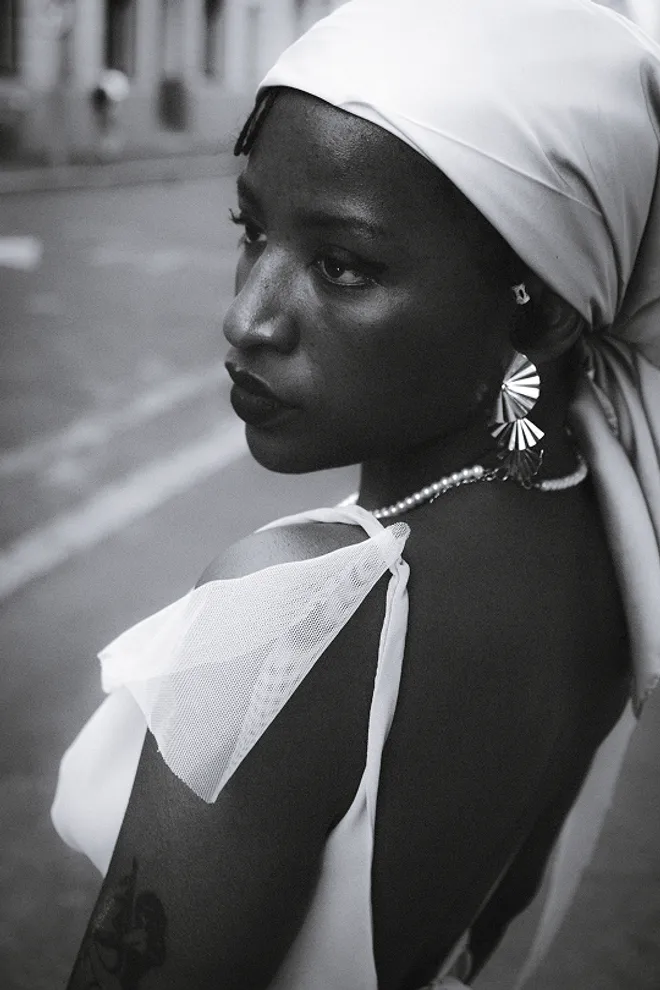
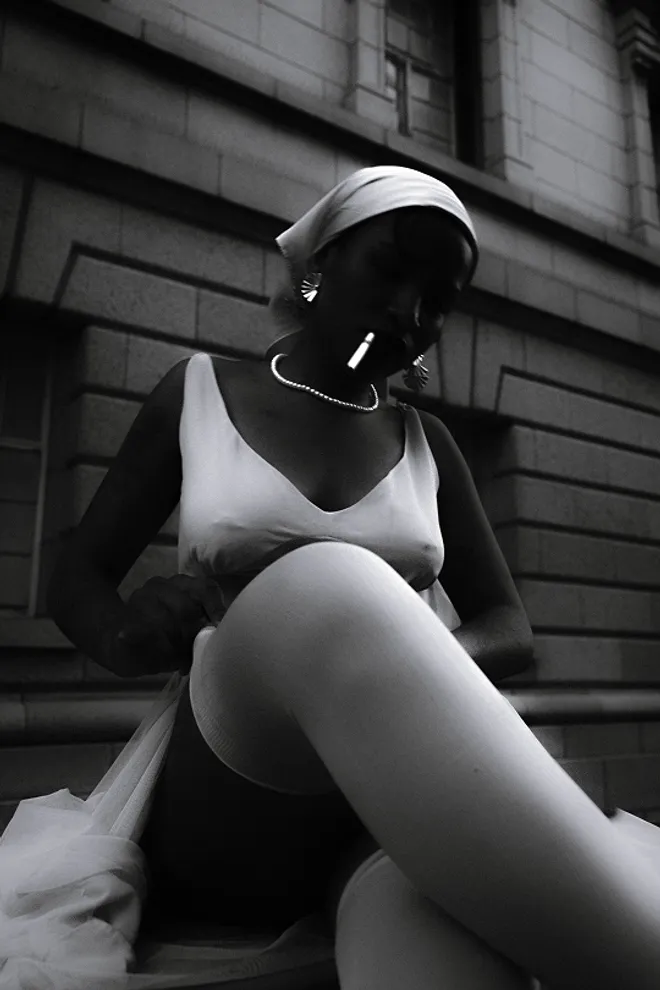
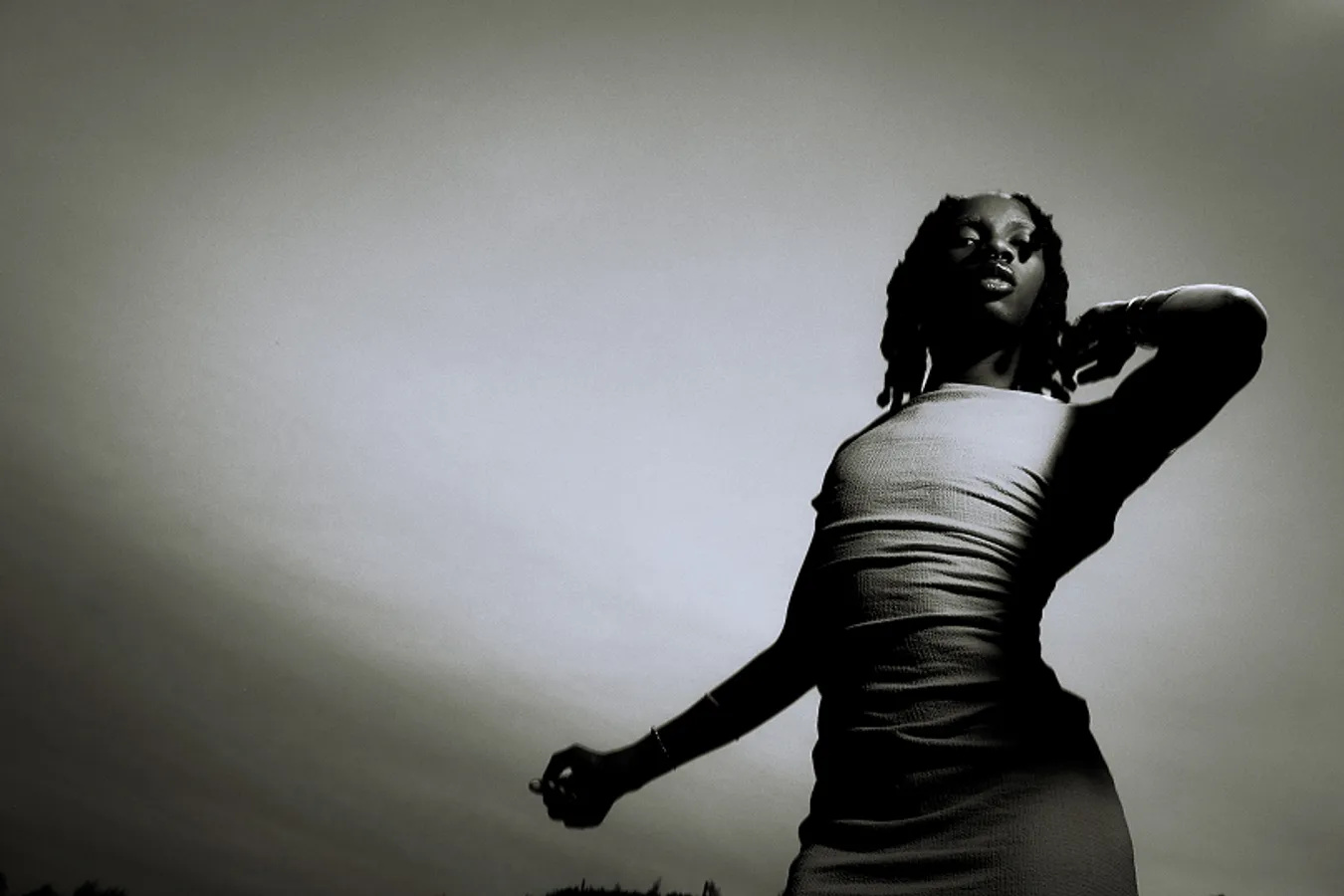
I like grain, shadow, and images that feel like they are carrying something. I think a lot of that comes from being genuinely open-minded. I can sit with uncomfortable subjects, dark themes, and complex ideas that most people would rather not engage with.

That openness is not just a personality thing; it shows up in the work. It allows me to go to places with my images that many photographers avoid. I deliberately shoot on a Sony Handycam. I also use film simulations on my Fujifilm. I am essentially chasing a feeling from a tape I watched as a kid.

The kid who was once embarrassed by the name Ogechukwu went on to build an entire brand around it. I go by Oge. Flip it backwards, and you get EGO. That is where EGO TV comes from. It still feels funny to me when I think about it.

What are the main themes that inspire your photography?

Honestly, I am still figuring out my themes. What I know is that I like images that feel heavy. Not necessarily dark, but weighted. I grew up watching anime like Death Note and Tokyo Ghoul, so I have always been drawn to things that do not wrap up neatly.

The photographers I look up to reflect that. Gabriel Moses for the way he shoots Black intimacy with such weight and warmth. Daido Moriyama, because his Tokyo feels haunted, like a city carrying its own memory.

And Rafael Pavarotti, because he uses fashion to say something real about culture and identity without making it feel like a lecture.

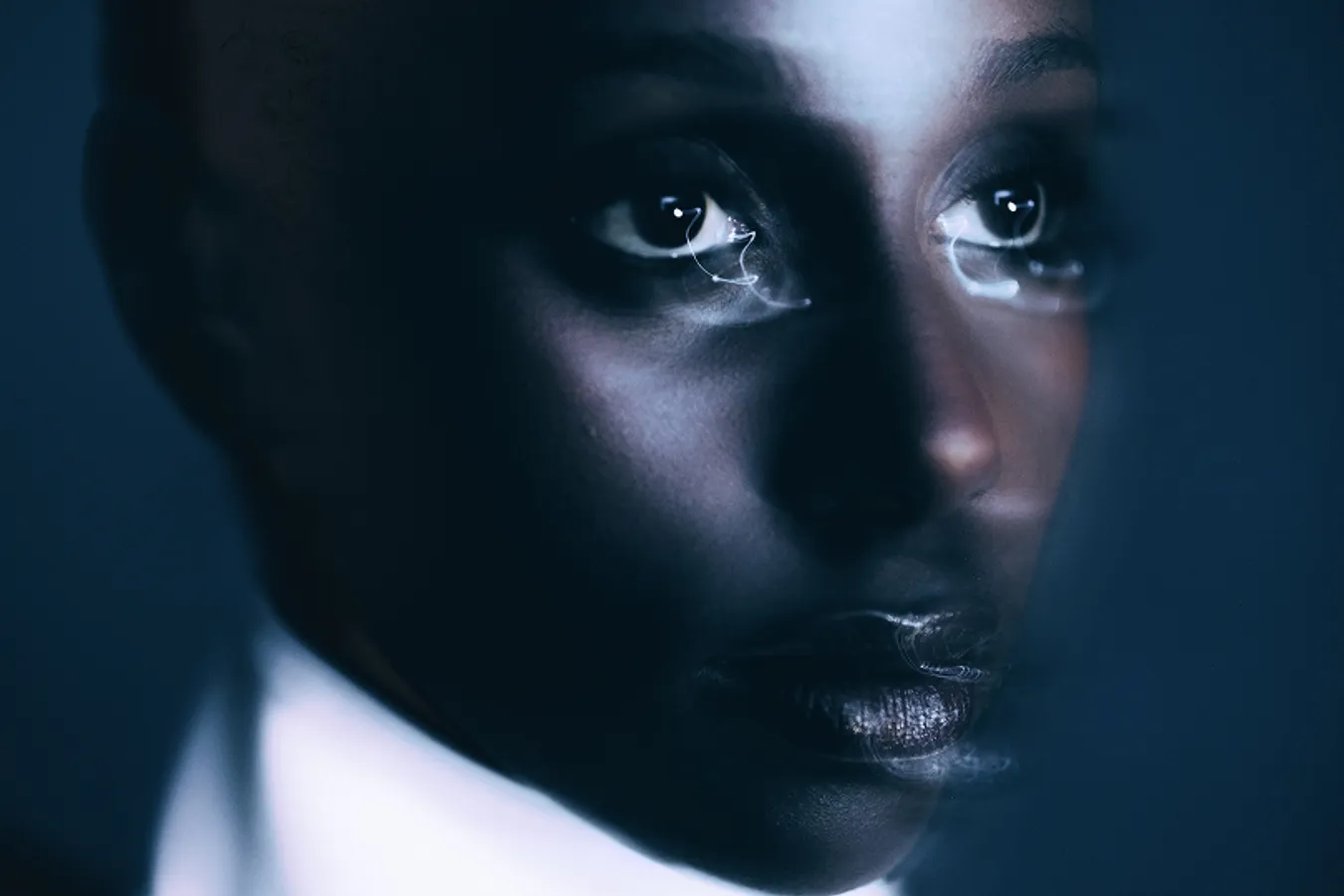
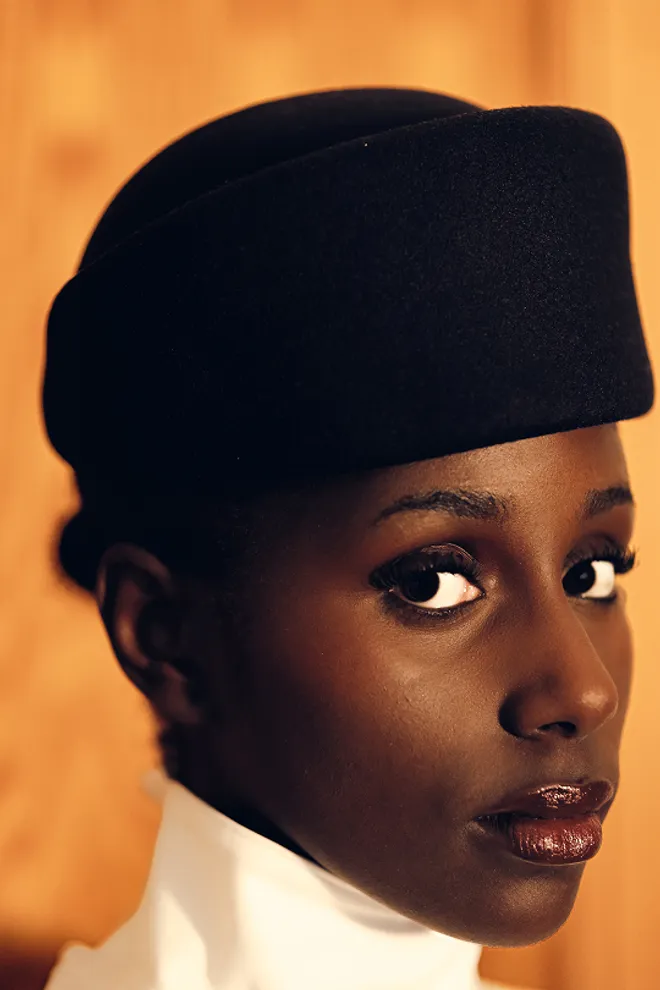
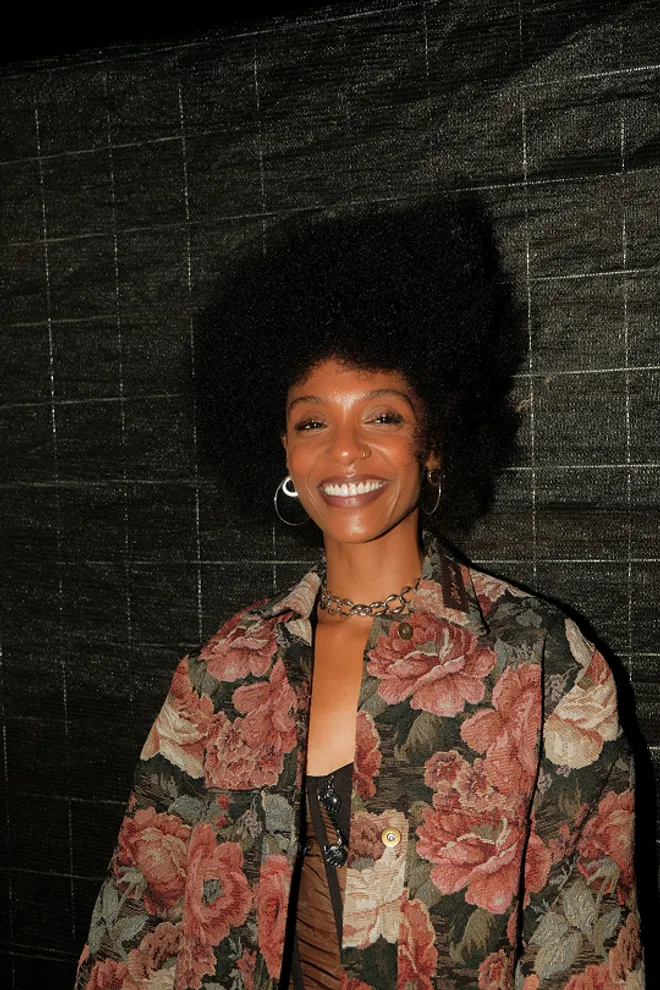
Those three together probably explain a lot about the kind of work I want to make. I shoot close to people because I am interested in what is actually going on in someone's face. Not the version they are performing. The real thing underneath.

And I think I connect with people through honesty more than anything else. I would rather make an image that makes one person feel genuinely seen than one that everyone thinks looks nice.

What moment in your career are you most proud of?

Two things come to mind, and they are connected in a way I did not expect. The first is being named in the DC Shoes and Creative Nestlings Top 100 Creatives of 2025.

That one caught me off guard, honestly. I have only been taking photography seriously for a short time, and being recognised in that way before I even felt fully established made me realise the work was landing somewhere beyond my own head.

The second is harder to put into words, but it means more to me. In the short time I have been doing this, I have had the chance to work with people I genuinely looked up to growing up.

Artists, filmmakers, and creatives whose work I was consuming as a kid in Aliwal North, with no real plan of ever being in the same room as them. And somewhere along the way, a few of those people became friends. Not collaborators in a transactional sense. Actually friends.

I think that is the thing I am most proud of. Not a single moment, but the fact that the work opened those doors at all. It tells me I am moving in the right direction, even when it does not always feel that way.

What is the biggest challenge you've faced as a photographer?

The hardest thing has not been technical. I have been trying to figure out what I actually want to say. For a long time, I was making good-looking images purely from instinct. I have a natural eye, and I trusted it.

But at some point, I started looking at my body of work and realising that, as much as the images looked good, I was not really saying anything with them. They were well composed. They were well-lit. They were empty.

That is a strange thing to confront because, from the outside, the work looked fine. But I knew something was missing. I am still working through it, honestly.

I would not say I have overcome it so much as I have named it, which feels like the first real step. I am in the process of developing more intentional personal work, trying to find themes that are truly mine rather than just aesthetically pleasing. Learning to ask why I am pointing the camera at something, not just when.

What I have learned is that technical ability and a good eye can only take you so far. At some point, you have to have something to say. And figuring out what that is takes a different kind of work than just going out and shooting.

“My style started as pure instinct. I had a good eye, and I trusted it without questioning it too much.”

What type of photography do you specialise in?

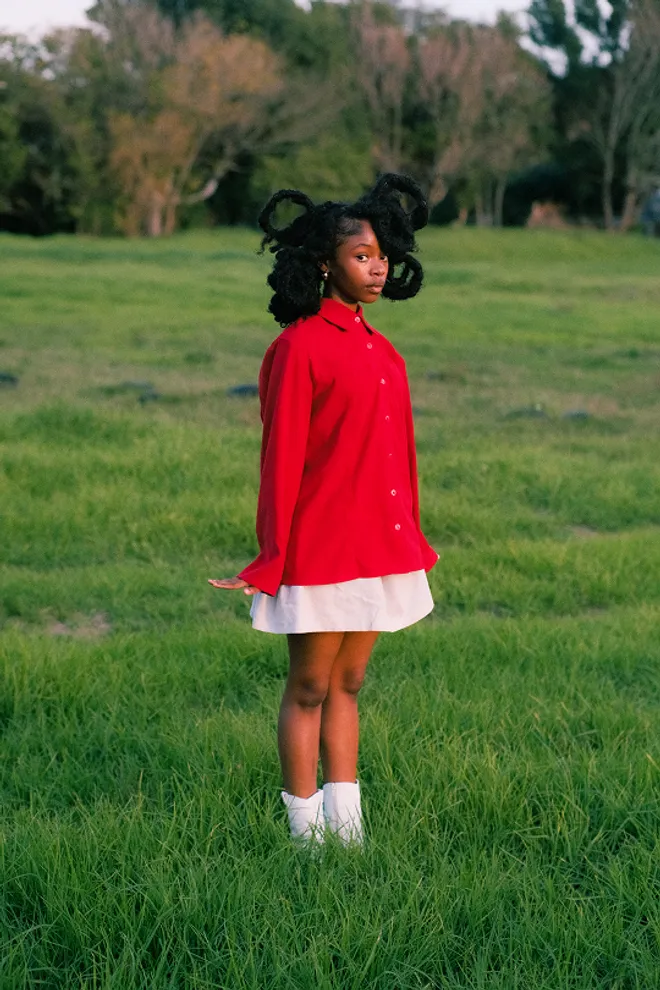
I shoot across fashion, portraiture, documentary, and music. I did not choose those deliberately; they chose me. Fashion came through relationships with brands and artists.

I was already moving around. Portraiture is just my instinct. I am a close shooter; I am interested in people's faces and what is going on underneath them. Documentary came from a desire to honestly capture the South African creative world around me.

My style started as pure instinct. I had a good eye, and I trusted it without questioning it too much.

Over time, I have started pushing towards something more intentional; work that actually says something rather than just looking good. That shift is still in progress, but it is the most important evolution I have gone through so far.

What is your primary commercial niche?

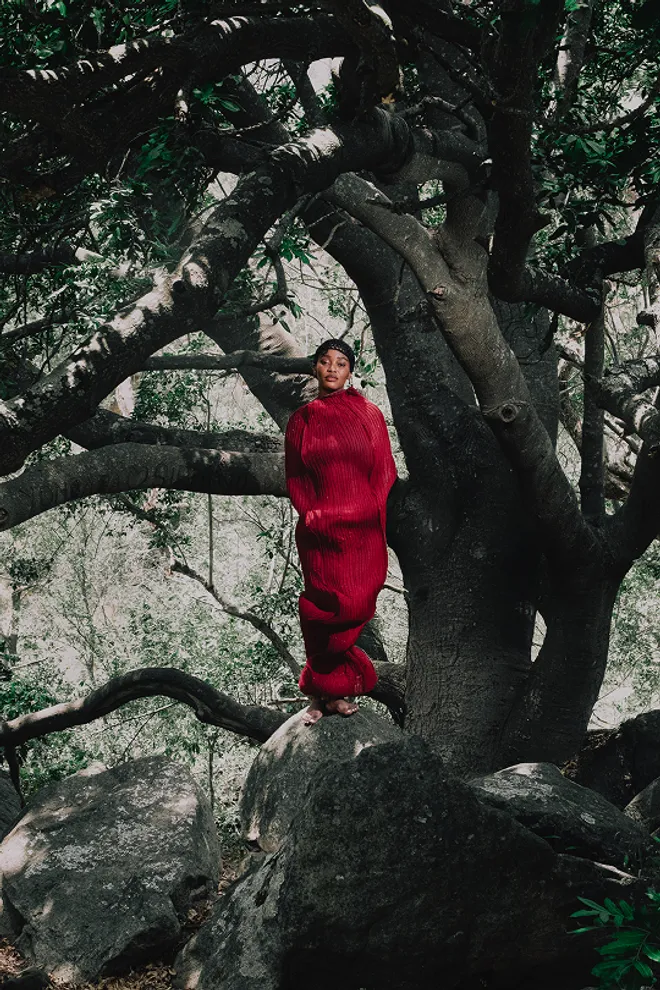
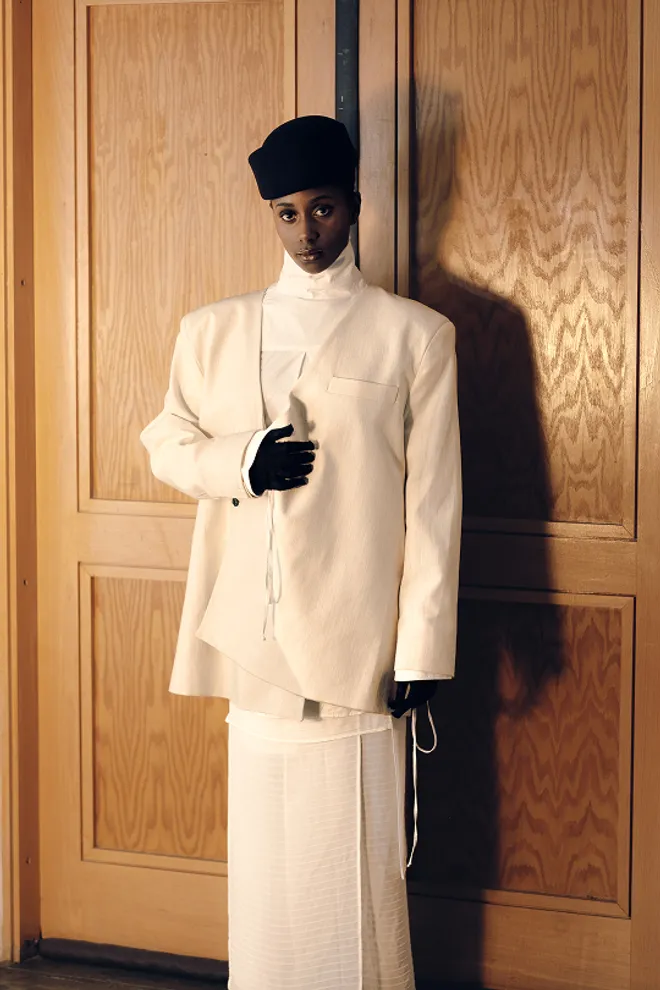
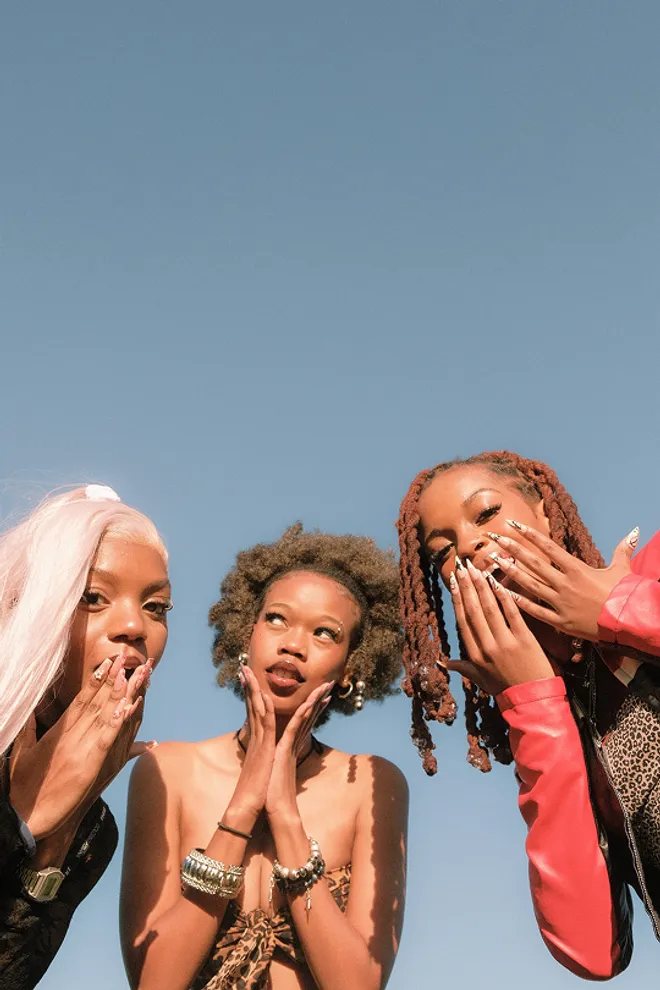
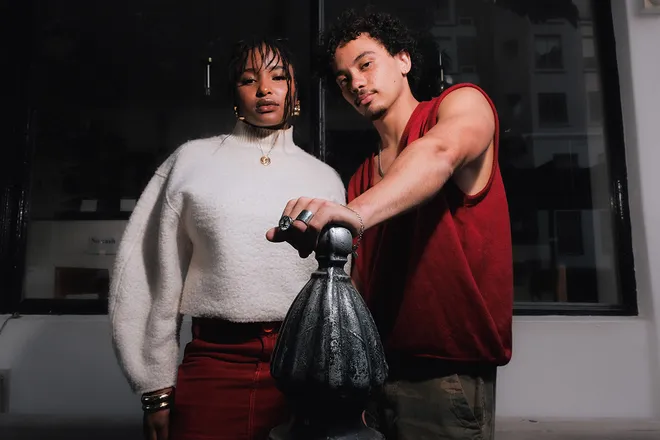
Fashion and culture photography for African brands and artists. Specifically, the space where streetwear and high fashion overlap, and where music and visual art meet. I am comfortable moving between those worlds without feeling out of place in either.

"What I have learned is that technical ability and a good eye can only take you so far. At some point, you have to have something to say. And figuring out what that is takes a different kind of work than just going out and shooting."

What is your unique technical or visual approach?

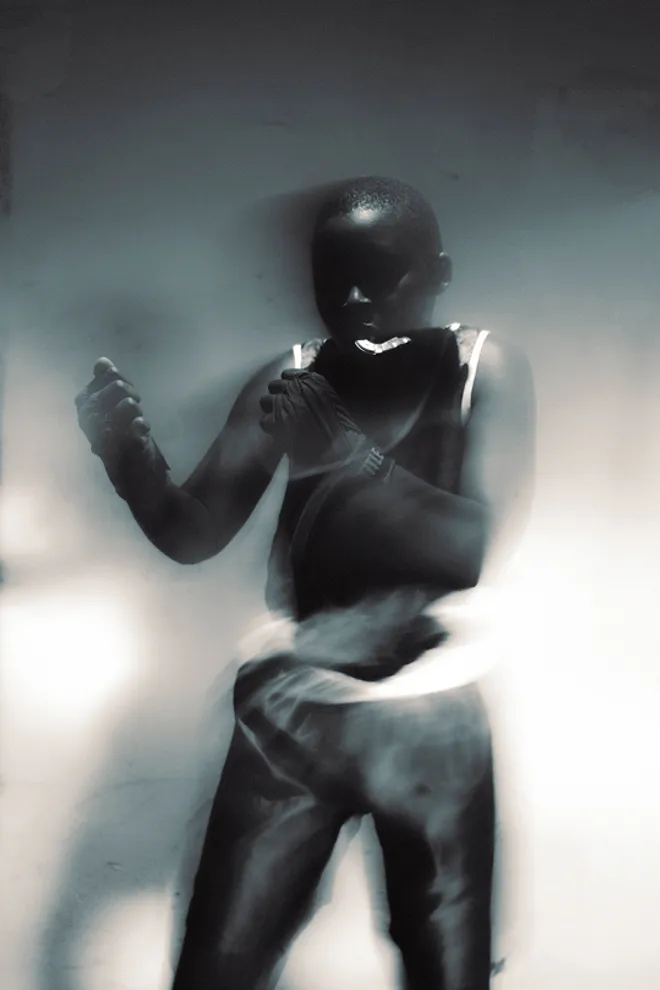
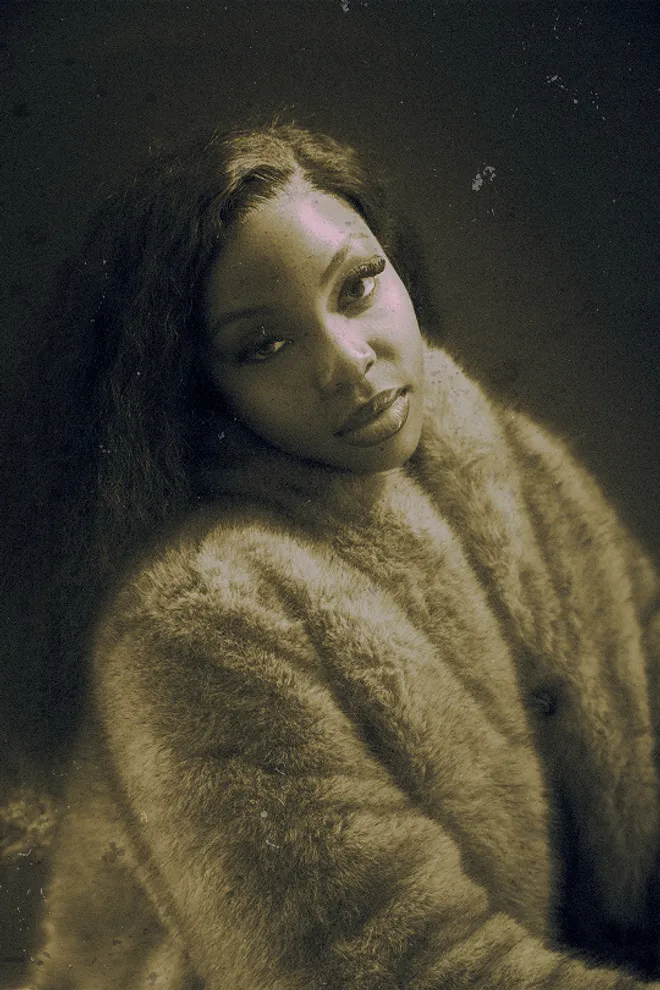
I shoot with an analogue texture as a foundation. Film grain, VHS warmth, and handycam footage alongside a mirrorless camera. I use a Fujifilm with film simulations and a Sony Handycam. I shoot close to my subjects; hip-up framing, single subjects, intimate proximity.

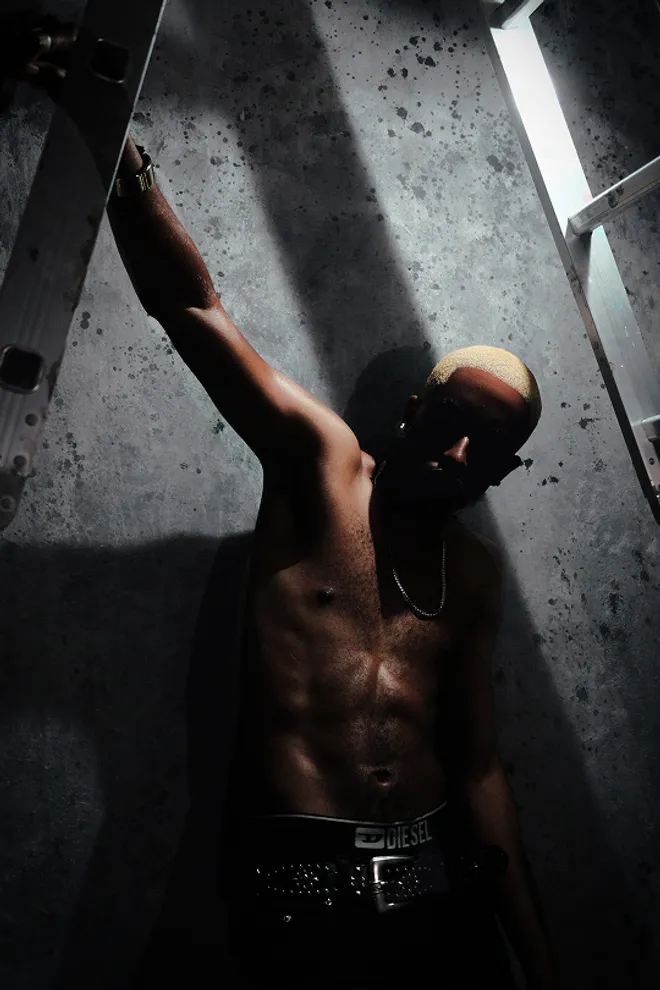
Lighting-wise, I prefer to keep things low and natural where possible. I am drawn to shadow as much as light. Flat, even lighting does not interest me.

I want the image to have depth and mood, and I find that comes more naturally from working with less light rather than more. A dim room, a single source, something that forces the grain to show up — that is where I am most comfortable.

I am not interested in clean or polished. I want images that feel like they were lived in.

Which global brands, photographers, or industries do you feel your work aligns with most?

In terms of photographers, my work is closest to that of Gabriel Moses, Daido Moriyama, and Rafael Pavarotti. Moses for the intimacy and weight he brings to Black subjects.

Moriyama for the grain and the haunted quality of his street work. Pavarotti for the way he uses fashion as a vehicle for cultural identity.

Brand-wise, Mugler is probably the clearest reference point, particularly their recent work with Anok Yai. The darkness, the drama, the way the body is treated as something powerful rather than decorative.

That visual language resonates with me more than most things I see in fashion right now. Publication-wise, I align with Dazed and 032c. Both platforms take creative risk seriously and give photographers genuine room to work.

More broadly, I am fluid. I can move between worlds and adapt to what a project needs. What does not change is that I need creative control.

I can work within a brief; I can serve a vision that is not entirely mine, but I need space to bring something real to it. When that space is there, the work is better for everyone.

How's the photography and art space in South Africa?

I am going to answer this for South Africa, since that is where I was born and raised, and where my creative practice is rooted. Honestly, it is in a really exciting place right now.

There is a generation of South African creatives who are no longer waiting for outside approval. They are making work rooted in their own experience, not trying to look like something from overseas. That shift has been noticeable.

You can see it in what has been happening internationally, too. Thebe Magugu winning the LVMH Prize. Zanele Muholi is showing at the Tate Modern. Those things matter because they show younger creatives what is actually possible coming from here.

The main gap is still commercial infrastructure and funding for photographers specifically. The talent has always been there. The ecosystem around it is just catching up.

"I shoot close to people because I am interested in what is actually going on in someone's face. Not the version they are performing. The real thing underneath."

What is one professional standard you never compromise on?

Honesty. I will not make an image I do not believe in. I can work within a brief and collaborate, but there has to be something real in it.

The moment a job feels false, I would rather walk away. Every image with my name on it has to mean something to me. That is non-negotiable.

Credits

Photography

Ogechukwu Chuks

Text

Esther Ayoola

Curation

guvnor

SHARE THIS STORY

Join Our Community

More Stories

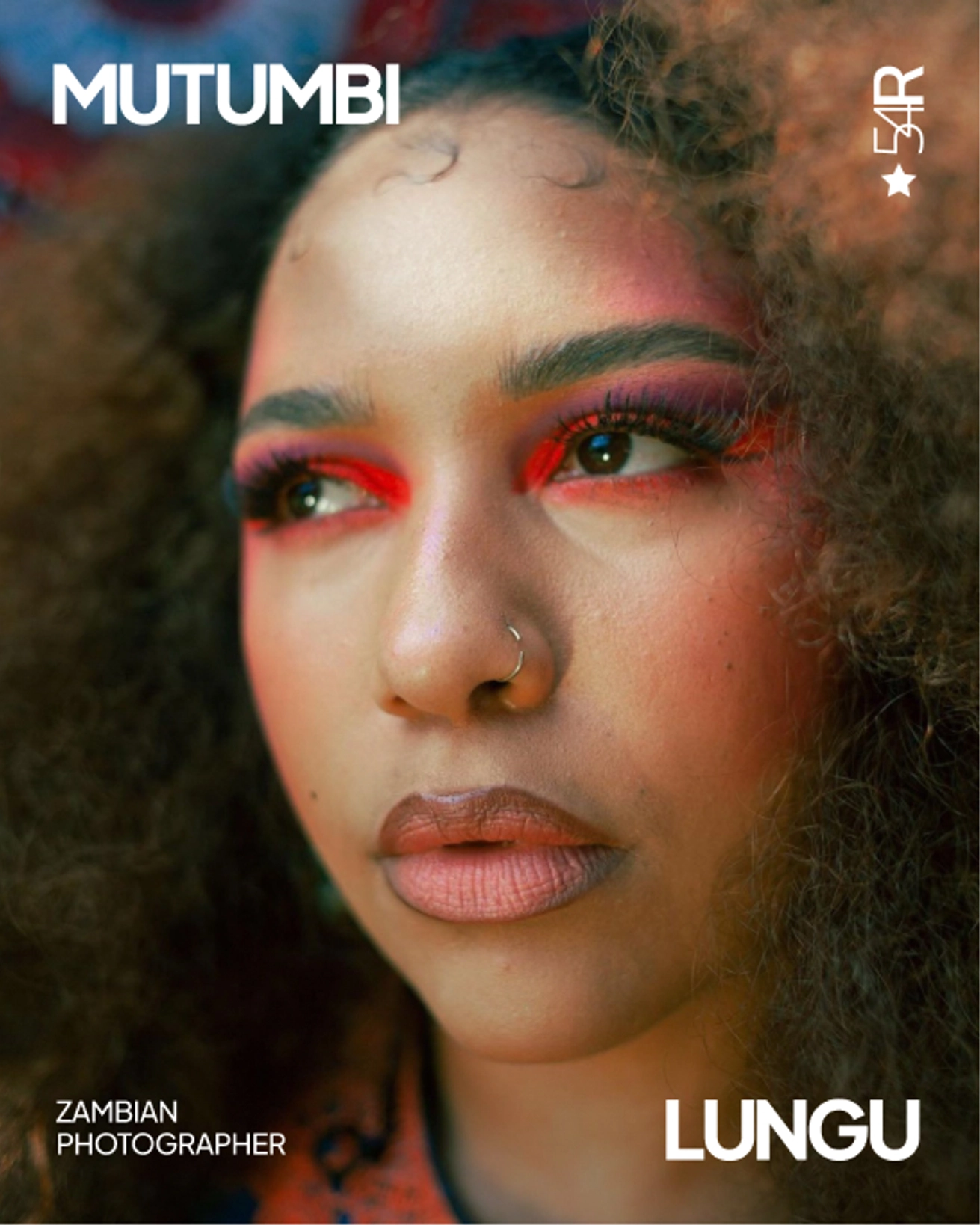
Mutumbi Lungu: Zambian fashion, commercial and documentary photographer expressing culture, texture and colour in overlooked spaces
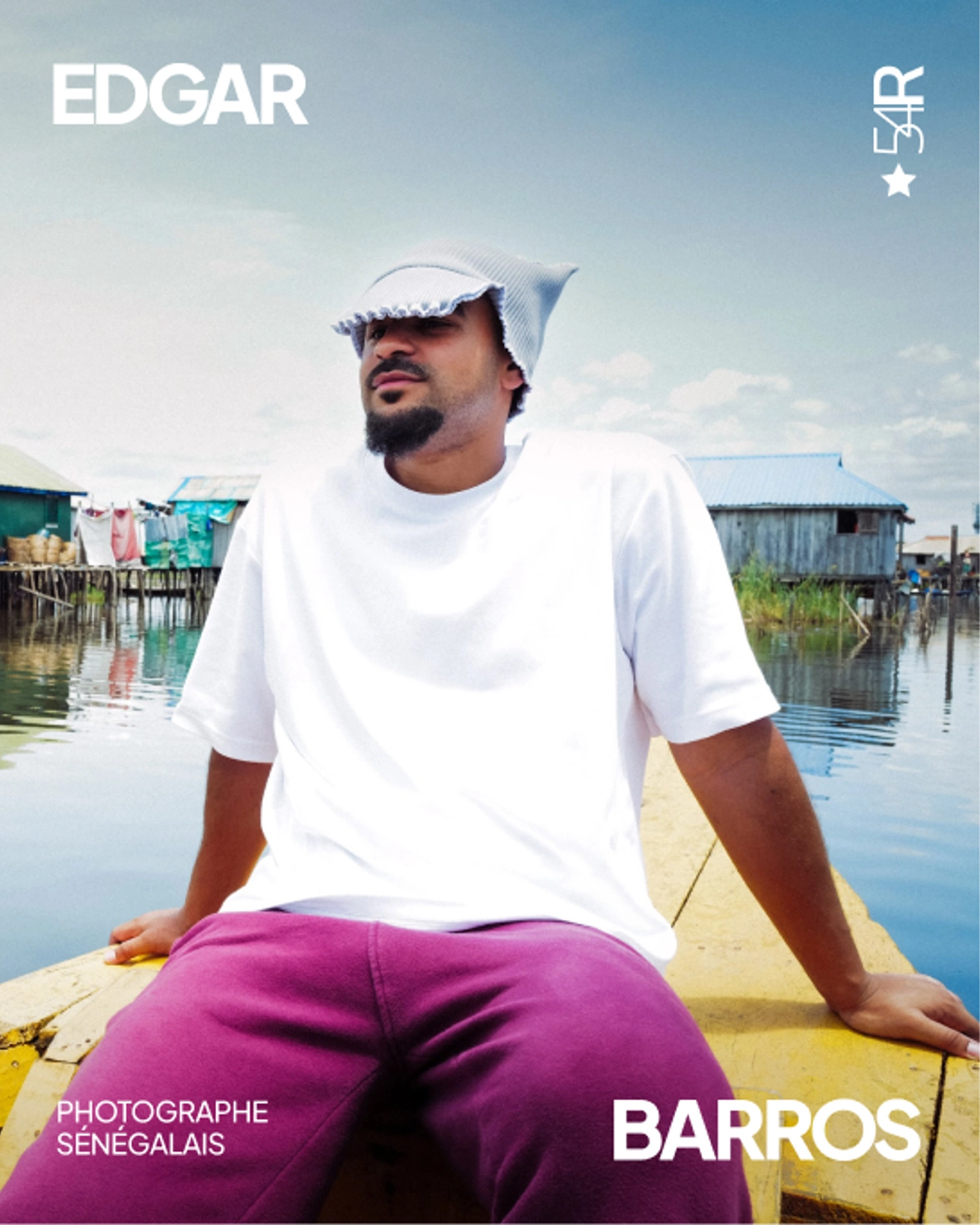
Edgar Barros : photographe de rue et conteur visuel sénégalo-espagnol documentant les liens humains, les cultures et les instants authentiques à travers l’Afrique et le monde
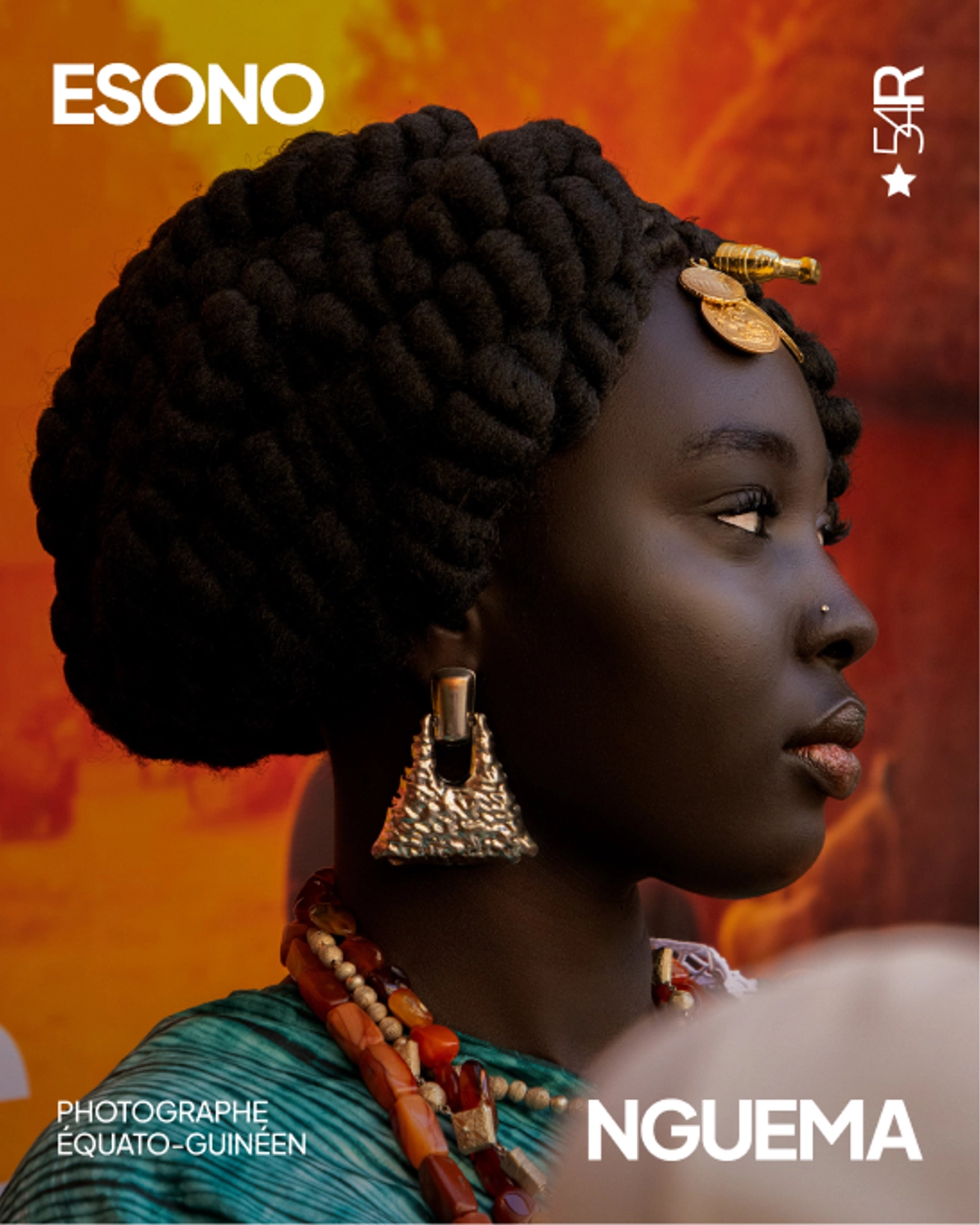
Felipe Antolin ESONO NGUEMA: photographe équato-guinéen créant des récits afro-urbains et éditoriaux cinématographiques autour de l’identité, de la culture et de l’expression humaine.
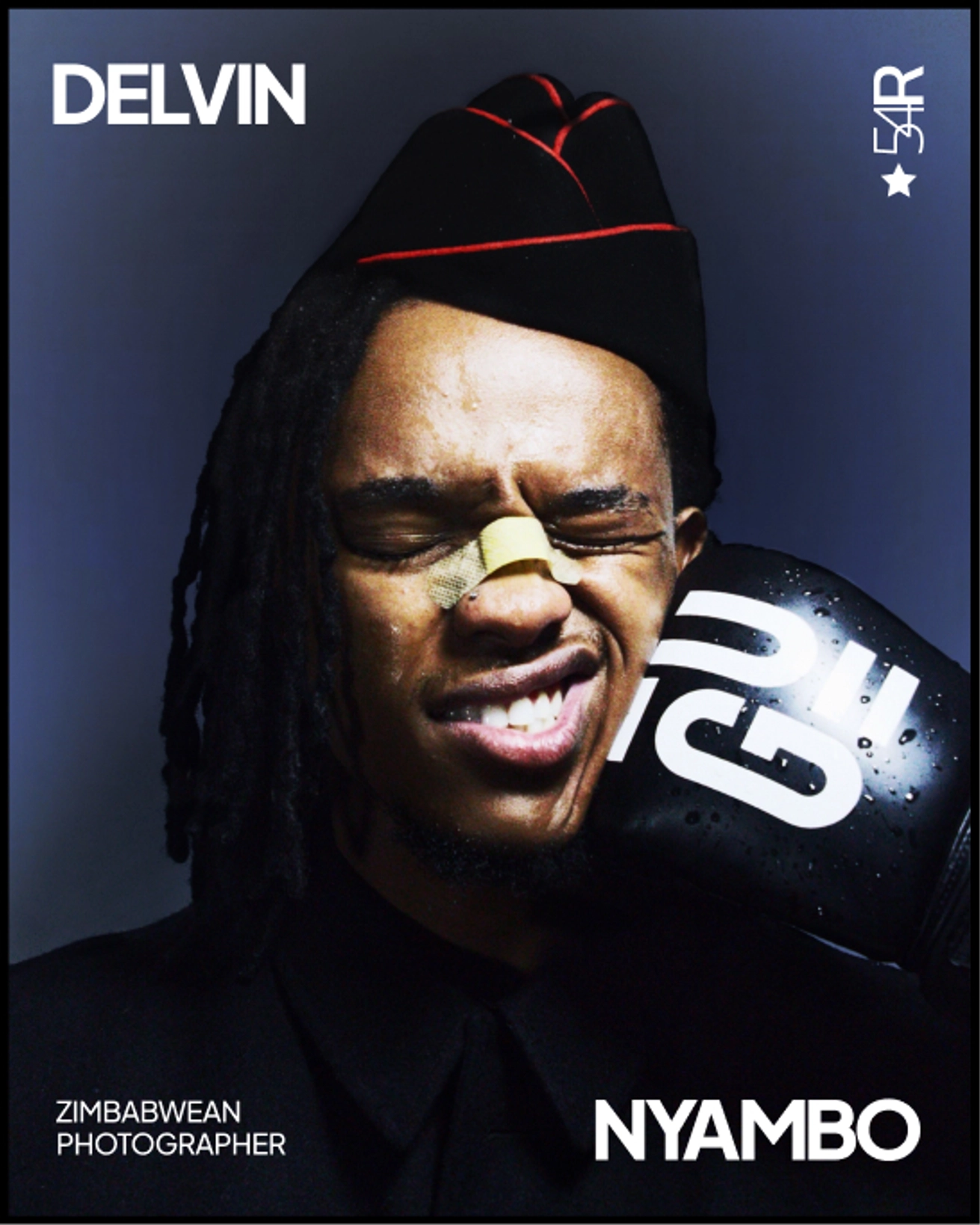
Delvin Nyambo: Zimbabwean editorial photographer capturing street life, identity, and unapologetic self-expression
Ken Banda: Malawian lifestyle and commercial photographer exploring creative freedom, natural light, and authentic human emotion
Bernard Owusu Boateng: Ghanaian editorial and commercial photographer exploring modern culture, music, and everyday human emotions
Thalente Khomo: South African conceptual and fine art photographer exploring memory, healing, and womanhood
Ashmond Oppong: Ghanaian fashion and lifestyle photographer capturing identity, culture, and visual narratives
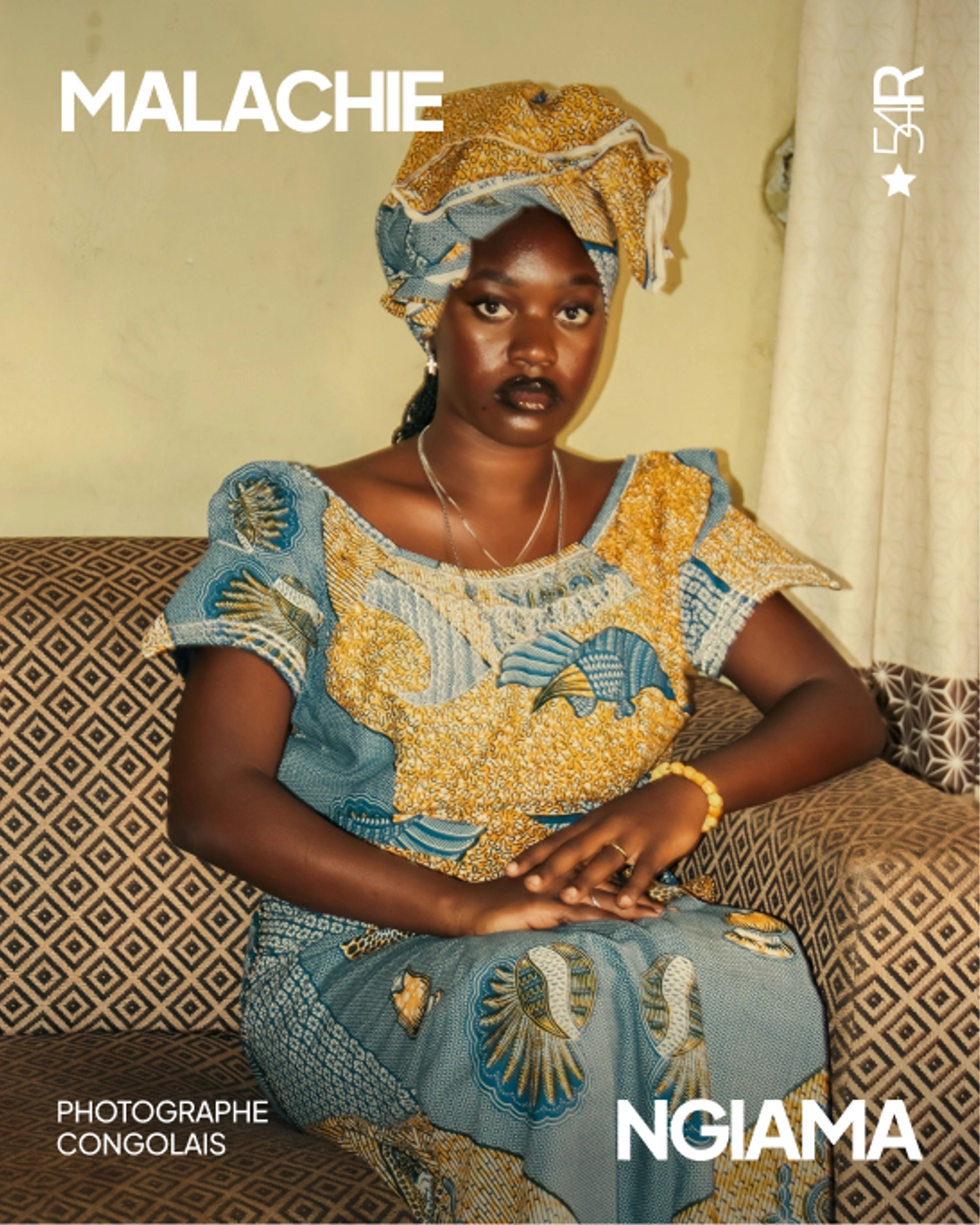
Malachie Ngiama : photographe et directeur artistique congolais capturant la vie urbaine, l’émotion brute et les récits visuels entre rue et cinéma
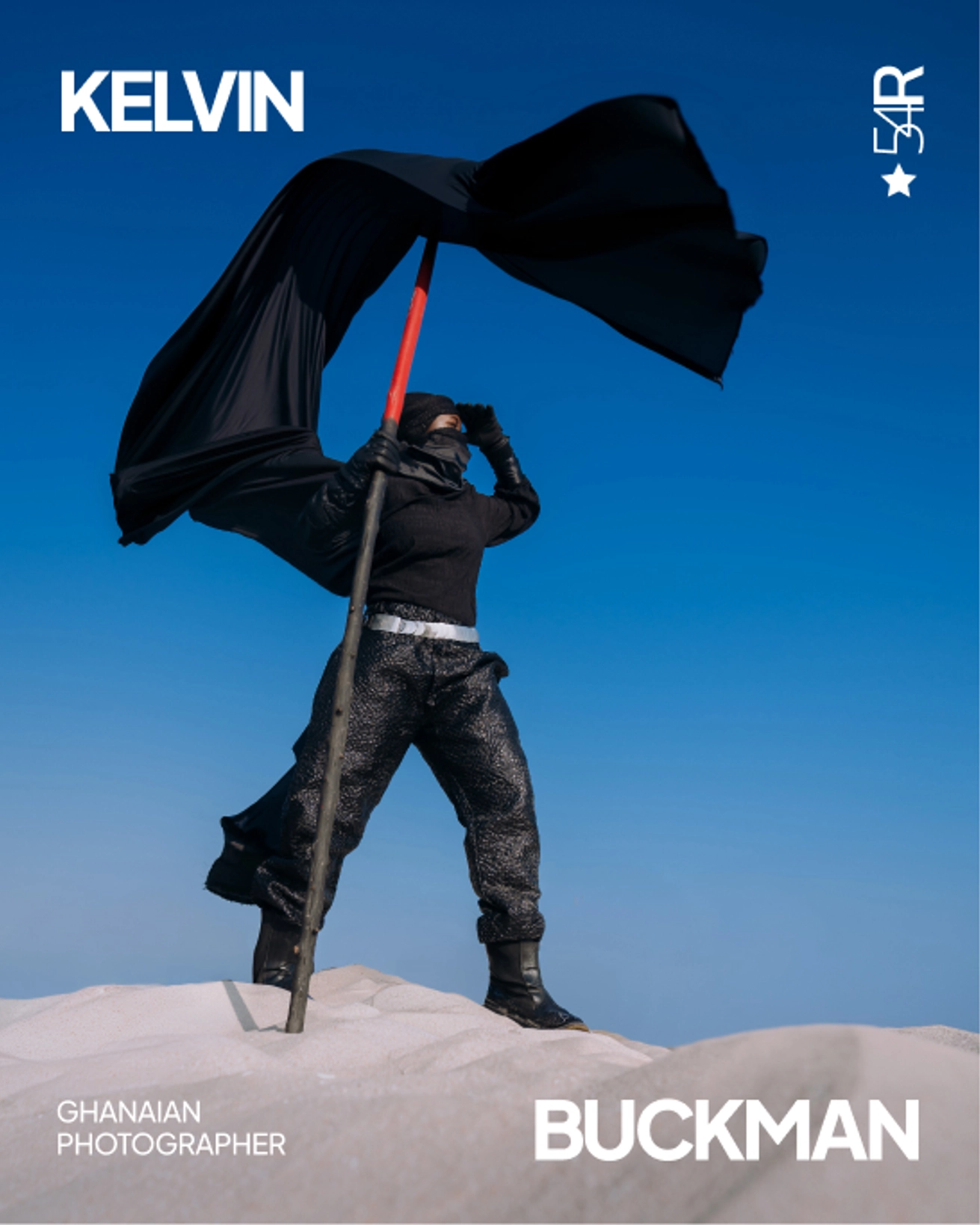
Kelvin Buckman: Ghanaian lifestyle, portrait and music photographer documenting emotion, culture, and storytelling
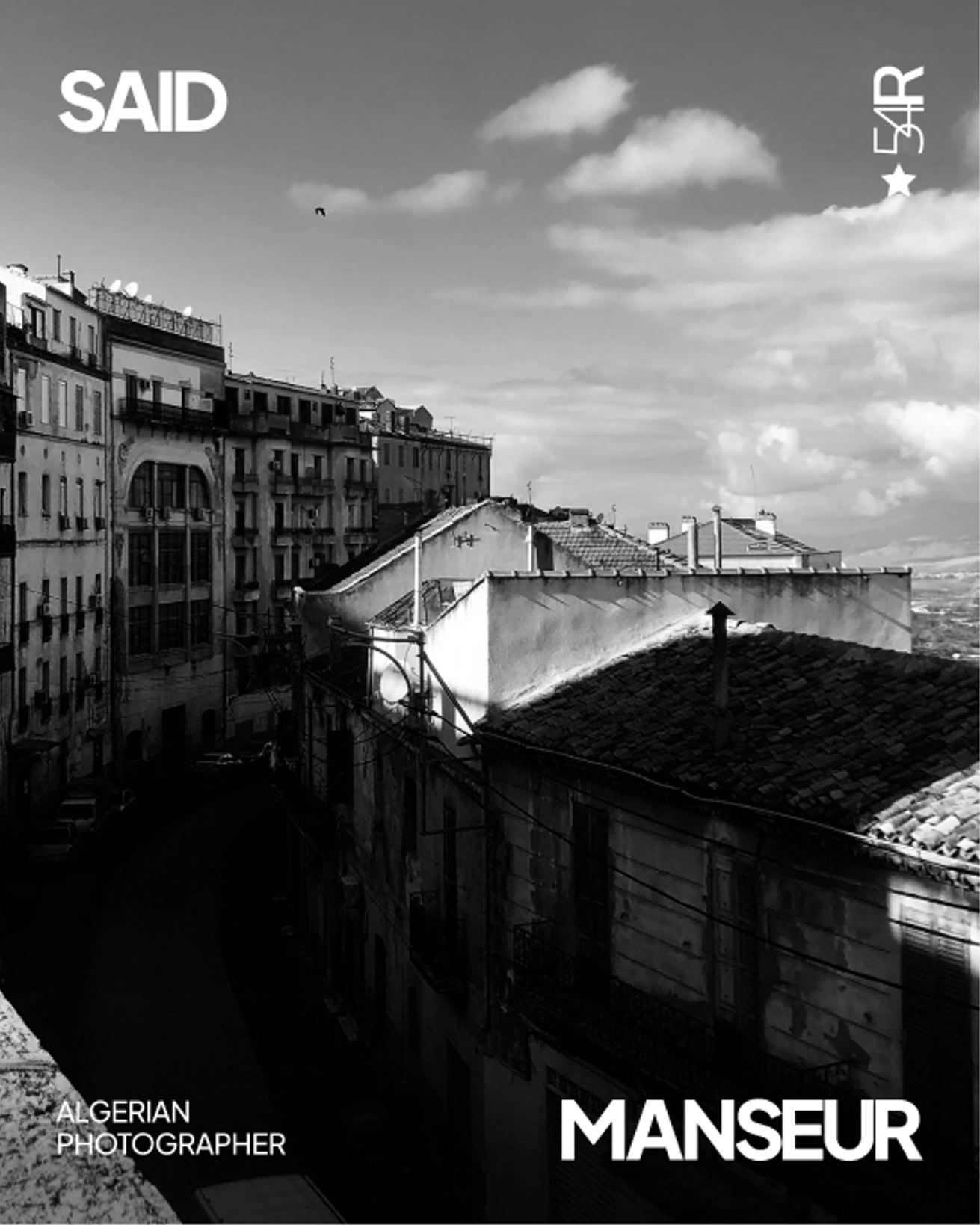
Said Manseur: Algerian documentary photographer exploring environmental change, memory, and cultural resilience
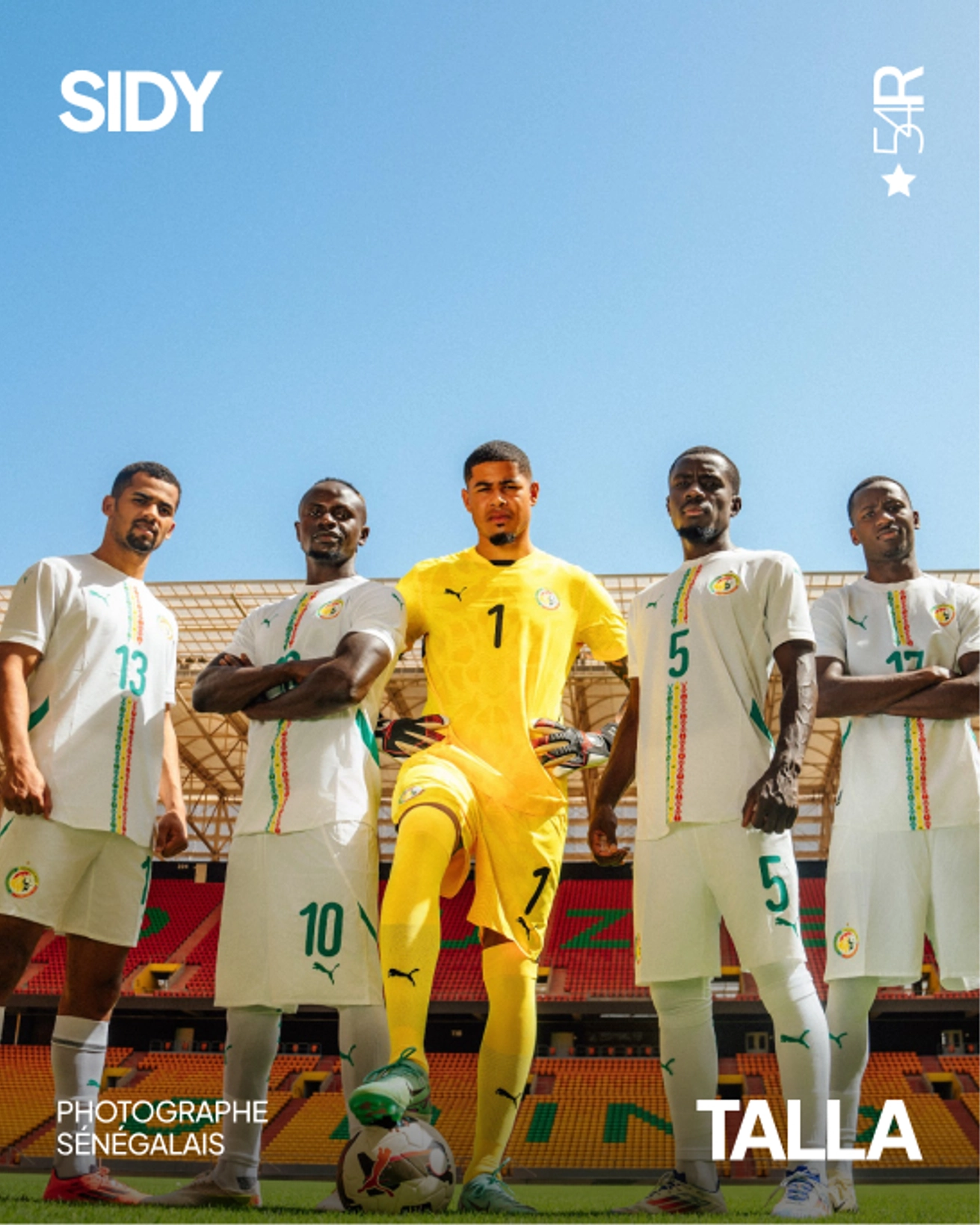
Sidy Talla : photographe sénégalais de sport et d’entreprise capturant le rythme, la précision et les instants invisibles
Doris Lewechi: Nigerian photographer elevating the overlooked through narrative integrity and bold editorial vision
Omar Niane: Senegalese portrait and fashion photographer expressing identity and emotion
Godelive Kabena Kasangati: Congolese documentary and conceptual photographer exploring bodies, life, and the complexity of image-making

Company

The Ruum Africa

Products

RTM

Community

Cookie Policy

© 2026 The Ruum Africa

Built by