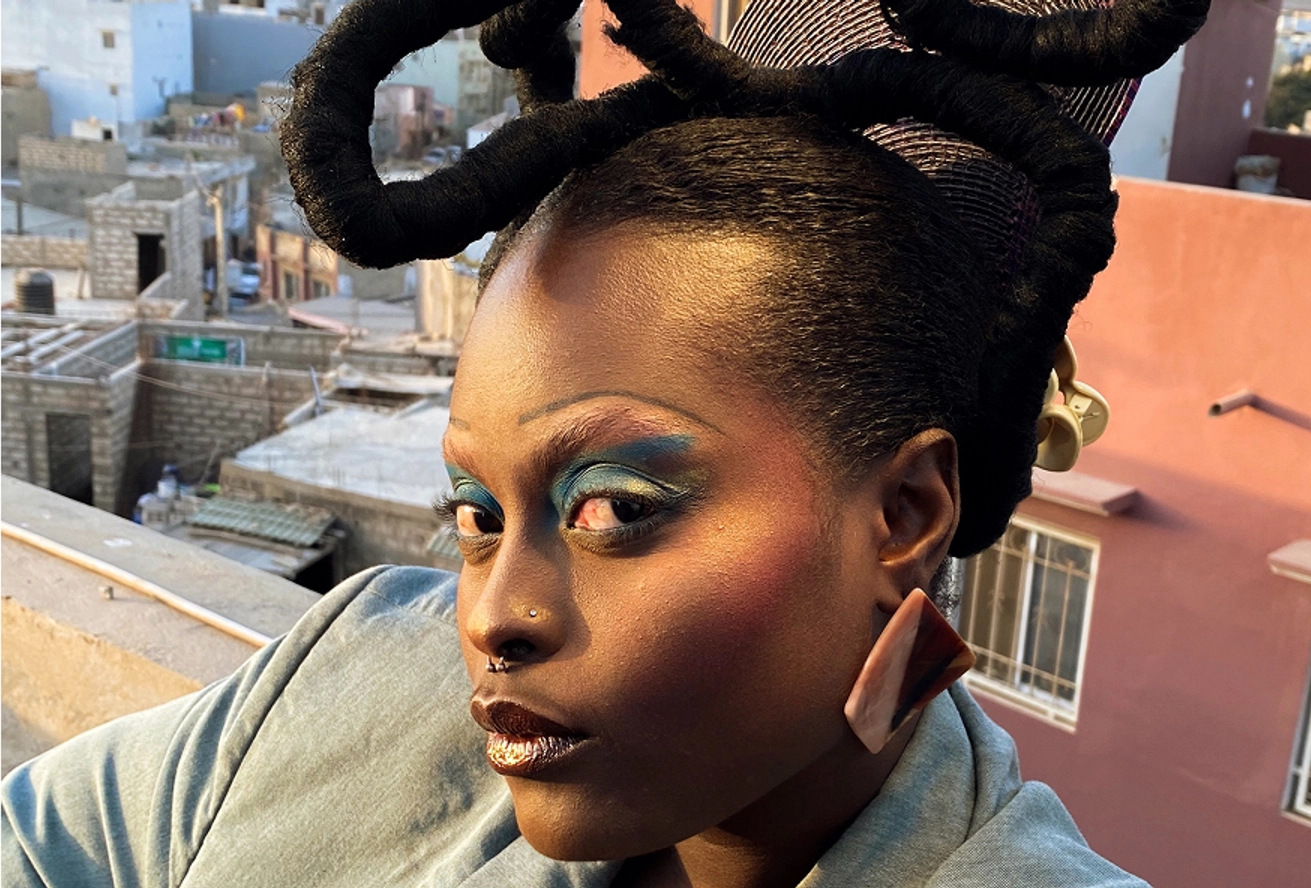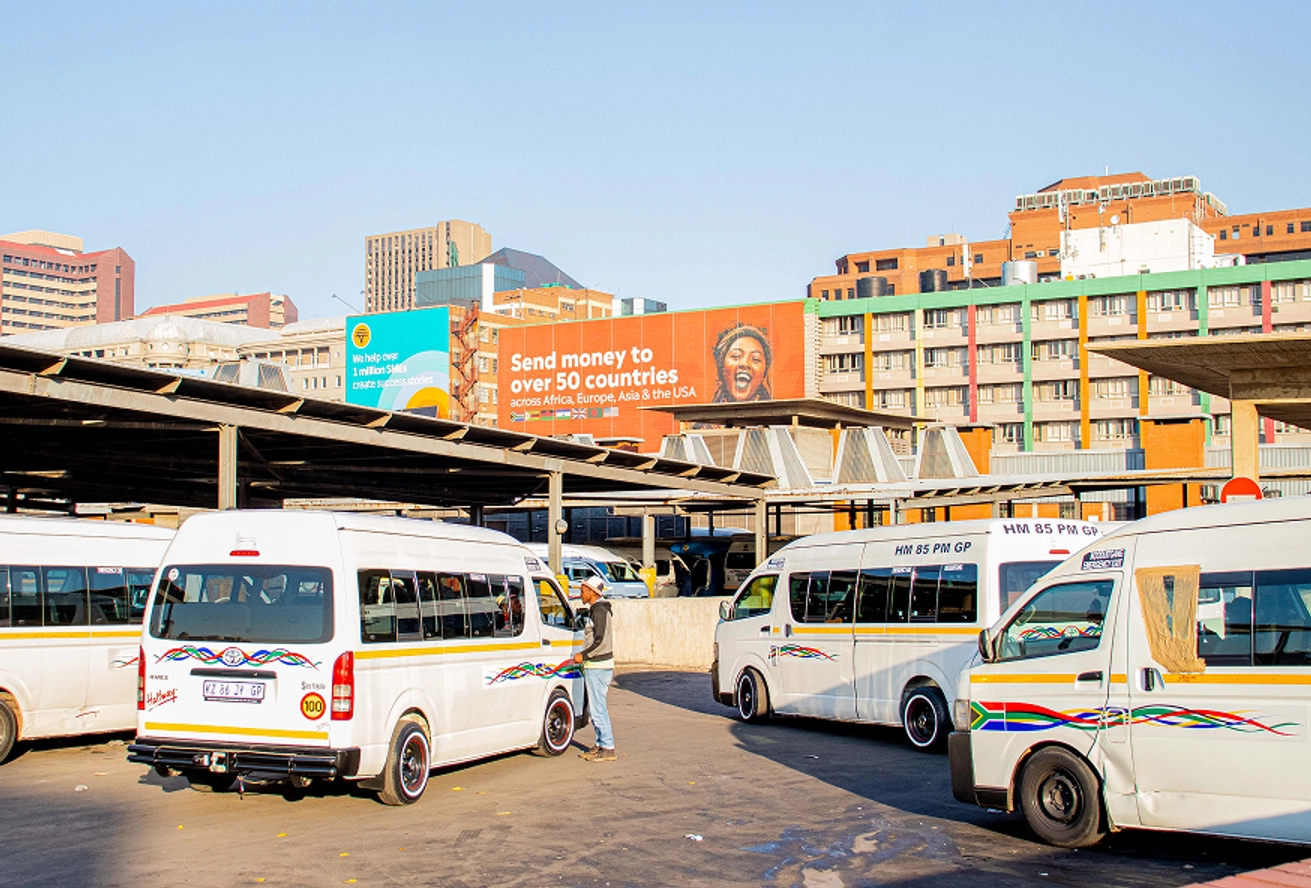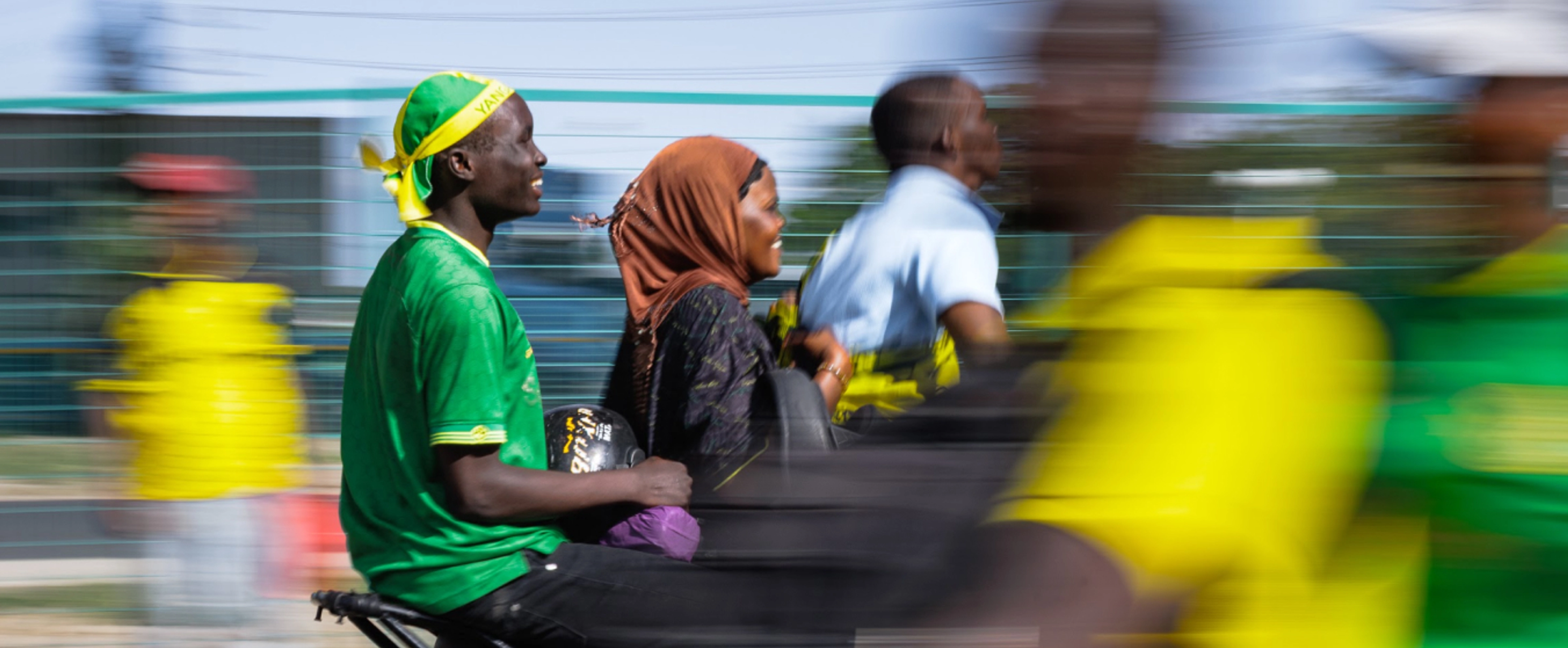
Natalia Msungu: Tanzanian street and documentary photographer expressing the evolving textures of the African urban landscape

10 mins read
Published31 Mar, 2026

“My existence is defined by an act of presence, navigating the space between the rapid transformation of the African urban landscape and the fleeting, emotional undercurrents that resist disappearance.”

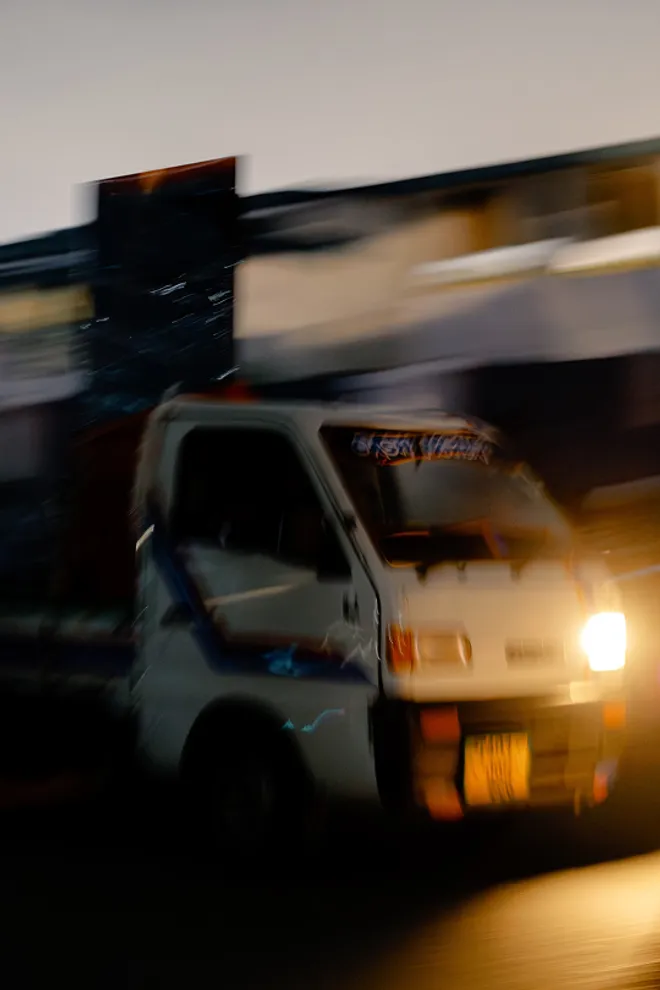
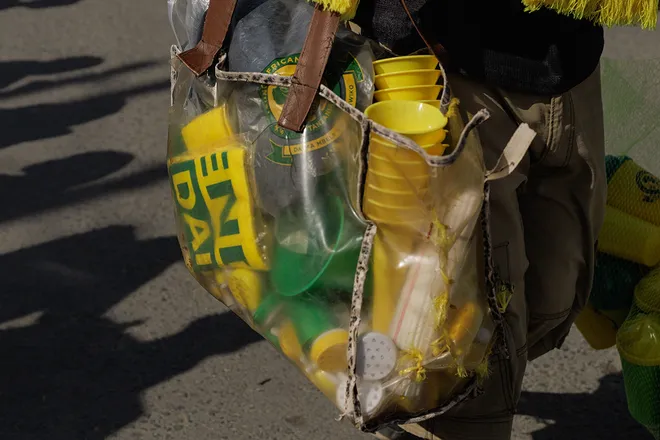
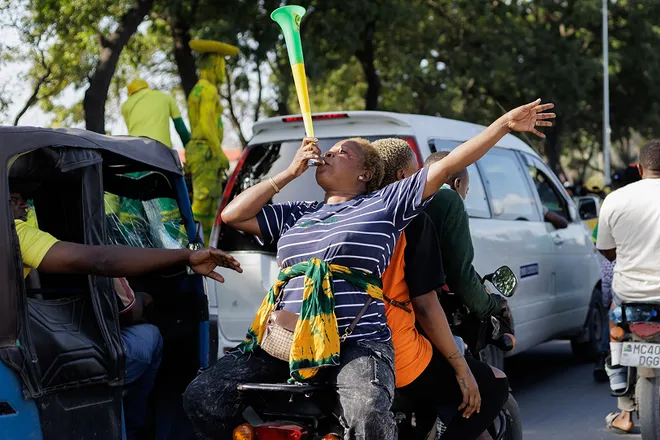
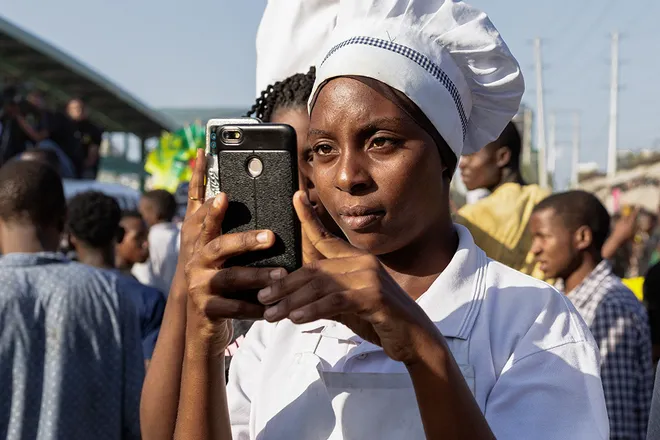
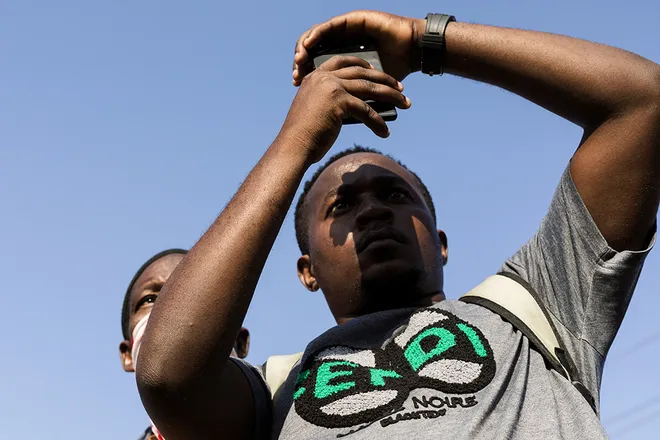
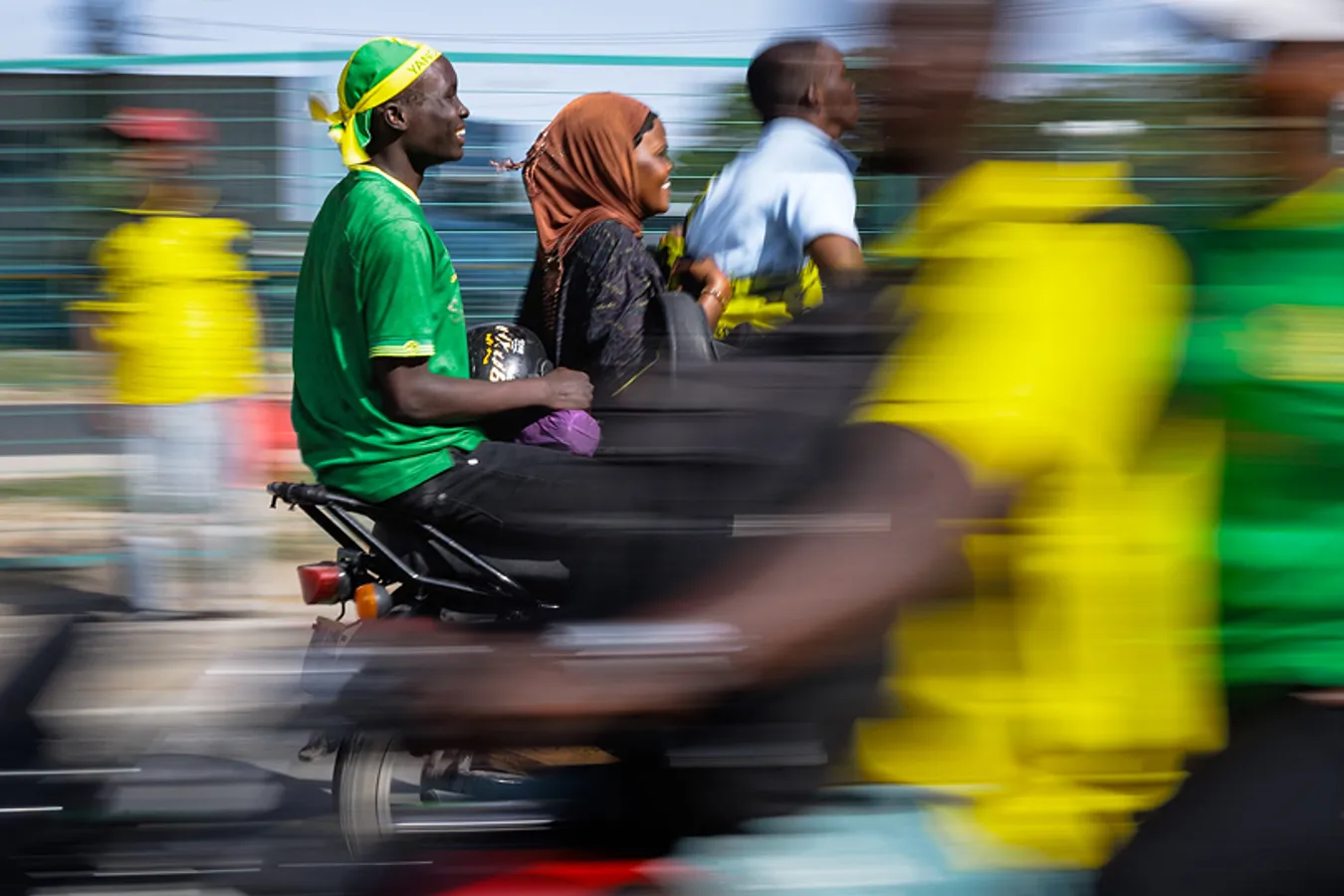
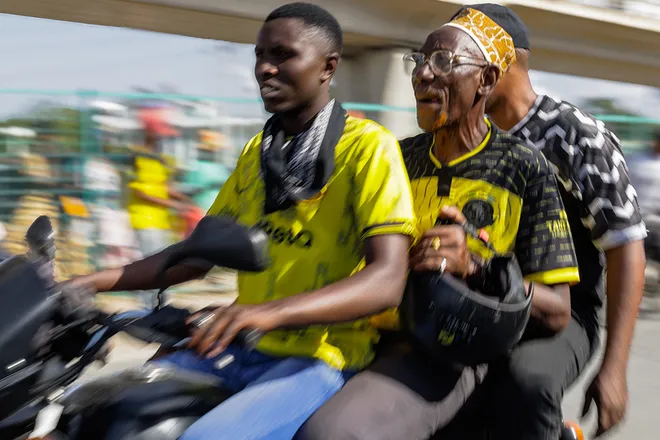
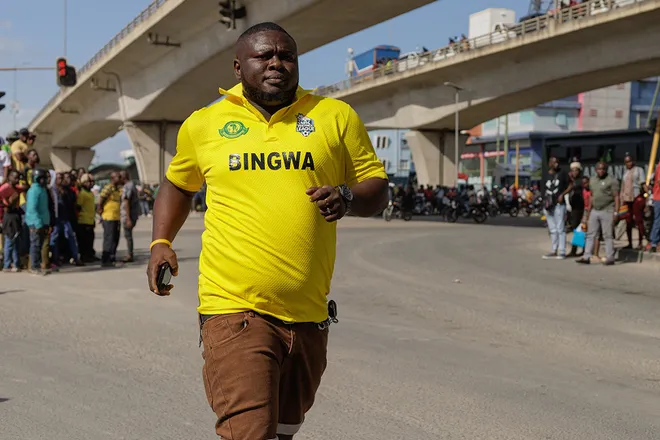
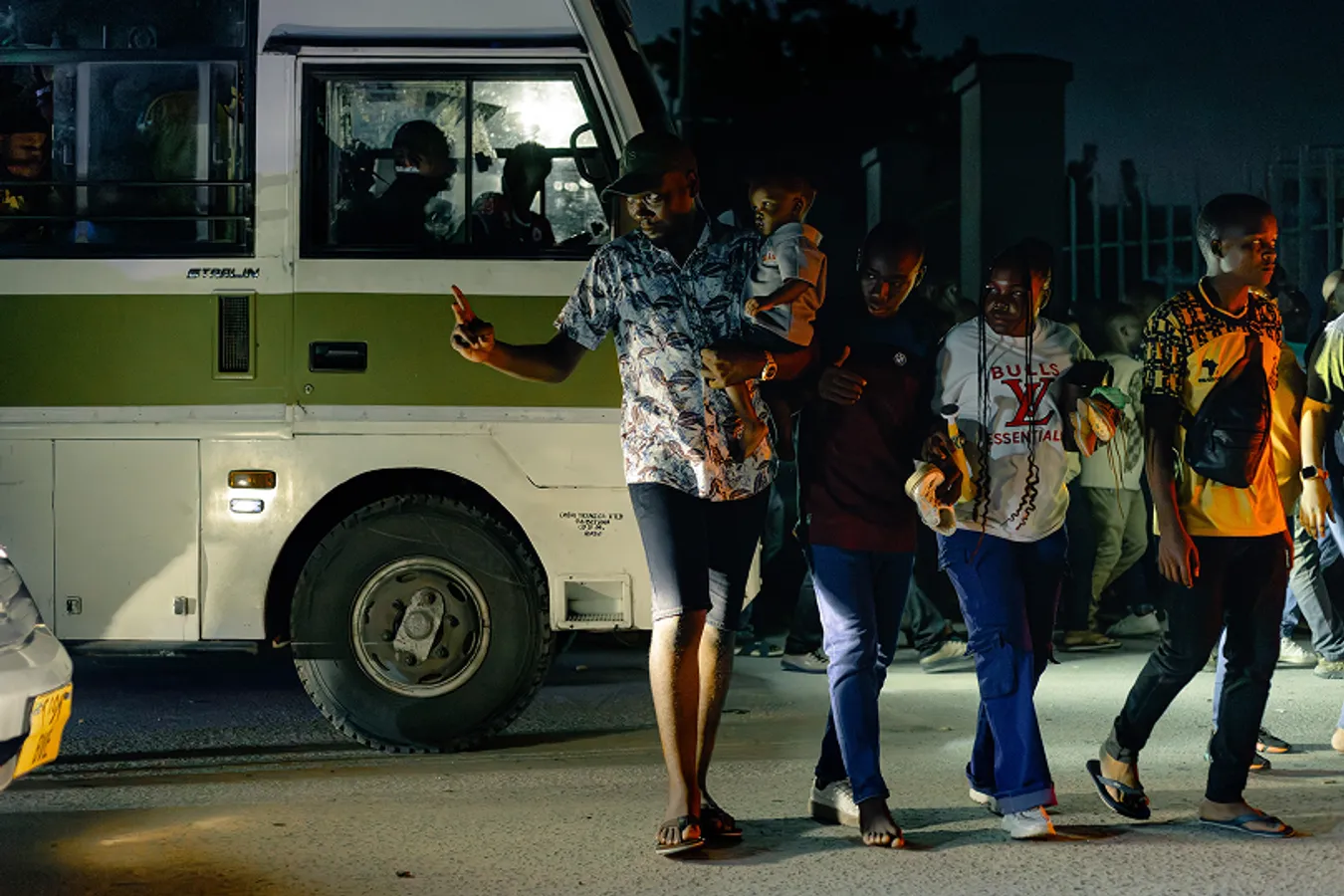
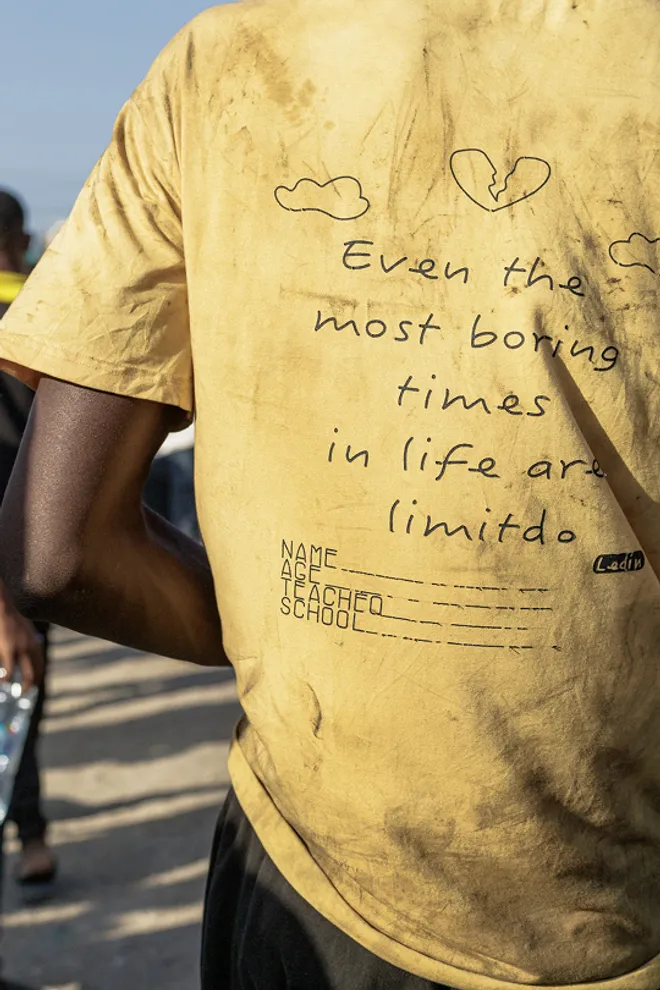
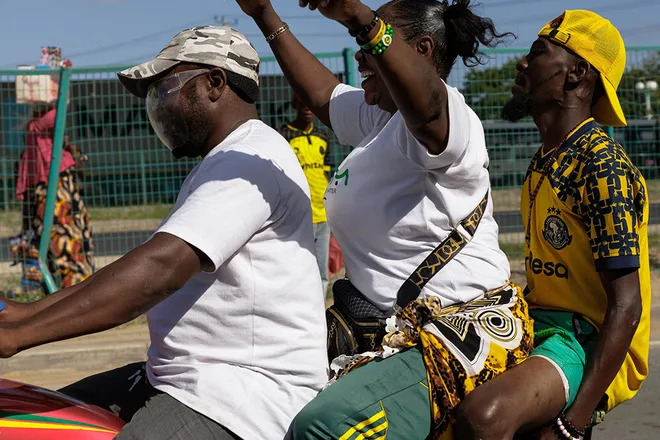
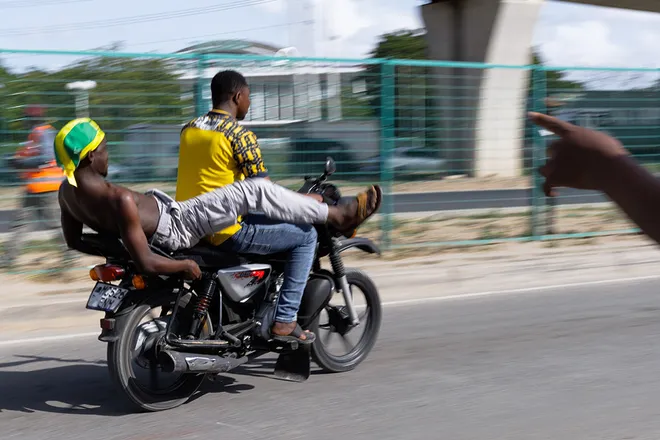
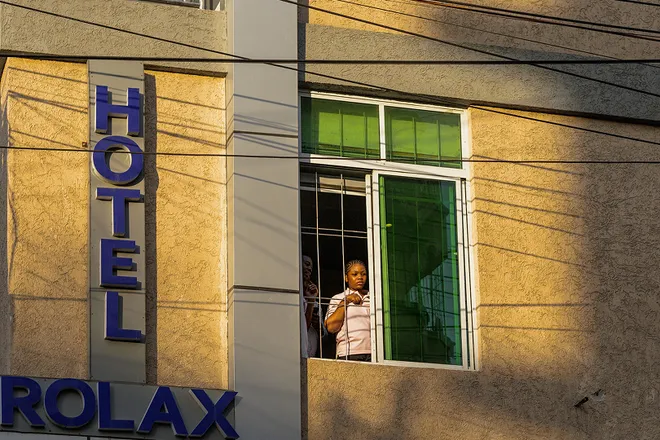
Natalia Msungu is a Dar es Salaam-based documentarian whose practice examines the evolving textures of the African urban landscape. Working across street, social, and observational photography, her work engages with the quiet persistence of shared humanity within spaces shaped by rapid transformation.

Her philosophy is grounded in a commitment to witnessing — not as extraction, but as an act of presence. In a city continuously redefined by development, Natalia’s lens seeks out moments of pause within motion: the subtle gestures, fleeting encounters, and emotional undercurrents that resist disappearance.

Through an observational approach rooted in participation, she develops relationships with her subjects that extend beyond the frame. By returning images and engaging in dialogue, her practice challenges conventional boundaries between photographer and subject, reframing documentation as a collaborative act of recognition.

Natalia's work functions as an evolving archive — preserving the lived realities, rhythms, and intimacies of a city in transition, and asserting the significance of lives that might otherwise remain unseen.
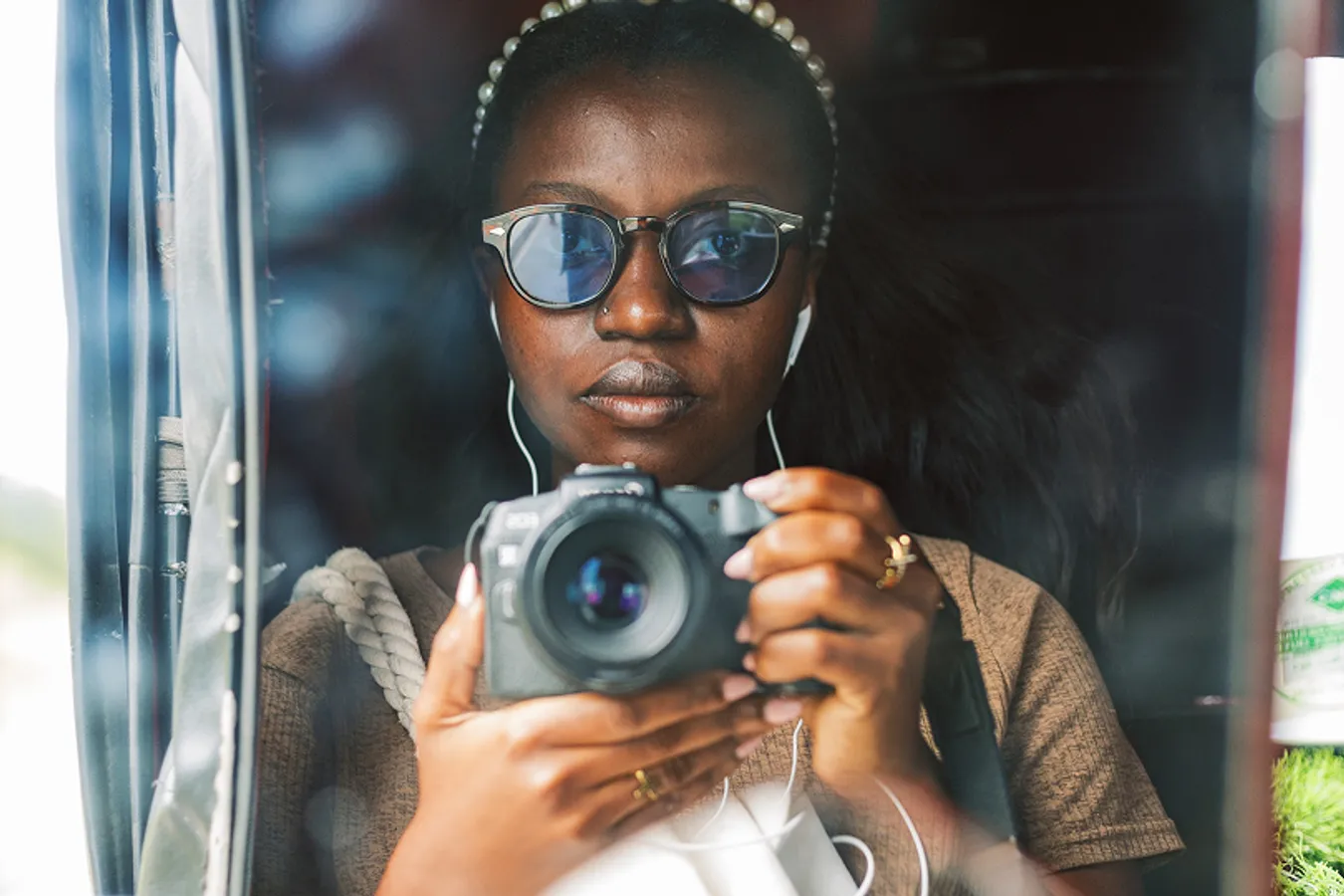
Self-portrait of Natalia Msungu

How would you describe yourself?

I am a constant observer of the quiet persistence, a connector of dots in a city that rarely pauses to look at itself. My existence is defined by an act of presence, navigating the space between the rapid transformation of the African urban landscape and the fleeting, emotional undercurrents that resist disappearance.

I consider myself a master of inner thought monologues and a friend to the unseen. I do not witness to extract; I witness to participate. My life is a dialogue with perspective, grounded in the belief that the path is always straight if you simply look for the light.
How did you get started in photography?

In high school, I had the chance to be part of the editorial team for in-house magazines. The spark of knowing started there and continued until the days when I heard that people actually study photography and want to become photographers. The rest has been a journey of doing and half-doing, falling and unfailing for it, and living for pictures.

“I am drawn to the friction between rapid urban development and the quiet persistence of the human spirit that refuses to be built over.”

What type of photography do you specialise in?

I used to think the label "Street Photographer" was the right one, but labels have a way of shrinking the vastness of what we actually do. Today, I don’t believe those boxes make much sense. I am simply a photographer who has cultivated a personal style that serves as a bridge for others.

My speciality is the act of presence. I work within the intersections of the social, the documentary, and the observational, but my true niche is the "pause" within the motion. My style is diverse because human experience is diverse; I am a witness whose lens seeks to turn documentation into a collaborative act of recognition.

What are the main themes that inspire your photography?

I have reached a point where the traditional categories — abstract, studio, or nature no longer feel enough. Today, my primary inspiration is anything that forces a pause. I am drawn to the friction between rapid urban development and the quiet persistence of the human spirit that refuses to be built over.

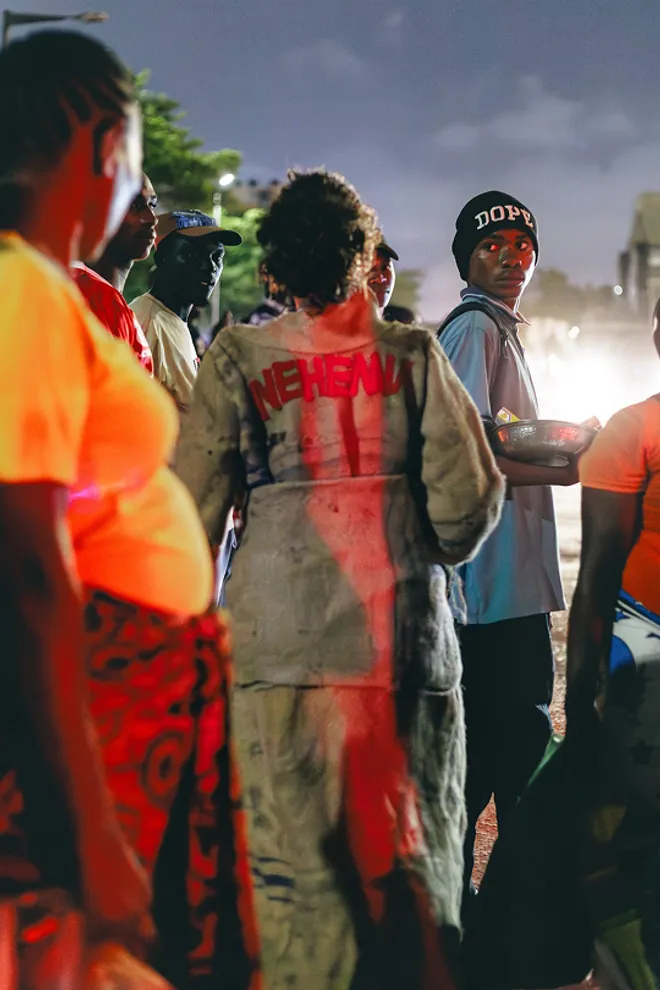
My photography is a dialogue with perspective. I am inspired by the "unseen" rhythms of Dar es Salaam: the subtle gestures in a crowded street, the emotional undercurrents of a city in transition, and the fleeting moments of togetherness that define our shared humanity.

What moment in your career are you most proud of?

I consider every achievement or point I have reached as a lesson for what is to come. I love how a client is comfortable with me being in their space to capture their lives and showcase the "before and after" of what they are doing.

A moment to engage in small talk, hear them be themselves, and feel content and free was such a thrilling experience. For context, a client wanted me to capture the house they lived in with all the girls they adopted for a better life.

They wanted me to sit with them and see how life looked before they moved to a new home that is bigger and safer for everyone. Documenting their day-to-day activities, the mess, and the togetherness for a few days made my way of seeing more meaningful.

What is the biggest challenge you've faced as a photographer?

The weight of the "great" has always been the heaviest thing I’ve carried. For a long time, I believed the challenge was to chase a standard of excellence defined by others, to become a "great photographer" by extraction and imitation.

But the real struggle, and the ultimate breakthrough, was the realisation that I should never strive for that. The biggest hurdle is the noise that tells you to be anyone other than yourself. I’ve had to learn that my only responsibility is to say and do what feels right to my gut. To trust that instinct — the one that chooses the pause over the motion, is a daily act of courage.

I have learned that the masterpiece is not the image itself, but the honesty of the presence behind the lens. Trust your gut; it is the only compass that doesn't break in the dark.

“Develop a relationship with your subjects that extends beyond the frame, and never let your ambition outrun your gut.”

If you could collaborate with anyone, who would it be and why?

Leica. There is a rare, quiet power in their philosophy that mirrors my own: the commitment to being simple, discreet, and profoundly intentional.

Their presence remains largely untapped across most parts of Africa, yet their aesthetic language feels inherently suited to the textures of our urban landscapes.

A collaboration would not just be about the tool, but about bringing that level of hushed, deliberate storytelling to the rhythms of Dar es Salaam — using a shared language of simplicity to witness the lives that development often overlooks. It is about the elegance of disappearing into a moment so that only the truth remains.

What do you think of the 54Ruum?

I think 54Ruum is a really important and timely platform, especially for photographers working within everyday African contexts. What stands out to me is how it focuses on honest, observational storytelling images that feel lived-in, which aligns closely with the kind of work I am drawn to and currently developing. It feels less like a gatekept institution and more like a growing community that is trying to shape a collective visual language across the continent. While it is still evolving and more rooted in exposure than opportunity, I see its value in connecting artists and documenting the present moment in a way that feels authentic and necessary.

How is the photography and art space in Tanzania?

To look at the Tanzanian art scene right now is to watch a collective awakening; it is a landscape that has shifted from being a subject of the gaze to being the author of its own vocalised story.

We are in a cycle of evolution that is as questionable as it is necessary. In recent years, the silence has been replaced by a visual language that is louder, more confrontational, and deeply rooted in our own everyday contexts.

It is a space that is finally beginning to value honest, lived-in storytelling over the polished extraction of the past. Watch this space, because we are no longer just documenting the present — we are shaping a collective memory that refuses to be ignored.

“The biggest hurdle is the noise that tells you to be anyone other than yourself.”

Advice someone considering a career in photography

Do not look for fame, and do not look for the "greatness" that the world tries to define for you. Those are distractions that lead to extraction rather than presence.

Instead, look for the light. It is the only thing that will make your path straight. Understand that your lens is not a barrier between you and the world, but a bridge. If you are starting this journey, commit to being a witness who participates in the rhythm of the space you inhabit.

Develop a relationship with your subjects that extends beyond the frame, and never let your ambition outrun your gut. If a moment makes you pause, that is where your story lives. Trust that silence, trust your perspective, and remember: you aren't just taking a picture — you are asserting the significance of a life that deserves to be seen.

Credits

Photography

Natalia Msungu

Text

Kelvin Otum

Curation

guvnor

SHARE THIS STORY

Join Our Community

More Stories

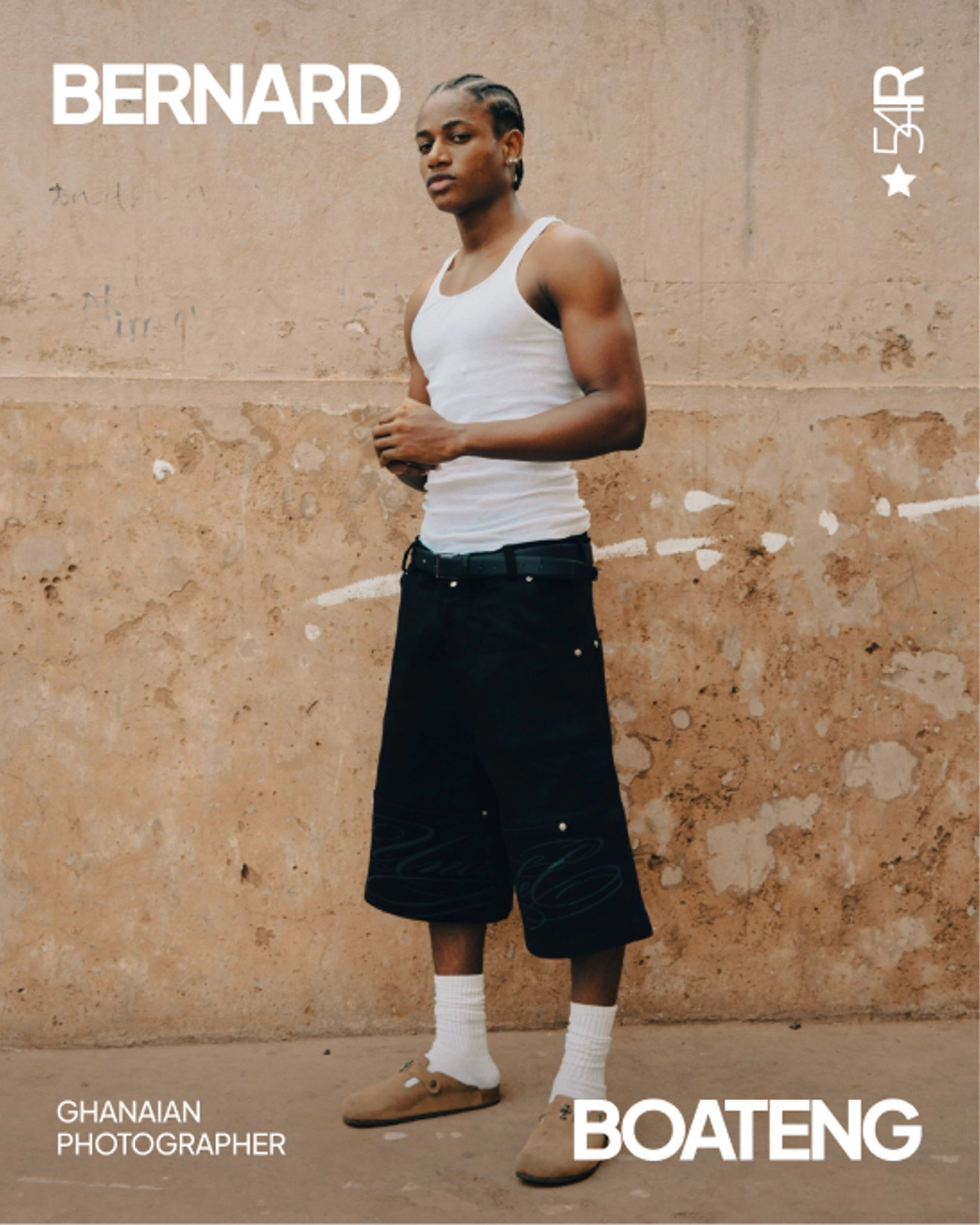
Bernard Owusu Boateng: Ghanaian editorial and commercial photographer exploring modern culture, music, and everyday human emotions
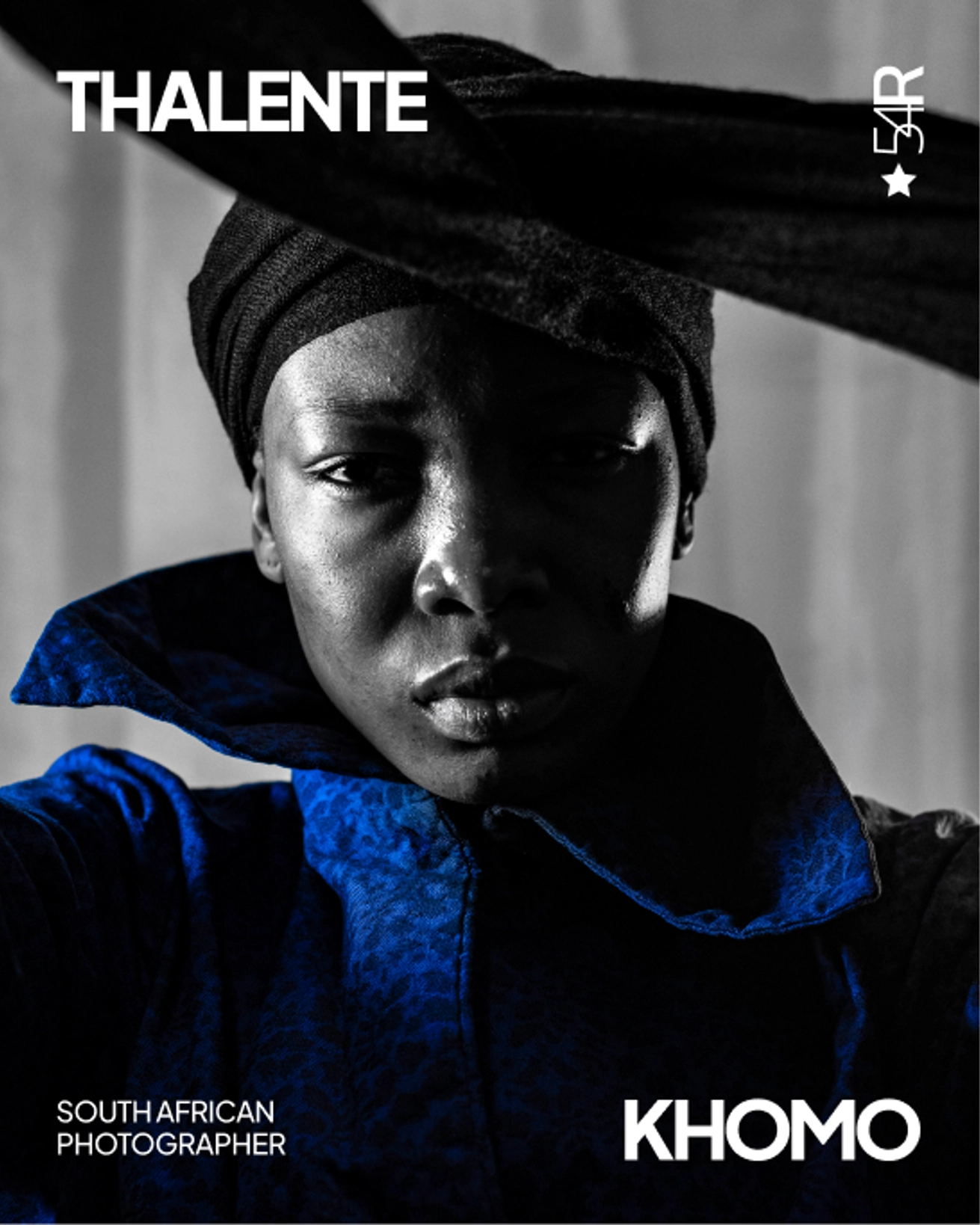
Thalente Khomo: South African conceptual and fine art photographer exploring memory, healing, and womanhood
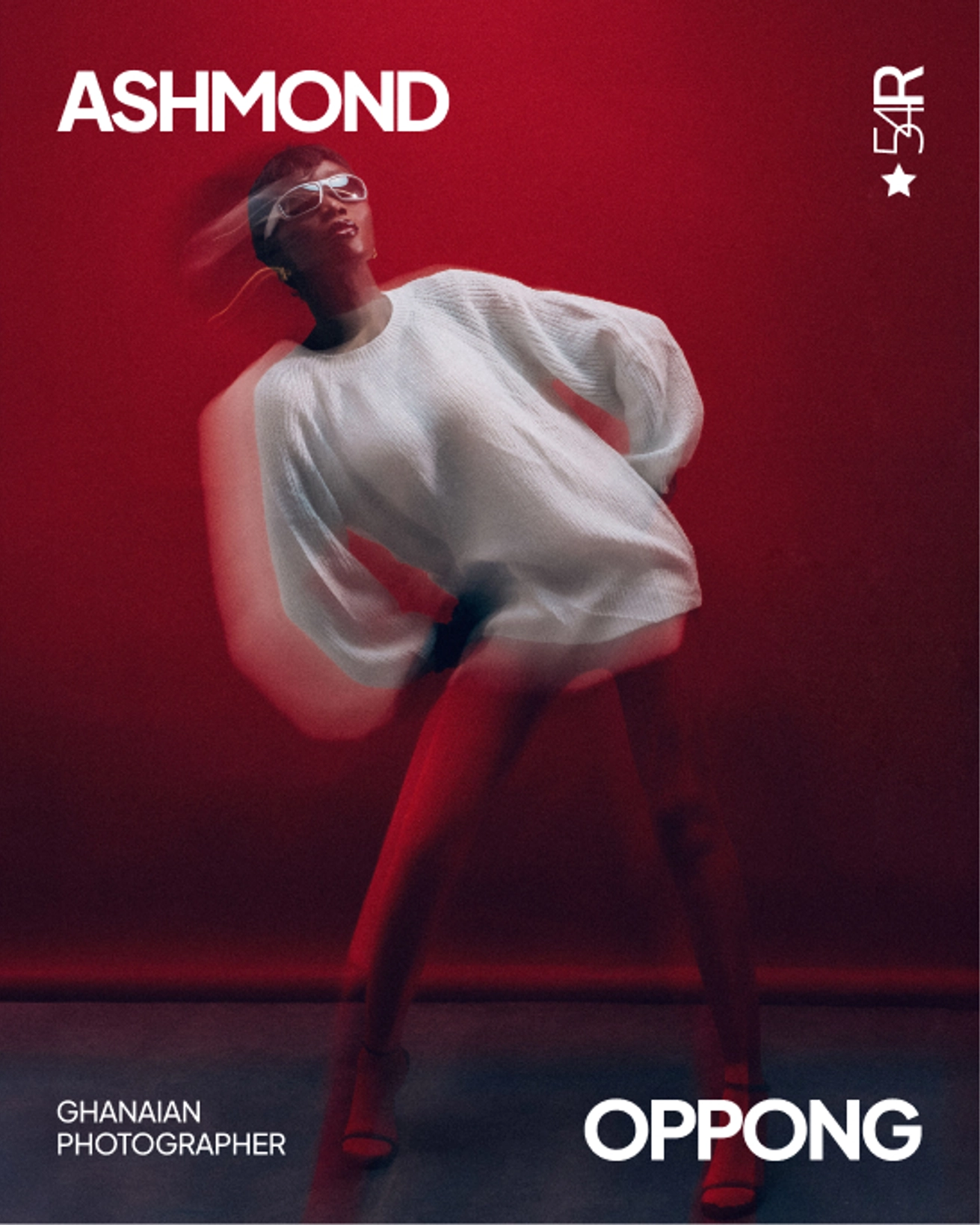
Ashmond Oppong: Ghanaian fashion and lifestyle photographer capturing identity, culture, and visual storytelling
Malachie Ngiama : photographe et directeur artistique congolais capturant la vie urbaine, l’émotion brute et les récits visuels entre rue et cinéma
Kelvin Buckman: Ghanaian lifestyle, portrait and music photographer documenting emotion, culture, and storytelling
Said Manseur: Algerian documentary photographer exploring environmental change, memory, and cultural resilience
Sidy Talla : photographe sénégalais de sport et d’entreprise capturant le rythme, la précision et les instants invisibles
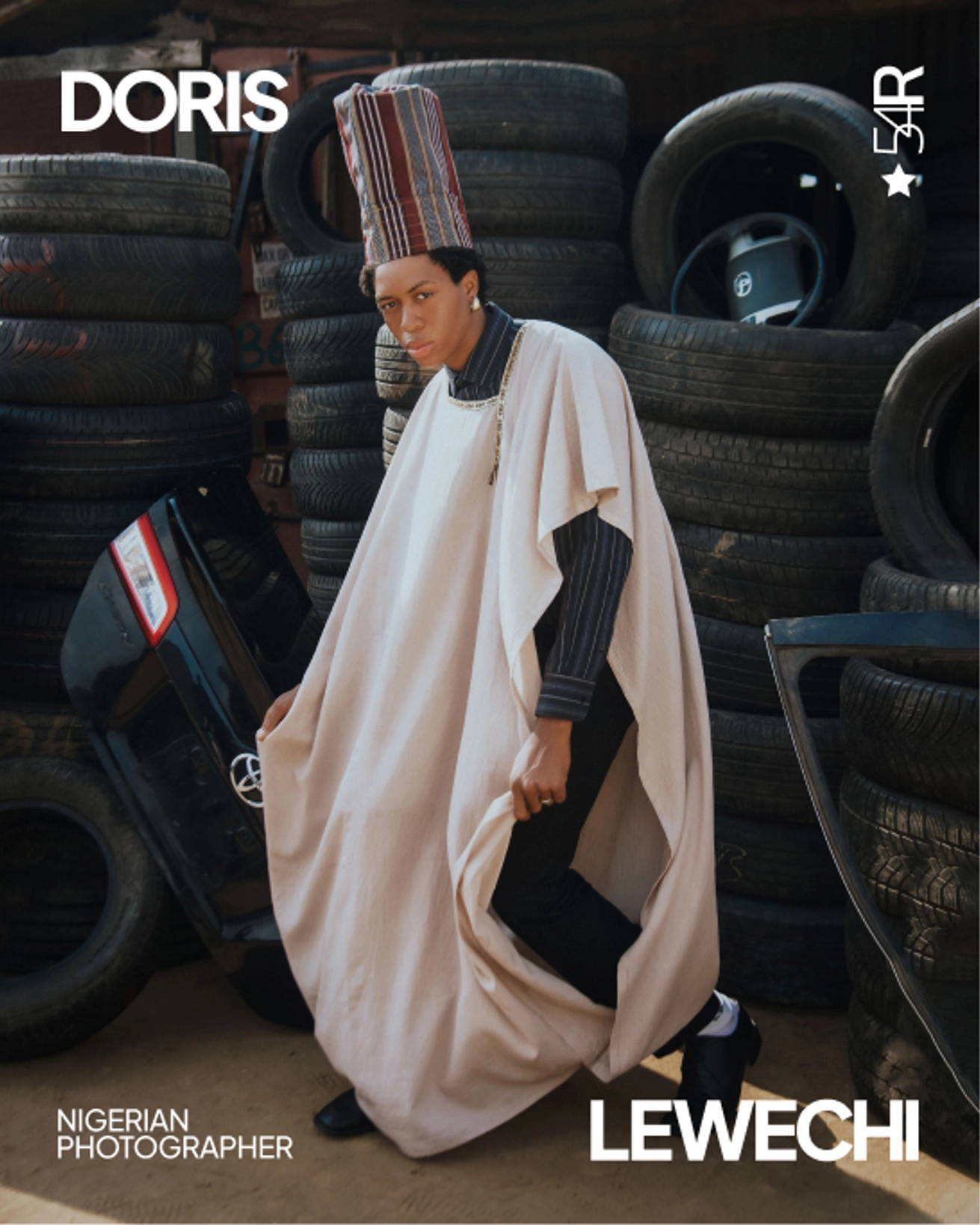
Doris Lewechi: Nigerian photographer elevating the overlooked through narrative integrity and bold editorial vision
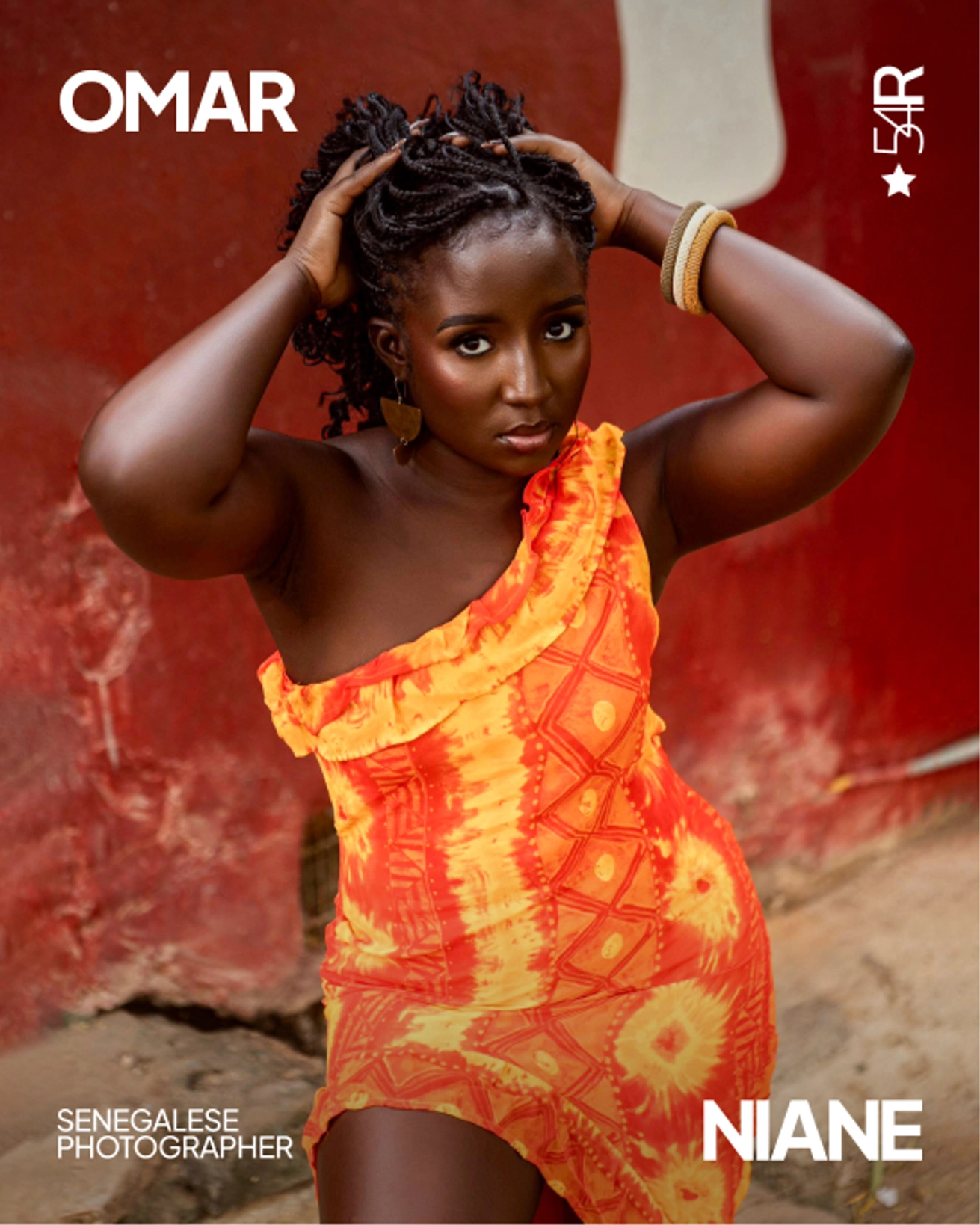
Omar Niane: Senegalese portrait and fashion photographer expressing identity and emotion
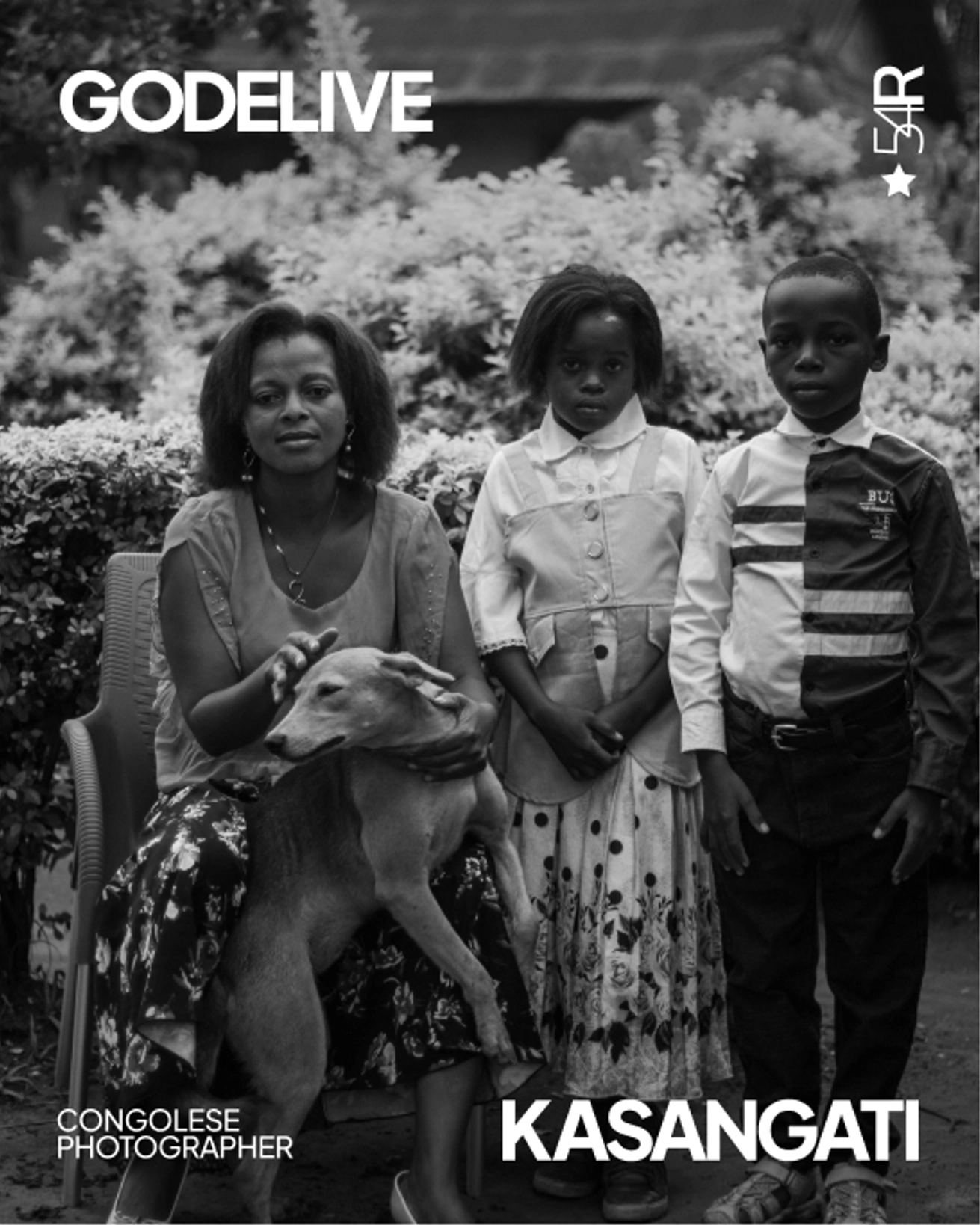
Godelive Kabena Kasangati: Congolese documentary and conceptual photographer exploring bodies, life, and the complexity of image-making
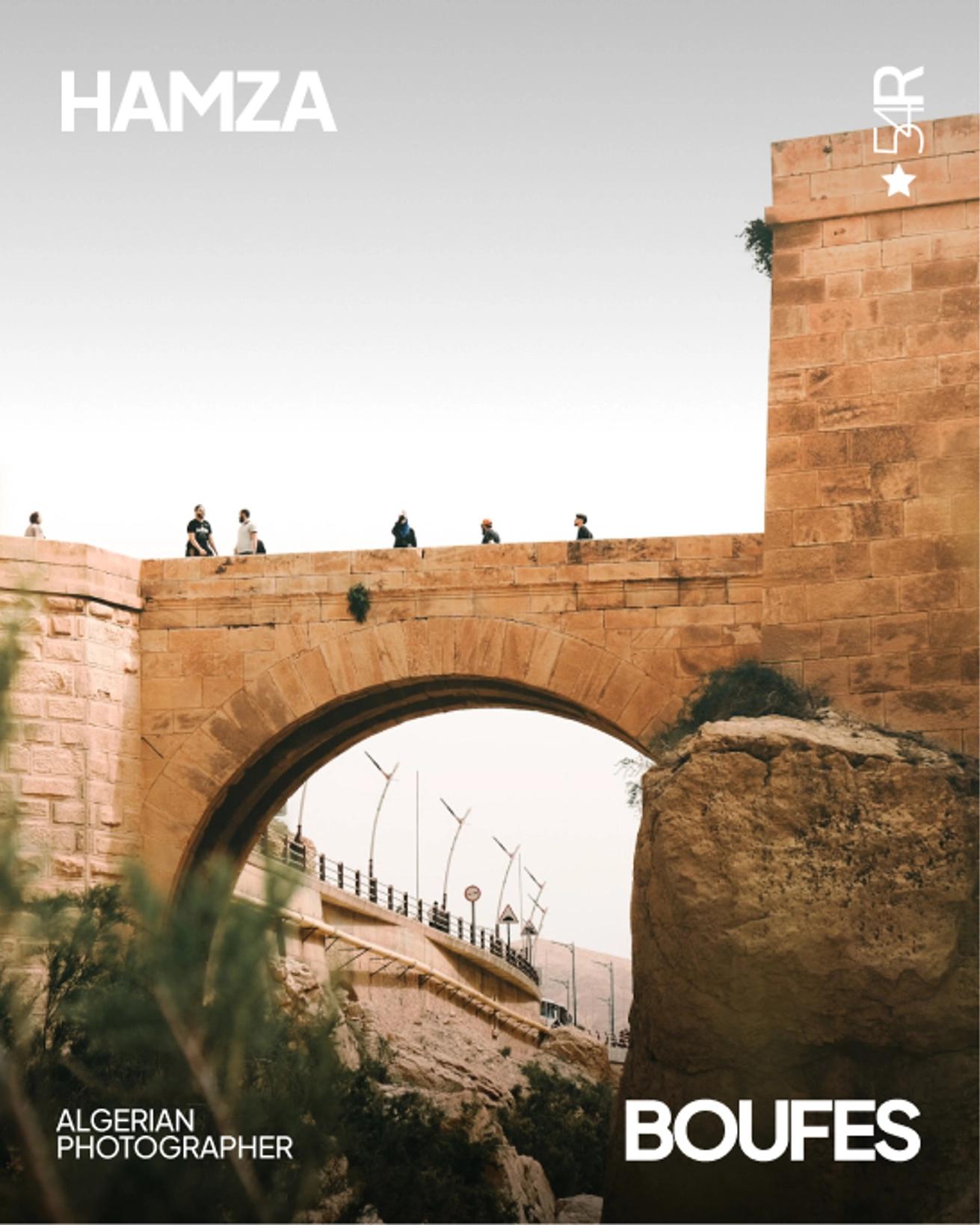
Hamza Boufes: Algerian conceptual and documentary photographer documenting heritage and cultural identity
Niyibikora Wilson: Rwandan black and white photographer capturing real-life stories
Yonatan Nigussie: Ethiopian documentary and street photographer documenting everyday life, culture, and honest human stories
Isaac Gyamfi Assumeng: Ghanaian documentary and portrait photographer exploring memory and materiality
Thando Radebe: South African editorial and conceptual photographer exploring existentialism and identity

Company

The Ruum Africa

Products

RTM

Community

Cookie Policy

© 2026 The Ruum Africa

Built by