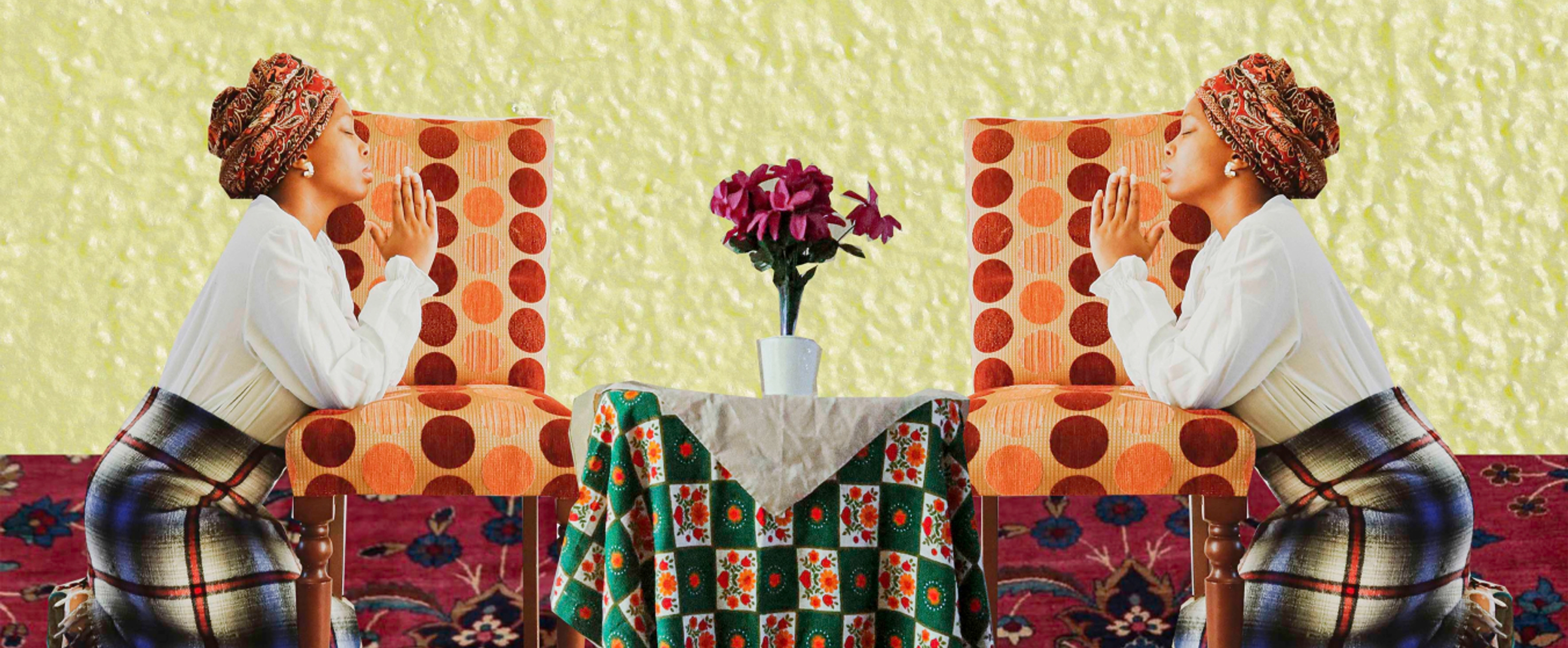
Puleng Mongale: South African self-portrait and digital collage photographer exploring identity, spirituality, and womanhood

10 mins read
Published1 Apr, 2026

"I am an artist who uses photography to create my work... without a photograph, I cannot begin. It is the foundation of my practice."

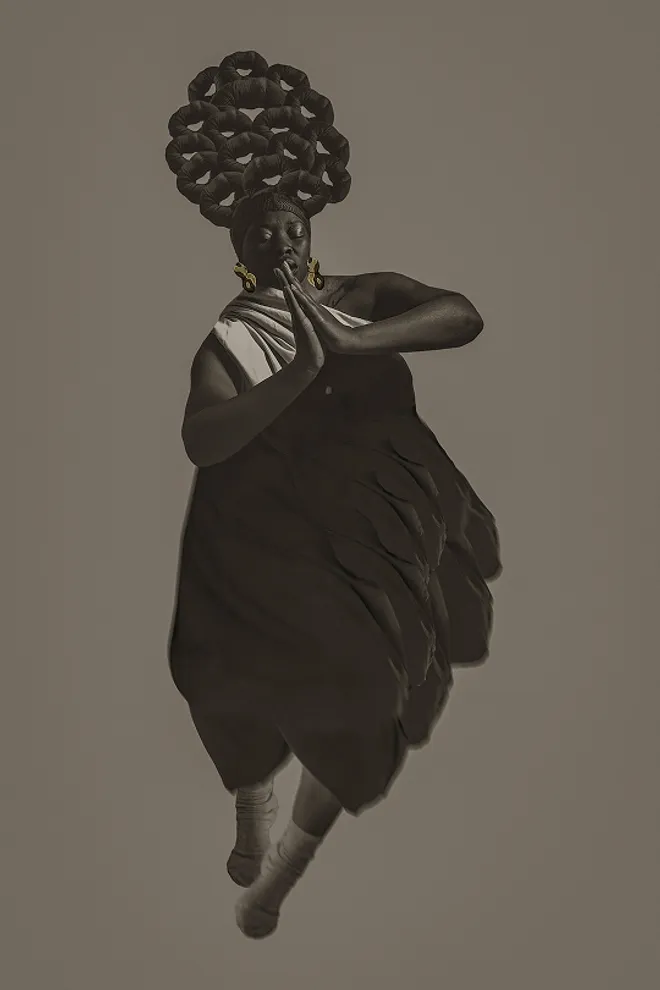
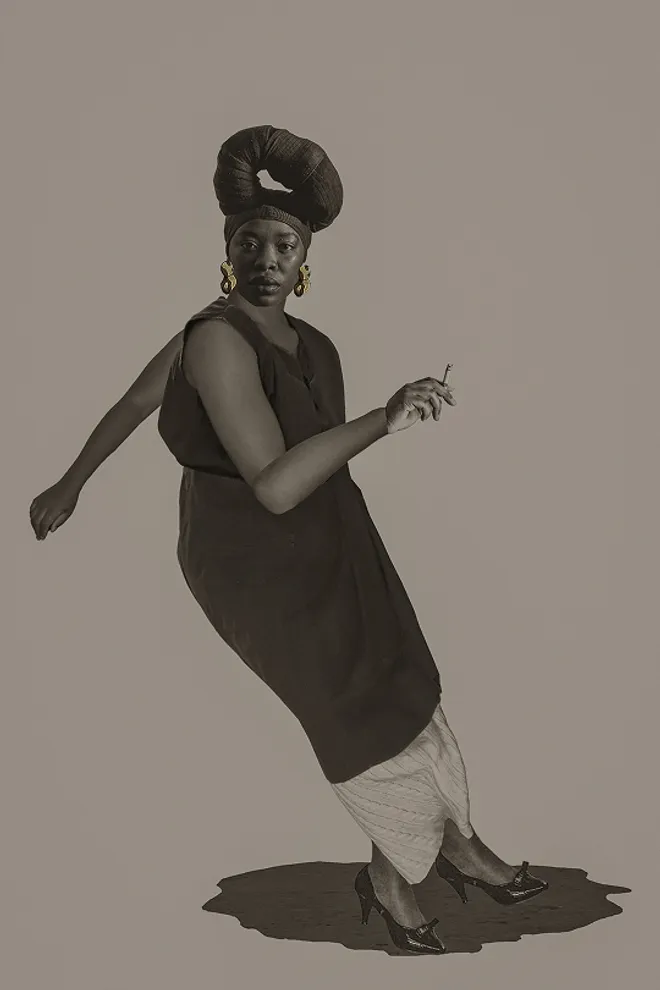
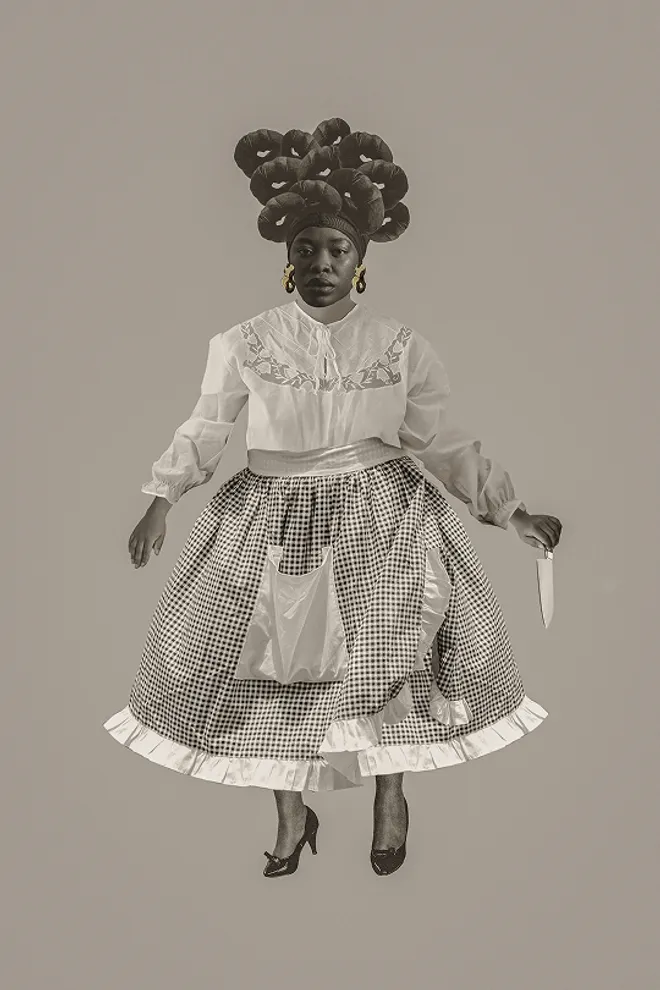
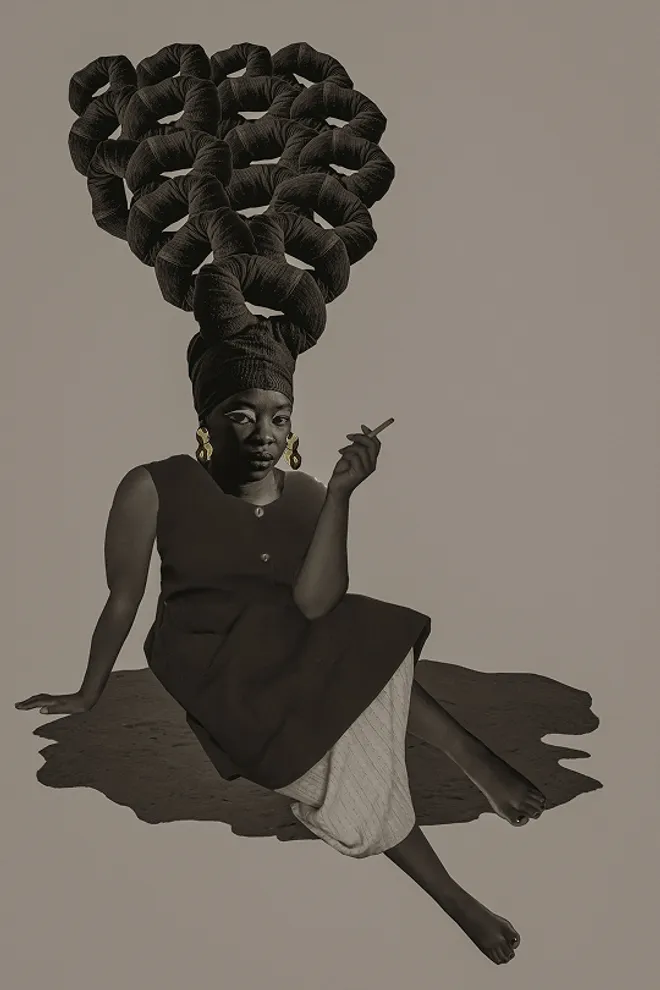
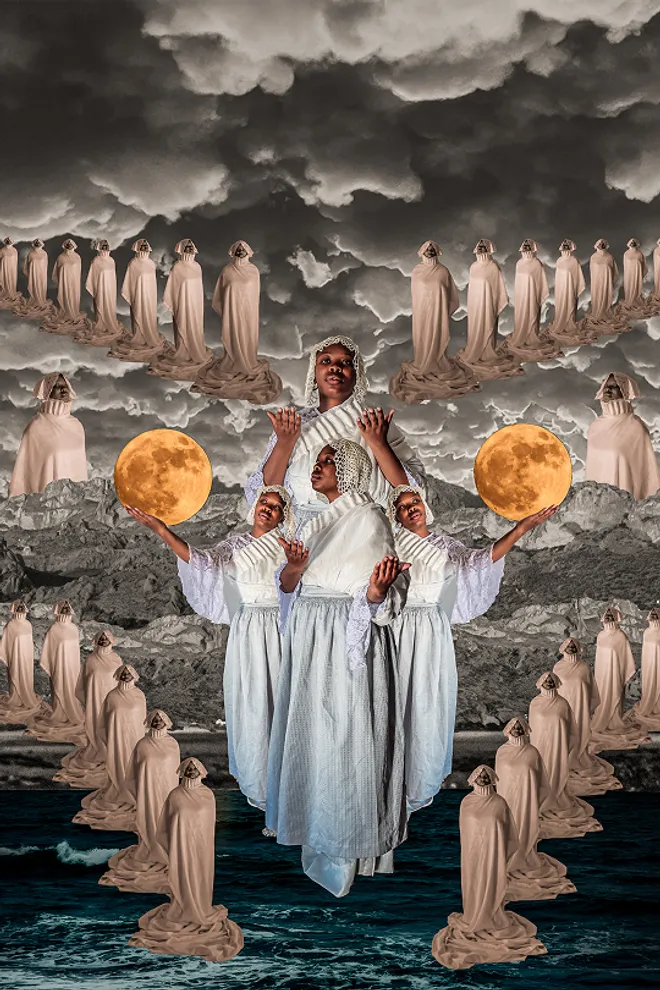
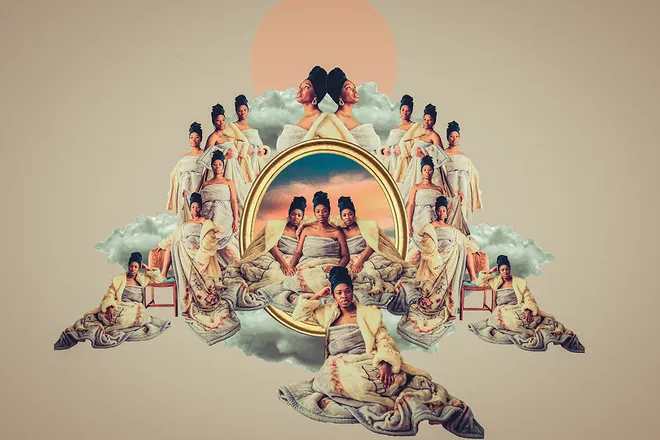
Puleng Mongale is a visual artist whose primary mediums are photography and digital collage. Her practice serves as a means of processing her lived experience as a Black South African woman. For Mongale, art-making is both an act of expression and a tool for survival — an ongoing exercise of agency rather than a vehicle for delivering a fixed message.

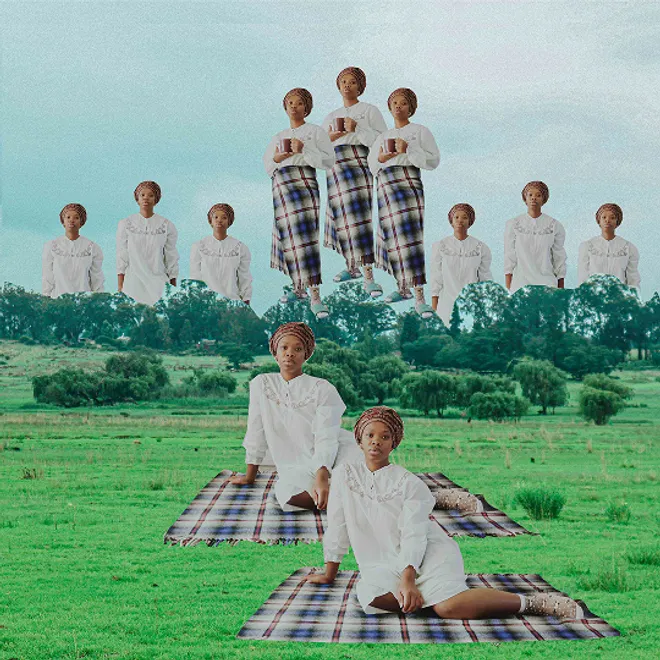
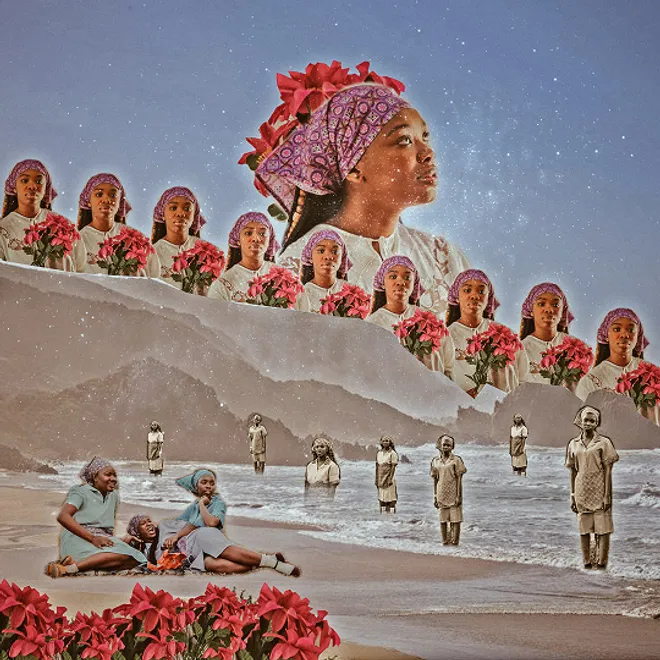
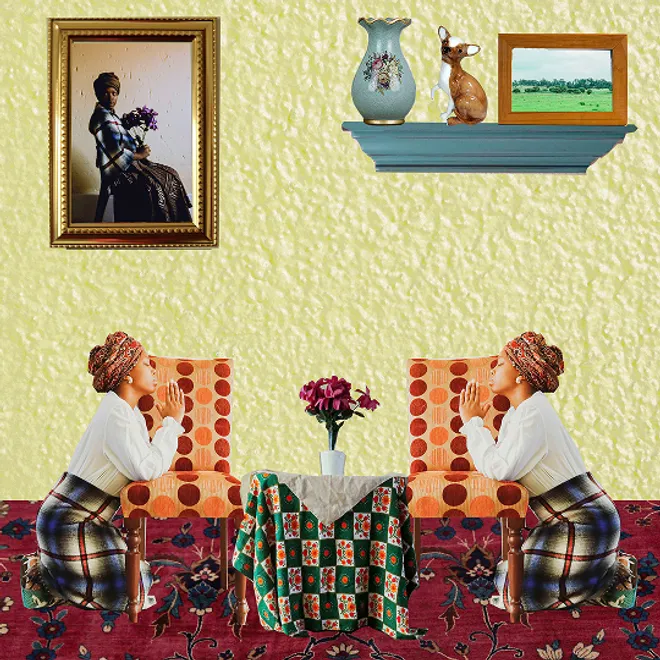
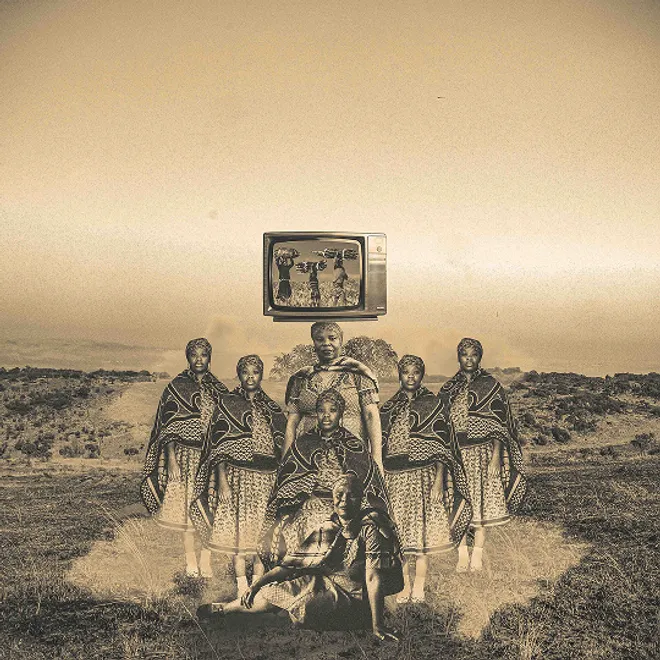
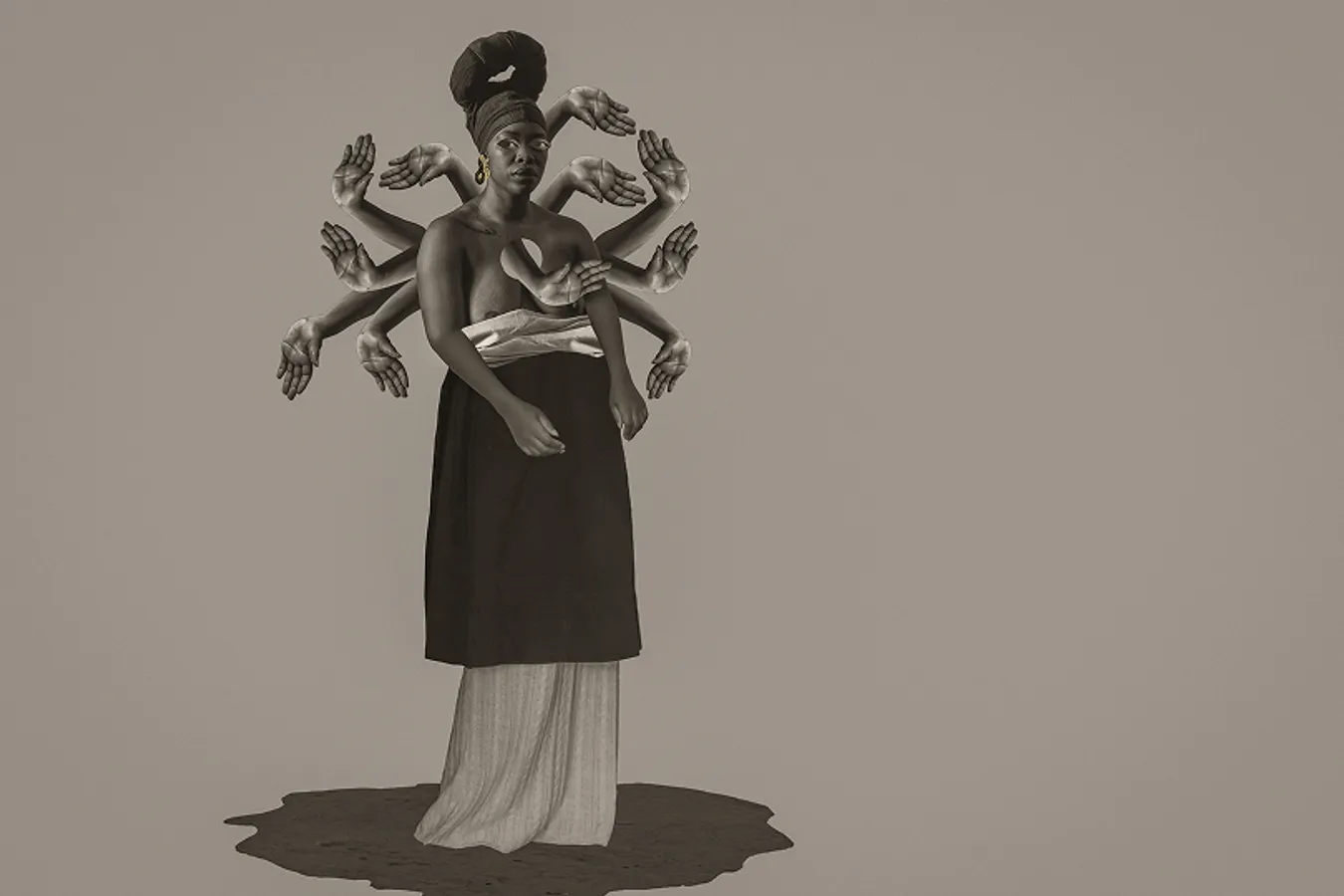
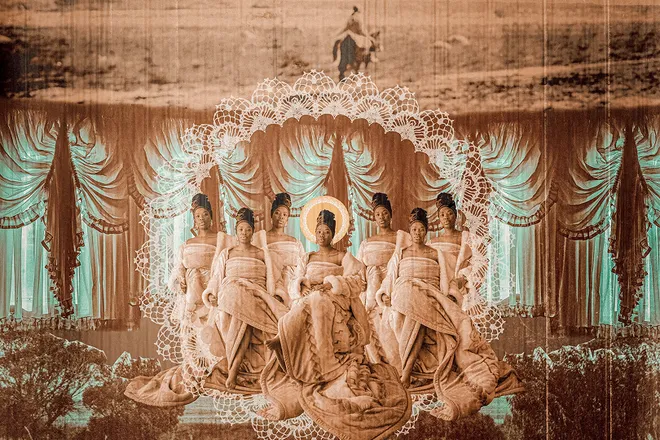
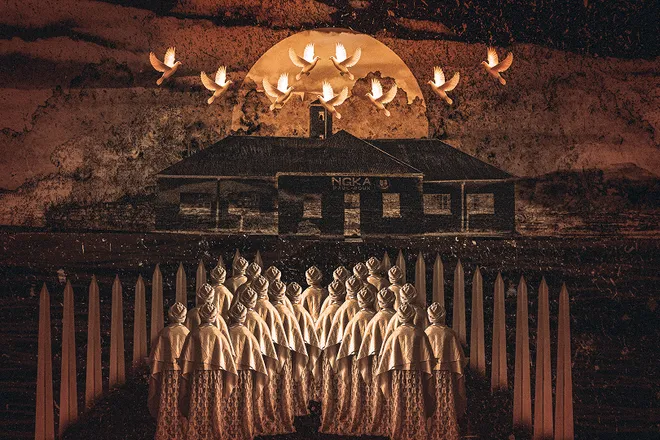
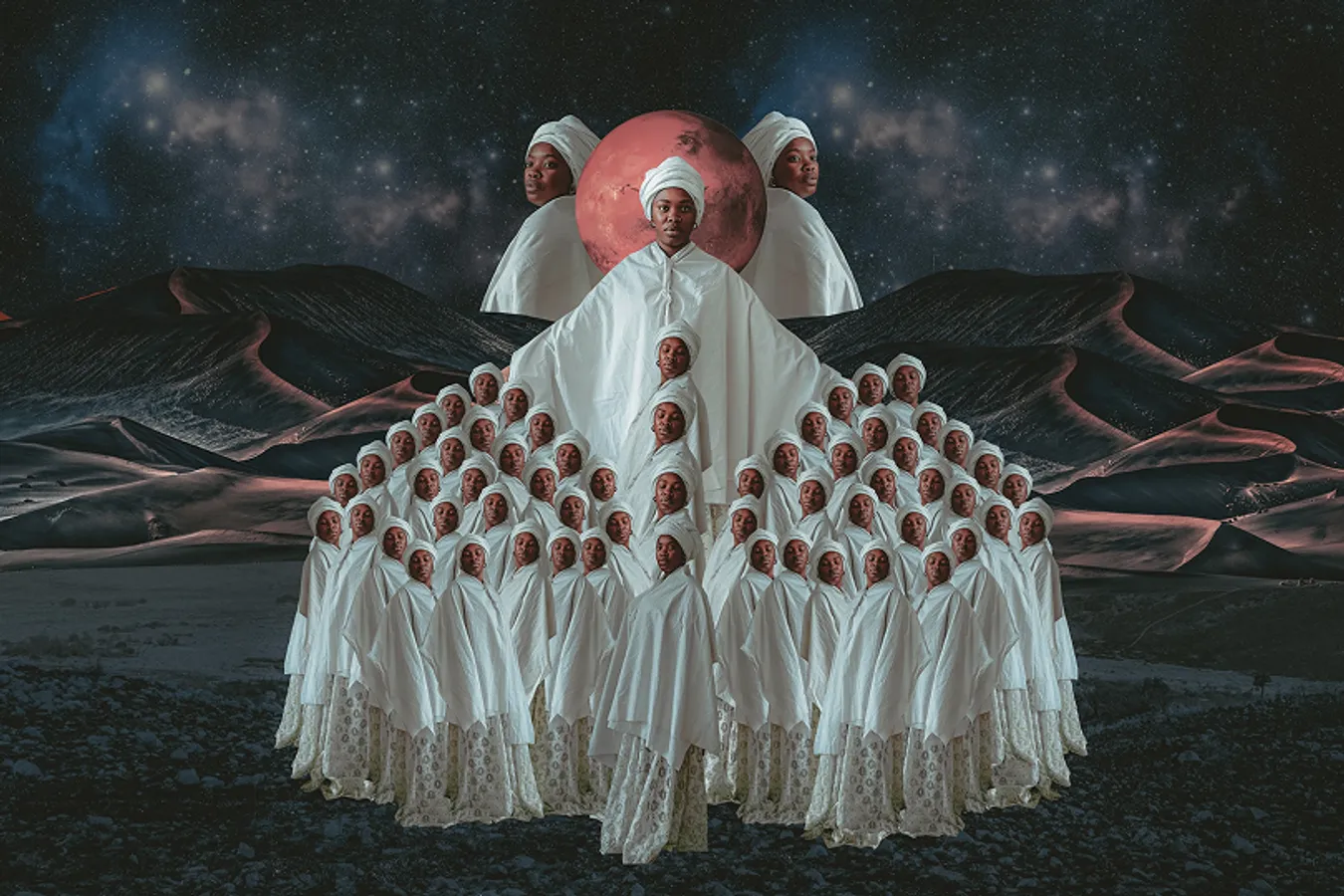
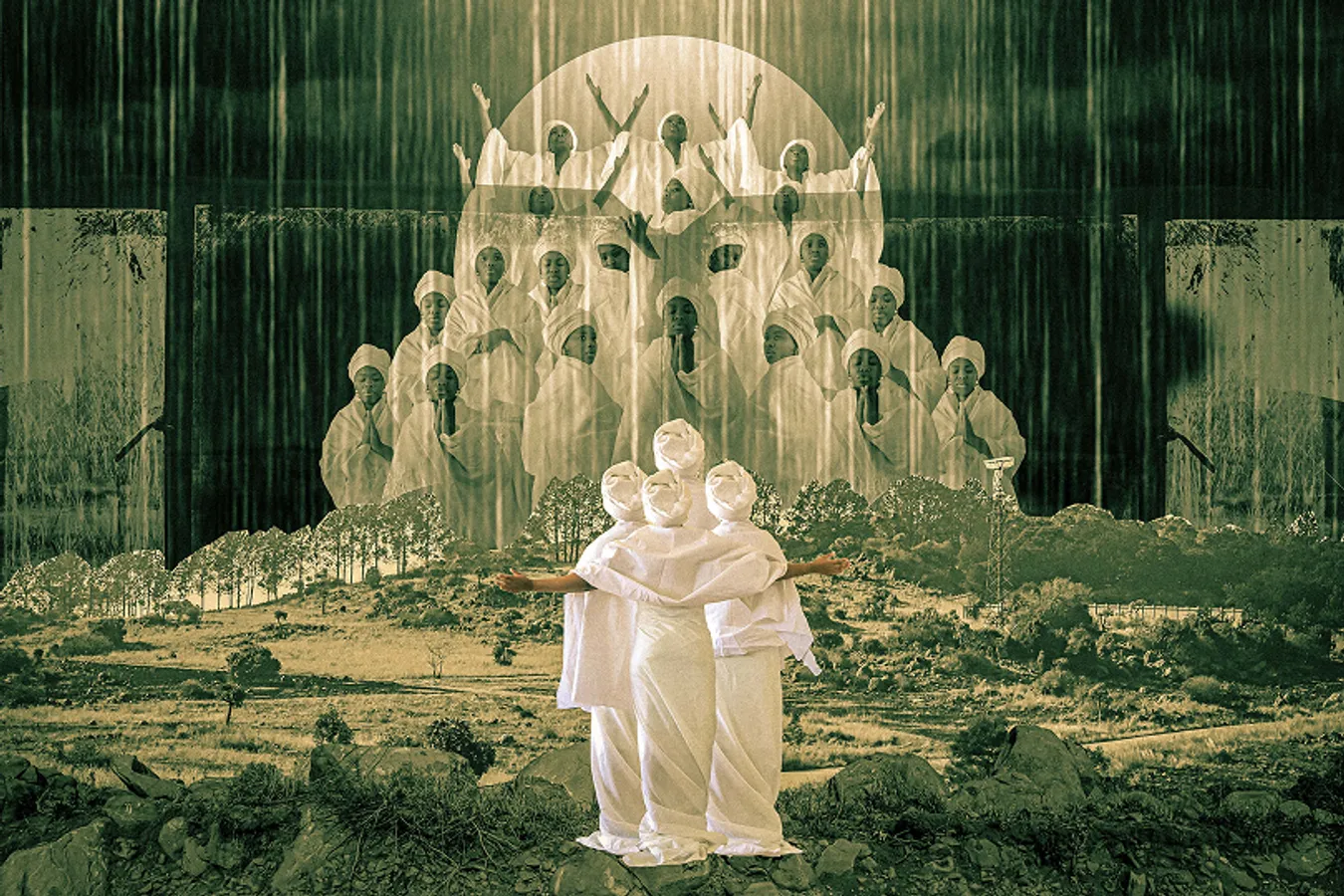
Self-portraiture is both a starting point and a grounding force in Mongale’s practice. Using her own body allows her to be present, vulnerable, and open to the stories she carries, both her own and those of other women. Her digital collages bring together various elements to build layered, textured images that reflect the complexity of her inner world.

Mongale considers herself a storyteller who is less interested in providing answers than in offering moments of encounter. She prefers to reveal rather than explain, allowing viewers the space to interpret and respond in their own way.

Because of this personal approach, her subject matter evolves alongside her own growth and transformation. The themes explored in her work often mirror what she is confronting or reflecting on at a given time, ranging from identity, the concept of home, spirituality, and womanhood to the complex realities of surviving sexual violence.

Mongale’s work has been featured in numerous group exhibitions, including In Conversation with Esther Mahlangu – Hlanganisa Uhlukanise (Johannesburg, 2025), Happy Women’s Day, I Guess (Johannesburg, 2025), Africa Foto Fair (Abidjan, 2023), Abadali Group Show (Johannesburg, 2022), The Fold (London, 2021), Beyond (Cologne, 2021), and Terrains of Possibility at Rele Gallery (Lagos, 2021).

Her practice remains fluid and open, continually shifting in dialogue with her lived experience and inner transformation.
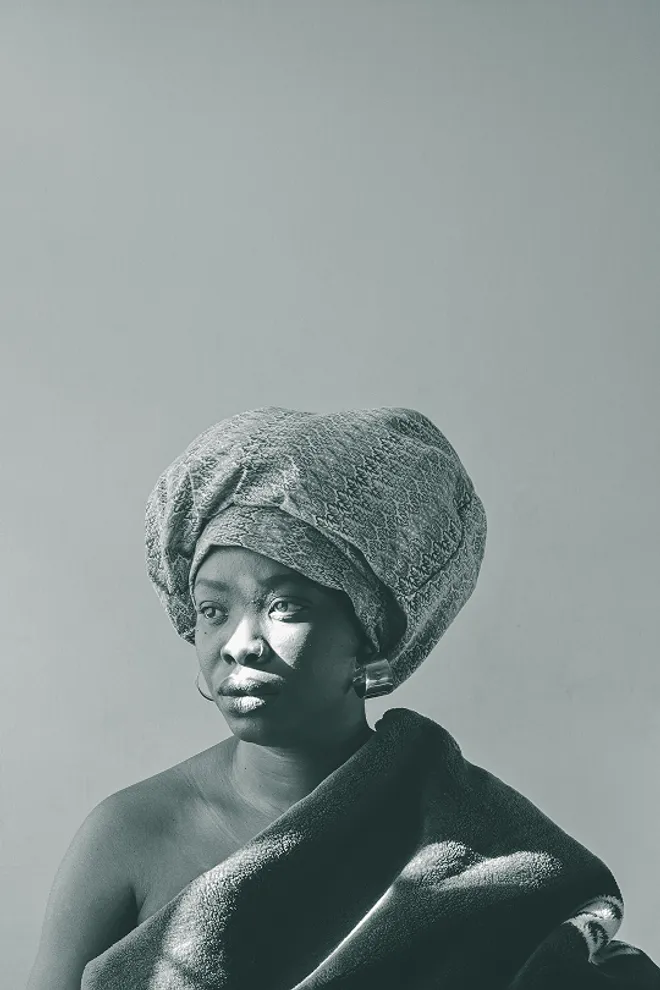
Self-portrait of Puleng Mongale

How would you describe yourself?

I am someone with a big, tender heart who feels a wide range of complex, intense emotions. A big part of who I am is dedicated to feeling things. I care a lot and find it odd when others do not.

Throughout my schooling years, my teachers described me as someone with “her head in the clouds” — if I was not daydreaming, I was getting into trouble for talking. I like to believe this is reflected in my work, especially in my pieces on spirituality, where there is a harmonised sense of chaos. A lot is going on, but there is somehow a sense of peace and stillness that shines through; in many ways, I am exactly like that.

I love poetry; I read a lot of it in my younger years (I still do) and wrote a bit as well. My minimalist pieces are inspired by the essence of poetry and its ability to distil difficult events, topics, emotions, etc., into concise, neat writing.

'tshepang'

How did you get started in photography?

I dropped my first photographic series, Intimate Strangers, in 2016. I collaborated with photographers Bantu Mahlangu and Kgomotso Tleane on the project. I had no desire to photograph at the time; I was into styling and set design, and that was all I wanted to do and be good at. I also used to be a muse for any photographer who would ask; I enjoyed being a subject and styling myself at the time.

In 2019, I became interested in digital collaging and quickly realised I would need a personal image archive to work with — this is when my photography journey began. Initially, I took to photographing public spaces with the help of my partner, Sharp-Lee Mthimkulu, and my friend, Bantu Mahlangu.

They dedicated time to teaching me how to use a camera, and I soon realised that I did not like street photography. I am not a quick person at all. I like to work slowly. This is when I switched to self-portraiture — it gave me room to be technically horrible (a beginner) and felt safe because I could do it in the comfort of my own home. Self-portraiture remains a core element of my practice.

"I really wish we could form a collective voice that advocates for basic working conditions for creators... we could mobilise and start setting standard terms and conditions in our industry."

'manyeloi a phelang'

'lord lift us up'

'holokile'

'cravings of a city girl II'

What type of photography do you specialise in?

To be honest, I do not consider myself a photographer, and I understand that this platform is for spotlighting photographers, but hear me out: photography is an important component of my practice, but it is not my final output — my final output is photographic collage. Without a photograph, I cannot begin. It is the foundation of my practice.

If being able to make an image makes me a photographer, then I will take it — but I do not believe it is that simple. I am an artist who uses photography to create my work, and I guess this speaks to the different ways photography can be used.

'not to be touched'

What are the main themes that inspire your photography?

I explore ideas ranging from identity, the concept of home, spirituality, and womanhood to the complex realities of surviving sexual violence.

My themes are always changing; I am a person before I am an artist, and my practice is not separate from who I am. I have been creative since I was a child — my work is really a form of expression for me. I like to believe I am not the only one who feels and experiences things the way I do. By not separating myself from my work, I think that is what makes people connect with it: sincerity. I am not always the smartest, most informed or even correct, but I am always sincere.

What moment in your career are you most proud of?

I feel really good when I make a sale! I put a lot of work into my art; it is a tough thing to do for a living, and the thought of switching careers is always on my mind. I am most proud when I make a sale and my bills are paid.

"I am someone with a big, tender heart who feels a wide range of complex, intense emotions... my practice is not separate from who I am."

'borena'

'holy gang'

What's the biggest challenge you've faced as a photographer?

The absence of structure — not only in photography but in the creative sector as a whole — contributes to the inconsistencies we often find ourselves dealing with. There is no collective energy in our sector, and it is contributing to our suffering. Everyone is just hoping to be the exception — the artist who will make money and become part of the 1%, which baffles me because that is not sustainable.

I really wish we could form a collective voice that advocates for basic working conditions for creators. Even something as simple as a showing fee! I wish we could mobilise and start setting standard terms and conditions in our industry.

'ha ra lahloa'

If you could collaborate with anyone, who would it be and why?

I would love to work with women from older generations in whichever community I find myself living in, through some sort of skills exchange. I could teach them how to photograph, and they could teach me an indigenous skill they have — like pottery, knitting, painting, or something else. I do not know exactly what the process would entail, but it is definitely something I am thinking about.

'a moving prayer'

'shaken but steady'

'ready for anything'

'not a good girl'

What do you think of the 54Ruum?

54Ruum is a great platform that showcases a myriad of photographers across the African continent. I have enjoyed reading stories and seeing the incredible skill and artistry of photographers I did not know about.

How's the photography and art space in South Africa?

To be honest, I do not think I qualify to respond to this question. I have been a bit isolated from the industry on a bigger scale. I shared a studio in Johannesburg with three other creatives until I moved to Durban in late 2022. I have been working from home ever since, and now I find myself in Lusaka, so I cannot really say.

However, I will say that we used to see a lot more collaboration among photographers and other creative practitioners. There has been a shift in the past five years.

We no longer share each other’s work on social platforms. I remember a time when we supported each other more and worked together, and now it seems uncool to share each other’s work just because we can. Or maybe I am just isolated. I could be wrong.

'indlela ibuzwa kwabaphambili'

Advice someone considering a career in photography

When I was younger, I would probably tell people to give it their all and all that jazz. I am older and wiser now. Be multi-skilled! Do not give up a stable income to pursue a passion without a plan. I am not saying you should stay in a job you hate, but you should at least have a strategy for making money from what you love.

Creating is a full-time job, and it can easily breed resentment when it yields nothing in return. As artists and creatives, we often make money an afterthought, but it should not be. We need to be intentional about how we will keep ourselves fed and our bills paid; it cannot depend on luck.

'bophelo bo bonolo'

Credits

Text

Esther Ayoola

Curation

guvnor

SHARE THIS STORY

Join Our Community

More Stories

Bernard Owusu Boateng: Ghanaian editorial and commercial photographer exploring modern culture, music, and everyday human emotions
Thalente Khomo: South African conceptual and fine art photographer exploring memory, healing, and womanhood
Ashmond Oppong: Ghanaian fashion and lifestyle photographer capturing identity, culture, and visual storytelling
Malachie Ngiama : photographe et directeur artistique congolais capturant la vie urbaine, l’émotion brute et les récits visuels entre rue et cinéma
Kelvin Buckman: Ghanaian lifestyle, portrait and music photographer documenting emotion, culture, and storytelling
Said Manseur: Algerian documentary photographer exploring environmental change, memory, and cultural resilience
Sidy Talla : photographe sénégalais de sport et d’entreprise capturant le rythme, la précision et les instants invisibles
Doris Lewechi: Nigerian photographer elevating the overlooked through narrative integrity and bold editorial vision
Omar Niane: Senegalese portrait and fashion photographer expressing identity and emotion
Godelive Kabena Kasangati: Congolese documentary and conceptual photographer exploring bodies, life, and the complexity of image-making
Hamza Boufes: Algerian conceptual and documentary photographer documenting heritage and cultural identity
Niyibikora Wilson: Rwandan black and white photographer capturing real-life stories
Yonatan Nigussie: Ethiopian documentary and street photographer documenting everyday life, culture, and honest human stories
Isaac Gyamfi Assumeng: Ghanaian documentary and portrait photographer exploring memory and materiality
Thando Radebe: South African editorial and conceptual photographer exploring existentialism and identity

Company

The Ruum Africa

Products

RTM

Community

Cookie Policy

© 2026 The Ruum Africa

Built by