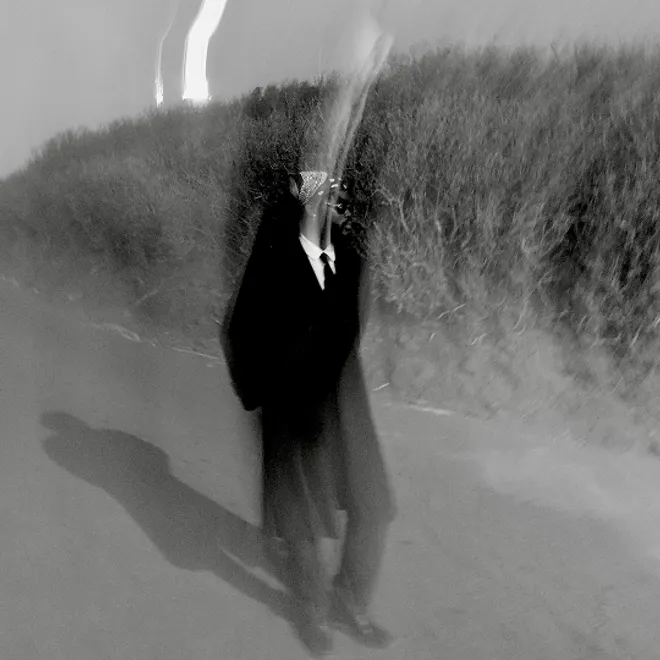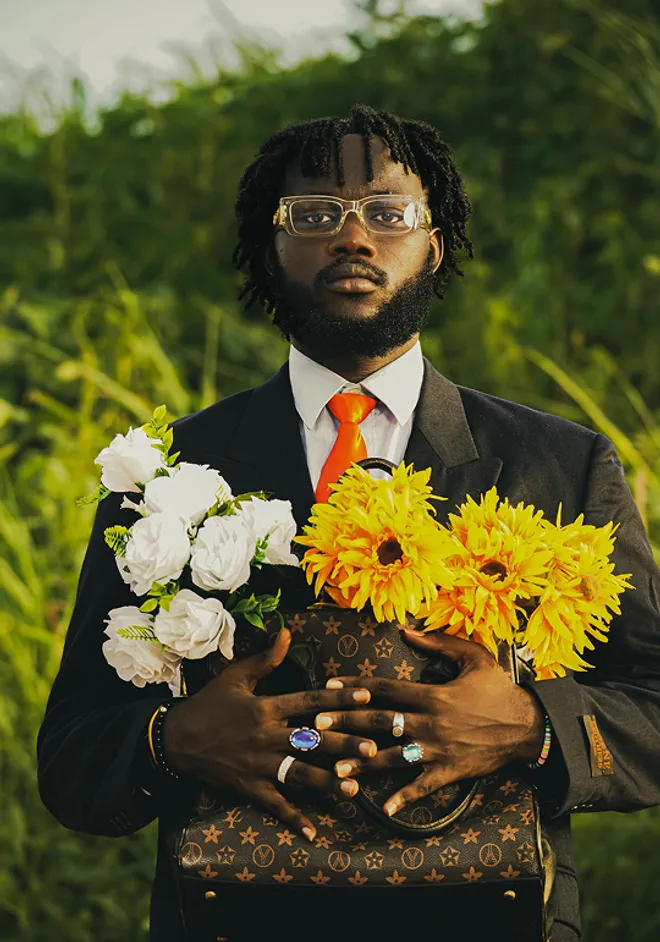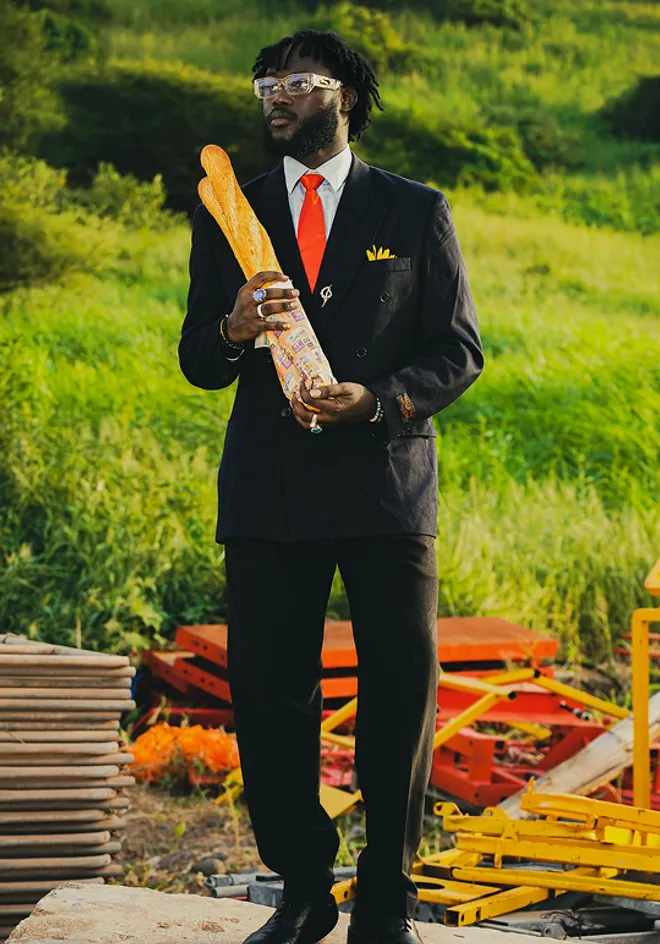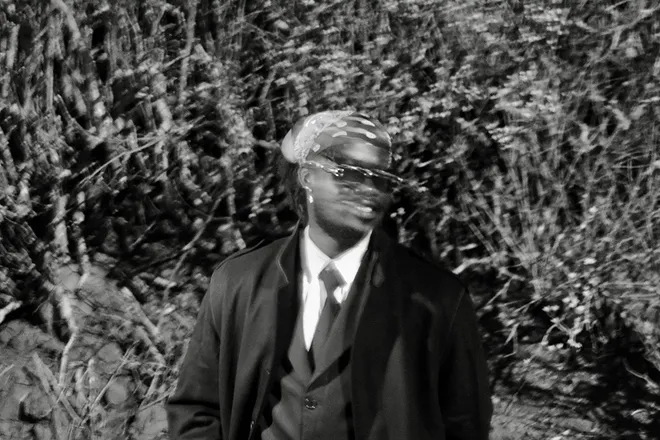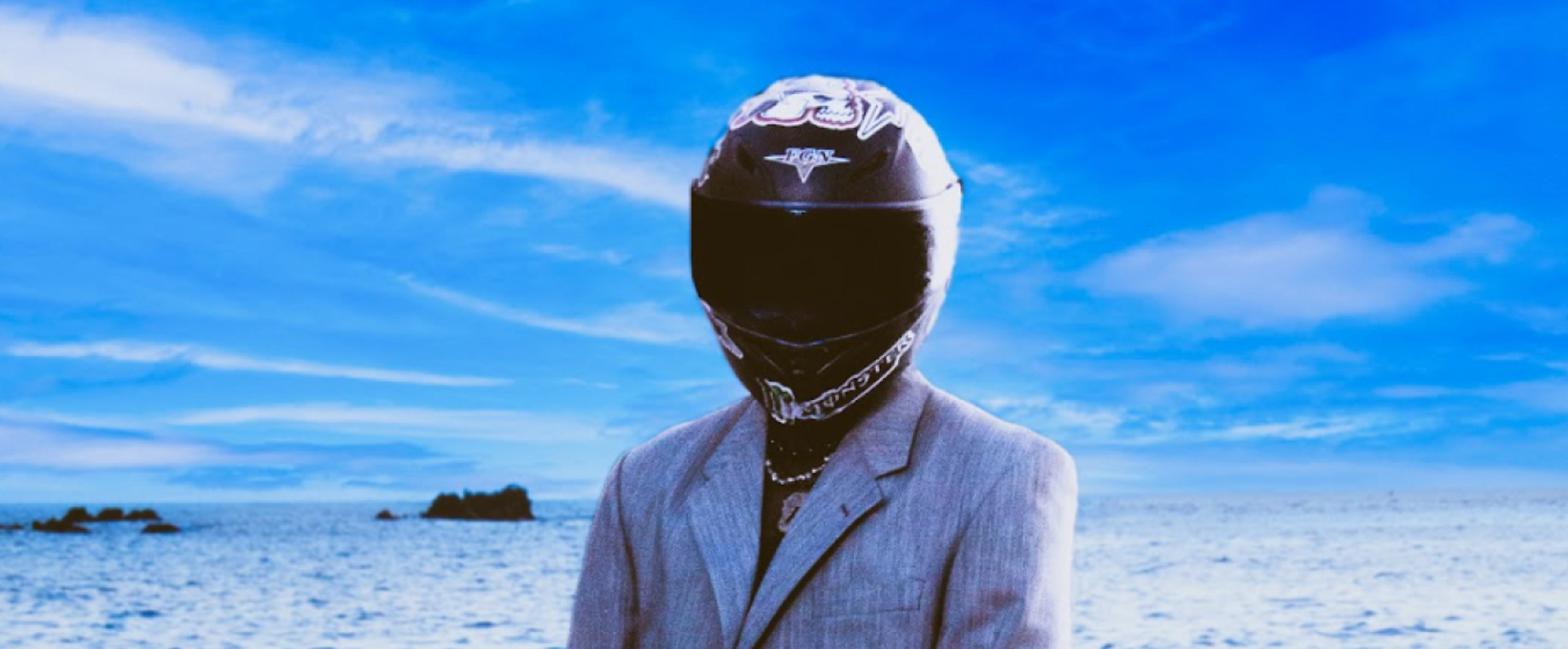
Ousmane Dembele: Senegalese art director capturing melancholia and natural themes | 54Ruum Spotlight

5 mins read
Published4 Mar, 2026

"I use my presence to convey subliminal messages, moving beyond standard 'pretty' poses to create images that feel like a dream or a haunting memory."

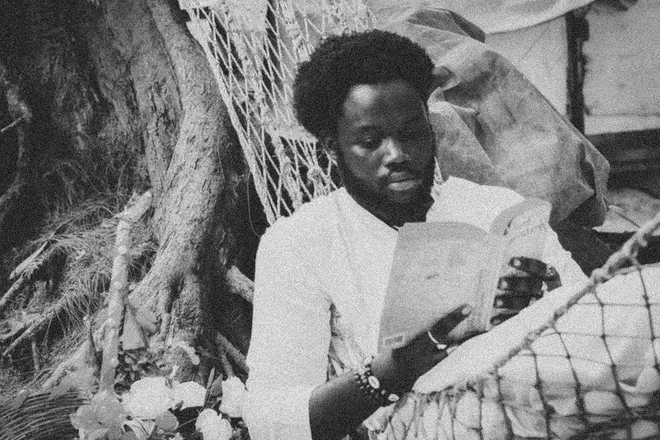
Ousmane Lior Dembele is a multi-talented Senegalese creator and a graduate of the English Department whose work exists at the intersection of fashion, performance, and visual art. Although he was a gifted illustrator from childhood, his creative path experienced a period of silence when he stopped drawing in high school due to academic pressure.

He eventually rediscovered his voice through comedy at the Limamoulaye English Club, which provided the confidence necessary for him to step in front of the lens. Today, he is the founder of the clothing brand Lior House and a conceptual model who uses his body to explore complex psychological themes.
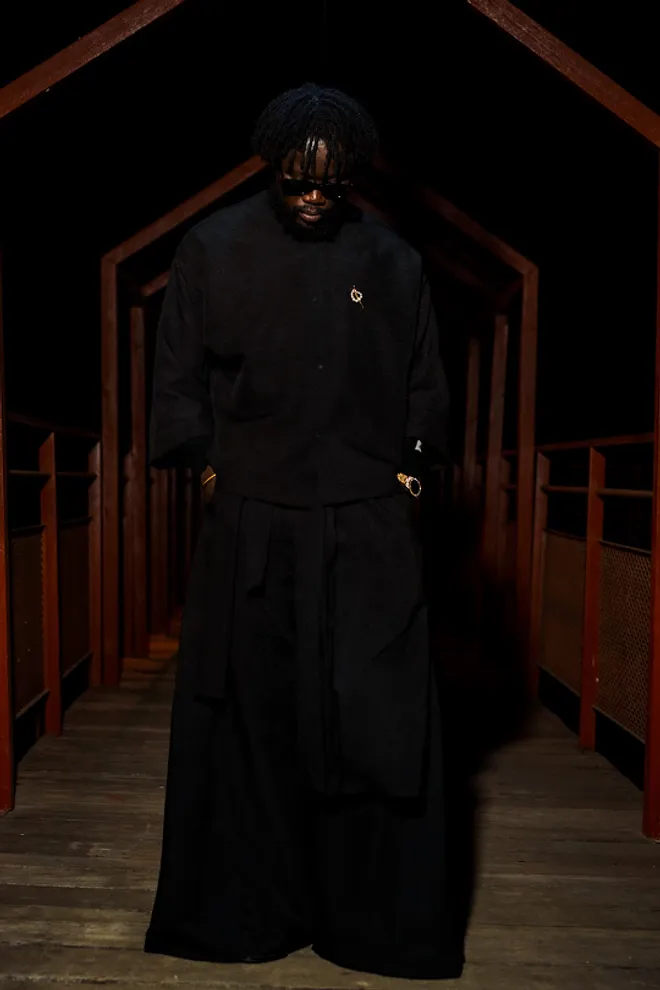
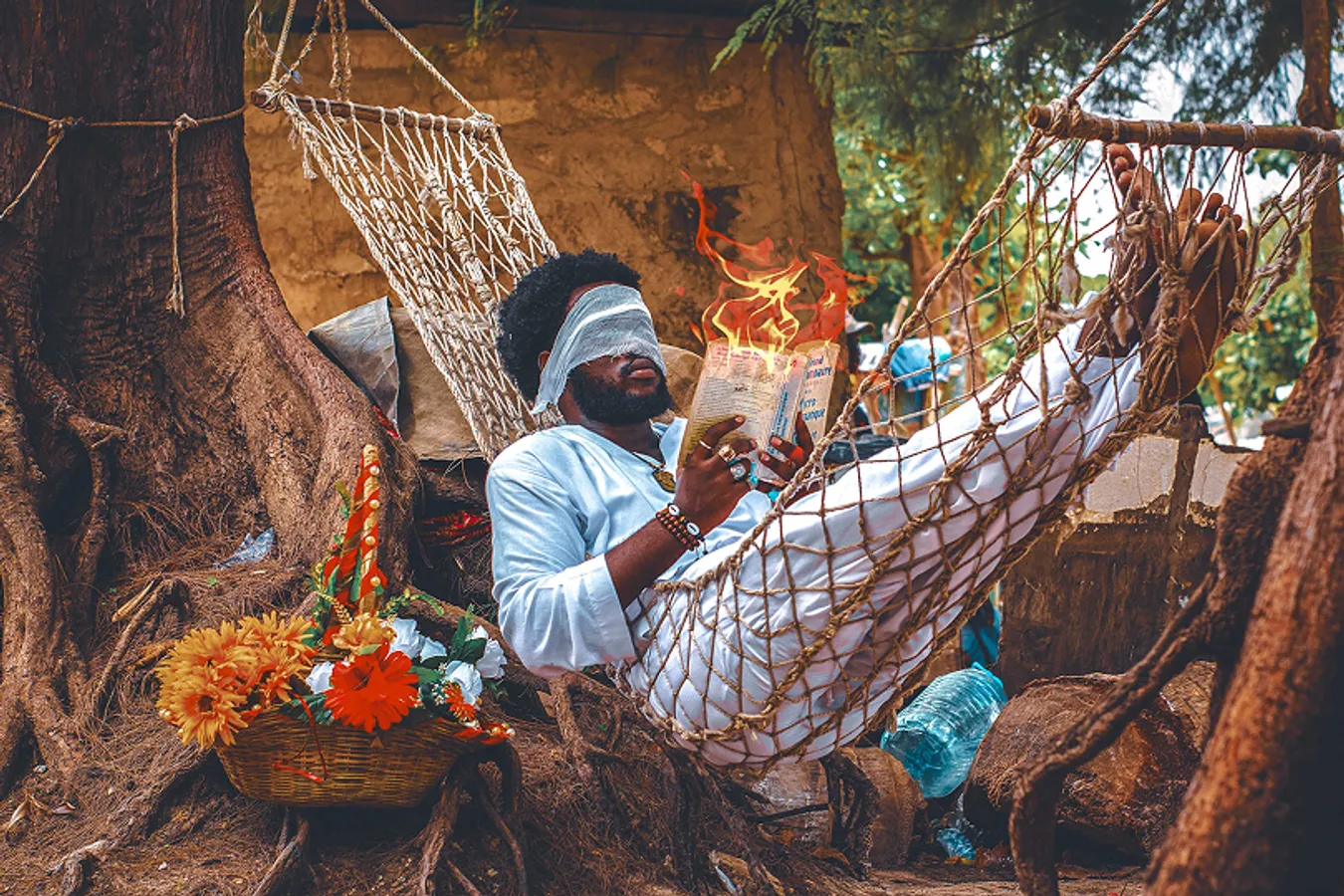
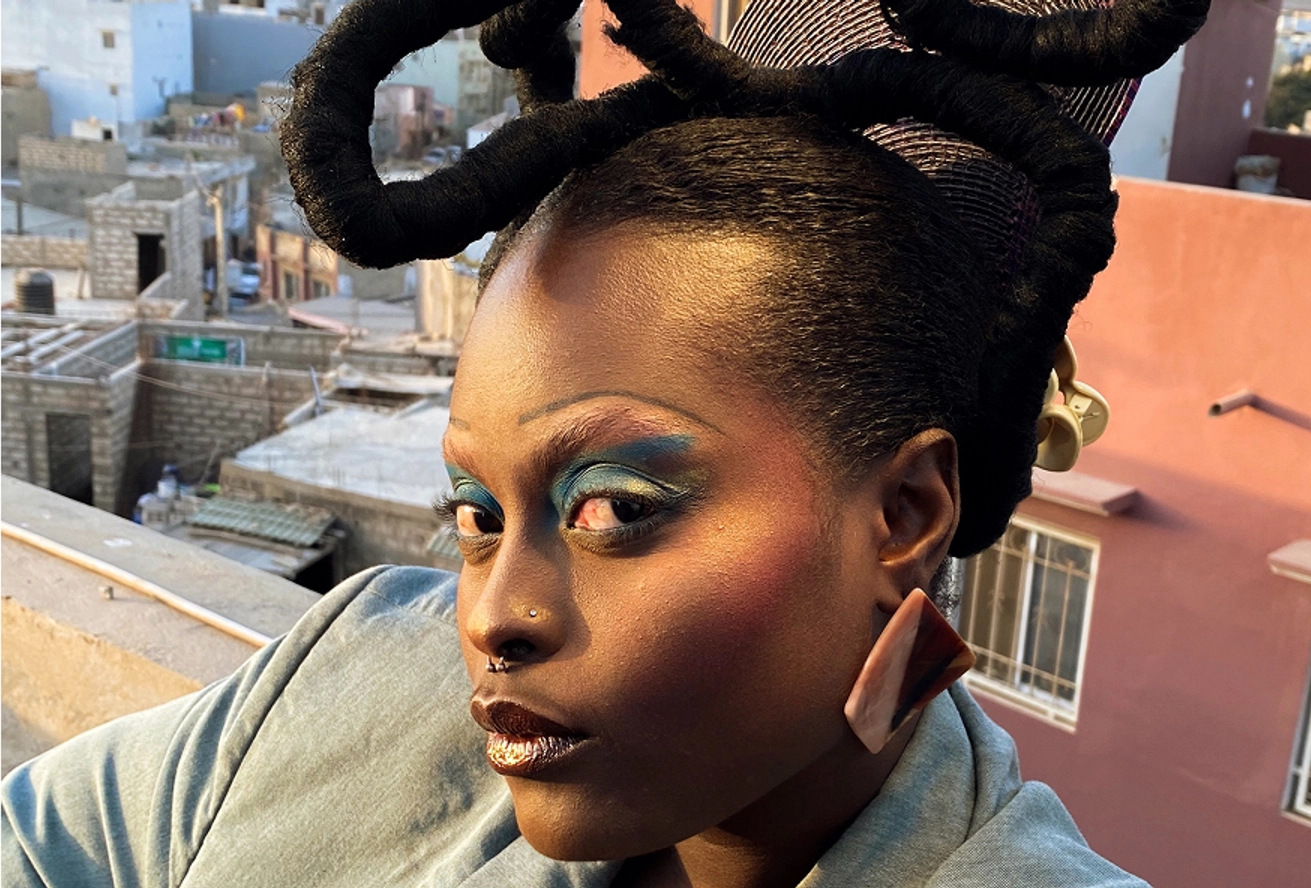
Ousmane Lior Dembele - Senegelese art director and model

How would you describe yourself in a few sentences?

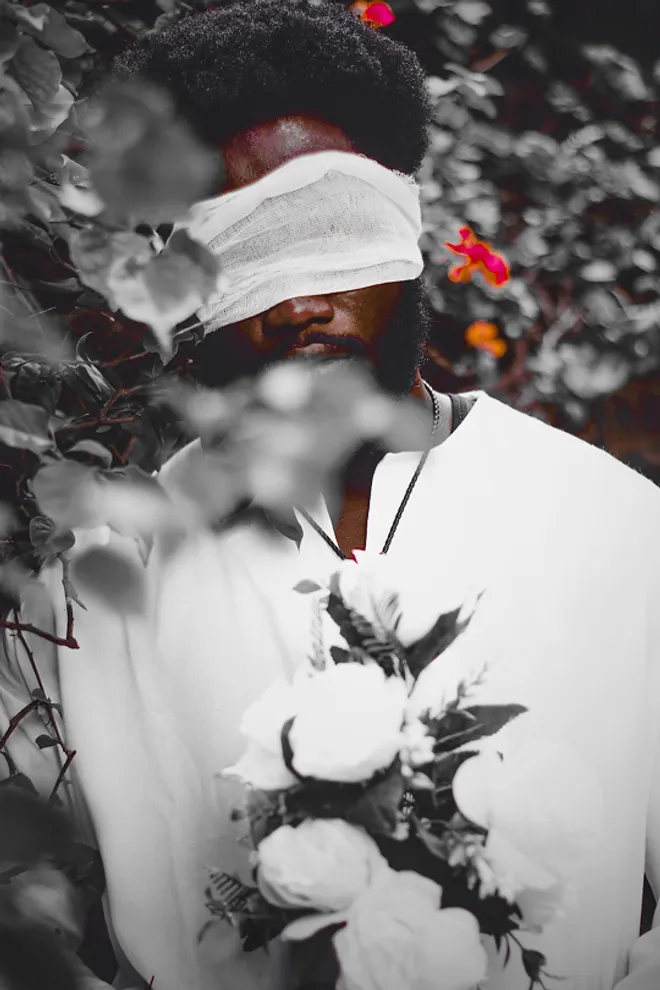
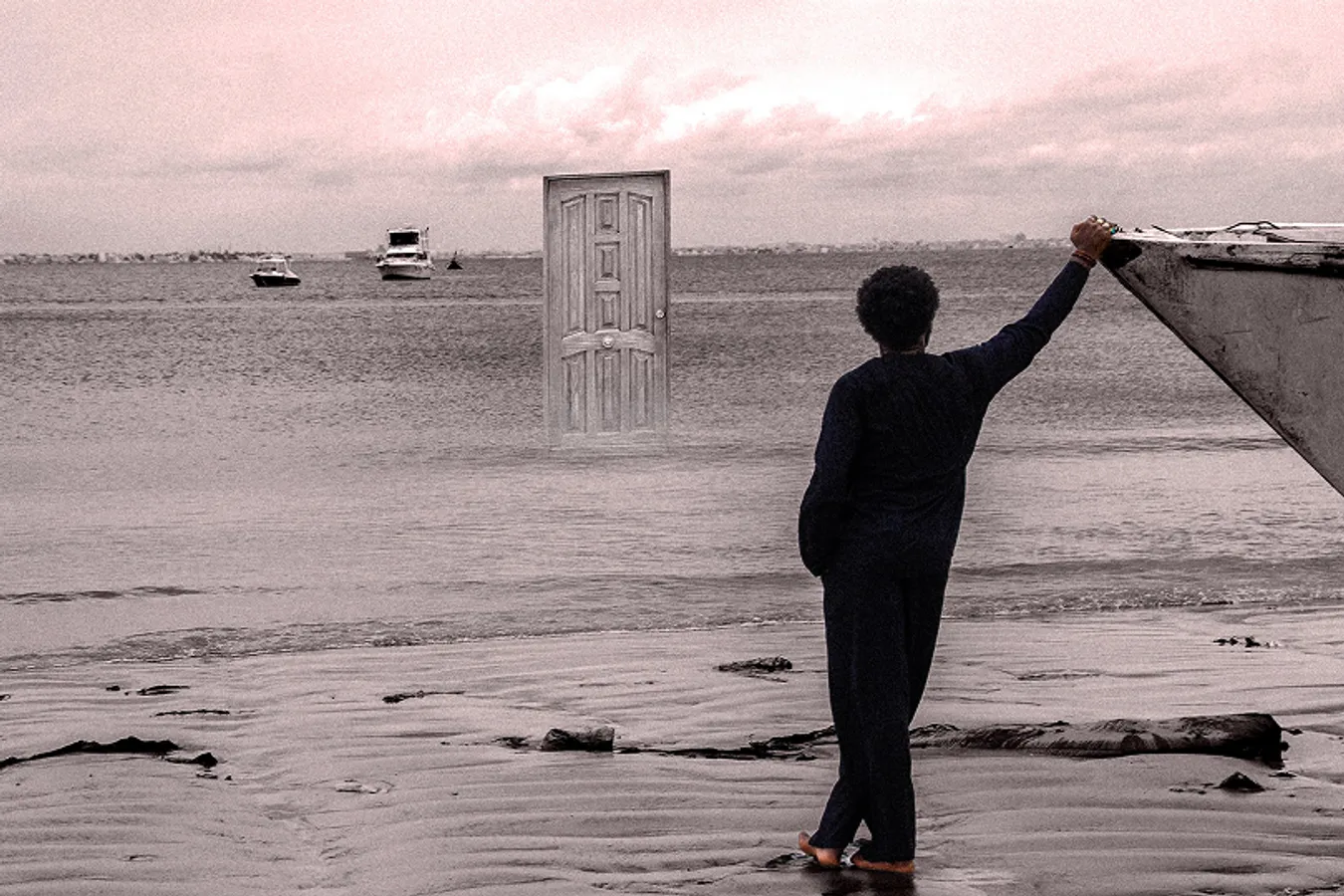
I am an indefinable creator who uses modelling as a canvas for raw, therapeutic expression. My work is a deliberate blend of surrealism and eccentricity, through which I transform past insecurities and melancholia into powerful visual narratives. I refuse to be confined to a single identity, bridging the gap between my linguistic background and avant-garde visual storytelling.
Fun Fact: I once completely gave up on art to focus on my studies due to a fear of failure. It took joining a comedy club to give me the "stage legs" and confidence I needed to finally stop hiding and start modelling. I had to learn to make people laugh before I felt brave enough to make them think through my melancholic art.

How did you get started in photography?

My journey began in 2024 during my inaugural photo session. It was a pivotal moment of vulnerability; after years of feeling ashamed of my body and my face due to lifelong harassment, I felt a deep need to present myself to the world. That first session was not just about taking pictures — it was about reclaiming my image. It was the moment I realised that being a model allowed me to expose my insecurities and turn them into a form of strength.

"Vulnerability is not a weakness, but a sophisticated form of art."

What type of photography do you specialise in, and why this speciality?

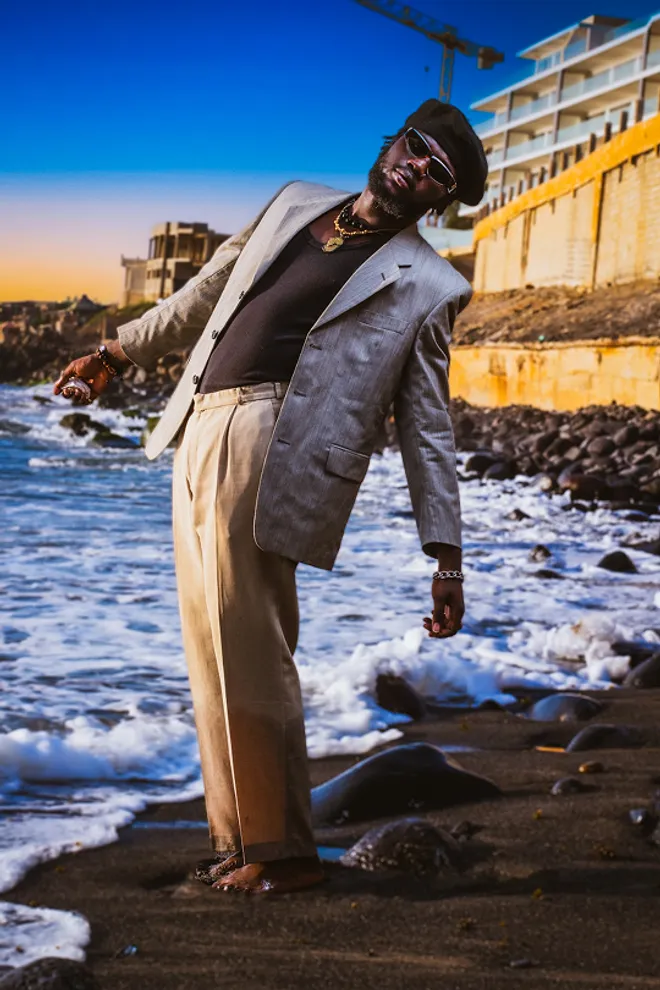
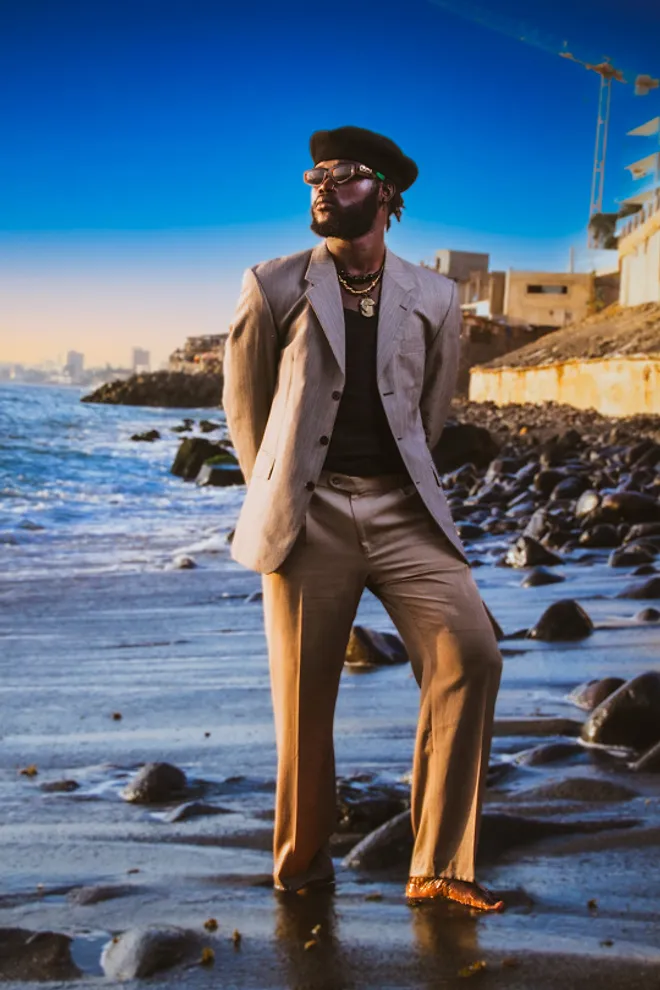
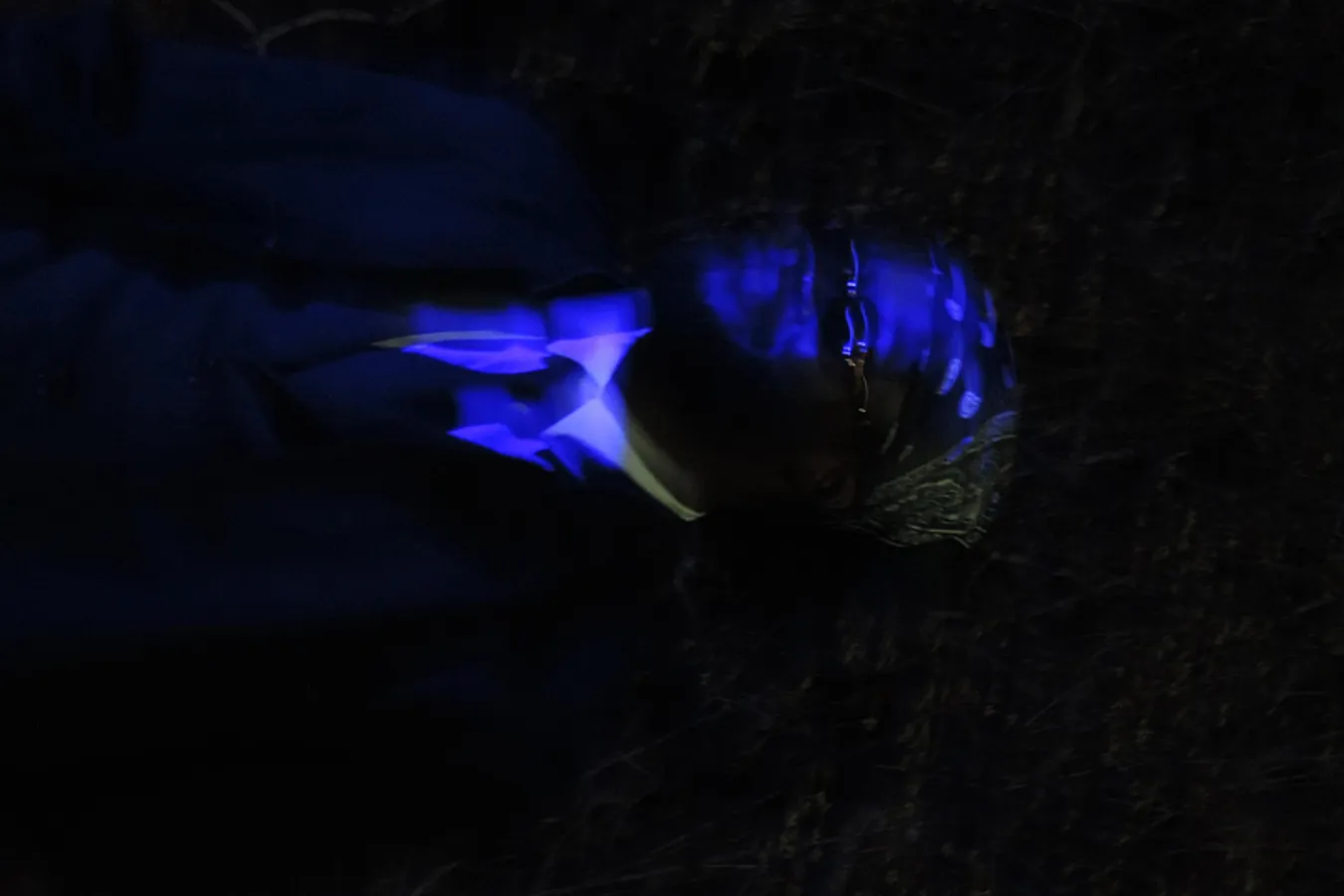
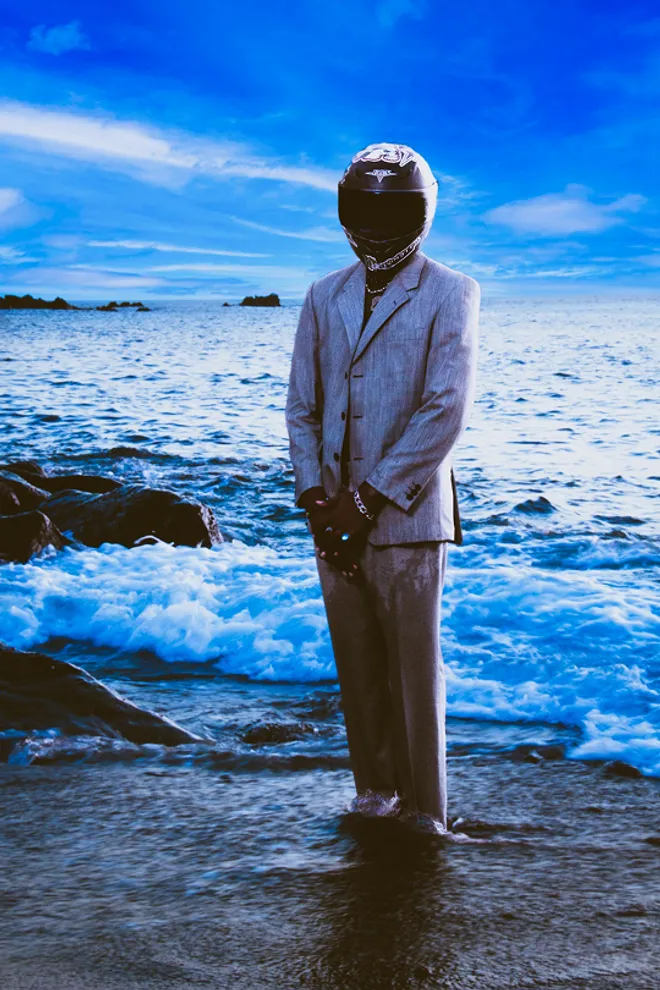
I specialise in conceptual and surrealist modelling. I am drawn to this because it allows for a "pessimistic" yet beautiful exploration of the human condition. My style has evolved from simple portraiture to a complex mix of natural elements and eccentricity. I use my presence to convey subliminal messages, moving beyond standard "pretty" poses to create images that feel like a dream or a haunting memory.

What are the main themes or ideas that inspire your photography?

My primary inspirations are anxiety, melancholia, and the natural world. I use photography as a therapeutic outlet to express emotions that words — even with my English degree — cannot fully capture. By sharing my fears and my "eccentric" side through these images, I connect with others who feel out of place or misunderstood. My goal is to show that vulnerability is not a weakness, but a sophisticated form of art.

What accomplishment or moment in your photography career are you most proud of?

My proudest accomplishment is not a trophy, but the many times strangers have approached me in real life to tell me they appreciate my work. As someone who once hid due to being an introvert, these recurring moments are incredibly healing. They prove that my "eccentric" and vulnerable art is building a genuine, lasting connection with the world. This consistent recognition is what truly inspires me to keep creating.

"Being a model allowed me to expose my insecurities and turn them into a form of strength."

What's the biggest challenge you've faced as a photographer?

Overcoming my natural shyness. For a long time, I preferred to stay in the shadows, fearing that my "eccentric" side would not be understood. Stepping in front of the lens was a bold leap out of my comfort zone.
Through this, I learned that my quiet nature is actually a source of strength. I overcame it by simply choosing to continue expressing myself and staying as authentic as ever. For me, success is not about being the loudest person in the room; it is about the freedom to remain indefinable and true to my vision.

If you could collaborate with anyone, who would it be and why?

It would be Layepro. His mastery of lighting and his ability to tell a deep, visual story through portraiture are qualities I have always admired. As a model who focuses on expressing the "indefinable" and the "eccentric," I believe our creative energies would result in something truly surreal. His lens has a way of capturing the soul of a subject, which perfectly complements my goal of being my most authentic self.


What do you think of the 54Ruum platform?

I see 54Ruum as a vital spotlight for the "new Africa." It is more than just a gallery; it is a digital sanctuary for boundary-pushing creators — photographers, models, and artists — who refuse to fit into traditional boxes.

For someone like me, who identifies as an "indefinable" creator, platforms like this are essential because they celebrate the originality and diversity of African talent on a global stage. It is a space where our stories are not just told, but are given the aesthetic respect they deserve.

"The world does not need more 'perfect' images; it needs more honest ones."

How is the photography and art space in Senegal?

The art scene in Senegal, especially in Dakar, is currently in a "Renaissance." We have always had a rich history, but in recent years, it has shifted from purely traditional portraiture to something much more conceptual and experimental. With the rise of local hubs and new energy, young creators are no longer waiting for permission; they are using the streets and social media to showcase raw, authentic narratives. It is becoming a space where being "different" is finally celebrated as a strength.

What advice would you give to someone starting in photography?

Prioritise your authenticity over perfection. When you start, you might feel pressured to look like everyone else or follow trends, but your unique "flaws" or "shyness" are often where your best art lives. Do not be afraid to be vulnerable — the world does not need more "perfect" images; it needs more honest ones. Also, never let the fear of failure stop you. Just start, and let your style evolve naturally.

"Success is not about being the loudest person in the room; it is about the freedom to remain indefinable and true to my vision."

Credits

Art director & model

Ousmane Lior Dembele

Photography

Elite Focus

Photography

Mouhamed Sy

Photography

Papa Abdou Joop

Photography

Laylah B

Text

Kelvin Otum

Photo curation

guvnor

SHARE THIS STORY

Discover photographers in Africa

Munyabarame Fidele Gisa: Rwandan documentary photographer exploring connection, community and authenticity | 54Ruum Spotlight
Katiso Hlabana: Mosotho fine art and portrait photographer capturing identity, heritage and the modern African narrative | 54Ruum Spotlight
Adam Mengistu: Ethiopian documentary and travel photographer capturing human stories across borders | 54Ruum Spotlight
Oleg Steve Ntwari: Burundian visual artist exploring intimacy, identity, and Afrocentric narratives | 54Ruum Spotlight
Daniel Idoko: Nigerian fashion and event photographer celebrating Generation Z identity and culture | 54Ruum Spotlight
Mohamed Monther Mejri: Tunisian conceptual photographer finding human authenticity in portraits | 54Ruum Spotlight